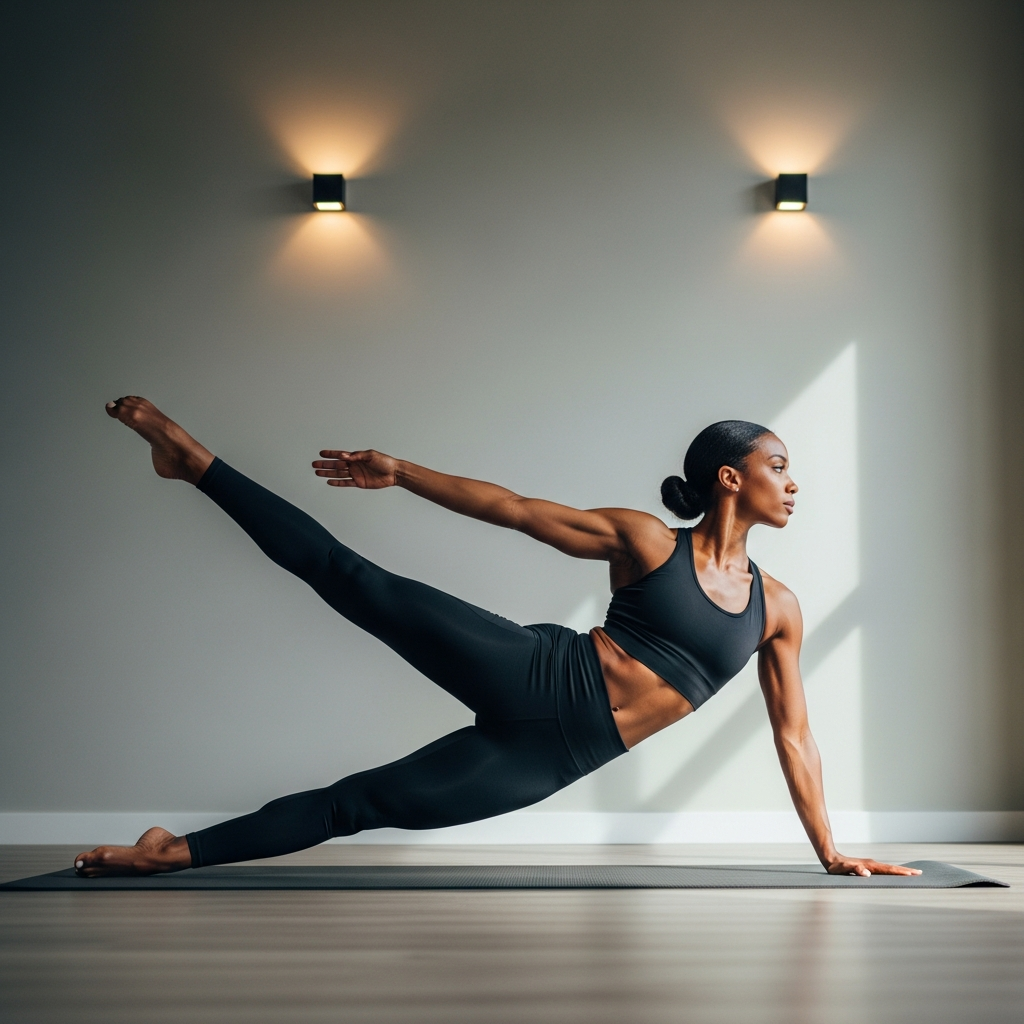
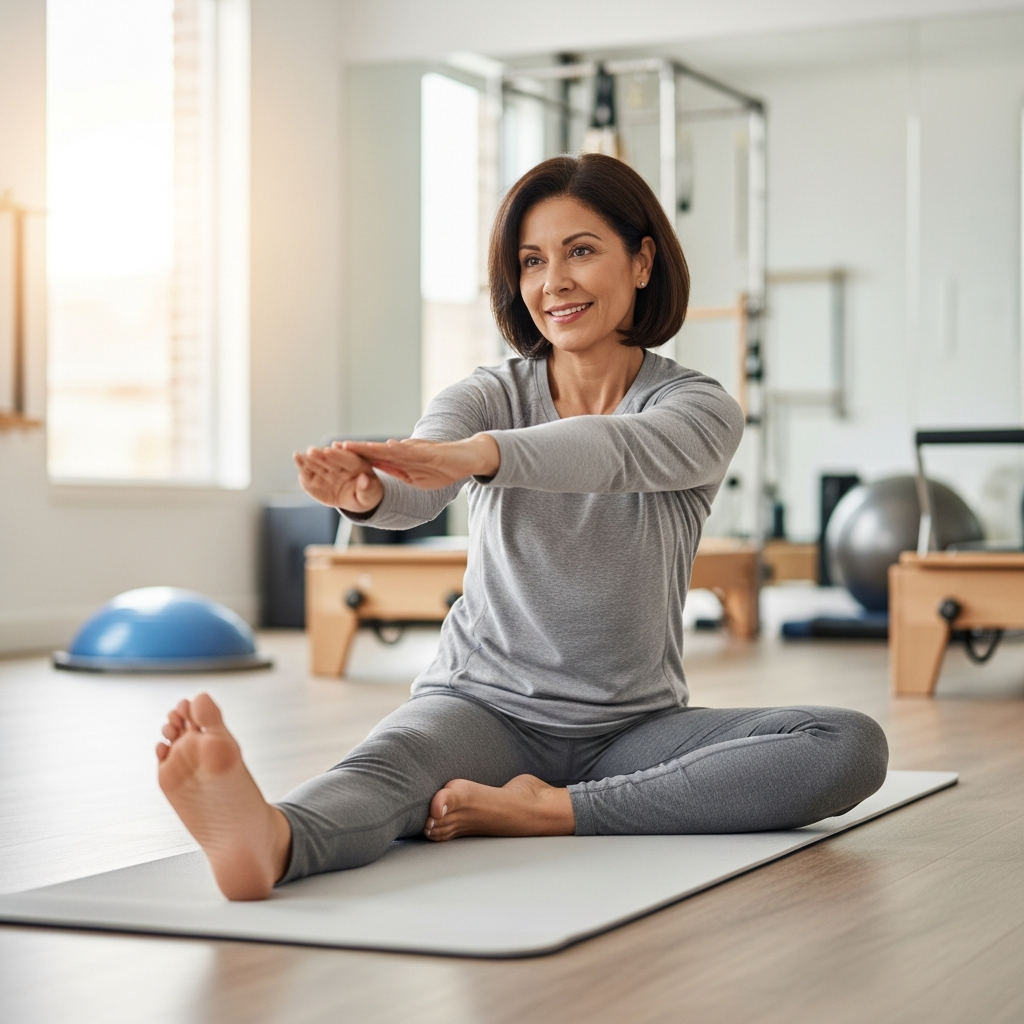
Pilates Classes Around Arlington: What Sets Quality Studios Apart
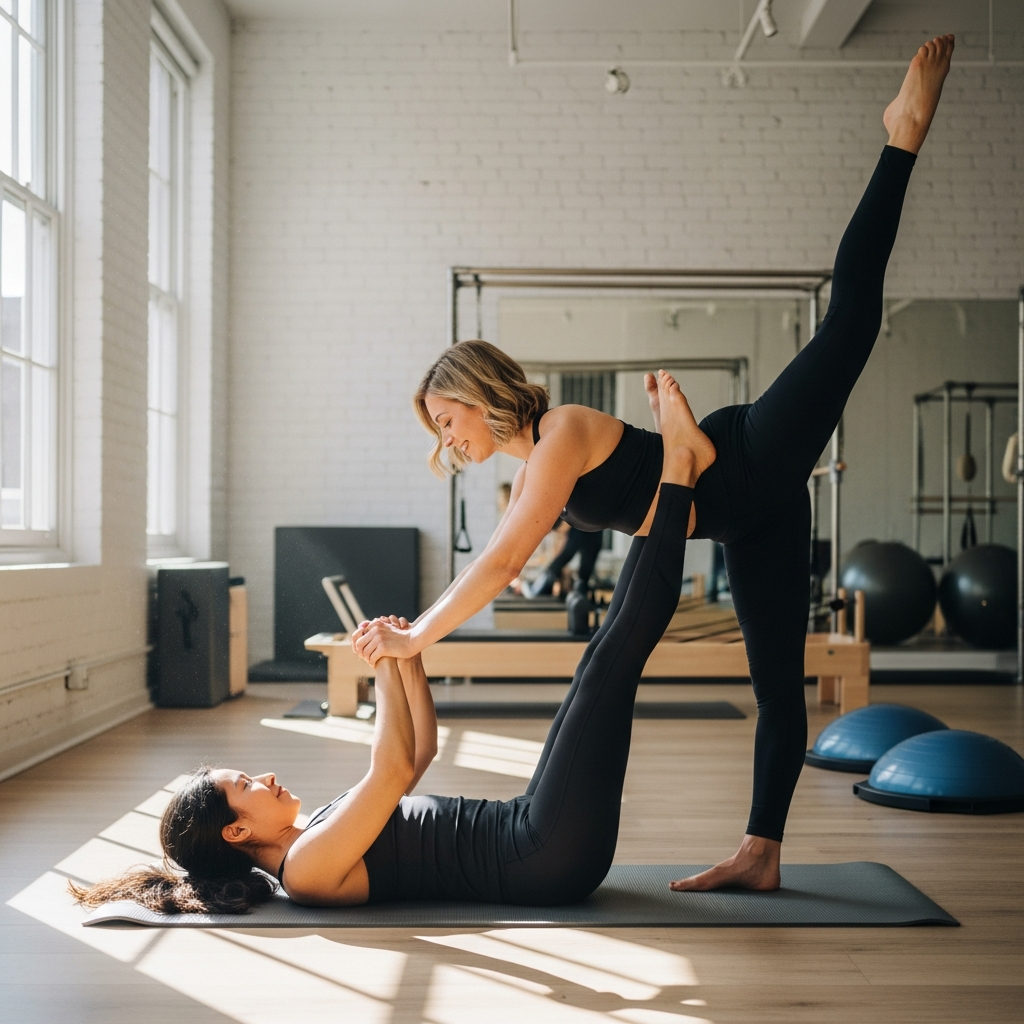
You walk into what looks like a sleek fitness studio, roll out your mat, and settle in for what you hope will be your first step toward that stronger, more flexible body you’ve been promising yourself. The instructor dims the lights, puts on some ambient music, and starts calling out moves that sound more like a foreign language than exercise instructions. Twenty minutes in, you’re doing something that might be Pilates… but honestly? You’re not entirely sure.
Sound familiar?
Here’s the thing – and I say this as someone who’s seen countless people struggle with this exact scenario – not all Pilates classes are created equal. Especially here in Arlington, where studios seem to pop up on every corner faster than you can say “hundred pulses.” It’s like the wild west of wellness out there, and frankly, it can be overwhelming.
You might be thinking, “Come on, how different can Pilates classes really be?” Well… pretty different, actually. I’ve watched people bounce from studio to studio, getting frustrated because they’re not seeing results, their back still aches, or worse – they’re developing new aches they didn’t have before. And here’s what nobody talks about: it’s usually not their fault.
The truth is, quality Pilates instruction can be life-changing. I’m talking about the kind of classes where you leave feeling taller, stronger, more connected to your body. Where that nagging lower back pain that’s been your constant companion for years starts to fade. Where you actually understand what your core is supposed to be doing (spoiler alert: it’s not just about sucking in your stomach).
But mediocre instruction? That’s just expensive stretching with fancy equipment.
Look, I get it. You’re probably juggling work, family, maybe trying to lose weight or manage a health condition, and the last thing you need is to waste time and money on classes that don’t deliver. You want results – real, tangible changes in how you feel and move through your day. And you deserve an instructor who actually knows the difference between your thoracic spine and your lumbar spine… and can explain it in a way that makes sense.
Here in Arlington, we’re lucky. Really lucky, actually. We’ve got some incredible Pilates studios tucked between the chain restaurants and office buildings. But we’ve also got some… well, let’s just say they’re more focused on aesthetics than anatomy.
The difference between a good studio and a great one isn’t always obvious from the outside. Sometimes the fanciest equipment and the prettiest Instagram feed hide a fundamental lack of understanding about how bodies actually work. Meanwhile, that unassuming studio in the basement of an old building might house the most knowledgeable instructors in the area.
So how do you tell the difference? How do you find that magical place where the instructor actually watches your form, adjusts the exercises for your specific needs, and helps you build strength in a way that translates to real life? You know – being able to carry groceries without your shoulders screaming, or getting out of bed without that morning stiffness that makes you feel eighty years old.
That’s exactly what we’re going to figure out together. We’ll talk about the red flags that should send you running (hint: if they promise you’ll look like a dancer in three weeks, run). More importantly, we’ll dive into what actually makes a Pilates studio worth your time and money.
We’ll explore the instructor qualifications that actually matter – because yes, there’s a huge difference between someone with a weekend certification and someone with comprehensive training. We’ll look at how the best studios modify exercises for different bodies and limitations, because let’s be honest, most of us aren’t twenty-year-old former gymnasts.
And here’s something you might not have considered: the studio culture matters more than you think. The best places create an environment where you feel supported, not judged. Where questions are welcomed, not treated like interruptions.
By the time we’re done, you’ll know exactly what to look for, what questions to ask, and how to spot quality instruction from a mile away. Because you deserve more than just a workout – you deserve to feel confident in your body again.
What Actually Makes Pilates… Well, Pilates?
You know how everyone talks about Pilates like it’s some mystical fitness unicorn? Truth is, it’s actually pretty straightforward once you get past all the fancy terminology. Joseph Pilates (yeah, that was his actual last name – lucky guy) developed this whole system back in the 1920s because he was obsessed with the idea that your mind and body should work together like a well-oiled machine.
Think of traditional Pilates like learning to drive a manual transmission. At first, you’re thinking about every single movement – where’s your core, how’s your breathing, is your pelvis in neutral? But eventually… it all clicks together and becomes this fluid thing where everything just flows.
The core principles are deceptively simple: concentration, control, centering, flow, precision, and breathing. Sounds like a wellness Instagram post, right? But here’s where it gets interesting – these aren’t just pretty words to slap on studio walls.
The Equipment Situation (And Why It Actually Matters)
Now, this is where things get a bit confusing for newcomers. You’ve got mat Pilates, which is exactly what it sounds like – you, a mat, and gravity doing their thing together. Then there’s equipment-based Pilates, and honestly? The machines look like something between medieval torture devices and elaborate jungle gyms.
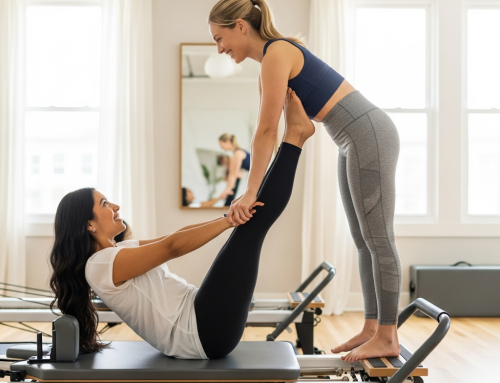
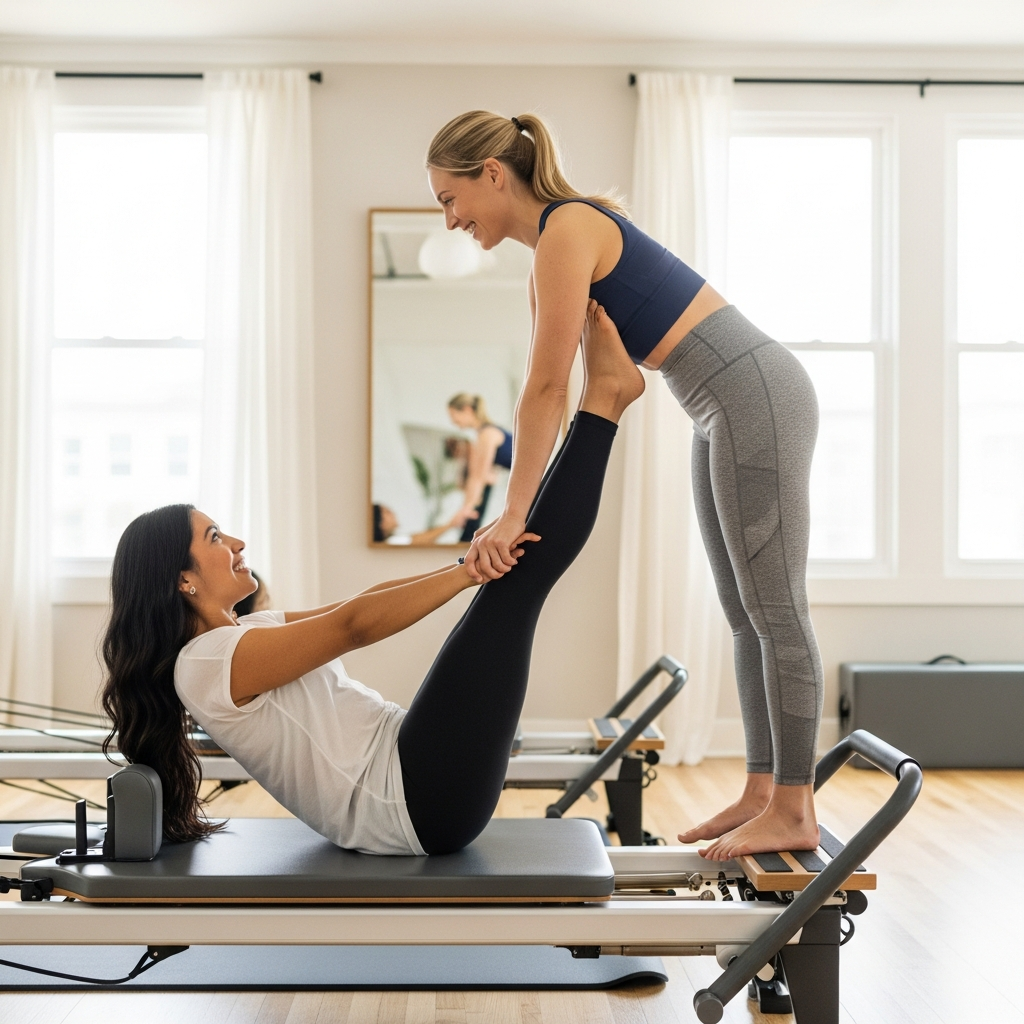
The Reformer is probably the most famous piece – it’s essentially a sliding carriage with springs and pulleys that can either support you like a gentle friend or challenge you like that trainer who smiles while making you suffer. The springs are the secret sauce here. Unlike weights at the gym that just pull down thanks to gravity, these springs can assist or resist movement in any direction. It’s like having a workout partner who never gets tired and always knows exactly how much help (or hindrance) you need.
Cadillac tables, Chairs, Barrels… the equipment names sound like they were chosen by someone with a very particular sense of humor. But each piece serves a purpose – they’re designed to put your body in positions where you can’t cheat your way through movements.
The Mind-Body Thing (Without the Woo-Woo)
Here’s where Pilates gets interesting from a weight management perspective, and honestly, it took me a while to really get this. We’re so used to thinking about exercise as this separate thing we do TO our bodies. You know – put in your time at the gym, check the box, move on with your day.
Pilates flips that script. It’s more like… learning to have a conversation with your body instead of just barking orders at it. You start noticing things – oh, my right shoulder always hikes up when I’m stressed, or my lower back compensates when my hips are tight.
This awareness thing isn’t just touchy-feely nonsense. When you’re more tuned into your body, you make better choices throughout the day. You notice when you’re eating because you’re anxious versus actually hungry. You catch yourself slouching before your back starts aching. It’s like upgrading from a flip phone to a smartphone – suddenly you have access to all this information you didn’t even know you were missing.
The Studio Culture Reality Check
Not all Pilates studios are created equal, and frankly, some of the differences might surprise you. You’ve got your boutique fitness chains that are basically SoulCycle but with Reformers – lots of energy, pumping music, and classes that feel more like group fitness with Pilates equipment.
Then there are the classical studios that follow Joseph Pilates’ original method almost religiously. These places can feel a bit… intense? The instructors speak in this very specific Pilates language and expect you to know the difference between your transverse abdominis and your multifidus muscles.
And somewhere in the middle, you’ll find studios that blend approaches – they respect the traditional method but aren’t afraid to evolve it for modern bodies and lifestyles.
The thing is, none of these approaches are inherently better or worse. It’s more like choosing between jazz, classical, and contemporary music – they’re all music, but they’ll speak to different people at different times in their lives. What matters is finding the style and studio culture that makes you want to show up consistently.
Actually, that reminds me – consistency trumps perfection every single time in Pilates. Better to do mediocre Pilates twice a week than perfect Pilates once a month.
What to Look for During Your First Visit
Walk into any Pilates studio and you’ll get a gut feeling within the first five minutes. Trust it. The best studios feel… different. They’re not trying too hard to impress you with fancy equipment or pushy sales tactics. Instead, you’ll notice instructors who actually watch what you’re doing – not just calling out moves from the front of the room while checking their phones.
Here’s something most people miss: watch how the instructor handles modifications. A quality instructor doesn’t just say “do what feels right” and move on. They’ll actually show you three different ways to modify a roll-up if your back is tight, or demonstrate how to use a block under your sacrum if you’re dealing with hip issues. That’s the difference between someone who took a weekend certification and someone who really knows bodies.
The Equipment Test (Yes, It Matters More Than You Think)
You don’t need to be a Pilates equipment expert, but you can spot red flags pretty easily. Reformer springs should move smoothly – if they’re squeaking or catching, that studio isn’t maintaining their gear properly. And those foam rollers? They shouldn’t be compressed into sad, flat pancakes.
But here’s what really separates the good from the great: studios that have props you’ve never seen before. I’m talking about things like spine correctors, magic circles, or even simple tools like tennis balls and resistance bands strategically placed around the room. Quality studios invest in variety because they understand that your body might need something different today than it did last week.
Reading Between the Lines of Class Descriptions
Those class descriptions on studio websites? They’re basically coded messages. When you see phrases like “all levels welcome” on an advanced class, run. Good studios are honest about what you’re getting into. They’ll tell you upfront if a class moves quickly or assumes you know basic Pilates vocabulary.
Look for studios that offer true beginner progressions – not just “beginner-friendly” classes where half the participants have been coming for two years. The best places actually have intro series or foundations courses. Sure, it might mean a few extra weeks before you jump into the fun stuff, but your body (and your confidence) will thank you later.
The Community Vibe Check
This one’s tricky because every studio talks about having a “welcoming community.” But you can tell the real deal pretty quickly. Do people chat before and after class? Are longtime members helping newcomers figure out equipment adjustments? Or does everyone just grab their mat and stare at their phones?
I’ve noticed something interesting – the best studios have this sweet spot where people are friendly but not cliquish. You know what I mean? You don’t want to feel like you’re crashing someone’s high school reunion, but you also don’t want complete radio silence either.
Questions That Separate Amateur Hour from the Real Deal
When you’re touring studios, ask about instructor training requirements. Quality places require ongoing education – not just that initial certification from five years ago. Good instructors are constantly learning new techniques, understanding recent research, or diving deeper into anatomy.
Also ask about their injury modification policy. The best studios have clear protocols for handling students with limitations. They should ask about your health history, not just hand you a waiver and hope for the best.
The Scheduling Reality Check
Here’s something nobody tells you – the most popular class times aren’t always the best classes. That 6 PM slot might be packed, but is it packed with people who actually know what they’re doing? Sometimes the 10 AM Tuesday class with eight regular students offers way more personalized attention than the weekend warrior sessions.
Pay attention to how far in advance classes book up, too. If everything’s always waitlisted weeks out, that studio might be more about exclusivity than actually serving their community. On the flip side, if classes are always half-empty… well, there’s probably a reason for that too.
Trust Your Body’s Feedback
After your first few classes, check in with yourself honestly. Are you sore in that good “I worked muscles I forgot I had” way? Or are you dealing with actual pain? Quality instruction leaves you feeling challenged but not broken.
Your body doesn’t lie – even when your mind is telling you that you should stick it out because you already bought the package deal.
When Your Body Doesn’t Cooperate (And Other Reality Checks)
Let’s be honest – walking into your first Pilates class can feel like showing up to a foreign language exam you forgot to study for. Everyone else seems to know exactly which muscles they’re supposed to be “engaging,” while you’re just trying not to fall off the reformer.
Here’s what actually happens: your instructor says “find your neutral spine” and you’re thinking… my spine has settings? The good news? Every single person in that room has been exactly where you are. Even that woman who looks like she was born doing the teaser.
The real challenge isn’t just learning the moves – it’s dealing with the mental chatter that comes with being a beginner. You know, that voice that whispers “everyone’s watching you struggle” or “you’re too stiff for this.” Quality studios in Arlington recognize this and create environments where fumbling is part of the process, not a source of shame.
The Scheduling Juggling Act
Finding time for Pilates when you’re managing work, family, and everything else? It’s like trying to solve a Rubik’s cube while riding a unicycle. You want to commit to those twice-weekly sessions, but then life happens. Your kid gets sick, you have a deadline, or you’re just too exhausted to think about your core strength.
The studios that really get it offer flexible scheduling options – not just the standard class times that work for people without day jobs. Some have early morning slots for the before-work crowd, lunch break quickies for the time-crunched, or evening classes that don’t start so late you’ll be wired until midnight.
And here’s a secret weapon: many quality studios let you freeze your membership when life gets overwhelming, rather than making you feel guilty about missed classes. Because they understand that sustainable practice beats perfect attendance every time.
The Intimidation Factor (It’s Real, and It’s Okay)
That first class can feel like stepping into someone else’s world. All those reformer springs and pulleys look complicated enough, but then there’s the terminology – “neutral pelvis,” “imprint,” “articulate through your spine.” Sometimes it feels like they’re speaking in code.
The studios worth your time will have instructors who remember what it was like to be new. They’ll offer modifications without you having to ask (and without making it feel like you’re getting the “easy” version). They understand that your tight hip flexors aren’t a personal failing – they’re just tight hip flexors that need some attention.
Look for places that encourage questions during class, not just before or after. If you’re confused about something, chances are half the room is confused too but afraid to speak up.
The Comparison Trap
You know how it goes – you’re struggling to hold a plank while the person next to you transitions into some pretzel-like position that looks effortless. Social media doesn’t help either, with all those perfect Pilates poses that make you wonder if you’re even doing the same exercise.
Here’s what quality instructors will remind you (and what you need to remember): Pilates isn’t a performance. It’s not about looking like everyone else or achieving some Instagram-worthy pose. It’s about connecting with your body, building strength gradually, and yes – sometimes just showing up when you’d rather be home in your pajamas.
The best studios foster an atmosphere where everyone’s working on their own stuff. That flexible person next to you? They might be there because they’re recovering from an injury. That super strong person? They might have been coming for years. Your journey is yours.
Making Peace with Slow Progress
This might be the hardest part – Pilates results don’t happen overnight. You might leave your first few classes feeling like you got hit by a truck, wondering why people rave about this torture… I mean, exercise method.
The truth is, meaningful change takes time. Quality studios will help you celebrate small wins – the day you finally understand what “neutral spine” means, when you can hold that trembling leg lift for an extra few seconds, or when you realize your back doesn’t ache after sitting at your desk all day.
The real magic happens in those quiet moments when you notice you’re standing taller, sleeping better, or feeling more confident in your body. That’s worth way more than any fancy pose.
What to Expect in Your First Few Classes
Let’s be honest – your first Pilates class might feel a bit like learning to drive a stick shift. You’ll spend half the time wondering what your body is supposed to be doing while everyone else seems to flow through movements like they were born doing the hundred. That’s completely normal.
Most quality studios understand this learning curve. They’ll typically start you with fundamental classes or offer beginner-friendly sessions where the instructor actually explains what a “neutral pelvis” means (spoiler: it’s not as obvious as it sounds). Don’t expect to nail everything immediately – or even in your first month, really.
You might feel muscles you forgot existed. That weird soreness between your shoulder blades? The way your core feels like it ran a marathon after 20 minutes of what looked like gentle stretching? Yeah, that’s Pilates working. The good news is that this intensity levels out as your body adapts… usually within 3-4 weeks if you’re consistent.
The Reality Check Timeline
Here’s what actually happens, not the Instagram version. In your first month, you’re basically learning a new language – the language of your own body. You’ll start noticing your posture more (probably catching yourself slouching and actually caring about it). Some days you’ll feel amazing after class, others you might wonder why you paid money to feel this confused.
Month two and three? That’s when things start clicking. The movements begin to feel less like solving a puzzle and more like… well, movement. You’ll probably notice your balance improving – maybe you can put on pants without grabbing the wall anymore. Your core starts showing up in everyday life, not just during class.
By month six, if you’ve been going consistently (and by consistently, I mean 2-3 times per week, not the “I’ll go whenever I remember” approach), you’ll likely see real changes. Better posture, improved flexibility, and that elusive “Pilates body” people talk about – though it might not look exactly like what you expected from social media.
Finding Your Rhythm
The studios that really get it will help you find a sustainable schedule. Maybe you’re the type who thrives on 6 AM classes – getting it done before your brain can protest. Or perhaps you’re more of an after-work decompression person. There’s no wrong answer, just what works for your life.
Most people find their sweet spot around 2-3 classes per week. Less than that, and you might not build the momentum you need. More than that… well, unless you’re training to become an instructor, you might burn out. Quality studios will actually tell you this instead of trying to sell you unlimited packages right off the bat.
The Investment Reality
Let’s talk money because pretending it doesn’t matter is ridiculous. Quality Pilates isn’t cheap – good instruction, well-maintained equipment, and prime locations cost money. In Arlington, you’re looking at anywhere from $25-40 per class, sometimes more for private sessions.
But here’s the thing – many studios offer package deals that bring the per-class cost down. New student specials are pretty standard (and actually useful, unlike those gym membership promotions that lock you in for eternity). Some places offer work-study programs if you want to trade some cleaning or desk time for classes.
Making It Stick
The studios that really care about your success will check in with you. Not in an annoying, sales-y way, but genuinely asking how you’re feeling, if you have questions, or if you need modifications. They might suggest different instructors if your current one isn’t clicking – because let’s face it, sometimes personalities just don’t mesh, and that’s okay.
They’ll also be realistic about rest days. Good instructors will actually encourage you to take breaks when your body needs them. If someone’s pushing you to come in every single day regardless of how you feel… that’s a red flag.
The best part about finding the right studio? It stops feeling like another item on your to-do list and starts feeling like something you actually look forward to. Not every single day – we’re not living in a wellness influencer fantasy here – but most of the time. And honestly? That’s pretty great.
Finding the right Pilates studio isn’t just about convenience or price – though let’s be honest, those things matter too. It’s about discovering a place where you feel genuinely supported, where instructors actually see *you* (not just another body in class), and where the atmosphere makes you want to keep coming back.
Your Body Deserves Expert Care
You know that feeling when you walk into a space and immediately think, “Yeah, this is where I belong”? That’s what quality Pilates studios create. They understand that your lower back isn’t cooperating lately, that you’re nervous about trying something new, or that you’ve been putting everyone else’s needs before your own for… well, probably too long.
The best instructors don’t just demonstrate moves – they watch how your body responds, offer modifications without making you feel different, and celebrate those small victories that might seem insignificant to others. Like when you finally nail that roll-up you’ve been struggling with, or when you realize your shoulders aren’t creeping up to your ears anymore.
Beyond the Perfect Instagram Shot
Sure, beautiful studios with top-notch equipment are lovely. But what really sets exceptional places apart is how they handle the messy, real stuff. The instructor who remembers you mentioned your knee was bothering you last week. The studio that offers sliding scale pricing because they actually want to help people, not just fill classes. The community that cheers you on without making it feel forced or fake.
Quality studios also understand that bodies come in all shapes, sizes, and ability levels. They’re not trying to turn you into a pretzel – they’re helping you move better, feel stronger, and maybe even sleep through the night without that nagging hip pain.
Making Movement Part of Your Life
Here’s the thing about sustainable wellness… it’s not about finding the perfect workout and sticking to it forever. Sometimes you’ll love Pilates, sometimes you’ll need something different. Sometimes you’ll be consistent for months, other times life will get in the way. A good studio gets that. They’re there when you need them, without the guilt trips.
The right Pilates practice becomes less about checking boxes and more about giving yourself something that genuinely makes you feel better. Not just physically – though that tight feeling in your back definitely improves – but mentally too. There’s something about moving with intention that just… clears the static, you know?
You Don’t Have to Figure This Out Alone
Starting something new can feel overwhelming, especially when you’re already juggling work, family, and that endless mental to-do list. But here’s what we know from years of helping people prioritize their health: taking that first step is usually scarier than it needs to be.
Whether you’re curious about Pilates or exploring other ways to support your wellness goals, you don’t have to navigate this alone. We’re here to answer questions, offer guidance, and help you figure out what actually makes sense for your life right now.
Ready to explore what’s possible for your health? Reach out to us. No pressure, no sales pitch – just honest conversation about what might help you feel your best. Because you deserve to move through life feeling strong, capable, and genuinely cared for.