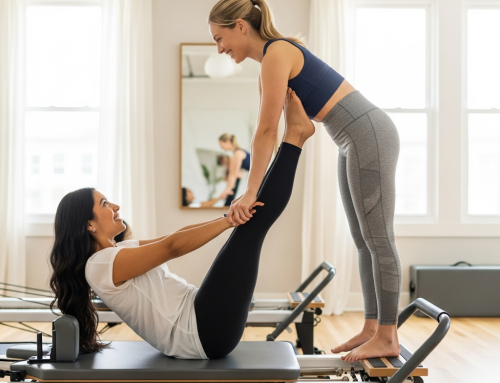
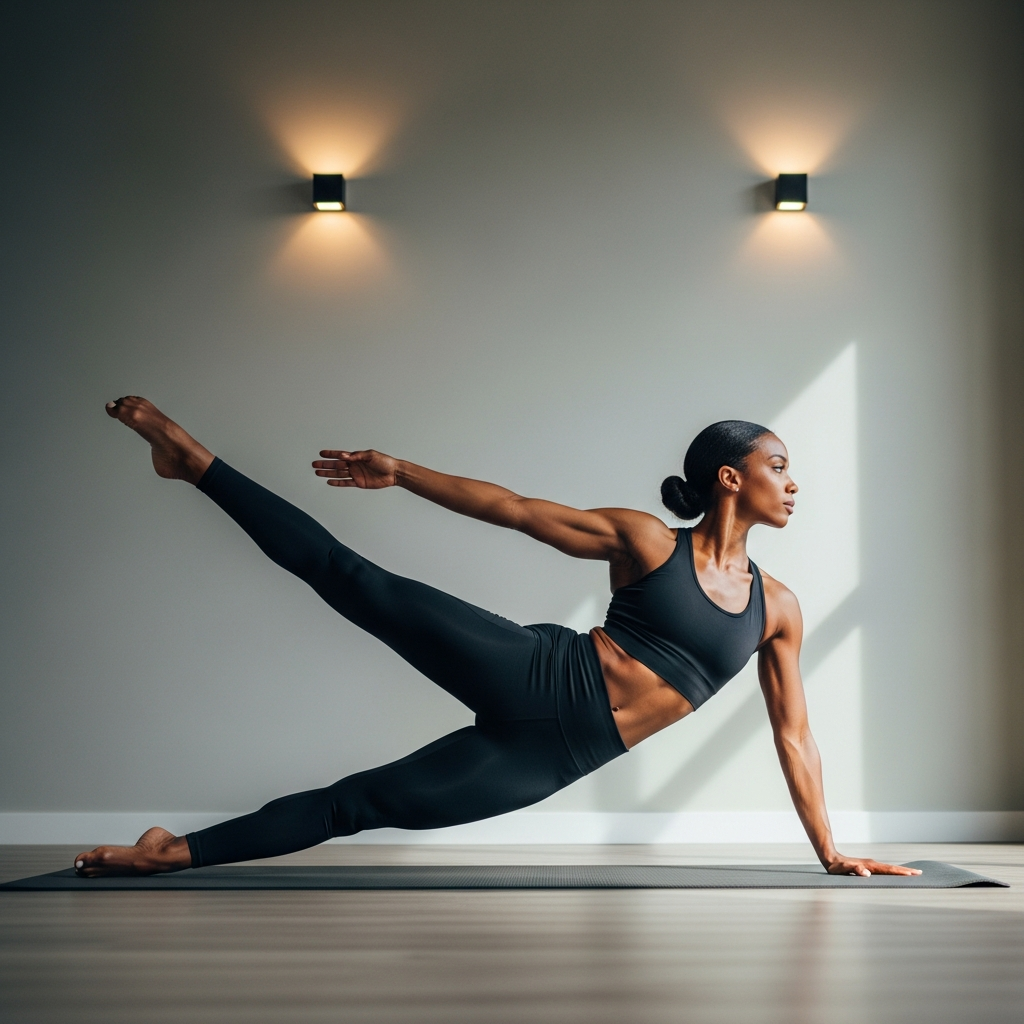
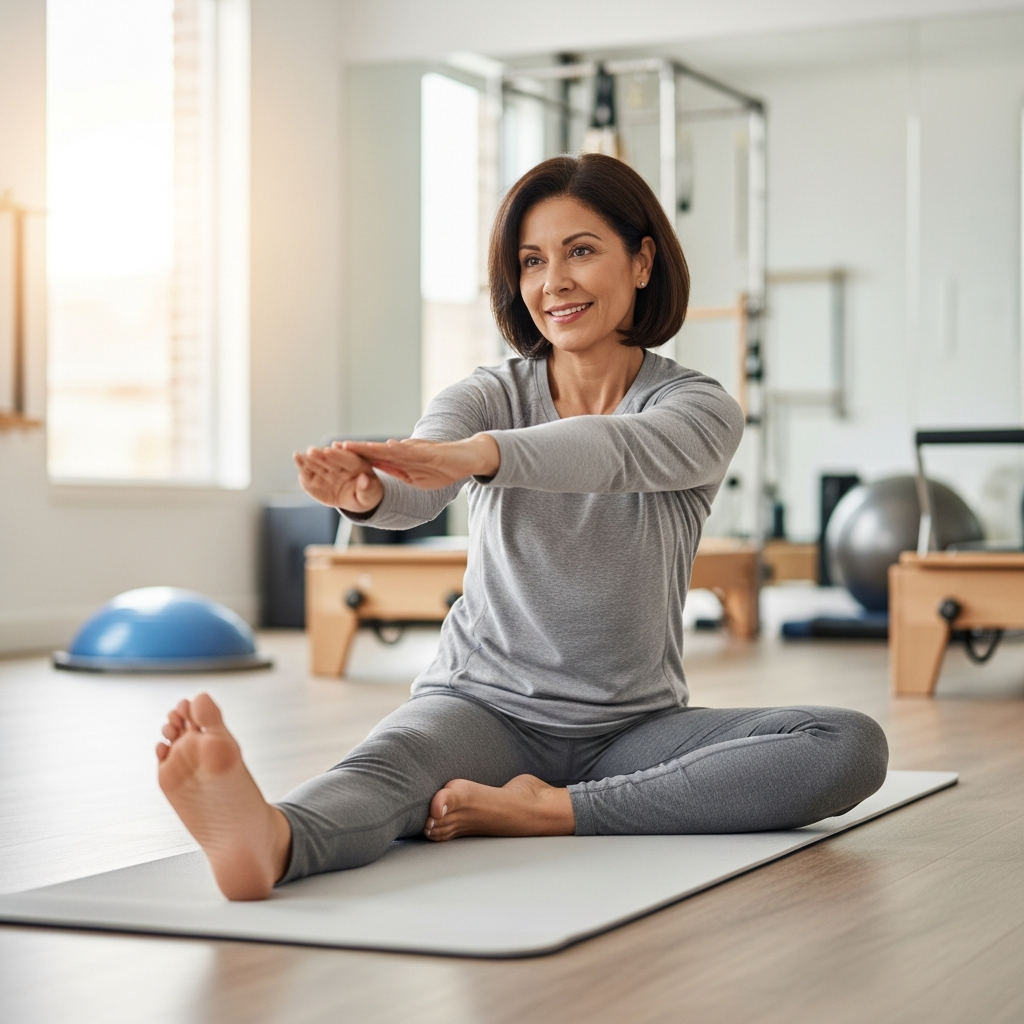
6 Signs You’ve Found the Right Pilates Studio in Grand Prairie
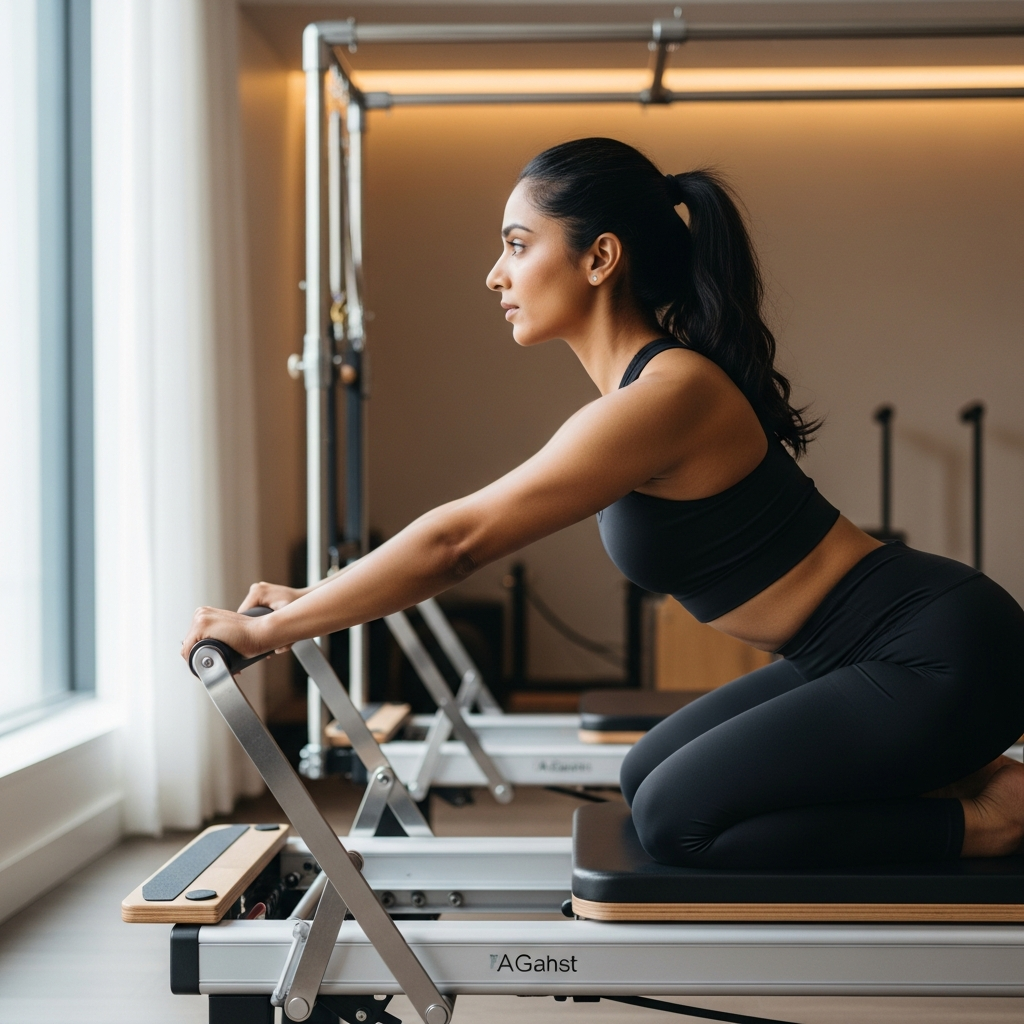
You walk through the glass doors, and something feels… off. Maybe it’s the instructor who barely glances up from their phone, or the way the equipment looks like it hasn’t been cleaned since 2019. You’ve just driven twenty minutes across Grand Prairie, paid for parking, and now you’re wondering if you should’ve just stayed home and done those YouTube Pilates videos again.
Sound familiar?
Here’s the thing – and I say this as someone who’s tried more fitness studios than I care to admit – finding the right Pilates studio isn’t just about convenience or price. It’s about finding a place that actually gets you, supports your goals (whatever they might be), and doesn’t make you feel like you’re intruding on some exclusive club.
You might be thinking, “Come on, it’s just Pilates. How different can one studio be from another?” Oh, friend… let me tell you. The difference between a mediocre studio and the right one? It’s like comparing a soggy sandwich to your favorite comfort meal. Both might technically feed you, but only one leaves you satisfied and coming back for more.
I’ve seen people light up when they finally find their Pilates home – you know, that place where the instructor remembers your name and that tricky shoulder issue you mentioned three weeks ago. Where you actually look forward to showing up, even on those days when your motivation is somewhere around zero.
And honestly? In Grand Prairie’s growing fitness scene, you’ve got options. Lots of them. Which is fantastic… except when you’re trying to figure out which one deserves your hard-earned money and precious time. Because let’s be real – between work, family, and everything else life throws at you, the last thing you need is to waste either on a studio that doesn’t deliver.
Maybe you’re just starting your Pilates adventure and feeling slightly overwhelmed by all the different approaches, equipment, and promises out there. Or perhaps you’ve been bouncing between studios, never quite finding that “click” – you know, that feeling when everything just works. Could be you’re recovering from an injury and need something more specialized than your typical group fitness class. Whatever brought you here, you’re probably asking yourself the same question: “How do I know if this place is actually worth it?”
That’s where those little details matter more than you might expect. The way the front desk person greets you (or doesn’t). Whether the instructor takes thirty seconds to check your form or just assumes you’ve got it figured out. How the studio handles modifications when your back’s acting up or your wrist needs a break.
These things might seem small, but they add up to something bigger – they determine whether you’ll stick with Pilates long enough to see real results, or whether you’ll give up after a few frustrating sessions and convince yourself that “Pilates just isn’t for me.”
And here’s what I’ve learned after years of helping people navigate their wellness choices: the right studio doesn’t just teach you exercises. It becomes part of your routine in the best possible way – something you genuinely look forward to, not something you have to force yourself to do.
Over the next few minutes, we’re going to walk through six specific signs that indicate you’ve found a Pilates studio worth your investment. These aren’t generic “nice to haves” – they’re the practical, real-world indicators that separate the exceptional studios from the ones that are just… there.
We’ll talk about what to look for in those first few visits, which red flags should have you heading for the exit, and how to spot the subtle details that reveal whether a studio truly cares about your success. You’ll learn to recognize the difference between good marketing and genuine quality, and discover why some aspects you might not think matter actually matter a lot.
Because here’s the truth: when you find the right Pilates studio, everything changes. Your consistency improves. Your results get better. And suddenly, taking care of yourself doesn’t feel like another chore on your endless to-do list.
Ready to find your perfect Pilates match in Grand Prairie?
What Makes Pilates Different (And Why It Matters for Your Goals)
You know how everyone talks about Pilates like it’s some magical cure-all? Well… they’re not entirely wrong, but it’s not magic. It’s actually pretty methodical – which is exactly why finding the right studio matters so much.
Think of Pilates like learning to drive a car with a really good instructor versus figuring it out in a parking lot by yourself. Sure, you might eventually get the basics down either way, but one approach is going to leave you with much better habits (and probably fewer crashes along the way).
The thing is, Pilates isn’t just about moving your body – it’s about moving it precisely. Joseph Pilates, the guy who created this whole system back in the 1920s, was obsessed with what he called “controlled movement.” Every exercise has a specific breathing pattern, a particular muscle engagement sequence, and yes… there’s definitely a wrong way to do it.
The Mind-Body Connection Isn’t Just Wellness Fluff
I’ll be honest – when I first heard instructors talking about the “mind-body connection,” I kind of rolled my eyes. It sounded like something from a yoga retreat brochure. But here’s what I’ve learned: in Pilates, your brain literally has to coordinate with your muscles in ways that feel completely foreign at first.
You might be lying on your back, trying to keep your shoulders down while lifting one leg, breathing out on the effort, and – oh wait – also making sure your ribs aren’t popping up. It’s like trying to pat your head and rub your stomach while reciting the alphabet backwards. Your nervous system is basically getting a complete rewiring.
That’s why the instructor’s cueing matters so much. A good teacher will break down these complex movements into digestible pieces, giving you one thing to focus on at a time until it all starts clicking together. A not-so-great instructor? You’ll leave feeling confused and probably a little frustrated.
Equipment Isn’t Just Props – It’s Your Training Partner
Here’s where things get interesting (and maybe a little intimidating if you’re new to this). Those contraptions you see in Pilates studios – the Reformers with their springs and pulleys, the Cadillac that looks like medieval torture device – they’re not just fancy gym equipment.
Think of them more like… really sophisticated training wheels. The springs provide resistance that actually helps you find the right muscles to engage. It’s counterintuitive, I know. You’d think adding resistance would make things harder, but often it makes the movement clearer.
The Reformer, for instance, will literally tell you when you’re cheating. Try to use your shoulders instead of your core to pull the carriage? The machine won’t budge the way it should. It’s like having a very honest workout partner who calls you out on your shortcuts.
Why “Just Following Along” Won’t Cut It
This is probably the most important thing to understand: Pilates isn’t a follow-the-leader kind of workout. You can’t just mirror what everyone else is doing and expect to get results – or worse, avoid injury.
Everyone’s body is different. Maybe you’ve got tight hip flexors from sitting at a desk all day, or your left shoulder sits higher than your right from carrying a heavy bag. (Actually, that reminds me – we all have these little asymmetries, and good Pilates instruction will help you become aware of them rather than just working around them.)
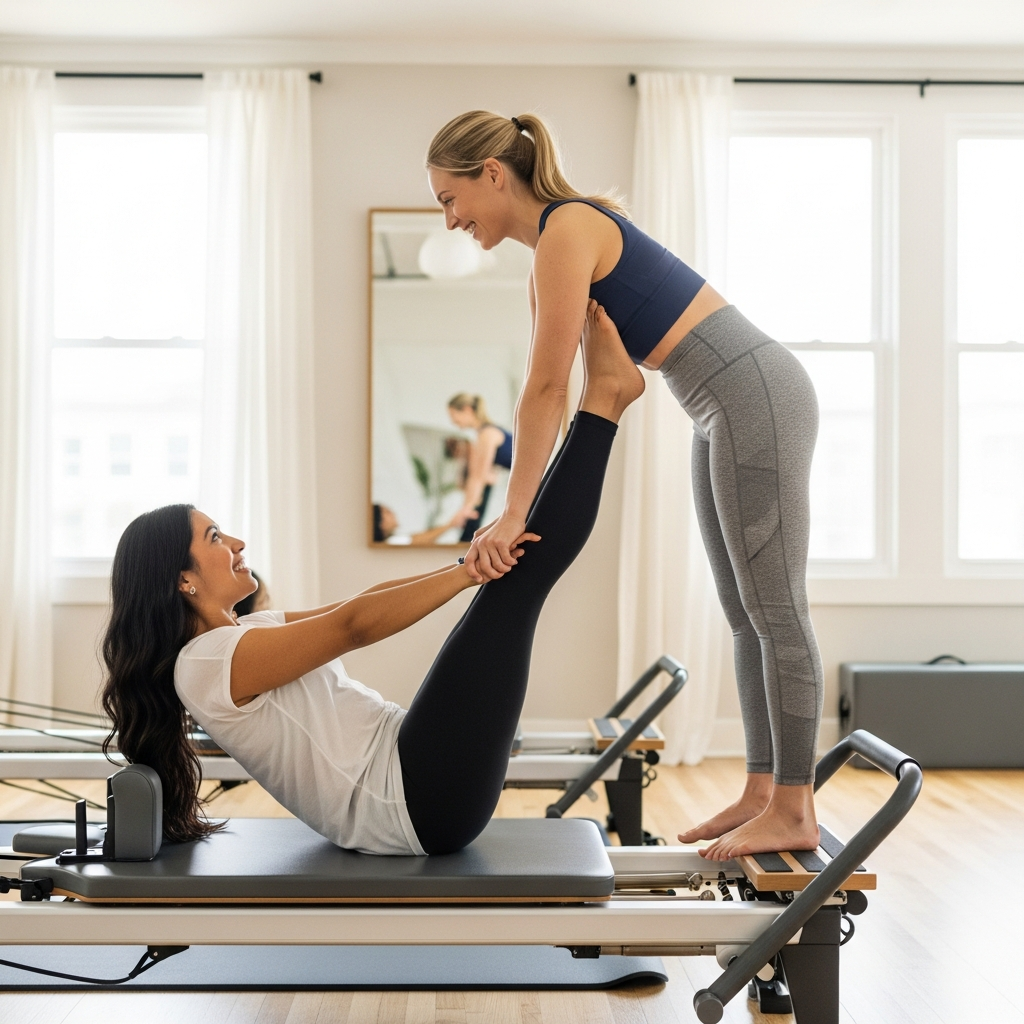
A qualified instructor should be watching how you move, making adjustments, and sometimes giving you completely different variations of the same exercise. It’s like having a personal movement coach who happens to be working with a group.
The Learning Curve Is Real (And That’s Okay)
Let me level with you – your first few Pilates classes might leave you feeling like you have no idea what you’re doing. That’s completely normal. You’re essentially learning a new language of movement, and your body needs time to understand what you’re asking of it.
Some people pick it up quickly, others need more time to feel comfortable with the basics. Neither approach is better or worse – it just is. What matters is finding an environment where you feel supported during that learning process, not rushed or judged.
The right studio will make this journey feel challenging but doable, like you’re always working at the edge of your ability without falling off the cliff.
Start with a Drop-In Class Before Committing to Anything
Here’s something most studios won’t tell you upfront – they’re banking on you signing up for that expensive package deal after your first “trial” class. Don’t fall for it. The best Pilates studios in Grand Prairie are confident enough to let you test the waters without pressure.
Ask to observe a class first, then take a single drop-in session. Yes, it’ll cost more per class than a package deal, but you’re gathering intel. Watch how the instructor moves around the room during that observation. Do they actually correct form, or are they just calling out moves from the front? When you take your trial class, notice if they remember your name by the end… it’s a small thing that speaks volumes about their attention to detail.
Pro tip: Schedule your trial class for a Tuesday or Wednesday evening. That’s when you’ll see their regular crowd – not the cherry-picked weekend warriors or Monday motivation seekers.
Test Their Equipment Like You’re Buying a Used Car
Walk around and actually touch the reformers before your first class starts. The springs should move smoothly – no jerky resistance or weird clicking sounds. The carriage should glide without sticking. If the equipment feels sketchy, your workout will be too.
Look for studios that have newer Balanced Body or STOTT PILATES equipment. These aren’t just fancy brand names – they’re investments in your safety. Old, worn-out machines can actually cause injury, especially if you’re dealing with back issues or recovering from something.
And here’s a secret most people miss… check out their props situation. Plenty of clean blocks, straps, and magic circles? Good sign. Everything looking ratty and limited? That tells you they’re either cutting corners on maintenance or they’re so packed they can’t keep up with demand.
Ask About Instructor Training (And Don’t Accept Vague Answers)
This is where you separate the serious studios from the fitness chains trying to cash in on the Pilates trend. A legitimate instructor should have at least 450-600 hours of comprehensive training – not some weekend certification they picked up online.
Don’t be shy about asking where they trained and when they completed their certification. The good instructors are proud of their credentials and continuing education. They’ll light up talking about their latest workshop or that challenging apprenticeship they completed.
Red flag? If they can’t give you specific details or seem defensive about the question. Also, be wary of studios where every instructor looks like they just graduated college last week. Experience matters when you’re trusting someone to guide your body safely.
Look for Small Class Sizes (And Make Sure They Stay That Way)
Here’s the thing about Pilates – it’s not yoga where you can kind of hide in the back and do your own thing. Every movement matters, and proper form is everything. If there are more than 8-10 people in a mat class or more than 4-6 on equipment, you’re not getting the attention you need.
Visit during their busiest times (usually early morning or after work) to see if they stick to reasonable numbers. Some studios will promise small classes but then pack them when demand is high. That Tuesday evening trial class I mentioned? Perfect for seeing their true capacity management.
Trust Your Gut About the Vibe
Look, you can check all the boxes – great equipment, certified instructors, reasonable prices – but if the energy feels off, it probably is. Do people seem genuinely happy to be there, or are they going through the motions?
Pay attention to how current members interact with each other and the staff. A good Pilates studio develops a bit of a community feel… people know each other’s names, ask about each other’s progress, maybe chat briefly before class starts.
Also notice – and this might sound silly – but how does the place smell? It should be clean and fresh, maybe with a hint of eucalyptus or lavender. If it smells like old sweat or overpowering chemical cleaners, that’s telling you something about their attention to detail.
Give It Three Classes Before Making Your Final Decision
One class isn’t enough to judge – you might catch them on an off day, or you might be having an off day yourself. Three classes give you a better sense of consistency in instruction quality, equipment maintenance, and overall experience.
After those three sessions, you’ll know. Your body will tell you if you’re getting stronger and more aligned, or if you’re just going through expensive motions.
When Your Body Feels Like It’s Fighting You
Let’s be real – those first few Pilates sessions can feel like you’re speaking a foreign language with your muscles. You know what I mean? The instructor says “engage your core” and you’re thinking… *which part exactly?* Meanwhile, everyone else seems to flow through movements like graceful swans while you’re more like a confused flamingo.
Here’s the thing though – that disconnect between your brain and body? It’s completely normal. Your nervous system is literally learning new pathways. The solution isn’t to power through or pretend you get it. Instead, focus on one thing at a time. If the instructor gives five cues, pick one. Master that. The rest will come.
And honestly? A good Pilates studio in Grand Prairie will expect this learning curve. They’ll modify moves, offer props, and never make you feel like you should already know what you’re doing. If they do… well, that’s not your forever studio.
The Intimidation Factor (It’s Real, and It’s Okay)
Walking into a new fitness space – especially one with those reformer machines that look like medieval torture devices – can make anyone want to turn around and head straight back to their couch. Add in the fact that Pilates has this reputation for being “elegant” and “controlled,” and suddenly you’re worried about looking clumsy.
But here’s what I’ve learned from talking to hundreds of people: everyone feels this way initially. Even that person who looks like they’ve been doing Pilates since birth? They had a first day too.
The key is finding a studio where the vibe feels welcoming from minute one. You should feel comfortable asking questions – even the “dumb” ones (spoiler alert: there aren’t any dumb questions). The front desk staff should remember your name after a visit or two, and instructors should check in with you during class without making it a big production.
Schedule Juggling and the Consistency Struggle
Oh, this one hits close to home. You sign up with the best intentions, maybe even pay for a package upfront (because that’ll motivate you, right?). Then life happens. Work gets crazy, your kid gets sick, your car breaks down… and suddenly it’s been three weeks since you’ve darkened the studio’s door.
The guilt spiral starts: “I’m wasting money,” “I’m never going to see results,” “Maybe I’m just not a Pilates person.” Sound familiar?
Here’s a different approach – instead of aiming for that perfect three-times-a-week schedule, start with what feels sustainable. Maybe it’s once a week for now. Maybe it’s taking advantage of those early morning classes before your day explodes into chaos. The right studio will work with your reality, not against it.
Look for places that offer make-up classes or flexible scheduling. Some studios even do short express sessions – twenty or thirty minutes when an hour feels impossible. Progress isn’t about perfection; it’s about showing up when you can.
The Price Tag Reality Check
Let’s talk money, because pretending it doesn’t matter is ridiculous. Quality Pilates instruction isn’t cheap – we’re talking about specialized equipment, extensive instructor training, and typically smaller class sizes. But sticker shock is real, and it can make you question whether this whole thing is worth it.
Here’s where you need to think beyond the per-session cost. What are you actually paying for? Individual attention, proper form correction, injury prevention, and honestly – your mental health. That hour where you focus solely on your body and breath? That’s therapy-level valuable.
Most studios offer intro packages or trial periods. Use them. Don’t commit to anything long-term until you’ve tested the waters. And ask about payment plans – many places are surprisingly flexible about spreading costs out.
When Progress Feels Invisible
This might be the hardest part – Pilates changes happen slowly, from the inside out. You’re not going to see dramatic before-and-after photos after two weeks. Instead, you might notice you’re sleeping better, or your lower back doesn’t ache after sitting at your desk all day, or you feel more… stable walking up stairs.
Those improvements are huge, but they’re subtle. In our instant-gratification world, subtle can feel like failure. It’s not. Trust the process, and find a studio that celebrates those small victories with you. They should be checking in about how you’re feeling, not just what you can do.
The right studio becomes your partner in this – patient with your timeline, realistic about expectations, but also genuinely excited when you nail that movement that’s been giving you trouble for weeks.
What to Expect in Your First Month
So you’ve found your studio – congrats! But let’s be real about what comes next, because managing expectations is everything when you’re starting something new.
Your first few classes? They’re going to feel… interesting. You’ll probably leave thinking “that didn’t seem that hard” or “wait, why are my abs screaming at me today?” Both reactions are totally normal. Pilates has this sneaky way of working muscles you forgot you had. Don’t be surprised if you wake up the next day feeling like you’ve discovered a whole new geography of your body.
Most people start noticing small changes around week three or four. Nothing dramatic – maybe you stand a little taller without thinking about it, or you don’t grunt when getting out of your car. These tiny shifts? They’re actually huge victories. Your body is learning a new language of movement, and that takes time.
Here’s what I tell everyone: give yourself at least six weeks before you decide if Pilates is “working.” I know, I know – we live in an instant gratification world. But your muscles, your posture, your coordination… they didn’t get where they are overnight, and they won’t transform overnight either.
The Learning Curve (It’s More Like a Gentle Hill)
Every studio has its own rhythm and terminology. Some instructors say “zip up your core” while others prefer “draw your navel to spine.” Don’t stress about memorizing everything immediately – even regulars sometimes look around the room when they hear a new cue.
You’ll probably feel a bit lost during your first few group classes. That’s completely expected. While everyone else seems to flow effortlessly from one exercise to the next, you might be fumbling with the reformer springs or wondering if your “teaser” looks more like a confused pretzel.
Here’s a little secret: those “advanced” students? They were exactly where you are now, not that long ago. And honestly, most people are too focused on their own form to judge yours. Actually, that reminds me – one of my favorite things about Pilates people is how supportive they tend to be. It’s not a competitive environment like some fitness spaces can feel.
Building Your Routine (Slowly But Surely)
Start with two classes a week if you can swing it. Once a week is fine for maintenance, but twice weekly is where you’ll really start feeling the cumulative effects. Your muscles need that consistency to build the neural pathways that make movement feel more automatic.
Don’t feel pressured to dive into the most challenging classes right away. Foundation classes aren’t just for beginners – they’re for anyone who wants to master the basics. And trust me, the basics in Pilates are harder than they look. I’ve seen people who’ve been doing it for years still working on perfecting their hundred or their roll-up.
If your studio offers private sessions, consider splurging on one or two during your first month. It’s like having a GPS when you’re learning to navigate a new city – worth the investment to get your bearings.
When Things Click (And They Will)
Somewhere around month two or three, something magical happens. You’ll be in class, and suddenly you’ll feel your powerhouse engage without having to think about it. Or you’ll nail that transition you’ve been struggling with. These moments are pure gold – savor them.
Your instructor will probably notice your progress before you do. Don’t be surprised if they start offering you variations or suggesting you try something more challenging. That’s not them being pushy – it’s them recognizing that you’re ready for the next step.
Setting Realistic Goals
Instead of focusing on dramatic transformations, think smaller. Better sleep? Check. Less back pain when you’re sitting at your desk? Absolutely. Feeling more stable when you’re walking on uneven surfaces? That’s Pilates working its magic.
The strength gains are real, but they’re subtle. You won’t bulk up, but you’ll develop this underlying stability that makes everything else feel easier. It’s like upgrading your body’s foundation – not flashy, but incredibly valuable.
Give yourself permission to be a beginner. Embrace the awkward phase. And remember – the goal isn’t perfection, it’s progress. You’ve already taken the hardest step by finding the right studio and showing up. Everything else? That’s just details.
You know what? Finding the right fitness space isn’t just about checking boxes on a list – though those six signs we’ve talked about definitely matter. It’s about that moment when you walk through the doors and think, “Yeah, this feels right.”
Maybe it’s the instructor who remembers you’re dealing with lower back issues and suggests modifications without making you feel fragile. Or perhaps it’s realizing you’ve been going for three weeks straight and actually… looking forward to it? (Trust me, if you’re naturally exercise-averse like so many of us, that’s practically a miracle.)
Here’s the thing about Pilates – and really, any movement practice that becomes part of your life. It works best when it doesn’t feel like punishment. When you’re not dreading it or forcing yourself through the motions because you “should” be exercising. The right studio creates this weird alchemy where challenge meets support, where you’re pushed but never shamed.
And honestly? That supportive environment becomes even more crucial when you’re working on weight management goals. Your body is already going through changes, adapting to new habits, maybe feeling uncertain some days. The last thing you need is a fitness space that adds stress instead of relieving it.
I’ve seen people transform – not just physically, but in how they carry themselves, how they talk about their bodies – when they find their fitness home. It’s like watching someone finally exhale after holding their breath for years. They stop apologizing for taking up space, stop comparing themselves to everyone else in the mirror.
The right Pilates studio becomes this sanctuary where you can be exactly where you are today. Tired? That’s okay – we’ll modify. Frustrated with slow progress? Let’s talk about it. Celebrating a breakthrough? We’re cheering right alongside you.
Because here’s what I really want you to understand: you deserve to feel supported in your wellness goals. You deserve instructors who see you as a whole person, not just a body to whip into shape. You deserve a space that feels safe to be imperfect, to have off days, to ask questions, to celebrate small wins.
Sometimes people tell me they’re nervous about starting Pilates, especially if they’re also working on weight loss. They worry they’re not fit enough, not flexible enough, not… enough. But you know what? The best studios – the ones worth your time and energy – they get it. They’ve worked with people at every fitness level, every body size, every stage of their wellness story.
If you’re feeling overwhelmed by all the options in Grand Prairie, or if you’re not sure where to start with your fitness goals, we’re here. Not to pressure you or sell you anything, but genuinely to help you figure out what might work best for your specific situation. Sometimes a quick conversation can save you weeks of trial and error – and honestly, we love talking about this stuff.
Your wellness goals matter. Your comfort matters. And finding the right support system? That can make all the difference between another failed attempt and lasting change.