Fairmount Pilates Classes: What Beginners Should Know
You know that feeling when you walk past a Pilates studio and peek through the windows? There’s something almost… intimidating about it, isn’t there? Those impossibly graceful people flowing through movements that look like a cross between ballet and some kind of beautiful torture device. Meanwhile, you’re standing there in your sneakers thinking, “Yeah, that’s definitely not for someone like me.”
I get it. I used to have the exact same reaction.
But here’s the thing about Pilates – and specifically about starting your practice in Fairmount – it’s not nearly as scary as your brain is making it out to be. Actually, that’s not quite right. Let me be honest: it IS a little intimidating at first. Your core will shake. You’ll discover muscles you didn’t know existed (hello, deep abdominals that apparently haven’t been properly introduced to the rest of your body). And yes, you might feel like everyone else knows some secret language of “neutral spine” and “powerhouse” that you definitely missed in school.
But here’s what nobody tells you when you’re standing outside that studio window, working up the courage to walk in…
Pilates might just be the missing piece you’ve been looking for. Not in some dramatic, life-changing way – though it could be that too – but in a quiet, steady way that starts to shift how you move through your day. How you sit at your desk. How your back feels when you get out of bed. How you carry groceries up those Fairmount stairs (you know the ones I’m talking about).
And if you’re dealing with weight management? Well, that’s where things get really interesting. Pilates isn’t going to burn calories like a spin class – let’s be real about that. But it does something else entirely. It teaches your body how to move efficiently, how to engage muscles you’ve probably been ignoring, and how to build the kind of strength that makes everything else in your fitness routine work better.
Think of it like this: if your weight loss journey is a house you’re building, Pilates is the foundation. Not the most exciting part, maybe, but absolutely essential if you want everything else to hold up properly.
The Fairmount area has this amazing collection of Pilates studios – from the cozy, neighborhood spots where everyone knows your name to the sleek, equipment-heavy places that look like they belong in a magazine. Each one has its own personality, its own approach, its own way of making beginners feel… well, less like beginners and more like people who are exactly where they need to be.
But – and this is important – not every studio is right for every person. Some focus heavily on rehabilitation and gentle movement. Others lean into the athletic side of Pilates, pushing you toward more challenging variations. Some are mat-based, using just your body weight and maybe some props. Others are all about the reformer machines (those intimidating-looking contraptions with springs and pulleys that are actually genius inventions, once you understand them).
Here’s what I want you to know before you take that first class: you don’t need to be flexible. You don’t need to be strong. You definitely don’t need to understand the difference between Classical and Contemporary Pilates before you walk in the door. You just need to be curious and willing to feel a little awkward for about twenty minutes.
Because that’s roughly how long it takes – twenty minutes into your first class – before something clicks. Maybe it’s finally finding your “neutral pelvis” (less mysterious than it sounds, I promise). Maybe it’s realizing that slow, controlled movement is actually harder than any burpee you’ve ever attempted. Or maybe it’s just that moment when you look around and realize everyone else is concentrating too hard on their own form to judge yours.
Over the next few minutes, we’re going to walk through everything you need to know to choose your first Fairmount Pilates studio, survive your first class, and maybe even discover why people become slightly obsessed with this practice. We’ll talk about what to wear (spoiler: you probably already own it), what to expect in different types of classes, and how to find an instructor who gets that you’re new to this whole thing.
Most importantly, we’ll figure out how Pilates fits into your bigger health goals – especially if weight management is part of the picture.
Ready? Let’s demystify this thing together.
What Exactly Is Pilates Anyway?
You know how everyone talks about Pilates like it’s this mystical fitness thing? I get it – it can sound pretty intimidating when you hear people throwing around terms like “powerhouse” and “neutral spine.” But honestly? Pilates is just a really smart way to move your body.
Think of it like this: if your body were a house, most workouts focus on redecorating the outside – making your biceps bigger or your legs more toned. Pilates, though… it’s more like renovating the foundation. We’re talking about the deep stuff – your core, your posture, how all your parts work together.
Joseph Pilates (yes, that’s a real person’s name) created this method back in the early 1900s. He was kind of obsessed with the idea that your mind and body should work as one unit. Revolutionary thinking for the time, really. He called his method “Contrology” originally – which, let’s be honest, sounds way less appealing than Pilates.
The Core Truth About Your “Powerhouse”
Here’s where things get a little… well, confusing at first. When Pilates instructors talk about your “core,” they don’t just mean those six-pack muscles you see in fitness magazines.
Your powerhouse – that’s Pilates speak for your core – includes everything from your diaphragm at the top, down to your pelvic floor at the bottom, and wraps around to include your deep abdominal muscles and the muscles along your spine. It’s like having a built-in corset that supports everything you do.
Actually, that reminds me of something that trips up a lot of beginners… you might expect Pilates to be all gentle stretching and breathing. Then you try to hold a plank for what feels like seventeen hours (but is probably 30 seconds), and you’re wondering what you’ve gotten yourself into. The movements look simple – deceivingly simple – but they’re working muscles you probably didn’t even know you had.
Mat vs. Reformer: The Great Pilates Divide
Now, this is where it gets interesting. There are basically two main types of Pilates classes you’ll find in Fairmount – mat classes and reformer classes.
Mat Pilates is exactly what it sounds like. You, a mat, maybe some props like resistance bands or small weights. It’s like the acoustic version of Pilates – stripped down to the essentials. Don’t let that fool you into thinking it’s easier, though. When you don’t have springs and pulleys helping (or challenging) you, your body has to do all the work.
Reformer Pilates uses this contraption that honestly looks like it belongs in a medieval torture chamber at first glance. But stick with me here – it’s actually genius. The reformer has springs that provide resistance, and the moving carriage creates instability that forces your core to work harder. It’s like having a personal trainer that’s also a piece of equipment.
The Mind-Body Thing Isn’t Just Marketing Fluff
Here’s something that might sound a bit woo-woo at first, but bear with me. Pilates really is about connecting your mind to your movement. You can’t just zone out and go through the motions like you might on a treadmill.
Every exercise requires you to think about what you’re doing. Are you breathing properly? Is your spine in the right position? Are you engaging the right muscles? It’s like meditation, but with more sweating and the occasional frustrated grunt when you can’t figure out how to coordinate your arms and legs.
This mental focus thing – it’s actually one of the biggest benefits, especially if you’re dealing with stress or just feeling disconnected from your body. You know that feeling when you’re so busy that you barely notice what your body needs? Pilates kind of forces you to check back in.
Why the Breathing Matters More Than You Think
Okay, let’s talk about the elephant in the room – the breathing patterns. Yes, there’s a specific way to breathe in Pilates, and no, it’s not the most intuitive thing at first.
Most of us are chest breathers without even realizing it. Pilates teaches you to breathe into your ribcage – imagine your ribs expanding like an accordion. It sounds simple enough, but trying to coordinate this breath pattern with movement? That’s where things get interesting… and occasionally frustrating.
Don’t worry if it feels like rubbing your belly and patting your head at first. Everyone goes through that awkward phase where you’re concentrating so hard on breathing that you forget what exercise you’re supposed to be doing.
What to Wear (And What Not to Bother With)
Skip the fancy Pilates gear for now – seriously. You don’t need $80 leggings to start. Just wear something that moves with you and won’t ride up when you’re upside down. I’ve seen too many beginners show up in baggy sweatpants only to spend half the class yanking fabric out of their way.
Here’s what actually matters: fitted (not tight) clothes that let you see your body alignment, and grip socks. Those little rubber dots on the bottom? Game changers. Regular socks turn you into Bambi on ice, especially on Pilates equipment. Most Fairmount studios sell them, but you can grab a pair at Target for like eight bucks.
Oh, and leave the sneakers at home. Pilates is barefoot or socks only – your feet need to actually feel the equipment and floor.
Your First Class Survival Guide
Show up 15 minutes early. Not because you’re eager (though that’s great), but because you’ll need time to fill out paperwork, meet your instructor, and not feel rushed. Most Fairmount studios will give you a quick tour and explain how the equipment works.
Here’s something nobody tells you: it’s totally normal to feel completely lost for the first few classes. Pilates has its own language – “scoop your abs,” “find your powerhouse,” “pull your shoulders away from your ears” – and it takes time to translate these cues into actual movement. Don’t stress if everyone else seems to know exactly what they’re doing. They were beginners once too.
The reformer (that sliding bed thing with springs and straps) might look intimidating, but it’s actually your friend. The springs provide assistance and resistance, making some moves easier and others more challenging. Trust the equipment – it’s designed to support you, not work against you.
Reading Your Instructor’s Mind
Good instructors will modify exercises on the spot, but they can’t read your mind. If something hurts – and I mean actual pain, not just “wow, this is hard” discomfort – speak up immediately. There’s always a modification or alternative.
Your instructor might touch you to help with alignment. This is normal and helpful, but if you’re not comfortable with hands-on adjustments, just say so at the beginning of class. No good instructor will take offense.
Watch how they demonstrate exercises, but don’t try to copy everything perfectly on your first go. Focus on one or two cues at a time. If they say “keep your core engaged while reaching your arms overhead and lengthening your spine,” maybe just work on the core part first. The rest will come.
Managing Expectations (AKA Why You Might Feel Weird)
You’re going to be sore in places you didn’t know existed. Your deep abdominal muscles, the tiny muscles between your ribs, maybe even your feet – they’re all waking up from a long nap. This is good soreness, the kind that means you’ve worked muscles that don’t usually get attention.
But here’s what might surprise you: you might feel incredibly energized after class, or completely wiped out. Both reactions are normal. Pilates works your nervous system differently than cardio or weight lifting. Some people float out feeling zen and lengthened. Others need a nap. There’s no right way to feel.
Don’t expect to “get it” right away. I’ve had clients who clicked with Pilates immediately and others who took months to feel comfortable. The method has this sneaky way of growing on you – suddenly one day you realize you’re moving differently, standing taller, feeling stronger in ways you can’t quite put your finger on.
Building Your Practice Without Breaking the Bank
Most Fairmount studios offer new client specials – unlimited classes for a month, or discounted class packages. Take advantage of these deals, but be realistic about how often you’ll actually go. Starting with twice a week is plenty. Three times if you’re feeling ambitious.
Mix mat classes with equipment classes if your budget allows. Mat work builds your foundation, but the reformer and other equipment add variety and challenge that keep things interesting. Plus, the equipment can make certain exercises more accessible when you’re starting out.
Consider semi-private lessons if group classes feel overwhelming. Splitting the cost with a friend makes private instruction more affordable, and you’ll get way more individual attention. It’s like having training wheels for your Pilates practice.
Track your progress, but not how you think. Instead of counting calories or measuring inches, notice how you feel walking up stairs, reaching for something on a high shelf, or getting out of bed in the morning. Those everyday improvements? That’s Pilates working its magic.
When Your Body Doesn’t Cooperate (And It Won’t, At First)
Let’s be honest – your first few Pilates classes are going to feel like your body’s staging a rebellion. You’ll reach for your toes and your hamstrings will laugh at you. You’ll try to “find your neutral spine” and wonder if you’ve ever actually had one.
That burning sensation in your abs during a simple leg circle? That’s not the machine malfunctioning – that’s just Pilates saying hello. Your core muscles have been on vacation for… well, possibly years, and they’re not thrilled about being called back to duty. The good news? This awkward phase doesn’t last forever, even though it feels eternal when you’re living through it.
Here’s what actually helps: show up anyway. I know, I know – not exactly revolutionary advice. But here’s the thing about Pilates… it’s sneaky. One day you’re struggling to hold a plank for 30 seconds, and the next (okay, maybe three weeks later) you’re flowing through movements that once felt impossible.
The Coordination Catastrophe
Remember when you were little and tried to pat your head while rubbing your stomach? Pilates can feel exactly like that, except now you’re trying to breathe, engage your core, keep your shoulders down, and move your arms in circles – all while not falling off the reformer.
The breath coordination alone can make you feel like you’re drowning on dry land. “Breathe in on the preparation, out on the effort” sounds simple until you’re mid-movement wondering if you’ve been holding your breath for the past minute.
My suggestion? Pick one thing to focus on per class. Just one. Maybe today it’s just remembering to breathe (seriously, this is harder than it sounds). Next week, work on keeping those shoulders away from your ears. Eventually, these pieces start connecting without you having to think about each one separately. It’s like learning to drive – at first you’re consciously checking mirrors, signaling, steering… then one day it’s all automatic.
The Comparison Trap (AKA Instagram Reality Check)
Social media makes Pilates look effortless. All those perfectly posed photos of people doing impossible-looking moves with serene expressions… yeah, that’s not real life. Real Pilates involves concentration faces, the occasional frustrated sigh, and yes – sometimes you’ll wobble, lose your balance, or need to take a break.
That person next to you who seems to have it all figured out? They’ve probably been coming for two years. The instructor demonstrating that flowing sequence? They’ve done it approximately 10,000 times. You’re not behind – you’re exactly where you should be.
When Your Schedule Becomes the Enemy
This might be the biggest challenge of all. You start with the best intentions – three classes a week, you’re going to be consistent, this is THE year. Then life happens. Work gets crazy, kids get sick, Netflix releases a new series…
The perfectionist approach backfires every time. Miss a week and suddenly you’re “off the wagon” and might as well quit entirely. Sound familiar?
Try this instead: aim for something so small it feels almost silly not to do it. Maybe it’s one class every two weeks. Maybe it’s 10 minutes of Pilates movement at home on Sunday mornings. The magic isn’t in the frequency – it’s in the consistency, even if that consistency looks different than what you originally planned.
The Soreness Situation
Nobody warns you that after your first few classes, you’ll discover muscles you forgot existed. You’ll hurt in places you didn’t know could hurt. Getting up from a chair becomes… an event.
This is normal (unless we’re talking about sharp pain – that’s a conversation for your instructor or doctor). Your body is waking up dormant muscle groups and learning new movement patterns. It’s like starting a new job – everything feels overwhelming and exhausting at first.
What helps? Moving gently the day after class. A short walk, some light stretching, maybe a warm bath. Don’t plant yourself on the couch and declare yourself broken – that actually makes the stiffness worse.
And here’s something most people don’t realize… the soreness gets better, but the challenge doesn’t go away. It just changes. Six months from now, you won’t be sore from basic movements, but your instructor will introduce something new that’ll remind you there’s always another level to reach.
What to Expect in Your First Few Classes
Let’s be honest – your first Pilates class isn’t going to feel like those graceful Instagram videos you’ve seen. You know the ones… where everyone looks effortlessly elegant while doing moves that would probably put most of us in physical therapy.
The reality? You’ll likely feel a bit like a newborn giraffe trying to figure out its legs. And that’s completely normal.
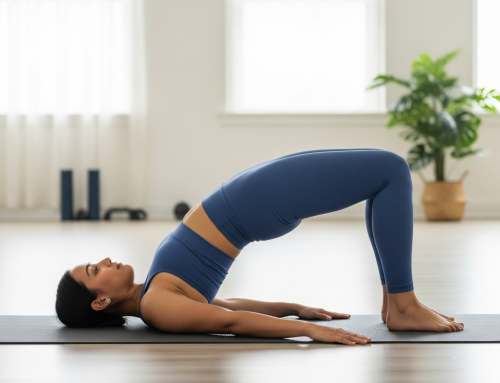
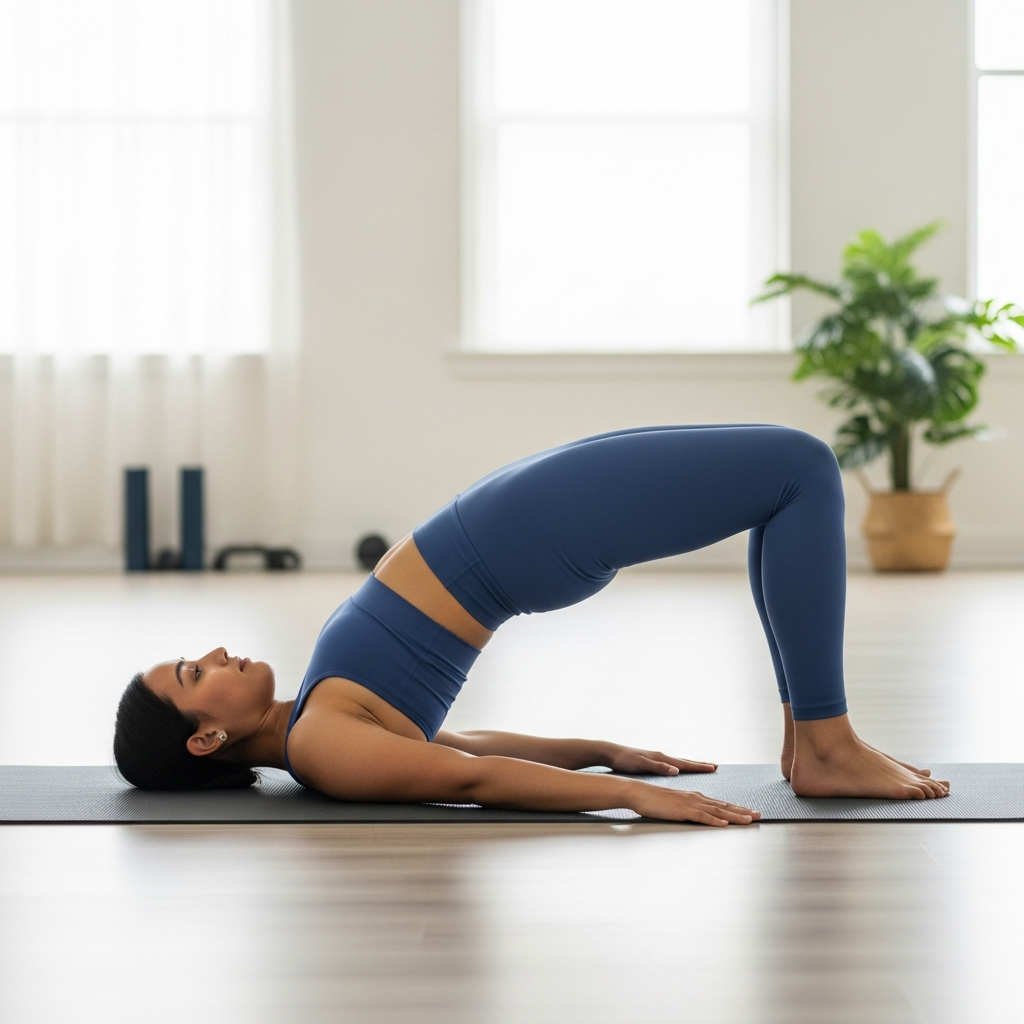
Your instructor will guide you through basic movements – think pelvic tilts, breathing exercises, and simple core work. Don’t worry about keeping up with the person next to you who seems to float through every exercise. They’ve probably been doing this for months (or years), and trust me, they remember their wobbly first days too.
Most beginners spend their first class just learning how to breathe properly while moving. Sounds simple, right? It’s not. Your brain will be working overtime trying to coordinate breath with movement, and you might find yourself holding your breath without realizing it. This is why we start slow.
The Learning Curve – Be Patient With Yourself
Here’s what I wish someone had told me about the Pilates timeline: progress isn’t linear, and it definitely isn’t fast.
In your first month, you’ll mainly be building awareness. Your body is learning a new language – the language of controlled, precise movement. Some days you’ll feel like you’re getting it, others… well, others you might wonder why you thought this was a good idea.
Weeks 1-4: Focus on form over everything else. You’re building the foundation, learning the basic positions, understanding how your body moves in space. Don’t expect to feel dramatically stronger yet.
Weeks 5-8: This is where things start clicking. You’ll notice you can hold positions longer, your balance improves, and – here’s the exciting part – you start anticipating what comes next in familiar routines.
Months 3-6: Real strength begins emerging. Your core starts doing its job without you having to think about it constantly. You might notice you’re sitting up straighter at work or that getting out of bed doesn’t require the same effort.
The thing about Pilates is that it’s sneaky. Changes happen gradually, from the inside out. One day you’ll realize you’ve been carrying grocery bags without that usual lower back twinge, or you’ll notice your posture in a mirror and think, “Hey, when did I start standing like that?”
Building Your Practice – Start Small, Stay Consistent
Look, I get it. You’re motivated now, maybe even thinking about signing up for classes five times a week. But here’s some friendly advice: don’t.
Start with 1-2 classes per week. Seriously. Your body needs time to adapt, and Pilates works muscles you didn’t even know you had. Going too hard too fast is a recipe for burnout… or injury.
Once you’ve been consistent for 4-6 weeks, then consider adding another class. Your muscles need recovery time to actually get stronger – it’s during rest that the magic happens.
And speaking of consistency – it’s better to do one class a week for three months than to do three classes a week for one month and then quit. This isn’t a sprint; it’s more like… well, it’s like learning to play piano. You wouldn’t expect to play Chopin after two weeks, right?
What Success Really Looks Like
Forget the before-and-after photos for a minute. Real Pilates success is subtler but so much more meaningful.
It’s waking up without that stiff back that’s been your morning companion for years. It’s reaching for something on a high shelf and realizing your shoulder doesn’t protest. It’s having the core strength to laugh really hard at your friend’s terrible joke without… well, without certain embarrassing consequences that come with age.
You might notice you breathe deeper, sleep better, or feel more confident in your body. These aren’t the flashy results that make for great social media posts, but they’re the ones that actually change your daily life.
Moving Forward – Your Next Steps
Ready to get started? Most Fairmount studios offer trial packages or drop-in rates so you can test the waters. Don’t feel pressured to commit to a huge package right away – find your instructor, find your groove, then invest.
Remember, every expert was once a beginner who refused to give up. Your Pilates journey starts with just showing up.
Ready to Take That First Step?
Look, I get it – walking into your first Pilates class can feel a little intimidating. You’re probably wondering if you’ll be the only one who can’t touch their toes (spoiler alert: you won’t be), or whether you’ll actually enjoy moving your body in these new ways. These feelings? Completely normal.
Here’s what I’ve learned from talking with hundreds of people who’ve started their Pilates practice in Fairmount: the anticipation is almost always worse than the reality. That instructor you’re worried will judge your form? They’re actually just excited to help you discover what your body can do. Those other students who seem so graceful? Most of them remember exactly how wobbly they felt during their first few sessions.
The beautiful thing about starting Pilates – especially in a welcoming community like Fairmount – is that it meets you exactly where you are. Whether you’re dealing with back pain, recovering from an injury, or simply want to feel stronger in your own skin… there’s space for you. And honestly, some of the most profound changes happen not in those picture-perfect poses, but in those quiet moments when you realize you just held a plank for thirty seconds longer than last week.
Don’t worry about having the “perfect” outfit or knowing all the terminology. (Half of us still mix up our hundreds and our roll-ups anyway.) What matters is showing up – for yourself, for your health, for that version of you that deserves to feel strong and confident.
I’ve watched people transform not just their bodies, but their entire relationship with movement. They come in thinking they’re “bad at exercise” and leave understanding that fitness isn’t about perfection – it’s about connection. Connection to your breath, to your core, to the amazing resilience of your own body.
Starting something new takes courage, especially when it comes to our health. Maybe you’ve tried other forms of exercise that left you feeling defeated, or perhaps you’re juggling a busy schedule and wondering if you can really commit to this. These concerns make sense, and they don’t make you any less ready to begin.
The Fairmount Pilates community is full of real people with real lives – parents squeezing in classes between school pickup, professionals dealing with desk job aches, retirees rediscovering their strength. What unites everyone isn’t perfect form or years of experience. It’s simply the decision to prioritize their wellbeing.
Your Support System is Already Here
You don’t have to figure this out alone. Whether you’re curious about which class might be the best fit, wondering about modifications for an old injury, or just want to chat about what those first few sessions might look like – we’re here.
Sometimes the hardest part isn’t the actual exercise… it’s taking that first step through the door. But you know what? You’ve already started by reading this far. That tells me you’re ready to invest in yourself.
Give us a call or stop by – let’s talk about what Pilates could look like for you. No pressure, no sales pitch. Just real conversation about your goals, your concerns, and how we can support you in feeling your absolute best.