Pilates Close to Me: Finding the Right Fit Around Sunnyvale
You’re scrolling through your phone at 10:47 PM again, aren’t you? That familiar late-night ritual where you promise yourself you’ll finally start working out… tomorrow. Or maybe Monday. Definitely next week.
But here’s the thing – you’ve been down this road before. You joined that big-box gym with the shiny equipment and intimidating muscle-bound regulars. You lasted exactly three weeks. Then there was that YouTube workout phase that ended when your downstairs neighbor started banging on the ceiling. And don’t even get me started on those running shoes that are now collecting dust in your closet.
Sound familiar? Yeah, I thought so.
Here’s what I’ve learned from years of working with people who’ve tried every fitness trend under the sun: sometimes the problem isn’t your willpower or motivation. Sometimes you just haven’t found your thing yet. And for a lot of folks here in Sunnyvale – busy professionals juggling work and family, people dealing with chronic pain, anyone who’s ever felt intimidated by traditional gyms – that “thing” might just be Pilates.
Now, before you roll your eyes and think “Pilates is just stretching for rich ladies who lunch,” hear me out. Because that misconception? It’s exactly why so many people miss out on something that could genuinely change how they feel in their body every single day.
I get it, though. When you think Pilates, you probably picture those reformer machines that look like medieval torture devices, or impossibly flexible instructors folding themselves into pretzels while speaking in hushed, zen-like tones. But the reality is so much more… normal. And accessible. And honestly? Kind of amazing for people who’ve struggled with other forms of exercise.
The thing about Pilates – especially when you find the right studio with the right instructor – is that it meets you where you are. Dealing with lower back pain from too many hours hunched over a laptop? There’s Pilates for that. Feeling disconnected from your body after years of yo-yo dieting? Pilates can help. Want to get stronger without the joint-pounding intensity of CrossFit or the intimidation factor of a crowded gym? You’re starting to see where I’m going with this…
But here’s the catch – and this is where living in Sunnyvale actually works in your favor – not all Pilates studios are created equal. Walk into the wrong place and you might find yourself in a one-size-fits-all class that leaves you confused and sore in all the wrong ways. Find the right fit, though, and you’ll wonder why it took you so long to discover this.
The good news? You’ve got options. Real options. From classical Pilates studios where tradition reigns supreme, to modern fusion classes that blend Pilates with other movement styles, to therapeutic approaches that feel more like physical therapy than a workout. The challenge isn’t finding Pilates in Sunnyvale – it’s finding the right Pilates for you.
And that’s exactly what we’re going to figure out together. Because whether you’re a complete beginner who’s never heard of a “hundred” (don’t worry, it’s not as scary as it sounds), someone returning to fitness after an injury, or a seasoned athlete looking to add some balance to your routine, there’s a Pilates approach that’ll click with your body, your schedule, and your goals.
Over the next few minutes, we’re going to explore what makes each type of Pilates studio different – and I mean really different, not just marketing fluff. We’ll talk about what to look for in an instructor, how to know if a studio’s culture is right for you, and yes, we’ll get into the practical stuff too… like pricing, parking, and whether you need to bring your own mat or risk using the communal ones (spoiler alert: most places have you covered).
By the time you finish reading this, you’ll know exactly which studios to check out first, what questions to ask during your trial class, and how to avoid the common mistakes that leave people thinking Pilates “just isn’t for them.”
Ready to finally find your fitness home? Let’s do this.
What Exactly IS Pilates Anyway?
You know, I get this question all the time – and honestly? It’s harder to explain than you’d think. Pilates isn’t quite yoga (though people mix them up constantly), and it’s definitely not just fancy stretching. Think of it more like… well, imagine if physical therapy and ballet had a really smart baby who grew up to become an engineer.
Joseph Pilates created this system back in the 1920s, and here’s the thing – the guy was way ahead of his time. He called it “Contrology” because everything revolves around controlled, precise movements. No flailing around, no bouncing up and down. Every single movement has a purpose, like each note in a well-composed song.
The core principle? Your body’s center – that area from your ribcage down to your hip bones – is your powerhouse. Everything flows from there. It’s counterintuitive at first because we’re so used to thinking our arms and legs do all the work, but actually… they’re just the delivery system.
The Mind-Body Connection That Actually Makes Sense
Here’s where Pilates gets interesting – and where a lot of people in Sunnyvale really connect with it, especially if you’re dealing with weight management or recovery from years of, let’s say, less-than-ideal lifestyle choices.
Traditional workouts often feel like you’re fighting your body, right? Like you’re forcing it to comply. Pilates is more like having a really productive conversation with your muscles. You’re constantly thinking about what you’re doing, how you’re breathing, where you’re feeling the work. It’s meditation disguised as exercise, or maybe it’s the other way around.
The breathing alone is… well, it’s not intuitive at first. You breathe OUT when you’re exerting effort, which feels backward if you’re used to holding your breath and powering through. But once it clicks – and trust me, it will – everything changes. Your movements become smoother, more efficient. Less forced.
Equipment vs. Mat Work: It’s Not What You Think
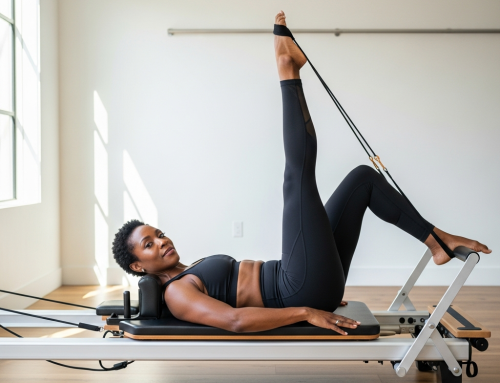
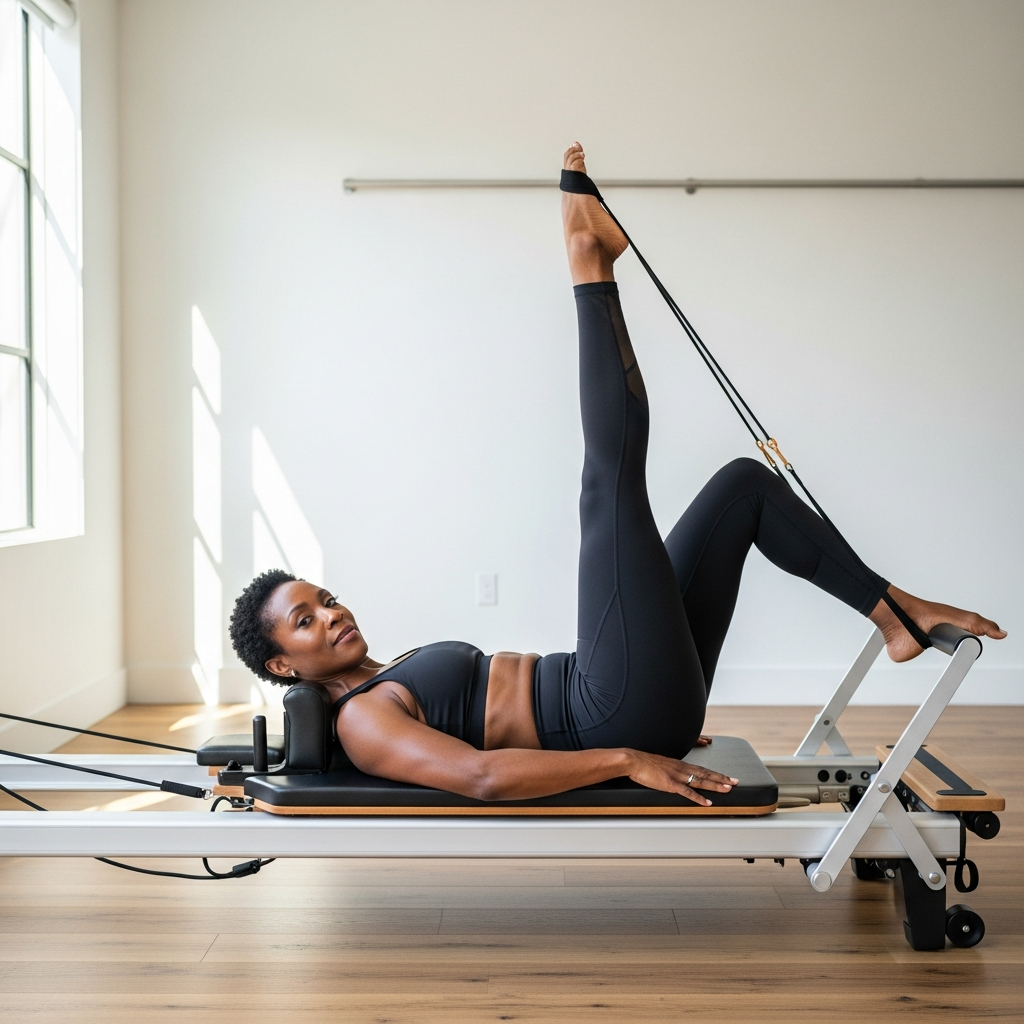
Most people picture Pilates and think of those medieval-looking contraptions with springs and pulleys. The Reformer, the Cadillac, the Chair – they look intimidating, I’ll give you that. Like something from a steampunk gym.
But here’s the secret: the equipment isn’t there to make things harder. It’s actually there to help you understand the movements better. Those springs provide resistance, sure, but they also provide support. Think of them as very sophisticated training wheels that never come off – because why would you want them to?
Mat work, on the other hand, is you versus gravity. No springs to help, no straps to guide you. It’s more challenging in some ways, more accessible in others. Most studios around here offer both, and honestly? You’ll probably end up loving one more than the other. That’s completely normal.
Why Your Doctor Might Actually Recommend This
Here’s something that might surprise you – Pilates has become incredibly popular in rehabilitation settings. Physical therapists love it because it addresses the root causes of a lot of common issues, especially the kind that creep up on us as we get older or carry extra weight.
Poor posture from desk jobs? Pilates works on that. Lower back pain from weak core muscles? Yep, that too. The weird shoulder thing you get from sleeping wrong… actually, Pilates helps with that more than you’d expect.
But it’s not a magic cure – let me be clear about that. It’s more like really good maintenance for your body. The kind of consistent, thoughtful work that prevents bigger problems down the road.
The Sunnyvale Factor: Tech Bodies Need Special Attention
Living in the Bay Area, especially around Sunnyvale, means a lot of us spend our days hunched over computers, rushing between meetings, stress-eating at our desks. Our bodies adapt to this – not always in good ways.
Pilates addresses what I call “tech body syndrome” better than almost anything else. It undoes the forward head posture, strengthens the posterior chain (your back body), and teaches you how to breathe properly again. Which, let’s face it, most of us have forgotten how to do somewhere between conference calls and commute stress.
The precision aspect really appeals to analytical minds too. There’s something satisfying about the methodical approach, the way each exercise builds on the previous one. It’s systematic without being boring, challenging without being overwhelming.
Spotting Quality Studios Before You Even Walk In
Here’s something most people don’t think about – check out the studio’s social media before your first visit. I’m not talking about counting likes, but look at their recent posts. Do they show actual clients doing real exercises, or just stock photos of perfect bodies? Studios that showcase real people (including beginners making faces during challenging moves) usually have a more welcoming vibe.
Also, peek through their class descriptions online. If everything sounds like marketing fluff – “transformative journey to your best self” – keep looking. Good studios describe what you’ll actually *do* in class: “45 minutes focusing on core stability with modifications for back issues.”
The First Visit Reality Check
Your trial class tells you everything. Pay attention to how the instructor handles the person who’s clearly struggling – because that’ll be you someday. Do they offer modifications without making a big deal about it? Or do they just keep calling out advanced moves while half the class flounders?
Temperature matters more than you’d think. Studios that keep it meat-locker cold might look professional, but you’ll spend the whole class tense and shivering. Your muscles need warmth to move properly. A slightly warm room (not hot yoga level, just… comfortable) usually signals they understand bodies.
Reading Between the Lines of Class Schedules
Here’s a insider tip: the 6 PM classes are usually packed with experienced regulars who’ve been doing this for years. Great energy, but intimidating if you’re new. Look for mid-morning slots – often filled with people who are serious about their practice but less intense about proving anything.
“Beginner” classes that only happen once a week? Red flag. Studios committed to new students offer multiple beginner sessions throughout the week. And honestly? Some “all levels” classes are better for beginners than actual beginner classes, especially if the instructor is experienced at giving options.
Equipment Quality Secrets
Don’t just look – listen. Reformers shouldn’t sound like rusty playground equipment. Those springs should move smoothly, and the carriage shouldn’t feel like it’s fighting you. Worn equipment isn’t just annoying; it can mess with your form and potentially cause injury.
Mat classes reveal a lot too. If they’re using ancient, paper-thin mats that slide around, they’re probably cutting corners elsewhere. Quality studios invest in thick, non-slip mats because they know slipping during an exercise breaks your focus and confidence.
Pricing Red Flags and Green Lights
Super cheap isn’t always good news – sometimes it means overcrowded classes or inexperienced instructors. But crazy expensive doesn’t guarantee quality either. Look for studios that offer reasonable package deals and don’t pressure you into long-term contracts right away.
Watch out for places that require you to buy their special socks, branded water bottles, or proprietary equipment to participate. Quality instruction doesn’t need product upsells.
Questions That Separate Good Studios from Great Ones
Ask about instructor training. Not just “are they certified” but where and for how long. Classical Pilates training programs are typically 500+ hours. If they can’t tell you specifics about their instructors’ backgrounds… well, that tells you something.
Here’s a question that catches them off guard: “What happens if I need to miss a class I’ve paid for?” Flexible cancellation policies suggest they care more about your success than squeezing every penny from your wallet.
The Community Vibe Test
This might sound touchy-feely, but trust your gut about the people. Are they chatting before class, helping newcomers find equipment, sharing modifications they’ve learned? Or does everyone avoid eye contact and rush out immediately after?
Studios where people stick around to chat often have lower turnover rates – which means you’ll actually get to know people and feel more comfortable asking questions.
Making the Commitment Work
Once you’ve found your spot, here’s what actually matters: consistency beats perfection every single time. Two classes a week for six months will transform your body more than four classes a week for six weeks followed by giving up.
Book your next class before leaving the current one. Sounds simple, but it removes that evening decision-making moment when your couch looks way more appealing than planking.
And here’s something nobody mentions – bring a small towel even for mat classes. Not because you’ll sweat buckets, but because having your own little comfort item makes any new space feel less intimidating.
The Studio Intimidation Factor
You know that feeling when you walk into a new fitness studio and everyone seems to know exactly what they’re doing? Yeah, that’s real – and it’s probably the biggest hurdle people face when starting Pilates. Those reformer machines can look like medieval torture devices if you’ve never seen one before, and watching someone effortlessly flow through movements you can’t even pronounce… well, it’s enough to make you want to turn around and head straight back to your car.
Here’s the thing though – every single person in that room was once exactly where you are. The instructor who makes everything look graceful? She probably fell off the reformer during her first class (most of us have war stories). That regular who seems to bend in impossible ways? Give her enough wine and she’ll tell you about the time she couldn’t figure out how to get out of the foot straps.
The fix: Most studios offer intro packages or beginner workshops specifically designed to ease this anxiety. Don’t skip these – they’re worth their weight in gold. And honestly? Show up ten minutes early and introduce yourself to the instructor. Tell them you’re new. They’ve seen it all before, and they want you to succeed.
The “I’m Not Flexible Enough” Trap
This might be the most backwards thing people tell themselves about Pilates. It’s like saying you’re too dirty to take a shower – that’s literally what you’re there to work on! But I get it… when your hamstrings feel like guitar strings and touching your toes seems like a distant dream, watching others bend like pretzels can be discouraging.
The truth is, flexibility isn’t a prerequisite – it’s a side effect. Pilates is actually perfect for tight bodies because it focuses on controlled, precise movements rather than forcing deep stretches. You’re not trying to become a contortionist overnight; you’re teaching your muscles to lengthen gradually while building strength.
The reality check: Some of the strongest Pilates practitioners I know started out incredibly tight. Actually, they often develop better form because they have to focus on proper alignment instead of relying on natural bendiness to muscle through movements.
Schedule Chaos and the Consistency Challenge
Life happens. Kids get sick, work explodes, traffic is a nightmare… and suddenly that Tuesday 6 PM class you committed to feels impossible to maintain. This is where a lot of people throw in the towel, thinking they need to be perfectly consistent or not bother at all.
But here’s what studios around Sunnyvale have figured out – flexibility in scheduling keeps people coming back. Many offer class packages that don’t expire for months, multiple locations, and online options for those chaotic weeks. Some even have childcare or family-friendly time slots.
The solution: Instead of committing to the same time slot every week, book classes like you’d book any important appointment – looking at your actual schedule, not your ideal one. And if you miss a week? So what. The reformer will still be there when you get back.
The Comparison Game (And Why It’s Toxic)
Social media hasn’t done us any favors here. Those perfectly curated Pilates photos – you know the ones, with impossibly clean studios and bodies that look like they’ve never seen a carbohydrate – they’re not reality. They’re marketing.
Real Pilates classes have people of all shapes, sizes, and abilities. Some days you’ll nail every movement; other days you’ll spend half the class modifying exercises or figuring out which spring tension actually works for your body. That woman next to you who seems to have perfect form? She might be struggling with the mental focus aspect while you’re nailing the mind-body connection.
The mindset shift: Your only competition is yesterday’s version of yourself. Sounds cheesy, but it’s true. That instructor isn’t looking for perfection – they’re looking for effort and awareness.
The Cost Reality (Let’s Talk Numbers)
Pilates isn’t cheap. A single class can run $25-40 in the Sunnyvale area, and monthly unlimited packages often hit $150-200+. For many people, that’s a significant chunk of their wellness budget, and the guilt of paying for missed classes can be overwhelming.
But think about it this way – you’re not just paying for the hour in the studio. You’re investing in better posture, reduced back pain, improved sleep, and honestly… your sanity. Many of our clients tell us their Pilates practice saves them money on physical therapy, massage, and stress-related doctor visits.
Smart strategies: Look for new client specials, off-peak pricing, and community classes. Some studios offer work-study programs or payment plans. And remember – two consistent classes per month will serve you better than an expensive unlimited package you can’t maintain.
What to Expect in Your First Few Classes
Let’s be honest – your first Pilates class probably won’t be the graceful, flowing experience you’ve seen on Instagram. You might shake during planks (totally normal), forget to breathe during challenging moves, or feel like your brain is working overtime just to keep up with the instructor’s cues.
Most people leave their first session feeling… well, it’s hard to describe. You’re not exactly sore like after a heavy weightlifting session, but you definitely feel like muscles you forgot existed just got a wake-up call. That deep core engagement? Yeah, you’ll probably feel that tomorrow when you’re laughing or coughing.
Give yourself at least three to four sessions before deciding if a studio is right for you. The first class is about survival – figuring out the equipment, learning the basic positions, and not falling off anything. By the third or fourth class, you’ll start to see if the instructor’s teaching style clicks with you and whether the studio’s vibe feels like home.
Timeline for Real Results (Not Instagram Magic)
Here’s what I tell everyone who asks about timelines – and this comes from years of watching clients transform: you’ll likely notice improved posture and core awareness within 2-3 weeks of consistent practice. That “sitting up straighter without thinking about it” thing? It happens faster than you’d expect.
Strength gains take longer. Most people see noticeable improvements in their ability to hold positions and control movements around the 6-8 week mark. But here’s the thing – “results” in Pilates aren’t always about looking different in the mirror. They’re about moving through your day with more confidence, having less back pain, or finally being able to get out of bed without groaning.
Weight loss? Well, that’s where things get interesting. Pilates alone typically burns 200-400 calories per hour, depending on the intensity and your body weight. It’s not a cardio powerhouse like running, but it builds lean muscle that boosts your metabolism. More importantly for our weight loss clients – it changes how you carry yourself and can make you feel stronger and more confident in your body right away.
Scheduling That Actually Works
Starting with twice a week is sweet spot for most beginners. Once a week? You’ll spend each session re-learning what you did the week before. Three times a week as a beginner can leave you feeling overwhelmed and potentially sore.
I always suggest booking your classes for the same days each week – maybe Tuesday evenings and Saturday mornings. Your body (and your calendar) will thank you for the routine. Plus, many Sunnyvale studios offer package deals that make twice-weekly sessions more affordable than dropping in randomly.
Block scheduling works wonders too. Instead of hunting for open spots each week, book a month’s worth of classes at once. Most studios’ apps make this pretty painless, and you’re way more likely to stick with it when the commitment is already made.
Building Your Pilates Toolkit
Don’t feel pressured to buy every piece of Pilates gear right away. Most studios provide everything you need, though bringing your own mat (if you’re doing mat classes) ensures you’ll always have the thickness and grip you prefer.
That said… comfortable, form-fitting clothes make a huge difference. Baggy shirts have a tendency to fall over your head during inversions – not exactly confidence-boosting during your first few weeks. Grip socks are worth the investment if you’re doing reformer work; they prevent sliding and give you better control.
When to Level Up
You’ll know you’re ready for intermediate classes when you can complete a beginner session without needing modifications for most exercises, when you can hold a plank for at least 45 seconds without shaking violently, and – perhaps most importantly – when you understand the basic Pilates principles of breathing and core engagement.
Don’t rush it, though. There’s no shame in staying at the beginner level for several months. Actually, some of the strongest Pilates practitioners I know still regularly take “beginner” classes because they focus on perfecting form rather than just getting through complicated sequences.
The progression happens naturally when you’re ready – your instructor will probably suggest it before you even think to ask. Trust the process, trust your body, and remember that every expert was once a beginner who couldn’t figure out how to adjust the reformer springs without looking completely lost.
Here’s the thing about finding the right Pilates studio – it’s a bit like dating, isn’t it? You might have to try a few places before you find “the one” that just clicks. And that’s perfectly okay.
Trust Your Gut (Literally and Figuratively)
You know what I love about the Sunnyvale area? There’s genuinely something for everyone here. Whether you’re drawn to the sleek, modern vibe of those boutique studios or you feel more at home in a cozy neighborhood spot that’s been around for decades… your perfect match is out there.
Don’t get caught up in what looks good on Instagram or what your neighbor swears by. The best Pilates studio for you is the one where you actually want to show up – even on those days when your motivation is somewhere around zero and your to-do list is a mile long.
Maybe that means prioritizing convenience because you know you’ll skip workouts if they’re too far from home. Or perhaps it’s all about finding an instructor who gets your sense of humor and doesn’t make you feel silly when you wobble during single-leg circles. (We all wobble, by the way. Even the instructor… when no one’s looking.)
Your Body Knows What It Needs
Listen, I’ve seen too many people abandon their fitness goals because they chose a place that looked perfect on paper but felt wrong in practice. Your body – and your schedule, and your personality – all get a vote here.
If you’re dealing with chronic pain, recovering from an injury, or working around physical limitations, don’t settle for generic group classes that leave you feeling like you’re forcing a square peg into a round hole. Seek out those instructors who take the time to understand your story, who modify movements without making you feel like you’re getting the “diet version” of Pilates.
And here’s something I wish more people understood – starting slowly isn’t starting wrong. Those foundational classes? They’re not just for beginners. Even seasoned athletes benefit from going back to basics sometimes.
You Don’t Have to Figure This Out Alone
Actually, that reminds me of something important… you really don’t have to navigate this solo. Whether you’re trying to decide between Mat Pilates and reformer classes, wondering if your back issues make certain studios off-limits, or just feeling overwhelmed by all the options in the area – that’s exactly what we’re here for.
At our clinic, we work with people every day who are rebuilding their relationship with movement, often as part of a bigger health transformation. We know which local studios have the most supportive environments, which instructors really understand anatomy, and how to match your specific needs with the right approach.
Sometimes the missing piece isn’t finding the perfect studio – it’s understanding how Pilates fits into your overall wellness picture. Especially when weight loss or managing health conditions is part of your story.
Ready to find your Pilates home base? Reach out to us. We’d love to chat about your goals, answer your questions about local options, and help you feel confident about taking that first step. Because you deserve to move in a way that feels good – not just challenging, but genuinely good for your body and your life.