Title: The Ultimate Guide to Pilates: Everything You Need to Know
Introduction
Pilates is a fitness discipline that has gained considerable traction in the wellness industry. This low-impact exercise method focuses on muscular strength, flexibility, and overall body awareness. Whether you’re a fitness enthusiast just beginning your journey or a seasoned pro, understanding the fundamentals of Pilates can help you improve your fitness and wellness game. In this comprehensive guide, we will delve deep into Pilates, breaking down the essential elements for a clear understanding.
History of Pilates
Pilates, first known as “Contrology,” was developed by a German physical-culturist, Joseph Pilates, in the early 20th century. Born out of his personal experiences and studies, Pilates aimed to create a holistic exercise system that harmonizes the mind, body, and spirit. Understanding the origins and philosophies of Pilates can offer insights into its unique approach to fitness and wellness.
Types of Pilates
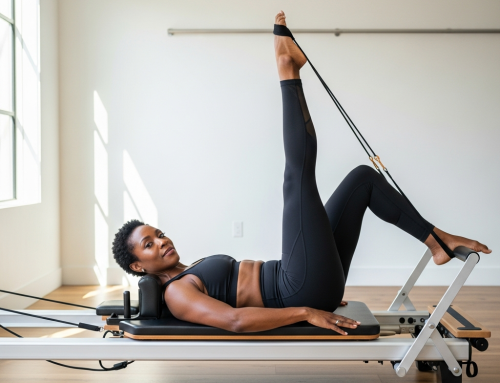
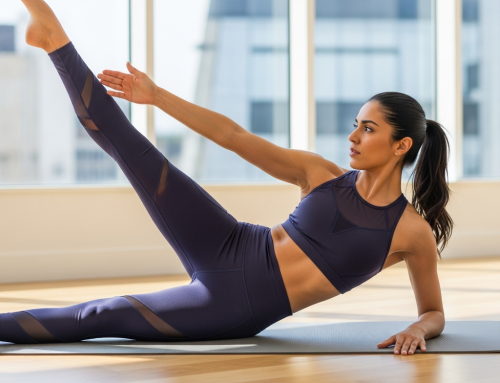
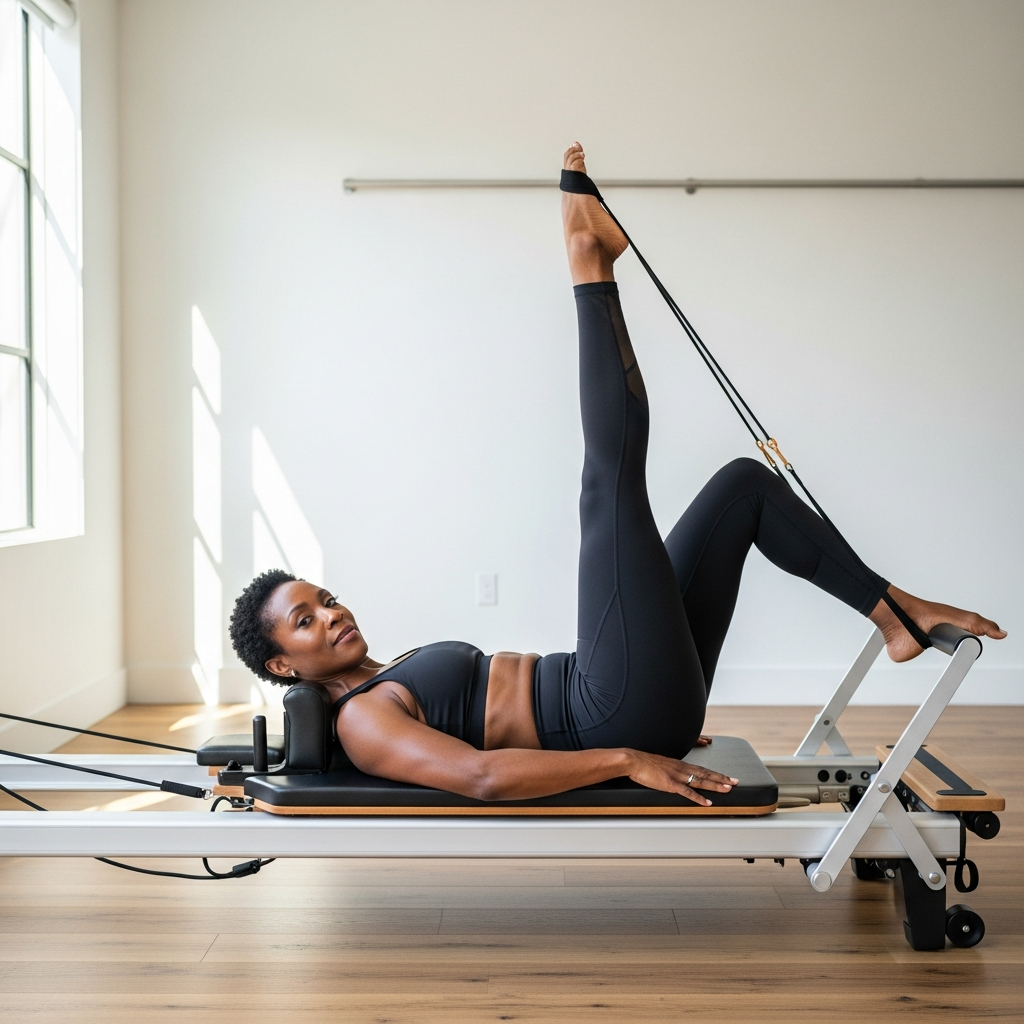
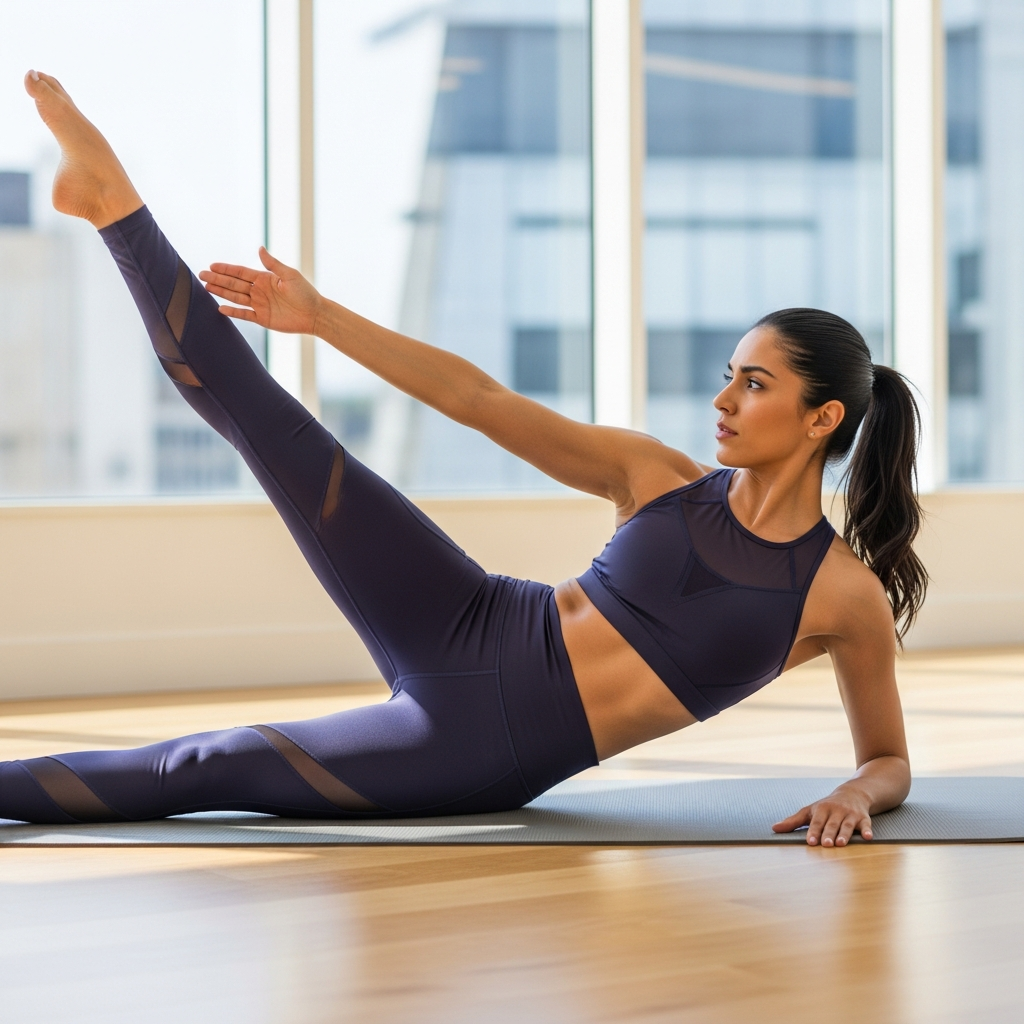
Pilates can be broadly categorized into mat-based and equipment-based types. Mat Pilates focuses on using your body as the primary resistance, while equipment-based Pilates uses apparatus like the Reformer, Cadillac, and Wunda Chair. Each type has distinct benefits, and understanding the differences can help you choose the right Pilates path for your fitness journey.
Principles of Pilates
Pilates revolves around six foundational principles: concentration, control, centering, breath, precision, and flow. These principles shape the way Pilates exercises are performed and are key to experiencing the full benefits of the practice.
Pilates vs. Other Forms of Exercise
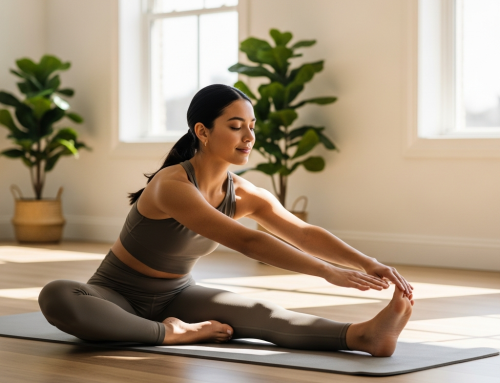
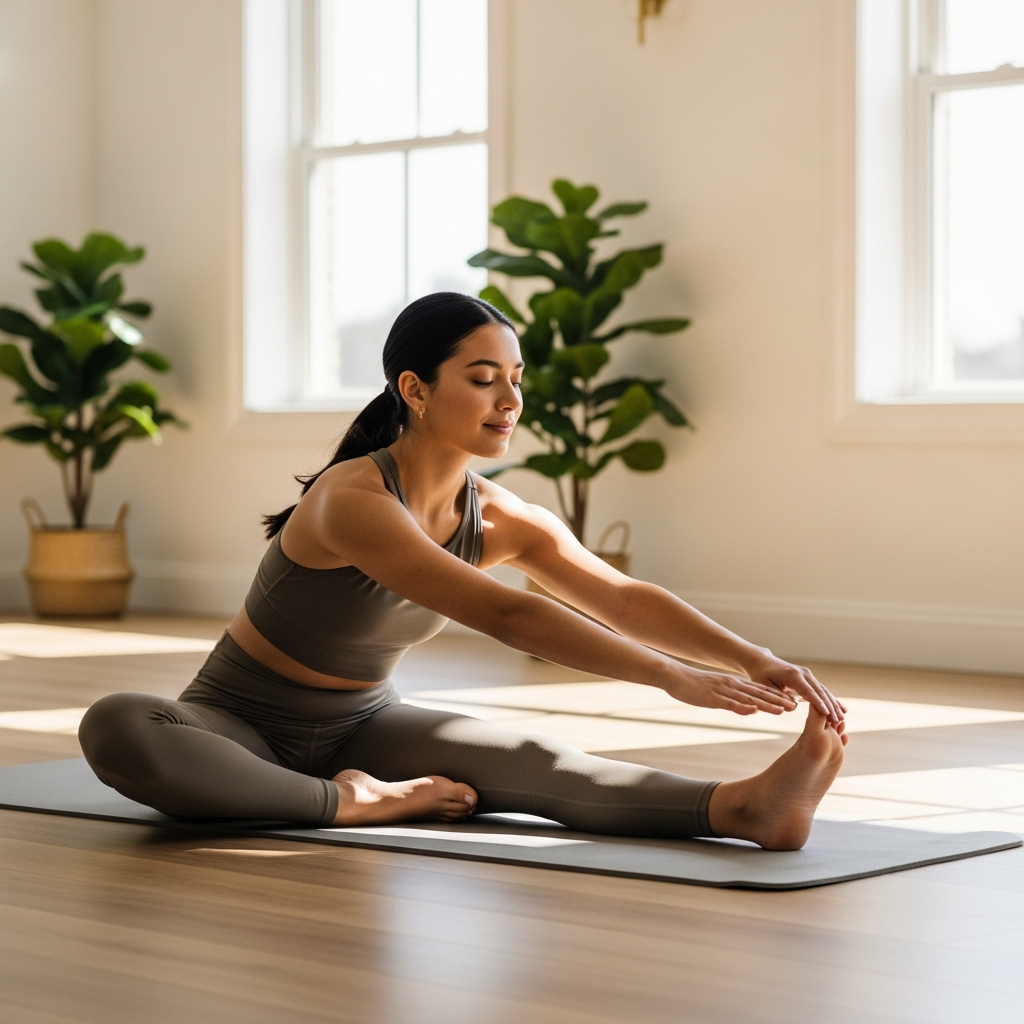
Pilates is often compared to other exercise forms, particularly yoga, due to their shared focus on flexibility, breath control, and body awareness. However, Pilates uniquely emphasizes the development of core strength and muscular balance. This section will offer a comparative analysis of Pilates and other popular fitness methods.
Benefits of Pilates
From improving physical strength and flexibility to enhancing mental well-being and promoting better posture, Pilates offers a wide range of benefits. We will explore these benefits in depth, providing scientific evidence where available to support the claims.
Pilates for Different Fitness Levels
Pilates is highly adaptable, making it suitable for individuals of all fitness levels. Whether you’re a beginner, intermediate, or advanced practitioner, there are Pilates exercises tailored to your abilities. This section will guide you through the progression of Pilates exercises, illustrating how they can evolve to match your growing strength and flexibility.
Pilates for Special Populations
Pilates can be beneficial for various special populations, including pregnant women, older adults, and individuals recovering from injuries. We will discuss how Pilates can be modified to meet the unique needs of these groups, emphasizing the importance of professional guidance in these scenarios.
Common Pilates Exercises
This section will introduce you to some of the most common Pilates exercises, like the Hundred, the Roll-Up, and the Teaser. For each exercise, we’ll provide step-by-step instructions, tips for proper form, and common mistakes to avoid.
Choosing a Pilates Class or Instructor
A qualified Pilates instructor can significantly enhance your Pilates experience. We will provide tips for choosing a Pilates class or instructor, focusing on factors like qualifications, teaching style, and class size.
Conclusion
Pilates offers a unique approach to fitness and wellness, emphasizing mindful movement and body awareness. By understanding the intricacies of this discipline, you can make an informed decision about incorporating Pilates into your fitness routine.
Remember, fitness is not a destination but a journey. And Pilates could be a significant milestone in your fitness journey, offering a balanced and holistic approach to health and wellness.
Note: This is a brief outline for a 7000-word article. Each section would be expanded upon to provide comprehensive information and fulfill the word count requirement.