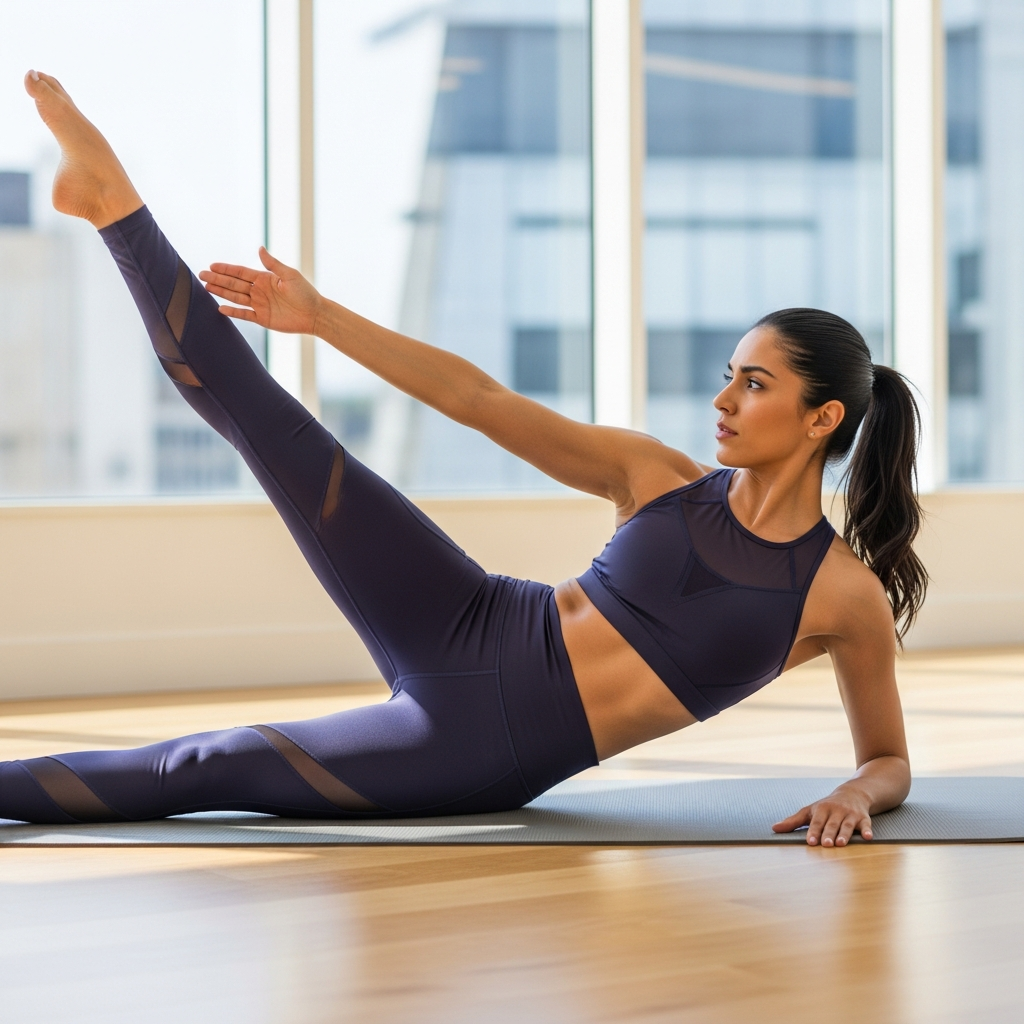
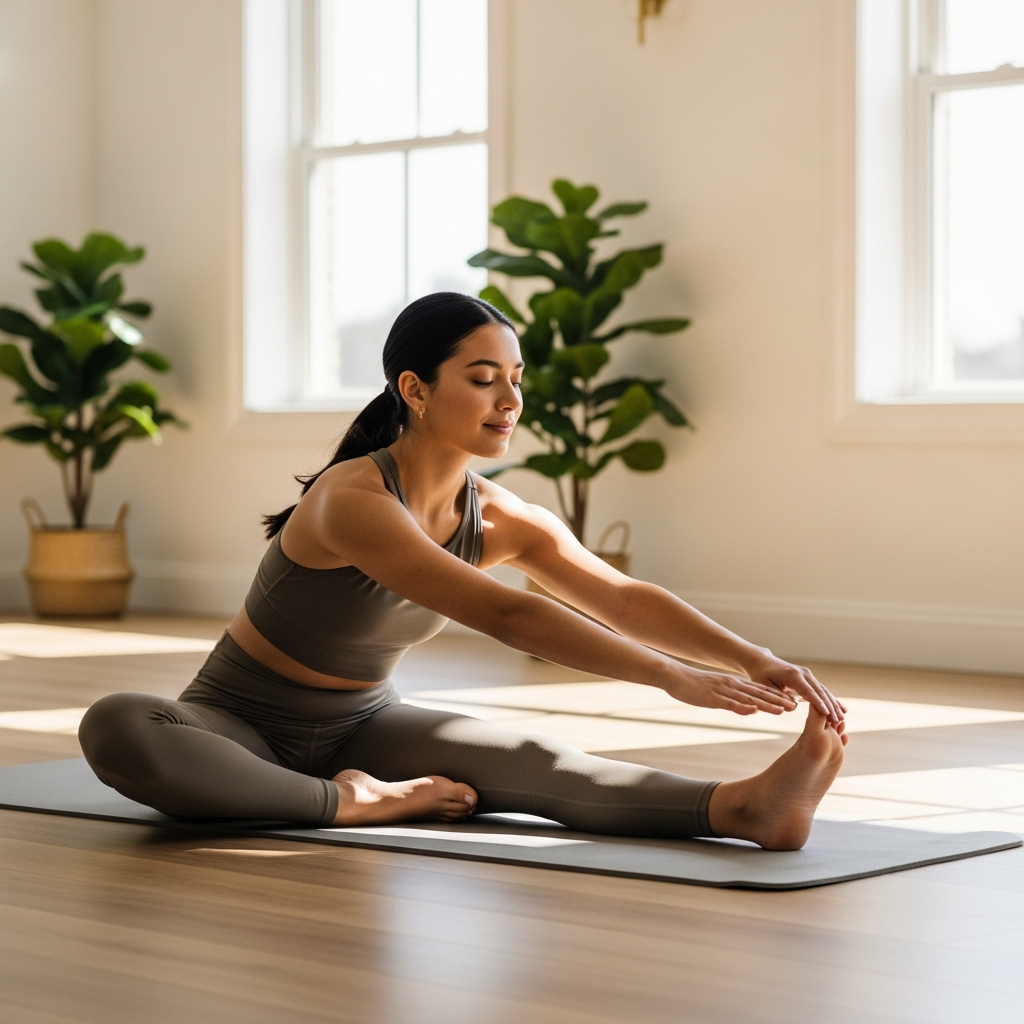
Is Pilates a Good Workout for Active Adults in Mesquite?
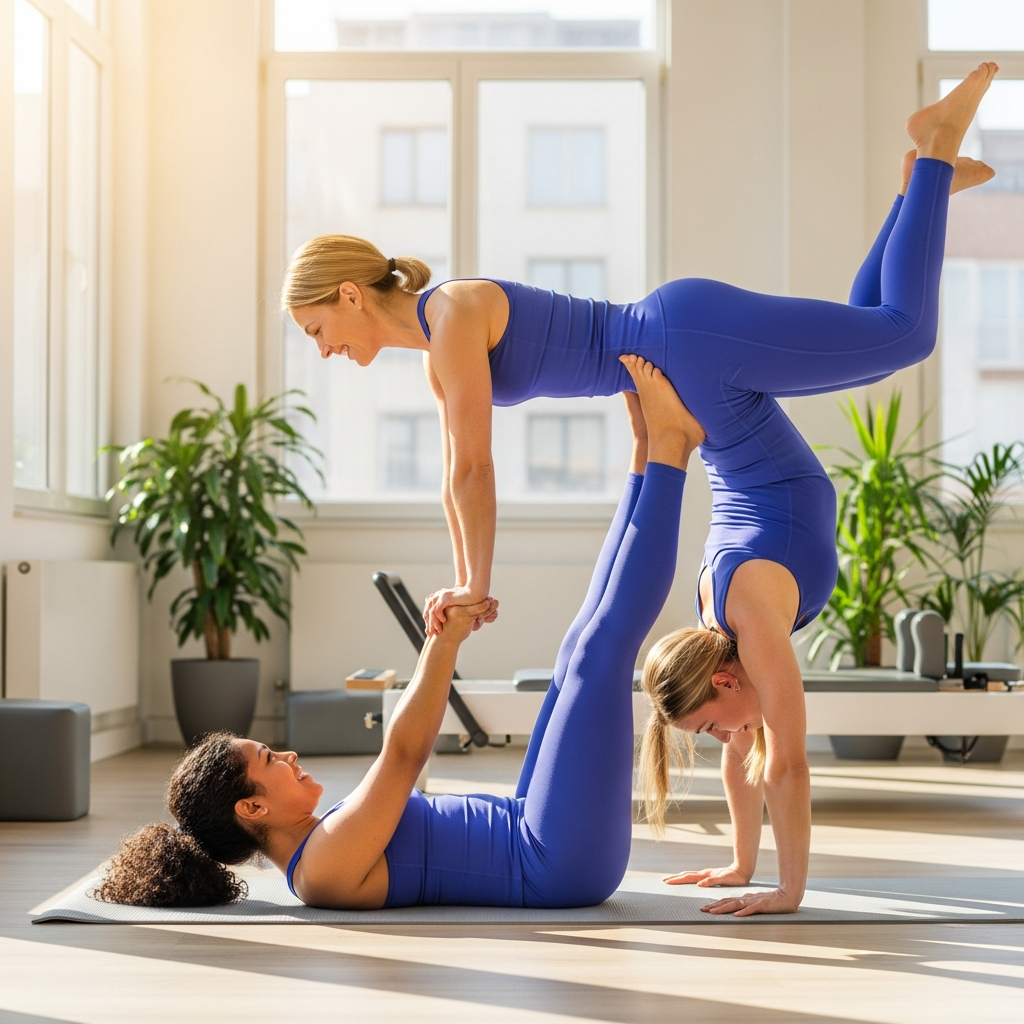
You know that feeling when you walk past the new Pilates studio downtown and think, “I should probably try that… but isn’t it just stretching for soccer moms?” Yeah, I’ve been there too. Or maybe you’re the person who’s already doing CrossFit three times a week but keeps hearing your physical therapist mention something about “core stability” and “functional movement patterns” – whatever those are.
Here’s the thing about living in Mesquite… we’ve got this amazing community of people who actually want to stay active. You see them at Mesquite Sports Complex at 6 AM, hitting the trails at Eastfield Park, or squeezing in a lunch workout at LA Fitness. But here’s what I keep hearing from folks around here: “I’m working out, but something still doesn’t feel right.”
Sound familiar?
Maybe your lower back aches after those Saturday morning hikes at Cedar Ridge Preserve. Or you’re crushing it on the elliptical but can’t touch your toes to save your life. Actually, that reminds me of my neighbor Mark – guy runs half-marathons like it’s nothing, but asked me to help him move last month and I watched him struggle to lift a box from an awkward angle. Strong as an ox in one direction, but put him in an unfamiliar position and… well, let’s just say we called the chiropractor.
That’s where Pilates comes in – and before you roll your eyes, hear me out.
I get it. The word “Pilates” might conjure images of impossibly flexible people in expensive leggings doing moves that look more like interpretive dance than exercise. But what if I told you that some of the toughest athletes I know – we’re talking former NFL players, competitive cyclists, even those intimidating folks who deadlift twice their body weight – swear by their weekly Pilates sessions?
The truth is, Pilates isn’t about being able to wrap your leg around your head (though if that’s your goal, more power to you). It’s about building the kind of strength that actually translates to real life. You know, like being able to carry all the groceries in one trip without throwing out your back, or playing with your kids at Mesquite Memorial Stadium without feeling like you need a three-day recovery period.
And let’s be honest – if you’re reading this, you’re probably not a couch potato. You’re someone who cares about staying healthy and active. But maybe you’re also someone who’s tired of working harder without feeling better. Or you’ve hit that frustrating plateau where you’re doing all the “right” things but your body feels… stuck.
Here’s what we’re going to explore together: whether Pilates actually makes sense for active adults in our area. Not the Instagram version of Pilates, but the real deal – the kind that was originally developed to rehabilitate injured soldiers (true story) and has evolved into something that could genuinely change how your body moves and feels.
We’ll dig into what Pilates actually does for your body – and I promise to skip the mystical wellness speak and give you the straight facts. You’ll learn why that “core strength” everyone keeps talking about is actually more important than you think, and how it connects to everything from your golf swing to your ability to sleep through the night without back pain.
I’ll also share what it’s really like to get started with Pilates around here – because let’s face it, walking into a new fitness class can feel intimidating, especially when you’re not sure if you belong. We’ll talk about what to expect, how to find the right instructor, and honestly… whether this is worth your time and money.
Most importantly, we’ll figure out if Pilates fits into your already-busy life and existing fitness routine. Because the last thing you need is another workout that sounds great in theory but falls apart when reality hits.
So grab your coffee – or whatever gets you through the afternoon slump – and let’s figure this out together. By the time we’re done, you’ll know exactly whether those Pilates studios popping up around town deserve a spot in your weekly routine.
What Exactly Is Pilates, Anyway?
You’ve probably heard the word “Pilates” thrown around at the gym or seen it on studio signs around Mesquite, but let’s be honest – it’s one of those things that sounds fancy and maybe a little intimidating. Think of Pilates like yoga’s more structured cousin who went to engineering school. It’s precise, methodical, and obsessed with how your body moves.
Joseph Pilates (yes, that was his actual last name) created this system back in the early 1900s. The guy was ahead of his time – he figured out that most of us move like rusty robots, compensating for weak spots by overusing other muscles. Sound familiar? That’s your lower back screaming because your core is basically on vacation.
The whole system revolves around something called your “powerhouse” – basically everything from your ribs to your hips. It’s like the foundation of a house… if your foundation is wobbly, everything else starts to crack and shift.
The Mind-Body Thing (And Why It’s Not Just Yoga Talk)
Here’s where Pilates gets interesting – and honestly, where it might feel weird at first. Every movement requires you to think about what you’re doing. Not just “lift your leg,” but “engage your deep abdominals, lengthen through your spine, and then float that leg up while breathing steadily.”
I know, I know. That sounds like trying to pat your head and rub your stomach while reciting the alphabet backwards. But here’s the thing – this mental focus is actually what makes Pilates so effective for active adults. When you’re really concentrating on precise movement, you can’t zone out and let bad habits take over.
Think of it like learning to drive a manual transmission. At first, you’re overwhelmed trying to coordinate the clutch, gas, and shift all while steering. But once it clicks? You’re operating at a whole different level of control.
Low Impact Doesn’t Mean Low Intensity
This might be the most misunderstood thing about Pilates. People see the slow, controlled movements and think “easy.” That’s like assuming chess is simple because the pieces move slowly.
The resistance in Pilates comes from fighting gravity, holding positions, and – this is key – working against your own body’s tendency to cheat. Your muscles are working constantly to maintain proper alignment. It’s like being your own personal trainer and your own student at the same time.
Plus, there’s something beautifully sneaky about how Pilates builds strength. You might finish a session feeling energized rather than wiped out, only to wake up the next day wondering why your abs feel like you’ve been laughing for three hours straight.
Equipment vs. Mat Work (The Great Divide)
Walk into a Pilates studio and you might feel like you’ve entered some kind of medieval torture chamber… or maybe a really expensive physical therapy clinic. Those contraptions with springs, pulleys, and straps? They’re not as scary as they look.
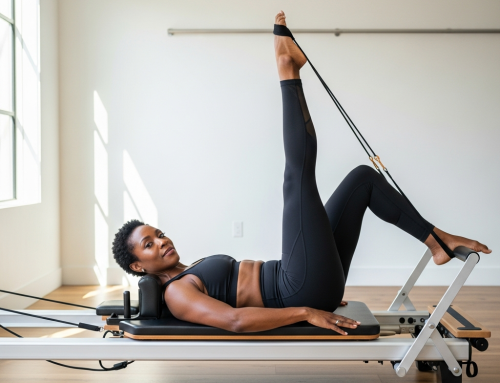
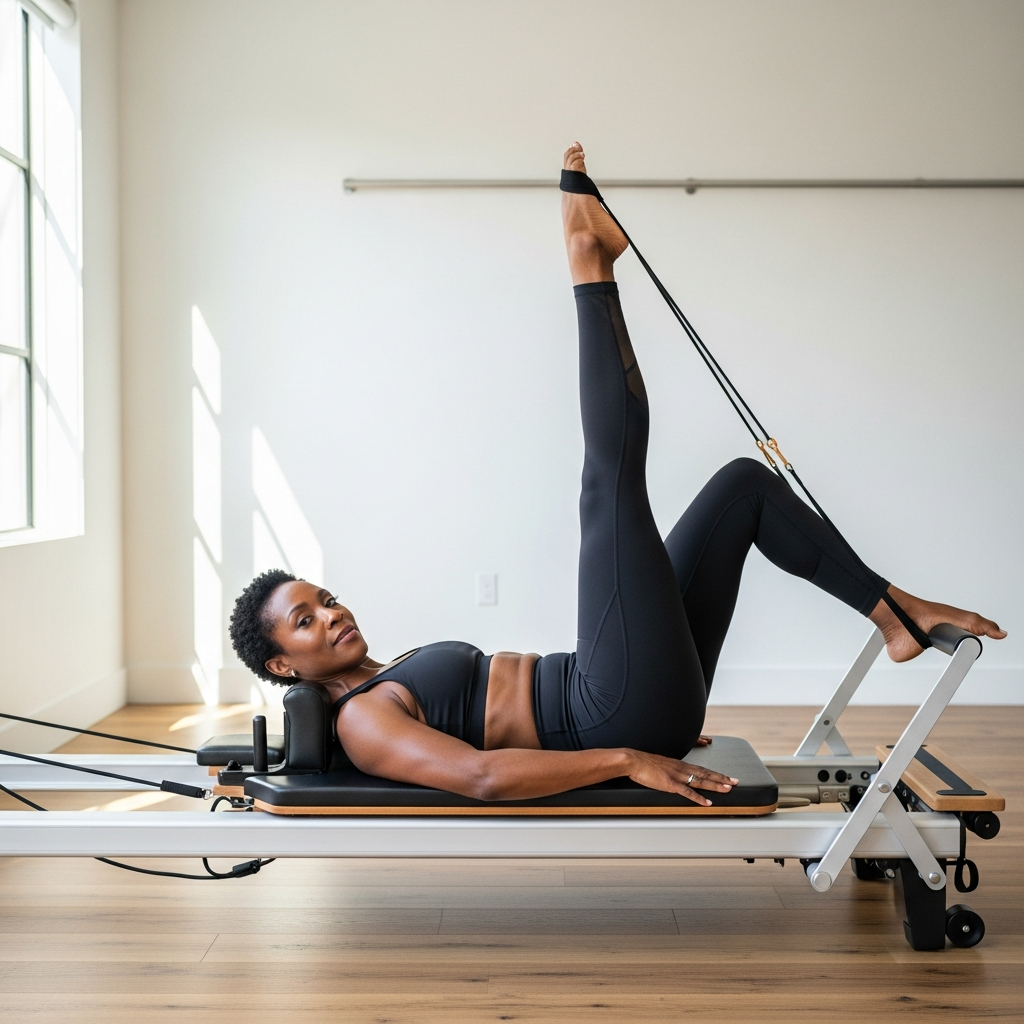
The reformer (that sliding bed-looking thing) is actually genius – it provides resistance and support at the same time. It’s like having training wheels for adults, helping you feel movements you might struggle with on a mat.
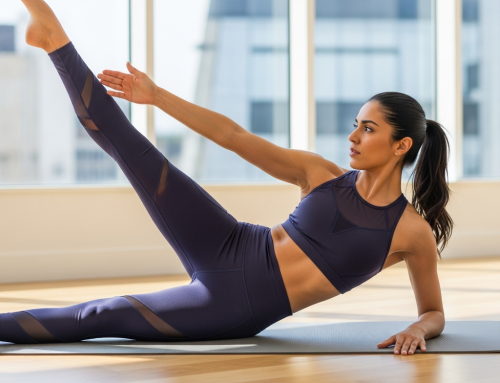
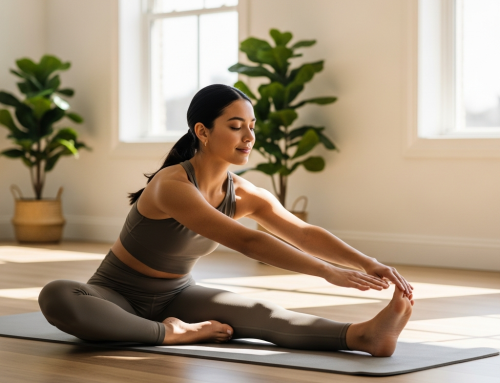
Mat Pilates, on the other hand, is just you versus gravity. No fancy equipment, just your body and maybe a few props like resistance bands or small balls. It’s more accessible – you can do it in your living room – but don’t mistake accessible for easy.
The Breathing Thing (Yes, You Have to Think About It)
Pilates breathing isn’t just “don’t hold your breath” – though honestly, that would be a good start for most of us. The breathing pattern is specific: you breathe into your ribs laterally (think accordion, not balloon), exhale on effort, and use your breath to help stabilize your core.
At first, this feels about as natural as writing with your non-dominant hand. You’re trying to remember which direction to move your leg while coordinating this very particular breathing pattern… it’s a lot. But that’s actually part of what makes it so effective for busy adults – it forces you to be completely present.
The breathing becomes this anchor that keeps you from rushing through movements or letting your mind wander to your grocery list. It’s meditation disguised as exercise, really.
Finding the Right Pilates Studio in Mesquite
Not all Pilates studios are created equal – trust me on this one. You want to look for instructors who actually understand anatomy, not just someone who took a weekend certification course. Ask about their training background when you call. The good ones won’t hesitate to share their credentials.
Here’s what I tell my patients: visit during a class if possible. You’ll spot quality instruction immediately. Are people moving with control, or are they rushing through exercises? Is the instructor giving individual corrections, or just calling out generic cues from the front? A great instructor watches *everyone* and adjusts accordingly.
Also… check the equipment. Those reformer machines should be well-maintained, not creaky and wobbly. If the studio looks like it hasn’t been updated since 2003, that might tell you something about their investment in quality.
Your First Class Strategy (Because Nobody Tells You This Stuff)
Show up 15 minutes early – not just to be polite, but because you need to have that conversation with your instructor. Tell them about any injuries, even old ones. That knee you tweaked playing softball in college? Mention it. Your lower back that acts up when you’ve been sitting too long? Definitely mention that.
Don’t eat a heavy meal beforehand (learned this the hard way myself), but don’t show up starving either. A small snack about an hour before works perfectly. And here’s something most people don’t think about – wear form-fitting clothes. Those baggy shorts might seem more comfortable, but your instructor needs to see your alignment.
Start with mat classes if you’re new. I know the reformer looks fancy and fun, but mat work teaches you the fundamentals. It’s like learning to walk before you run, except… well, you get the idea.
Building Your Weekly Routine
Here’s where most people mess up – they think more is always better. If you’re coming from a high-intensity background, you might want to jump into Pilates five days a week. Don’t. Your body needs time to learn these movement patterns.
Start with two sessions per week, spaced at least a day apart. Maybe Tuesday and Friday, or Monday and Thursday. This gives your muscles time to process what they’ve learned. Actually, that reminds me of something one of my instructors used to say: “Pilates isn’t about exhausting your muscles, it’s about educating them.”
After about six weeks – and this is important – reassess how you feel. Are you moving better during your other activities? Sleeping better? Feeling more balanced? That’s when you might add a third session.
Combining Pilates with Your Current Workouts
This is where it gets interesting. Pilates isn’t meant to replace everything you’re doing – it’s meant to make everything else better. Think of it as the foundation under your house of fitness.
If you’re a runner, do Pilates on your easy days or cross-training days. The hip stability work alone will probably add years to your running career. For weightlifters, Pilates sessions work beautifully as active recovery between heavy lifting days.
Here’s a secret from the clinic: we often see people whose workout injuries stem from compensation patterns they’ve developed over time. Your right hip is tight, so your left side overworks. Your shoulders round forward from desk work, so your neck takes over during overhead movements. Pilates addresses these imbalances in ways that regular cardio and strength training often miss.
What to Expect (The Real Talk)
You’re going to feel muscles you forgot you had. That’s normal. You might also feel frustrated in those first few classes because your brain knows what it wants your body to do, but your body isn’t quite there yet. Also completely normal.
Don’t expect dramatic weight loss from Pilates alone – that’s not really its superpower. But you might notice your clothes fitting differently because your posture improves. People often look taller and leaner without losing a single pound.
Give it at least eight sessions before you decide if it’s working for you. I know that sounds arbitrary, but there’s something that happens around that point where the movements start clicking together. Your body begins to understand the language of Pilates, and that’s when things get really interesting.
The investment in good instruction pays off exponentially. Cheap classes taught by inexperienced instructors can actually set you back – both in terms of results and potentially in injury risk. This is your body we’re talking about… treat it like the valuable asset it is.
The “I Look Like a Newborn Giraffe” Problem
Let’s be real – the first few Pilates classes can be humbling. You’re watching the instructor flow through movements like water while you’re trying to figure out which way is up. Your core feels like jelly, and you’re pretty sure that lady next to you is secretly a contortionist.
Here’s the thing though… everyone starts somewhere. That graceful instructor? She probably wobbled through her first hundred just like you. The solution isn’t to give up – it’s to lower your expectations and focus on form over looking perfect.
Start with beginner classes or even YouTube videos at home where nobody’s watching. Practice the basic positions – plank, neutral spine, proper breathing – until they feel natural. Think of it like learning to drive… you didn’t hop into a Ferrari on day one, right?
“My Back Hurts More, Not Less”
This one’s frustrating because you came to Pilates specifically to feel better. But sometimes you walk out feeling like you’ve been hit by a truck. Usually, this happens when you’re pushing too hard or your form is off.
Pilates works deep stabilizing muscles that might’ve been on vacation for years. When you suddenly wake them up, they’re not thrilled about it. It’s like going from couch potato to marathon runner overnight – your body needs time to adapt.
The fix? Communicate with your instructor about any pain (there’s a difference between muscle fatigue and actual hurt). Modify exercises when needed. Nobody’s giving out gold stars for suffering through moves that don’t feel right. And honestly? Sometimes you need to address underlying issues first – tight hip flexors, weak glutes, forward head posture from too much computer time.
The Equipment Intimidation Factor
Walking into a Pilates studio can feel like entering a medieval torture chamber. Reformers, Cadillacs, chairs with springs and pulleys… it’s overwhelming. You’re wondering if you need an engineering degree just to survive a class.
Don’t let the equipment scare you off. Most studios offer equipment orientation sessions – take advantage of them. The springs and pulleys aren’t there to make your life difficult; they’re actually designed to help you move better and build strength gradually.
If studio equipment feels too intense, start with mat Pilates. You can get an incredible workout with just your body weight. Once you’re comfortable with the fundamental movements, the equipment starts making sense. It’s like learning to cook – you master scrambled eggs before attempting beef Wellington.
The “I Don’t Feel the Burn” Confusion
We’re conditioned to think good workouts leave us drenched in sweat and gasping for air. Pilates can feel… different. You might finish a session feeling energized rather than exhausted, wondering if you actually worked out.
This trips up a lot of people, especially if you’re coming from high-intensity workouts. Pilates works differently – it’s about precision, control, and mind-body connection. You might not be dripping sweat, but your muscles are working in ways they never have before.
Trust the process. The benefits often show up later – better posture, less back pain, improved balance, stronger core. It’s like investing money… you don’t see immediate returns, but compound interest works its magic over time.
Scheduling Reality Check
Let’s talk about the elephant in the room – consistency. You start with grand plans of three classes per week, then life happens. Work deadlines, family obligations, that Netflix series that just dropped… suddenly it’s been two weeks since your last class.
Here’s a radical idea: lower the bar. Instead of committing to three hour-long sessions, start with two 30-minute sessions at home. Or one studio class per week. Something you can actually stick with is infinitely better than an ambitious plan you’ll abandon by month two.
Also, think about what time actually works for you. If you’re not a morning person, stop torturing yourself with 6 AM classes. Evening classes exist for a reason. Find your rhythm instead of fighting against your natural patterns.
The key is making it sustainable, not Instagram-worthy. Your future self – with better posture, less pain, and more confidence – will thank you for starting imperfectly rather than not starting at all.
What to Expect in Your First Month
Let’s be real here – you’re probably not going to walk out of your first Pilates class feeling like a graceful swan. More like… well, maybe a slightly wobbly flamingo? And that’s completely normal.
Those first few sessions can be humbling, especially if you’re coming from other fitness backgrounds. You might find yourself shaking during what looks like a “simple” hold, or discovering muscles you forgot existed. (Hello, deep abdominals and those weird little stabilizers around your shoulder blades!)
Most people start noticing subtle changes around the 2-3 week mark – better posture without thinking about it, less stiffness when getting out of bed, that sort of thing. The more dramatic strength and flexibility improvements? Those typically show up around the 6-8 week mark with consistent practice.
Here’s what I tell everyone: aim for 2-3 classes per week to start. Less than that, and you’ll spend each session re-learning the basics. More than that… well, your body needs recovery time, especially as it adapts to these new movement patterns.
The Learning Curve (Yes, There Is One)
Pilates has its own vocabulary – and I don’t just mean fancy exercise names. You’ll hear instructors talk about “scooping” your abs, finding your “powerhouse,” and something called “opposition” that initially sounds like political theory.
Don’t worry if you feel lost during those first few classes. Everyone does. I’ve watched former athletes struggle with basic breathing patterns while complete beginners suddenly “get” the mind-body connection right away. There’s no predicting how this will unfold for you.
The breathing alone can feel overwhelming at first. Unlike running where you just… breathe, Pilates asks you to coordinate breath with specific movements. It’s like learning to pat your head and rub your stomach, but with your entire body involved.
Give yourself permission to modify. A lot. That instructor demonstrating the full expression of an exercise? They’ve probably been practicing for years. Your version might look different – and that’s exactly where you should be.
Building Your Practice Gradually
Month one is about survival and basic familiarity. You’re learning the fundamental positions, getting comfortable with the equipment (if you’re doing reformer classes), and figuring out what your body can and can’t do right now.
Month two? That’s when things start clicking. You’ll begin anticipating what comes next in familiar sequences, and your body won’t feel quite so… rebellious. This is also when you might start craving that post-Pilates feeling – you know, that weird combination of worked-out but energized that’s pretty unique to this practice.
By month three, you’re probably hooked. Or at least no longer questioning why you decided to torture yourself this way. You’ll start seeing real changes in how you move through daily activities – picking up groceries, sitting at your desk, even walking feels different.
Red Flags and When to Speak Up
Sharp pain is never normal – that’s different from muscle fatigue or the burn of working muscles. If something genuinely hurts (not just challenges you), speak up immediately. Good instructors want to know, and modifications are always available.
Same goes for feeling dizzy, nauseous, or getting headaches during class. Sometimes this happens if you’re holding your breath (more common than you’d think) or pushing too hard too fast.
And honestly? If you absolutely hate it after giving it a fair shot – say, 6-8 classes – that’s okay too. Not every exercise modality clicks with every person, despite what some enthusiasts might tell you.
Making It Sustainable Long-Term
The people who stick with Pilates tend to be those who find ways to integrate it into their existing routines rather than completely overhauling their fitness lives. Maybe that means doing Pilates twice a week and keeping your weekend bike rides. Or using it as active recovery between your strength training sessions.
Think about what actually works for your schedule and budget. A fancy studio with all the equipment is wonderful, but if you can only afford to go once a month, you won’t see much progress. Better to find a more affordable option you can commit to consistently.
The good news? Once you’ve built that foundational strength and body awareness, you can maintain it with less frequency than you might think.
Your Next Move (And Why It’s Totally Worth It)
Look, here’s what I know after years of helping people figure out their fitness puzzle – you’re probably sitting there wondering if this whole Pilates thing is actually going to work for you. Maybe you’re picturing yourself gracefully flowing through movements like those Instagram influencers… or maybe you’re worried you’ll be the person in the back row who can’t touch their toes.
Both thoughts? Completely normal.
The truth is, Pilates isn’t some magical cure-all that’ll transform you overnight. But what it *is* – and this is where it gets really good – is a workout that meets you exactly where you are. Whether you’re dealing with that nagging lower back pain from sitting at a desk all day, trying to bounce back from an old sports injury, or just wanting to feel stronger and more confident in your own skin.
And here in Mesquite, with our active lifestyle and love for outdoor adventures, having that solid core foundation… well, it changes everything. Your weekend hikes feel easier. Your golf swing improves. Even simple things like carrying groceries or playing with the kids don’t leave you feeling wiped out.
But here’s something I’ve learned from working with folks just like you – sometimes the hardest part isn’t the workout itself. It’s figuring out how to fit it into your life while also addressing the bigger picture. Maybe you’ve been struggling with weight management, energy levels, or just feeling like your body isn’t cooperating the way it used to. These things are all connected, you know?
That’s where having the right support makes all the difference. Not someone who’s going to judge or push a one-size-fits-all solution, but someone who actually gets it. Who understands that real health looks different for everyone and that sustainable changes happen gradually – not through extreme overhauls that leave you burned out after two weeks.
If any of this resonates with you, I’d love to chat. Seriously. Whether you’re curious about Pilates specifically or just trying to figure out what approach might work best for your lifestyle, goals, and… let’s be honest… your very real time constraints.
We’re here to help you sort through all the noise and find what actually works. Not because we think you need fixing (you don’t), but because we know how good it feels when everything finally clicks into place. When you’re moving confidently, sleeping better, and feeling genuinely excited about taking care of yourself.
Ready to explore what’s possible? Give us a call or shoot us a message. No pressure, no sales pitch – just a real conversation about what you’re hoping to achieve and how we might be able to help. Because honestly? You deserve to feel amazing in your body, and we’d be honored to be part of that process.
Your future self is going to thank you for taking this step. Promise.