Title: Unfolding the Fitness Phenomenon: Everything You Need to Know about Pilates
Have you ever caught yourself bewildered at the sight of a reformer in a Pilates studio, wondering how this alien-looking contraption could possibly help you get fit? Or maybe you’ve heard the buzz about Pilates from your fitness-obsessed friends but can’t quite figure out what all the fuss is about? If so, this blog post is your one-stop guide to understanding the world of Pilates, a fitness regime that has taken the world by storm and revolutionized our ideas of body wellness.
Pilates, originally called ‘contrology,’ is a unique system of body conditioning that integrates muscle control, breathing, flexibility, strength training, and body awareness. It was developed by German-born Joseph Pilates in the early 20th century who believed in the power of the mind to control the muscles. Today, Pilates has transformed into a multi-faceted fitness discipline that incorporates various elements from yoga, martial arts, and Western forms of exercise.
This comprehensive guide will delve into the heart of Pilates, exploring its rich history and diverse types, including mat Pilates and equipment-based Pilates. We’ll demystify the jargon and techniques surrounding this popular form of exercise, giving you an insider’s look into what to expect from Pilates classes. Furthermore, we’ll also shed light on the transformative benefits of Pilates for your physical health and mental well-being.
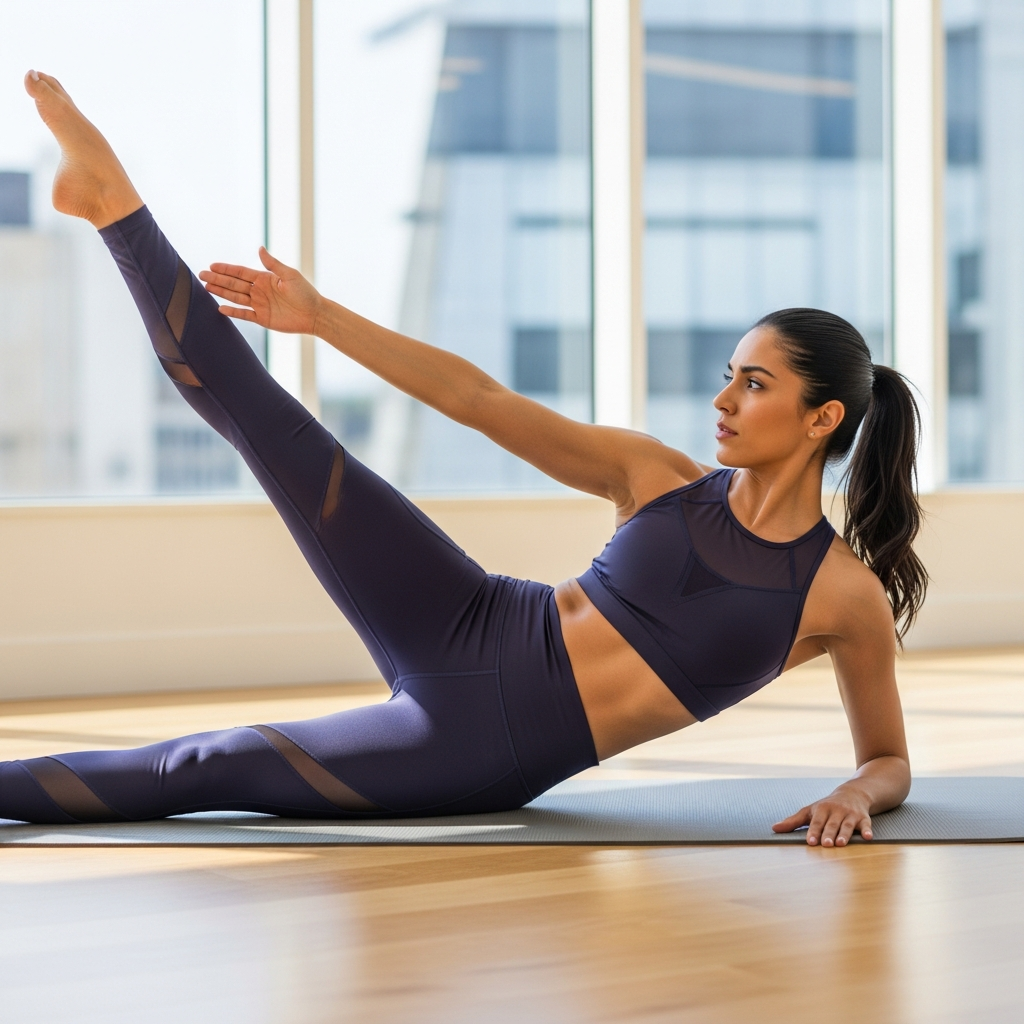
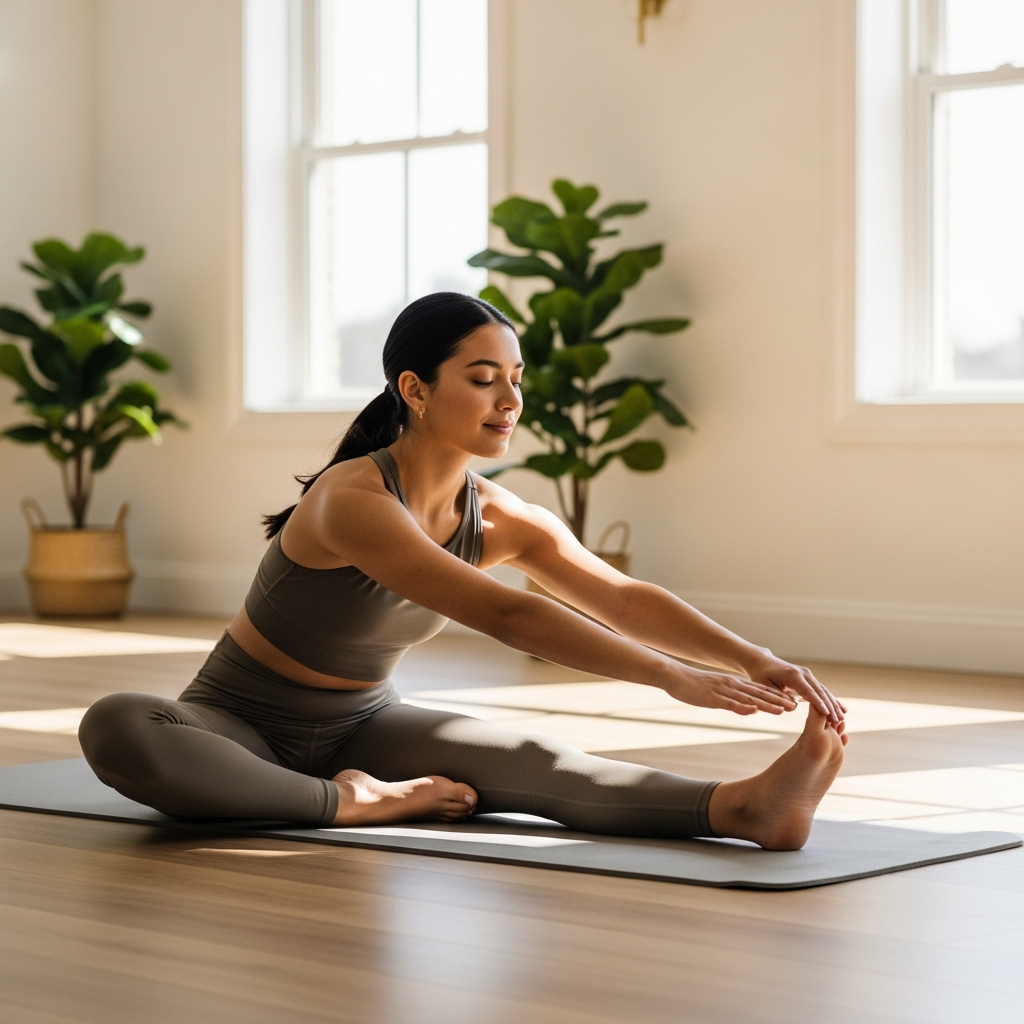
The first section of this guide will focus on Mat Pilates, a type of Pilates performed on the floor using an exercise mat and one’s body weight. This form is great for beginners and those who want to strengthen their core. We will delve into the core principles behind mat Pilates, including concentration, control, centering, flow, precision, and breathing.
Next, we will venture into the realm of Pilates classes. From the intimate, personalized sessions to the energy-charged group classes, we’ll provide an overview of what you can expect when you sign up for a Pilates class. We’ll cover the different tools used in these classes, like reformers, Pilates circles, and resistance bands, and why they matter in your Pilates journey.
We will also discuss the potential health benefits of incorporating Pilates into your fitness routine. From improving flexibility and joint mobility to promoting better posture and reducing back pain, Pilates is more than just a workout—it’s a lifestyle that fosters holistic wellness.
But why should this matter to you?
In today’s fast-paced world, where stress runs high and personal time runs low, it’s more crucial than ever to find a fitness routine that not only strengthens the body but also calms the mind. And that’s exactly what Pilates offers. Whether you’re a fitness enthusiast looking for a fresh challenge, a professional athlete seeking to enhance your performance, or a newbie embarking on your fitness journey, Pilates has something to offer everyone.
By the end of this guide, you’ll have a thorough understanding of Pilates and why it has become such a beloved fitness regime across the globe. So, whether you’re considering taking up Pilates or are just curious about this popular form of exercise, buckle up and get ready for an enlightening journey through the dynamic world of Pilates!
Title: Understanding the Fundamentals of Pilates
Pilates is a holistic exercise regimen that emphasizes core strength, flexibility, balance, and mind-body connection. Developed by Joseph Pilates in the early 20th century, it began as a rehabilitation program for war veterans and later attracted dancers and athletes due to its efficacy in enhancing performance and preventing injuries.
Pilates works on the principle of controlled movements, which can be modified to suit everyone from beginners to advanced practitioners. The strength of this exercise system lies in its focus on building strength from the inside out, developing a strong ‘powerhouse’ or core, and then extending that strength outward to the limbs.
Core Strength: The Core or the ‘powerhouse’ as Joseph Pilates called it, refers to the muscles of the abdomen, lower back, hips, buttocks and pelvic floor. In Pilates, all movements originate from this powerhouse, which is often considered the centerpiece of Pilates exercises. This approach helps improve overall body strength, particularly the deep torso muscles that are key for maintaining proper posture and reducing the risk of injury.
Flexibility: Pilates exercises aim to improve flexibility by promoting a balance between strength and flexibility. This equilibrium is vital in reducing the risk of injury and improving overall body function. Pilates stretches and lengthens muscles, helping to boost joint mobility and muscular elasticity.
Balance: A significant part of Pilates focuses on balancing the body, both literally in terms of physical balance and metaphorically in terms of balanced muscle development. Many Pilates exercises require balance and stability, which helps improve coordination and core strength. Furthermore, by working on lesser-used muscles, Pilates helps create a well-balanced, symmetrical body.
Mind-Body Connection: Pilates necessitates a strong emphasis on technique and form. Practitioners are encouraged to focus their attention on each movement, enabling them to execute each exercise with maximum efficiency and minimal strain. This mindful movement promotes a heightened body awareness, often leading to improved posture and movement in everyday life.
Pilates can be performed on a mat using props like balls, bands, and magic circles or on specially designed Pilates equipment like the Reformer, Cadillac, and Wunda Chair. The equipment, designed by Joseph Pilates himself, uses springs to create resistance. This resistance can be adjusted according to the practitioner’s strength and skill level, making it a highly adaptable form of exercise.
There are two primary forms of Pilates: Classical Pilates and Contemporary Pilates. Classical Pilates strictly adheres to the original exercise sequences and principles set forth by Joseph Pilates. It emphasizes precision and control with a strong focus on technique. Conversely, Contemporary Pilates is a more modern interpretation that incorporates current knowledge about the body and exercise science. It allows for modifications and adaptations of the exercises to suit individual needs.
Despite the variation in styles, all forms of Pilates share common principles: Concentration, Control, Centering, Flow, Precision, and Breath. These principles guide every Pilates workout and form the framework around which the entire Pilates method is based.
1. Concentration: Pilates demands intense focus on what you’re doing. Every movement is deliberate and purposeful, which helps connect your mind to your body.
2. Control: Each exercise is performed with control to ensure the correct muscle groups are working and movements are not momentum-driven.
3. Centering: Physically, this principle refers to focusing on the center of the body (the powerhouse) from which all movements originate. Mentally, it’s about bringing your attention within.
4. Flow: Exercises are intended to flow seamlessly into one another to build strength and stamina. This principle also applies to the fluidity of each movement.
5. Precision: Precision is key in Pilates. Quality over quantity is emphasized, with each movement aimed to be as precise as possible.
6. Breath: Proper breathing is essential, with coordinated breath and movement. Pilates encourages full inhalations and exhalations to help activate muscles and maintain focus.
Pilates is a versatile exercise method suitable for all ages and fitness levels. It can serve as a complete fitness program or as a supplement to other forms of exercise. Regular practice can improve strength, flexibility, coordination, body awareness, and mental concentration. Moreover, Pilates can also aid in rehabilitation efforts, offering a lower impact alternative that can be tailored to support recovery.
Understanding the principles and framework of Pilates is the key to reaping maximum benefits from this exercise form. With a unique blend of strength, flexibility, balance and mindfulness training, Pilates offers a comprehensive approach to fitness that goes beyond mere physical conditioning.
Title: Pilates Uncovered: Your Comprehensive Guide to Pilates, Mat Pilates, and Pilates Classes
Pilates is a physical fitness system developed in the early 20th century by Joseph Pilates. It is widely acclaimed for its ability to improve flexibility, build strength and develop control and endurance in the entire body. Whether you are a seasoned fitness enthusiast or a beginner seeking to improve your overall health, understanding Pilates can be a game-changer. Here’s what you need to know about Pilates.
1. Understanding Pilates:
Pilates focuses on alignment, breathing, developing a strong core, and improving coordination and balance. Unlike many other types of exercise, Pilates does not focus on repetitions or muscle exhaustion but rather on doing movements correctly with control and precision.
Real-World Example: Consider an athlete recovering from an injury. Traditional workouts may exacerbate the injury or create an imbalance in the body. Pilates, with its focus on controlled movement and balance, can aid in the recovery process without causing additional harm.
Actionable Advice: If you’re new to Pilates, start with a beginner’s class or one-on-one sessions with a certified instructor. This will ensure you learn the correct form and don’t risk injury.
2. Mat Pilates:
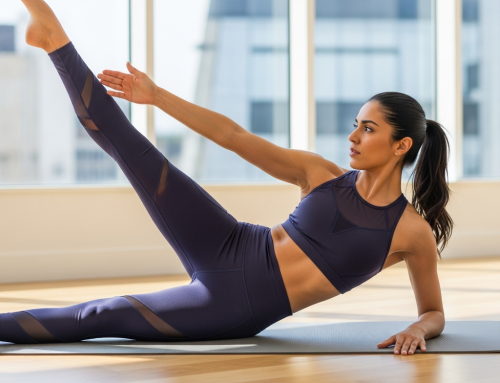
Mat Pilates is a series of exercises from within the Pilates Method designed specifically to be performed on a mat. Mat Pilates focuses on core strength but unlike many forms of exercise that make your muscles bulkier, Pilates exercises are designed to elongate them.
Real-World Example: If you’re someone who spends long hours at a desk job, Mat Pilates can be particularly beneficial. It can help alleviate back pain and improve posture by strengthening the core and lengthening the spine.
Actionable Advice: Invest in a quality mat for your sessions. Look for one that is thick enough to cushion your spine yet firm enough to provide stability. Remember, consistency is key in Pilates, so aim to incorporate Mat Pilates into your regular workout routine.
3. Pilates Classes:
Pilates classes are typically divided into mat classes and reformer classes. While mat classes focus on using your body’s own resistance, reformer classes incorporate the use of a machine to provide resistance. Both types of classes can provide an effective workout and offer their unique benefits.
Real-World Example: Consider a busy professional looking to incorporate fitness into her lifestyle. She might choose a reformer class for the added challenge and diversity it offers. On the other hand, a college student with budget constraints may opt for mat classes, which typically do not require expensive equipment and can even be done at home.
Actionable Advice: When choosing a Pilates class, consider factors such as your fitness level, budget, and personal preferences. It’s also important to ensure that the instructor is certified and experienced. If you’re new to Pilates, it’s a good idea to take a few private lessons before joining a group class.
In conclusion, Pilates is a versatile exercise system that can accommodate a wide range of fitness levels and goals. Whether you choose mat Pilates or a Pilates class, remember that the key to success in Pilates is focused, consistent practice. As Joseph Pilates himself said, “A few well-designed movements, properly performed in a balanced sequence, are worth hours of doing sloppy calisthenics or forced contortion.” So take your time, listen to your body, and embrace the journey towards improved health and wellbeing with Pilates.
Title: Mastering the Art of Pilates: Challenges, Solutions, and Expert Tips
Pilates, a mind-body exercise regimen designed to strengthen the body’s core, improve flexibility and boost overall wellbeing, has rapidly gained popularity in recent years. Despite its increasing fame, many individuals are still unclear about what it entails, and several misconceptions persist. This article aims to provide a comprehensive guide to understanding pilates, mat pilates, and pilates classes, addressing common challenges and offering expert solutions.
## Common Challenges
1. **Misconception of Pilates as a Women’s Exercise**: One of the most prevalent misconceptions about pilates is that it’s primarily for women. This stereotype couldn’t be further from the truth. Pilates was created by a man (Joseph Pilates) for men during World War I to assist in injury rehabilitation. It’s perfect for both genders, providing excellent benefits in strength, flexibility, and body awareness.
2. **Difficulty in Mastering the Breathing Technique**: Many beginners find the breathing techniques in pilates challenging. Pilates requires lateral thoracic breathing – inhaling deeply through the nose to expand the ribcage sideways, and exhaling through the mouth to engage the abdominals.
3. **Lack of Body Awareness**: Pilates movement requires precision and control. Some people may struggle with being aware of their body position, alignment and movements.
4. **Impatience with Progress**: Unlike some fitness activities that offer instant gratification, pilates is a gradual process that requires patience.
## Solutions and Expert Tips
1. **Understanding Pilates**: Pilates is for everyone – irrespective of age, gender or fitness level. Men can benefit significantly from pilates by improving their core strength, flexibility, balance, and muscle tone.
2. **Mastering the Breath**: The key to mastering pilates breathing is practice. Begin by practicing deep breathing exercises at home. Visualize your ribcage expanding sideways on the inhale and contracting on the exhale. Remember, the breath fuels the movement in pilates.
3. **Improving Body Awareness**: Pilates is a mindful practice that encourages you to stay present and aware. Focus on quality over quantity – it’s not how many repetitions you do, but how well you do each one. A good Pilates instructor will correct your alignment and offer modifications to ensure you’re performing each exercise correctly.
4. **Patience is Key**: Progress in pilates is a journey, not a destination. Celebrate small victories, like mastering a new move or noticing improved strength or flexibility.
## Best Practices for Pilates
1. **Choose the Right Class**: If you’re new to pilates, start with a beginner’s class or private session. As you gain confidence and strength, you can move on to more advanced classes.
2. **Mat Pilates vs. Reformer Pilates**: Mat pilates uses your body weight and gravity for resistance, while reformer pilates uses a machine with springs for resistance. Both provide a great workout, but mat pilates can be more accessible for beginners.
3. **Regular Practice**: Consistency is key in pilates. Aim to practice at least two to three times per week for optimal results.
4. **Dress Appropriately**: Wear comfortable clothing that allows for a full range of motion. Avoid baggy clothes as they can interfere with your movement and make it difficult for the instructor to observe your alignment.
5. **Stay Hydrated**: Drink plenty of water before and after class to stay hydrated.
6. **Listen to Your Body**: Every body is different. If something doesn’t feel right, modify the exercise or take a break.
7. **Maintain a Balanced Diet**: Pair your pilates routine with a balanced diet to fuel your body and aid recovery.
In conclusion, pilates is a versatile form of exercise suitable for everyone. It promotes strength, flexibility, and enhanced body awareness. While it may have its challenges, with consistent practice, proper guidance, and a dash of patience, you can reap its numerous benefits and truly master the art of pilates.
Title: All You Need to Know About Pilates: Expectations, Timelines, and Next Steps
Pilates, a form of exercise developed by Joseph Pilates in the early 20th century, combines elements of yoga, martial arts, and Western forms of exercise. This holistic approach aims to improve flexibility, strength, posture, and mental awareness. If you’re considering incorporating Pilates into your fitness routine, there are several factors to consider including timelines, what to expect during the classes, and post-class actions.
#1 Understanding the Basics of Pilates
Pilates focuses on the core – the area from the bottom of your ribs to your hip line. However, it’s not limited to abdominal workouts. Pilates exercises are designed to work the whole body, emphasizing control, precision, concentration, and breath. They can be conducted on a mat or using special equipment called a reformer.
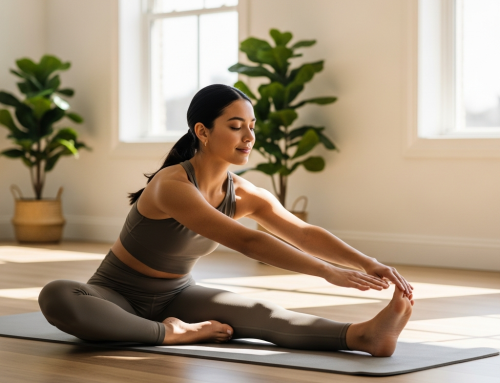
Mat Pilates is typically the starting point for most beginners as it requires no equipment beyond a Pilates or yoga mat. The exercises in mat Pilates focus on using your own body weight and gravity to provide resistance.
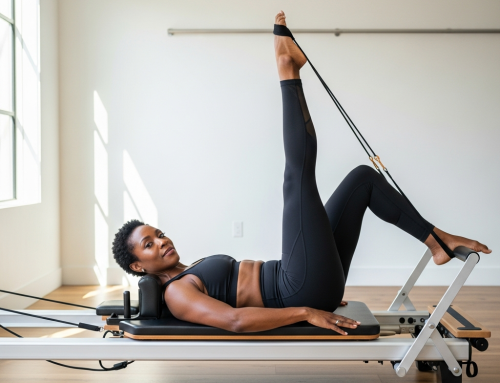
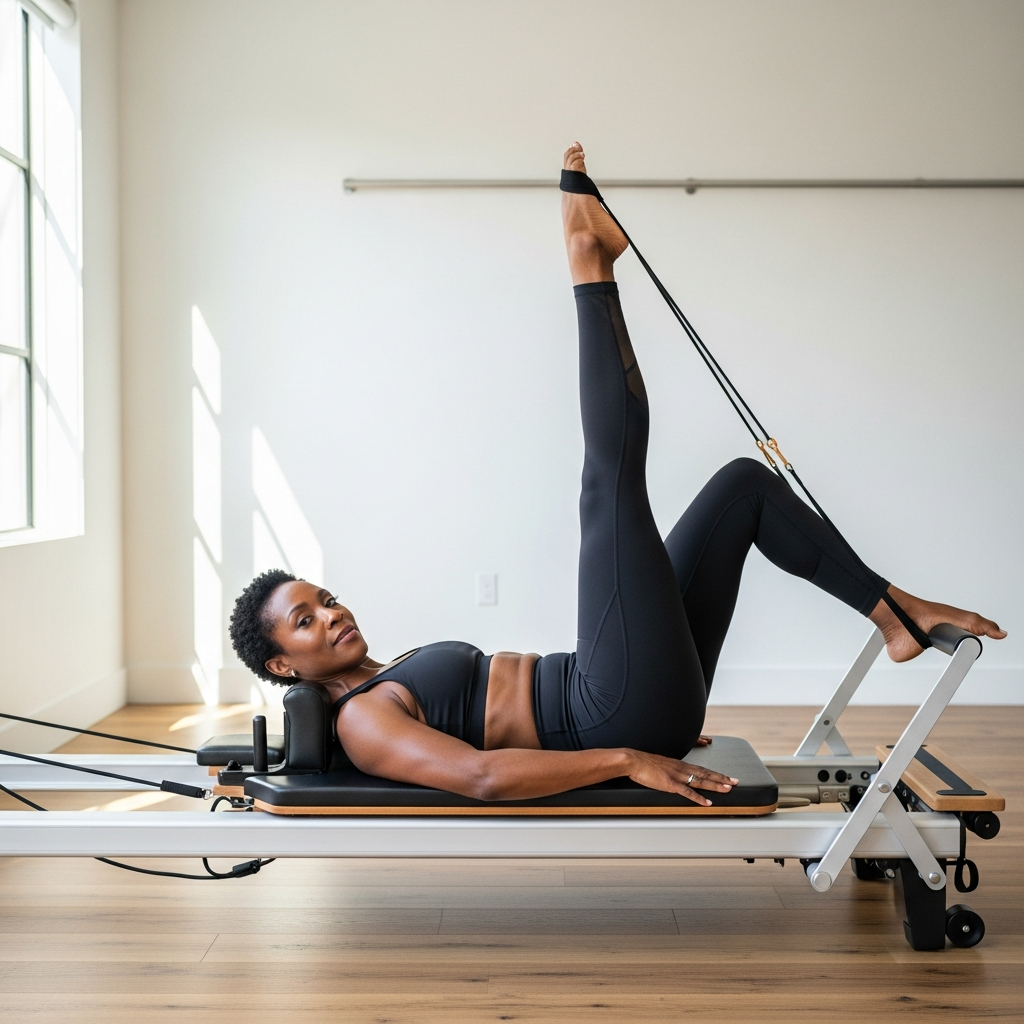
On the other hand, reformer Pilates uses a specialized machine with a flat platform that moves back and forth on wheels within its frame. The reformer offers a more dynamic and intense workout as it includes springs, bars, and straps that allow for more resistance and movement variety.
#2 What to Expect in a Pilates Class
In a typical Pilates class, whether it is a mat or reformer class, you will engage in a series of exercises that flow from one to the next. These exercises are aimed at building strength without bulk, improving flexibility and agility, and enhancing body awareness.
A class typically lasts for 60 minutes and starts with a warm-up session to prepare your body. The middle section consists of various exercise sequences designed for specific body parts. A cool-down period concludes the class to help your body relax and recover.
It’s important to note that Pilates is not a cardio workout. While it does elevate your heart rate slightly, it won’t give you the same aerobic benefits as running or swimming. However, it’s a fantastic supplement to a cardio routine as it can help to improve your performance in other sports by improving your overall body strength and flexibility.
#3 Timeline and Progress
How quickly you see results from Pilates depends on several factors including your fitness level, frequency of workouts, and diet. Generally, after doing Pilates 2-3 times per week, you should start to see improvements in strength, posture, and muscle tone within 2-4 weeks.
However, it’s essential to approach Pilates with a mindset of gradual progress. The emphasis should be on mastering the techniques and principles of the exercise rather than rushing to see physical changes. Remember, Pilates is as much about mind-body connection as it is about fitness.
#4 Next Steps Post-Class
After your class, it’s crucial to stretch to aid recovery and prevent muscle soreness. Hydration is also vital as it helps to replace fluids lost during the workout and helps with muscle recovery.
Practicing Pilates consistently is key to experiencing its full benefits. Ideally, aim for at least two sessions per week. You can supplement your Pilates classes with other forms of exercise like cardio or strength training for a well-rounded fitness routine.
Additionally, consider incorporating Pilates principles into your daily activities. For instance, maintain the good posture you practice in class throughout your day. This will not only help to improve your alignment but also make your movements more efficient and effortless.
In conclusion, Pilates offers numerous benefits including improved strength, flexibility, posture, and mental awareness. Whether you choose mat or reformer Pilates, setting realistic expectations, understanding the commitment it requires, and focusing on technique will ensure you get the most out of your Pilates journey.
In conclusion, we’ve explored various aspects of Pilates, unraveling its intricate web of benefits and how it can fit into your wellness journey. From its history and principles to its different types, benefits, and misconceptions, we’ve covered everything you need to know about Pilates.
We discovered that Pilates, originally called Contrology by its founder Joseph Pilates, is a unique fitness regimen that focuses on the mind-body connection. It’s designed to improve physical strength, flexibility, posture, and mental awareness. Unlike some other fitness routines that focus on repetitive movements, Pilates is about quality over quantity. Here, each motion is meant to be precise and controlled to gain the maximum benefits.
Pilates is based on six key principles: concentration, control, centering, flow, precision, and breathing. These principles are the pillars of every Pilates workout, ensuring a holistic approach to physical fitness that enhances not only the body but also the mind.
The versatility of Pilates is another key takeaway. With both mat-based and equipment-based workouts, Pilates offers something for everyone, regardless of your fitness level or capabilities. The different types of Pilates – Classical, Contemporary, Clinical, Matwork, and Reformer – mean there is a variation to fit your specific needs and preferences.
The benefits of Pilates are broad-reaching. They include improved posture and balance; increased core strength and stability; enhanced flexibility and coordination; reduced stress and improved mental well-being; rehabilitation support; and even better body awareness. It’s essential to remember that these benefits are not instantaneous, but come with regular practice and dedication.
We also busted common misconceptions about Pilates. It’s not just for women or dancers – people of all genders and professions can benefit from it. It’s not purely a core workout either; it works the whole body in harmony. And while it does share similarities with yoga, it’s a distinct practice with its own set of principles and benefits.
To get the most out of your Pilates experience, it’s crucial to find a certified, experienced instructor who can guide you through the exercises, ensuring correct form and technique. Remember, Pilates is not about pushing your body to its limits, but about controlled, conscious movement.
In this fast-paced world, where stress often takes a toll on our physical and mental health, Pilates offers a sanctuary. It is a method of exercise that fosters a balanced body, a focused mind, and a calm spirit. So whether you’re an athlete looking to enhance performance, a fitness novice seeking a gentle start, or someone recovering from an injury, Pilates can be an excellent addition to your fitness routine.
We hope that this comprehensive guide has provided you with valuable insights into the world of Pilates. If you’re curious about Pilates or ready to take the first step in your Pilates journey, don’t hesitate to contact us. Our team of certified and experienced instructors are here to help guide you towards achieving your fitness goals. Embrace the power of mindful movement with Pilates and witness the transformative effects it can have on your body and mind. Contact us today, and let’s embark on this journey together.