Unleashing the Power of Pilates: Your Guide to its Unparalleled Benefits
The fitness world is an ever-evolving landscape, constantly introducing new workouts, techniques, and disciplines designed to help individuals lead healthier, more active lives. One discipline that has been steadily gaining popularity over the years is Pilates. But what is it about Pilates that has fitness enthusiasts and novices alike hooked? It’s time to delve deeper and unravel the myriad benefits this exercise form offers.
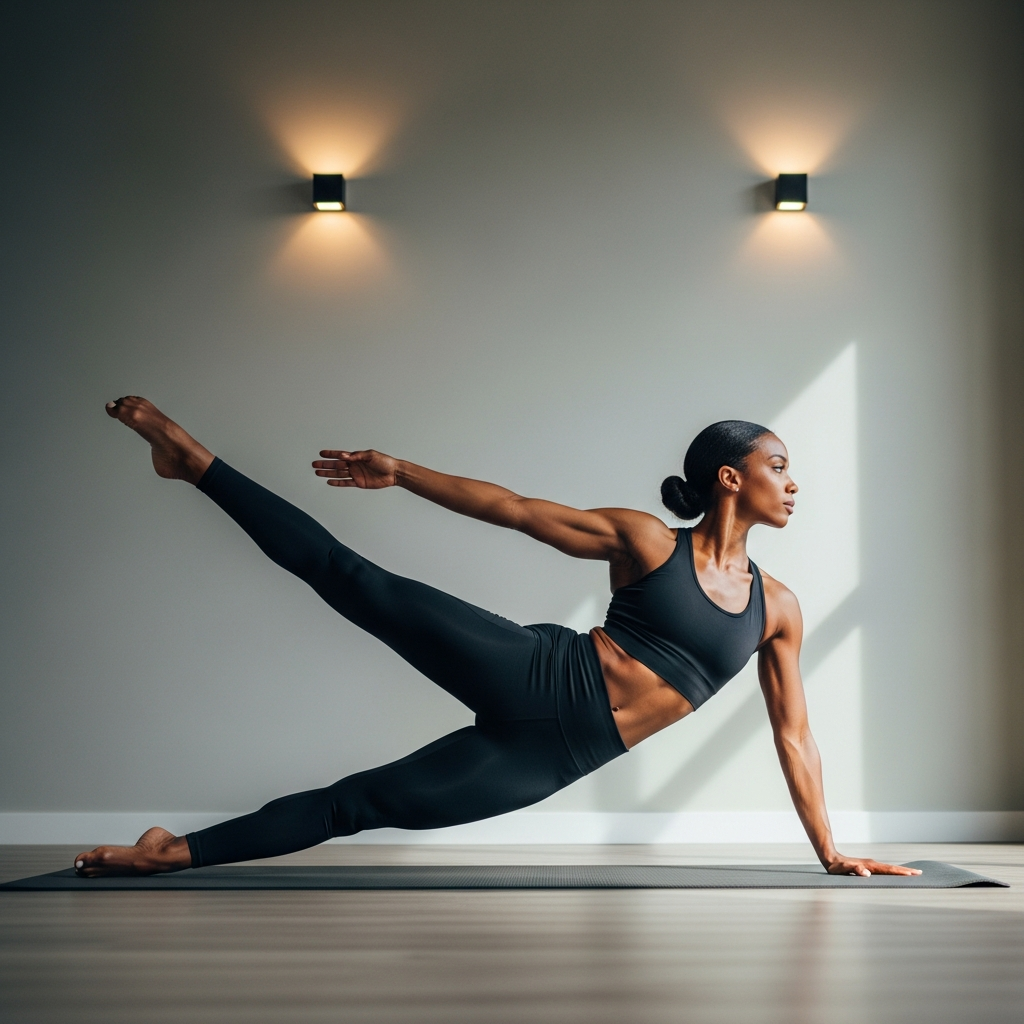
Pilates, named after its creator Joseph Pilates, is a low-impact workout aimed at strengthening muscles while improving postural alignment and flexibility. The focus is on core strength, but the benefits extend far beyond the abdominal muscles, reaching muscle groups you may not even have known existed. The practice comes in two primary forms – mat Pilates and reformer Pilates – both of which have significant advantages unique to their structure.
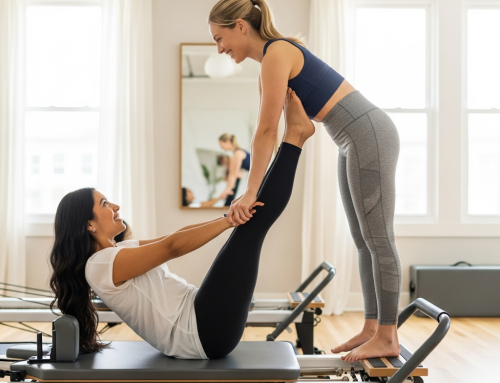
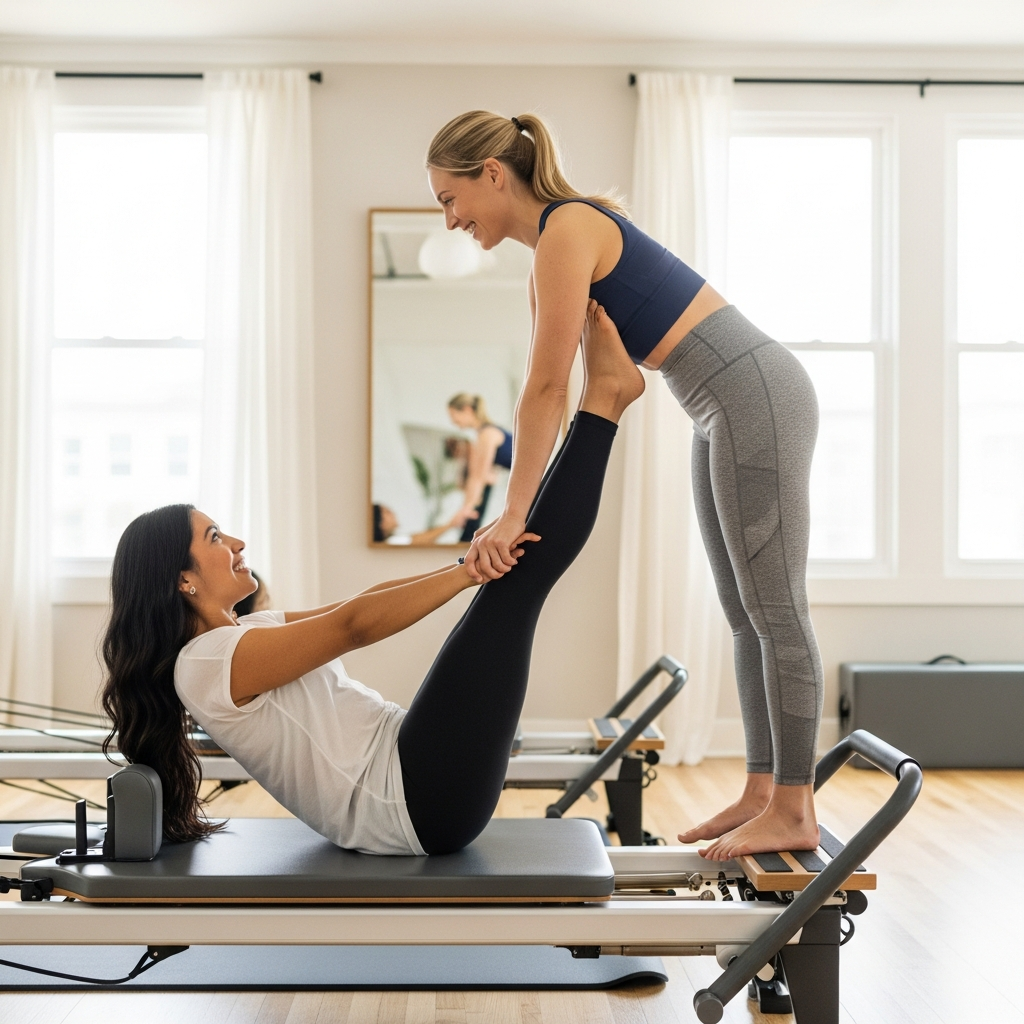
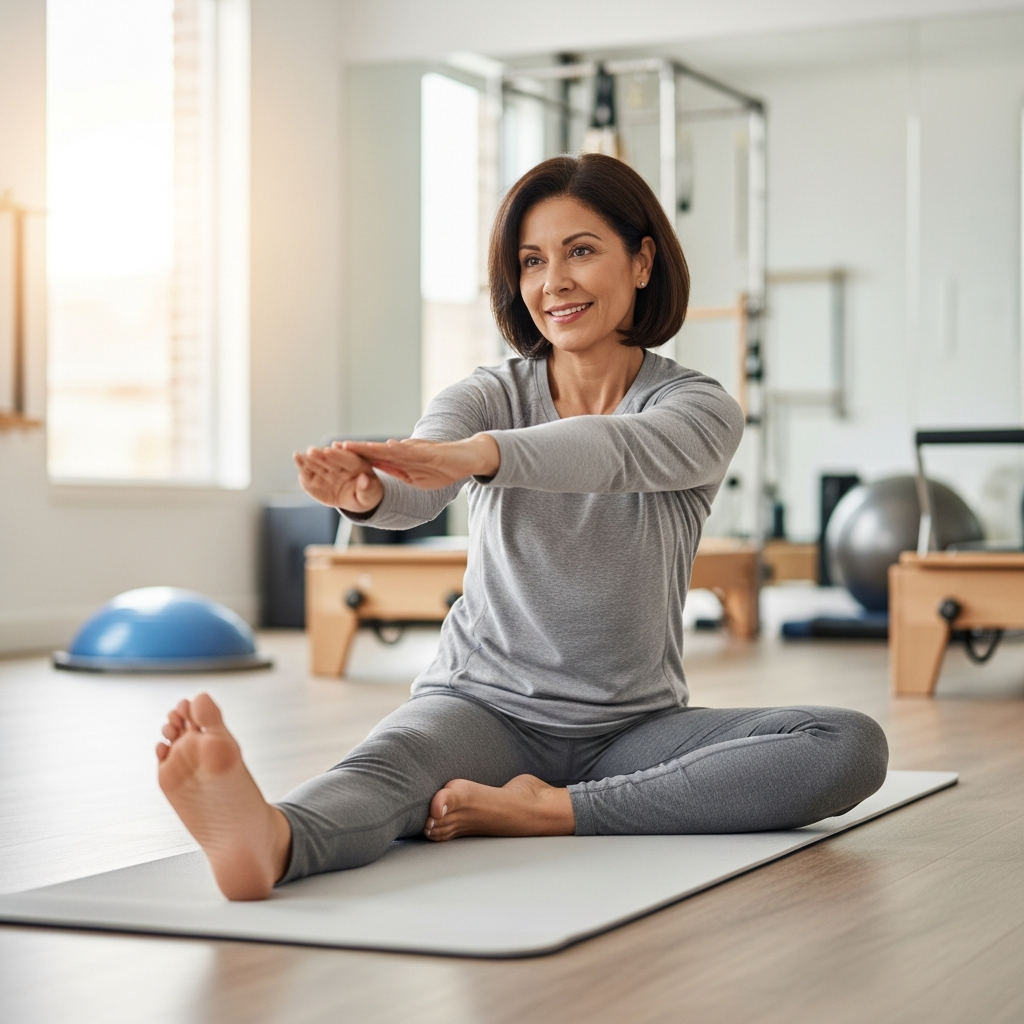
Mat Pilates refers to exercises performed on a mat, using your body weight and gravity as resistance. It’s an excellent place to start your Pilates journey as it introduces you to the fundamental movements and principles of this discipline at a comfortable pace. On the other hand, reformer Pilates uses a specialized machine called a reformer, which consists of a sliding carriage rigged with springs, bars, and straps. This form offers a more dynamic and intensified workout, making it ideal for those who are looking for a more challenging fitness routine.
In this blog post, we will be exploring the comprehensive benefits of Pilates, its transformative effect on both your physical and mental wellbeing, and how it differs from other forms of exercise. We will delve into the difference between mat and reformer Pilates, helping you understand which might be best suited to your fitness goals. Moreover, we will discuss why incorporating Pilates into your workout routine could be one of the best decisions you make for your health.
Whether you’re a seasoned gym-goer looking to diversify your workout routine, a complete beginner on the hunt for a low-impact yet effective exercise, or someone recovering from an injury, Pilates can cater to everyone’s needs. It’s not just about achieving a toned body – it’s about enhancing your overall quality of life.
Perhaps you’ve heard about the wonders of Pilates from a friend, or maybe you’ve seen your favorite celebrity endorsing it. The praise is far from undeserved. From improved flexibility and balance to enhanced core strength and better posture, the benefits are manifold and well-documented. But knowing these benefits and understanding how they translate into real-world improvements in your daily life are two different things. We’re here to connect the dots, demystify Pilates, and provide you with tangible reasons why this discipline is worth your time and effort.
Understanding the benefits of Pilates matters because it allows you to align your fitness goals with the capabilities of the workout. This alignment ensures that you get the most out of your efforts, making each sweat-inducing session worth it. Moreover, it allows you to appreciate the evolution of your body and mind as you continue to practice this discipline.
So let’s embark on this fitness journey together, unravel the intricacies of Pilates, and discover how this unique form of exercise can bring about a positive transformation in your life. Prepare to be inspired by the power of Pilates – your body and mind will thank you for it!
What About Pilates Benefits? A Comprehensive Understanding
Pilates, a physical fitness regimen developed in the early 20th century by Joseph Pilates, has gained substantial prominence over the years due to its remarkable health benefits. This low-impact exercise form aims at strengthening muscles, improving postural alignment, enhancing flexibility, and cultivating a sense of mental and physical balance. But before we delve into its benefits, we must first understand the fundamentals and framework of Pilates.
Pilates revolves around six key principles: centering, control, flow, breath, precision, and concentration. These principles work harmoniously to create a holistic workout that encompasses both the mind and body.
1. Centering: This principle focuses on the core—also referred to as the “powerhouse” in Pilates. It includes the abdomen, lower back, hips, and buttocks from which all energy for exercise is derived.
2. Control: Every exercise in Pilates is performed with complete muscular control. No body part is left uncontrolled, ensuring movements are performed in a safe and effective manner.
3. Flow: The principle of flow emphasizes smooth, continuous motion during exercises. It discourages any jerky or disjointed movements to maintain the fluidity of the workout.
4. Breath: Pilates insists on full, deep inhalations and complete exhalations during each movement. He believed that proper breathing helps cleanse the body and refresh the blood, invigorating the body and mind.
5. Precision: In Pilates, attention to detail is crucial. Every movement has a purpose and must be performed precisely to achieve targeted benefits.
6. Concentration: This principle insists on total concentration on every movement. The mind-body connection is critical in Pilates; focusing on each movement ensures the exercise’s effectiveness.
Now that we have established a basic understanding of Pilates’ principles, let’s focus on the framework of this exercise form. Pilates can be performed on a mat or specialized equipment like the Reformer, Cadillac, and Wunda Chair. Mat Pilates primarily uses body weight, while equipment-based Pilates uses different levels of resistance to challenge the body.
Regardless of the equipment used, all Pilates workouts consist of a series of controlled movements. The exercises focus on the quality of movement, not quantity, meaning fewer repetitions are performed with maximum precision.
A typical Pilates workout includes a variety of exercise sequences that are performed in low repetitions, usually five to ten times, over a session of 45 to 90 minutes. These exercises are grouped into a sequence known as the Pilates workout sequence which usually starts with a warm-up, followed by a series of exercises that boost flexibility, build strength, and improve balance and coordination.
Pilates is highly adaptable and can be modified to suit everyone from beginners to advanced participants. The intensity can be increased over time as the body conditions and adapts to the exercises.
Now, as we understand the fundamentals and framework of Pilates, we can confidently approach its benefits. Pilates offers a wealth of benefits that extend beyond the physical realm, contributing to one’s mental well-being as well. It enhances muscle tone, balances musculature, supports correct posture, and teaches one to move with ease and grace. It also increases body awareness, reduces stress, aids in injury recovery, and boosts overall fitness.
In conclusion, Pilates is more than just a workout—it’s a way of life that encourages a healthy mind-body connection. By understanding its principles and framework, we can fully appreciate its benefits and incorporate this powerful exercise regimen into our daily lives for enhanced physical and mental well-being.
Remember, as with any fitness regimen, it’s always advisable to consult with a healthcare provider before starting Pilates, particularly if you have any pre-existing conditions or concerns. A certified Pilates instructor can also ensure you are performing exercises correctly and safely.
Unraveling the Benefits of Pilates: A Deeper Dive into Mat and Reformer Pilates
Pilates is a form of exercise that focuses on balance, flexibility, coordination, and strength. The benefits are manifold and extend beyond just the physical. They infiltrate every aspect of a person’s life, promoting mental well-being, improving body awareness, and boosting overall fitness. This article will explore the benefits of both mat and reformer Pilates, providing practical insights and actionable advice on how to incorporate these exercises into your fitness regimen.
**Physical Benefits of Pilates**
1. **Improved Flexibility**: Pilates exercises involve slow, controlled movements, which help to safely increase the flexibility of the muscles. For instance, exercises like ‘The Saw’ in mat Pilates involve twisting your torso and stretching to touch your toes, thereby enhancing the flexibility of your spine and hamstrings.
2. **Enhanced Core Strength**: Pilates places a significant emphasis on core strength. The ‘Teaser’ is a classic mat Pilates exercise that engages all your abdominal muscles, strengthening your core over time.
3. **Better Posture**: Pilates encourages you to focus on alignment and balanced movement, which can significantly improve your posture. The ‘Pilates Roll Up’ is a perfect exercise for this. It teaches control of the spine, allowing for smoother movements and better postural alignment.
**Mental Benefits of Pilates**
1. **Stress Reduction**: Pilates can be a fantastic stress-reliever. The focus on breathing and being present in your body provides a form of meditation, helping to alleviate stress and anxiety. For example, the ‘Pilates Breath’ technique involves deep, coordinated breathing which can have a calming effect on the mind.
2. **Improved Concentration**: Pilates requires concentration and precision for proper execution of movements. This heightened focus during sessions can spill over into your daily life, improving your overall concentration.
**Specific Benefits of Mat Pilates**
Mat Pilates is a challenging workout that requires nothing more than a mat and your own body weight. It’s highly accessible and can be done virtually anywhere. In addition to the general benefits of Pilates, mat work can provide
1. **Improved Balance**: Mat Pilates exercises, such as the ‘Single Leg Circle’, challenge your balance, which can improve your coordination and overall bodily awareness.
2. **Increased Body Control**: With no equipment to assist or guide your movements, mat Pilates requires a high degree of body control. This can result in improved proprioception (the sense of the relative position of one’s own body parts and strength of effort being employed in movement) and body awareness.
**Specific Benefits of Reformer Pilates**
Reformer machines add resistance to the Pilates exercises via the use of springs, which can be adjusted to different levels. Reformer Pilates can offer
1. **Higher Intensity Workout**: The reformer machine allows for a wider range of exercises than mat Pilates, and the added resistance can provide a more intense workout.
2. **Tailored to Individual Needs**: The adjustable nature of the reformer machine means that exercises can be tailored to meet individual needs, fitness levels, and goals.
3. **Improved Muscle Tone and Strength**: The resistance offered by the reformer machine can lead to improved muscle tone and strength. Exercises like ‘Footwork’ on the reformer can help tone and strengthen the lower body.
To incorporate Pilates into your fitness regimen, start with beginner classes or routines to familiarize yourself with the core concepts and movements. As you become more comfortable, gradually increase the intensity and complexity of your workouts. Whether you choose mat or reformer Pilates – or a combination of both – this practice can provide significant benefits for your physical and mental health.
Incorporating Pilates into your fitness routine is not just about improving your physical strength and flexibility; it also encourages a sense of body awareness and mindfulness that can enhance your overall well-being. As with any fitness program, consistency is key. Make sure to practice regularly to reap the full spectrum of benefits that Pilates has to offer.
Unearthing the Benefits of Pilates: An Insightful Guide
Pilates has become a cornerstone in the fitness world, with its unique blend of strength, flexibility, and mindfulness. However, there are several misconceptions surrounding this practice, and a lot of individuals are yet to fully understand its benefits. This article aims to shed light on common challenges associated with Pilates, offer solutions, and provide expert tips on how to maximize this fitness regime’s benefits.
Pilates, named after its creator Joseph Pilates, is a low-impact exercise method that focuses on core strength, flexibility, and overall body awareness. It comes in two forms: mat Pilates, which only uses a mat and your body weight, and reformer Pilates, which incorporates a specialized machine to add resistance to the movements.
One common misconception about Pilates is that it is primarily a form of exercise for women. This could not be further from the truth; Pilates is beneficial for everyone regardless of their gender. Its emphasis on core stability and control makes it an excellent form of exercise for improving overall fitness, rehabilitation after injury, and even enhancing performance in other sports.
Another misconception is that Pilates is easy and doesn’t provide a challenging workout. While it is true that Pilates doesn’t involve high-intensity, sweat-drenched sessions like some other forms of exercise, it’s certainly not ‘easy.’ The challenge in Pilates lies in its subtlety—the control, precision, and concentration required make it a unique workout that can be adapted to challenge even the fittest athletes.
One challenge people often face when starting Pilates is the perceived complexity of the movements. It can seem daunting to coordinate breathing with precise body movements. However, remember that like any new skill, it takes time and practice. Start slow, focus on mastering the basic principles first—breathing, concentration, control, precision, and flow. As you become more familiar with the movements, you can gradually increase the complexity.
Now, let’s delve into the benefits of Pilates. First and foremost, Pilates is excellent for building core strength. Unlike some other forms of exercise, it works on the deep muscles in the body creating a strong ‘centre’ linked with the pelvis, spine, and shoulders. This not only improves your physical appearance but also enhances your functional fitness, making everyday tasks easier.
Pilates also promotes flexibility. Through slow, controlled movements, Pilates lengthens and stretches the muscles, improving muscle elasticity and joint mobility. This can result in better performance in other workouts and a lower risk of injuries.
Another notable benefit is the improvement in posture. Pilates exercises aim to strengthen the postural muscles, keeping your body balanced and providing support for the spine. This can help alleviate back pain and prevent future injuries.
The mind-body connection is a crucial aspect of Pilates. By concentrating on correct movement patterns and breathing, Pilates encourages you to be fully present during your workout—enhancing mindfulness and reducing stress levels.
Here are some expert tips to optimize your Pilates experience
1. Always start with a certified instructor: They will ensure you’re performing the exercises correctly and guide you according to your fitness level and goals.
2. Be consistent: Like any form of exercise, consistency is key in Pilates. Aim for at least two sessions a week to see noticeable improvements.
3. Listen to your body: No two bodies are the same, so what works for someone else may not work for you. Adjust your workouts as needed, focusing on your own progress rather than comparing yourself to others.
4. Don’t rush: Pilates is about quality, not quantity. Focus on performing each movement with precision, even if it means doing fewer reps.
5. Incorporate both Mat and Reformer Pilates: While Mat Pilates is a great place to start, incorporating Reformer Pilates can add variety to your workouts and provide additional resistance.
In conclusion, Pilates is a versatile exercise method that offers a wide range of physical and mental benefits. Discard any misconceptions you may have, embrace the process, and you’ll unlock a path to improved strength, flexibility, and overall wellness.
Unraveling the Benefits of Pilates: What to Expect, Timelines, and Next Steps
Pilates is a comprehensive fitness system designed to enhance strength, flexibility, posture, and mental awareness. Whether you’re new to pilates or a seasoned practitioner, understanding the process and the timelines for reaping its benefits is necessary. This article will guide you through what to expect, timelines, and next steps as you embark on your Pilates journey.
What to Expect:
1. Improved Core Strength: The primary focus of Pilates is on strengthening your core, which includes your abdominal and back muscles. A strong core improves posture, reduces back pain, and increases overall body strength.
2. Enhanced Flexibility: Pilates involves slow, controlled movements that help increase the flexibility of muscles and joints. You can expect gradual but consistent improvement in your body’s flexibility.
3. Better Posture: Since Pilates emphasizes proper alignment, regular practice can significantly improve your posture. This is particularly beneficial for people who sit for long periods.
4. Decreased Stress Levels: Like most physical activities, Pilates can also contribute to stress relief. The rhythmic exercises in Pilates can help soothe your mind and decrease levels of stress hormones.
5. Increased Body Awareness: Pilates requires a high level of concentration and precision. As a result, it heightens your body awareness, making you more mindful of your body’s movements and posture in daily life.
Timelines:
While the timeline for achieving various benefits from Pilates can vary depending on individual factors like fitness level, age, and commitment to practice, here are some general timelines
1. Core Strength: With regular practice (at least 2-3 times per week), noticeable improvement in core strength can usually be seen in about 4-6 weeks.
2. Flexibility: Increased flexibility can take a bit longer to achieve. With consistent practice, you can expect to observe changes in your flexibility after about 8-12 weeks.
3. Posture: Improvements in posture are often noticed after about 6-8 weeks of regular Pilates practice.
4. Stress Relief: The stress-relieving benefits of Pilates can often be felt immediately after a session. However, long-term stress management benefits usually become noticeable after 4-6 weeks of regular practice.
5. Body Awareness: Increased body awareness can take anywhere from a few weeks to a couple of months to develop. This primarily depends on your level of focus during the exercises.
Next Steps:
There are two main types of Pilates that you can consider – Mat Pilates and Reformer Pilates.
1. Mat Pilates: This is the most common form of Pilates and a good place for beginners to start. As the name suggests, Mat Pilates includes exercises performed on a mat, using your body weight as resistance. After mastering the basic techniques and exercises, you may want to add small equipment like a Pilates ring or resistance band to challenge yourself further.
2. Reformer Pilates: This form of Pilates involves a special machine called a reformer, equipped with springs, ropes, and a carriage. Reformer Pilates can be more intense than Mat Pilates and offers a wider variety of exercises. It’s usually best for intermediate and advanced practitioners, but beginners can also try it under the guidance of a certified instructor.
Remember, consistency is key in reaping the benefits of Pilates. It’s recommended to practice Pilates at least 2-3 times per week. Also, it’s crucial to learn the proper techniques first to avoid any injuries and maximize your results. This is best achieved under the guidance of a certified Pilates instructor who can provide personalized advice based on your fitness level and goals.
Whether you’re looking for physical benefits like improved strength and flexibility or mental benefits like stress relief and increased body awareness, Pilates offers a comprehensive solution. So why wait? Start your Pilates journey today and experience the transformation for yourself!
In conclusion, the benefits of Pilates are numerous and multifaceted, catering to a wide array of health, fitness, and wellness needs. This holistic exercise system is not just about bodily strength or flexibility but embraces an all-encompassing approach to physical and mental wellness.
Firstly, Pilates promotes improved body strength, particularly in the core region. Through a series of targeted exercises, it strengthens the muscles around the stomach, lower back, hips, and buttocks – also known as the powerhouse of your body. The result is not just a toned physique but also enhanced bodily performance in daily life or other physical activities.
Secondly, Pilates also fosters flexibility. Unlike conventional exercise regimes that may lead to muscle bulk, Pilates focuses on elongating and strengthening muscles, thereby improving muscle elasticity and joint mobility. Increased flexibility decreases the risk of injuries and boosts overall fitness levels.
Thirdly, the benefits of Pilates extend to improving posture. Pilates exercises aim at realigning the spine and correcting postural imbalances. This not only helps in alleviating chronic back pain but also in developing a leaner appearance. Good posture is vital in reducing wear and tear on the spine, keeping it healthy and functional for a longer period.
Fourthly, Pilates also offers mental health benefits. With its emphasis on controlled breathing and total concentration on movements, Pilates is akin to a moving meditation. It helps in reducing stress, increasing focus, and promoting an overall sense of well-being.
Lastly, Pilates is for everyone. Regardless of age, gender, fitness level or physical condition, Pilates can be adapted to suit individual needs. Whether you are a seasoned athlete looking for a cross-training option, a senior citizen seeking to improve balance and flexibility, or someone rehabilitating from an injury or illness, Pilates can provide a safe and effective workout option.
In sum, Pilates is more than just a workout. It is a lifestyle choice that integrates mind-body awareness, promotes health, and enhances quality of life. With its low-impact, highly effective exercises, it caters to the needs of your body, leaving you feeling revitalized and invigorated post every session.
However, to reap the full benefits of Pilates, it is essential to receive proper guidance and instruction. Unsupervised or incorrectly done exercises can lead to injuries and fail to deliver the desired results. This is where we come in. Our team of certified Pilates instructors are dedicated to helping you achieve your fitness goals in a safe and effective manner. We offer personalized guidance, taking into consideration your unique needs and objectives.
So, why wait? Embark on your Pilates journey today. Contact us for more information or to schedule your first Pilates session. Experience firsthand the transformative power of Pilates and take a step towards a healthier, happier you!