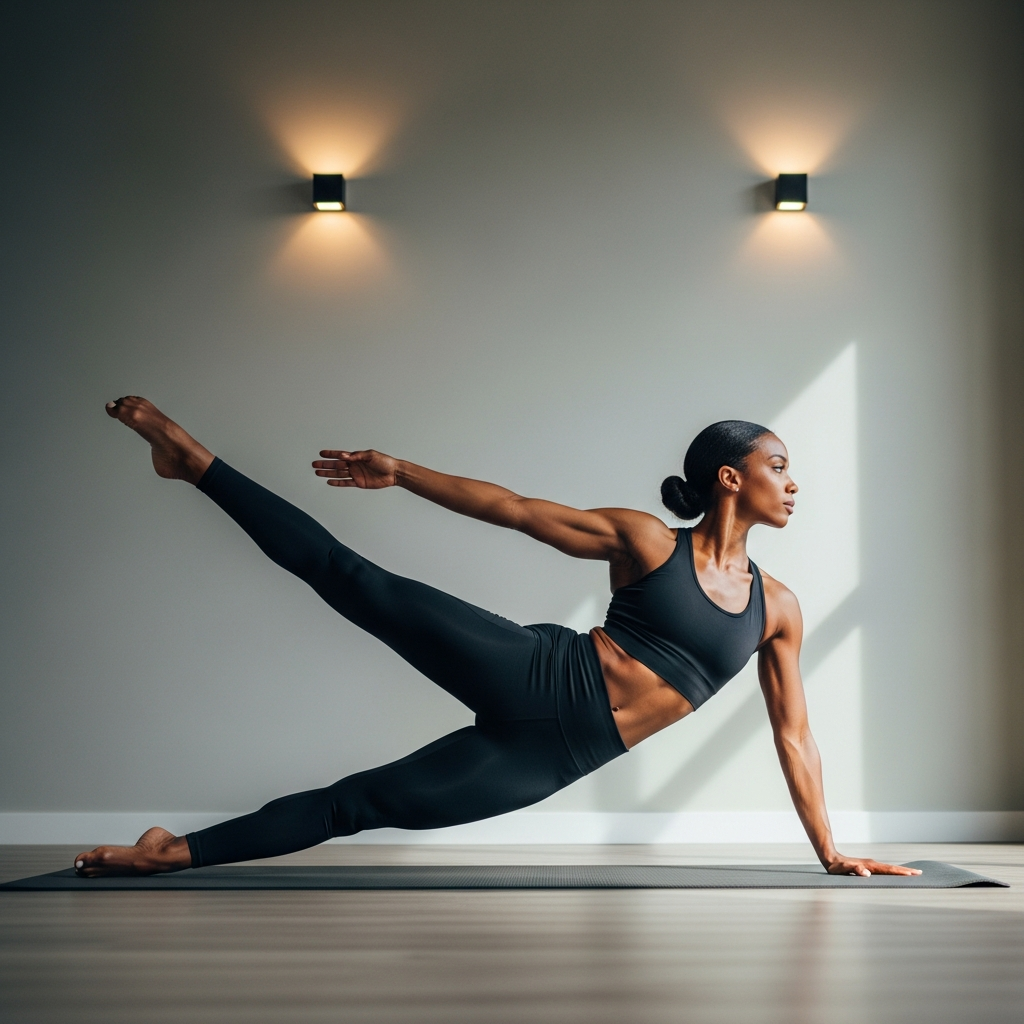
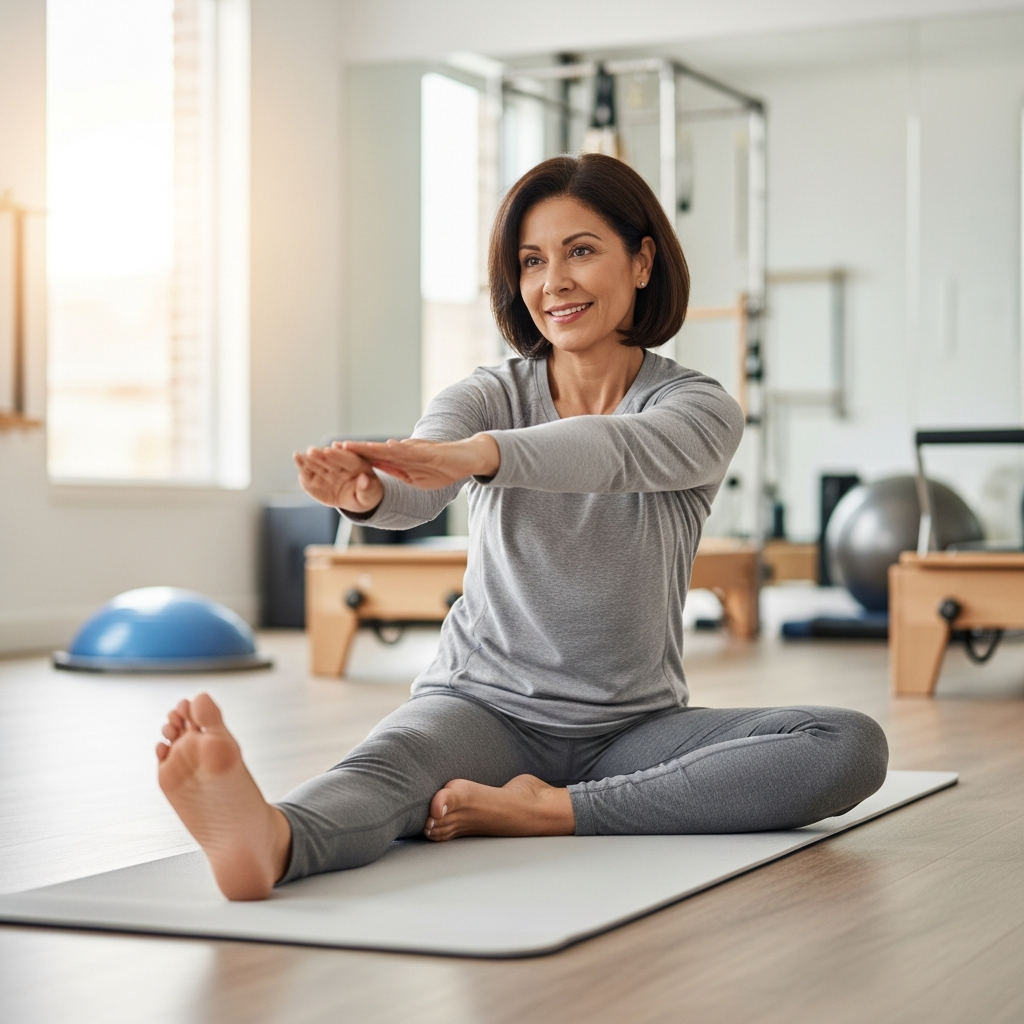
You know that feeling when you’re scrolling through your phone at 10 PM, promising yourself you’ll start working out tomorrow… and then tomorrow comes and goes, and you’re right back to scrolling? Yeah, we’ve all been there. Maybe you’ve even joined a gym (twice), bought those cute workout clothes that are still sitting in your drawer with tags on, or downloaded seventeen different fitness apps that now just take up space on your phone.
But here’s what’s interesting – and maybe a little surprising. While you’ve been stuck in this cycle of good intentions and missed workouts, something pretty amazing has been happening right here in Grand Prairie. More and more people – your neighbors, that colleague who always seems so put-together, maybe even your usually-skeptical sister – are discovering something that’s actually sticking.
They’re choosing Pilates classes.
Now, before you roll your eyes and think “great, another fitness trend,” hear me out. This isn’t about those impossible Instagram poses or needing to be already flexible enough to tie yourself in knots. (Trust me, most of us can barely touch our toes on a good day.) This is about something different entirely.
See, what’s happening in Grand Prairie isn’t just a fitness fad – it’s a genuine shift in how people are thinking about movement, wellness, and honestly… how to feel good in their own bodies without wanting to hide under a blanket for the rest of the week.
The studios around here? They’re packed. Not with the intimidating, already-perfect fitness crowd you might be imagining, but with real people. People who’ve tried everything else. People who thought they hated exercise. People dealing with chronic pain, coming back from injuries, or just tired of feeling disconnected from their bodies. People who, like you, have been searching for something that doesn’t feel like punishment.
And that’s what makes this whole Pilates movement in our city so compelling. It’s not about what you can’t do – it’s about meeting you exactly where you are and building from there.
You might be wondering why this matters to you personally. Maybe you’re dealing with that nagging back pain from sitting at a desk all day, or you’re tired of feeling winded after climbing a flight of stairs. Perhaps you’ve noticed that your posture has started resembling a question mark, or you’re just exhausted by the thought of another high-intensity workout that leaves you dreading the next one.
Here’s the thing about Pilates that’s drawing so many Grand Prairie residents… it doesn’t demand that you become someone else. It works with who you already are.
When I started looking into why this particular form of exercise is taking off in our community, I expected to find the usual suspects – convenience, good marketing, maybe a celebrity endorsement or two. Instead, I found something much more interesting. I found people who’d finally discovered movement that felt sustainable, classes that didn’t intimidate them, and instructors who understood that not everyone comes to fitness from the same starting point.
Actually, that reminds me of something one local instructor told me: “Most people walk into their first class expecting to fail at something else. By the end, they’re planning their next session.” That shift – from expecting failure to planning success – that’s what’s really happening here.
Throughout this piece, we’re going to explore exactly why Pilates has become the go-to choice for so many people in Grand Prairie. We’ll look at what makes it different from other fitness options (spoiler: it’s not just the fancy equipment), how local studios are creating environments where beginners actually feel welcome, and why people who’ve never stuck with anything exercise-related are suddenly becoming those people who talk about their “Pilates class” like it’s the highlight of their week.
We’ll also get into the practical stuff – what to expect, how to choose the right studio, and yes, we’ll tackle those concerns you probably have about whether you’re “ready” for Pilates. (Hint: if you’re breathing, you’re ready.)
Because maybe it’s time to stop promising yourself you’ll start tomorrow and actually find something you want to continue today.
What Exactly Is Pilates Anyway?
You know, I get this question a lot – and honestly, it’s not always easy to explain. People think it’s just fancy stretching or yoga with equipment that looks like medieval torture devices. But here’s the thing… Pilates is more like teaching your body to move like it was designed to, instead of the hunched-over, tight-shouldered way most of us have trained it through years of desk jobs and Netflix binges.
Joseph Pilates (yeah, it’s named after a person) created this system back in the early 1900s. He was actually pretty ahead of his time – combining ideas about breath, movement, and mind-body connection that we’re just now catching up to in mainstream fitness. Think of it as strength training that actually makes you feel better, not just look different.
The Six Principles That Actually Matter
Now, I could bore you with textbook definitions, but let’s be real about what these principles look like in practice.
Concentration means you can’t zone out and think about your grocery list. Your brain has to stay engaged – which, frankly, is half the appeal for people who are tired of mindless cardio.
Control is about moving with intention. No flinging your limbs around hoping for the best. Every movement is deliberate, which sounds simple until you try to lift your leg three inches while keeping everything else perfectly still.
Centering – this one’s tricky to explain without sounding all woo-woo. Your core (not just abs, but everything from your ribcage to your hips) becomes the command center for everything else. It’s like… imagine your torso is the foundation of a house, and if that’s wobbly, nothing else works right.
The other three – precision, breath, and flow – kind of weave through everything. You breathe in specific patterns, you move precisely (not approximately), and ideally it all flows together. Though between you and me, it takes a while before anything feels flowy when you’re starting out.
Mat Work vs. Equipment – The Great Divide
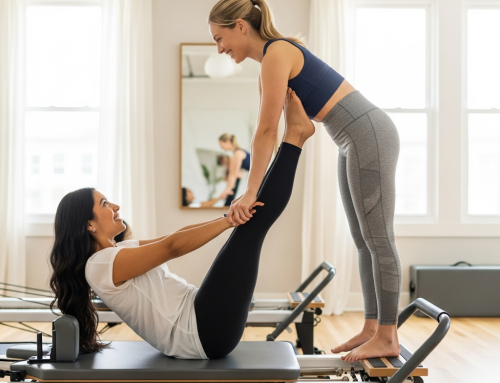
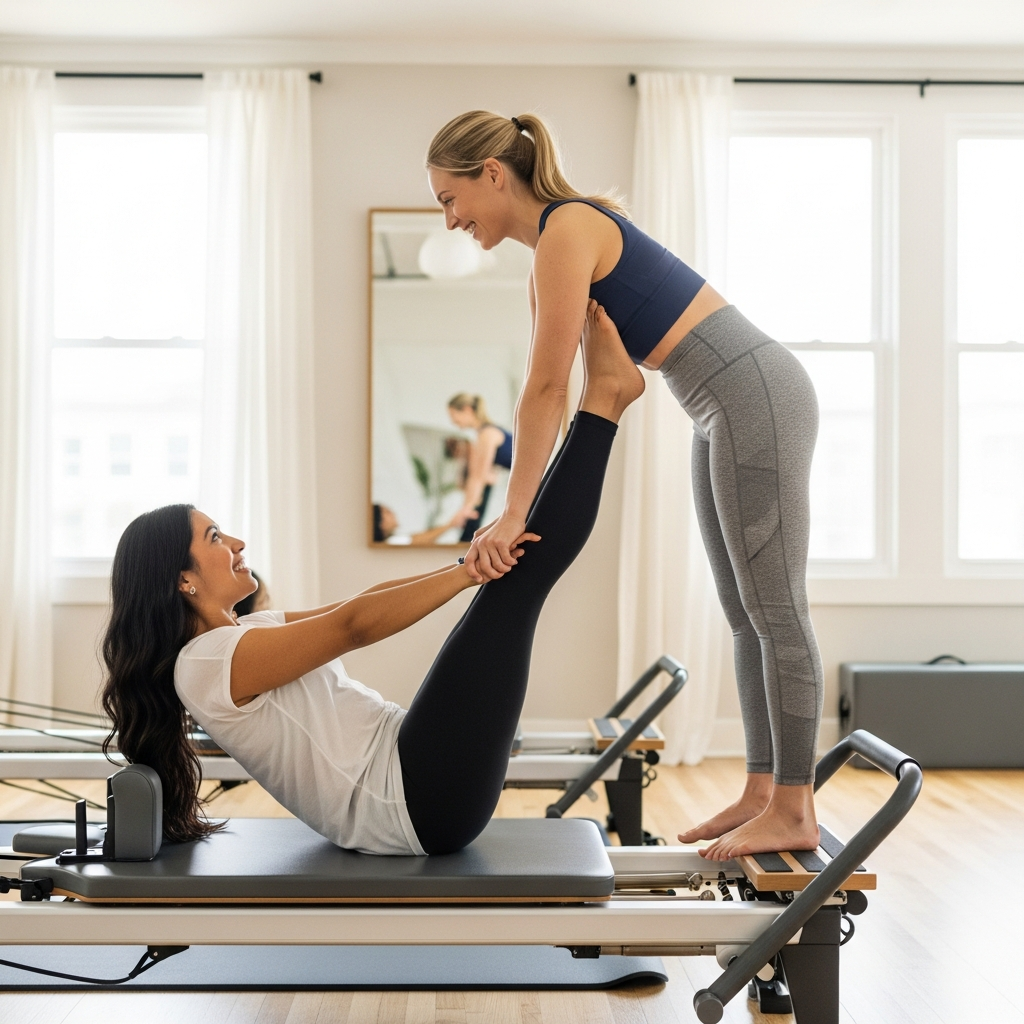
This is where people get confused, and rightfully so. Some Pilates classes happen on mats on the floor – think yoga-style, but different exercises. Others use these intimidating-looking machines called reformers, which have springs, pulleys, and platforms that slide around.
Mat Pilates is deceptively challenging. Without any equipment to help (or blame), it’s just you versus gravity, trying to hold positions that look easy but make your muscles shake after thirty seconds. It’s accessible – you can do it anywhere – but don’t let that fool you into thinking it’s the easier option.
Reformer Pilates uses those spring-loaded machines that honestly do look a bit scary at first glance. But here’s what’s counterintuitive: the springs can actually make movements easier by providing assistance, or harder by adding resistance. It’s like having a very expensive, very sophisticated rubber band system that can challenge Olympic athletes or help someone recovering from injury.
Why Your Body Actually Responds
The magic (and I don’t use that word lightly) happens because Pilates works muscles you didn’t even know you had. We’re talking about those deep stabilizing muscles – the ones that keep your spine happy and your joints moving smoothly.
Most traditional workouts focus on the big, show-off muscles. You know, biceps, chest, the stuff that looks good in a tank top. Pilates is more interested in the supporting cast – those smaller muscles that keep everything aligned and functioning properly.
It’s like the difference between having a flashy sports car with a terrible suspension system, versus a well-engineered vehicle where everything works together. You might not get the immediate visual drama, but your body starts moving and feeling completely different.
Actually, that reminds me – this is probably why so many people stick with Pilates long-term. Unlike some fitness fads that burn bright and fast, this method tends to grow on you. The benefits compound over time, and suddenly you realize you’re standing straighter, your back doesn’t hurt after long days, and you can actually touch your toes again.
The breathing component deserves a mention too, though it’s probably the weirdest part for newcomers. You’re not just breathing to stay alive – you’re using breath to initiate movement and maintain control. It’s… well, it’s different. But once it clicks, it becomes this amazing tool for staying present and connected to what your body’s doing.
Finding the Right Studio Without Breaking the Bank
Here’s what most people don’t realize about Pilates studios in Grand Prairie – you don’t need the fanciest equipment or the most expensive membership to get started. Actually, some of the best instructors I know work at smaller studios where they can give you more personal attention.
Start with a trial class or intro package. Most studios offer these, and honestly? It’s the only way to know if the instructor’s teaching style clicks with you. Pay attention to how they explain modifications – a good instructor will show you three different ways to do the same exercise based on your current fitness level.
Budget hack: Many studios offer community classes or donation-based sessions. These aren’t lesser quality – they’re often taught by the same instructors, just with larger class sizes.
What to Expect (and What Not to Worry About)
Your first class is going to feel… weird. There’s no other way to put it. You’ll be using muscles you forgot existed, and yes, you might shake a little. That’s completely normal – even people who’ve been doing Pilates for years still shake when they’re working hard.
Don’t get caught up in the gear anxiety. You need comfortable clothes that let you move and… that’s pretty much it. The studio will provide mats and equipment. Those expensive Pilates socks with grips? Nice to have, but regular socks (or bare feet) work just fine when you’re starting out.
Here’s something instructors rarely tell beginners upfront – you’re not supposed to feel sore in your back or neck after class. If you do, speak up. A good instructor will adjust your form or suggest modifications. Your core should feel worked, maybe your glutes too, but sharp pain or neck strain means something’s off.
Maximizing Your Investment
This might sound backwards, but don’t start with unlimited monthly packages right away. Begin with a smaller package – maybe 5 or 8 classes – and spread them out over 6-8 weeks. This gives your body time to adapt and helps you figure out what works with your schedule.
Most people make the mistake of going too hard, too fast. They sign up for daily classes, burn out in three weeks, and then feel guilty about wasting money. Start with once or twice a week – your body (and your wallet) will thank you.
Pro tip: Ask about make-up policies before you commit. Life happens, and you don’t want to lose money on classes you can’t attend because of work or family obligations.
Building Consistency Without Burnout
The magic happens in those first six weeks – that’s when your body starts remembering the movement patterns and building strength. But here’s the thing… you’ve got to be strategic about it.
Pick specific days and times that actually work for your life. If you’re not a morning person, don’t sign up for 6 AM classes thinking Pilates will magically turn you into one. It won’t. Work with your natural rhythms, not against them.
Consider pairing classes with something you already do – maybe there’s a studio near your grocery store, so you can knock out both errands in one trip. Or find a class that ends right when your partner gets home, so you’re not rushing back to relieve the babysitter.
Making It Stick Long-Term
Here’s where most people stumble – they treat Pilates like a quick fix instead of a sustainable practice. The people who stick with it? They find ways to weave it into their existing routines rather than overhauling their entire lives.
Start tracking how you feel after classes, not just how you look. Better sleep, less back pain, easier time carrying groceries… these benefits show up before the physical changes, and they’re way more motivating than stepping on a scale.
Connect with other people in your classes – not in a forced way, but just be friendly. Having familiar faces makes it easier to show up on days when motivation is low. Plus, the Pilates community in Grand Prairie is genuinely welcoming once you get past that initial intimidation factor.
And honestly? Give yourself permission to modify everything. The instructor says “roll up slowly” but your lower back says “absolutely not”? Listen to your body. The goal isn’t perfect form from day one – it’s showing up consistently and building strength safely over time.
The “I’m Not Flexible Enough” Fear
You know that voice in your head that whispers, “Everyone else will be doing perfect pretzel poses while I can barely touch my toes”? Yeah, that one. It’s probably the biggest reason people avoid their first Pilates class.
Here’s the thing – and I’m saying this as someone who’s watched hundreds of first-timers walk through studio doors – flexibility isn’t a prerequisite. It’s actually one of the goals. Think of it like this: you wouldn’t expect to speak French fluently before taking a French class, right?
The real solution? Start where you are. Most Grand Prairie studios offer beginner-friendly classes where modifications are the norm, not the exception. Those foam blocks and straps you see? They’re not props for the “advanced” students – they’re tools to help you find your version of each movement. And honestly, the person on the mat next to you is too busy focusing on their own wobbles to judge yours.
The Schedule Juggling Act
Let’s be real about this one. Between work deadlines, school pickups, and that never-ending pile of laundry, fitting in a class feels like trying to solve a Rubik’s cube while blindfolded.
But here’s where Grand Prairie’s Pilates scene actually works in your favor – variety is everywhere. Early morning classes for the 5 AM crowd (yes, those people exist). Lunch break sessions that get you back to work energized instead of food-comatose. Evening classes that help you decompress from the day. Weekend options when your weekdays are absolutely packed.
The trick isn’t finding the “perfect” time – it’s finding the “good enough” time and protecting it like you would any important appointment. Actually, let me rephrase that… it IS an important appointment. With yourself.
The Price Point Reality Check
Pilates classes aren’t cheap. There, I said it. While you can find budget-friendly options in Grand Prairie, quality instruction costs money, and pretending otherwise doesn’t help anyone make informed decisions.
But let’s do some math here – because I’m all about practical solutions. That $20-30 per class? Compare it to what you might spend on physical therapy sessions later, or those expensive supplements promising quick fixes, or even just your monthly coffee shop habit. When you break it down per hour of professional instruction, it starts looking more reasonable.
Plus, many studios offer package deals that bring the per-class cost down significantly. Some have sliding scale options or work-study programs where you can trade some studio tasks for reduced rates. And community centers often have more affordable group classes that still deliver solid instruction.
The Intimidation Factor (AKA “Everyone Else Knows What They’re Doing”)
Walking into any new fitness environment can feel like being the new kid at school. Everyone seems to know the unspoken rules, the instructor’s name, and exactly which spot gives you the best mirror angle.
Here’s what I’ve learned from talking to countless class regulars: they were all beginners once, and most remember that feeling vividly. The Pilates community tends to be pretty welcoming – partly because the practice itself emphasizes mindfulness and self-awareness over competition.
My advice? Arrive a few minutes early and introduce yourself to the instructor. Let them know it’s your first time (or first time at that studio). They’ll usually give you a quick orientation and keep an eye on your form during class. Most instructors genuinely want you to succeed – your success reflects well on their teaching, after all.
The “Am I Too Out of Shape?” Spiral
This one hits differently because it’s wrapped up in shame and comparison. Maybe you haven’t exercised in months (or years). Maybe you’re dealing with injuries or limitations. Maybe you’re worried about keeping up or looking foolish.
The beautiful thing about Pilates is that it meets you where you are. Unlike high-intensity workouts that demand you push through, Pilates is about precision and control. You’re not competing with anyone – not even the you from five years ago.
Start with beginner classes or even private sessions if your budget allows. Many Grand Prairie instructors offer introductory packages or trial periods. Use them. Your body will thank you for starting gently rather than jumping into the deep end and burning out after two weeks.
Remember – showing up is literally the hardest part. Everything else? That’s just practice.
What to Expect in Your First Few Classes
Let’s be honest – your first Pilates class might feel a bit like trying to pat your head and rub your belly while balancing on one foot. That’s completely normal. You’re learning a new language of movement, and your brain needs time to connect those dots.
Most people feel pleasantly challenged but not destroyed after their first session. You might notice muscles you forgot you had (hello, deep abdominals), but you shouldn’t be hobbling out like you just ran a marathon. If you are… well, maybe ease up a bit next time.
The beauty of Pilates is that it meets you where you are. Feeling wobbly during single-leg stretches? Your instructor will offer modifications. Can’t quite nail that roll-up yet? Join the club – it takes most people months to master that move properly.
Timeline Reality Check – No Magic Bullets Here
Here’s what actually happens, not the Instagram version…
Week 1-2: You’re figuring out the basics. Where do your arms go? What’s this “neutral spine” everyone keeps talking about? Your body is learning new patterns, and honestly, you might feel a little uncoordinated. That’s your nervous system adapting, not a character flaw.
Week 3-6: Things start clicking. You’re not thinking quite so hard about every movement, and you might notice your posture improving throughout the day. Some people start feeling stronger around the four-week mark, though don’t panic if you’re not there yet.
Month 2-3: This is often when people have their “aha” moment. Your core feels more solid, maybe your back pain has eased up, or you notice you’re standing taller without trying. The changes are subtle but real.
Month 3-6: The compound effects really show up here. Better balance, improved flexibility, and that elusive “Pilates posture” people talk about. Your body moves more efficiently, and you start understanding why Pilates devotees are so… devoted.
Remember, this isn’t a race. Some people see changes faster, others need more time. It depends on your starting point, how often you practice, your age, previous injuries… basically everything that makes you uniquely you.
Building Your Practice Without Burning Out
The sweet spot for most beginners? Two to three classes per week. More than that and you might burn out before you really get started. Less than two, and you’ll struggle to build momentum – it’s like learning piano but only practicing once a week.
Don’t feel pressured to commit to unlimited monthly packages right away. Start with a smaller package or drop-in classes. See how your body responds, how your schedule actually works (not how you hope it will work), and whether you enjoy the particular style or instructor.
Actually, that reminds me – finding the right instructor can make or break your experience. Some are more athletic and challenging, others focus on gentle rehabilitation. Some crack jokes, others maintain a zen-like calm. You’re allowed to shop around until you find your person.
What Success Really Looks Like
Forget the before-and-after photos for a minute. Real Pilates success is often much quieter than dramatic weight loss or muscle gains. It’s waking up without that usual back stiffness. It’s carrying groceries upstairs without huffing and puffing. It’s standing in line at the store and realizing you’re not shifting your weight from foot to foot because your back hurts.
These changes happen gradually – so gradually you might not notice them until someone points out that you seem to be moving better, or you realize you haven’t taken ibuprofen for that chronic shoulder pain in weeks.
Making It Sustainable
The people who stick with Pilates long-term aren’t the ones who go full throttle for two months then burn out. They’re the ones who find a rhythm that fits their actual life, not their aspirational life.
Maybe that’s two classes a week plus some online sessions at home. Maybe it’s one class plus daily five-minute morning stretches you learned in class. The “perfect” routine is the one you’ll actually do consistently.
And here’s something nobody talks about – you’re allowed to take breaks. Life happens. You get sick, work gets crazy, or you just need a mental health week. The beautiful thing about Pilates is that it’ll be there when you’re ready to come back, and your body will remember more than you think.
You know what? It really comes down to this – people are tired of feeling disconnected from their bodies, and Pilates is giving them a way back home.
Finding Your Community in Movement
When I watch folks discovering Pilates for the first time, there’s this moment… usually around the third or fourth class… where something clicks. Maybe it’s finally engaging their core properly, or realizing they can actually balance on one leg without wobbling like a newborn deer. But more often than not, it’s the sudden awareness that they’re not alone in this whole “getting stronger and feeling better” thing.
Grand Prairie’s Pilates studios have become these unexpected gathering places – not just for exercise, but for real community. You’ve got the teacher who remembers that your shoulder was bothering you last week, the classmate who cheers when you finally nail that roll-up, and the quiet satisfaction of showing up for yourself week after week.
The Ripple Effect of Feeling Strong
Here’s what I find fascinating: when people start feeling stronger in their bodies, everything else seems to shift too. Their posture improves (goodbye, hunched shoulders from too many Zoom calls), their back pain starts easing up, and – this might sound dramatic, but I’ve seen it countless times – their confidence just… grows.
It’s not about becoming a fitness fanatic or completely overhauling your life overnight. Sometimes it’s as simple as being able to carry groceries without wincing, or sitting through a long meeting without your lower back staging a rebellion. Those small victories? They add up to something pretty powerful.
More Than Just Exercise
The beauty of what’s happening in Grand Prairie’s Pilates scene isn’t really about the perfect studio setup or the trendiest equipment (though those things are nice). It’s about people finally finding a form of movement that doesn’t feel like punishment… that actually makes them feel capable and grounded instead of defeated and sore.
Whether someone’s dealing with chronic pain, recovering from an injury, or just wanting to feel more at ease in their own skin, there’s something almost magical about the way Pilates meets people where they are. No judgment, no impossible expectations – just steady, thoughtful progress.
You Don’t Have to Figure This Out Alone
Maybe you’ve been curious about Pilates but worried you’re not flexible enough, or strong enough, or… well, enough of anything, really. Here’s the thing – everyone feels that way at first. Even those people who look like they’ve been doing this forever? They started somewhere too.
If you’re thinking about giving it a try, or if you’re dealing with pain or mobility issues that make you wonder if movement could help… you don’t have to navigate this alone. Whether it’s finding the right class, understanding how Pilates might fit into your health goals, or even just talking through your concerns – support is available.
Ready to explore what movement could mean for you? Reach out to us. We’re here to listen, answer questions, and help you find a path that actually works for your body and your life. Because feeling strong and supported? That’s not too much to ask for.