Mat Pilates vs Reformer Pilates – A Comprehensive Exploration
Introduction
Welcome, Pilates enthusiasts! Are you caught in the conundrum of choosing between mat Pilates and reformer Pilates? You’re not alone. Many beginners, intermediates, and even advanced Pilates practitioners find themselves grappling with this decision. But fear not; this comprehensive guide will help you unravel the mysteries and distinctions of both, empowering you to make an informed choice based on your personal fitness goals, needs, and preferences.
Pilates is a holistic fitness system that targets strength, flexibility, and mindful movement. Developed by Joseph Pilates in the early 20th century, it has since been embraced worldwide as a versatile and effective approach to overall wellness and body conditioning. Yet, despite its universal appeal and application, there’s still confusion surrounding the different types of Pilates classes – particularly when it comes to mat vs reformer Pilates.
Mat Pilates and reformer Pilates are two of the most popular forms of this exercise, each offering unique advantages and challenges. Mat Pilates uses only your body weight for resistance and is performed on a cushioned mat, while reformer Pilates utilizes a specialized piece of equipment known as a Reformer – a sliding carriage rigged with springs, bars, and straps – providing added resistance and assistance for a whole new range of exercises.
In this detailed guide, we’ll delve into the intricacies of both mat and reformer Pilates. We’ll explore their origins, methodology, and the unique benefits they offer. We’ll compare the two based on factors like intensity, versatility, accessibility, cost, and learning curve. We’ll also discuss who might be best suited for each type and how you can incorporate both into your fitness routine for a balanced approach.
Why does this matter to you? Well, understanding the difference between mat and reformer Pilates can help you maximize your workouts. It allows you to tailor your fitness journey according to your specific needs, whether you’re seeking to improve posture, build core strength, enhance flexibility, rehabilitate from injury or simply cultivate a more mindful exercise routine.
Moreover, as Pilates continues to evolve and grow in popularity, more variants are emerging, each with their own unique twist on the original system. Therefore, having a robust understanding of the foundational forms of Pilates – mat and reformer – can equip you with the knowledge you need to navigate the ever-expanding world of Pilates with confidence and ease.
So, whether you’re a seasoned Pilates enthusiast wanting to deepen your understanding or a newcomer looking for guidance before your first class, this comparison of mat vs reformer Pilates promises valuable insights. By the end of this guide, you’ll not only understand the unique aspects of each form but will also be in a position to choose the one that aligns best with your fitness goals and lifestyle.
Join us on this journey as we dive deep into the realm of Pilates, illuminating the path towards a more informed and fulfilling fitness experience. Let’s unravel the Mat vs Reformer Pilates debate together!
Mat Pilates vs Reformer: A Comprehensive Guide
Pilates, as a discipline, has been around for nearly a century, and its popularity has only grown over time. Developed by Joseph Pilates in the early 20th century, this body conditioning routine emphasizes the importance of mind-body connection, focusing on core strengthening, flexibility, body control, and breath control. The two primary types of Pilates that have emerged over time are Mat Pilates and Reformer Pilates. Each type offers unique benefits and challenges. Understanding the similarities and differences between Mat Pilates and Reformer Pilates can help you choose the right approach for your fitness goals.
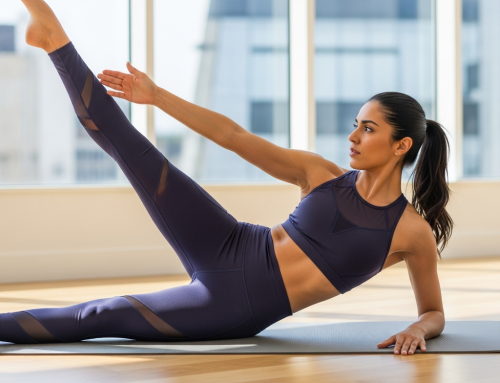
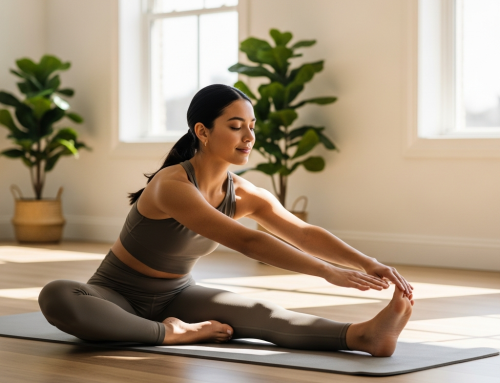
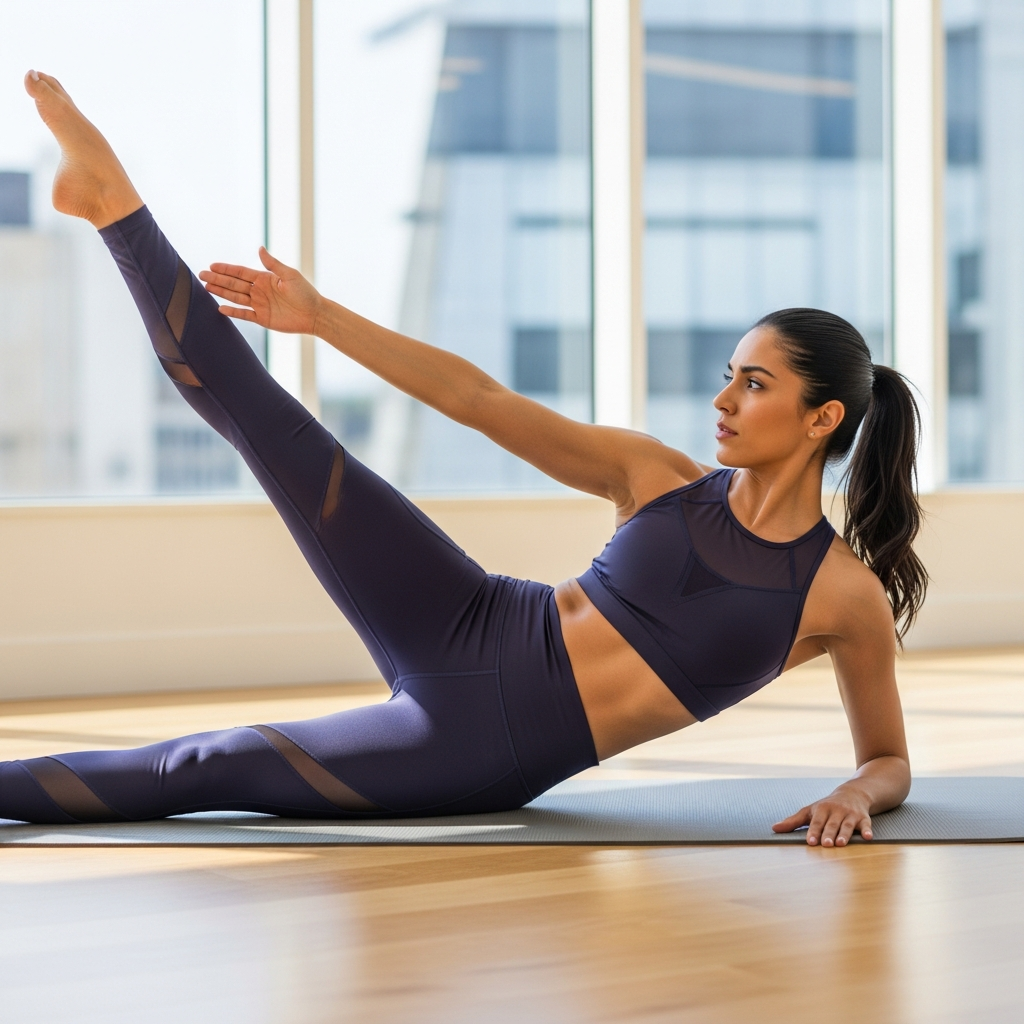
Mat Pilates is perhaps the most widely known form of Pilates. This method is performed on a yoga-like mat, hence the name. Mat Pilates focuses on using one’s body weight as the primary source of resistance and involves a series of calisthenics-like movements. The exercises are designed to engage your muscles in unique and challenging ways, with a particular focus on your core, also referred to as the ‘powerhouse’ in Pilates terminology.
In Mat Pilates, the range of exercises can vary greatly. Some are simple, such as leg circles or rolling like a ball, while others can be quite challenging, like the open leg rocker or boomerang. Despite the complexity of these exercises, the goal remains the same: to develop core strength, flexibility, control, and endurance throughout the body.
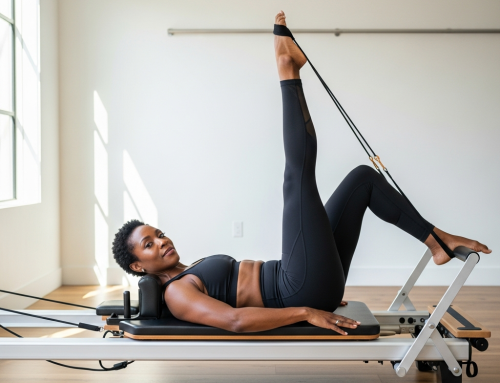
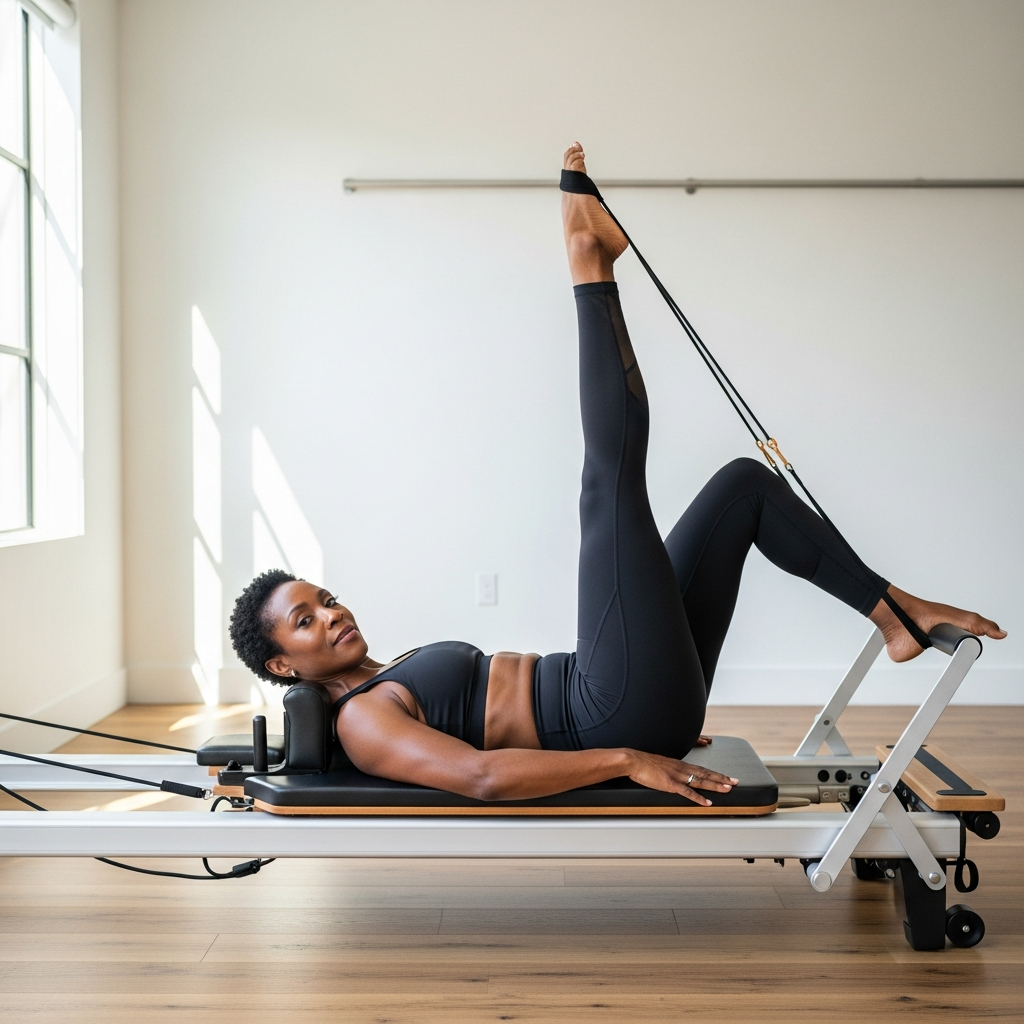
Reformer Pilates, on the other hand, utilizes a specialized piece of equipment known as the reformer. This machine consists of a flat platform called the carriage, which is attached to one end of the reformer by a set of springs. The springs provide varying levels of resistance as the carriage is pushed or pulled along the frame. The reformer also features straps for hands or feet and a footbar.
Reformer exercises can be performed in a multitude of positions, including lying down, sitting, standing, pulling the straps, pushing against the footbar, perched on the shoulder blocks or footbar, and many more. The reformer adds a level of resistance to the Pilates workout that cannot be achieved through mat exercises alone.
Both Mat Pilates and Reformer Pilates aim to strengthen the body’s core, increase flexibility, improve posture, and enhance mind-body connection. However, the key difference lies in their approach to resistance. While Mat Pilates uses body weight as resistance, Reformer Pilates utilizes the tension of the reformer’s springs.
In terms of space and cost, Mat Pilates is often the more accessible option. It requires minimal equipment – only a mat – and can be done virtually anywhere. On the contrary, Reformer Pilates requires a substantial investment in the machine itself and ample space to house it.
That said, many find that the investment in Reformer Pilates pays off in terms of the variety and intensity of exercises it offers. The reformer allows for a wider range of motion compared to mat work, which can lead to greater flexibility. The adjustable resistance of the reformer can also accommodate a wider range of strength levels, making it an excellent option for both beginners and seasoned practitioners alike.
In conclusion, both Mat Pilates and Reformer Pilates offer unique benefits. Mat Pilates is accessible, versatile, and offers a full-body workout with a focus on core strength and flexibility. Reformer Pilates, while requiring more space and investment, provides a higher level of challenge and variability in workouts. The choice between the two ultimately comes down to personal preference, fitness goals, budget, and available space.
Mat Pilates vs. Reformer Pilates: A Comprehensive Comparison
If you’re new to the world of Pilates, you might be wondering about the difference between Mat Pilates and Reformer Pilates. Both forms of Pilates offer unique benefits and are designed to improve strength, flexibility, and balance. But which one is right for you? Let’s delve into the specifics of both to help you make an informed decision.
1. Understanding Mat Pilates
Mat Pilates is a form of exercise that uses a mat and your own body weight for resistance. The exercises are designed to strengthen the body’s core, which includes the abs, lower back, hips, and buttocks.
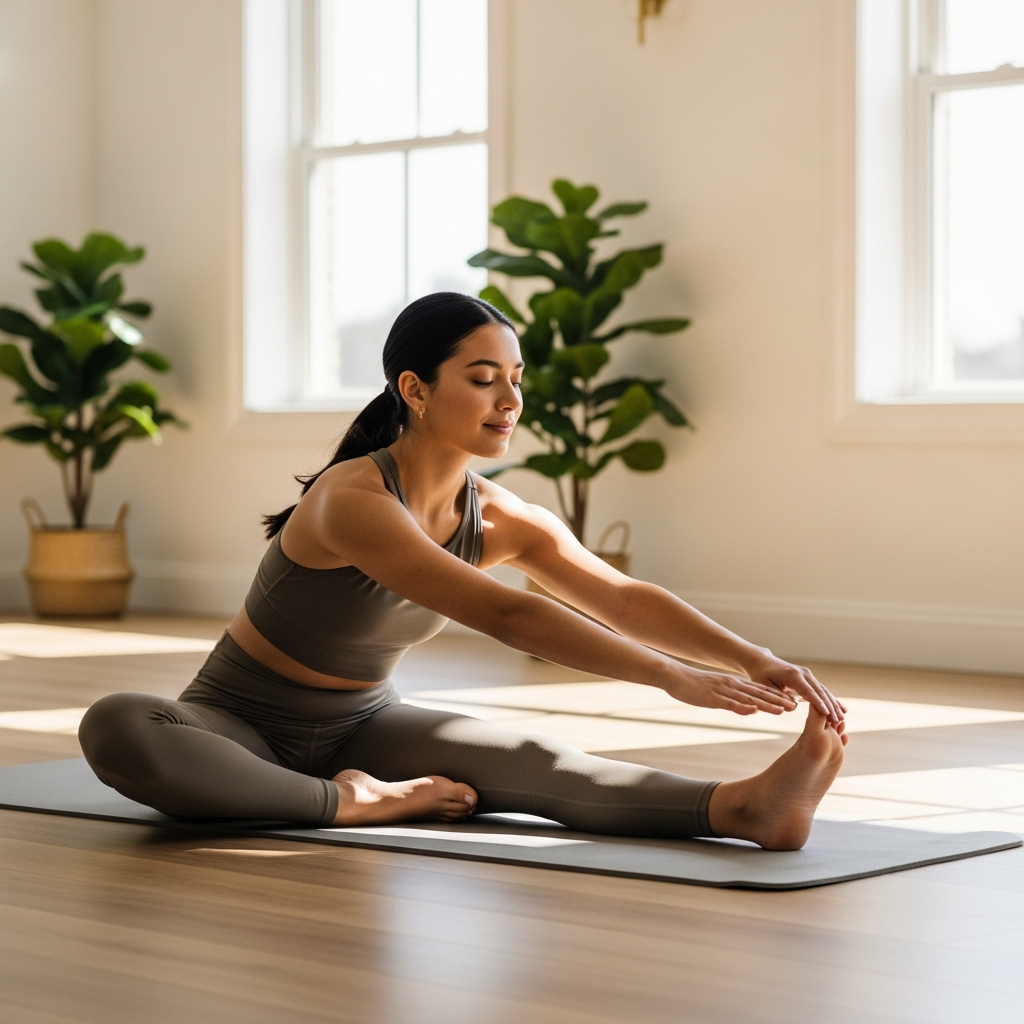
A typical Mat Pilates class might start with simple exercises like a Pilates sit-up or a butterfly stretch to warm up your muscles. Then, you’ll progress to more challenging exercises such as the Hundred or the Teaser.
Scenario: Suppose you’re a beginner with limited access to gym equipment at home. In this case, Mat Pilates would be a great option for you. You only need a mat and enough space to stretch your body.
Actionable Advice: You can find numerous free Mat Pilates classes online to get started. It’s also advisable to join a group class or hire a private instructor initially to ensure that your postures and techniques are correct.
2. Understanding Reformer Pilates
Reformer Pilates, on the other hand, is performed using a specially designed machine known as a Reformer. This machine consists of a flat platform called a carriage, which moves back and forth on wheels within a frame. The carriage is attached to one end of the Reformer by a set of springs that provide differing levels of resistance as exercises are performed.
A typical Reformer Pilates session might include exercises like the Footwork Series or the Mid Back Series, which are performed on the Reformer using the resistance provided by the springs.
Scenario: You’re an athlete looking to enhance your performance or someone recovering from an injury. In this case, Reformer Pilates might be ideal for you. The Reformer offers a more intensive workout and can be adjusted to cater to specific needs.
Actionable Advice: Before joining a Reformer Pilates class, it’s advisable to experience at least a few Mat Pilates sessions to familiarize yourself with the movements and principles of Pilates.
3. Mat Pilates vs. Reformer Pilates
While both Mat and Reformer Pilates offer numerous health benefits, they do differ in certain aspects.
Mat Pilates primarily focuses on strengthening the core and improving flexibility. It’s accessible, affordable and can be done virtually anywhere. However, mat exercises can be challenging, as they require control and precision.
Reformer Pilates, on the other hand, offers a more dynamic and versatile workout. The Reformer machine adds resistance, which can make exercises more challenging but also more effective in muscle toning. However, the classes are generally more expensive and require more space.
Scenario: You’re a busy professional who travels frequently. Mat Pilates would be a better choice for you because you can easily practice it in your hotel room without needing any special equipment.
On the contrary, if you’re someone with specific fitness goals or need a more structured exercise regimen, Reformer Pilates would be a suitable choice.
Actionable Advice: Try both Mat and Reformer classes before deciding which one is best for you. Consider factors like your fitness level, budget, schedule, and personal preferences when making your decision.
In conclusion, whether you choose Mat Pilates or Reformer Pilates, both offer an excellent way to improve your overall fitness. It ultimately comes down to personal preference and your specific fitness goals. Remember, consistency is key in any workout regimen. So, choose the one you enjoy the most and stick with it!
Mat Pilates vs Reformer: Challenges, Solutions, and Expert Tips
Pilates, a proven method for improving strength, balance, flexibility, and overall body awareness, has gained popularity worldwide. There are two prominent types of Pilates: Mat Pilates and Reformer Pilates. The common misconception is that both are the same, but they serve different purposes and have distinct challenges and benefits. This article will delve into the differences between Mat Pilates and Reformer Pilates, address common challenges, offer solutions, and provide expert tips.
Mat Pilates vs Reformer: Understanding the Basics
Mat Pilates is the most accessible form of Pilates and can be done virtually anywhere with a simple mat. It primarily focuses on strengthening your body’s core (the abdomen, lower back, thighs, and glutes). Mat Pilates exercises use your body weight as resistance, promoting body awareness and aiding in improving posture and flexibility.
On the other hand, Reformer Pilates involves a machine called a ‘reformer,’ equipped with springs, straps, and pulleys that provide resistance. The reformer offers a more intense workout than Mat Pilates as it targets not only the core but the whole body. It provides a broader range of exercises and allows more modifications, making it suitable for beginners and those with injuries.
Common Challenges and Solutions
1. Accessibility: Mat Pilates is more accessible since it requires minimal equipment. The challenge with Reformer Pilates is that it requires a specialized machine which can be costly and space-consuming. Solution: Home versions of reformers are available for purchase. However, if purchasing one isn’t feasible, consider joining a Pilates studio that offers reformer classes.
2. Intensity: Mat Pilates can be less challenging as it relies on body weight for resistance. Reformer Pilates offers more resistance due to springs and pulleys, which can make it more intense. Solution: For those seeking a more challenging workout, adding props like resistance bands or Pilates rings to your Mat Pilates routine can increase intensity.
3. Variability: Mat Pilates exercises can become repetitive over time. With a reformer, the vast range of exercises can keep your workouts varied and exciting. Solution: To add variety to Mat Pilates workouts, consider incorporating new moves or sequences, or using props to challenge yourself differently.
Expert Tips
1. Assess Your Goals: If you’re looking for a convenient way to build core strength and improve flexibility, Mat Pilates may be the ideal choice. If you’re seeking a full-body workout with a higher level of intensity and variability, Reformer Pilates may be more suitable.
2. Start Slow: Whether it’s Mat Pilates or Reformer, always start slow and understand the correct form for each exercise. This is crucial to prevent injuries and get the most out of your workouts.
3. Consider Professional Guidance: Especially when starting with Reformer Pilates, professional guidance is recommended to familiarize yourself with the machine and its usage. Even for Mat Pilates, a certified instructor can help perfect your form and guide you through the exercises.
4. Consistency is Key: Like any other fitness regimen, consistency is key in Pilates. Regular practice will yield better results over time.
5. Listen to Your Body: Always listen to your body during workouts. If an exercise feels uncomfortable or causes pain, stop and seek professional advice before continuing.
In conclusion, both Mat Pilates and Reformer Pilates offer unique benefits and can be catered to meet individual needs and fitness goals. Understanding their differences, challenges, and solutions can help you make an informed decision about which is right for you. Remember, the best exercise regimen is the one you enjoy and can stick with consistently.
Mat Pilates vs. Reformer: Expectations, Timelines, and Next Steps
Pilates, a fitness method designed to strengthen the body uniformly, has two primary modalities: Mat Pilates and Reformer Pilates. Both provide numerous health benefits, including improved flexibility, balance, and core strength. However, their approaches differ significantly. As a potential Pilates practitioner, it’s essential to understand these differences to choose the best method for your goals and needs. Let’s delve into what you can expect, timelines, and next steps for each.
Mat Pilates is traditionally the starting point for many practitioners. It involves doing Pilates exercises on a mat, either in a class setting or at home. Mat Pilates focuses on using your body as the primary source of resistance and engaging your core muscles throughout each exercise. The movements are designed to align the body and improve balance while strengthening the core.
For beginners, it’s recommended to start with one to two classes per week, gradually increasing as your body becomes accustomed to the movements. Each class typically lasts about 45 minutes to an hour. After a few weeks of consistent practice, you should start noticing improved core strength and flexibility.
Expect to spend time mastering the basics in Mat Pilates. This includes learning to engage your powerhouse—the area from your ribs to your hips, which includes your lower back, abdominal muscles, pelvic floor, and glutes. You must also learn to coordinate your breath with your movements—a fundamental aspect of Pilates. Following this, you can progress to more advanced exercises and variations.
Next, let’s explore Reformer Pilates. Utilizing a specialized piece of equipment known as a reformer—a sliding carriage rigged with springs, bars, and straps—Reformer Pilates offers a more dynamic and intense workout than Mat Pilates. The adjustable resistance offered by the reformer’s springs allows for progression and diversity in intensity. This makes it suitable for all fitness levels, from rehab patients to elite athletes.
Reformer classes typically have fewer students, allowing for more personalized attention from the instructor. A session usually lasts about an hour and is recommended once or twice a week. Like Mat Pilates, you can expect to see improvements in your strength, flexibility, and posture after a few consistent weeks.
Reformer Pilates often includes more complex movements than Mat Pilates. You’ll learn how to use the reformer machine, which can seem daunting at first, but with your instructor’s guidance, you’ll soon become comfortable with it. As you progress, you can expect to learn more challenging exercises that target different muscle groups and improve your overall body strength and flexibility.
Now, for the next steps. If you’re new to Pilates, starting with Mat classes may be beneficial as they teach you the basics of Pilates principles such as breath control, centering, concentration, control, precision, and flow. Once you’re comfortable with these principles, transitioning to Reformer Pilates could add diversity and challenge to your routine.
Before starting any Pilates regime, it’s wise to consult a healthcare professional, especially if you have any medical conditions. Once cleared, choose a reputable Pilates studio with certified instructors. Remember to communicate your health history and fitness goals with your instructor so they can tailor classes to meet your needs.
In conclusion, both Mat and Reformer Pilates offer unique benefits. Mat Pilates is an excellent way to start, focusing on core strength and body alignment without the need for equipment. On the other hand, Reformer Pilates provides more intensity and diversity in its workouts due to the machine’s adjustable resistance. Regardless of the method you choose, regular practice is key to reaping the full benefits of Pilates.
In conclusion, both mat Pilates and reformer Pilates present unique advantages and possibilities for your fitness journey. The choice between the two largely depends on your personal fitness goals, preferences, and circumstances.
Mat Pilates is an excellent starting point for beginners looking to gain a solid foundation in the principles of Pilates. It is also suitable for individuals who prefer simple, no-frills workouts that can be done anywhere with minimal equipment. The focus of mat Pilates is on strengthening the core muscles – the powerhouse of your body. By enhancing your core strength, you can expect improvements in your overall flexibility, balance, and body awareness.
However, mat Pilates may not provide the level of resistance needed for more advanced or intense workouts. It also places a significant demand on your body’s flexibility and control, which could be challenging for those with limited mobility or certain medical conditions.
On the other hand, reformer Pilates offers an amplified version of the Pilates experience. Equipped with springs, pulleys, and a sliding carriage, the reformer machine provides a dynamic platform for performing a wide range of exercises. It allows for greater versatility and adaptability in your workouts, catering to all fitness levels. Reformer Pilates not only focuses on the core but also works the whole body, providing a comprehensive full-body workout.
reformer Pilates can offer more noticeable results in terms of muscle tone and definition, as well as increased strength and flexibility. It is particularly beneficial if you’re recovering from an injury, as it allows for low-impact, controlled movements. However, due to the need for a specific machine, reformer classes tend to be more expensive and less accessible than mat classes.
Ultimately, both mat and reformer Pilates are rooted in the same core principles – control, concentration, flow, precision, breath, and centering. Both forms can help you improve your posture, strengthen your core muscles, enhance your flexibility, and promote better body awareness and mindfulness. It’s not a matter of one being better than the other; instead, it’s about choosing the one that best aligns with your fitness goals and personal circumstances.
You may start with mat Pilates and then transition to reformer Pilates as you progress, or you may choose to combine both forms for a balanced and varied workout regimen. It’s important to remember that consistency is key in Pilates, as with any form of exercise. Regular practice is crucial to reap the full benefits of Pilates.
Understanding the difference between mat and reformer Pilates can help you make an informed decision about your fitness journey. But remember, the best way to understand Pilates is to experience it for yourself.
We encourage you to contact us for further assistance. Our team of certified Pilates instructors are ready to guide you through your Pilates journey, whether it’s on the mat or the reformer. We offer personalized training sessions tailored to your unique needs and goals. Get in touch with us today, and let’s start your Pilates journey together. No matter where you are in your fitness journey, we’re here to help you take the next step towards a healthier, stronger, and more flexible you.