Tanglewood Pilates Near Me: How to Choose the Right Studio
Picture this: you’re scrolling through Google Maps at 11 PM (again), coffee mug in hand, squinting at tiny dots scattered across your screen. Each one promises to be *the* Pilates studio that’ll finally get you back to feeling strong in your own body. But here’s the thing – they all look exactly the same from behind a glowing screen, don’t they?
You’ve probably been here before. Maybe you signed up for that big-box gym membership with grand intentions, only to realize the crowded group classes left you feeling more confused than centered. Or perhaps you tried those YouTube workouts during the pandemic (we all did) and discovered that “Swan Dive” isn’t quite as graceful when you’re attempting it next to your coffee table…
The truth is, finding the right Pilates studio isn’t just about convenience or price – though let’s be honest, both matter when you’re already juggling work deadlines and family obligations. It’s about finding a place where you actually want to show up. Where the instructor remembers your name and that wonky shoulder you mentioned three weeks ago. Where the vibe feels right from the moment you walk through the door.
And if you’re specifically looking at Tanglewood – well, you’re in good company. This area has become something of a wellness hub, with studios popping up faster than coffee shops (which is saying something). But here’s what nobody tells you: not all Pilates is created equal. The difference between a mediocre class and a transformative one often comes down to details you’d never think to ask about upfront.
You know that feeling when you find *your* hairdresser? The one who just gets your hair without you having to explain every little thing? That’s what we’re after here – but for your entire body and mind. Because let’s face it, you’re not just looking for a workout. You’re looking for that sweet spot where challenge meets support, where you leave feeling taller (literally and figuratively) than when you walked in.
I’ve been in this wellness space long enough to see people bounce from studio to studio, frustrated and frankly a bit bruised by experiences that didn’t match their expectations. Sometimes it’s because they chose based on Instagram aesthetics rather than actual teaching quality. Other times, it’s because they didn’t know what questions to ask – or even that there *were* questions to ask beyond “What time are classes?”
The thing about Pilates is that it can be absolutely life-changing when done right. I’ve watched clients rediscover strength they thought was gone forever, find relief from chronic pain that had become their constant companion, and develop a relationship with movement that feels sustainable rather than punishing. But I’ve also seen people waste months (and money) in programs that weren’t right for their bodies or their goals.
So whether you’re dealing with that nagging lower back pain from too many hours hunched over a laptop, hoping to rebuild strength after an injury, or simply wanting to feel more connected to your body in this chaotic world… the studio you choose matters more than you might think.
Throughout this guide, we’ll walk through everything you need to know to make a smart choice – and I mean everything. From the technical stuff like instructor certifications (spoiler alert: they’re not all the same) to the softer elements like studio culture and how they handle beginners who show up feeling slightly terrified.
We’ll talk about red flags to watch for, green flags that signal you’ve found a gem, and all those in-between moments that can make or break your experience. You’ll learn what questions to ask during that initial phone call, what to observe during your first visit, and how to trust your gut when something feels off.
Because at the end of the day, the “best” studio isn’t necessarily the fanciest or the most expensive – it’s the one where you feel seen, supported, and genuinely excited to keep coming back. And trust me, when you find that place? You’ll know.
What Actually Is Pilates (And Why Everyone’s Talking About It)
You’ve probably heard friends raving about their Pilates classes – something about “finding their core” and feeling stronger than ever. But what exactly *is* Pilates, anyway?
Think of Pilates as strength training’s more mindful cousin. While traditional weightlifting is like hammering away at individual muscles, Pilates is more like… well, imagine your body as an orchestra. Instead of just making the violins louder, you’re teaching all the instruments to play together in perfect harmony.
Joseph Pilates (yes, it’s named after a real person) developed this system in the early 1900s, originally calling it “Contrology.” The guy was onto something – he focused on precise movements that engage your deep stabilizing muscles, the ones that keep you upright when you’re carrying groceries up three flights of stairs or chasing after a toddler.
The Equipment Maze – What You’ll Actually Encounter
Here’s where things get a bit… interesting. Walk into any Pilates studio and you might feel like you’ve entered some sort of medieval torture chamber. There are contraptions with springs, pulleys, and names that sound like they belong in a Harry Potter book.
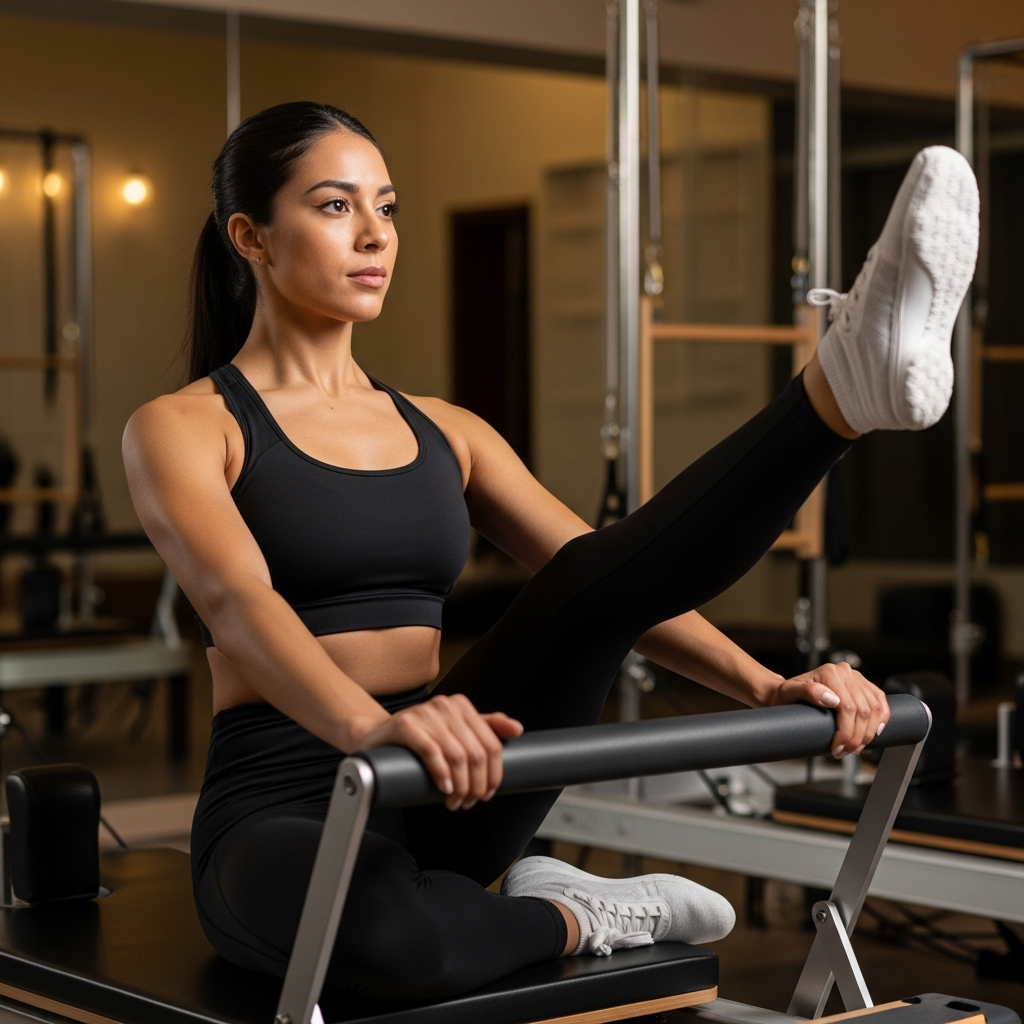
The Reformer is probably what you’re picturing – that bed-like thing with springs and straps. It’s actually not as intimidating as it looks. Think of it as a sophisticated resistance machine that uses your own body weight plus spring tension. The beauty? You can make exercises harder or easier just by adjusting your position.
The Cadillac (also called a Trapeze Table) looks like a four-poster bed had a baby with a jungle gym. It’s fantastic for people who need extra support or want to work on specific movement patterns.
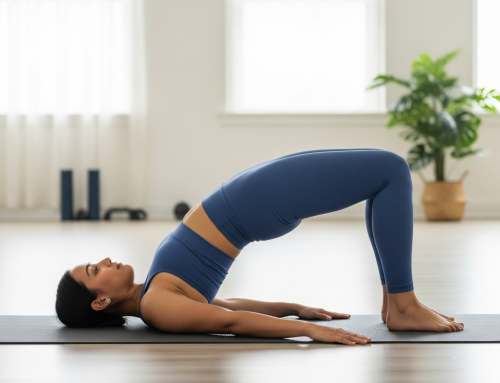
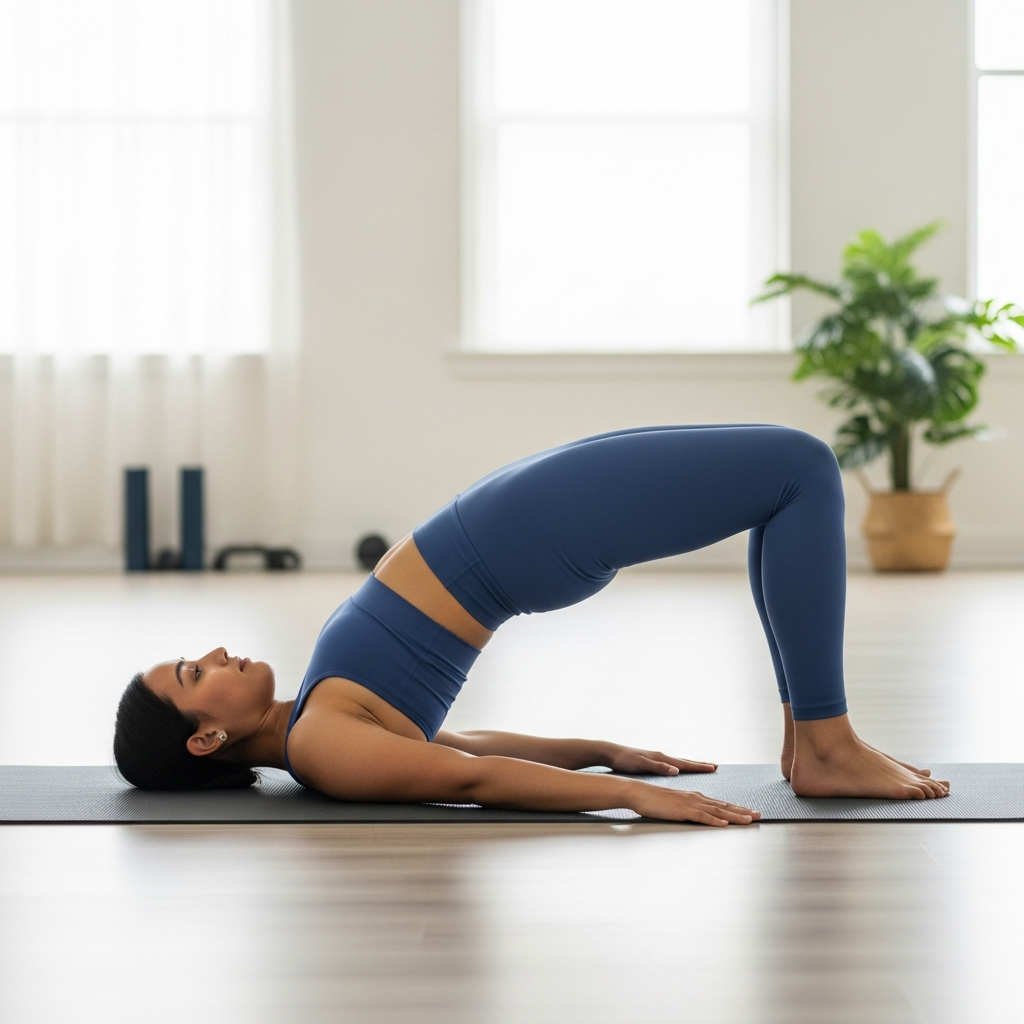
Mat Pilates is exactly what it sounds like – exercises performed on a mat using your body weight and maybe some small props. It’s where most people start, and honestly? Some of the most challenging workouts you’ll ever do happen right there on that simple mat.
The Real Deal About “Core Work”
Okay, let’s talk about this whole core obsession. When most people hear “core,” they think six-pack abs and start planning their beach body reveal. But your core is actually more like the foundation of a house – you don’t see it, but without it, everything else falls apart.
Your true core includes not just your abs, but your diaphragm, pelvic floor, and all those deep muscles that wrap around your spine like a natural corset. These muscles are working constantly – when you’re sitting at your desk, walking the dog, even breathing. Pilates trains these muscles to do their job better, which is why people often say they feel “taller” after class.
The confusing part? You might not feel super sweaty after a Pilates session, but you’ll definitely feel like you worked out. It’s precision over power – quality over quantity. Sometimes the smallest movements create the biggest challenges.
Classical vs. Contemporary – The Great Pilates Debate
This is where things get a little political in the Pilates world (and yes, there is Pilates politics). Classical Pilates sticks strictly to Joseph Pilates’ original method – specific exercises in a particular order, performed in a very precise way. It’s like learning to play Bach exactly as written.
Contemporary Pilates takes those foundational principles and… well, gets creative. Instructors might blend in elements from physical therapy, yoga, or modern fitness science. It’s more like jazz – structured improvisation based on solid fundamentals.
Neither approach is “right” or “wrong” – they just serve different needs. Classical might appeal to you if you love structure and tradition. Contemporary might be your jam if you need modifications or enjoy variety.
The Mind-Body Thing Everyone Mentions
Here’s something that might surprise you – Pilates isn’t just about getting stronger. There’s this whole mental component that people don’t always expect. You’re constantly thinking about alignment, breathing, and precise movement patterns. It’s like meditation in motion, except you’re also building muscle.
Many people find this focus incredibly grounding. In our world of constant multitasking, there’s something refreshing about an hour where your biggest concern is whether your shoulder blade is sliding down your back properly. It’s present-moment awareness disguised as exercise.
The breathing component alone can be transformative – though I’ll admit, coordinating breath with movement takes practice. Don’t worry if you feel like you’re holding your breath during your first few classes. That’s totally normal.
The Studio Visit – What Your Eyes Should Tell You
Here’s what I always tell my clients: trust your gut the moment you walk in. But also… use your detective skills.
The front desk interaction tells you everything. Are they genuinely interested in your goals, or just trying to book you for the most expensive package? When I visited studios for myself (yes, even wellness writers need good Pilates!), the best ones asked about my experience level, any injuries, and what I hoped to achieve. The pushy ones? They launched straight into pricing before even asking my name.
Look around while you’re chatting. Are the reformers clean and well-maintained? Check the springs – they shouldn’t look rusty or sound squeaky when moved. The studio should smell fresh, not like old sweat with a layer of air freshener. And honestly? If you see equipment that looks like it survived the Clinton administration, that might tell you something about their investment in quality.
Reading Between the Lines of Class Schedules
Most people just look at times that work for their schedule. Smart move, but don’t stop there.
Notice how many different instructors teach throughout the week. If it’s just one person running everything, what happens when they’re sick or go on vacation? I’ve seen too many people get attached to a studio only to have their favorite (and only) instructor disappear.
Check the class sizes too. Studios that pack 15 people into a room designed for 8 reformers are prioritizing profit over your safety. You want enough space to extend your arms without smacking your neighbor – trust me on this one.
Here’s a little insider tip: look at their evening and weekend schedules. If they’re mostly empty, it might mean the studio’s struggling financially. Not necessarily a deal-breaker, but worth considering for long-term stability.
The Trial Class Reality Check
Every studio offers some kind of trial – use it strategically. Don’t just show up in whatever you wore to work. Wear actual workout clothes so you can move properly and get a real feel for the experience.
Pay attention to how the instructor handles newcomers. Do they check in with you during class? Offer modifications? Or do they just let you flail around trying to figure out what the heck a “teaser” is supposed to look like?
Watch the other students too. Are they a mix of ages and abilities, or does everyone look like they stepped off an Instagram fitness influencer page? Both can be fine, but you want to feel like you belong.
The instructor should explain the equipment before throwing you into complex movements. If they assume you know how to adjust the reformer springs or what “neutral pelvis” means… well, that’s not exactly beginner-friendly, is it?
Money Talk – Beyond the Sticker Price
Let’s be real about costs. Yes, Pilates is expensive. But some studios make it unnecessarily complicated with their pricing structures.
Ask about all the fees upfront. Some places charge extra for equipment cleaning (seriously), locker usage, or even booking online. Others have sneaky auto-renewal clauses that make gym memberships look straightforward.
The best value isn’t always the cheapest option. I’ve seen $15 classes at crowded studios where you barely get any individual attention, versus $35 classes where the instructor practically gives you a private session within the group setting.
Package deals can save money, but only if you’ll actually use them. Don’t let anyone pressure you into buying a 20-class package if you’re not sure about your commitment level. Most good studios will let you start small and upgrade later.
The Gut Check Questions
Before signing anything, ask yourself: Do I feel energized walking out, or drained? Would I look forward to coming back here twice a week for the next few months?
Also – and this might sound weird – but notice how you feel in the parking lot afterward. Are you already mentally booking your next class, or making excuses about why you probably won’t return?
Sometimes a studio checks all the logical boxes but just doesn’t feel right. That’s okay. Your wellness routine should feel like something you’re drawn to, not something you have to talk yourself into.
The right Pilates studio will feel like discovering a secret weapon for your health goals – not just another item on your already overwhelming to-do list.
The Reality Check Nobody Talks About
Let’s be honest – finding the right Pilates studio sounds simple until you’re actually doing it. You think it’ll be straightforward: Google “Tanglewood Pilates,” pick a place, show up. But then reality hits, and suddenly you’re overwhelmed by reformer vs. mat classes, wondering if you need special socks (spoiler: you do), and questioning whether you’re too out of shape to even walk through the door.
I’ve seen this play out countless times with clients. The enthusiasm is there, the good intentions are solid… but then the practical stuff trips them up.
“I Don’t Know What I Don’t Know”
Here’s what actually happens: You call a studio, and they start rattling off class types like you should know the difference between classical and contemporary Pilates. You nod along, but internally you’re panicking because you have no clue what they’re talking about.
The solution? Be upfront about your confusion. Seriously. Tell them, “I’m completely new to this – can you walk me through what would work best for someone who’s never done Pilates before?” Good studios will appreciate your honesty and give you a proper orientation. If they make you feel stupid for asking basic questions… well, that tells you everything you need to know about their teaching style.
Most reputable Tanglewood studios offer intro packages or beginner workshops specifically for this reason. Take advantage of them – think of it as test-driving a car before you buy it.
The Intimidation Factor Is Real
Walking into a Pilates studio for the first time can feel like entering an exclusive club where everyone speaks a foreign language and moves with impossible grace. You’re worried about looking foolish, keeping up, or – let’s face it – whether your workout clothes are “right” enough.
Here’s the thing though – everyone was a beginner once. That woman flowing effortlessly through her teaser? She probably face-planted during her first roll-up attempt. The guy who makes everything look easy? He definitely had to ask what the “powerhouse” was (it’s your core, by the way).
My advice: Visit during a class time and just observe for a few minutes. Most studios are happy to let prospective students peek in. You’ll quickly see that classes have people of all skill levels, ages, and body types. It’s not the intimidating temple of perfection your mind has built it up to be.
The Money Conversation Gets Awkward Fast
Pilates isn’t cheap. There, I said it. Between class packages, equipment fees, and those grippy socks, costs add up quicker than you’d expect. Many people get sticker shock and either avoid asking about pricing altogether or feel pressured into packages they can’t really afford.
The real solution: Be upfront about your budget from the start. Ask about payment plans, off-peak pricing, or community classes. Some Tanglewood studios offer work-study programs where you help with studio tasks in exchange for reduced rates. Others have sliding scale pricing based on income.
Don’t let pride keep you from exploring options – studios want to work with you because consistent students are better for business than one-time visitors who can’t afford to return.
Scheduling Feels Like Rocket Science
Between popular class times filling up instantly, confusing cancellation policies, and trying to figure out if you need to book reformer time separately… the administrative side can be exhausting before you even start exercising.
Most studios use online booking systems now, but they’re not all intuitive. Some require you to purchase credits first, others let you book and pay later. Cancellation windows vary wildly – miss the deadline and you might lose your spot AND your money.
What actually works: During your initial visit, ask someone to walk through their booking system with you. Write down the key details (cancellation window, how far ahead you can book, etc.) because you’ll forget. Set phone reminders for popular classes since they fill up fast.
When Your Body Doesn’t Cooperate
Maybe you have a wonky knee, a sensitive lower back, or you’re just not as flexible as you used to be. You want the benefits of Pilates but worry about aggravating existing issues or looking like a pretzel in progress.
The honest truth: Good instructors are trained to modify exercises for different bodies and limitations. But they can’t help you if they don’t know what’s going on. Before your first class, mention any concerns or physical limitations. A quality studio will work with you, not around you.
Actually, that’s one of the best ways to evaluate a studio – how they respond when you mention physical concerns tells you everything about their teaching philosophy and experience level.
What to Expect in Your First Few Classes
Here’s the thing about starting Pilates – it’s going to feel weird at first. I mean, really weird. You’ll be lying on a reformer that looks like some medieval torture device, trying to coordinate your breathing with movements that feel completely foreign. And that’s totally normal.
Most people expect to feel graceful and zen-like from day one (thanks, Instagram), but the reality? You’ll probably leave your first class wondering if you were doing everything wrong. Spoiler alert: you weren’t. Your body is just learning a completely new language, and like any language, it takes time to become fluent.
The good news is that most people start feeling more comfortable around the third or fourth class. That’s when the “wait, how do I engage my core again?” panic starts to fade, and you begin to actually feel what your instructor means when they say things like “lengthen through the crown of your head.” Give yourself at least a month – that’s roughly 8-10 classes if you’re going twice a week – before deciding if this particular studio is the right fit.
Realistic Timeline for Seeing Results
Let’s talk numbers, because I know you’re wondering. You’ll likely notice improved posture and body awareness within the first 2-3 weeks. It’s subtle – maybe you catch yourself sitting straighter at your desk, or you realize you’re not hunching your shoulders while walking.
Strength gains typically show up around the 6-8 week mark. This is when you’ll notice you can hold that plank a little longer, or your legs don’t shake quite as much during single-leg circles. It’s also when you might start feeling… well, taller. Pilates has this magical way of creating space between your vertebrae.
For more dramatic changes – the kind where people start asking if you’ve been working out – you’re looking at about 3-4 months of consistent practice. Joseph Pilates himself said, “In 10 sessions you’ll feel the difference, in 20 you’ll see the difference, and in 30 you’ll have a whole new body.” He wasn’t wrong, but remember, he was talking about pretty intensive, one-on-one training.
If you’re doing group classes twice a week (which is what most people can realistically manage), stretch those timelines out a bit. Be patient with yourself.
Questions to Ask During Your Trial
Most studios offer some kind of introductory package – usually 3-5 classes at a discounted rate. This is your time to be a bit of a detective. Don’t just focus on whether the workout kicks your butt (though it should).
Ask about class sizes. If you’re regularly cramming 15 people into a room meant for 8, you’re not getting the attention you need. Good studios cap their classes – usually between 6-10 people for equipment classes, maybe 12-15 for mat work.
Find out about their instructor training requirements. This matters more than you might think. Some places hire people straight out of a weekend certification course, while others require hundreds of hours of training and ongoing education. You want someone who can spot when you’re compensating with the wrong muscles… which, let’s be honest, you probably will be.
Ask about their equipment maintenance schedule too. Those springs and pulleys work hard, and you don’t want to be the person who gets launched across the room because nobody’s checked the tension lately.
Making Your Final Decision
Here’s something nobody tells you: the “perfect” studio might not exist. You might love the instructors but hate the parking situation. Or the equipment might be top-notch, but the vibe feels a little too… precious.
Make a list of your non-negotiables. Maybe it’s convenient scheduling, or maybe it’s having showers available, or instructors who actually remember your name. Figure out what you can live with and what’s a deal-breaker.
Trust your gut about the community aspect too. Pilates studios can be surprisingly social – you’ll probably end up chatting with the same people week after week. If everyone seems cliquey or unwelcoming, that’s going to affect your motivation to show up.
And here’s a gentle reminder: you can always switch studios later. I know, I know – you don’t want to hurt anyone’s feelings, or you’ve already bought that 20-class package. But your health and happiness matter more than studio politics. If something isn’t working after giving it a fair shot, it’s okay to move on.
The right studio should feel like a place where you can mess up, ask questions, and gradually get stronger – both physically and mentally.
You know what? Finding the right Pilates studio really isn’t that different from finding a good friend. It takes time, a bit of trial and error, and – let’s be honest – sometimes you just know when it feels right.
Maybe you’ve been scrolling through websites for hours, comparing class schedules and trying to decipher instructor bios. Or perhaps you’ve driven past that cute studio three times this week but haven’t worked up the courage to walk in. That’s completely normal, by the way. Starting something new can feel overwhelming, especially when you’re already juggling work, family, and everything else life throws at you.
Trust Your Instincts (They’re Usually Right)
Here’s the thing about choosing a studio – all the research in the world can’t replace that gut feeling you get when you step inside. Does the space feel welcoming? Do the people seem genuinely happy to be there? Can you actually picture yourself showing up here twice a week without dreading it?
I’ve seen people choose studios based purely on convenience, only to quit after a month because they felt intimidated. I’ve also watched others drive twenty minutes out of their way because they found their “place” – that spot where they feel comfortable asking questions and making mistakes.
The best studio for you might not be the fanciest one with the newest equipment. It might be the one where the instructor remembers your name after two classes, or where other members smile and say hello instead of pretending you’re invisible.
Your Movement Journey Starts With One Class
Look, you don’t have to commit to a year-long membership on day one. Most quality studios offer trial classes or short-term packages for exactly this reason. They want you to feel confident in your choice too.
And if the first place doesn’t feel right? That’s not a failure – that’s valuable information. Maybe the music was too loud, or the pace felt rushed, or the instructor’s teaching style didn’t click with how you learn best. All of this helps you narrow down what you’re actually looking for.
You Don’t Have to Figure This Out Alone
Sometimes the hardest part isn’t finding the right studio – it’s taking that first step when you’re not sure where to begin. Maybe you’re worried about your fitness level, or you’ve never done Pilates before, or you’re dealing with an injury and need modifications.
These concerns are valid, and honestly? They’re exactly why having the right support system matters so much – both in your Pilates practice and in your overall wellness goals.
If you’re feeling stuck or overwhelmed by all the choices, or if you’re wondering how Pilates might fit into your broader health and wellness plans, we’re here to help. Our team understands that movement is just one piece of feeling your best, and we’d love to chat about how to create a sustainable approach that actually works for your life.
Give us a call when you’re ready. No pressure, no sales pitch – just a friendly conversation about what you’re hoping to achieve and how we might be able to support you along the way. Sometimes it helps to talk through your goals with someone who gets it.