What Does a Pilates Instructor in Fort Worth Actually Do?
You’re scrolling through fitness class schedules again, aren’t you? That familiar mix of excitement and overwhelm washing over you as you stare at all those options. Zumba, spin, yoga, CrossFit… and there it is. Pilates. You’ve heard people rave about it – something about “core strength” and “mind-body connection” – but honestly? You’re not entirely sure what happens in there.
Maybe you’ve even peeked through those studio windows, watching people move in slow, controlled motions that somehow look both effortless and incredibly challenging. There’s this serene intensity in the room, and everyone seems to know exactly what they’re doing while you’re standing there thinking, “Is that… exercise? Or some kind of meditation with fancy equipment?”
Here’s the thing – you’re not alone in that confusion. Most people have this vague idea that Pilates is “good for you” (whatever that means), but they couldn’t tell you the difference between what happens in a Pilates class versus a yoga class. And don’t even get them started on those strange contraptions that look like they belong in a Tim Burton movie.
But here’s what’s really interesting… and maybe a little frustrating. You’ve probably been searching for something that actually works. Something that doesn’t leave you dreading your workout or feeling like you’re just going through the motions. You want to feel stronger, more confident in your body, maybe even address that nagging back pain that’s been your unwelcome companion for way too long.
The truth is, what happens inside a Pilates studio – specifically here in Fort Worth where we take our wellness seriously – might be exactly what you’ve been looking for. But it’s not what you think.
See, when most people imagine a fitness instructor, they picture someone shouting motivational phrases while demonstrating moves at lightning speed. The Pilates instructor? They’re doing something entirely different. Something that might seem almost… quiet. Subtle. Until you realize they’re basically rewiring how your body moves and thinks about movement.
I’ve been watching this transformation happen for years now, and it never gets old. Someone walks into a Pilates studio feeling disconnected from their body – maybe they’re dealing with chronic pain, maybe they’re frustrated with traditional workouts that leave them exhausted but not actually stronger, maybe they’re just tired of feeling like their body is working against them instead of with them.
Then something shifts. Not overnight (despite what those before-and-after photos want you to believe), but gradually. They start moving with intention. Their posture changes – not because someone told them to “stand up straight,” but because their body finally understands how to support itself. They discover muscles they forgot they had.
And the instructor? They’re the architect of that transformation. But their job is so much more complex and nuanced than what you see on the surface. They’re part movement analyst, part therapeutic coach, part mind reader (seriously, good Pilates instructors have an uncanny ability to spot exactly where you’re compensating or holding tension before you even realize it yourself).
Here in Fort Worth, where we’ve got this amazing community of dedicated Pilates professionals, the approach is particularly thoughtful. These aren’t just people who got certified online and hung up a shingle. They understand anatomy, they study movement patterns, and – this is crucial – they know how to adapt everything they know to work with your specific body and goals.
So what exactly does a Pilates instructor do during those mysterious 50 minutes when you’re lying on a mat or attached to equipment that looks like it might launch you into space? How do they decide what you need? What’s actually happening in your body during all those precise, controlled movements?
And maybe more importantly – how do you know if what they’re doing is right for you? Because let’s be honest, you’ve probably had your share of fitness experiences that promised the world and delivered… well, less than that.
We’re going to pull back the curtain on all of this. Not just the what, but the why and how. Because understanding what your Pilates instructor is actually doing – and thinking – might just change how you approach your own relationship with movement, strength, and that elusive thing we call “wellness.”
The Foundation – What Pilates Actually Is (And Isn’t)
Let’s get one thing straight right off the bat – Pilates isn’t just fancy yoga with expensive equipment. Though honestly? I get why people think that. Both involve mats, both make you sweat in places you didn’t know could sweat, and both have that whole mind-body connection thing going on.
But here’s where it gets interesting… Pilates was actually created by a German guy named Joseph Pilates back in the early 1900s. He called it “Contrology” – which, if we’re being honest, sounds way more intimidating than it needed to. The man was essentially trying to create the perfect exercise system that would strengthen your core while improving your posture and flexibility. Think of it as the Swiss Army knife of workouts.
What makes Pilates unique is this obsession with something called the “powerhouse” – and no, that’s not some fancy gym equipment. It’s basically your core, but not just your abs. We’re talking about everything from your ribs down to your hips, including those deep stabilizing muscles you probably didn’t know existed until they started screaming during your first class.
The Mind-Body Thing Everyone Talks About
You’ve probably heard instructors throw around phrases like “mind-body connection” until you want to roll your eyes. But here’s the thing – they’re not just being pretentious. Pilates really does require you to think about what you’re doing in a way that, say, running on a treadmill doesn’t.
It’s like learning to drive a manual transmission. At first, you’re thinking about every single movement – clutch, gas, shift, breathe (don’t forget to breathe). Eventually, it becomes second nature, but you’re still more engaged with the process than if you were just cruising in an automatic.
In Pilates, you’re constantly thinking about your alignment, your breathing, which muscles you’re engaging… It’s honestly a bit overwhelming at first. Your instructor might say something like “pull your shoulder blades down while lengthening through the crown of your head and engaging your deep abdominals” and you’re like – wait, what now?
The Equipment Situation
Here’s where things get a little confusing. There’s mat Pilates (which happens on the floor with minimal equipment) and then there’s apparatus Pilates (which involves those medieval torture device-looking machines you’ve probably seen on Instagram).
The most famous piece of equipment is called a Reformer, and it looks like a cross between a bed and a rowing machine. There’s also something called a Cadillac – which, despite the name, won’t drive you anywhere but will definitely challenge every muscle you have.
Actually, that reminds me – a lot of people assume the equipment makes things easier, like it’s some kind of assistance. Nope. It’s more like… imagine doing push-ups, but the ground is trying to push back. The springs and pulleys create resistance that your muscles have to work against, while also helping you understand proper alignment.
The Breathing Component Nobody Warns You About
This is probably the most counterintuitive part of Pilates, and honestly? It trips up almost everyone at first. In most exercises, we’re told to breathe normally or just “don’t hold your breath.” In Pilates, breathing is choreographed like a dance move.
There’s this whole system called “lateral breathing” where you’re supposed to expand your ribs sideways instead of letting your belly puff out. Try it right now – put your hands on your ribs and breathe into them. Weird, right? It’s like your body suddenly forgot how to do something it’s been doing automatically since birth.
The reason for this specific breathing pattern is that it allows you to keep your core engaged while still getting oxygen to your muscles. It’s brilliant, actually, once you get the hang of it. But those first few classes? You might find yourself holding your breath without realizing it, then suddenly gasping for air like you just surfaced from underwater.
Why Precision Matters More Than You Think
Unlike some workouts where more is always better – more weight, more reps, more sweat – Pilates is all about quality over quantity. It’s like the difference between scarfing down fast food and savoring a perfectly prepared meal. Both will fill you up, but one is going to nourish you in ways the other simply can’t.
This precision focus means that even small movements can be incredibly effective. Sometimes you’ll do an exercise that looks like basically nothing from the outside, but internally? Every muscle fiber is working overtime.
Finding the Right Instructor for Your Goals
Here’s something most people don’t realize – not every Pilates instructor is created equal, and that’s actually a good thing. Some specialize in rehabilitation work (perfect if you’re dealing with back pain or recovering from an injury), while others focus on athletic performance or pre/postnatal fitness.
Before you book that first session, ask yourself what you’re really hoping to achieve. Are you trying to strengthen your core after having kids? Looking to improve your golf swing? Dealing with chronic pain that just won’t quit? Your answer should guide your search.
When you call studios in Fort Worth, don’t be shy about asking instructors about their background. The best ones will light up when you mention your specific needs – they’ll actually get excited to tell you how they can help. That enthusiasm? It’s a green flag.
What to Expect in Your First Few Sessions
Your first class won’t look like those Instagram videos of people doing impossible-looking moves on fancy equipment. Thank goodness for that, right?
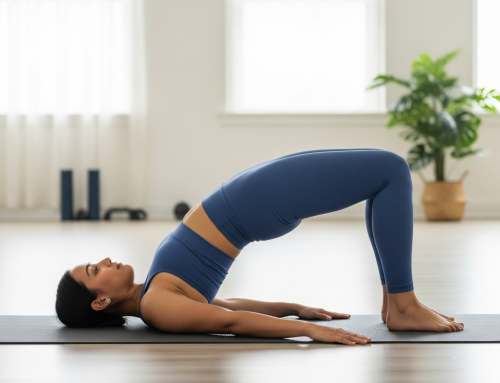
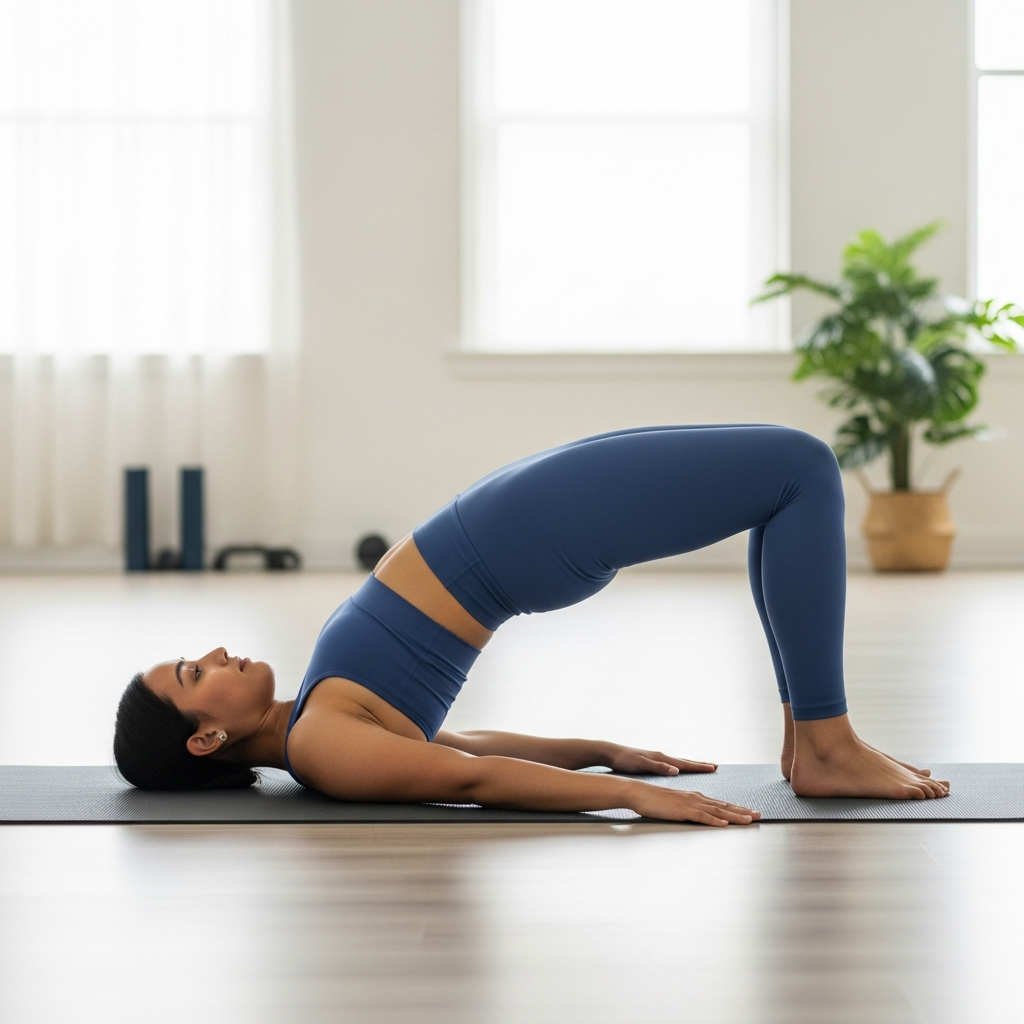
A good Fort Worth instructor will spend the first session just… watching you move. They’ll have you do simple exercises – maybe just lying on your back, pressing your spine into the mat, or standing and rolling down vertebra by vertebra. It might feel almost too easy, but they’re gathering crucial information about how your body works.
Don’t be surprised if they ask about your daily habits. Do you sit at a desk all day? Sleep on your stomach? Carry your toddler on your right hip? These details matter more than you might think – they’re building a roadmap for your sessions.
The Real Cost Breakdown (And How to Make It Work)
Let’s talk money – because pretending it doesn’t matter is just silly. Private sessions in Fort Worth typically run $75-$120 per hour, while group classes hover around $25-$35 per session. Sounds steep? Here’s the thing…
Many instructors offer package deals that can bring costs down significantly. Some even have sliding scale options if you ask (though not everyone advertises this). And here’s a little secret – instructors often have slightly lower rates for morning sessions or off-peak times.
If private sessions aren’t in your budget right away, start with group classes but position yourself where the instructor can see you clearly. Make eye contact, ask questions after class. The best instructors will remember you and offer corrections even in a group setting.
Questions That Show You’re Serious
When you’re interviewing potential instructors, these questions will separate the pros from the weekend warriors
“How do you modify exercises for beginners?” Listen for specific examples, not vague promises about “meeting you where you are.”
“What’s your philosophy on pain versus discomfort?” You want someone who understands the difference and can articulate it clearly.
“How often should I expect to see changes?” Honest instructors will tell you that some things improve quickly (like awareness and breathing), while others take months of consistent work.
Red Flags to Watch For
Run – don’t walk – away from instructors who promise rapid weight loss or dramatic body changes in weeks. Pilates is many things, but a quick fix isn’t one of them.
Be wary of anyone who doesn’t ask about injuries or limitations. Your shoulder surgery from three years ago? It still matters. A good instructor wants to know about every ache, pain, and past procedure.
If an instructor seems distracted during sessions – checking their phone, having side conversations, or giving the same cues to everyone regardless of their needs – find someone else. You’re investing too much time and money for half-hearted attention.
Making the Most of Your Investment
Here’s what separates students who see amazing results from those who plateau: consistency and communication. Show up regularly (even if it’s just once a week), and speak up when something doesn’t feel right.
Keep a simple log of how you feel after sessions. Not just physically – emotionally too. Are you sleeping better? Standing taller? Feeling more confident in your body? These changes often happen so gradually that you might miss them without tracking.
And remember… the goal isn’t to become a Pilates instructor yourself. It’s to move better, feel stronger, and maybe – just maybe – discover that your body is capable of more than you ever imagined.
When Reality Hits: The Stuff Nobody Talks About
Let’s be honest here – being a Pilates instructor in Fort Worth isn’t all zen moments and perfectly aligned spines. There’s some real stuff that can knock you sideways, and pretending otherwise? That just sets people up for disappointment.
The biggest reality check? Your body becomes your business tool, and sometimes that tool gets a little banged up. You’re demonstrating movements all day, adjusting clients, spotting heavy springs on the reformer. Your wrists start aching from all those planks you’re showing. Your back gets tweaky from bending over to correct alignments. It’s like being a mechanic, except your wrench is your spine.
Sarah, who’s been teaching at three different Fort Worth studios for two years, puts it bluntly: “Nobody warned me I’d need my own physical therapy budget.” She’s not wrong. The solution isn’t to push through pain – that’s instructor suicide. Smart teachers cross-train, get regular bodywork, and actually… take their own advice about proper form. Novel concept, right?
The Money Reality (Because Rent Doesn’t Pay Itself)
Here’s what the Instagram posts don’t show: building a sustainable income takes time. Like, longer than you think. Way longer.
Most new instructors patch together classes from multiple studios, subbing for sick teachers, teaching that 6 AM Monday class nobody else wants. You’re driving all over Fort Worth – from Southside to Uptown to wherever will give you hours. Gas money adds up fast, especially when you’re making $30-50 per class starting out.
The math is brutal at first. Teach 15 classes a week? Sounds like a lot until you realize that’s maybe $600-750 before taxes and expenses. And that’s if all your classes are full, which… they won’t be initially.
Smart instructors diversify faster than a hedge fund manager. Private sessions pay better – sometimes $75-100 per hour in Fort Worth. Online coaching, workshops, teacher trainings. Some successful instructors I know also do corporate wellness programs or partner with physical therapy clinics. It’s not just about getting more classes; it’s about getting better-paying work.
The Emotional Labor Nobody Mentions
You know what’s exhausting? Being “on” for eight hours straight. Clients bring their stress, their bad days, their relationship drama right onto that reformer. You’re part teacher, part cheerleader, part therapist – except you’re not actually trained for that last one.
There’s this client who always shows up complaining about her job. Another one who’s clearly dealing with some body image stuff and needs constant reassurance. That regular who’s recovering from surgery and gets frustrated when his body won’t cooperate. You want to help everyone, but emotional burnout is real.
The boundaries thing is harder than it sounds. When someone’s struggling with confidence or dealing with chronic pain, it’s natural to want to fix everything. But you can’t… and trying will drain you dry.
Successful instructors learn to be compassionate without becoming emotional sponges. They refer clients to appropriate professionals when needed. They practice saying things like “That sounds really challenging” without trying to solve every problem that walks through the door.
When Your Schedule Owns You
The schedule juggling act is like playing 3D chess while riding a unicycle. Studios want availability during their peak times – which means your evenings and weekends are pretty much gone. Dating? Good luck. Family dinner on Sunday? Maybe next year.
Plus, studios change schedules constantly. That Tuesday 10 AM class you’ve been teaching? Suddenly it’s moving to Thursday at 7 PM because they’re trying something new. Or worse – it gets canceled because enrollment was low, and there goes $200 from your monthly budget.
The solution isn’t just accepting this chaos. Experienced instructors negotiate for consistent time slots when they can. They build up enough private clients that they’re not completely dependent on studio schedules. Some even open their own spaces – though that’s a whole different set of challenges involving business licenses and liability insurance and… well, that’s another conversation entirely.
The real secret? Most successful Pilates instructors in Fort Worth didn’t figure this out overnight. They stumbled through the same challenges, made the same mistakes, and slowly built something sustainable. It’s messier than the highlight reel suggests, but it’s also more rewarding when you finally get the pieces to fit together.
Setting Realistic Expectations for Your First Month
Let’s be honest – your first Pilates class probably won’t feel like those graceful Instagram videos you’ve been watching. You might wobble during single-leg circles, forget to breathe during the hundred, or find yourself completely confused when your instructor mentions something about “opposition” while you’re just trying not to fall off the reformer.
That’s… completely normal. Actually, it’s more than normal – it’s expected.
Most people need about 8-10 sessions to start feeling comfortable with the basic movements and equipment. Your instructor isn’t judging those shaky legs or the fact that you can’t quite coordinate your breathing yet. They’ve seen it all before, and honestly? They’re probably remembering their own first awkward weeks in the studio.
During this initial phase, you’ll likely feel muscles you forgot existed. That deep abdominal work – the kind that makes you realize you’ve been using your back for everything – tends to surprise people. Don’t be alarmed if you feel a bit sore the day after your first few sessions. It’s different from gym soreness… more like your body saying “oh, we’re actually using our core now?”
Month Two: Things Start Clicking
Around the 6-8 week mark, something interesting happens. You’ll walk into class and suddenly understand what your instructor means when they say “find your powerhouse” or “lengthen through the crown of your head.” The movements that felt impossible start feeling… well, challenging but doable.
This is when many people experience their first real “aha” moment. Maybe you’ll notice standing up from your desk doesn’t require the same effort, or you’ll catch yourself naturally engaging your core while reaching for something on a high shelf.
Your instructor will likely start introducing more complex exercises during this period. Don’t panic if they suggest adding springs to the reformer or trying something called “the teaser.” They’re reading your progress and adjusting accordingly – though you’re always free to say “not today” if something feels like too much.
The Three to Six Month Reality Check
Here’s where we need to have a real conversation about timelines. Social media might suggest you’ll have a completely transformed body in 30 days, but your Pilates instructor knows better. Real, lasting changes – the kind that improve your posture, reduce back pain, and build genuine strength – typically become noticeable around the 3-4 month mark.
You might find yourself sleeping better before you see dramatic physical changes. Or notice that your chronic shoulder tension has mysteriously diminished. These aren’t the flashy transformations that make for good before-and-after photos, but they’re often more valuable than any aesthetic change.
Your instructor will continue refining your form during this period. Yes, even months in, they’ll still be adjusting your alignment and suggesting modifications. This isn’t because you’re doing poorly – it’s because Pilates is endlessly nuanced, and there’s always another layer to discover.
What Happens Next: Your First Assessment
Most good instructors will want to check in with you formally around the 3-month mark. This isn’t a test you can fail – think of it more like a friendly progress report. They’ll likely ask about any changes you’ve noticed, assess your comfort level with various exercises, and discuss where you’d like to focus moving forward.
Maybe your original goal was general fitness, but now you’re dealing with a minor injury. Or perhaps you came in hoping to improve your golf swing and discovered you really love the mental focus Pilates requires. These conversations help your instructor tailor future sessions to what’s actually serving you.
Looking Ahead: Building Your Practice
By month six, you’ll probably have a sense of whether Pilates clicks for you. Some people become completely devoted – booking multiple sessions per week and learning the names of exercises they couldn’t pronounce six months earlier. Others find their sweet spot with one weekly session that keeps them feeling balanced and strong.
Neither approach is right or wrong. Your instructor’s job isn’t to convert you into a Pilates evangelist – it’s to help you build a sustainable practice that fits your life, goals, and budget.
The key is consistency over intensity. One session per week for a year will serve you better than three sessions per week for two months followed by nothing. Your instructor understands this, which is why they’re more interested in finding what works long-term than pushing you toward some arbitrary fitness ideal.
You know what strikes me most about great Pilates instructors? They’re not just teaching exercises – they’re creating these little pockets of possibility in people’s lives. Whether it’s helping someone finally touch their toes after years of tight hamstrings, or watching a client discover they can actually breathe deeply again… there’s something pretty magical happening in those studios across Fort Worth.
And here’s the thing that might surprise you – it’s not about being the most flexible person in the room or having perfect form from day one. The best instructors I know are the ones who remember what it felt like to struggle with their first roll-up, or who still modify movements for their own bodies. They get it. They’ve been there.
Finding Your Person
Choosing a Pilates instructor is kind of like dating, isn’t it? You might click with the first person you meet, or it might take a few tries to find someone who really understands your body’s quirks and your goals. Some people need that gentle, nurturing approach – especially if you’re dealing with an injury or just getting back into movement after a long break. Others thrive with instructors who push them a little harder, who see their potential even when they don’t see it themselves.
The beautiful thing about Fort Worth’s Pilates community is there’s room for everyone. Whether you’re drawn to classical Pilates with all its precise, traditional movements, or you’re curious about contemporary approaches that blend in other techniques… you’ll find your fit.
Beyond the Studio Walls
What I love most is how this work ripples out into the rest of your life. You might start noticing you’re standing taller at work – not because someone told you to, but because your body just naturally wants to. Or maybe you’ll find yourself moving more mindfully when you’re gardening or playing with your kids. That’s the real magic right there.
Your instructor becomes this steady presence who sees your progress even on days when you feel like you’re going backward. They’re the ones who remember that your shoulder was bothering you last week and check in about it. They notice when you’re stressed and adjust the session accordingly. It’s personal training, yes, but it’s also… well, it’s caring for the whole person.
Ready to Start Moving?
If you’ve been thinking about trying Pilates – or maybe you’ve been doing it for years but want to deepen your practice – don’t wait for the “perfect” moment. Your body is ready for this kind of gentle strengthening and mindful movement right now, exactly as it is.
We understand that taking that first step can feel vulnerable. Maybe you’re worried about not being strong enough, or flexible enough, or young enough… Trust me, we’ve heard it all, and none of those concerns have ever been deal-breakers. What matters is your willingness to begin.
If you’re ready to explore how Pilates might fit into your wellness goals – especially if weight management is part of your bigger picture – we’d love to chat. No pressure, no sales pitch. Just a conversation about where you are now and where you’d like to be. Sometimes that’s exactly the starting point your body has been waiting for.