6 Reasons Mesquite Locals Prefer Mat Pilates
You know that feeling when you walk into a crowded gym, and every piece of equipment seems designed for someone who’s already in perfect shape? The intimidating weight machines with their complicated pulley systems, the cardio equipment that makes you feel like you’re on display for everyone to judge… Yeah, that one.
Sarah from Mesquite felt exactly that way last January when she decided – again – that this would be the year she’d finally get healthy. She’d driven past that fancy fitness center on Town East Boulevard probably a hundred times, psyching herself up to walk through those glass doors. But every time she imagined herself fumbling with machines she didn’t understand while super-fit people watched… well, let’s just say she kept driving.
Then her neighbor mentioned this little Mat Pilates class tucked away in a quiet studio downtown. “It’s different,” she said. “No machines, no mirrors everywhere, just… movement that makes sense.”
That was eight months ago. Sarah’s still going twice a week, and here’s the thing – she’s not the only one who’s discovered something special about Mat Pilates here in Mesquite.
You see, there’s this interesting shift happening in our community. While big box gyms keep building bigger and flashier locations, more and more locals are choosing something that might seem… well, almost old-fashioned. Just a mat on the floor and your own body weight. No fancy equipment, no monthly fees that make your wallet cry, no feeling like you need a PhD in exercise science just to work out.
But here’s what’s really fascinating – and why I wanted to dig into this trend – it’s not just about the simplicity. There’s something deeper going on that speaks to what we actually need from our fitness routines. Something that addresses the real challenges we face when we’re trying to build sustainable, healthy habits in a world that seems designed to make that as complicated as possible.
Think about it… when was the last time you stuck with an exercise routine for more than a few months? I’m talking about something you genuinely looked forward to, not just endured because you thought you should. If you’re like most people (and trust me, we’ve seen thousands of folks walk through our clinic doors), the answer might be “never” – or at least “not recently.”
The thing is, we’ve been sold this idea that effective fitness has to be intense, complicated, and frankly, kind of miserable. You know – no pain, no gain and all that. But what if that’s exactly backwards? What if the most effective approach is actually the one that feels… manageable?
That’s what these Mesquite Mat Pilates enthusiasts seem to have figured out, and honestly, their insights might surprise you. We’re talking about people who’ve tried everything – CrossFit boxes, expensive gym memberships, home workout videos that promised to transform them in 30 days. But they keep coming back to something that requires nothing more than showing up with a mat.
Actually, that reminds me of what Dr. Martinez always tells our weight loss patients: “The best exercise is the one you’ll actually do.” Sounds simple, right? But it’s revolutionary when you really think about it.
Over the next few minutes, we’re going to explore exactly why Mat Pilates has captured the attention of so many folks right here in our community. We’ll talk about the practical stuff – like cost and convenience – but also the deeper reasons that might resonate with where you are right now in your own health story.
You’ll hear about the mental health benefits that caught people off guard, the way it works for bodies that maybe haven’t moved consistently in years, and yes – the real results people are seeing without having to become fitness fanatics or completely overhaul their already busy lives.
Because here’s what I’ve learned after years of helping people navigate their wellness journeys: sometimes the most profound changes come not from doing more, but from finding the right fit. And for a growing number of Mesquite residents, that fit looks like rolling out a mat and rediscovering what their bodies can do when they’re treated with patience instead of punishment.
What Exactly Is Mat Pilates Anyway?
Okay, let’s be honest – if you’ve heard the term “mat Pilates” thrown around but you’re not entirely sure what it means, you’re definitely not alone. I get this question at least three times a week, and honestly? It’s way simpler than people make it sound.
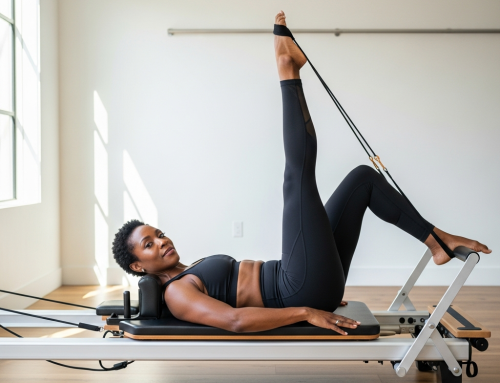
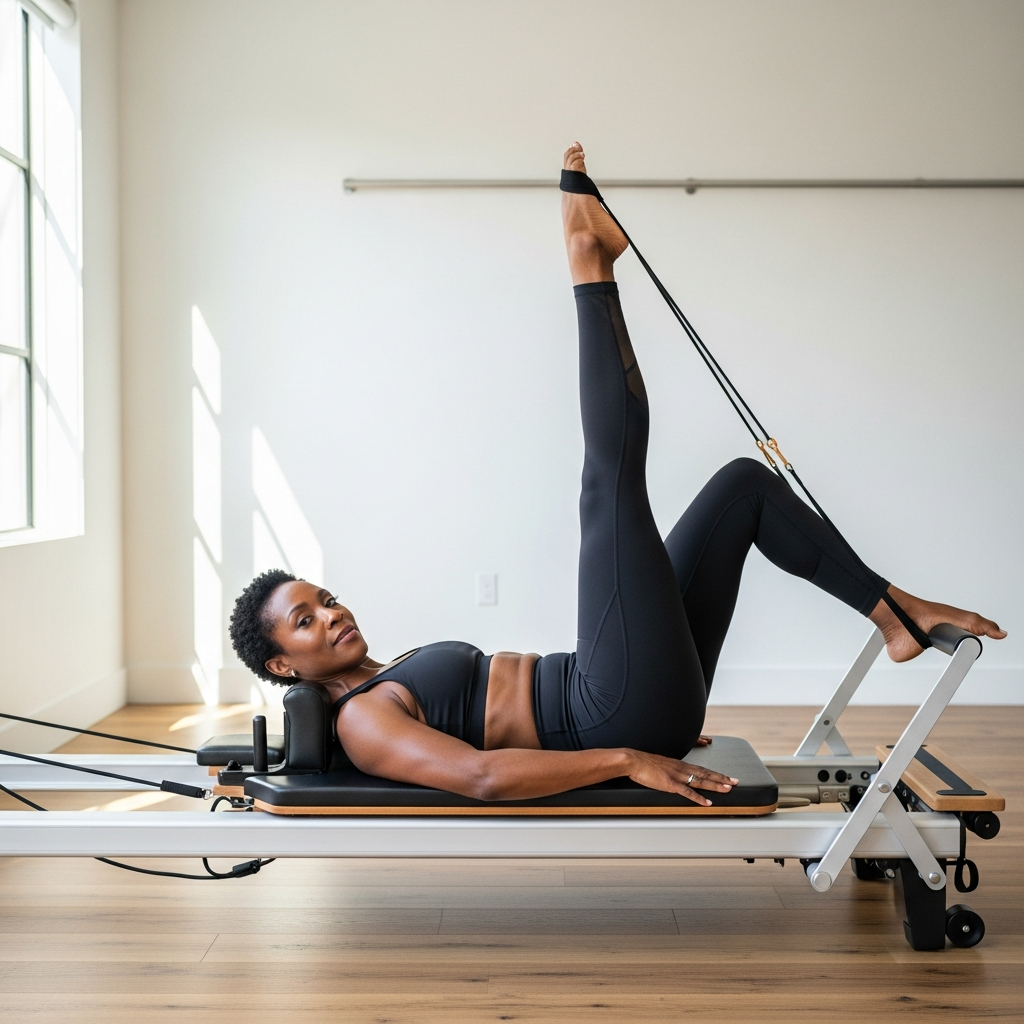
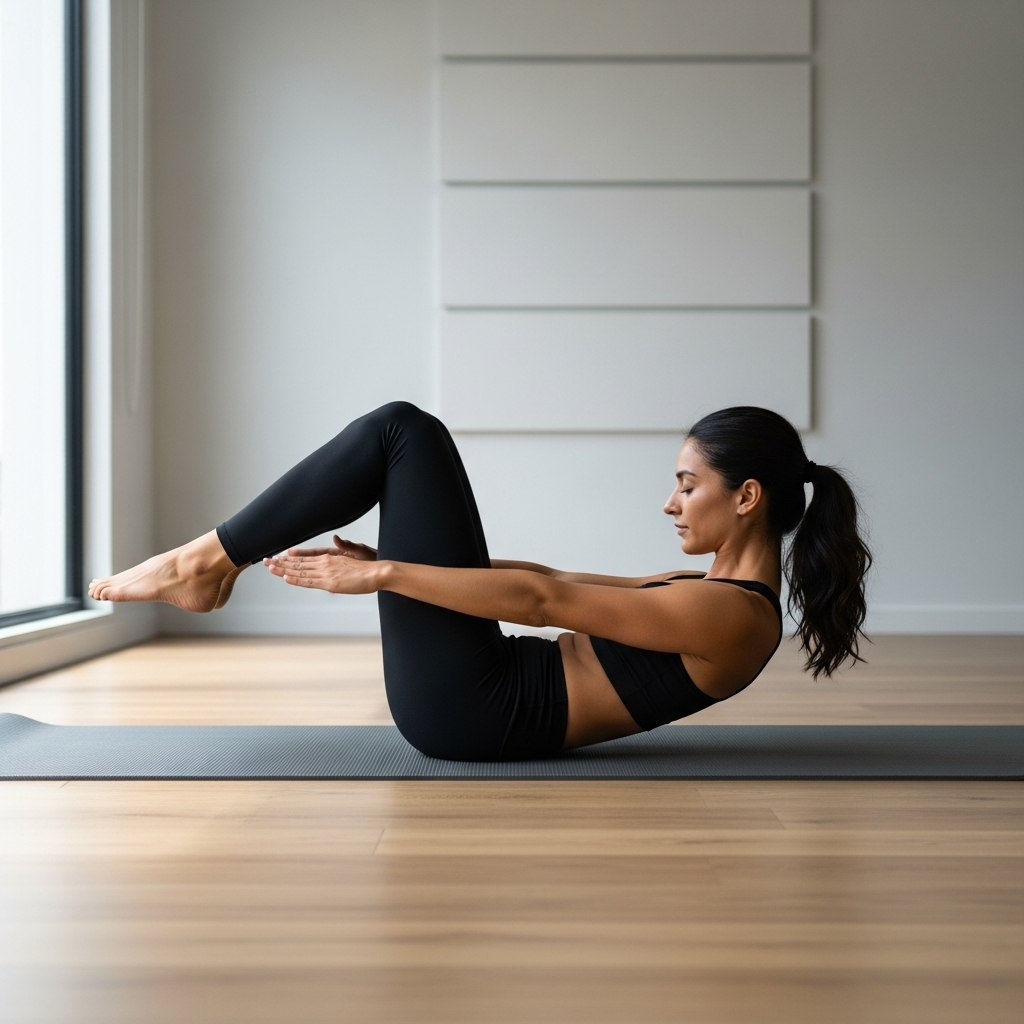
Think of mat Pilates as the original recipe in a world full of variations. Joseph Pilates (yes, that was his actual last name – talk about being destined for something) developed this system way back in the 1920s using just body weight, gravity, and a mat. No fancy machines, no reformers that look like medieval torture devices… just you, the floor, and some seriously clever movements.
The “mat” part is pretty literal – you’re working out on a mat, using your own body weight as resistance. It’s like doing strength training, but instead of picking up heavy things and putting them down, you’re learning to control your own body in space. Which, when you really think about it, is kind of more practical for daily life.
The Mind-Body Connection Thing Everyone Talks About
Here’s where it gets a little… well, woo-woo sounding, but stick with me. Mat Pilates isn’t just about moving your body – it’s about thinking your way through movements. Every exercise requires you to focus on how you’re moving, not just what you’re moving.
It’s like the difference between mindlessly scrolling through your phone and actually reading a good book. Both involve your eyes and brain, but one requires way more intentional focus. In mat Pilates, you can’t just zone out and go through the motions. Your instructor might say something like “engage your deep abdominals while lengthening through the crown of your head,” and your brain has to coordinate all of that at once.
This is actually why some people find it frustrating at first – and why others become completely obsessed. Your mind has to stay present, which can be both challenging and incredibly refreshing in our multitasking world.
Core Strength vs. Six-Pack Abs (They’re Not the Same Thing)
Let’s clear up a major misconception right off the bat. When Pilates instructors talk about “core strength,” we’re not talking about getting those Instagram-worthy abs. Actually, that reminds me – some of the strongest people I know don’t have visible six-packs at all.
Your core is more like the foundation of a house than the pretty front door. It includes your deep abdominal muscles (the ones you can’t see), your pelvic floor, your diaphragm, and the small stabilizing muscles along your spine. These muscles work together to support your entire body, kind of like an internal corset that you can control.
Mat Pilates teaches you how to engage these deep stabilizers while moving the rest of your body. It’s honestly a bit counterintuitive at first – you’re trying to keep some muscles steady while others are moving. But once you get it? Everything else in life feels easier. Carrying groceries, sitting at your desk, even sleeping better because your body knows how to support itself.
Precision Over Power
Here’s something that might surprise you – mat Pilates isn’t about doing as many repetitions as possible or sweating buckets. It’s about doing fewer movements with incredible precision. Quality over quantity, as they say.
Most traditional exercises might have you doing 15-20 reps of something. In mat Pilates? You might do 5-8 repetitions, but each one is so controlled and precise that your muscles are working harder than they would in a traditional workout. It’s like the difference between speed-reading and savoring every word of a poem.
This focus on precision is actually what makes it so effective for people dealing with weight management. You’re building lean muscle tissue and improving your body’s efficiency at moving, which boosts your metabolism… but we’re getting ahead of ourselves here.
The beauty is that this precision-focused approach means people of all fitness levels can do mat Pilates. A beginner and an advanced practitioner might be doing the same exercise, but the level of control and complexity can vary dramatically. It’s endlessly adaptable, which is probably why it’s been around for nearly a century.
Finding Your Perfect Mat Pilates Studio (Without Getting Overwhelmed)
Look, I get it – walking into a new studio can feel intimidating. Here’s what I tell my clients: call ahead and ask if you can pop in 10 minutes before a beginner class just to observe. Most instructors in Mesquite are incredibly welcoming about this. You’ll get a feel for the vibe, the space, and whether the instructor’s style clicks with you.
And here’s a little secret… studios near Eastfield College tend to have more flexible class times since they cater to students with varying schedules. Perfect if you’re juggling work and family commitments.
What to Actually Bring (and What You Can Skip)
Forget those expensive starter packages they try to sell you. All you really need is a decent mat – and honestly? The studio mats work fine for your first few classes while you figure out if this is your thing.
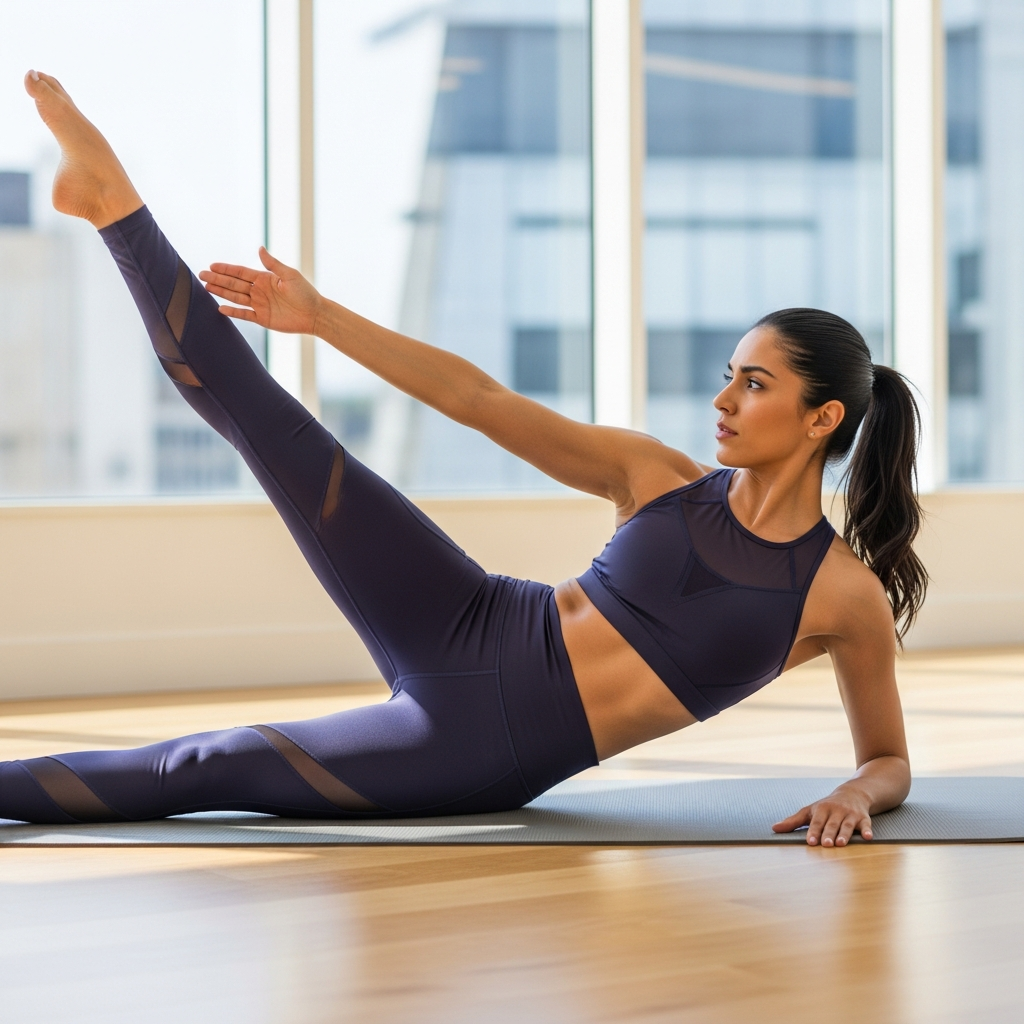
When you are ready to invest, here’s what matters: a mat that’s at least 6mm thick (your knees will thank you during those side-lying leg series), and grip. Texas heat means sweaty palms, and there’s nothing worse than slipping during a plank hold.
Pro tip from someone who’s been there – bring a small towel. Not for the workout itself, but for that moment when you realize you’re actually enjoying something that used to seem impossible.
Timing Your Classes Like a Local
Here’s what most people don’t realize about Mesquite studios – the 6 AM classes are gold. I know, I know… who wants to wake up that early? But think about it: you’re done with your workout before the Texas sun gets serious, parking is easy, and you’ve got that accomplished feeling carrying you through your entire day.
Evening classes (around 6:30 PM) fill up fast, especially on weekdays. If that’s your only option, book early. The lunch-hour sessions? Those are perfect if you work nearby – many local business owners have discovered that a midday Pilates break actually makes their afternoon more productive.
Modifying Moves Without Feeling Self-Conscious
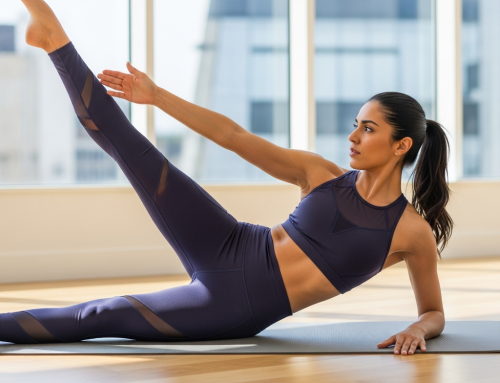
Every instructor will tell you to “listen to your body” – but what does that actually look like? When you’re in single-leg teaser and your hip flexors are screaming, bend that knee. When plank feels impossible, drop to your knees without drama.
Here’s something I learned from watching hundreds of classes: the people who modify confidently get stronger faster than those who struggle through moves they’re not ready for. Your body learns proper form first, then builds strength on that foundation.
And if you’re dealing with lower back issues (so common here with all our desk jobs), tell your instructor before class. They’ve got about five different modifications for every exercise – they just need to know you need them.
Building Your Home Practice Gradually
Don’t go from zero to trying hour-long YouTube videos at home. Start with literally 10 minutes – maybe just the warm-up sequence you learned in class. Your living room doesn’t need to become a full studio overnight.
What works well for my Mesquite clients is picking three exercises they feel confident about and doing those consistently. The hundred, some gentle spinal articulation, and basic ab work. Build that habit first… everything else comes later.
Keep a water bottle nearby (our dry air is no joke), and don’t worry about perfect form when you’re practicing solo. You’re maintaining what you learned in class, not trying to advance.
Making It Stick When Life Gets Crazy
Real talk – some weeks you’ll make it to class twice, other weeks you’ll barely remember where you put your mat. That’s normal. What matters is getting back to it without the guilt spiral.
I’ve noticed the most successful people treat Pilates like brushing their teeth – it’s just something they do, not something they have to motivate themselves for. Start small enough that skipping feels harder than just doing it.
And here’s something nobody talks about: track how you feel after class, not during. During class, you might be thinking “this is hard” or “I look ridiculous.” But later? When you notice you stood up from your desk without that usual back twinge? That’s the real feedback that’ll keep you coming back.
The Mesquite Pilates community is genuinely supportive – use that. Exchange numbers with someone from class. Having a buddy makes showing up so much easier, especially on those mornings when motivation is nowhere to be found.
The Real Talk: What Actually Makes Mat Pilates Tough
Let’s be honest here – if Mat Pilates were easy, everyone would be doing it already, right? But the truth is, there are some very real challenges that can make people want to throw in the towel (literally). The good news? Most of these roadblocks are totally fixable once you know what you’re dealing with.
The coordination thing is real. You know when the instructor says “engage your core while lifting your right leg and extending your left arm” and your brain just… freezes? Yeah, that happens to pretty much everyone at first. Your body’s trying to figure out this new language of movement, and it’s like learning to pat your head while rubbing your stomach – but more complicated.
Here’s what actually helps: start with one thing at a time. Seriously. If the move has three parts, just do the first part for a few rounds. Then add the second. Your nervous system needs time to create these new pathways, and there’s no shame in building slowly. I’ve seen people try to nail everything perfectly on day one and end up so frustrated they quit. Don’t be that person.
The Strength Reality Check
Mat Pilates looks deceptively gentle from the outside – I mean, you’re just lying on a mat, how hard could it be? But then you try to hold a plank for what feels like seventeen hours (it’s actually 30 seconds), and you realize this stuff is no joke.
Your body weight becomes your resistance, and suddenly gravity feels like it’s working overtime against you. Those tiny, controlled movements? They’re targeting muscles you forgot you had. The shaking that happens during single-leg teaser? Completely normal. Actually, it’s your muscles having a conversation about getting stronger.
The fix isn’t to power through with brute force – it’s about building gradually. Use modifications without apology. Drop to your knees during planks. Keep one foot down during single-leg work. Take breaks when you need them. Strength comes from consistency, not from pushing yourself into injury or burnout.
The Mental Game Gets Tricky
Here’s something nobody warns you about: Mat Pilates requires you to actually think about what you’re doing. You can’t just zone out like you might on a treadmill. You’re constantly checking in with your body, adjusting your form, breathing intentionally… it’s a lot of mental bandwidth.
Some days, honestly, that feels exhausting. When you’ve had a rough day at work and your brain is already fried, the last thing you want is an exercise that requires more thinking. But here’s the plot twist – that mindfulness aspect is exactly what makes people fall in love with it eventually.
Start by accepting that your mind will wander. Don’t judge yourself for it – just notice when it happens and gently bring your attention back. Think of it like meditation with movement. Some sessions will feel more focused than others, and that’s perfectly fine.
The Flexibility Factor (Or Lack Thereof)
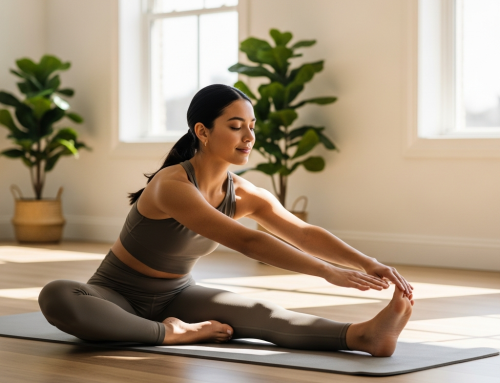
Let’s address the elephant in the room – you don’t need to be flexible to start Mat Pilates, but you might feel like you should be. When everyone around you seems to fold in half effortlessly while you’re struggling to touch your toes, it’s easy to feel discouraged.
The truth? Flexibility is a result of Pilates, not a prerequisite. Your tight hip flexors from sitting at a desk all day, your stiff shoulders from stress – these are exactly why Mat Pilates is so beneficial. But it means you might feel restricted at first.
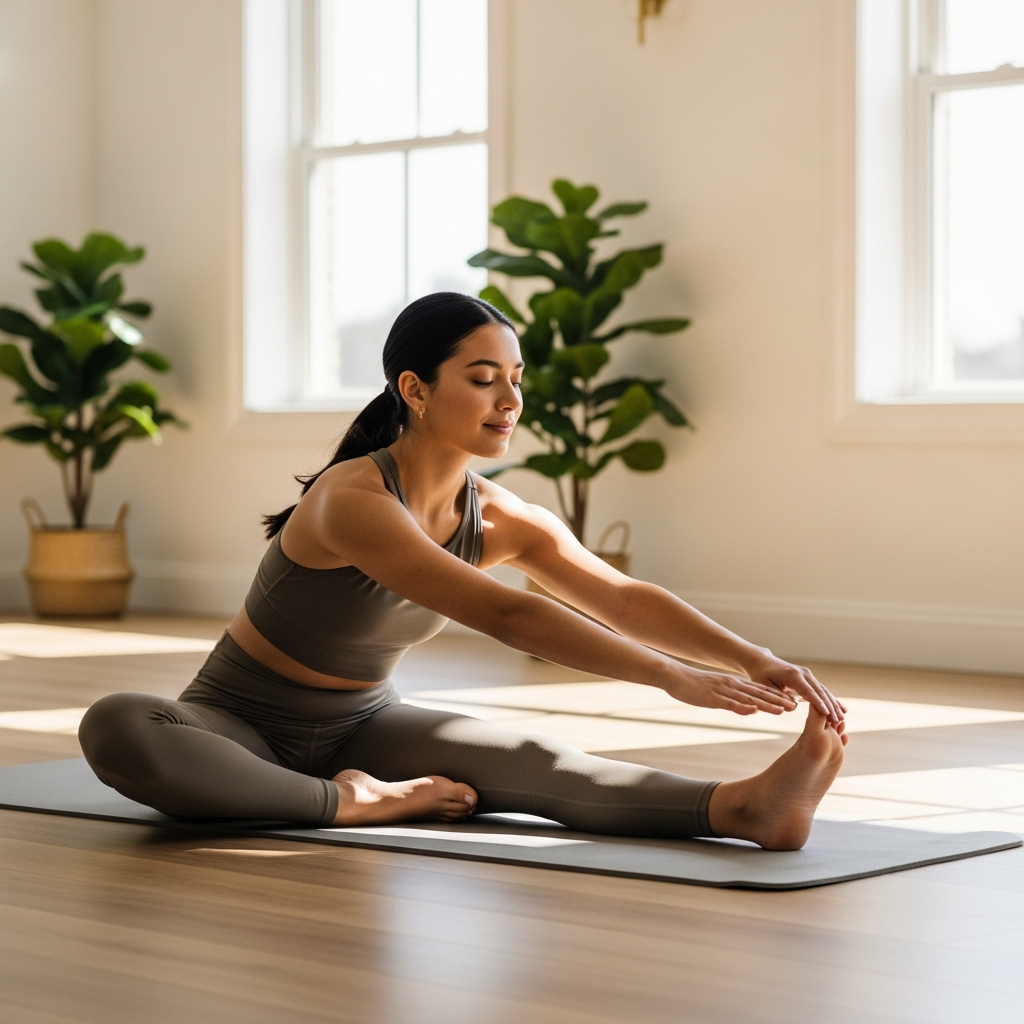
Work within your range of motion. If a stretch feels uncomfortable, back off a bit. Use props like towels or pillows to support yourself. And remember… those super-flexible people in class? They were probably right where you are when they started.
Making It Stick When Life Gets Messy
The biggest challenge isn’t usually the exercises themselves – it’s showing up consistently when life throws curveballs. Work gets crazy, kids get sick, social obligations pile up, and suddenly your Pilates routine is the first thing to go.
This is where the beauty of Mat Pilates really shines, though. You don’t need a gym membership or special equipment. Even 15 minutes on your living room floor counts. Sometimes consistency looks like three full classes a week, sometimes it looks like five minutes of breathing and gentle stretches before bed.
The key is letting go of perfectionism and embracing “good enough.” A imperfect routine you can maintain beats a perfect routine you abandon after two weeks.
What to Expect in Your First Few Classes
Let’s be honest – your first Mat Pilates class might feel… well, awkward. You’re learning a new language of movement, and sometimes it feels like everyone else got the translation guide except you. That’s completely normal.
Most people notice they’re shaking during exercises they thought would be “easy.” (Spoiler alert: there’s nothing easy about holding your body in perfect alignment while your core muscles wake up from their long nap.) You might also feel muscles you forgot existed – hello, deep abdominal layers that have been playing hide and seek for years.
The good news? By your third or fourth class, things start clicking. You’ll remember the basic positions without staring at the instructor like you’re trying to decode hieroglyphics. Your body begins to understand what “neutral spine” actually means, and those mysterious breathing cues start making sense.
Timeline for Real Results
Here’s where I’m going to be your reality-check friend… significant changes don’t happen overnight. I know, I know – we’ve all been spoiled by those “transform your body in 30 days” promises, but Mat Pilates works differently.
Most Mesquite locals start noticing improved posture and less back pain within 2-3 weeks of consistent practice. It’s subtle at first – maybe you catch yourself sitting straighter at work, or you don’t have that familiar ache when you get out of bed.
The visible changes? Those typically show up around the 6-8 week mark with regular attendance (we’re talking 2-3 classes per week, not once-in-a-while visits). You’ll start seeing more definition in your core, better muscle tone overall, and – this is the big one – you’ll move differently. More confidently. With better control.
Flexibility improvements can be all over the map. Some people touch their toes for the first time in decades after just a few weeks, while others need months to see significant changes. Your starting point matters, your consistency matters, and frankly… your genetics matter too.
Building Your Practice Gradually
This isn’t a race, and trying to make it one usually backfires. Most studios recommend starting with one class per week for the first month, then bumping up to two or three as your body adapts.
Why the gradual approach? Because Mat Pilates works muscles in ways they’re not used to working. Even if you’re already active – maybe you’re crushing it at the gym or you’re a regular walker – Pilates challenges different movement patterns and muscle relationships.
I’ve seen too many enthusiastic beginners jump into five classes their first week, only to burn out or get injured. Your muscles need time to learn these new movement patterns, and your nervous system needs time to integrate them.
What “Normal” Progress Looks Like
Progress in Mat Pilates rarely follows a straight line. Some weeks you’ll feel like you’re finally “getting it,” and the next week you might struggle with exercises that felt easy before. This isn’t you going backwards – it’s actually your body learning to work more precisely.
You might also notice that different aspects improve at different rates. Maybe your balance gets dramatically better while your strength gains feel slower. Or perhaps your flexibility takes off, but those advanced core exercises still feel impossible. This patchwork progress is totally normal and actually shows that Pilates is working on multiple systems simultaneously.
Making It Stick in Your Routine
The Mesquite locals who see the best results have figured out how to weave Pilates into their existing lives rather than trying to completely overhaul their schedules. Maybe it’s the Tuesday evening class that fits perfectly after work, or the Saturday morning session that’s become their weekly reset.
Some find it helpful to pair classes with something they already do – like always going to Pilates before their grocery shopping, or making it their Thursday stress-reliever. The key is consistency over intensity.
Moving Forward with Realistic Expectations
Mat Pilates isn’t going to transform your entire life in three weeks, but it might surprise you with smaller victories along the way. Better sleep, fewer headaches, the ability to carry groceries without your back complaining – these everyday improvements often matter more than fitting into those jeans from five years ago.
The most successful clients approach it with curiosity rather than pressure. They show up consistently, pay attention to how their bodies feel, and celebrate small wins. Because honestly? Those small wins add up to something pretty remarkable over time.
You know what really stands out to me after talking with so many folks here in Mesquite? It’s not just that people are choosing mat Pilates – it’s *why* they’re sticking with it.
Finding Your Rhythm in Our Desert Community
There’s something beautifully honest about rolling out a mat on your living room floor at 6 AM, isn’t there? No commute, no hunting for parking, no wondering if you remembered deodorant. Just you, your body, and twenty minutes of movement that somehow makes everything else feel more manageable. And honestly? In a place where the summer heat can make even thinking about exercise feel overwhelming, having that indoor option isn’t just convenient – it’s essential.
What keeps surprising me is how many people tell me they thought Pilates would be “too easy” or “just stretching.” Then they try their first roll-up or attempt single-leg teaser and… well, let’s just say their core has a lot to say about that assumption. The beauty is that it meets you exactly where you are. Whether you’re dealing with that nagging lower back pain from years of desk work or you’re ready to challenge every muscle you forgot you had.
Building Something That Lasts
The community aspect here in Mesquite is real, even when you’re practicing alone. There’s this shared understanding – maybe it’s the desert mindset, I don’t know – that sustainable change happens slowly, consistently, without all the drama. Mat Pilates fits right into that philosophy. You’re not beating yourself up three times a week; you’re building strength that supports everything else you want to do.
And can we talk about how good it feels to actually *afford* something that works? I mean, between rising grocery costs and everything else, finding effective exercise that doesn’t require a second mortgage is pretty refreshing. Plus, when your lower back stops screaming at you after gardening or your balance improves enough that you’re not grabbing the wall every time you put on socks… those changes are priceless.
Moving Forward Together
Here’s what I’ve learned from working with people on their wellness goals – it’s not about finding the “perfect” exercise routine. It’s about finding the one that fits your real life, your actual schedule, your current body. The one you can stick with even when motivation takes a vacation (and it will).
If you’re sitting there thinking, “This sounds great, but I don’t know where to start,” or “I wonder if this could help with my specific situation” – those are exactly the right questions to be asking. And you don’t have to figure it out alone.
Whether you’re curious about how mat Pilates might fit into your weight loss goals, wondering if it’s right for your fitness level, or just want to talk through what sustainable movement looks like for *your* life – we’re here for that conversation. No pressure, no sales pitch, just real talk about what might work for you.
Give us a call when you’re ready. We’ll chat about where you are now, where you’d like to be, and how we might help you get there. Sometimes the best step forward is simply reaching out and saying, “Hey, I think I’m ready to try something different.”
Your future self – the one with better balance, less pain, and more confidence – is worth that phone call.