Arlington Heights Pilates Near Me: Beginner’s Guide
You know that feeling when you’re scrolling through social media and suddenly everyone – literally *everyone* – seems to be doing Pilates? There’s your college roommate posting about her “Pilates glow,” your neighbor mentioning how it fixed her back pain, and even your skeptical brother-in-law (the one who thinks yoga is “just stretching”) raving about his core strength.
And there you are, sitting on your couch in Arlington Heights, wondering if you’re missing out on something amazing… or if it’s just another fitness fad that’ll leave you feeling awkward and out of place.
I get it. I’ve been there.
The thing is, Pilates isn’t actually new – it’s been around for nearly a century. But lately, it’s having this major moment, and honestly? There are some really good reasons for that. Especially if you’re dealing with the kind of stuff many of us face: sitting at a desk all day (hello, tight hip flexors), feeling like your core disappeared somewhere between college and now, or just wanting to move your body in a way that doesn’t feel like punishment.
But here’s where it gets tricky. When you start looking into “Pilates near me” in Arlington Heights, you’ll quickly discover there are… a lot of options. Mat classes, reformer studios, private sessions, group classes that cost more than your grocery budget, beginner-friendly spots, and places that look so intimidating you’d rather stick to your living room workout videos.
It’s enough to make you throw your hands up and decide Netflix is a perfectly acceptable evening activity (which, let’s be honest, it sometimes is).
The truth is, Pilates can be incredible for beginners – actually, it’s almost *designed* for people who are starting their fitness journey or coming back to movement after a break. The whole system was created by Joseph Pilates to help people rebuild strength and mobility, often starting from pretty challenging circumstances. We’re talking about someone who developed these exercises to help injured soldiers during World War I.
So if you’re feeling intimidated because you can’t touch your toes or because you’re not sure what your “core” even is anymore… you’re exactly who this is for.
What makes this whole search more interesting – and maybe a little overwhelming – is that Arlington Heights has genuinely good Pilates options. This isn’t one of those small towns where you have to drive 45 minutes to find a decent studio. You’ve got choices, which is great, but it also means you need to know what you’re looking for.
Because here’s what I’ve learned after years of watching people start (and stick with) Pilates: the studio you choose matters almost as much as your decision to start. Pick the wrong fit, and you might spend your first class feeling lost and wondering if everyone else got a manual you didn’t receive. Find the right match for your personality, goals, and budget, and you’ll understand why people get genuinely excited about something that looks like “fancy stretching.”
Some of you are probably wondering if this is just another expensive hobby that’ll join your dusty guitar and unused bread maker in the closet of good intentions. Fair question. But here’s what’s different about Pilates – especially when you find the right studio and instructor – it tends to stick because it makes you feel better pretty quickly. Not just stronger (though that happens), but more… stable. More connected to your body. Less like you’re fighting against it.
And in Arlington Heights, you’ve got everything from budget-friendly community center classes to high-end boutique studios with all the bells and whistles. The key is figuring out what works for *you* – your schedule, your learning style, your comfort level, and yes, your budget.
Over the next few minutes, we’re going to walk through exactly how to find your perfect Pilates match in Arlington Heights. I’ll share what questions to ask, what red flags to avoid, and how to set yourself up for success from day one. Because starting something new shouldn’t feel like solving a puzzle – it should feel like the beginning of something good.
Ready to figure this out together?
What Exactly Is Pilates Anyway?
You know how everyone talks about Pilates like it’s this mystical fitness practice? I get it – the name sounds fancy, and those reformer machines look like medieval torture devices. But here’s the thing: Pilates is basically just really smart movement.
Think of it like this – if your body were a house, most workouts focus on making the walls stronger or the roof shinier. Pilates? It works on the foundation. Joseph Pilates (yeah, it’s named after a guy) created this system back in the early 1900s because he was obsessed with the idea that your core – your powerhouse, as he called it – is what makes everything else possible.
The weird part? He originally called it “Contrology.” Honestly, that name probably would’ve saved us all some confusion about pronunciation. It’s “puh-LAH-teez,” by the way, not “PIE-lates” like the Roman guy.
Your Core Isn’t Just Your Abs (Mind = Blown)
Here’s where things get interesting – and where a lot of people get confused. When Pilates people talk about your “core,” they’re not just talking about getting a six-pack. They mean everything from your ribs to your pelvis, front to back, inside and out.
Picture your torso like a soda can. Your abs are just the front label – but the whole can needs to be strong to keep from getting crushed, right? Your core includes your deep abdominal muscles (the ones you can’t see), your back muscles, your pelvic floor, even your diaphragm. It’s like having an internal corset that actually works.
This is actually pretty counterintuitive if you’re coming from traditional gym workouts. You might be used to isolating muscles – bicep curls, leg extensions, that sort of thing. Pilates is more like… cooking a stew. Everything works together, and you can’t really separate the ingredients once they’re combined.
The Six Principles That Make Pilates, Well, Pilates
Joseph Pilates wasn’t just throwing exercises together randomly. He had six principles that make Pilates different from just doing crunches on a mat
Concentration – You can’t just phone it in. Every movement requires your full attention, which honestly makes it impossible to think about your grocery list or that awkward email you sent earlier.
Control – It’s not about how fast or how many reps you can do. It’s about moving with intention. Like the difference between wolfing down dinner and actually tasting your food.
Centering – Everything starts from your powerhouse. Think of it as your body’s command center.
Flow – Movements connect to each other like a conversation. No jerky, robotic motions here.
Precision – Quality over quantity, always. Better to do five perfect movements than fifty sloppy ones.
Breathing – This one trips everyone up at first. The breathing patterns in Pilates can feel completely backwards from what seems natural. You’ll get used to it… eventually.
Mat vs. Reformer: The Great Pilates Divide
So you’re looking at classes and there are all these options – mat classes, reformer classes, something called a Cadillac (which is definitely not a car). Let me break this down without making your head spin.
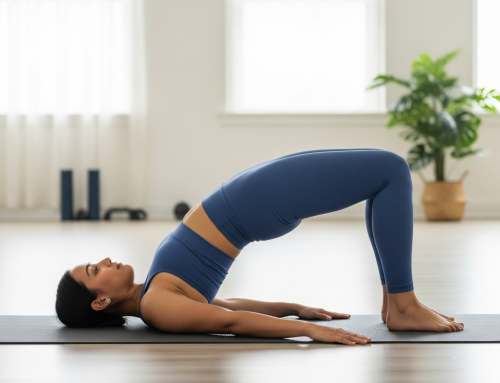
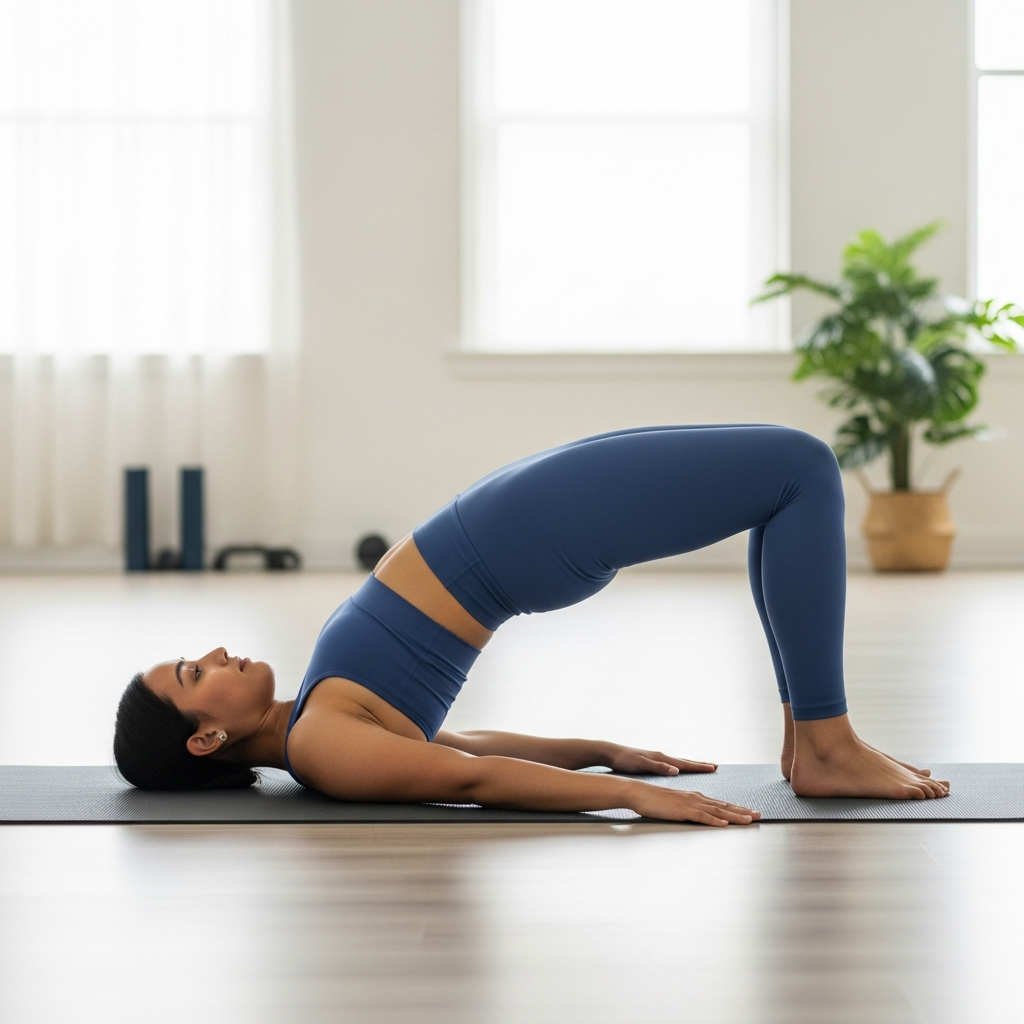
Mat Pilates is exactly what it sounds like – exercises done on a mat using your body weight and maybe some small props. It’s like the acoustic version of Pilates. Pure, simple, and surprisingly challenging because you don’t have any assistance.
Reformer Pilates uses this sliding carriage contraption with springs and pulleys. I know it looks intimidating, but think of it as Pilates with training wheels… except the training wheels can also make things harder. The springs provide resistance and assistance, which means you can modify exercises more easily but also add intensity you never knew was possible.
Here’s what nobody tells you: mat Pilates is often harder for beginners. Without the reformer’s support and feedback, you’re truly on your own to figure out where your body is in space.
Why Your Doctor Might Actually Love This
Unlike some fitness trends that make medical professionals nervous, Pilates has this reputation for being rehabilitation-friendly. Physical therapists often incorporate Pilates principles because the focus on controlled movement and core stability can help with everything from back pain to post-injury recovery.
That said – and this is important – not all Pilates is created equal. A good instructor will ask about injuries and modify exercises. But this isn’t a magic cure-all, and if you’re dealing with serious health issues, definitely check with your doctor first.
What to Expect in Your First Few Classes
Here’s the thing about Pilates – your first class is going to feel like learning a new language while doing gymnastics. Don’t panic. Everyone’s been there, even that super flexible person effortlessly flowing through movements beside you (trust me, they were once fumbling with the “neutral spine” concept too).
Most Arlington Heights studios structure beginner classes around 6-8 core movements. You’ll likely start with breathing exercises – and yes, you actually need to learn how to breathe again. It sounds ridiculous until you realize you’ve been doing it wrong for years. The instructor will probably say “breathe into your back ribs” about seventeen times, and you’ll think they’re speaking in code.
Expect to feel muscles you forgot existed. That deep burning sensation in your core? That’s not pain – that’s your transverse abdominis finally waking up from its long nap. You might feel a bit wobbly leaving class, like you’ve just discovered you have a body attached to your head.
Equipment Decoded: What All Those Contraptions Actually Do
Walking into a Pilates studio can feel like entering a medieval torture chamber meets NASA training facility. Let me break down what you’re actually looking at.
The reformer is that sliding bed-like thing with springs and pulleys – think of it as your personal resistance training assistant. Those springs aren’t trying to launch you across the room; they’re providing variable resistance that makes even small movements incredibly effective. Most Arlington Heights studios use Balanced Body or Gratz equipment, which means consistent quality wherever you go.
The Cadillac (yes, that’s really what it’s called) looks intimidating with all those bars and springs hanging down, but it’s actually perfect for beginners. You can do many exercises lying down, which takes pressure off your spine while you’re learning proper form.
Chairs are compact but mighty – they’ll humble you faster than you can say “double leg press.” Don’t let the innocent appearance fool you.
Here’s an insider tip: ask to try different pieces of equipment during your intro sessions. Each one teaches your body something different, and you might discover you’re naturally drawn to one over others.
The Real Talk About Costs and Packages
Let’s address the elephant in the room – Pilates isn’t cheap. In Arlington Heights, you’re looking at roughly $25-35 for drop-in classes, $150-220 for monthly unlimited packages, and $80-120 for private sessions.
But here’s what studios don’t always tell you upfront: intro packages are your best friend. Most places offer 3 classes for around $75 or a month unlimited for $99. This isn’t just a marketing ploy – it’s genuinely the smartest way to start. You need time to figure out if you click with the teaching style, the studio vibe, and honestly… if you can handle the parking situation during rush hour.
Some places offer “semi-private” sessions (2-3 people) that split the cost of private instruction. It’s like having a study buddy for your muscles. Actually, I’ve seen some of the strongest friendships form this way – there’s something bonding about struggling through “the hundred” together.
Avoiding Common Beginner Mistakes
Don’t try to keep up with the advanced students. Seriously. I’ve watched too many eager beginners attempt full teaser variations in their second class and end up discouraged (or injured). Pilates builds on itself – each movement teaches you something you’ll need for the next level.
Grip less, engage more. New students tend to death-grip everything – the handles, the bar, even their own thoughts. The magic happens when you use just enough effort and let the deeper muscles do their job. Think of holding a baby bird rather than wrestling a snake.
Your form matters more than your reps. Five perfect repetitions will serve you better than fifteen sloppy ones. Quality over quantity isn’t just a nice saying here – it’s the entire philosophy.
And please, for the love of all that’s holy, tell your instructor about injuries or limitations. That old shoulder issue from college tennis? The herniated disc from moving furniture last year? We’re not trying to be nosy – we’re trying to keep you safe and make sure you actually enjoy this enough to come back.
Building Your Practice Sustainably
Start with 1-2 classes per week. Your body needs time to process what it’s learning, and honestly, your brain does too. I’ve seen people burn out trying to do Pilates every day in their first month – it’s like trying to read War and Peace in a weekend.
The Reality Check: What Actually Makes Pilates Hard
Let’s be honest – Pilates isn’t just about gracefully flowing through movements like you see on Instagram. Your first few classes might leave you wondering if you accidentally signed up for advanced calculus instead of exercise.
The breathing thing? Yeah, that’s going to mess with your head for a while. You’re trying to coordinate inhaling on the preparation, exhaling during exertion, all while keeping your shoulders down and your core engaged. It’s like trying to pat your head and rub your belly… while balancing on one foot. Don’t stress about it – most people hold their breath for the first month anyway.
Then there’s the “neutral spine” situation. Your instructor will mention it roughly seventeen times per class, and you’ll spend half the session wondering if your back is supposed to feel like this. Spoiler alert: finding neutral spine is like finding the perfect temperature in your house – it takes time and a lot of micro-adjustments.
When Your Brain and Body Aren’t Speaking the Same Language
Here’s what nobody tells you: Pilates is incredibly mental. You’ll hear “engage your core” and think you’re doing it, but your instructor will come over and press on your abs, and suddenly you realize you’ve been doing… well, not much of anything.
The mind-body connection isn’t automatic. It’s more like learning a new language where your brain knows the words but your muscles are still figuring out the accent. Give yourself at least 8-10 classes before expecting things to click – and even then, you’ll probably have those “wait, how do I do this again?” moments.
One thing that really helps? Start noticing your body throughout the day. How are you sitting right now reading this? Are your shoulders creeping toward your ears? That awareness you build outside of class will actually make your Pilates practice stronger.
The Comparison Trap (And How to Avoid It)
Walk into any Arlington Heights Pilates studio and you’ll see someone who makes everything look effortless. They’re probably doing a teaser while you’re still figuring out how to roll up without using your hands.
Here’s the thing – that person has likely been practicing for years. Years! They probably started exactly where you are, feeling wobbly and wondering if they’d ever get it. The difference is time and consistency, not some magical Pilates gene.
Instead of watching others, try this: focus on one small improvement each class. Maybe today you can hold that plank for three more seconds. Next week, maybe you can keep your legs steady during single-leg stretches. These tiny wins add up faster than you think.
Equipment Intimidation and What to Do About It
The Reformer looks like something from a medieval torture chamber – all springs and pulleys and sliding carriages. The first time you lie down on one, you might feel like you’re about to be launched into orbit.
Start with mat classes if the equipment feels overwhelming. You’ll learn the fundamental movements and breathing patterns without worrying about springs and settings. Most Arlington Heights studios offer intro packages that include both mat and equipment classes, so you can ease into it.
When you do try equipment classes, arrive early and ask questions. Seriously – instructors would rather spend two minutes explaining how the foot bar works than watch you struggle through an entire class. They’re not judging your questions; they’re celebrating that you asked.
The Scheduling Struggle
Life happens. Work runs late, kids get sick, your car makes that weird noise again… and suddenly you’ve missed three weeks of classes. The guilt starts creeping in, and before you know it, you’ve convinced yourself you should just quit.
Don’t. Just don’t.
Most studios understand that consistency is a goal, not a guarantee. Look for places that offer flexible scheduling or online options. Some Arlington Heights studios have drop-in rates for when your regular schedule goes sideways.
Actually, that reminds me – many people think they need to come three times a week right from the start. That’s like trying to read War and Peace in one sitting. Start with once a week. Get comfortable with that rhythm. Then add more if you want to.
Making Peace with the Process
Pilates isn’t about perfection – it’s about progress. Some days you’ll feel strong and centered. Other days, you’ll wobble through roll-ups and call it good. Both days matter.
The people who stick with Pilates long-term aren’t the ones who got everything right immediately. They’re the ones who showed up consistently, asked questions, and gave themselves permission to be beginners for as long as it took.
What to Actually Expect in Your First Month
Let’s be honest here – you’re not going to transform into a graceful swan after three classes. I know those Instagram posts make it look like everyone’s flowing through movements like they were born doing Pilates, but that’s… well, that’s not reality.
Your first few sessions? You’ll probably feel a bit like you’re trying to pat your head and rub your stomach while riding a unicycle. Your instructor will say “engage your core” and you’ll think, “Which part is my core again?” That’s completely normal. Most people need about 4-6 weeks to really start feeling comfortable with the basic movements and – this is important – to stop holding their breath through every exercise.
Here’s what typically happens: Week one, you’ll be sore in places you forgot existed. Week two, you might actually remember some of the exercise names. By week three or four, something clicks. You’ll notice you’re not wobbling quite as much during single-leg exercises, or maybe you can actually keep up with the breathing pattern your instructor keeps mentioning.
The real changes – the ones that make you think “Oh, THIS is why people love Pilates” – usually show up around the 6-8 week mark. That’s when your posture starts improving without you thinking about it, when you notice your back doesn’t ache after sitting at your desk all day.
Setting Yourself Up for Success
Here’s the thing about starting Pilates (or any new fitness routine, really) – consistency beats intensity every single time. You’re better off going once a week for two months than cramming in four classes in one week and then burning out.
Most Arlington Heights studios offer beginner packages – usually 3-5 classes at a discounted rate. Take advantage of these. They’re designed to help you figure out if this particular style of movement works for your body and your schedule. Don’t feel pressured to commit to a year-long membership after your first class, no matter how enthusiastic you’re feeling in that post-workout endorphin haze.
If you’re dealing with specific health concerns or you’re recovering from an injury, definitely mention this during your initial consultation. Good instructors will modify exercises or suggest alternatives, but they need to know what they’re working with. You’re not being high-maintenance – you’re being smart.
The Money Talk (Because We Need to Address It)
Pilates isn’t the cheapest fitness option out there, and I’m not going to sugarcoat that. Group classes in Arlington Heights typically run $25-35 per session, while private sessions can be $80-120. Before you panic… remember that many people find they need fewer sessions overall compared to other workout routines because Pilates is so efficient at targeting multiple muscle groups.
Consider starting with group classes to get your bearings, then maybe adding in a private session every few weeks to fine-tune your form. Many studios offer class packages that bring the per-session cost down, and some even have community classes or new student specials that can make it more accessible.
When to Level Up
You’ll know you’re ready for more challenging classes when the beginner moves start feeling… well, less like you’re trying to solve a Rubik’s cube while balancing on one foot. Usually, this happens after 8-12 consistent sessions, though everyone’s timeline is different.
Some signs you’re ready to progress: you can hold a plank for at least 30 seconds without shaking, you understand the difference between your ribs and your hips (sounds silly, but body awareness is huge in Pilates), and you can coordinate breathing with movement without your instructor’s constant reminders.
The Long Game
Here’s what I love about Pilates – it’s genuinely something you can do for life. I’ve seen people in their 70s and 80s doing modified versions of exercises that challenge people half their age. The movement patterns you learn now become tools you can adapt and use as your body changes over the years.
Don’t get caught up in comparing your progress to others or to those perfect social media posts. Focus on how you feel – are you sleeping better? Standing taller? Feeling stronger when you carry groceries? Those are the victories that actually matter.
Your Pilates practice will evolve, and honestly, it should. What challenges you today won’t challenge you in six months, and that’s exactly how it’s supposed to work.
You know what? Starting something new – especially when it involves your body and health – can feel pretty intimidating. One day you’re scrolling through Instagram, seeing people effortlessly flowing through movements that look like some kind of beautiful, controlled dance, and the next you’re wondering if you’d even be able to touch your toes without falling over.
But here’s the thing about Pilates that I absolutely love: it truly doesn’t matter where you’re starting from. Whether you’re dealing with back pain that’s been nagging you for years, recovering from an injury, or simply feeling disconnected from your body after… well, life happened… Pilates has this amazing way of meeting you exactly where you are.
The studios around Arlington Heights get this. They’re not looking to intimidate anyone or make you feel like you need to be “Pilates-ready” before walking through their doors. (Which, let’s be honest, is kind of like saying you need to be clean before taking a shower, right?) These instructors have seen it all – the nervous first-timers, the former athletes learning to move differently, people who haven’t exercised in decades, and yes, even those who are convinced they’re “not flexible enough” for Pilates.
Finding Your Perfect Fit
What I find really encouraging is how many different options you have in this area. Some days you might want the personal attention of a private session – especially when you’re learning the ropes and want to make sure you’re not developing any wonky habits. Other days, that group class energy might be exactly what you need to push through when motivation is running low.
And honestly? Most people find their groove through a combination of both. You’re not committing to one path forever – this isn’t a marriage proposal to reformer machines or mat classes.
The Ripple Effect
What surprises most beginners is how quickly Pilates starts showing up in the rest of their life. You’ll notice you’re standing taller at your desk (without even thinking about it), or that carrying groceries doesn’t make your back ache the way it used to. It’s these small victories that often mean more than any dramatic before-and-after photo.
Plus, there’s something really empowering about learning to move your body with intention and control. In a world where so much feels chaotic and unpredictable, having that hour where you’re completely focused on breath and movement… it’s like hitting a reset button you didn’t know you needed.
You Don’t Have to Figure This Out Alone
Look, I get it if you’re still sitting on the fence. Maybe you’re worried about cost, or wondering if your schedule can handle another commitment, or – let’s be real – nervous about being the newbie in a room full of people who seem to know what they’re doing.
Here’s what I want you to remember: every single person in those studios was once exactly where you are now. Every instructor, every regular student, every person gracefully moving through those exercises – they all had a first day too.
If you’re feeling curious about Pilates, or if something about improving your strength and mobility is calling to you, why not reach out? Most studios offer trial classes or consultations where you can ask all those questions floating around in your head. There’s no pressure, no judgment – just real people who understand that taking the first step toward better health can feel like a big deal.
Your body has been carrying you through life – maybe it’s time to give it some focused attention and care.