Pilates Close to Home: Options for Pleasant Grove Residents
You know that feeling when you’re scrolling through fitness class schedules at 11 PM, squinting at your phone, trying to figure out if you can actually make it to that 6 AM Pilates class across town? Yeah… that enthusiasm tends to fizzle out pretty quickly when you realize you’d need to wake up at 5 AM just to deal with traffic and find parking.
If you’re living in Pleasant Grove, you’ve probably had this exact experience more times than you’d like to admit. You get all fired up about starting a Pilates routine – maybe your doctor mentioned it could help with that nagging back pain, or your friend won’t stop raving about how it’s changed her posture – and then reality hits. The closest studio is twenty minutes away on a good day, forty-five in rush hour traffic.
Here’s the thing though… you don’t have to choose between your fitness goals and your sanity. Or your sleep schedule, for that matter.
Pleasant Grove has quietly become something of a hidden gem for Pilates enthusiasts, and honestly, it’s about time more people knew about it. While everyone’s driving all over Dallas looking for the “perfect” studio, you’ve got some pretty incredible options right here in your backyard. We’re talking everything from boutique studios that feel like your personal sanctuary to community center classes that won’t break the bank – and yes, even some fantastic online options that actually make sense for your lifestyle.
But let’s be real for a second. Finding the right Pilates setup isn’t just about convenience (though that’s huge). It’s about finding something you’ll actually stick with. Because what good is the world’s most amazing Pilates studio if you never actually go? And what’s the point of a budget-friendly class if the instructor makes you feel like you’re failing at basic human movement?
I’ve been there – we all have. You walk into a new fitness environment feeling like everyone else got some secret manual on how to gracefully transition from downward dog to… whatever comes next. Meanwhile, you’re just trying not to fall over during a simple roll-up. It’s intimidating, especially when you’re already dealing with the mental hurdle of getting back into (or starting) a fitness routine.
That’s exactly why location matters so much more than people think. When your Pilates class is close to home, you’re more likely to show up on those days when motivation is running low. You know those days – when work ran late, the kids are being… well, kids, and the last thing you want to do is drive across town to exercise. But if it’s just a few minutes away? That changes everything.
Plus – and this might sound silly, but it’s true – there’s something comforting about working out in your own neighborhood. You might run into your neighbor from down the street, or that friendly woman from the grocery store. It creates this sense of community that makes the whole experience less scary and more… human.
Now, I’m not going to pretend that Pleasant Grove has dozens of Pilates studios on every corner – it’s not West Village or anything like that. But what it does have is variety, and more importantly, quality options that actually understand what real people need from their fitness routine. We’re talking about places that get that you might need to bring your kid sometimes, or that you’re working around a busy schedule, or that you’re dealing with some physical limitations.
Over the next few minutes, we’re going to walk through your actual options here in Pleasant Grove. The good, the great, and yes, even the “meh” – because I believe in giving you the whole picture. We’ll talk about traditional studios, community center programs, and even some creative alternatives that might surprise you. You’ll learn what to expect from each type of class, how to figure out what works for your schedule and budget, and most importantly, how to choose something you’ll actually enjoy enough to keep doing.
Because here’s what I’ve learned after years of helping people figure out their fitness puzzle: the best Pilates routine isn’t necessarily the most expensive one, or the trendiest one, or even the most convenient one. It’s the one that fits your life well enough that it becomes part of your life.
What Actually Is Pilates, Anyway?
Look, I’ll be honest – when I first heard about Pilates, I thought it was just fancy stretching for people who wore expensive athleisure. Boy, was I wrong.
Pilates is more like… imagine your body is a house, and over the years, maybe the foundation has gotten a little wobbly. You know how sometimes doors don’t close quite right, or there’s that one floorboard that creaks? That’s what happens when our core gets weak and our posture goes sideways. Pilates is basically hiring a really good contractor to shore up that foundation.
Joseph Pilates (yes, that was actually his last name – lucky guy) developed this system back in the 1920s. He was dealing with his own health issues and basically said, “What if we could train the body to move the way it’s supposed to?” The man was onto something.
The Mind-Body Thing That Actually Makes Sense
Here’s where it gets interesting – and honestly, a little weird at first. Pilates isn’t just about moving your body; it’s about thinking while you move. I know, I know… we’ve all heard this “mind-body connection” stuff before, and sometimes it sounds like wellness word salad.
But think of it this way: remember learning to drive? At first, you had to consciously think about every single thing – check mirrors, signal, brake gently, don’t hit that mailbox. Eventually, it became automatic. Pilates works in reverse. It takes movements you do automatically (like how you sit, stand, or pick things up) and makes you think about them again.
You’ll hear instructors talk about “engaging your core” or “lengthening through the crown of your head.” Translation: we’re rebuilding those movement patterns from the ground up.
Core Strength vs. Six-Pack Abs
Let’s clear something up right now – when Pilates people talk about “core,” they’re not talking about getting washboard abs for beach season. Though honestly? Those might happen anyway, which is a nice bonus.
Your core is more like the guy wires holding up a tent. It’s everything from your ribcage to your pelvis – front, back, sides, deep internal muscles you didn’t even know existed. When this whole system works together, suddenly your back doesn’t ache after sitting at your desk all day. Your balance improves. You stop feeling like you’re fighting gravity every time you stand up.
I had one client tell me it was like someone had given her body an instruction manual she’d never read before. Suddenly, everything just… worked better.
Why Your Flexibility Doesn’t Matter (Yet)
Here’s something that trips people up – you don’t need to be flexible to start Pilates. In fact, being super bendy can sometimes work against you at first.
Think of flexibility like having a really stretchy rubber band. That’s nice, but what you really want is a rubber band that’s both stretchy AND strong. Otherwise, you’re just… floppy. And floppy doesn’t help when you’re trying to lift groceries or keep up with your kids.
Pilates builds what I like to call “intelligent flexibility” – mobility where you need it, stability where you need it. Your body learns the difference.
The Equipment Situation (It’s Not As Scary As It Looks)
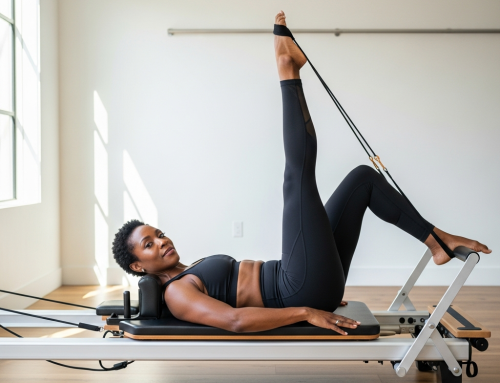
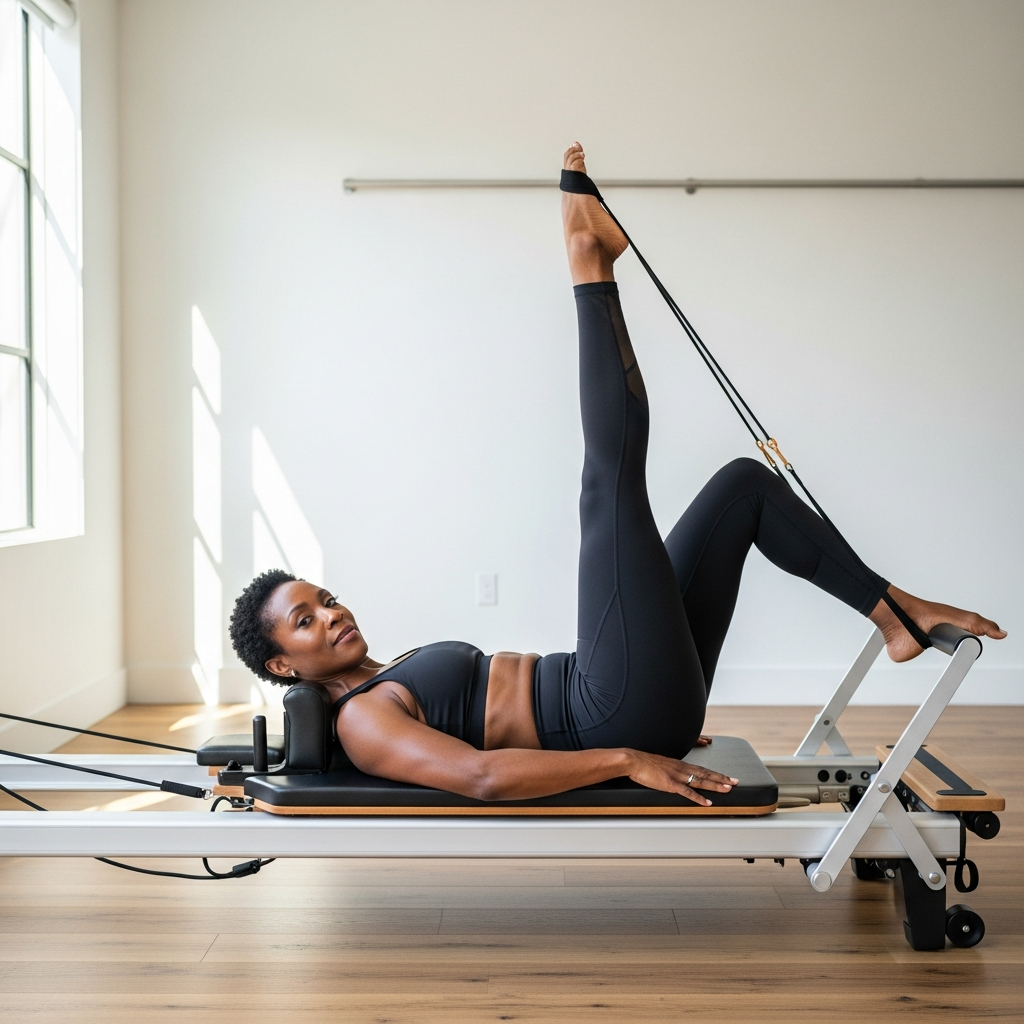
Walk into any Pilates studio and you might feel like you’ve entered some kind of medieval torture chamber. All those springs and pulleys and contraptions that look like they belong in a steampunk novel…
But here’s the thing – that equipment isn’t there to intimidate you. It’s actually there to help. Those springs? They can support your body weight while you’re learning a movement, or add resistance when you’re ready for more challenge. It’s like having a really smart workout buddy who never gets tired and always knows exactly how much help you need.
That said, you can absolutely do Pilates on just a mat. Some of the most challenging classes I’ve ever taken used nothing but body weight and gravity. Sometimes simple is harder – which is one of those counterintuitive things about Pilates that keeps surprising people.
The beauty is that whether you’re working on fancy equipment or a basic mat, the principles stay the same: control, precision, flowing movement, and that mental focus that makes everything click together.
What to Look for When You Walk Through the Door
You know that feeling when you step into a new place and immediately know whether it’s “your people”? Trust that instinct. A good Pilates studio should feel welcoming, not intimidating. The instructor should greet you – not with a fake smile, but genuine interest in understanding your goals and any physical limitations.
Here’s what I always tell my clients: watch how the instructor corrects other students. Are they hands-on in a helpful way, or do they just shout modifications from across the room? You want someone who’ll actually adjust your form (with permission, of course) rather than letting you struggle with improper alignment for weeks.
The Equipment Test – Don’t Get Fooled by Fancy Machines
Pleasant Grove has studios ranging from bare-bones mat classes to full Reformer setups. Here’s the thing… you don’t need the most expensive equipment to get incredible results. Some of my strongest clients started with nothing but a mat and good instruction.
But if you’re eyeing those Reformer classes (and honestly, they’re pretty amazing), check that the machines are well-maintained. Springs should feel smooth, not jerky. The carriages shouldn’t stick or make weird noises. And – this is crucial – there should be enough machines that you’re not waiting around or feeling rushed.
Mat classes? Look for studios that provide props like blocks, straps, and resistance bands. A good instructor will modify exercises for different fitness levels using these tools, not just expect everyone to keep up with the same routine.
Schedule Reality Check
Let’s be honest about your life for a minute. You might have grand plans to attend 5 AM classes, but if you’re not naturally an early bird, you’re setting yourself up to quit. Most Pleasant Grove residents I work with find their sweet spot in early evening classes (around 6 PM) or mid-morning sessions (think 9 or 10 AM).
Pro tip: many studios offer package deals, but don’t buy the biggest package right away. Start with a smaller commitment – maybe 5 classes – and see how it fits into your actual schedule, not your ideal schedule.
The Money Talk (Because Someone Has to Bring It Up)
Pilates can get pricey, especially private sessions. But here’s what most people don’t realize – many Pleasant Grove studios offer community classes or beginner specials that are significantly cheaper. Some even have sliding scale pricing if you ask.
Consider this: one private session might cost $80-100, but you could get 4-6 group classes for that same price. Group classes are perfect when you’re starting out anyway – you’ll learn just as much, and there’s something motivating about sweating alongside other people who are also figuring it out.
Building Your Support Network
This might sound cheesy, but the people in your classes can become genuine friends. I’ve seen it happen countless times – clients who started as strangers end up carpooling to class and checking in on each other’s progress.
Don’t be shy about introducing yourself to other regular attendees. That person who always nails the teaser exercise? They were probably wobbling through their first month just like you. Most people are happy to share tips or even meet for coffee after class.
Tracking Progress Without Obsessing
Forget the scale for a minute. Pilates changes your body in ways that numbers can’t capture. Pay attention to how you feel getting out of bed in the morning, whether your back aches less after long days, or if you’re standing taller without thinking about it.
Keep a simple note in your phone after each class – just a sentence or two about what felt challenging or what clicked. Looking back after a month, you’ll be amazed at your progress.
When to Switch Things Up
Maybe you started with mat classes but you’re craving more challenge. Or perhaps those advanced sessions are leaving you feeling defeated rather than energized. It’s okay to switch instructors, class styles, or even studios. Your needs will evolve, and your Pilates practice should evolve with you.
The best part about Pleasant Grove’s growing fitness scene? You’ve got options. Don’t feel locked into your first choice if it’s not serving you anymore. Sometimes finding the right fit takes a few tries – and that’s completely normal.
“I’m Too Out of Shape to Start”
Let’s be real – this fear hits almost everyone. You’re scrolling through Pilates videos, watching these impossibly flexible people flow through movements like they’re made of rubber, and you’re thinking… “Yeah, right. I can barely touch my toes.”
Here’s the thing though – and I promise this isn’t just feel-good fluff – everyone starts somewhere. That instructor who looks like a human pretzel? She probably couldn’t do a proper plank when she started either.
The solution isn’t waiting until you’re “ready” (spoiler alert: that day never comes). Instead, look specifically for beginner classes or private sessions. Many Pleasant Grove studios offer “Pilates Foundations” courses designed for people who feel intimidated. These classes move slower, explain more, and – this is key – everyone there is in the same boat.
Actually, that reminds me… if group classes still feel too exposed, consider starting with online sessions at home first. You can pause, rewind, and yes, even hide under a blanket during the hard parts. No judgment here.
The Schedule Shuffle Struggle
Oh, the eternal battle of wanting to exercise but life keeps… lifing. Between work, kids, that grocery run you’ve been putting off, and the fact that your car needs an oil change – when exactly are you supposed to fit in Pilates?
This is where being close to home becomes your secret weapon. Instead of thinking you need hour-long sessions three times a week (because honestly, who has time for that?), start smaller. Many local studios offer 30-minute express classes, lunch-hour sessions, or even 6 AM classes that get you moving before the day hijacks your plans.
And here’s something most people don’t consider – consistency beats duration every single time. Two 20-minute sessions per week that you actually show up for? Way better than planning for three hour-long classes that you’ll inevitably skip when life gets messy.
Some Pleasant Grove residents have found success with “micro-scheduling” – booking that Tuesday evening slot the same way they’d schedule a dentist appointment. Non-negotiable, already paid for, on the calendar.
The Intimidation Factor
Walking into a new fitness space can feel like showing up to a party where everyone knows each other and you’re… well, you. The regulars have their spots, they know the instructor’s name, they probably have matching workout gear that actually coordinates.
But here’s what I’ve learned from talking to dozens of people who’ve pushed through this feeling – most of that intimidation exists in our heads. That woman doing perfect roll-ups? She’s probably worried about her own form, not judging yours.
Still, if the group dynamic feels overwhelming, private or semi-private sessions can be a game-changer. Yes, they cost more upfront, but think about it – you get personalized attention, can ask all those “stupid” questions (they’re not stupid, by the way), and build confidence before joining group classes.
When Your Body Doesn’t Cooperate
Maybe you’ve got a cranky knee from that hiking phase you went through. Or your back reminds you daily that sitting at a desk for years wasn’t part of humanity’s original design. The frustrating part? You want to move and feel better, but your body seems to have other plans.
This is actually where Pilates shines, but only if you work with instructors who understand modifications. Don’t suffer in silence during class – speak up about what hurts or feels wrong. Good instructors will offer alternatives… and if they don’t? Find someone who will.
Many Pleasant Grove studios specifically cater to people dealing with physical limitations. Look for classes labeled “gentle,” “restorative,” or “adaptive.” These aren’t consolation prizes – they’re legitimate workouts designed for real bodies with real limitations.
The Motivation Rollercoaster
Some days you’re motivated and ready to conquer the world. Other days? The couch wins. This isn’t a character flaw – it’s human nature.
Instead of fighting this reality, work with it. Find a workout buddy who’ll guilt you into showing up (in the most loving way possible). Or choose studios with package deals that make skipping feel expensive. Sometimes a little financial pressure is exactly the push we need.
The secret sauce isn’t finding perfect motivation – it’s building systems that work even when motivation takes a vacation.
Setting Realistic Expectations (Because Nobody Likes Surprises)
Let’s be honest here – if you’re expecting to walk out of your first Pilates class feeling like a graceful swan, you might be setting yourself up for disappointment. Most people leave their first session thinking, “Wait, how is lying on my back this hard?” And that’s completely normal.
Your body’s going to need time to figure out what you’re asking it to do. Those tiny, controlled movements that look so simple? They’re actually recruiting muscles you forgot you had. Don’t be surprised if you feel sore in weird places – like between your shoulder blades or deep in your core. That’s just your body saying, “Oh, we’re doing this now?”
The timeline for seeing changes varies wildly from person to person. Some folks notice better posture within a few weeks (their friends start asking if they got taller). Others find their chronic back pain starts easing up after a month or two of consistent practice. But here’s the thing – those dramatic “after” photos you see on social media? Those usually represent months or even years of dedicated work, not a miracle transformation after three classes.
Most instructors will tell you that it takes about 10 sessions to start feeling different, 20 sessions to see a difference, and 30 sessions for others to notice. But honestly? Some days you’ll feel amazing after class, and other days you’ll wonder why you’re torturing yourself. That’s the nature of any fitness routine.
Your First Few Classes (The Learning Curve is Real)
Your instructor will likely start you with the basics – and by basics, I mean movements that look deceptively simple but require serious concentration. You’ll probably spend time just learning how to breathe properly while engaging your core. Sounds easy until you’re trying to coordinate your breath with movement while remembering to keep your shoulders down and your pelvis neutral… it’s like patting your head and rubbing your stomach, but for your entire body.
Don’t worry if you can’t do everything perfectly. Actually, scratch that – you definitely won’t do everything perfectly, and that’s exactly as it should be. Even people who’ve been practicing for years are still refining their form. The instructor worth their salt will give you modifications and help you find the version of each exercise that works for your body right now.
You might feel a bit lost in those first few sessions, especially if you jump into a group class. There’s usually a learning curve with the terminology (what the heck is “imprinting your spine”?), the equipment, and just understanding what you’re supposed to be feeling. That’s why many studios offer intro packages or beginner-focused classes.
Building Your Routine (Start Small, Think Long-term)
Here’s where a lot of people trip themselves up – they go all in for two weeks, then life gets busy and they disappear for a month. Sound familiar?
Starting with just one class per week is perfectly reasonable. Really. You’re building a habit, not training for the Olympics. Once that weekly class becomes as routine as your morning coffee, maybe you add a second session. Or maybe you supplement with some at-home practice using videos or apps.
The key is consistency over intensity. Someone who shows up once a week for six months will see better results than someone who goes four times a week for three weeks and then burns out. Your body adapts to regular, sustainable stress – not sporadic bursts of enthusiasm.
What Success Actually Looks Like
Success in Pilates isn’t always what you’d expect. Sure, you might lose some weight or tone up, but the real wins are often subtler. Like realizing you can carry groceries upstairs without your back aching. Or noticing you’re not slumping over your computer by 2 PM anymore.
Maybe you’ll discover you can touch your toes again, or that your golf swing has more power, or that you’re sleeping better because you’re less tense. These changes creep up on you – one day you just notice that something that used to bother you… doesn’t anymore.
Moving Forward (One Class at a Time)
Ready to take the next step? Start by visiting a few studios if possible. Most offer trial classes or intro packages. Ask questions, meet the instructors, and see where you feel comfortable. Trust your gut – if a place feels too intimidating or not challenging enough, keep looking.
Remember, this isn’t about finding the “perfect” studio or becoming the “perfect” student. It’s about finding something sustainable that makes your body feel better. And honestly? That’s worth way more than any Instagram-worthy pose.
You know what’s beautiful about having all these Pilates options right here in Pleasant Grove? You don’t have to choose just one path forward. Maybe you start with that beginner class at the community center, then eventually branch out to try a few private sessions when you’re ready for more personalized attention. Or perhaps you begin with online videos in your living room – there’s absolutely nothing wrong with testing the waters that way.
The thing is, movement is movement. And your body? It’s been waiting patiently for you to give it this gift.
I’ve seen so many people get caught up in finding the “perfect” studio or the “ideal” instructor before they even take that first step. But here’s what I’ve learned after years of helping people with their wellness goals – the best Pilates practice is simply the one you’ll actually do. Whether that’s rolling out a mat in your bedroom at 6 AM or joining a chatty group class where you’ve made new friends… it all counts.
And if weight loss is part of your bigger picture – which it might be, since you’re reading this – Pilates can be such a wonderful complement to your efforts. It’s not going to burn calories like a spin class (let’s be honest), but it builds that strong foundation that makes everything else feel easier. Those grocery bags? Lighter. That flight of stairs? Less daunting. The confidence that comes from feeling strong in your own skin? Priceless.
Sometimes people worry they’re “too out of shape” to start Pilates, but that’s exactly like saying you’re too dirty to take a shower. Every single instructor I’ve ever met – and I’ve met quite a few – has stories about students who started exactly where you are right now. That wobbly first plank, the confusion over which way your spine should curve, the burning in muscles you forgot you had… it’s all part of the process.
The Pleasant Grove community has really embraced this whole wellness movement, hasn’t it? Between the walking trails, the local gyms adding more classes, and now all these Pilates options… there’s something special happening here. You’re not just choosing an exercise routine – you’re becoming part of a community that values taking care of itself.
Maybe you’re reading this because your doctor suggested adding some strength training to your routine. Or perhaps you’re dealing with back pain that just won’t quit. Maybe you’re simply tired of feeling disconnected from your body and ready to change that. Whatever brought you here – it’s the right reason.
If you’re feeling overwhelmed by all these choices, or if weight loss is a significant part of your health goals, remember that you don’t have to figure this out alone. We understand that sustainable wellness isn’t just about finding the right exercise class – it’s about creating a whole lifestyle that actually works for your real life, with its real constraints and real challenges.
Why not reach out and chat with us about what you’re hoping to achieve? No pressure, no sales pitch – just a conversation about what might work best for you. Because the truth is, the perfect fitness routine is the one that fits seamlessly into the life you’re already living.
You’ve got this. And if you need a little help figuring out exactly what “this” looks like for you… well, that’s what we’re here for.