Fairmount Pilates Near Me: Tips for Finding the Best Fit
Picture this: you’re scrolling through Google at 11 PM in your pajamas, typing “Pilates near me” for the third time this week. Your lower back is screaming from another day hunched over your laptop, your jeans feel tighter than they did last month, and you’ve promised yourself (again) that *this* is the week you finally get your act together.
Sound familiar?
You’re not alone. We’ve all been there – that moment when you realize your body needs attention, but you have absolutely no idea where to start. Maybe your friend swears by Pilates, or your doctor mentioned it might help with that nagging back pain. Maybe you saw those impossibly graceful people walking out of the studio down the street and thought, “I want whatever they have.”
But here’s the thing that nobody talks about… finding the right Pilates studio isn’t just about location – though let’s be honest, if it’s more than fifteen minutes away, you’re probably not going to stick with it. It’s about finding a place where you feel comfortable being a complete beginner, where the instructor doesn’t make you feel like an uncoordinated giraffe, and where you can actually see yourself showing up consistently.
If you’re specifically looking in the Fairmount area, you’re actually in luck. This neighborhood has become something of a wellness hub – you’ve probably noticed the explosion of studios, boutique fitness spots, and health-focused cafes popping up everywhere. But that abundance? It can be overwhelming. Walk down any street and you’ll see signs for classical Pilates, contemporary Pilates, reformer classes, mat classes, and about a dozen other variations that make your head spin.
Here’s what I’ve learned after years of helping people navigate their fitness choices: the “best” studio isn’t necessarily the fanciest one with the most Instagram-worthy interior (though those Carrara marble countertops are pretty tempting…). It’s not always the one with the most famous instructor or the longest waiting list. Sometimes – and this might surprise you – it’s the smaller, unassuming place where the instructor remembers your name and asks about your cranky shoulder.
The truth is, Pilates can be transformative. I’ve seen people completely change their relationship with their bodies, find relief from chronic pain, and develop strength they never knew they had. But I’ve also seen plenty of people waste money and get discouraged because they chose a studio that wasn’t the right fit for their personality, fitness level, or schedule.
That’s where this gets personal for you. Because whether you’re dealing with post-pregnancy recovery, hoping to improve your golf game, managing stress, or just tired of feeling disconnected from your body – the studio you choose will make or break your experience. Pick the wrong one, and you might write off Pilates entirely. Pick the right one? Well, that could be the beginning of something pretty amazing.
Maybe you’re the type who thrives in small, intimate classes where you get lots of individual attention. Or perhaps you prefer the energy of a larger group and the motivation that comes from working out alongside others. You might need evening classes because mornings are chaos with kids, or maybe weekend sessions work better with your schedule. Some of you want to jump straight onto those intimidating-looking reformer machines, while others (probably the smarter ones) want to master the basics on a mat first.
Throughout this guide, we’re going to walk through exactly how to find a Pilates studio in Fairmount that fits *your* life – not some idealized version of who you think you should be. We’ll talk about what questions to ask, what red flags to watch for, and how to know when you’ve found “the one.” We’ll also dive into the different types of Pilates you’ll encounter, how to prepare for your first class, and yes – we’ll address the elephant in the room about pricing and packages.
Because here’s the thing – you deserve to find a place where you actually want to show up. A place that challenges you without intimidating you, supports your goals without judgment, and maybe even becomes one of those bright spots in your week.
Ready to stop scrolling and start moving?
What Makes Pilates… Well, Pilates?
You know how some people describe yoga and Pilates like they’re practically the same thing? Yeah, that drives me a little crazy. Don’t get me wrong – I love both – but Pilates has its own personality entirely.
Joseph Pilates (the man himself) originally called his method “Contrology,” which honestly sounds way less inviting than what we ended up with. But the name actually tells you everything: it’s all about controlled movement. Think of it like… cooking a perfect risotto. You can’t rush it, you can’t muscle through it, and every single stir matters.
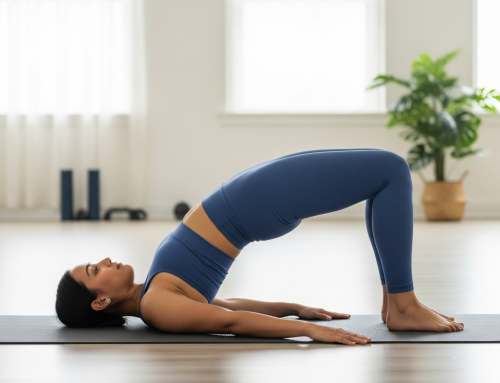
The whole system revolves around what Pilates folks call “the powerhouse” – basically your core, but expanded. We’re talking everything from your ribs down to your hip bones, front and back. It’s like the foundation of your house, except this foundation moves and breathes and sometimes rebels against you when you’ve had too much coffee.
The Equipment Situation (And Why It’s Not As Scary As It Looks)
Walk into most Pilates studios and you might think you’ve accidentally wandered into some sort of medieval torture chamber. All those springs and straps and contraptions that look like they belong in a steampunk novel…
The main piece of equipment you’ll encounter is the Reformer – which, despite its intimidating name and appearance, is actually designed to make movements easier and more supported. Think of it as training wheels for your muscles, except these training wheels can also make things wickedly challenging when you’re ready.
Then there’s the Cadillac (yes, really), the Chair, and various smaller props. Each piece serves a purpose, but here’s what I wish someone had told me early on: you don’t need to master them all. Actually, that reminds me of my friend Sarah, who spent her first Pilates class completely overwhelmed by all the equipment options. She later told me it was like being handed a toolbox and being expected to build a house on day one.
Mat Work vs. Equipment: The Great Debate
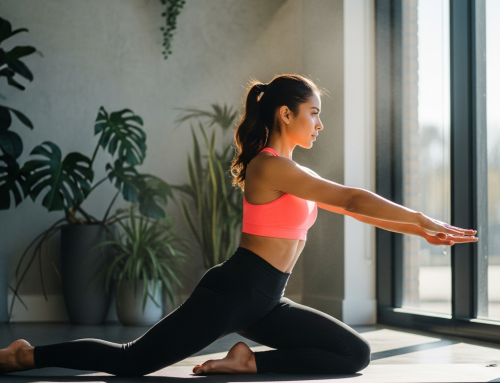
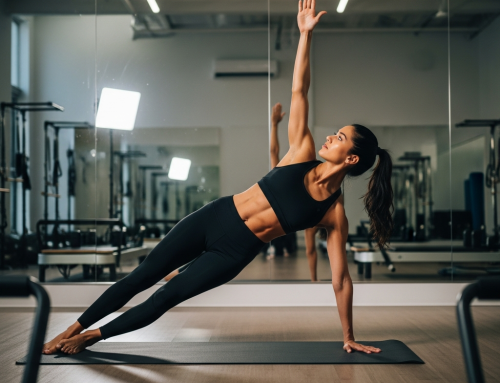
This is where things get interesting – and where I see a lot of confusion. Mat Pilates uses just your body weight and maybe a few props (balls, bands, magic circles). Equipment-based Pilates uses those spring-loaded machines we just talked about.
Neither is “better” than the other, but they definitely feel different. Mat work can actually be harder in some ways because you don’t have springs to assist or challenge you – it’s just you versus gravity. Equipment work offers more variety and can help you understand movements that might be too challenging on the mat initially.
I always tell people to think of it like learning to drive. Some people learn better in an automatic (equipment-assisted), others prefer to jump straight into manual transmission (mat work). Both will get you where you’re going.
The Mind-Body Connection Thing (Yeah, It’s Real)
Okay, I know this sounds a bit woo-woo, but stick with me here. Pilates really does require you to think about what you’re doing while you’re doing it. It’s not like running on a treadmill where you can zone out and watch Netflix.
Every movement in Pilates has multiple things happening simultaneously – you’re breathing in a specific pattern, engaging certain muscles while releasing others, maintaining alignment… it’s like trying to pat your head and rub your stomach while reciting the alphabet backwards. Challenging? Absolutely. Impossible? Not even close.
This is actually where the magic happens for a lot of people. Your brain starts talking to your body in ways it hasn’t in years (or maybe ever). You begin to notice how you stand, how you sit, how you move through your day.
What to Expect in Your Body
Here’s something that might surprise you: good Pilates often doesn’t leave you drenched in sweat or gasping for air. You might walk out thinking, “Wait, did I actually work out?” Then you wake up the next morning and discover muscles you forgot you had.
The strengthening happens from the inside out – those deep stabilizing muscles that usually get ignored while the bigger, showier muscles do all the work. It’s like finally tuning up the engine instead of just polishing the car.
And yes, you’ll probably shake. Everyone shakes. That tiny tremor in your leg during single-leg circles? That’s your muscles having a conversation about who’s actually supposed to be working here. Totally normal, and oddly satisfying once you embrace it.
The flexibility comes too, but it’s different from passive stretching. You’re strengthening through range of motion, which means you’re building stability in all those newly flexible places.
Ask About Class Sizes (This Matters More Than You Think)
Here’s something most people don’t consider when studio shopping – class size can make or break your Pilates experience. You’ll want to ask upfront how many people they pack into each session. I’ve seen studios cram 15 people into spaces meant for 8, and trust me… it’s not pretty.
The sweet spot? Look for studios that cap classes at 6-8 participants. Any smaller and you might feel like you’re on display (especially if you’re just starting out). Any larger and the instructor becomes more of a cheerleader than an actual teacher. You know what I mean – they’re just calling out moves without really *seeing* what you’re doing wrong.
Test the Waters with Their Trial Policies
Smart studios in Fairmount understand that Pilates isn’t like buying a coffee – you need to try before you commit. Look for places offering legitimate trial periods, not just a single “intro” class that barely scratches the surface.
The best studios will let you attend 2-3 classes within a week or two. Why? Because your first class might be terrible (new movements, different terminology, that instructor whose energy just doesn’t click with yours). Your second class? That’s when you start getting a real feel for the place.
Red flag: Studios pushing you to sign up for monthly packages after one class. Good studios are confident enough in their product to let you take your time deciding.
Pay Attention to Equipment Maintenance
Walk around before your first class starts. Really look at the reformers and other equipment. Are the springs rusty? Do the carriage wheels sound like they’re grinding metal? These aren’t just aesthetic issues – they’re safety concerns.
Well-maintained equipment moves smoothly and quietly. If you hear squeaking, grinding, or see frayed cables… that’s a studio cutting corners. And honestly, if they’re not investing in equipment upkeep, what else are they skimping on?
Also notice this: Do they clean equipment between clients? In our post-pandemic world, this isn’t just nice-to-have anymore.
Read Between the Lines of Online Reviews
Don’t just look at star ratings – dig into what people are actually saying. The most telling reviews aren’t the 5-stars (“Amazing! Life-changing!”) or the 1-stars (usually someone having a bad day). Look for the 3 and 4-star reviews where people share honest pros and cons.
Pay special attention to comments about
– How instructors handle beginners vs. advanced students – Whether the studio feels welcoming or cliquish – Scheduling flexibility and class availability – How they handle cancellations and makeup classes
Actually, that last point is huge. Life happens – you get sick, work runs late, your kid has a meltdown. Studios with rigid cancellation policies will drain your wallet fast.
Schedule Your Visit Strategically
Don’t just show up for any random class. If you’re planning to attend morning sessions regularly, visit during morning hours to see the vibe. Evening crowd? Check them out after work.
The energy, instructor style, and even the type of clients can vary dramatically between time slots. I’ve seen studios where morning classes feel like gentle therapy sessions while evening classes are more like athletic training camps. Neither is wrong – but one might be way more your speed.
Ask About Instructor Training and Continuing Education
This might feel awkward, but don’t be shy about asking what certifications their instructors hold. Pilates instruction requires serious training – we’re talking hundreds of hours, not weekend workshops.
Look for instructors certified through reputable programs like Romana’s Pilates, BASI, or Stott Pilates. Even better? Ask if their instructors pursue continuing education. The best instructors are constantly learning new approaches and refining their skills.
Here’s an insider tip: If an instructor gets defensive about their qualifications or gives vague answers… keep looking. Qualified instructors are typically proud to share their training background.
Trust Your Gut About the Community Feel
Sometimes the most important factor isn’t tangible. Do you feel comfortable asking questions? Does the front desk staff remember your name after a few visits? Do other clients seem genuinely friendly rather than just polite?
Pilates is challenging enough without feeling like you don’t belong. The right studio will feel less like a gym where you slip in and out anonymously, and more like a place where people notice if you’ve been away for a while.
Pay attention to how instructors interact with longtime clients versus newcomers. Are they equally attentive, or do the regulars get all the personal attention?
The best studios create an environment where everyone – from the super-flexible dancer to the person who can barely touch their toes – feels supported in their practice.
When Your Body Feels Like It’s Working Against You
Let’s be real – starting Pilates when you’re carrying extra weight can feel intimidating as hell. You walk into that pristine studio, mirrors everywhere, and suddenly you’re convinced everyone’s staring. They’re not, by the way… they’re too busy concentrating on not falling over during single-leg circles.
But that physical discomfort? That’s legitimate. Your joints might ache more than you’d like to admit. Getting down on the mat – and back up again – can be awkward. Some positions just don’t work with your current body shape, and that’s totally okay. The solution isn’t to avoid Pilates altogether.
Instead, look for instructors who offer modifications without making you feel like you need them. A good teacher will show you how to use props – blocks, straps, even the wall – to make movements accessible. They’ll also understand that your version of the hundred might look different from the person next to you, and that’s exactly as it should be.
The Schedule Juggling Act That Never Ends
Here’s what nobody tells you about finding the “perfect” Pilates class: it probably doesn’t exist at the perfect time. You’ve got work, kids, that dentist appointment you’ve been putting off for six months… and somehow you’re supposed to squeeze in an hour-long class?
The studios with the best morning classes might be impossible to reach during your lunch break. Evening classes sound great until you realize you’ll be crawling through rush hour traffic, arriving stressed and definitely not in a zen mindset.
Here’s what actually works – pick a time you can commit to 80% of the time, not 100%. Look for studios that offer makeup classes or let you switch between different class times. Some places in Fairmount are super flexible about this; others… not so much. Ask about their policy upfront, because nothing kills motivation faster than losing money on classes you couldn’t attend.
The Intimidation Factor (It’s Real, and It’s Spectacular)
Walking into a new Pilates studio can feel like entering a secret club where everyone speaks in reformer terminology and somehow makes planks look graceful. You might worry you’re not flexible enough, strong enough, or – let’s face it – thin enough to belong there.
The truth? Most people are way too focused on their own wobbles to judge yours. But that doesn’t make the feeling any less real when you’re experiencing it.
Scout out the studio beforehand if possible. Many places offer introductory sessions or will let you observe a class. Some instructors in Fairmount are particularly good at creating welcoming environments – they’ll introduce you to other students, explain equipment before class starts, and check in with you during movements.
Also, consider starting with a private session or small group class. Yes, it costs more upfront, but you’ll learn proper form and build confidence before jumping into a larger group setting.
When Your Budget and Your Goals Don’t Match
Good Pilates isn’t cheap – there’s no getting around that. Equipment maintenance, instructor training, prime Fairmount real estate… it all adds up. But expensive doesn’t automatically equal better, and there are ways to make it work without breaking the bank.
Some studios offer community classes at reduced rates. Others have package deals that bring down the per-class cost significantly. A few places near Fairmount partner with insurance companies or offer sliding scale pricing – you just have to ask.
Don’t overlook newer studios, either. They’re often eager to build their client base and might offer promotional rates for founding members.
The Consistency Trap (When Life Gets in the Way)
You start strong, attending classes twice a week like clockwork. Then your kid gets sick, work gets crazy, and suddenly it’s been three weeks since you’ve seen the inside of the studio. Now you’re convinced you’ve lost all your progress and feel like you’re starting over.
This is where having a realistic relationship with your Pilates practice matters more than perfection. Some studios near Fairmount offer online options that complement in-person classes. Others have short, 30-minute sessions that are easier to fit in when life gets hectic.
The key is finding a place that treats you like a person with a complex life, not just a client who should maintain perfect attendance. Because honestly? That’s just not how real life works.
What to Expect in Your First Few Classes
Let’s be honest – your first Pilates class probably won’t feel like those Instagram videos where everyone looks graceful and zen. You might spend half the time figuring out which way is “up” on the reformer, and that’s completely normal.
Most studios offer beginner-friendly classes, but “beginner-friendly” doesn’t mean easy. You’ll likely feel muscles you forgot you had, and your core might shake during exercises that look deceptively simple. Don’t worry… everyone’s been there. Even that person who seems to flow effortlessly through every movement? They were once trying to figure out how to breathe and move at the same time too.
Your instructor should spend time showing you proper form and offering modifications. If they’re rushing through without checking on newcomers, that’s a red flag. Good instructors know that building a solid foundation takes patience – yours and theirs.
The Reality Check: Timeline for Results
Here’s what I wish someone had told me when I started: you’re not going to see dramatic changes in two weeks, despite what some marketing materials might suggest.
Most people start feeling stronger and more aware of their posture within the first month. That “Pilates glow” everyone talks about? It’s real, but it comes from improved circulation and better alignment – not overnight transformation magic.
Physical changes – you know, the visible stuff – typically take 2-3 months of consistent practice. Joseph Pilates himself said you’d feel different in 10 sessions, see changes in 20, and have a completely new body in 30. That’s roughly 3-4 months if you’re going twice a week, which is what most instructors recommend for beginners.
But here’s the thing… the mental benefits often show up first. Better sleep, less stress, improved focus – these can happen within weeks. Sometimes that’s even more valuable than fitting into smaller jeans.
Building Your Practice Realistically
Starting with 1-2 classes per week is plenty. Your body needs time to process what it’s learning, and honestly, your brain does too. Pilates isn’t just physical exercise – it’s like learning a new language where your body is doing the talking.
Some people get addicted to that post-class feeling and want to go every day. Slow down there, eager beaver. Overuse injuries are real, and your muscles need recovery time to actually get stronger. Plus, if you’re new to this type of movement, going too hard too fast is a recipe for burnout.
Consider mixing in some home practice once you’ve got the basics down. Many Fairmount studios offer online classes or will recommend videos that complement their in-person instruction. Just… maybe don’t attempt advanced moves at home without proper supervision first. Trust me on this one.
Questions to Ask Before You Commit
When you’re touring studios, here are the questions that actually matter
“What happens if I need to miss classes?” Life happens – work trips, sick kids, your own health issues. Studios with flexible makeup policies or class credits that don’t expire quickly show they understand real life.
“How do you handle injuries or physical limitations?” A good instructor should ask about your health history and offer modifications without making you feel like you’re holding back the class.
“What’s your policy on trying different instructors?” Each teacher brings their own style and personality. You might love the studio but need to find your teaching match within it.
Moving Forward Without Overwhelm
Don’t feel pressured to buy the most expensive package right away. Most reputable studios offer trial packages or drop-in rates so you can test the waters. Yeah, the per-class cost might be higher, but it’s better than being stuck with a year-long commitment somewhere that doesn’t fit.
And about those Pilates accessories everyone seems to have – the fancy grip socks, designer water bottles, matching workout sets – none of that stuff makes you better at Pilates. Start with comfortable clothes you can move in and see what you actually need as you go.
The best Pilates practice is the one you’ll actually stick with. That might mean the studio that’s not quite as trendy but fits your schedule better, or the instructor who’s encouraging rather than intimidating. Listen to what your body – and your life – actually need, not what looks good on social media.
Your Pilates practice should feel challenging but sustainable, not like another source of stress in your already busy life.
You know what? Finding the right Pilates studio really is like dating – sometimes you have to kiss a few frogs before you find your prince. And that’s totally okay.
Trust Your Gut (It Usually Knows)
Here’s the thing I’ve learned after years of helping people navigate their wellness choices… your instincts are usually spot-on. If you walk into a studio and immediately feel welcomed – if the instructor remembers your name after the second class, if you find yourself actually looking forward to Monday morning sessions – that’s your body telling you something important.
Maybe the equipment isn’t the shiniest, or the schedule doesn’t perfectly align with your ideal workout times. But if you feel *seen* there, if you feel like you’re growing stronger (not just physically, but in confidence too), then you’ve found something special.
It’s Not About Perfection
I see so many people get paralyzed trying to find the “perfect” studio. The one with impeccable reviews, state-of-the-art reformers, and instructors with impressive certifications. And while those things matter… they’re not everything.
Sometimes the best fit is the cozy studio above the coffee shop where the instructor knows everyone’s back issues by heart. Or the community center class where half the participants are recovering from surgery and everyone cheers when someone nails a move they’ve been struggling with for weeks.
Your perfect studio is the one where you show up consistently – because you want to, not because you have to.
Remember Why You Started
Whether you’re dealing with chronic pain, recovering from an injury, managing weight, or just trying to feel stronger in your own skin… that original spark matters. The studio that honors your “why” – that gets excited about your small victories and doesn’t make you feel broken when you’re having an off day – that’s where the real transformation happens.
And honestly? Sometimes it takes trying a few places to remember what you’re really looking for. That’s not failure – that’s research.
You Don’t Have to Figure This Out Alone
Listen, I get it. The whole wellness world can feel overwhelming sometimes. Between researching studios, reading reviews, trying to decode class descriptions, and figuring out what your insurance covers… it’s a lot. Especially when you’re already dealing with health challenges or trying to make significant changes in your life.
That’s exactly why we’re here – not just to help with weight management, but to support you through all the interconnected pieces of getting healthier. We’ve worked with countless patients who were trying to add movement to their lives, and we know the local Fairmount area pretty well by now.
If you’re feeling stuck or overwhelmed about where to start with Pilates (or any movement, really), give us a call. We’re not going to try to sell you anything – we just genuinely want to help you find what works for your body, your schedule, and your goals. Sometimes having someone to bounce ideas off of makes all the difference.
Your future stronger self is cheering you on already. We’d love to help you get there.