8 Ways Pilates Improves Core Strength in Fort Worth
You’re standing in the checkout line at Central Market, arms loaded with groceries because you “definitely don’t need a cart for just a few things” – and somewhere between the produce section and register 7, your lower back starts sending you a very clear message. Not a gentle reminder. More like a strongly-worded letter from an angry landlord.
Sound familiar?
Or maybe it’s that moment when you lean over to pick something up off the floor and there’s this split-second hesitation – this tiny voice that says *are we sure about this?* Because somewhere along the way, without really noticing it happen, your core stopped being something you could count on.
Here’s the thing most people don’t realize: that’s not just a back problem. That’s a core problem. And they are absolutely, completely, 100% the same thing.
We talk about “core strength” like it’s this fitness buzzword – something chiseled gym people post about on Instagram while doing things that look medically inadvisable. But your core isn’t about aesthetics. It’s the actual foundation of every single thing your body does. Getting up from a chair. Carrying your kids. Sitting through a three-hour workday without your shoulders creeping toward your ears. Walking from the parking lot to the Dickies Arena without feeling it for two days afterward. That’s all core.
And here in Fort Worth, where life moves at a pretty solid pace and most of us spend more hours than we’d like to admit either sitting at desks or standing in ways our bodies weren’t designed for… well, the core tends to be the first thing that quietly falls apart.
Why Pilates Keeps Coming Up
You’ve probably heard people talk about Pilates. Maybe a coworker mentioned it, or your doctor suggested it, or you’ve driven past one of those sleek little studios and wondered what exactly goes on in there. Here’s what’s interesting – Pilates isn’t new. It’s been around since the 1920s, developed by a guy named Joseph Pilates who was, by all accounts, absolutely convinced that the center of the body held the key to everything else. He called it the “powerhouse.” Turns out he was onto something.
What makes Pilates genuinely different from, say, grinding through crunches at the gym or hoping yoga will somehow fix your back – is the *specificity* of it. Every movement is intentional. Every exercise is designed to recruit the deep stabilizing muscles that most workouts completely ignore. You know those muscles that are supposed to hold your spine in place? The ones that have been quietly checked out for years while your more obvious muscles tried to compensate? Yeah. Pilates goes after those.
And the results aren’t subtle, once they start showing up.
What You’re Actually Going to Learn Here
This article is going to walk you through eight specific ways Pilates builds core strength – real, functional core strength, not just “I can do more crunches now” strength. We’re talking about the kind that changes how you feel waking up in the morning. The kind that makes your physical therapist actually pleased with your progress for once.
We’ll get into how Pilates targets muscles that traditional exercise misses entirely, why that matters for people dealing with chronic back pain (which, if Fort Worth is anything like the rest of Texas, is… a lot of you), and how the benefits extend way beyond the mat and into your actual daily life.
There’s also something worth saying about *how* Pilates fits into a broader wellness picture – because if you’re working with a medical weight loss program or recovering from an injury or just trying to build healthier habits that actually stick, core strength isn’t a side project. It’s kind of the whole point.
So whether you’re already curious about trying a class, you’ve done a session or two and want to understand what’s actually happening in your body, or you’re a complete skeptic who needs some convincing before committing to anything – you’re in the right place.
Pull up a chair. Not too slouchy, though. We’re working on that.
Your Core Is Not Your Abs (Sorry to Break It To You)
Here’s the thing that trips up almost everyone when they first start thinking about core training – and honestly, it confused me for a long time too. When most people hear “core strength,” they immediately picture a six-pack. They think crunches, planks, maybe some bicycle kicks. But your core is actually a whole system of muscles wrapping around your midsection like a 3D corset. We’re talking your deep abdominals, sure, but also your pelvic floor, your diaphragm, the muscles running along your spine, even your hip flexors and glutes getting in on the action.
It’s less like a single muscle group and more like… a team. And some of those teammates have been completely checked out for years.
That’s where Pilates comes in.
Why Conventional Workouts Miss the Point
Think about a standard gym workout for a second. Most exercises are built around the muscles you can see – the ones close to the surface that respond to load and repetition. Bicep curls, bench press, leg press. These are your “prime movers,” the big flashy muscles doing the obvious work.
But underneath all that? There’s a whole layer of smaller, stabilizing muscles that most people basically never train. These deep stabilizers – your transverse abdominis being probably the most famous of the bunch – aren’t really built for lifting heavy things. They’re built for holding things together. For keeping your spine supported when you’re sitting at your desk, carrying groceries, picking up a toddler off the floor.
Most conventional exercise just… skips them. It’s like renovating the exterior of a house while ignoring that the foundation has cracks.
The Pilates Difference – It Starts From the Inside Out
Joseph Pilates (yes, a real person – a German-born physical trainer who developed his method in the early 20th century) called his approach “Contrology.” Which sounds a little dramatic, but the idea was actually pretty elegant: deliberate, controlled movement that connects your mind to your muscles. Not just going through the motions.
The foundational concept in Pilates is something practitioners call “centering.” Essentially, every movement – every single one – is initiated from that deep core we just talked about. Before your arms move, before your legs extend, your center engages first. It’s a fundamentally different way of thinking about movement than most of us have ever practiced.
And here’s the part that surprises a lot of people when they walk into their first class: it’s hard. Not hard like lifting heavy things is hard. Hard in this quiet, subtle way where you’re lying on a mat doing what looks like nothing and you’re shaking.
The Neuromuscular Piece (Bear With Me Here)
Okay, this is where it gets a little technical – but stick with me because it’s actually fascinating. Core strength isn’t just about how strong your muscles physically are. It’s about how well your nervous system communicates with those muscles.
Think of it like the difference between having a really powerful computer and actually knowing how to use the software. You might technically have the hardware. But if the connection isn’t there, the performance suffers.
Pilates is genuinely unique in how much it trains that connection. The slow, intentional pace forces your brain to actually find muscles it’s been ignoring. This is why Pilates practitioners talk so much about “activating” muscles – it sounds a little woo-woo at first, but there’s real neuroscience behind the idea that you have to learn how to recruit deep stabilizers before you can effectively strengthen them.
Why Fort Worth Bodies Specifically Need This
Look, if you spend your days sitting in a car, at a desk, or on a couch – which describes a solid chunk of the Fort Worth working population – your deep core muscles have probably been essentially napping for years. Tight hip flexors, weak glutes, an overworked lower back compensating for everything else. It’s an incredibly common pattern, and it’s exactly the pattern that Pilates systematically addresses.
The method was actually originally developed to help bedridden patients rebuild functional strength. Which explains why it works so well for people recovering from injuries, managing back pain, or just trying to feel less like their body is fighting against them every day.
It’s not a trendy workout. It’s a pretty old-school solution to a very modern problem.
Start Here: The Reformer vs. Mat Question
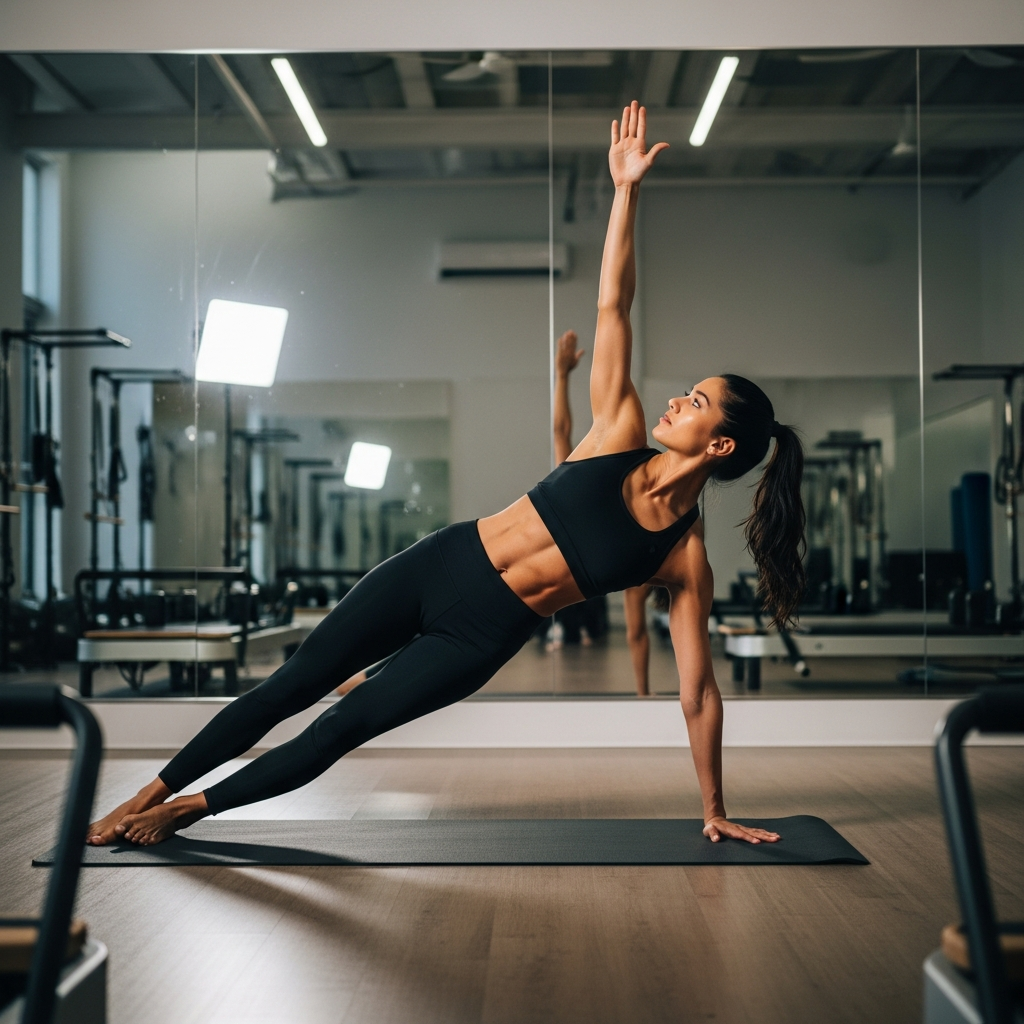
If you’re new to Pilates in Fort Worth, the first thing everyone asks is whether to start on the mat or the reformer. Here’s what most studios won’t tell you upfront – the reformer isn’t inherently “better,” but for core strength specifically, it gives you resistance feedback that a mat simply can’t replicate. The springs create tension that forces your deep stabilizers to actually *work* rather than just get dragged along for the ride. That said, if budget is a concern, a solid mat class three times a week will absolutely move the needle.
The Fort Worth area has a solid mix of options – from boutique reformer studios near the Cultural District to community center mat classes that cost a fraction of the price. Don’t dismiss those community options. Some of the most technically precise instructors work there.
The “Neutral Spine” Thing Is Not Optional
This is the piece that separates people who get results from people who plateau after two months. Neutral spine – that slight natural curve in your lower back, not pressed flat into the mat, not arching dramatically – is the foundation of every single Pilates exercise that actually builds core strength. When you lose it, you’re essentially outsourcing the work to your hip flexors and lower back muscles, which are already overworked in most people who sit at a desk all day.
Ask your instructor to check your neutral spine position in the first session. Literally ask them. A good instructor will spend real time here. If they rush past it, that’s information.
Three Exercises Worth Prioritizing
Look, there are dozens of Pilates exercises. But if core strength is your specific goal, these three do the heavy lifting
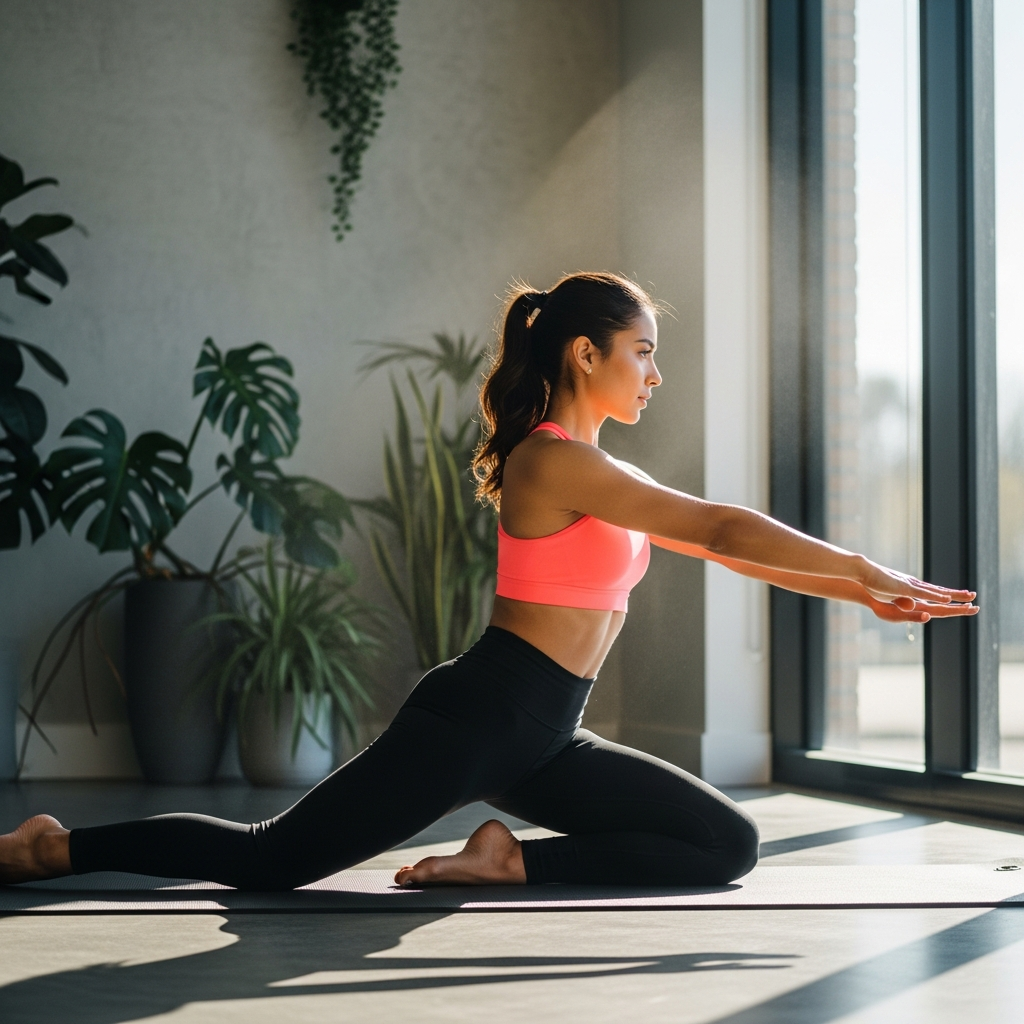
The Hundred – yes, it looks deceptively simple. A hundred pumping breaths while holding a tabletop or extended leg position. The breathing pattern – five counts inhaling, five exhaling – forces your transverse abdominis (the deepest core muscle, the one that acts like a natural weight belt) to engage and *stay* engaged. Don’t rush through it to get to “the fun stuff.”
Single Leg Stretch – this one exposes imbalances between your left and right sides faster than almost anything else. Notice if one hip keeps hiking up. That’s your body telling you something.
Plank to Pike on the Reformer – if your studio offers it, this combination creates eccentric core loading that you genuinely cannot replicate on the floor. It’s humbling in the best way.
How Often You Actually Need to Show Up
Three times a week is the sweet spot for building core strength noticeably within six to eight weeks. Twice a week will get you there, just more slowly. Once a week… you’ll maintain awareness but probably won’t see significant strength gains. The research and the anecdotal evidence from instructors pretty much agree here.
Here’s the thing though – one Pilates session plus two days of intentional walking and one day of strength training will outperform five days of Pilates alone for overall core function. Pilates is a magnificent complement. It doesn’t have to be everything.
What to Tell Your Instructor Before Class
Don’t just say “I have lower back pain” and leave it at that. Be specific. Tell them when it flares (morning? after sitting? during certain movements?), what makes it better, and what your posture looks like most of the day. A good Fort Worth instructor will modify your entire session based on that information – not just swap out one exercise.
Also mention if you’ve had any abdominal surgeries, diastasis recti, or hip issues. These aren’t dealbreakers for Pilates at all – actually, it’s often *especially* beneficial in those situations – but the instructor needs to know.
A Realistic Expectation Check
You’re probably going to feel your core muscles in ways that surprise you after the first two or three sessions. Not in a sharp, painful way – more like you discovered muscles that have been quietly on vacation for years. That deep fatigue in your midsection after a good session? That’s the transverse abdominis waking up.
Real, visible core strength – the functional kind that changes how you move, stand, and feel – typically takes six to twelve weeks of consistent work. Give it that time before you decide if it’s working. Most people who quit at week three are about two weeks away from actually feeling it.
When Your Body Just Won’t Do What Your Brain Is Telling It To
Here’s something nobody warns you about when you first walk into a Pilates studio: your core muscles might be so switched off that they literally don’t respond the way you expect. It’s called neuromuscular disconnection – fancy term, frustrating reality. You’re lying on the mat, instructor says “engage your transverse abdominis,” and you’re just… staring at the ceiling hoping something fires.
This is actually really common, especially if you’ve spent years sitting at a desk in Fort Worth’s office parks or behind a steering wheel on I-35. The fix isn’t to try harder – it’s to go smaller. Ask your instructor to cue you through breath-based activation instead. Breathing out forcefully while drawing your navel toward your spine? That sneaky little technique actually recruits the deep core before you even realize it’s happening.
The “I’m Not Feeling Anything” Problem
So you’ve done three classes and your abs aren’t burning. You’re wondering if Pilates is even working. This trips up a lot of beginners, and honestly? It makes sense. We’ve been conditioned by gym culture to equate effort with pain – if you’re not gasping, it doesn’t count.
Pilates works differently. The deep stabilizing muscles it targets don’t scream at you the way a crunch-fest would. They whisper. You might not feel the work during class, but then you bend down to pick up your keys the next morning and notice something feels… different. More supported. That’s the work.
If you genuinely want more feedback, try placing one hand lightly on your lower abdomen during exercises. Even the faintest tension under your palm tells you the right muscles are working. It sounds small, but that tactile connection is surprisingly powerful.
Consistency Is Harder Than the Exercises Themselves
Let’s be real about this one. Fort Worth life is busy – youth sports schedules, long commutes from Keller or Mansfield, work demands that bleed into evenings. Missing a week becomes two weeks becomes a month. And Pilates, unlike some workouts, really does need regularity to build cumulative strength.
The solution isn’t some motivational speech about discipline. It’s structure. Two things actually help people stick with it here: scheduling classes the same way you’d schedule a doctor’s appointment (non-negotiable, already in the calendar), and finding a studio where you actually know the instructor’s name. Accountability to a person, not just a concept, changes everything.
Even once a week consistently beats three times a week for a month followed by nothing.
Flexibility Limitations That Make You Feel Behind
Maybe everyone else in class seems to fold in half while you’re barely reaching your shins. Tight hamstrings, hip flexors that haven’t been stretched since high school, limited spinal mobility – these are incredibly common, especially if you’re coming to Pilates later in life or after years of more explosive exercise.
Here’s the honest truth: some movements will be modified for you, and that’s not a consolation prize. A modified exercise that you feel in the right place is worth ten “correct” exercises where you’re just compensating through your neck and shoulders. Tell your instructor about your limitations upfront. Good Pilates instructors – and Fort Worth has some excellent ones – will build a progression around where you actually are, not where you think you should be.
The Mental Frustration of Slow Progress
This might be the trickiest challenge because it’s invisible. Pilates core strength builds from the inside out, which means weeks can pass before you see external changes. Meanwhile, you’re showing up, doing the work, and wondering if anything is actually happening.
Actually, that reminds me of something a lot of clients describe – they’ll discount three weeks of subtle improvements and then suddenly realize they stood at a work event for two hours without their lower back aching. Or they lifted something heavy and didn’t brace awkwardly. The core work had been accumulating the whole time, quietly doing its job.
Track non-scale victories. Not just how you look, but how you move, how long you can sit without shifting, whether that nagging hip tension has quieted down. Those markers are often where the real story of your progress lives – and they’ll keep you going long past the point where novelty alone would have worn off.
What to Realistically Expect (And When)
Let’s be honest with each other for a second – because you deserve real information, not the kind of breathless promises you see plastered on gym windows. Pilates works. It genuinely, meaningfully works for core strength. But it’s not magic, and it doesn’t work overnight.
Most people doing consistent Pilates – we’re talking two to three sessions per week – start noticing something different around the three to four week mark. Not a dramatic transformation. More like… you stood up from your desk and realized your lower back didn’t ache the way it usually does. Or you caught a glimpse of yourself in a storefront window and your posture looked different. Subtle stuff. Real stuff.
The bigger changes – actual measurable core strength, improved stability, the kind of difference you can feel during other workouts or daily activities – those typically show up somewhere between six to twelve weeks. That’s a pretty normal window, and where you fall in it depends on your starting point, how consistently you come, and honestly, whether you’re also taking care of yourself outside the studio.
The First Few Sessions Will Feel Weird
Fair warning: Pilates is humbling at first. You might walk in expecting it to feel “easy” compared to other workouts, and then find yourself completely stumped by a move that a 65-year-old woman next to you is executing perfectly. That’s normal. More than normal – it’s almost universal.
The movements are precise. They ask your brain and your muscles to communicate in ways they probably haven’t before. You’re not just pushing through reps; you’re relearning how to use your body. That takes a minute. Give yourself grace during those first two or three classes – you’re essentially learning a new language.
Some muscle soreness? Expected. The deep stabilizing muscles that Pilates targets – your transverse abdominis, your pelvic floor, the small muscles along your spine – these are muscles that most exercise completely ignores. They’re going to speak up when you first wake them up.
Consistency Matters More Than Intensity
This is probably the most important thing to understand about Pilates: showing up regularly beats going hard occasionally. Two solid, focused sessions a week will do more for your core than five intense sessions crammed into one week followed by three weeks of nothing.
Fort Worth’s weather – especially those brutal summer months – has a way of throwing workout routines off track. Life gets busy. That’s just real. But if you can commit to even twice a week, you’ll be building on each session in a way that actually compounds over time. It’s less like sprinting and more like… depositing into a savings account. Small, consistent contributions that add up to something significant.
When to Talk to Your Instructor
Actually, this is something people don’t do enough – and it matters. Your Pilates instructor isn’t just there to call out the moves. A good instructor wants to know what’s going on with your body. If you’ve got a history of back pain, a weak hip from an old injury, or if you’re working with us at the clinic to manage your weight while building strength, tell them. All of it.
Modifications exist for a reason. The goal is progress, not perfection – and definitely not pushing through pain that shouldn’t be there.
Your Next Steps in Fort Worth
If you’ve been on the fence about starting, here’s what we’d suggest: look for a beginner-focused class or an intro session rather than dropping into an intermediate class cold. Many studios here in Fort Worth offer introductory packages specifically so you can get a feel for the method without committing to a full schedule right away.
Come in with a specific goal in mind – even something as simple as “I want to stop having lower back pain” or “I want to feel stronger in my everyday life.” Goals like that give you a measuring stick. They help you notice the progress that’s actually happening, even when it feels slow.
Because here’s the thing – the people who stick with Pilates long enough to really feel the difference? They almost always say the same thing. They wish they’d started sooner.
That could easily be you, a few months from now, noticing that something just feels better. Stronger. More stable. And wondering why you waited so long to begin.
There’s something quietly powerful about what happens when you start treating your core as the foundation it actually is – not just something to “tone up” before swimsuit season, but the central support system that makes everything else in your life easier. Whether you’re chasing after grandkids in a Fort Worth backyard, sitting through long hours at a desk, or just trying to get through a day without that nagging lower back ache… strengthening from the inside out changes things in ways you don’t fully expect until they’re happening to you.
And that’s really what makes this approach so different from grinding through a thousand crunches and hoping for the best.
The eight benefits we’ve walked through aren’t isolated little perks – they work together. Better breath control supports your posture. Improved posture takes pressure off your joints. Stronger stabilizing muscles protect your spine. It’s all connected, which is honestly the whole philosophy behind this kind of mindful, intentional movement. Your body isn’t a collection of parts. It’s a system. And when you give that system the right kind of attention, the ripple effects are genuinely surprising.
You Don’t Have to Figure This Out Alone
Here’s the thing though – reading about core strength and actually building it are two very different experiences. A lot of people understand *what* they should be doing but feel stuck on the *how*, especially if they’re managing extra weight, recovering from an injury, or just haven’t exercised in a while. (And honestly? That’s most of us at some point.)
That’s where having real, knowledgeable support in your corner makes all the difference. Not someone handing you a generic workout plan, but someone who actually looks at *your* body, *your* history, and *your* goals – and helps you build something sustainable.
Fort Worth Has Real Resources For You
If you’ve been reading this and quietly thinking, “I want this, but I don’t know where to start…” – that thought is worth listening to. Medical weight loss programs that incorporate movement strategies like core strengthening aren’t just about a number on a scale. They’re about helping you feel capable in your own body again. Strong. Supported. Like yourself.
And you deserve that – not someday, not after you’ve already figured everything out on your own, but now.
If you’re curious about how a medically guided approach could work alongside something like Pilates-based core training, we’d genuinely love to talk with you. No pressure, no judgment – just a real conversation about where you are and what might actually help. Our team in Fort Worth understands that this stuff is personal. We’ve seen firsthand how much changes for people when they stop white-knuckling it alone and start getting support that actually fits their life.
Reach out whenever you’re ready. It might just be the conversation that shifts everything.
Because here’s the quiet truth at the heart of all of this – your core isn’t just about your abs. It’s about feeling grounded, stable, and strong enough to live the life you actually want. And that? That’s always worth working toward.