Unraveling the Pilates Phenomenon: Everything You Should Know
Hook: Are you curious about Pilates and how it can reshape your body, mind, and overall health? If so, you’re on the right track. This comprehensive guide will illuminate all you need to know about this revolutionary workout regime.
Context: Pilates, initially known as “Contrology,” was developed by Joseph Pilates during the early 20th century. It’s a physical fitness system designed to improve balance, flexibility, strength, and mind-body connection. Over the years, Pilates has gained significant popularity for its myriad of health benefits and has become a go-to fitness regime for people of all ages and fitness levels worldwide.
The world of Pilates can be a little overwhelming for beginners – with its unique apparatus, distinct terminology, and various class types. But fear not! Whether you’re looking to boost your overall health, recover from an injury, or enhance your sports performance, understanding Pilates can be the first step towards achieving your fitness goals.
In this comprehensive guide, we’ll delve into everything Pilates, from its humble beginnings to its modern-day practice. We’ll explore mat Pilates, Pilates classes, and why this full-body workout routine could be just what you need to level up your fitness game.
What We’ll Cover: We’ll begin by providing an in-depth look into what Pilates really is and how it differs from other forms of exercise. We’ll then dive into the heart of mat Pilates – a popular variation that uses a mat instead of the traditional Pilates apparatus. We’ll discuss its benefits, what to expect in a class, and how it can be modified to suit beginners and seasoned practitioners alike.
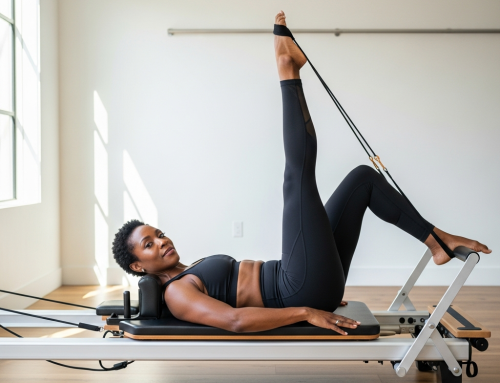
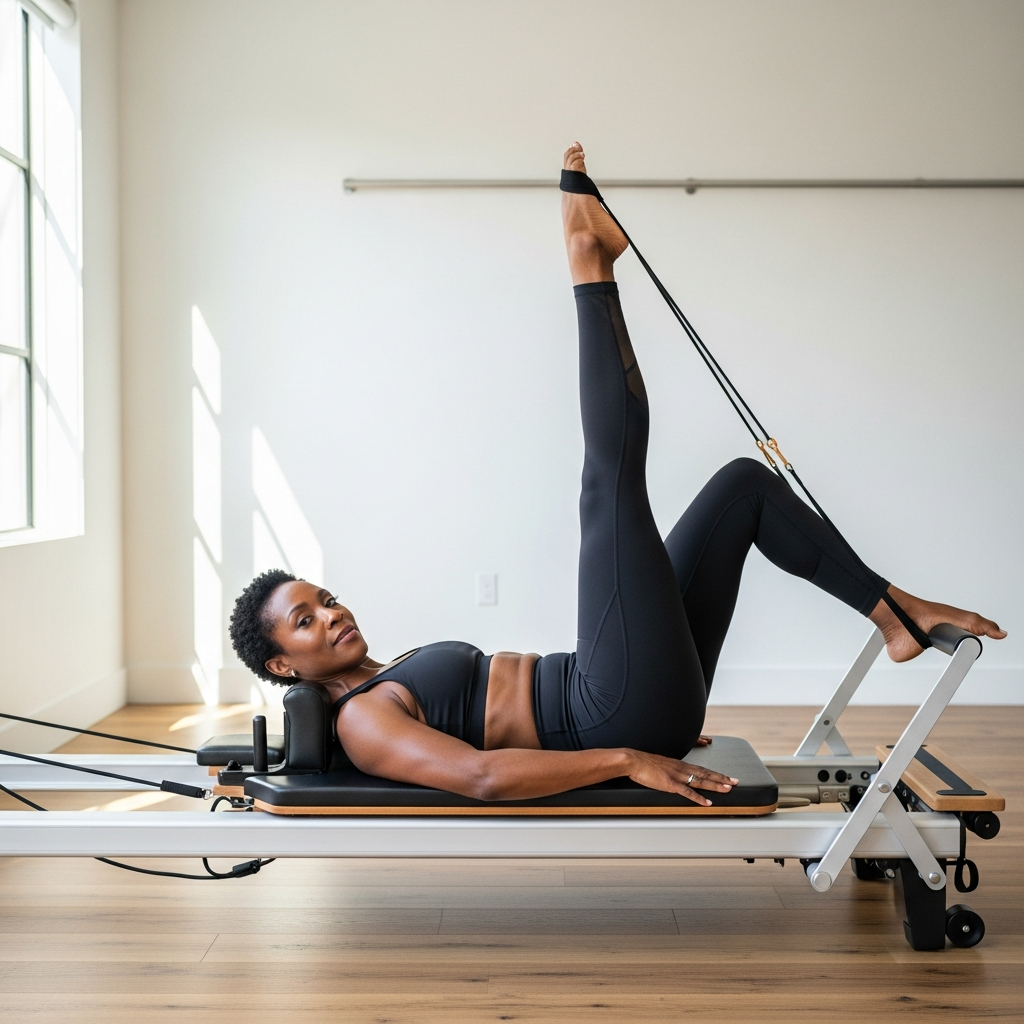
Next, we’ll take a tour through the various types of Pilates classes available, from Reformer classes that utilize a special machine to improve strength and flexibility, to Pilates Barre classes that combine ballet-inspired moves with Pilates for a high-energy workout. We’ll help you navigate the myriad of options to find the class that best suits your needs and fitness goals.
Finally, we’ll delve into the numerous benefits of Pilates. From enhancing core strength and improving posture to reducing stress and boosting mental health, the advantages of this workout regime extend far beyond the mat.
Why This Matters to Readers: In the fast-paced world we live in, maintaining physical and mental wellness can often take a backseat. However, neglecting our health can lead to various problems down the line. This is where Pilates comes in. It’s not just an exercise routine; it’s a holistic approach to health that can transform your body and mind.
Whether you’re a busy professional looking for a stress-reducing workout, an athlete seeking to enhance your performance, or someone recovering from an injury, Pilates might be the answer. By understanding all there is to know about Pilates, you can make an informed decision about whether this workout regime is right for you.
Arm yourself with knowledge and step onto the mat with confidence. Dive into this comprehensive guide and unlock the power of Pilates today!
Fundamentals and Framework: A Comprehensive Guide to Pilates
Pilates, a comprehensive system of body conditioning and functional movement, is a fitness regime that has been in vogue for over a century. Designed to improve physical and mental health, Pilates offers a unique blend of strength and flexibility training that can be tailored to individual needs.
The roots of Pilates date back to the early 20th century, created by physical trainer Joseph Pilates. Joseph was a sickly child suffering from asthma, rickets, and rheumatic fever. He developed the Pilates method, originally called ‘Contrology’, to strengthen his body and improve his health. Pilates incorporates elements from various exercise forms like yoga, boxing, and gymnastics. The underlying philosophy is based on the concept of muscle control, complete coordination of body, mind, and spirit, and the importance of moving with efficiency and grace.
Pilates focuses on the core, specifically the ‘Powerhouse’ which includes the muscles of the abdomen, lower back, hips, and buttocks. This focus on core stability makes it an excellent tool for improving posture, balance, and overall strength. It’s not just about the body; Pilates also emphasizes the connection between mind and body, promoting concentration, control, and precision in each movement.
The Pilates method consists of over 500 exercises performed on a mat or specialized equipment like the Reformer, Cadillac, and Wunda Chair. The six guiding principles of Pilates – Centering, Control, Flow, Breath, Precision, and Concentration – provide the framework for each exercise.
Centering refers to the concept of physically bringing the focus to the center of the body (the Powerhouse) and is the focal point of all Pilates exercises. Control, or ‘Contrology’ as Joseph Pilates referred to it, means using your mind to control your muscles. It’s about working your body in a systematic way, controlling both the movement and the resistance.
Flow pertains to the smooth and graceful way that the exercises are intended to be performed, creating an efficient movement pattern. Breath is key to the Pilates method. Joseph Pilates recommended breathing in through the nose and out through the mouth, using the breath to enhance the quality of movement and engage the core muscles.
Precision is paramount in Pilates – every movement has a purpose and must be done with utmost accuracy. Lastly, Concentration is about being wholly focused on each movement, ensuring that it’s performed in the most efficient way possible.
Pilates can be modified to suit individual needs, making it suitable for everyone from athletes to seniors, and even those recovering from injury or illness. It’s a low-impact but challenging workout that enhances muscle tone, flexibility, body awareness, and promotes efficient movement in daily life.
One of the most significant benefits of Pilates is its ability to rehabilitate the body. Joseph Pilates himself worked with injured soldiers during World War I, using spring resistance to help them regain their strength and mobility. Today, many physiotherapists use Pilates as part of their rehabilitation programs.
Moreover, Pilates is not just a physical exercise regime; it’s a way of life. It encourages mindfulness, teaching practitioners to be aware of their bodies, how they move, and how they can improve their health and wellbeing.
In conclusion, Pilates is a versatile and holistic approach to fitness. Whether you’re looking to enhance athletic performance, recover from an injury, or simply improve your overall health and wellbeing, understanding its fundamentals and framework can help you reap maximum benefits from this method. Remember, as Joseph Pilates said: “In 10 sessions you will feel the difference, in 20 you will see the difference, and in 30 you’ll have a whole new body”.
Your Essential Guide to Pilates: What You Should Know
Pilates is a low-impact exercise regime that aims to strengthen muscles while improving postural alignment and flexibility. Developed by physical trainer Joseph Pilates in the 1920s, it’s a series of controlled movements that primarily engage your core, though it can work other areas of your body as well.
**Understanding Pilates**
Pilates is not just an exercise; it’s a series of movements that will challenge your strength, flexibility, and endurance. It can be tailored to fit the needs of all kinds of people–from athletes looking to enhance their performance to beginners seeking to improve their fitness or recover from injuries.
Unlike some forms of exercise, Pilates does not require you to repeat numerous reps or use heavy weights. Instead, the focus is on proper form and technique. You might perform only 10 to 15 repetitions of each exercise, but each one will be executed with precision and control.
**Mat Pilates vs. Reformer Pilates**
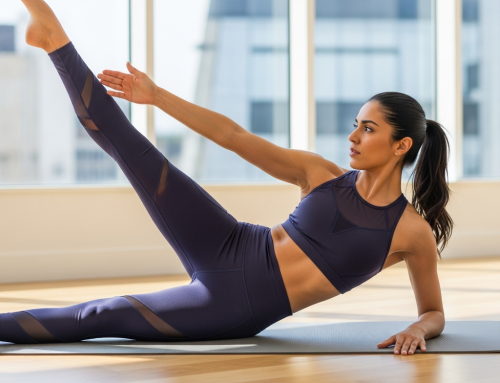
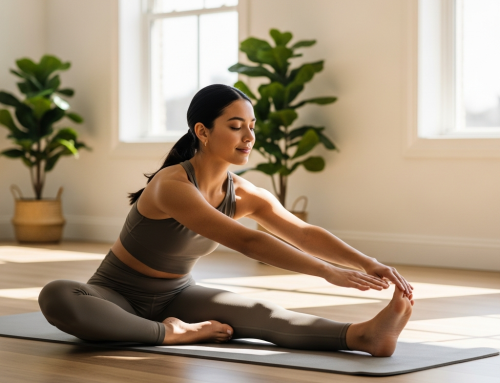
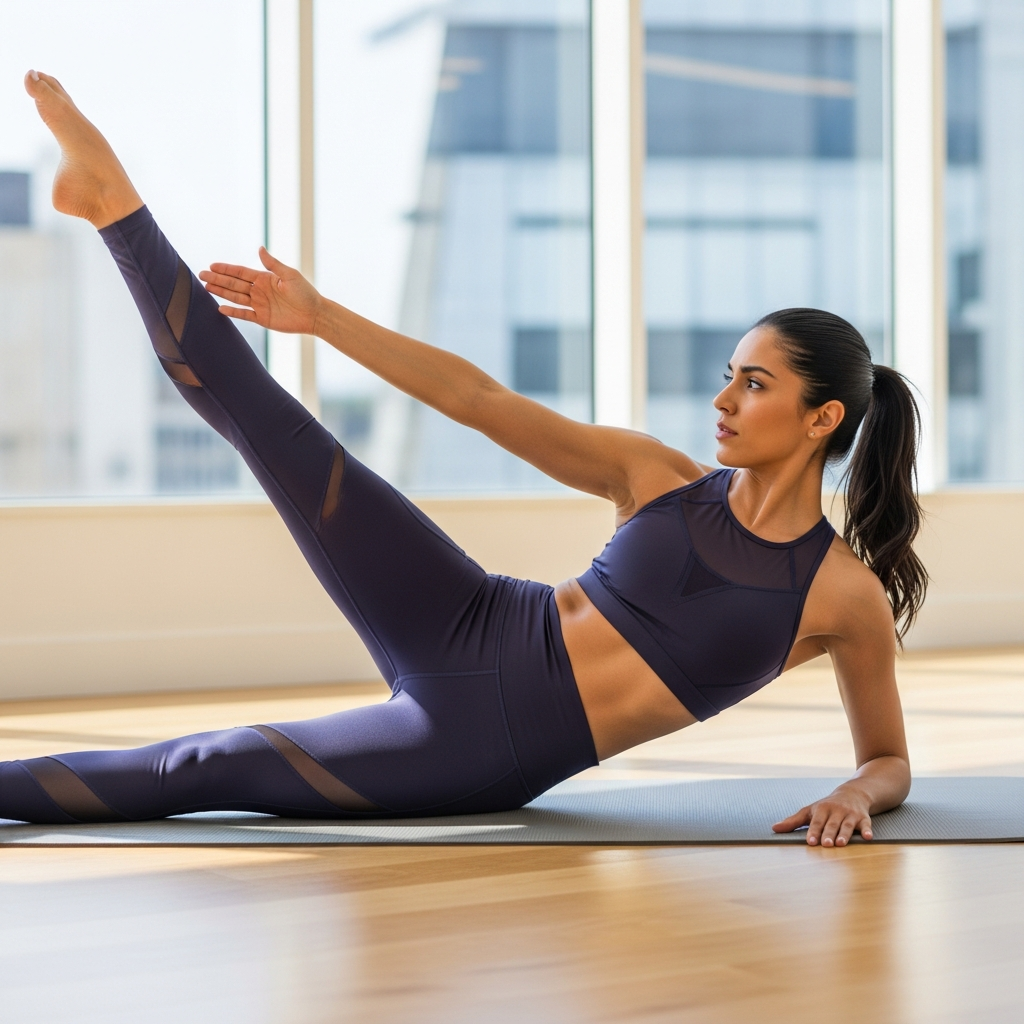
In Pilates, you’ll hear about mat and reformer classes. Mat Pilates is performed on the floor using a yoga or pilates mat. It is the most common form of pilates where gravity and your own body weight are used to provide resistance. On the other hand, reformer Pilates is done using a special piece of equipment that provides resistance with a series of springs and ropes. Reformer classes are usually more intense than mat classes.
**Preparing for a Pilates Class**
Before attending your first pilates class, wear comfortable workout attire. Avoid loose clothing as it can get caught in the equipment. Remember, Pilates is usually done barefoot or in socks.
Many Pilates exercises involve holding your body in specific positions while controlling your breathing. So, it would be helpful to have basic knowledge about human anatomy and understanding how different parts of your body work. This will help you get the most out of your workouts and avoid injuries.
**Getting Started with Pilates**
1. **Find a Class or Instructor**: Look for certified Pilates instructors or studios in your area. If you’re a beginner, start with basic classes then gradually advance to intermediate or advanced levels.
2. **Set Your Goals**: Determine what you want to achieve with Pilates. Are you looking to improve your overall fitness, strengthen your core, improve flexibility, or rehabilitate an injury? Having clear goals will help tailor your workouts and track your progress.
3. **Familiarize with Basic Moves**: Before diving into a full session, familiarize yourself with basic Pilates exercises like the Pilates Hundred, Roll-Up, and Single-Leg Stretch.
4. **Join a Mat Class**: A mat class is a great place to start for beginners. You’ll learn the fundamentals of Pilates including how to control your muscles, proper breathing, alignment, concentration, and fluidity of movement.
**Maximizing the Benefits of Pilates**
To get the most out of your Pilates workouts, be consistent. Aim for at least two sessions per week. Remember, Pilates is not just about physical fitness; it’s also about mental toughness.
In addition, incorporate Pilates into a balanced exercise routine that includes cardio activities for heart health. Also, consider complementing your Pilates workouts with strength training exercises to build stronger muscles and bones.
**Conclusion**
Pilates offers many benefits such as improved posture, muscle tone, balance, joint mobility, and stress relief. Whether you’re an athlete or just starting on your fitness journey, it is a versatile workout that can be modified according to your individual needs and fitness level. With regular practice, you’ll soon notice changes in your body, posture, and overall well-being. Remember, the key is to maintain proper form and control during each exercise – the quality of movement is more important than the quantity of reps or resistance. So, find a class or instructor that you like, set your goals, and get started on your Pilates journey today!
Unraveling the World of Pilates: Challenges, Solutions, and Expert Tips
Introduction
Pilates is a form of exercise that encompasses strength, balance, flexibility, and mind-body connection. With its roots dating back to the early 20th century, Pilates was developed by Joseph Pilates, a physical-culturist from Germany. Today, Pilates has become a popular fitness regime worldwide, but as is true with any discipline, it has its challenges, misconceptions, and best practices. This comprehensive guide will delve into everything you need to know about Pilates.
Common Challenges
1. Complexity: Many beginners find Pilates complex due to its emphasis on precision and control. The exercises require a high level of body awareness and mind-body connection, which can be challenging for newcomers.
2. Physical Demands: Pilates can be physically demanding, especially in the initial stages. It requires strength, flexibility, and endurance, and it might be difficult for those who are not used to regular exercise or have certain health conditions.
3. Patience: Results from Pilates don’t show overnight. It demands patience and persistence, which can sometimes frustrate individuals looking for quick-fix solutions.
Misconceptions
1. Pilates is only for Women: This is a widespread misconception. Pilates is beneficial for everyone, regardless of gender. It was, in fact, developed by a man and initially practiced by men.
2. Pilates is easy: Many people mistake Pilates for a simple stretching routine. However, it is a comprehensive workout that involves the entire body and mind.
3. Pilates is similar to Yoga: While both have similarities in promoting flexibility and mind-body connection, Pilates focuses more on core strength, spinal alignment, and precise movements.
Solutions & Expert Tips
1. Start with Fundamentals: If you find Pilates complex, begin with basic classes that focus on the principles of Pilates – centering, concentration, control, precision, breath, and flow. It’s also essential to understand that Pilates is about quality over quantity.
2. Modify Exercises: If you find the physical demands challenging, start with modified versions of the exercises. Most Pilates exercises have modifications that make them accessible to beginners or those with physical limitations.
3. Patience is Key: Remember that Pilates is a journey, not a destination. Consistency is more important than intensity. Results will come with time and regular practice.
4. Choose the Right Program: Whether it’s mat Pilates or equipment-based Pilates, choose what suits your fitness level, goals, and preferences. Mat Pilates is a great starting point for beginners as it uses your body weight for resistance and focuses on core strength.
5. Find a Qualified Instructor: A good instructor can make a huge difference. Look for instructors with comprehensive training and certification from reputable organizations.
6. Listen to Your Body: Every body is different. What works for one person may not work for another. Listen to your body and modify movements as needed.
Best Practices
1. Maintain Proper Form: In Pilates, form is everything. Always ensure your body is aligned correctly during exercises to prevent injuries and maximize benefits.
2. Use Your Breath: Breathing is an integral part of Pilates. It helps activate your muscles and keeps you focused. Inhale to prepare for a movement and exhale as you execute it.
3. Warm Up: As with any exercise routine, warm up before starting your Pilates workout to prepare your body for the movements.
4. Stay Hydrated: Drink plenty of water before and after your workout to stay hydrated.
5. Regular Practice: Aim for at least two to three Pilates sessions per week for the best results.
In conclusion, Pilates is a challenging yet rewarding fitness discipline that offers a myriad of physical and mental benefits. Understanding the common challenges, misconceptions, and best practices can help enhance your Pilates experience and journey. It’s all about consistency, patience, and listening to your body. As Joseph Pilates said, “In 10 sessions, you’ll feel the difference, in 20, you’ll see the difference, and in 30, you’ll have a whole new body.”
What Should I Know About Pilates?
Introduction
Pilates, a physical fitness system developed in the early 20th century by Joseph Pilates, has gained massive popularity worldwide. This exercise regimen emphasizes the balanced development of the body through strength, flexibility, and awareness to support graceful, efficient movement. If you are considering taking up Pilates, here is what to expect, potential timelines, and next steps.
Understanding Pilates
Pilates works on the principle of controlling the mind to control the muscles. It focuses on core strength, body balance, and overall muscle strength while improving coordination and reducing stress. The exercises are typically performed on a mat or using special equipment like the Reformer, Cadillac, and Wunda Chair.
Expectations
When you first start Pilates, expect to feel some new sensations. As Pilates targets core strength, you may feel muscles you didn’t know you had working during your workout. You may also experience an increased awareness of your posture, both during class and in your daily life.
You should also anticipate learning a whole new vocabulary. Pilates exercises have unique names like “The Hundred,” “The Roll-Up,” or “Scissors,” which may sound strange initially but become familiar over time.
Timelines
The timeline for seeing results from Pilates varies from person to person and depends on various factors like the individual’s commitment level, frequency of practice, and diet. However, as a general rule of thumb, you can expect to see improvements in your posture, muscle tone, balance, and flexibility after about 12-14 weeks of practicing Pilates 2-3 times per week.
Next Steps
If you’re ready to embark on your Pilates journey, here are some practical steps to get started.
1. Mat Pilates vs. Equipment-Based Pilates: Before you start, decide whether you want to do mat-based Pilates or equipment-based Pilates. Mat Pilates is a great place to begin as it requires no equipment beyond a Pilates or yoga mat and focuses on teaching you to control your muscles during exercises. On the other hand, equipment-based Pilates uses special machines to create resistance and support the body, allowing you to work on specific muscle groups with more precision.
2. Choose the Right Class: Look for classes that suit your fitness level and goals. Beginners should start with basic Pilates classes that focus on form and technique before moving to more advanced classes. It’s also crucial to find a certified instructor who can guide you through the exercises and ensure you’re doing them correctly.
3. Equip Yourself: If you’re doing mat Pilates, invest in a good quality mat. For those opting for home-based equipment Pilates, consider starting with a Pilates ring, resistance bands, or a stability ball.
4. Practice Regularly: Consistency is key in Pilates. Aim for at least two sessions per week. Remember, it’s about the quality of your workouts, not the quantity.
In Conclusion
Pilates is a versatile exercise system that can benefit people of all ages and fitness levels. Whether you’re looking to improve your posture, increase core strength, or just add variety to your workout routine, Pilates could be the perfect fit. The process of getting started can be as simple as investing in a mat and following along with an online class. As you become more comfortable, you can explore advanced techniques and equipment to further challenge yourself. As with any fitness regimen, the most important thing is to listen to your body and enjoy the process of movement and improvement.
In conclusion, Pilates is a highly versatile and comprehensive method of physical fitness that helps in strengthening the body, enhancing flexibility, and improving overall health. Originating from the unique ideology of Joseph Pilates, this method focuses on the core postural muscles that help in maintaining body balance and provide spinal support. From toning your body to improving your posture, enhancing your mental wellbeing to boosting your athletic performance, Pilates can serve a multitude of purposes.
One of the key takeaways from our discussion is the sheer versatility of Pilates. Whether you are young or old, a seasoned athlete or someone just starting their fitness journey, Pilates can be adapted to meet your individual needs. This flexible approach to fitness makes it an ideal choice for people from all walks of life.
Additionally, Pilates exercises are designed to work on the entire body. They don’t just target specific muscles or areas but rather focus on the body as a whole, ensuring balanced strength and flexibility. This holistic approach can help eliminate muscular imbalance, improve posture, and reduce the risk of injury.
Pilates also places great emphasis on the mind-body connection. It’s not just about moving your body; it’s also about tuning into your breath, focusing your mind, and being present in the moment. This mindful element of Pilates can help reduce stress, improve mental focus, and enhance overall wellbeing.
Furthermore, Pilates is a safe and effective way to rehabilitate from injuries. Its low-impact exercises can be customized to suit individual needs and limitations, making it an excellent choice for injury recovery and prevention.
Lastly, let us not forget the importance of proper training and guidance in practicing Pilates. While it offers numerous benefits, these can only be fully realized under the supervision of a qualified instructor. The correct form and technique are crucial in Pilates, and only a trained professional can ensure you are doing the exercises correctly and safely.
In essence, Pilates is not just a workout; it’s a way of life. It encourages you to be mindful, aware, and present in everything you do. It challenges you to be better, stronger, more flexible, and ultimately, healthier.
So, are you ready to embark on your Pilates journey? Whether you’re just starting out or looking to deepen your practice, we’re here to assist. Our team of qualified instructors is committed to helping you achieve your fitness goals in a safe, supportive, and nurturing environment. We offer a variety of classes to suit all levels and needs, from beginner to advanced, mat to equipment-based sessions.
Remember, the first step is always the hardest, but once you start, you’ll discover a whole new world of physical fitness and wellbeing. So why wait? Contact us today and let us guide you on your path to health and wellness through Pilates.