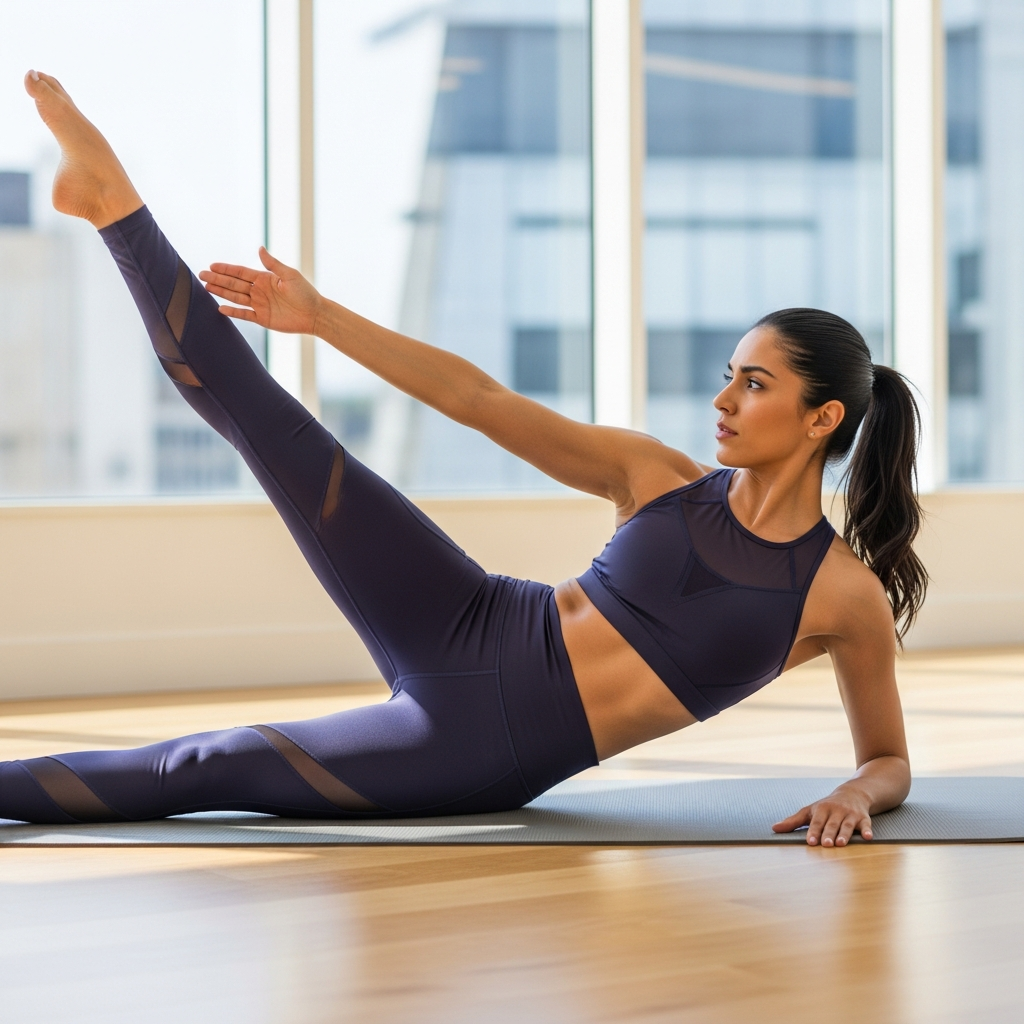
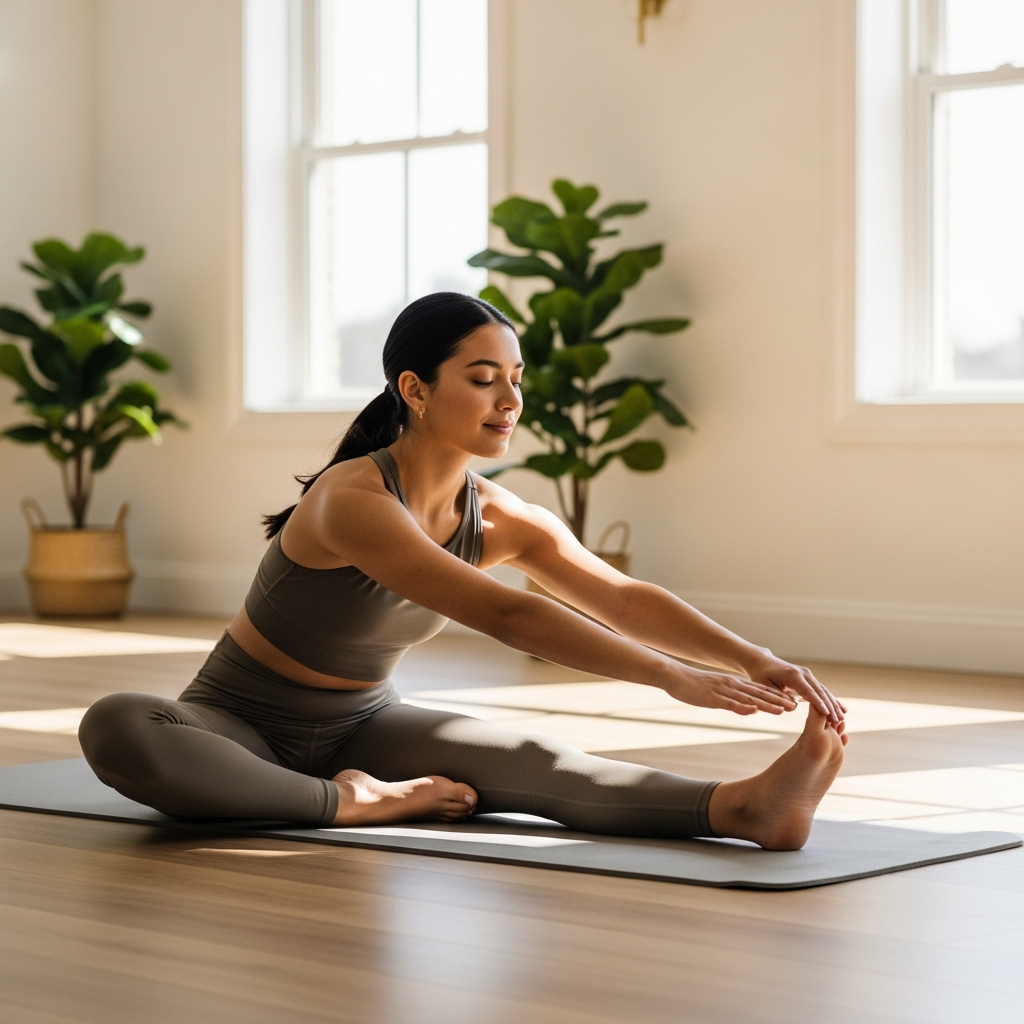
Unraveling the Magic of Pilates: Your Ultimate Guide to Mat Pilates Classes
Hook: Ever wondered what it feels like to have a strong core, improved flexibility, and enhanced mind-body connection all at once? It feels like a Pilates class!
Introduction:
Welcome to the world where health, strength, flexibility, and mindfulness coexist, welcome to the world of Pilates. If you’ve been hearing about the transformative power of Pilates and now you’re curious to explore it more, then you’re in the right place. In this comprehensive guide, we’ll delve deep into what a Pilates class is, how it enriches your physical and mental wellbeing, and why a mat Pilates class could be the fitness game-changer you’ve been looking for.
Pilates is not just another workout routine; it’s an exercise philosophy that incorporates a series of controlled movements designed to strengthen the body’s core, improve balance, enhance flexibility, and promote a heightened sense of mind-body awareness. Developed in the early 20th century by Joseph Pilates, this form of exercise has grown in popularity worldwide due to its holistic approach to fitness and wellness.
Core to our exploration of Pilates is ‘Mat Pilates’, a widely practiced style of Pilates that requires little more than a mat and your own body weight. Mat Pilates classes are designed with sequences that challenge your strength, flexibility, and control while emphasizing proper postural alignment, core strength, and muscle balance. Whether you’re a fitness enthusiast looking for a new challenge or someone seeking a gentle yet effective way to regain body strength and flexibility, mat Pilates classes offer a versatile solution.
In this blog post, we will cover everything you need to know about a Pilates class. We will dive into the components of a typical class, the types of exercises you might encounter, and the benefits that you can expect from regular participation. This includes understanding the Pilates principles, exploring the structure of a Pilates mat class, learning about different levels and modifications, and the potential physical and mental benefits you can reap.
So, why should you care about Pilates classes? In our fast-paced world, we often neglect our body’s need for balanced development. We focus on certain muscle groups through repetitive activities or workouts, leading to muscle imbalances that can result in discomfort, pain, or injury over time. Pilates offers a remedy to this problem by promoting balanced muscle development and encouraging the mind-body connection. Moreover, it’s an inclusive practice suitable for all ages and fitness levels.
Whether you’re a seasoned athlete looking to enhance your performance or a beginner seeking a safe and effective way to get into shape, Pilates can offer you its bountiful benefits. With regular practice, you’ll notice improvements not only in your physical strength and flexibility but also in your overall sense of wellbeing.
By understanding what a Pilates class is, you can make an informed decision about whether this unique form of exercise is right for you. So, are you ready to dive into the world of Pilates? Let’s embark on this journey together towards a stronger, more flexible, and more mindful you.
Now that we’ve set the stage let’s get into the details of what you can expect from a Pilates class. Stay tuned for an enlightening exploration of the transformative power of Pilates.
If you’re curious about fitness, wellness, or even just looking for a new way to manage stress or physical discomfort, you might have come across the term ‘Pilates’. But what exactly is a Pilates class? How can it benefit your health and wellbeing? In this article, we will delve into the details, exploring the fundamental aspects of Pilates and offering a comprehensive framework of what you can expect from a Pilates class.
Pilates is a physical fitness system that was developed in the early 20th century by Joseph Pilates, a German physical trainer. At its core, Pilates is a method of exercise that emphasizes balance, concentration, control, precision, breath, and fluid movement. Pilates classes are offered worldwide and they cater to people of all age groups and fitness levels.
A typical Pilates class focuses on strengthening the body’s core – which includes the muscles in the abdomen, lower back, hips, and buttocks – while also promoting flexibility. In doing so, it supports proper posture, improves muscle tone and balance, enhances athletic performance, and helps to prevent injuries.
When you step into a Pilates class for the first time, you may find an array of specialized equipment like reformers, Cadillac, Wunda chairs, and more. These may seem daunting initially but each piece of equipment has been designed with the principles of Pilates in mind and serve to enhance the effectiveness of the exercises.
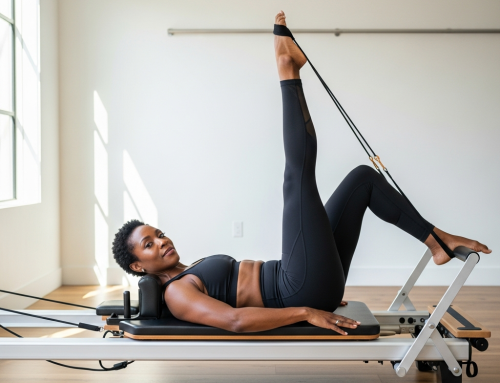
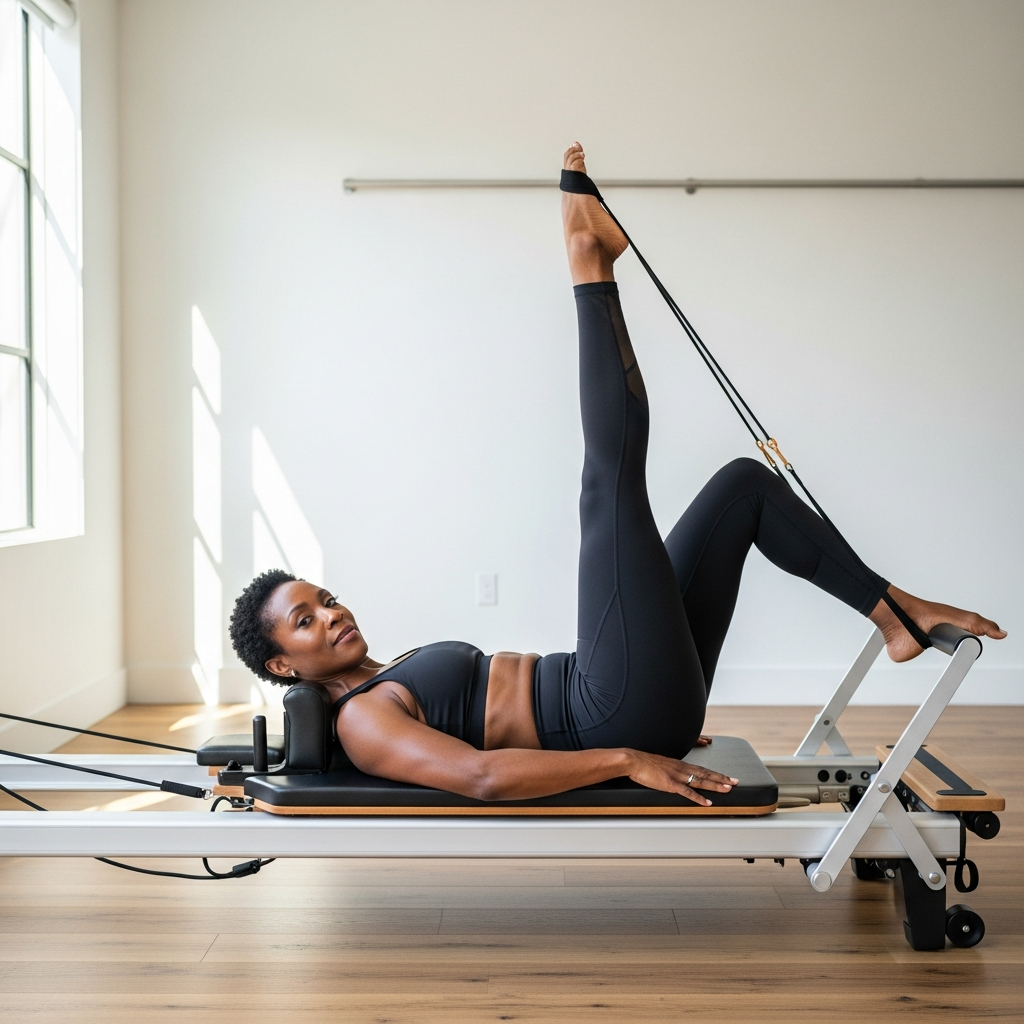
There are two main forms of Pilates – Mat Pilates and Reformer Pilates. Mat Pilates is performed on a mat and uses body weight for resistance while focusing on core strength. Reformer Pilates uses specialized equipment called a ‘reformer’, which is a sliding platform with springs for different resistance levels. The reformer allows for a greater range of motion and helps to target different muscle groups more effectively.
In a typical Pilates class, your instructor will guide you through a series of exercises that are performed in a specific order. The movements require precision and control, and there is a strong emphasis on proper form over speed or repetitions. The class usually starts with warm-up exercises to prepare the body, followed by a series of strength-building exercises, and concludes with stretches and relaxation techniques.
Breathing is a fundamental element of Pilates. Each exercise is paired with a specific breathing pattern, designed to enhance concentration, control, and precision. This focus on breath not only improves oxygen flow throughout the body but also aids in fostering a deep sense of relaxation and mindfulness.
Although Pilates is often compared to yoga due its emphasis on flexibility, balance, and mind-body connection, it is important to note that they are distinct practices. Pilates primarily focuses on physical conditioning and rehabilitation, while yoga is more comprehensive, incorporating spiritual, meditative, and philosophical elements.
Pilates classes cater to different skill levels – beginner, intermediate, and advanced. As a beginner, you will start with basic exercises to familiarize yourself with the principles of Pilates. As you progress, the exercises become more complex and challenging. It is recommended to start at a level suitable for your fitness and gradually progress under the guidance of a certified Pilates instructor.
The benefits of Pilates are manifold. Regular practice can lead to improved posture, increased muscle strength and tone, enhanced flexibility and balance, better stress management, and overall improved physical health. Moreover, Pilates can be customized to meet individual needs — whether you’re an athlete looking to enhance your performance, a senior seeking to maintain mobility, or someone rehabilitating from an injury.
In conclusion, a Pilates class is a comprehensive workout that aims to strengthen the core, improve posture and flexibility, and foster mind-body connection. Whether you’re new to fitness or a seasoned athlete, Pilates offers a unique approach to exercise that can enhance your overall wellbeing. As Joseph Pilates once said, “In 10 sessions you’ll feel the difference, in 20 you’ll see the difference, and in 30 you’ll have a whole new body.” That’s the transformative potential of Pilates.
By understanding the fundamental aspects and framework of a Pilates class, you can make an informed decision about incorporating this beneficial practice into your fitness routine. As always, it’s recommended to consult with a healthcare professional before starting any new exercise program.
A Deep Dive into Pilates Class: Everything You Need To Know
A Pilates class is a structured fitness session led by a trained instructor, designed to guide you through a series of specific movements and exercises that aim to strengthen your body, improve flexibility, promote balance, and enhance mind-body connection. Originating from the work of Joseph Pilates in the early 20th century, Pilates has grown exponentially in popularity due to its effectiveness in sculpting the body, improving posture, and boosting overall well-being.
Pilates classes are generally categorized into two types: Mat Pilates and Reformer (or apparatus) Pilates. Let’s delve into understanding both types.
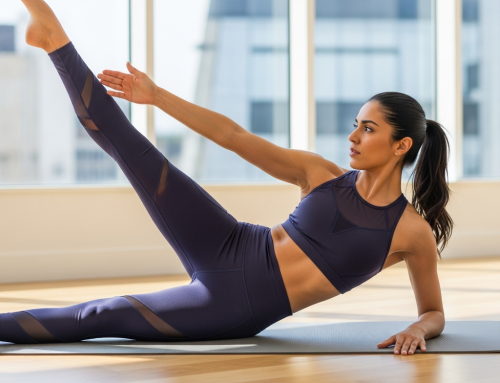
Mat Pilates involves performing exercises on a mat, much like in yoga. These classes utilize your body weight as resistance and challenge your balance and stability. The primary focus is on strengthening the core, although the whole body can benefit. A typical Mat Pilates class might include exercises like ‘The Hundred’, ‘Roll Up’, ‘Swan Dive’, and ‘Scissors’.
Reformer Pilates, on the other hand, uses a specially designed machine called a reformer – a sliding carriage rigged with springs, bars, and straps. The reformer offers adjustable resistance to work muscles through a larger range of motion. Exercises can be done lying down, sitting, standing, pulling the straps, pushing against the footbar, and more. ‘Footwork’, ‘Leg Circles’, ‘Short Spine’, and ‘Teaser on the Long Box’ are examples of exercises one might perform in a Reformer class.
Now that you have a basic understanding of what a Pilates class is, let’s dive into some scenarios you might encounter.
Scenario 1: You’re a Beginner As a newcomer, it’s advisable to start with Mat Pilates. This will allow you to understand the foundational principles such as correct alignment, centering, control, precision, breath, and flow. Your instructor will guide you through each exercise, ensuring you perform them safely and effectively. Don’t be discouraged if you don’t nail every move on the first try – Pilates is a practice that you will get better at over time.
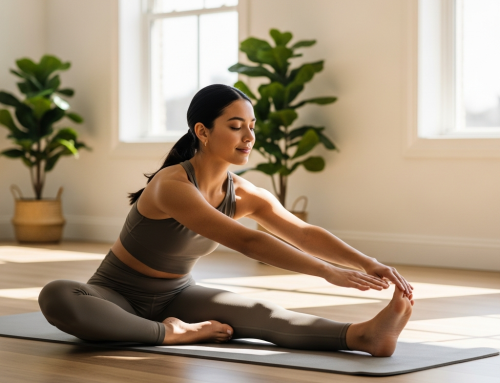
Scenario 2: You Want to Improve Flexibility Both Mat and Reformer Pilates are excellent for enhancing flexibility. The exercises involve stretching and lengthening your muscles, promoting a greater range of motion. For instance, exercises such as ‘The Saw’ in Mat Pilates and the ‘Mermaid’ on the Reformer are particularly good for promoting flexibility.
Scenario 3: You’re Looking for a Challenge If you’ve got a handle on Mat Pilates and are ready to up the ante, Reformer Pilates is a great next step. The reformer’s variable resistance adds a whole new level of challenge to your workout. It can also be adjusted to suit your fitness level and specific goals.
Actionable Advice:
1. Choose the Right Class: Ensure you choose a class suitable for your fitness level. If you’re new, start with a beginner’s class. As you build strength and familiarity with the exercises, you can progress to intermediate and advanced classes.
2. Get the Gear: Wear comfortable, stretchy clothing that allows you to move freely. Most Pilates classes require you to be barefoot, but some may allow non-slip socks.
3. Regular Attendance: Consistency is key to seeing results in Pilates. Aim for at least two classes per week.
4. Listen to Your Body: While Pilates is generally safe, it’s important to listen to your body. If a move feels uncomfortable or painful, stop and let your instructor know.
5. Practice At Home: Supplement your classes with at-home practice. There are plenty of online resources and apps that provide guided mat workouts.
A Pilates class can be a transformative experience, offering both physical and mental benefits. Whether it’s mat or reformer, the right class can help you achieve your fitness goals while promoting a sense of wellness and balance. Remember, Pilates is a journey, not a destination. Enjoy each movement and celebrate your progress along the way.
A Comprehensive Guide to Pilates Classes
Pilates is a form of exercise that focuses on balance, concentration, control, centering, flow, and breath. Pilates can be performed on a mat or various pieces of equipment, with the most common being the Reformer. If you’re new to Pilates or considering joining a class, it’s normal to have questions and experience a few common challenges. Let’s delve into what you should expect from a Pilates class, address misconceptions, and provide you with best practices.
**Common Challenges in Pilates Classes**
1. **Understanding the Principles**: Pilates is not just about physical movement; it’s a discipline that unites the body and mind. The principles of Pilates – centering, concentration, control, precision, breath, and flow – might be challenging to grasp at first.
2. **Mastering the Technique**: Pilates demands precision and control, with a strong emphasis on technique and correct form.
3. **Physical Limitations**: Newcomers might encounter physical limitations such as lack of flexibility, strength, or endurance.
**Solutions and Expert Tips**
1. **Understanding the Principles**: Start by understanding that these principles are designed to integrate your body and mind. Be patient with yourself as you learn to incorporate them into your movements.
2. **Mastering the Technique**: Don’t rush. Pilates is not about speed or quantity but quality of movement. Work at your own pace and focus on getting the technique right.
3. **Physical Limitations**: Listen to your body. Start slow and gradually increase intensity as your strength and flexibility improve. Remember that it’s normal to find some exercises challenging at first.
**Misconceptions about Pilates**
1. **Pilates is only for women**: This is far from the truth. Pilates was developed by a man (Joseph Pilates) and is beneficial for everyone, regardless of gender.
2. **Pilates is similar to Yoga**: While both promote strength, flexibility, and mindfulness, they are fundamentally different. Pilates focuses more on core strength, spinal alignment and muscle balance.
3. **Pilates is easy**: Pilates can be as challenging as you want it to be. The workout is designed to push your body in a controlled, progressive manner.
**Mat Pilates vs. Equipment Pilates**
Mat Pilates and Equipment Pilates both offer unique benefits. Mat classes mainly use your own body weight for resistance and focus on working the smaller stabilizing muscles, promoting better posture and improved core strength.
Equipment classes, on the other hand, use various apparatus like the Reformer, Cadillac, and Chair which have springs for resistance. The equipment can provide support for difficult exercises and add resistance for advanced participants, making the workout more challenging and versatile.
**Best Practices for Pilates Classes**
1. **Consistency is Key**: Regular practice will help you master the Pilates technique and principles faster. It will also yield better results in terms of strength, flexibility, and overall wellness.
2. **Proper Attire**: Wear comfortable, form-fitting clothing that allows you to move freely. Avoid loose clothing as it can get caught in the equipment.
3. **Personalize Your Workout**: Every body is different. Work with your instructor to modify exercises that respect your body’s limitations and challenge its capabilities.
4. **Mindful Movement**: Stay present during your workouts. Pay attention to your breath, the quality of your movement and your body’s response to each exercise.
In conclusion, remember that every Pilates journey is unique and personal. It’s not about comparison or competition, but about better understanding and respecting your body’s needs while improving its strength, flexibility, and overall health. Embrace the challenges as opportunities for growth and enjoy the journey to a healthier you.
A Pilates class, whether it’s a mat class or one using the specialized Pilates equipment, is an exercise regimen designed to strengthen the body uniformly and improve flexibility, posture, and balance. When you sign up for a Pilates class, expect to engage in a series of controlled movements that work both your mind and body.
The first thing you should know about Pilates is that it’s suitable for people of all fitness levels. Regardless of whether you’re a seasoned athlete or simply looking to improve your fitness, Pilates can be tailored to meet your individual needs.
During a typical class, which usually lasts around an hour, you’ll perform a variety of exercises under the guidance of a trained instructor. The number of moves in a session can vary, but most classes incorporate 20 to 50 different exercises. Each move is designed to stretch and strengthen your muscles without adding bulk.
If you’re attending a mat Pilates class, expect to work with your own body weight and gravity to challenge your muscles. Mat classes typically focus on strengthening the core but work other areas as well. Some instructors may incorporate small equipment like resistance bands, magic circles, and small balls to enhance certain exercises.
An equipment-based Pilates class uses apparatuses like the Reformer, Cadillac, or Wunda Chair. These pieces of equipment use springs to create resistance, allowing for a more dynamic workout. Each machine helps to guide your body into proper alignment and can be adjusted to suit your strength level.
Regardless of the type of class you choose, expect your instructor to emphasize the importance of performing each exercise with control and precision. Pilates is not about doing as many repetitions as possible but about doing a smaller number of repetitions correctly and effectively.
In terms of what to wear to a Pilates class, opt for comfortable clothes that allow for a wide range of movements. Avoid wearing anything too loose as it could get caught in the equipment. Most Pilates classes are done barefoot or with socks, so no special footwear is needed.
As for timelines, the frequency of your Pilates classes depends on your personal goals and schedule. Many experts recommend two to three sessions per week for the best results. However, even one class a week can help improve flexibility and muscle tone.
The great thing about Pilates is that you can start to feel the benefits very quickly. After only a few sessions, you might notice improved posture, increased core strength, and more ease in daily movements.
The next step after signing up for a Pilates class is to attend consistently. Consistency is key when it comes to seeing results in Pilates. Even if you don’t see or feel immediate changes in your body, stay patient. Over time, Pilates can transform not only your body but also your mind-body connection.
Finally, remember that every body is unique and will respond differently to Pilates. It’s important not to compare your progress with others’. Instead, focus on your personal journey and celebrate the small victories along the way.
In conclusion, a Pilates class is an hour-long session that strengthens and stretches the whole body. It’s suitable for all fitness levels and can be tailored to individual needs. Whether it’s through mat or equipment-based classes, consistent practice can lead to improved posture, increased core strength, and enhanced mind-body connection.
In conclusion, a Pilates class is a unique, well-structured fitness program that focuses on improving flexibility, strength, and body awareness. It’s a workout designed to engage the mind and the body, creating a balance that goes beyond the physical benefits.
The beauty of Pilates lies in its versatility. It caters to all fitness levels and age groups, making it an excellent choice for anyone looking to improve their overall health and fitness. Whether you’re a beginner or an experienced fitness enthusiast, a Pilates class has something to offer you.
Taking a Pilates class involves a series of controlled movements that are performed on a mat or using special equipment. These exercises primarily target the core, but they also work other parts of the body, providing a full-body workout. The movements are designed to improve muscle tone, flexibility, and balance while also enhancing mind-body connection.
One of the key takeaways from attending a Pilates class is the development of strong core muscles. Core strength is crucial for maintaining good posture and preventing back pain. Pilates exercises not only strengthen the core but also improve flexibility and stability, reducing the risk of injuries.
Another significant benefit of Pilates is its emphasis on mindful movement. This approach encourages participants to focus on their breath and the way their bodies move, promoting a sense of mindfulness that can reduce stress and improve mental well-being.
Additionally, Pilates can be customized to suit individual needs. Whether you’re recovering from an injury, training for a sport, or simply looking to improve your fitness, Pilates can be adapted to meet your specific goals. With its low-impact exercises, it’s also an excellent option for older adults or those with joint issues.
Lastly, participating in a Pilates class fosters a sense of community. Working out in a group setting can provide motivation and support, making the fitness journey more enjoyable. Plus, professional guidance from certified Pilates instructors ensures that you’re performing the exercises correctly, helping you to maximize the benefits and minimize the risk of injury.
In summary, a Pilates class is more than just a workout; it’s a holistic approach to wellness that combines physical exercise with mental focus. It’s about learning to move better, feel better, and live better. So whether you’re looking to tone up, slim down, or simply feel healthier, Pilates could be the perfect fit for you.
However, before embarking on this journey, it’s important to receive proper guidance to ensure you’re doing it right. That’s where we come in. Our team of certified Pilates instructors is here to guide you every step of the way, offering personalized instruction to help you reach your fitness goals.
We invite you to contact us today for more information or to schedule your first Pilates class. Let us help you discover the transformative power of Pilates and embark on a journey towards improved health and wellness. Don’t wait another day to start feeling better – reach out to us now and let’s get started on your Pilates journey together.