Saluting the Sages of Stretch: How Much Do Pilates Instructors Earn?
As you finish another exhilarating mat Pilates class, drenched in sweat but feeling invigorated, you glance at your instructor who seems to be in her element, guiding her disciples through the intricate movements. A thought pops into your mind, “Do Pilates instructors get paid a lot?”. If you’re a fitness enthusiast considering a career in Pilates or just a curious participant of this wonderful exercise form, you’ve landed on the right page. Welcome to our in-depth exploration of the financial prospects that lie in the path of a Pilates instructor.
Pilates, a mind-body centered workout that emphasizes strength, flexibility and body awareness, has been steadily growing in popularity over the years. From Hollywood celebrities to your next-door neighbor, people are turning to mat Pilates classes for a holistic approach to health and well-being. Amidst this rising trend, there is an increasing demand for qualified Pilates instructors who can guide enthusiasts through this body-transforming journey. But just how rewarding is this career monetarily?
We will delve deep into the world of Pilates instruction, discussing factors that influence an instructor’s earnings such as their experience, location, type of instruction (private lessons vs group classes), and additional certifications. We’ll also consider the financial implications of being a full-time instructor versus part-time, or owning a Pilates studio. We’ll explore what you can expect to earn at the start of your career, how much it can grow, and how you can maximize your earning potential.
But why is this important to know? Whether you’re considering becoming a Pilates instructor or you’re an avid participant wanting to appreciate the value that your instructor brings, understanding the financial aspect of this profession brings clarity and perspective. For prospective instructors, it helps in making an informed career decision. For Pilates practitioners, it enhances your understanding of the value you receive in each class, fostering a stronger bond with your instructor.
For those with a passion for Pilates, teaching it can be an incredibly rewarding job. But pursuing a career based solely on passion without understanding its financial implications can lead to unpleasant surprises down the road. Similarly, for those who regularly invest in Pilates classes, having an idea about the instructor’s earning can provide a clearer picture of where your money goes.
So, take a deep breath, roll out your mat, and prepare to dive into the financial realities of being a Pilates instructor. Let’s stretch our minds as we do our bodies, and explore the earning potential in this profession. Buckle up, because this is going to be as enlightening as your first Pilates class! Remember, knowledge is power, and understanding the economics of your passion could be the first step towards transforming it into a fulfilling career.
In this blog post, we promise to keep you engaged with well-researched facts, expert opinions, and real-life anecdotes from successful Pilates instructors. By the end of it, you’ll have a comprehensive understanding of what it means financially to be a Pilates instructor. So stay tuned and get ready for an informative journey that will help you appreciate the world of Pilates instruction even more!
Understanding the Financial Framework of Pilates Instructors
Pilates, a body conditioning routine that helps build flexibility, lean muscles, strength, and endurance in the legs, abdominals, arms, hips, and back, has grown significantly in popularity over the past few years. It emphasizes spinal and pelvic alignment, breathing, and developing a strong core or center and improving coordination and balance. Pilates’ system allows for different exercises to be modified in a range of difficulty from beginner to advanced or to any other level. Intensity can be increased over time as the body conditions and adapts to the exercises.
A career as a Pilates instructor can be highly rewarding in both personal and financial terms. However, it is essential to understand that the salary of a Pilates instructor varies greatly depending on multiple factors such as location, experience, specialty, and method of employment.
Pilates instruction is in many ways a skill-based trade, with the instructor’s knowledge, expertise, and teaching ability being the primary commodities. As such, becoming a successful instructor requires not only an in-depth understanding of the Pilates method but also effective communication skills and the ability to network and market oneself effectively.
To start with, location plays a significant role in determining a Pilates instructor’s earnings. In urban areas where fitness culture is more prevalent and people have higher disposable incomes, Pilates instructors tend to earn more compared to their counterparts in rural areas or smaller towns. This is mainly due to higher demand and willingness to pay for Pilates classes in these areas.
Secondly, experience plays a significant role in influencing the earning potential of a Pilates instructor. As instructors gain more experience and develop a reputation for effective instruction, they can charge more for their services. The level of training and certification attained by the instructor also impacts their earning potential. Instructors with advanced certifications or specializations in areas such as rehabilitative Pilates or pre/postnatal Pilates can demand higher fees for their services.
The method of employment is another crucial factor in determining a Pilates instructor’s income. Instructors can work as employees of a gym, fitness center, or Pilates studio, in which case they would typically be paid a set wage per class or hourly rate. Alternatively, they can work as independent contractors, setting their rates and schedules. While the latter option offers more flexibility and potentially higher earnings, it also comes with additional responsibilities such as marketing, networking, and managing one’s business.
Moreover, many instructors supplement their income by offering private sessions, workshops, or online classes. These can be highly profitable, especially when conducted in high-end fitness centers or for corporate clients. Some Pilates instructors also create and sell Pilates-related products, such as instructional DVDs or specialized equipment, to further boost their income.
In conclusion, while the earnings of a Pilates instructor can vary widely based on several factors, those with the right combination of skills, experience, and entrepreneurship can indeed earn a significant income in this profession. However, it is worth noting that many instructors choose this career not primarily for financial reasons but because they are passionate about Pilates and derive immense satisfaction from helping others improve their health and wellbeing through this method.
Do Pilates Instructors Earn a Significant Income? A Comprehensive Look
The salary of a Pilates instructor can vary greatly depending on many factors such as geographical location, experience, certification level, and whether they are self-employed or work for a fitness center or studio. Here, we delve into the financial prospects of a Pilates instructor, comparing different scenarios and giving actionable advice for those considering this career path or those looking to increase their income in this field.
To begin with, it is important to understand that the salary of a Pilates instructor is usually not fixed. In most cases, instructors are paid per class taught or per client trained. This means that the more clients or classes an instructor has, the higher their income will be. According to Payscale, as of 2021, the median hourly pay for Pilates instructors in the United States is around $26. However, earnings can range from about $16 to over $60 per hour.
Let’s delve into some specific scenarios
1. Scenario One: A Mat Pilates Instructor at a Fitness Center Mat Pilates is a popular choice for many fitness enthusiasts as it doesn’t require any special equipment other than a mat, making it an accessible choice for many fitness centers. A mat Pilates instructor working in a local fitness center may earn towards the lower end of the scale, around $20 per hour. This is because they might be teaching larger classes where individual attention is less. However, these classes are often more frequent, which can add up to a decent weekly income.
Actionable Advice: To increase your income in this scenario, consider gaining more certifications to teach a wider range of classes or consider teaching private classes on the side.
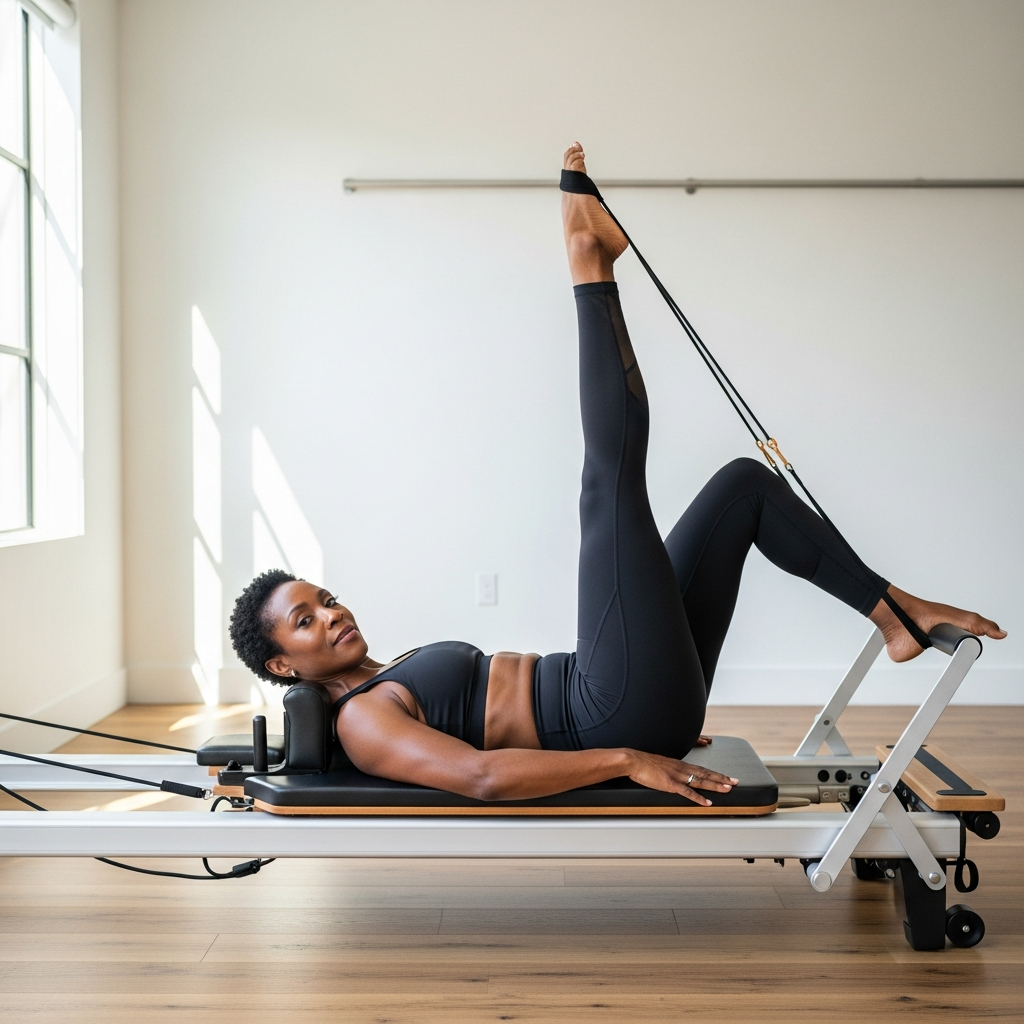
2. Scenario Two: A Pilates Reformer Instructor at a Dedicated Studio Pilates reformer classes require specialized equipment and usually have smaller class sizes, which can command higher rates. Instructors in this scenario might earn around $30-$50 per hour.
Actionable Advice: To maximize income, consider working at a high-end studio that charges premium rates or offer private reformer sessions.
3. Scenario Three: A Self-Employed Pilates Instructor For those who choose to be self-employed, the potential for earnings can be much higher. However, this also comes with the responsibility of finding your clients, managing your schedule, and covering your overhead costs. Self-employed instructors often charge anywhere from $50-$100 per session for private lessons, but this can vary widely.
Actionable Advice: To increase income as a self-employed Pilates instructor, consider offering group classes, online sessions, or package deals. Also, invest in marketing to attract more clients.
Remember that these earnings are before taxes and do not account for expenses such as equipment, rental space, insurance, and certifications. It’s also essential to note that most Pilates instructors do not work a standard 40-hour week, which can limit total earnings.
In conclusion, while Pilates instructors may not become millionaires from teaching alone, there is potential to earn a comfortable living. The key is understanding your market and continuously investing in yourself through education and certifications to set yourself apart. With passion, dedication, and strategic planning, a career in Pilates instruction can certainly be rewarding both personally and financially.
Understanding the Earning Potential of Pilates Instructors
One of the common questions that aspiring Pilates instructors often ask is, “Do Pilates instructors get paid a lot?” The answer to this question is multifaceted and depends on various factors like location, experience, specialization, and clientele. However, before delving into the specifics, it’s essential to debunk the misconception that teaching Pilates is a lucrative career path by default. While there’s potential for high earnings, it requires dedication, skill, experience, and strategic business acumen.
Common Challenges:
The initial phase of establishing oneself as a Pilates instructor can be challenging. New trainers must navigate through developing their practice, building a client base, defining their teaching style, and managing the business side of things. The earning during this period might not be substantial as building a reputation and clientele takes time.
Furthermore, the cost of becoming a certified instructor can also pose a significant challenge. Comprehensive Pilates training courses can range anywhere from $3,000 to $10,000 depending on the depth and breadth of the course. These costs, coupled with other expenses such as equipment purchases or studio rental fees, can create financial pressure.
Solutions:
The most important solution to these challenges is patience and perseverance. It takes time to build a clientele and reputation. Offering introductory classes at a lower price or free trials can help attract new clients.
Another solution is diversifying income streams. Instructors can offer private sessions which are typically priced higher than group classes. Alternatively, they can venture into virtual classes or create online courses.
Getting certified from a recognized institution not only provides credibility but also opens opportunities to work in established fitness centers or Pilates studios that typically pay better.
Expert Tips:
1. Specialization: Pilates is a broad field with different styles like mat Pilates, reformer Pilates, classical Pilates, contemporary Pilates, etc. Specializing in one or more styles can set you apart and allow you to charge more for your classes.
2. Continued Education: The fitness world is ever-evolving. Continuing your education through workshops, additional certifications, or advanced training helps you stay updated and makes you more valuable to your clients who will be willing to pay more.
3. Networking: Attend fitness conventions, participate in local community events, or join online groups. Networking not only helps in exchanging ideas but also in getting referrals.
4. Branding: Consider building your unique brand. Having a professional website, active social media presence, and consistent branding can make you more recognizable and attractive to potential clients.
In conclusion, while the earning potential for Pilates instructors can be high, it isn’t guaranteed. It depends on various factors including the instructor’s skills, certification level, business acumen, and dedication to their craft. However, with strategic planning, continuous learning, and persistence, one can indeed carve out a financially rewarding career as a Pilates instructor.
Pilates Instructors: Salary Expectations, Timelines, and Career Progression
If you’re passionate about fitness and wellness, becoming a Pilates instructor can be an incredibly rewarding career choice. However, like any other career, it’s essential to have a realistic understanding of the salary expectations, timelines, and next steps involved.
Firstly, let’s discuss the financial aspect. The salary of a Pilates instructor can vary significantly depending on several factors. These include location, experience, the type of Pilates classes being taught (like mat Pilates or reformer Pilates), and whether you’re working independently or for a fitness studio or gym.
According to Payscale, the average salary for a Pilates instructor in the United States is around $26.67 per hour as of 2021. However, if you’re just starting out, you might make around $20 per hour. On the other hand, experienced instructors with a large clientele or those teaching specialized classes can make upwards of $50 per hour.
If you work for a studio or gym, you may receive a steady paycheck but potentially at a lower hourly rate. If you work independently, you have the opportunity to set your own rates. However, this also means you’re responsible for finding your own clients and managing business expenses.
Now, onto the timeline. Becoming a Pilates instructor doesn’t happen overnight. You’ll typically need to undertake a comprehensive training program that can take anywhere from several weeks to over a year to complete depending on the intensity and level of the program.
The Pilates Method Alliance recommends a minimum of 450 hours of training—this includes coursework, observation hours, student teaching hours, and personal practice hours. After completing the training, you’ll need to pass an exam to become a certified Pilates instructor.
Remember that your learning shouldn’t stop once you’ve become certified. The world of fitness and wellness is continually evolving, and staying up-to-date with the latest research and techniques is essential. This means you should expect to take part in continuing education throughout your career.
As for next steps, once you’re a certified Pilates instructor, you have several career paths to consider. You could work for a fitness studio or gym, which often provides a steady client base. You could also consider starting your own Pilates studio if you’re entrepreneurial. This option allows you the freedom to set your own schedule and rates, but it also comes with additional responsibilities like marketing, accounting, and maintenance.
Another avenue is to specialize in a certain area of Pilates. For instance, mat Pilates focuses on exercises performed on the ground using just your body weight, making it accessible for a wide range of clients. Reformer Pilates utilizes specialized equipment and can offer more intense workouts. Specializing can allow you to charge higher rates but may also require additional training.
In conclusion, while Pilates instructors might not become millionaires overnight, there is potential for a comfortable income in this profession depending on your qualifications, experience, geographic location, and work setting. More importantly, it’s a career that allows you to share your passion for wellness with others and make a positive impact on people’s lives. As with any career, it requires dedication, ongoing education, and a strategic approach to maximize your earning potential.
In conclusion, the question of how much Pilates instructors earn is multifaceted and relies heavily on various factors. The amount Pilates instructors make can vary greatly depending on their geographical location, experience and qualifications, the type of client or class they work with, as well as the business model they decide to adopt.
While it’s clear that Pilates instructors won’t necessarily become millionaires from their profession alone, this does not undermine the profound value and satisfaction that comes from pursuing a career in helping others improve their health and wellbeing. Pilates instructors often note that beyond the monetary compensation, the intrinsic rewards derived from aiding clients to achieve their fitness goals, improve their body strength and flexibility, and boost their mental health are invaluable.
The average earnings for Pilates instructors can range anywhere from $20 to $50 per hour for group classes and up to $70 to $120 per private session. However, bear in mind that these figures are just averages and can vary greatly. The higher end of the earning scale is often reached by highly experienced and specialized instructors working in affluent areas or with high-value clients.
Geographical location plays a significant role in determining a Pilates instructor’s earnings. Instructors in urban areas with a higher cost of living tend to earn more than those in rural areas. Similarly, instructors working in fitness centers or gyms may earn a different amount compared to those who run their own studios or offer private sessions.
Professional experience and qualifications also significantly influence how much Pilates instructors earn. Those with advanced certifications, specialized training, and several years of experience are likely to command higher rates. Similarly, instructors who invest time and resources into continuous professional development to keep up-to-date with the latest techniques and trends in Pilates instruction are more likely to be able to demand higher fees.
Furthermore, the business model chosen by the instructor can also impact their earnings. Instructors who work for gyms or fitness centers may earn a steady salary but may have less control over their schedule and earnings potential. On the other hand, those who run their own studios or offer private sessions have the potential to earn more, especially if they build a strong client base. However, this comes with its own set of challenges, including the need to manage business overheads and to market one’s services effectively.
In light of all these factors, it’s clear that while Pilates instruction may not be the most lucrative career choice for everyone, it can certainly provide a fulfilling and rewarding career for those who are passionate about Pilates and helping others achieve their fitness goals. It is a profession that requires dedication, continuous learning, and a deep commitment to improving the lives of clients.
We hope that this article has provided you with a comprehensive look at the potential earnings for Pilates instructors. If you’re considering a career in Pilates instruction, we encourage you to do further research, speak with experienced professionals in the field, and consider your own personal and professional goals.
If you need further assistance or guidance, do not hesitate to contact us. At our company, we are dedicated to providing aspiring and experienced Pilates instructors with the resources and support they need to succeed in their careers. Whether you’re interested in finding out more about certification courses, seeking advice on how to start your own Pilates studio, or looking for strategies to grow your client base, we’re here to help. Reach out to us today to get started on your journey to becoming a successful Pilates instructor.