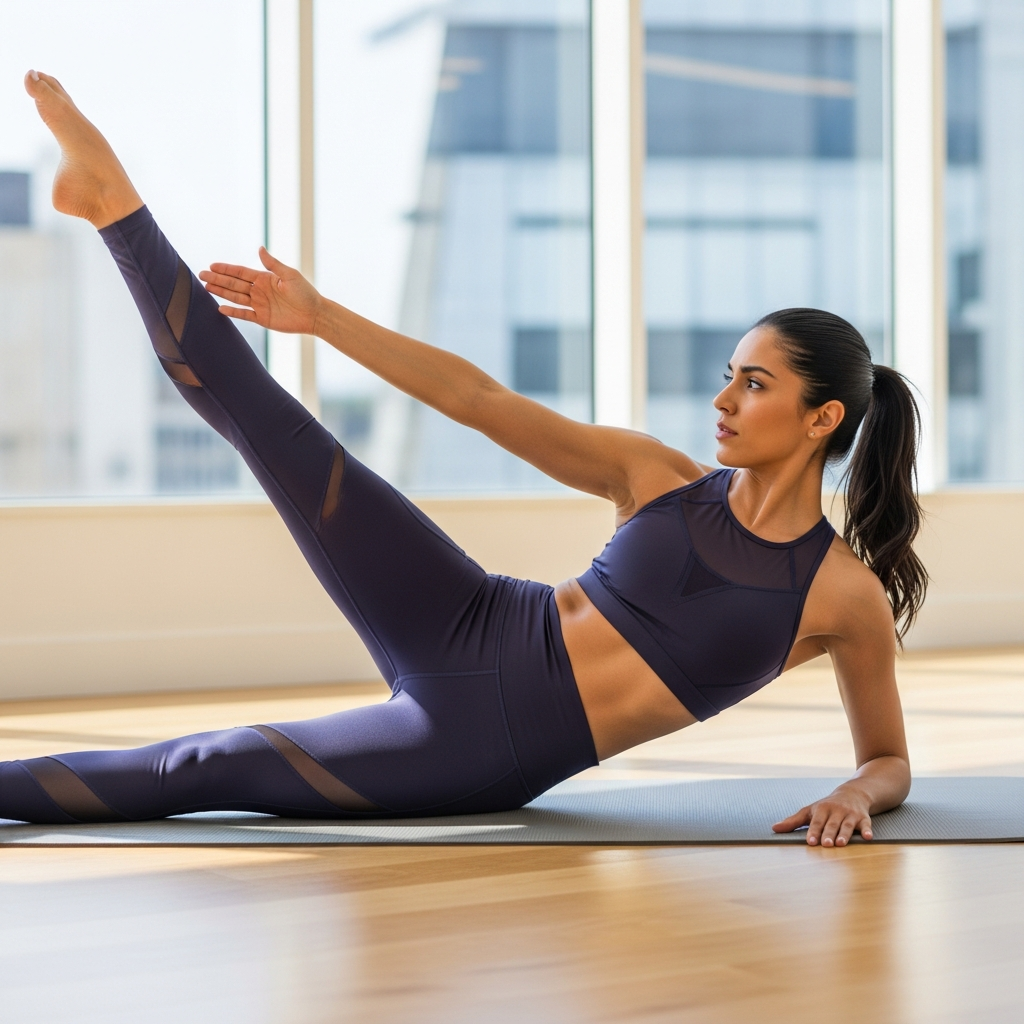
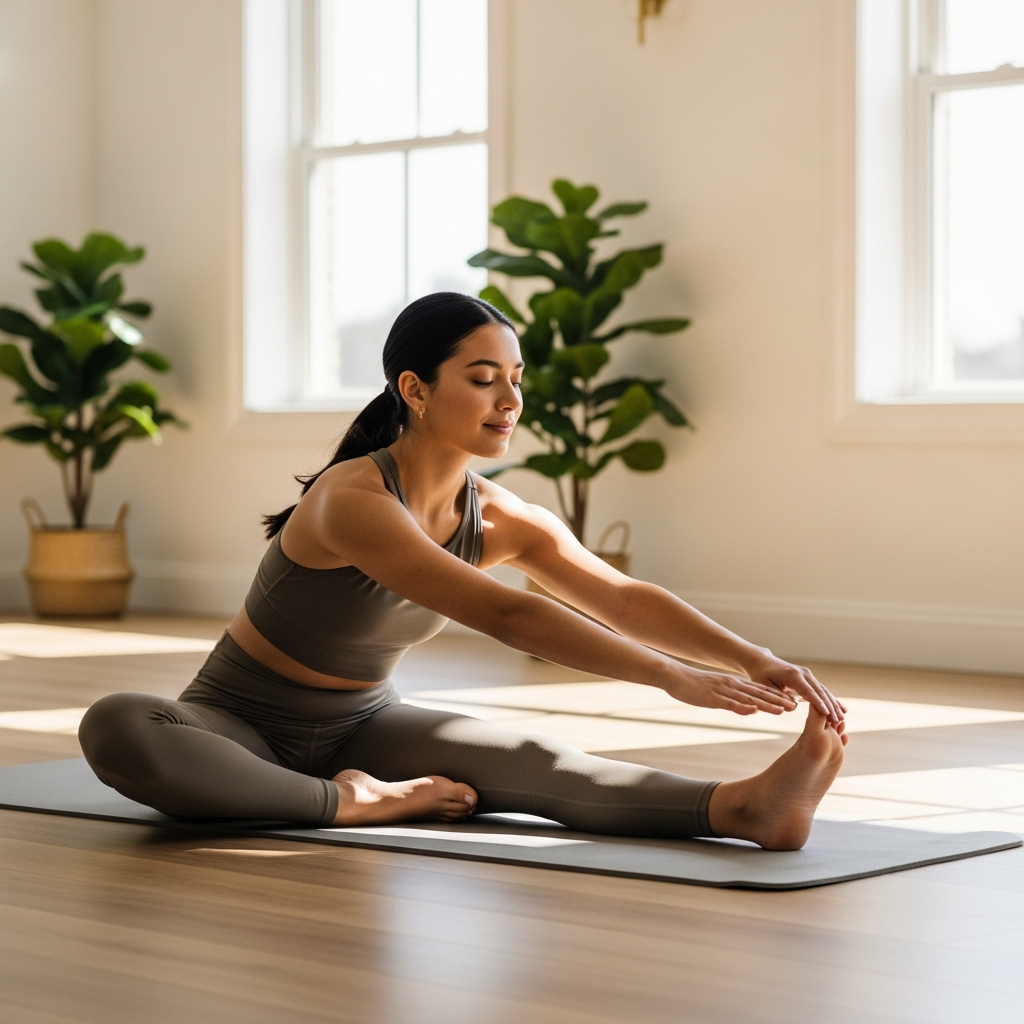
Is Mat Pilates Right for You if You Live Near Garland?
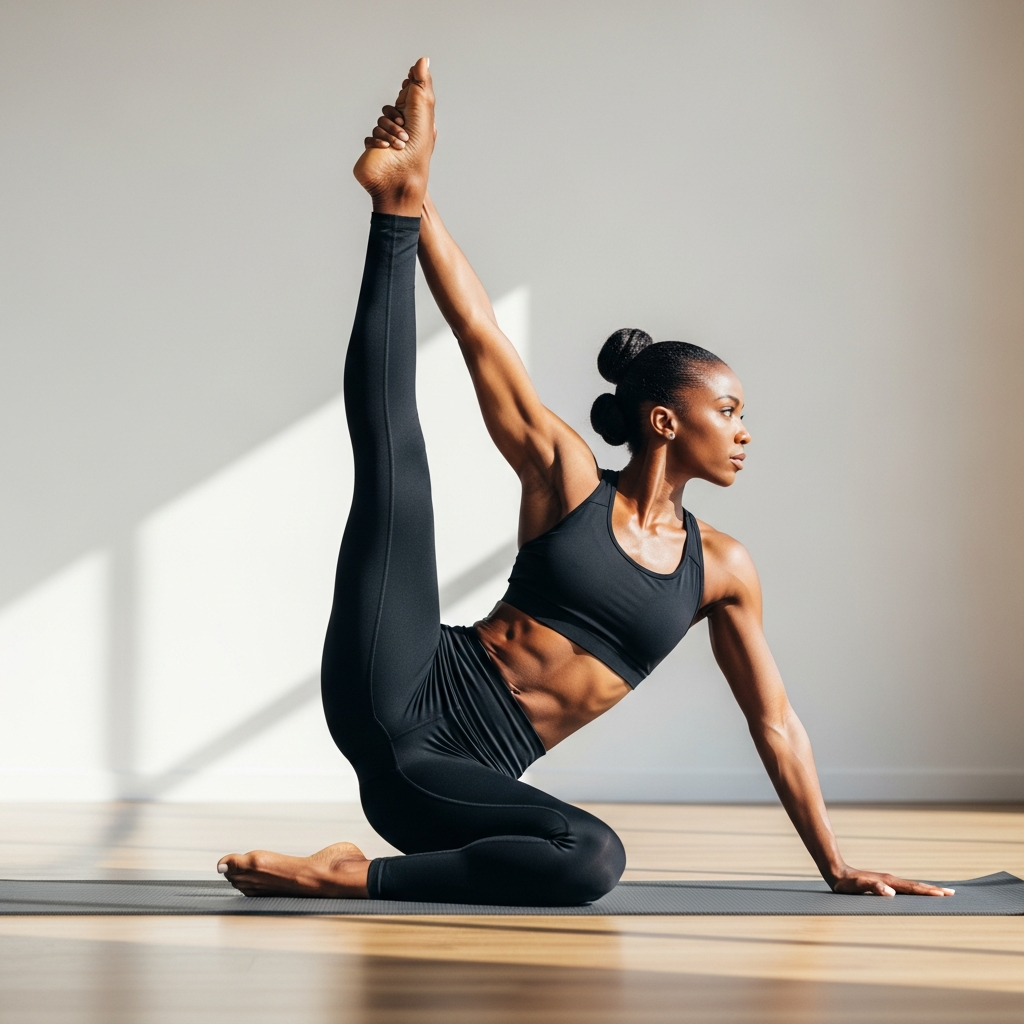
Picture this: you’re scrolling through fitness class schedules on your lunch break, squinting at your phone screen while your leftover salad gets soggy. CrossFit? Intimidating. Hot yoga? You’re already sweating just thinking about it in this Texas heat. Spin class? Your knees are staging a revolt just from the thought. But then you see it – Mat Pilates.
Sounds… gentle? Maybe too gentle? You’re not sure if you want to feel like you’re barely working out, but honestly, you’re not sure your body can handle much more than “barely” right now.
If you’re living in or around Garland, you’ve probably noticed something interesting happening. Those strip mall yoga studios are multiplying like wildfire, and half of them are advertising Pilates classes. Your neighbor mentioned she’s been going to some Mat Pilates thing twice a week and – okay, you’ll admit it – she’s looking pretty good. Not in that intimidating, I-live-at-the-gym way, but in that… balanced, put-together way that makes you wonder what she knows that you don’t.
Here’s the thing about living in North Texas – we’re practical people. We want workouts that actually work, that fit into our already-packed schedules, and that don’t require us to buy a whole new wardrobe or feel completely out of our depth. We’re also dealing with some unique challenges here… like the fact that it’s approximately surface-of-the-sun hot for six months of the year, which makes outdoor exercise feel like cruel and unusual punishment.
Maybe you’ve been curious about Pilates but worried it’s just expensive stretching. Or maybe you’ve heard it’s supposed to be amazing for your core (and let’s be honest, after a few years of life happening, your core could use some… attention), but you’re not sure if it’s right for your fitness level. Perhaps you’re dealing with back pain from sitting at a desk all day, or your doctor mentioned you need something low-impact but effective for weight management.
The truth is, Mat Pilates might be exactly what you’ve been looking for – or it might not be your cup of sweet tea at all. And that’s perfectly okay. But wouldn’t it be nice to know for sure before you commit to a monthly membership or show up to a class feeling completely clueless?
Living near Garland means you’ve got options – probably more than you realize. From the studios tucked into shopping centers along George Bush Turnpike to the community centers offering budget-friendly classes, there’s likely a Mat Pilates option within fifteen minutes of wherever you’re sitting right now. But how do you know if it’s worth your time, money, and – let’s be real – the effort of finding workout clothes that still fit?
That’s where things get interesting. Mat Pilates isn’t just about the workout itself… it’s about whether it fits into your real life. Your schedule that includes school pickups and grocery runs and maybe squeezing in a Target run if you’re lucky. Your budget that has to account for everything from rising grocery costs to your kids’ activities. Your body that might not move the same way it did ten years ago, but still deserves to feel strong and capable.
We’re going to dig into what Mat Pilates actually involves (spoiler: it’s probably more challenging than you think, but not in a scary way). We’ll talk about what it costs around here – both the obvious expenses and the hidden ones nobody mentions. You’ll learn about the real benefits people are experiencing, not just the glossy marketing promises, but the actual changes that matter in day-to-day life.
Most importantly, we’ll help you figure out if this particular type of exercise makes sense for your specific situation. Because here’s what nobody talks about enough – there’s no one-size-fits-all approach to getting healthier. What works brilliantly for your coworker might be completely wrong for you, and that doesn’t mean there’s anything wrong with either of you.
So grab that coffee (or sweet tea – no judgment here), and let’s figure out if Mat Pilates deserves a spot in your life.
What Actually Happens in a Mat Pilates Class
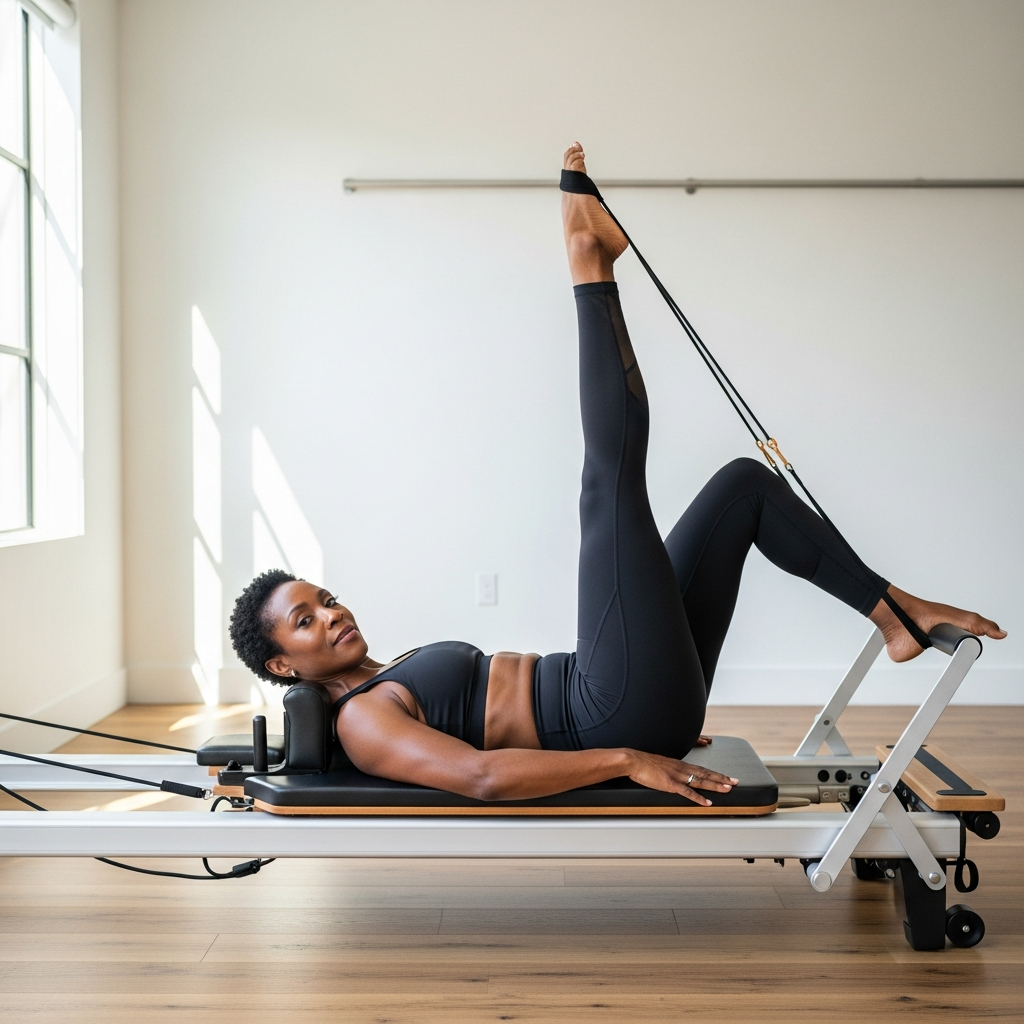
Picture this: you walk into a studio, and instead of intimidating machines that look like medieval torture devices, you see… mats. Just mats on the floor. Maybe some props scattered around – foam rollers, resistance bands, those squishy balls that somehow make everything ten times harder.
That’s mat Pilates in a nutshell. It’s Pilates stripped down to its essence, using your body weight and gravity as your main tools. No reformers, no springs, no complicated apparatus – just you, the mat, and Joseph Pilates’ brilliant understanding of how bodies actually work.
The thing is, don’t let the simplicity fool you. I’ve seen people who can deadlift twice their body weight struggle with a basic Pilates hundred. It’s like… you know how holding a plank for 30 seconds can feel harder than running a mile sometimes? Mat Pilates lives in that same space where “simple” doesn’t mean “easy.”
The Mind-Body Connection Thing (And Why It’s Not Just Wellness Fluff)
Okay, let’s talk about this mind-body connection everyone keeps mentioning. I know, I know – it sounds like something from a wellness retreat brochure. But here’s the thing… it’s actually pretty practical.
In mat Pilates, you’re constantly thinking about what you’re doing. Not just “lift your leg,” but “lift your leg while keeping your pelvis stable, your core engaged, your shoulders away from your ears, and breathe naturally.” It’s like trying to pat your head and rub your belly, except your entire body is involved.
This isn’t mindfulness for the sake of being zen (though that’s a nice bonus). It’s training your brain to coordinate complex movements – which, when you think about it, is exactly what daily life requires. Carrying groceries while opening a door while your phone is ringing? That’s coordination. Getting out of bed without your back screaming at you? Also coordination.
The Six Principles – Your Foundation (Not Your Rules to Memorize)
Joseph Pilates built his method on six core principles, and honestly? They’re worth understanding, even if you never plan to teach a class yourself.
Concentration – paying attention to what you’re actually doing instead of just going through the motions. You know how you can brush your teeth while thinking about seventeen other things? Pilates is the opposite of that.
Control – moving with intention rather than momentum. Think of it like the difference between carefully lowering a heavy box versus just dropping it and hoping for the best.
Centering – everything starts from your core, your “powerhouse.” But here’s where it gets interesting… your core isn’t just your abs. It’s this whole cylinder of muscles wrapping around your midsection like a natural back brace.
Flow – movements connect to each other like a really good conversation. No awkward pauses, no sudden jerky transitions.
Precision – quality over quantity, always. Better to do five perfect movements than fifty sloppy ones.
Breathing – and this is where people get confused because Pilates breathing is… different. It’s not belly breathing like in yoga. It’s more lateral, expanding your ribs sideways. Weird at first, but it makes sense once you feel it.
Why Your Body Weight is Actually Plenty
Here’s something counterintuitive – using just your body weight can be more challenging than using external weights. I mean, when’s the last time you tried to do a proper push-up versus pressing a barbell? Different kind of difficult, right?
Mat Pilates leverages this by putting you in positions where gravity becomes your resistance. Lying on your back and trying to keep your legs hovering six inches off the ground? That’s your hip flexors working against gravity. Rolling up from lying flat to sitting without using your hands? Your entire core system has to coordinate like a symphony orchestra.
Plus – and this is something I love about mat work – you can’t cheat. With machines, you might unconsciously let the equipment do some of the work. On the mat, if you’re not engaging the right muscles… well, nothing happens. Or you fall over. The mat is brutally honest that way.
The beauty is in the accessibility. You don’t need a gym membership or expensive equipment. Just floor space and maybe a towel if your mat is slippery. Though let me tell you, once you get serious about it, you’ll probably want a decent mat. Your spine will thank you.
Finding Your Perfect Mat Pilates Spot in Garland
Look, I get it – you’re scrolling through Google reviews at 11 PM, trying to figure out if that studio down the street is actually worth your time and money. Here’s the thing about finding the right place: don’t just look at the star ratings.
Check the class schedules first. If they only offer sessions at 6 AM and 2 PM on weekdays, that’s probably not going to work with your real life. The best studios around Garland typically have evening options – trust me, you’ll want that flexibility when work runs late or the kids have soccer practice.
Also? Call and ask about their trial policies. Most places offer drop-in rates around $20-25, but some have sneaky “first class free” deals that automatically enroll you in expensive packages. Always ask what happens after that trial class.
What to Actually Bring (and Skip)
Forget the expensive mat for now. Most studios provide them, and honestly… you don’t know if you’ll stick with it yet. That $80 Lululemon mat can wait.
Do bring a water bottle and a small towel. Mat Pilates isn’t exactly hot yoga, but you’ll work up a sweat, especially during those plank sequences that seem to go on forever.
Here’s something most people don’t think about – wear socks with grips or go barefoot. Regular socks on those mats? You’ll be sliding around like you’re on ice. Not cute, and definitely not safe.
And please, for the love of all things holy, don’t eat a full meal beforehand. I learned this the hard way during my first “Hundred” breathing exercise. Give yourself at least 90 minutes after eating – your abs will thank you.
Making It Work With Texas Weather
Living in Garland means dealing with some… interesting weather patterns. Summer classes can be rough if the studio’s AC isn’t up to par. Here’s an insider tip: check out morning classes in July and August. The studios are cooler, and you’ll feel accomplished before the heat hits.
Winter classes are actually perfect here – you’ll warm up quickly, and that post-workout glow feels amazing when you step outside into crisp air. Plus, January is when studios offer their best membership deals because everyone’s making resolutions.
Your First Class Reality Check
That instructor who makes everything look effortless? She’s been doing this for years. You’re going to shake during single-leg circles. Your abs might cramp during the Hundred. This is completely normal.
Here’s what nobody tells you – modify everything for the first few weeks. Can’t hold that plank? Drop to your knees. Struggling with roll-ups? Keep your knees bent. The goal isn’t to impress anyone; it’s to show up consistently.
Most instructors around here are pretty good about offering modifications, but don’t be afraid to ask. They’d rather have you do a modified version safely than watch you struggle through poor form.
The Money Talk Nobody Wants to Have
Let’s be real about costs. Drop-in classes run $20-30 each, which adds up fast if you’re going twice a week. Most Garland-area studios offer unlimited monthly packages between $120-180.
Do the math based on how often you’ll actually go, not how often you think you should go. If you’re being honest about going twice a week, that monthly unlimited might be worth it. But if you’re more of a “maybe once a week when life isn’t crazy” person? Stick with drop-ins for now.
Some places offer class packages (like 10 sessions for $200) that don’t expire for six months. These can be perfect if you travel for work or have unpredictable schedules.
Building Your Pilates Habit That Actually Sticks
Start with once a week. I know, I know – you want to go all in and transform your life overnight. But consistency beats intensity every single time.
Pick the same day and time each week. Treat it like a doctor’s appointment – non-negotiable. Tuesday at 7 PM becomes your time, and everything else works around it.
Find an accountability buddy, even if they don’t do Pilates. Tell someone about your commitment. Better yet, find someone who wants to try classes with you. Having someone to complain about sore abs with makes the whole thing more fun.
The truth is, Mat Pilates works if you work it consistently. It’s not going to revolutionize your life in two weeks, but give it three months of regular practice, and you’ll understand why people become slightly obsessed with it.
When Your Schedule Feels Like a Rubik’s Cube
Let’s be real – finding time for Mat Pilates when you’re juggling work, family, and everything else life throws at you feels nearly impossible sometimes. Especially around Garland, where traffic on 635 can turn a 15-minute drive into a 45-minute saga.
The trick isn’t finding more hours in the day (trust me, we’ve all tried). It’s being strategic about the time you do have. Morning person? Great – roll out that mat before the chaos begins. Night owl? Perfect – use Pilates as your wind-down ritual. Can’t commit to hour-long sessions? Here’s a secret the fitness industry doesn’t want you to know: twenty minutes of focused Mat Pilates beats an hour of distracted, going-through-the-motions exercise every single time.
Consider this your permission slip to be flexible. Three 20-minute sessions scattered throughout the week? That works. One longer weekend session when the kids are at soccer practice? Also works. The “perfect” schedule is the one you’ll actually stick to.
The Intimidation Factor (It’s Real, and It’s Okay)
Walking into any new fitness situation can feel like showing up to a party where everyone speaks a different language. Mat Pilates has its own vocabulary – “neutral spine,” “imprint,” “articulate through the vertebrae” – and honestly? It can sound pretty intimidating at first.
But here’s what I’ve learned after years of watching people start their Pilates practice: everyone was a beginner once. That instructor who seems to float through movements effortlessly? She probably spent her first class wondering if her “hundred” looked more like a dying fish than a swan.
Start with beginner classes, even if you’re generally athletic. Pilates uses muscles you didn’t know existed, and it challenges your body in ways that might surprise you. Don’t be afraid to ask questions – good instructors love when students engage and want to understand the why behind the movement.
When Your Body Doesn’t Cooperate
Maybe you’ve got a cranky lower back from years of desk work. Perhaps your shoulders are permanently hunched from stress (welcome to modern life). Or you’re dealing with that knee that’s been “a little off” since… well, since longer than you care to admit.
The beautiful thing about Mat Pilates is its adaptability – but you need to speak up. Instructors can modify almost any exercise, but they’re not mind readers. That move that’s causing discomfort? There’s probably three different ways to adapt it. Those traditional crunches aggravating your neck? We can work your core without ever lifting your head off the mat.
This is where working with qualified instructors becomes crucial. They should be asking about injuries and limitations, not just assuming everyone can fold in half like a pretzel. If you’re in the Garland area, look for instructors with comprehensive training – not just weekend certifications.
The Comparison Trap
Social media makes everything look effortless, doesn’t it? But that perfect Pilates pose on Instagram probably took twenty attempts to capture, and you’re seeing the highlight reel, not the behind-the-scenes outtakes.
Your Pilates practice is yours alone. The person next to you might nail that teaser on the first try while you’re still figuring out how to keep your legs from shaking. That’s not a reflection of your worth or potential – it’s just… Tuesday. Some days you’ll feel strong and graceful. Other days, you’ll feel like you’re wrestling with your own limbs. Both are perfectly normal.
Focus on how you feel after class, not how you looked during it. Did you move your body mindfully? Did you challenge yourself appropriately? Did you leave feeling better than when you arrived? That’s success right there.
Making It Sustainable (Because Life Happens)
The biggest challenge isn’t starting a Mat Pilates practice – it’s maintaining it when life gets messy. And life always gets messy, doesn’t it? Work deadlines hit, kids get sick, cars break down, and suddenly your carefully planned exercise routine goes out the window.
Build in flexibility from the start. Have a backup plan for home practice when you can’t make it to class. Keep your expectations realistic – consistency matters more than perfection. Missing a week doesn’t mean you’ve failed; it means you’re human.
Remember, the goal isn’t to become a Pilates perfectionist. It’s to find sustainable movement that supports your health and makes you feel good in your own skin.
What to Expect in Your First Few Sessions
Let’s be honest – your first Mat Pilates class probably won’t feel like the graceful, flowing movements you see on Instagram. You might wobble during single-leg stretches, your core might shake during planks, and you’ll definitely discover muscles you forgot existed.
That’s completely normal. Actually, it’s perfect.
Most people feel a bit unsteady for the first 3-4 sessions. Your body is learning an entirely new movement language, and – here’s the thing nobody tells you – Mat Pilates is deceptively challenging. Those slow, controlled movements? They’re working your muscles in ways that typical gym workouts don’t touch.
You might feel sore in unexpected places. Your deep abdominal muscles, the small stabilizers along your spine, even muscles between your shoulder blades. It’s not bad pain (you know the difference), but it’s definitely a “whoa, I have muscles there?” kind of sensation.
The Reality of Progress Timelines
Here’s what I wish someone had told me when I started: real changes take time, but you’ll notice small shifts pretty quickly.
Weeks 1-3: You’re mostly figuring out the basics. How to breathe properly, what “neutral spine” actually means, why your instructor keeps talking about your powerhouse. Don’t worry if you feel lost – everyone does initially.
Weeks 4-8: This is where things get interesting. Your balance improves. Movements that felt impossible start clicking. You might notice you’re standing taller without thinking about it, or that your lower back doesn’t ache after sitting at your desk all day.
Months 3-6: The real magic happens here. Your core strength builds significantly. Those everyday movements – picking up groceries, getting out of bed, reaching for something on a high shelf – they feel easier, more stable.
For weight loss specifically (since that might be part of your goals), Mat Pilates alone typically burns 200-400 calories per hour-long session. It’s not a massive calorie burner like running, but the strength and stability you build can enhance other activities. Plus, improved posture and core strength can actually make you look leaner before you lose a single pound.
Finding Your Rhythm in Garland
Most Garland studios offer beginner-friendly classes, but here’s a pro tip: call ahead and ask about class intensity levels. Some “beginner” classes move faster than others, and you want to start where you can actually learn the fundamentals without feeling completely overwhelmed.
Consider starting with 2 classes per week. Three if you’re feeling ambitious, but two gives your body time to adapt without burning out. And honestly? Consistency beats intensity every time. Two classes a week for three months will get you much further than five classes a week for three weeks before you quit from exhaustion.
Many local studios offer intro packages – usually 3-5 classes for a discounted rate. Take advantage of these. Try different instructors if possible, because teaching styles vary dramatically. One instructor’s cues might click perfectly with how your brain processes movement, while another might leave you confused.
Red Flags to Watch For
Not all discomfort is good discomfort. Sharp pain in your joints, pinching sensations, or pain that lingers for days after class – those are signals to back off and potentially consult with your doctor.
Also, if an instructor pushes you into advanced modifications before you’ve mastered the basics, that’s a red flag. Good Pilates instruction builds progressively. You shouldn’t feel pressured to keep up with the person next to you who’s been practicing for two years.
Planning Your Next Steps
Before you commit to a studio membership, try a few different locations around Garland. Class schedules, studio atmosphere, and instructor personalities can vary significantly. What matters most is finding a place where you feel comfortable asking questions and moving at your own pace.
Consider keeping a simple log for your first month – not obsessively, just noting how you feel before and after classes. It’s surprisingly motivating to look back and see how your energy, mood, and physical comfort have shifted.
Remember, Mat Pilates isn’t a quick fix – it’s more like learning a new skill that happens to transform how your body feels and functions. Be patient with yourself, stay consistent, and trust the process. Your future self will thank you for starting today.
You know what? After everything we’ve talked about, I think the real question isn’t whether Mat Pilates is perfect for you – it’s whether you’re ready to give yourself permission to try something that could genuinely make you feel stronger and more confident in your own skin.
Living in the Garland area, you’ve got this amazing opportunity to explore studios that really *get* what it’s like to start something new when you’re carrying extra weight. The instructors here aren’t just going through the motions… they understand that showing up for your first class takes real courage. And honestly? That courage is already the hardest part.
Mat Pilates isn’t going to solve everything overnight – I wish it would, but that’s not how sustainable change works. What it will do is meet you exactly where you are right now. Whether you’re dealing with knee pain that makes you think twice about every step, or you’re just tired of feeling disconnected from your body, this practice has a way of surprising people.
I’ve seen it happen countless times. Someone walks into their first class convinced they’ll be the one who “can’t do it,” and three weeks later they’re texting their friends about how much better they’re sleeping. Or how they picked up their grandkid without that familiar twinge in their back. These aren’t dramatic transformations you see in commercials – they’re the quiet victories that actually matter.
The community aspect? That’s something special around here. Garland might not be the biggest city, but the Pilates studios have this wonderful way of making everyone feel like they belong. You’re not competing with anyone – you’re just showing up for yourself, surrounded by people who are doing the same thing.
And let’s be real about the weight loss piece for a minute. Mat Pilates alone isn’t going to melt away pounds like some miracle cure. But when you combine it with the right nutrition approach and maybe some other activities you actually enjoy? That’s when things start clicking. Your body begins to feel like it’s working *with* you instead of against you.
The best part is starting doesn’t require some massive life overhaul. You don’t need expensive equipment or a complete wardrobe makeover. Just comfortable clothes and the willingness to be a beginner again – which, by the way, is something adults don’t do nearly enough.
If any of this resonates with you, if you’re sitting there thinking “maybe I could try this,” trust that instinct. Your body has been waiting patiently for you to give it some gentle attention, and Mat Pilates might just be the perfect way to start that conversation.
You don’t have to figure this out alone, though. Whether you’re curious about finding the right studio, wondering how Pilates fits into a broader wellness plan, or just need someone to talk through your concerns – we’re here. Sometimes all it takes is one conversation to turn “maybe someday” into “let’s start today.”
Ready to explore what’s possible? Give us a call. We’d love to chat about how movement, nutrition, and the right support can work together to help you feel like yourself again.