Pilates Classes Near Sunnyvale: What Sets a Quality Studio Apart
You know that feeling when you walk into a gym for the first time and everyone seems to know exactly what they’re doing… except you? Yeah, I thought about that exact moment last week when my friend Sarah texted me from what she called “the most amazing Pilates class ever.” She’d been studio-hopping around Sunnyvale for months, and apparently she’d finally found her holy grail.
Here’s the thing – Sarah’s not exactly what you’d call a fitness enthusiast. She’s more of a “Netflix and actually chill” type who considers walking to the mailbox cardio. So when she starts raving about core engagement and something called the “hundred” (which sounds like torture, honestly), you know something special happened.
But that got me thinking… what exactly makes one Pilates studio better than another? I mean, isn’t it all just controlled movements on fancy equipment that looks like medieval torture devices? Turns out – and this might surprise you – the difference between a good studio and a great one is like the difference between a chain restaurant and your favorite local spot. Same basic ingredients, completely different experience.
If you’re reading this, chances are you’re in one of a few boats. Maybe you’re like Sarah was six months ago – curious about Pilates but intimidated by all those sleek studios with their perfectly coordinated athleisure crowds. Or perhaps you’ve already dipped your toes in the reformer waters but left feeling more confused than strengthened. Could be you’ve been doing online videos in your living room (hey, no judgment – we’ve all been there) and you’re ready to level up with real instruction.
Whatever brought you here, I’m guessing you want the same thing most of us do: to find a place where you can actually learn something without feeling like everyone’s watching you fumble through a roll-up. A studio where the instructor remembers your name by the third class, not the fifteenth. Where you leave feeling stronger instead of just… sore and slightly defeated.
The truth is, Sunnyvale’s got no shortage of Pilates options. Drive down any main street and you’ll spot at least three studios promising to “transform your body” and “unlock your inner strength.” But here’s what they don’t tell you in those glossy brochures – the studio you choose can literally make or break your entire Pilates experience.
I’ve seen too many people (okay, fine, including myself) waste months at mediocre studios. You know the type – where the instructor’s more focused on their own reflection than your form, where the equipment sounds like it’s held together with duct tape and prayers, where you’re left wondering if that burning sensation in your lower back is “good pain” or “call a chiropractor” pain.
That’s not what quality Pilates should feel like. When you find the right studio – and trust me, they exist – it’s like having a personal movement coach who actually cares about your progress. Someone who notices when you’re compensating with your shoulders instead of using your core. Who adjusts the springs before you even realize you need it. Who makes those intimidating reformer contraptions feel less like spacecraft and more like… well, still complicated equipment, but equipment that makes sense.
So what exactly should you look for? How do you separate the Instagram-worthy studios from the ones that’ll actually help you build strength, improve your posture, and maybe – just maybe – finally understand what people mean when they talk about “finding your powerhouse”?
We’re going to walk through everything together. The red flags that scream “run away” (spoiler alert: if they promise you’ll look like a Victoria’s Secret model in 30 days, run). The green flags that whisper “this might be the one” (hint: it starts with how they treat complete beginners). Plus all those practical details nobody talks about – like whether you really need those $80 grip socks, and why some studios charge twice as much as others for what looks like the same class.
Because here’s what I’ve learned: finding the right Pilates studio isn’t just about convenience or price. It’s about finding a place where your body can learn, grow, and maybe surprise you with what it’s capable of. And in Sunnyvale? Those places definitely exist. You just need to know what to look for.
What Actually Makes Pilates… Well, Pilates?
Here’s the thing about Pilates – it’s not yoga, and it’s definitely not just fancy stretching with expensive equipment. Joseph Pilates originally called it “Contrology,” which honestly sounds a bit intense, but it gets to the heart of what this practice really is: controlled, precise movement that connects your mind to your body in ways that feel almost magical when you get it right.
Think of it like learning to drive a manual transmission. At first, you’re hyper-focused on every tiny movement – clutch, gas, shift – but eventually it becomes this smooth, integrated flow where everything works together. That’s Pilates. Your core isn’t just your abs (though they’re definitely invited to the party), it’s this deep powerhouse that includes your diaphragm, pelvic floor, and all those muscles you probably can’t even name but definitely feel the next day.
The Equipment Situation – And Why It Matters
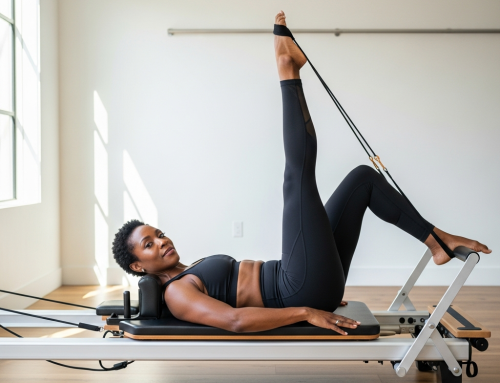
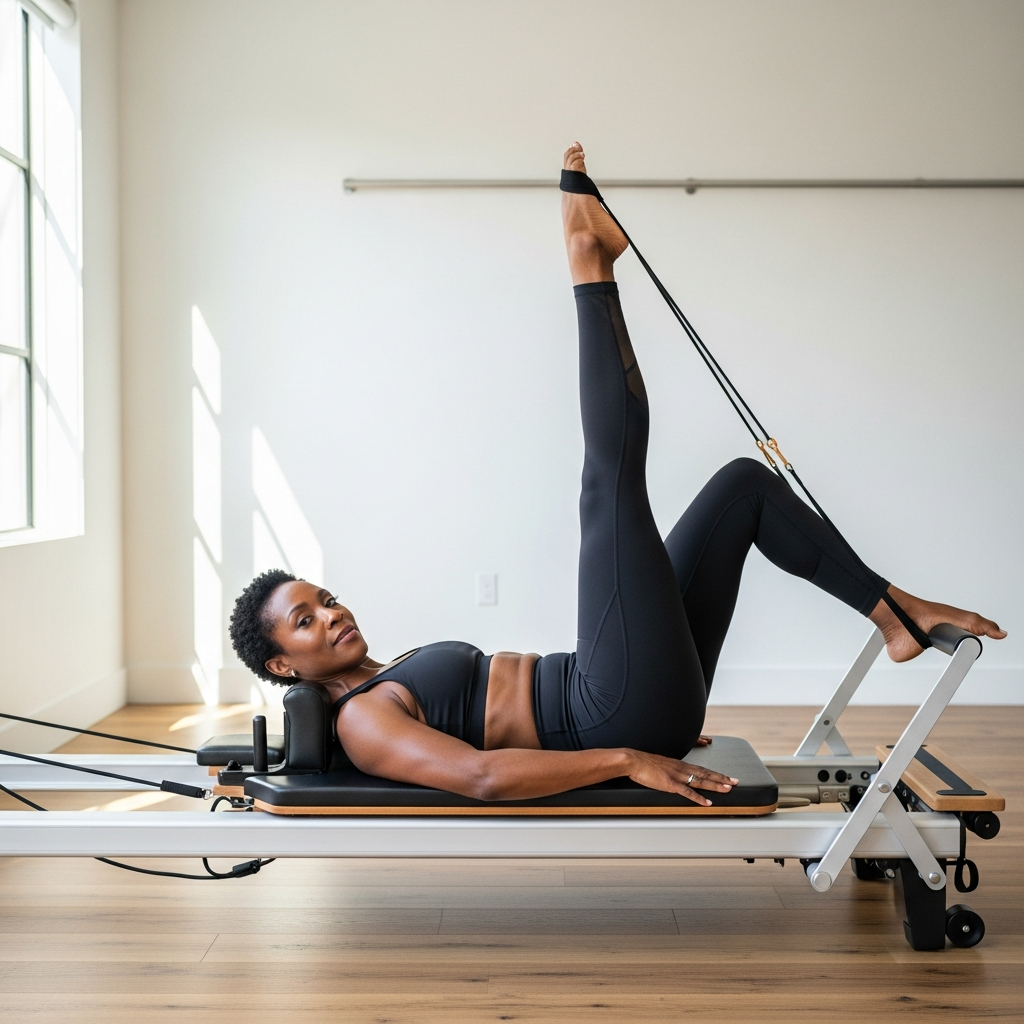
Walk into a quality Pilates studio and you’ll see what looks like medieval torture devices mixed with jungle gyms. The Reformer, the Cadillac, the Chair – they sound intimidating, don’t they? But here’s what’s actually happening: these machines use spring resistance to create what I like to think of as “helpful opposition.”
It’s like having a really good dance partner who knows exactly when to support you and when to challenge you. The springs don’t just make things harder – sometimes they make things easier, giving you feedback and assistance that helps your body understand proper alignment. I’ve seen people who’ve struggled with basic movements on the mat suddenly find their flow on the Reformer because the machine is literally teaching their muscles what to do.
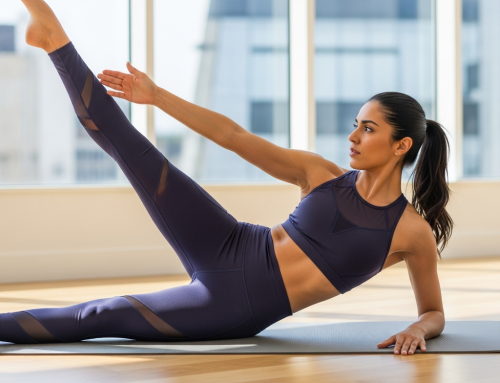
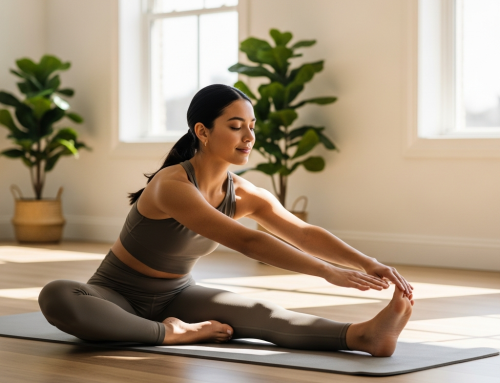
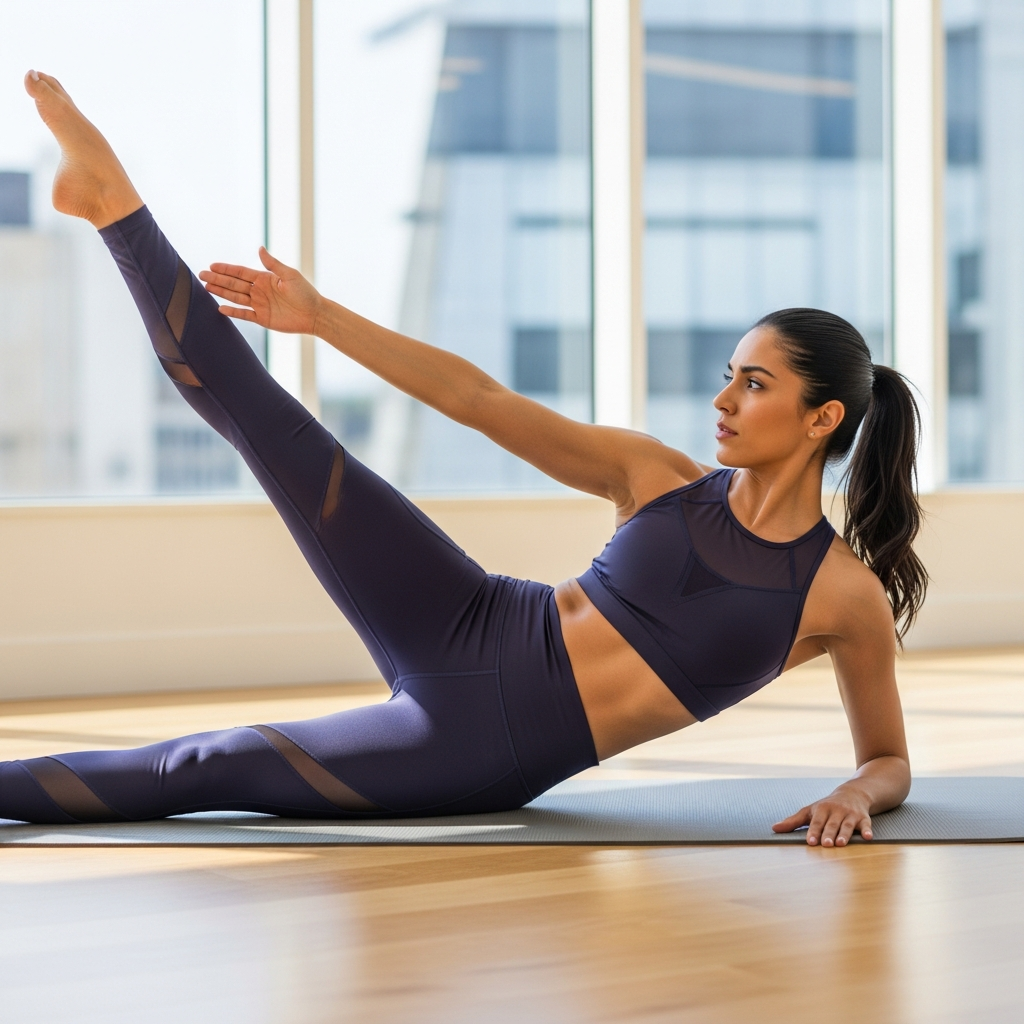
Mat work, on the other hand, is you versus gravity – pure and simple. No assistance, no shortcuts. It’s humbling, honestly. What looks like someone just lying on the floor doing gentle movements is actually a masterclass in body control and strength.
Classical vs. Contemporary – The Great Pilates Debate
This is where things get… well, a bit messy in the Pilates world. Classical practitioners follow Joseph Pilates’ original sequence religiously – same exercises, same order, every single time. It’s like a beautiful, unchanging ritual. Contemporary Pilates teachers mix things up, incorporating modern movement science and adapting exercises for different bodies and goals.
Neither approach is wrong, but they’re definitely different experiences. Classical feels like learning a traditional craft from a master artisan – there’s something powerful about doing the exact same sequence that’s been practiced for nearly a century. Contemporary feels more personalized, like having a movement coach who adjusts the plan based on what your body needs today.
The Instructor Factor – More Than Just Counting Reps
Here’s something that might surprise you: a truly skilled Pilates instructor spends way more time looking at how you’re breathing than whether you can do ten perfect repetitions. They’re watching for compensations – those sneaky ways your body tries to cheat when certain muscles are tired or weak.
It’s like having someone fluent in body language as your translator. They’ll spot when your shoulders are doing the work your core should be handling, or when you’re holding your breath because something feels challenging. A great instructor doesn’t just correct you – they help you understand why your body made that choice and how to redirect it.
Why Your Body Type Actually Matters
This might sound counterintuitive, but Pilates isn’t one-size-fits-all, despite what some marketing might suggest. Someone with hypermobile joints (you know, those people who can bend their fingers back in ways that make you cringe) needs completely different cues than someone who’s naturally tight and restricted.
I’ve watched instructors completely transform someone’s experience just by changing the language they use. Instead of “lengthen your spine,” they might say “imagine your head is a helium balloon gently lifting you up.” Same movement, totally different mental image, completely different result.
The best studios understand this and train their instructors to read bodies, not just teach choreography. They know that the person recovering from a knee replacement and the former dancer turned desk worker need different approaches to the same fundamental principles.
That’s what you’re really looking for in a quality studio – not just expertise in the method, but wisdom about how bodies actually work in all their beautiful, complicated variety.
What to Look for During Your First Visit (The Tell-Tale Signs)
The moment you walk into a studio, your gut will start talking. Listen to it. Quality Pilates studios have this… energy. It’s hard to describe, but you’ll feel whether people genuinely care about what they’re doing or if they’re just going through the motions.
Check the equipment first – and I mean really look. Those reformer springs should be properly tensioned, not saggy or overly tight. The carriage should glide smoothly without jerky movements or weird noises. If you see duct tape holding anything together… well, that tells you something about their priorities. Quality studios maintain their equipment religiously because they know a wonky reformer can throw off your entire workout (and potentially hurt you).
Here’s a secret most people don’t think about: watch how the instructors interact with each other between classes. Are they chatting about their weekend plans, or are they discussing modifications for specific clients? The best studios I’ve seen have instructors who genuinely collaborate – they’ll mention if someone’s dealing with a shoulder issue or celebrating a breakthrough with their back pain.
The Instructor Evaluation (Beyond the Certifications)
Sure, certifications matter – look for comprehensive programs like Romana’s Pilates, BASI, or Stott Pilates rather than weekend crash courses. But here’s what really matters: Can they explain WHY you’re doing something, not just HOW?
A great instructor won’t just say “engage your core.” They’ll help you understand that you’re creating a stable foundation for your spine, like building a strong base for a house. They should be able to modify exercises on the spot – not just make them easier, but truly adapt them to your body’s needs.
Watch how they handle corrections. The best instructors use their hands minimally but effectively. They’ll guide you into proper alignment without yanking you around like a rag doll. And they remember things… your name after the second class, that your left hip is tight, that you’re working toward doing a full roll-up.
Actually, that reminds me – pay attention to class sizes. If there are more than 8-10 people in a group equipment class, you’re not getting the attention you deserve. Pilates isn’t a fitness bootcamp where more bodies equal more energy. It’s precision work that requires individualized attention.
The Money Talk (What’s Worth Paying For)
Let’s be honest about pricing – quality Pilates isn’t cheap, and there’s a reason for that. Those reformers cost more than most people’s cars, and proper instructor training takes years, not weekends.
But here’s how to evaluate if you’re getting value: Calculate the cost per minute of actual instruction. A $35 private session that gives you 50 minutes of focused attention might actually be better value than a $25 group class where you spend half the time waiting for equipment.
Look for studios that offer package deals without pressure tactics. The good ones will let you try a few classes before committing to a big package. They might offer a “new client special” – maybe three classes for $75 or something similar. If they’re pushing you to buy a year-long membership on day one… red flag.
The Community Factor (Why It Actually Matters for Your Health Goals)
Here’s something most people don’t consider: the studio’s community can make or break your consistency. And consistency is everything when you’re working on health goals.
Notice if people stick around to chat after class or if they bolt for the door. Are there familiar faces who’ve clearly been coming for months or years? That’s usually a good sign – people don’t keep paying for something that doesn’t work.
The best studios create this subtle sense of accountability without being pushy. You’ll find yourself showing up because you don’t want to let down Sarah, who always sets up her reformer next to yours, or because you genuinely miss the endorphins when you skip too many sessions.
Trust Your Progress Timeline
Finally, here’s the reality check: good Pilates should make you feel something positive within three sessions. Not necessarily “transformed” – that’s unrealistic – but you should notice improved posture, better sleep, or less stiffness somewhere in your body.
If you’ve been going consistently for six weeks and feel exactly the same… either the instruction isn’t right for you, or the studio isn’t addressing your specific needs. Don’t be afraid to speak up or try somewhere else. Your time and money deserve to work harder for you.
The “I Don’t Belong Here” Feeling
Let’s be real – walking into your first Pilates class can feel like entering someone else’s world. Everyone seems to know exactly which reformer to grab, they’re chatting about “neutral pelvis” like it’s the weather, and you’re standing there wondering if you accidentally wandered into a cult.
This feeling hits about 90% of newcomers, even the super fit ones. Actually, especially the super fit ones – they expect their marathon training or CrossFit background to translate, then find themselves shaking during a simple leg circle. The truth? Pilates uses muscles you forgot you had, in ways you’ve never moved before.
The fix isn’t complicated but it takes intention. A quality studio addresses this head-on. They’ll do actual intake sessions – not just handing you a clipboard – where instructors ask about your movement history, injuries, and what you’re hoping to achieve. They should offer genuine beginner series or foundation classes, not just slapping a “Level 1” sticker on a regular class and calling it beginner-friendly.
When Your Body Won’t Cooperate
Here’s what nobody tells you: your right side and left side are probably having completely different conversations with your brain. You’ll nail the exercise on one side and look like a confused flamingo on the other. Or you’ll understand exactly what the instructor means by “engage your core” but your abs apparently didn’t get the memo.
This asymmetry thing? It’s not a character flaw – it’s human. Years of carrying bags on one shoulder, favoring one leg, sleeping in weird positions… we all develop these patterns. Pilates just makes them really, really obvious.
The studios worth their salt won’t make you feel broken. Good instructors expect these imbalances and have modifications ready. They’ll use props – blocks, bands, balls – not as consolation prizes but as tools to help you find the right muscles. They’ll also give you permission to work at your own pace, which brings us to…
The Comparison Trap
You know that person next to you flowing through exercises like water while you’re still figuring out which way is up? Yeah, they’ve probably been coming here for three years. But your brain doesn’t care about logic when you’re feeling clunky.
Social comparison is sneaky in Pilates because the movements look deceptively simple. It’s not like watching someone deadlift twice your body weight – obviously they’re stronger. But when someone makes a roll-up look effortless while you’re stuck halfway… that stings.
The antidote is finding studios that actively discourage comparison. Look for places where instructors give individual attention, where they’re watching your form rather than just leading the class from the front. Quality studios create an atmosphere where everyone’s working on their own thing, even in group settings.
The Scheduling Reality Check
Let’s talk about the elephant in the room – life getting in the way. You start with grand plans of attending three times a week, then work explodes, your kid gets sick, your car decides to break down… and suddenly it’s been two weeks since your last class. Cue the guilt spiral.
Most people think consistency means perfection, but that’s not how bodies work. Missing a week doesn’t erase your progress – though it might make that next class feel a bit harder. The key is studios that make it genuinely easy to restart without drama.
Good studios have flexible scheduling systems, makeup policies that actually work for real life, and instructors who welcome you back without making you feel guilty about the gap. They understand that sustainable change happens in waves, not straight lines.
The Expense Factor (Because We’re All Thinking It)
Pilates isn’t cheap, and pretending money doesn’t matter is insulting to everyone trying to balance health with rent. Quality costs more because of smaller class sizes, specialized equipment, and extensive instructor training – but that doesn’t make the sticker shock any less real.
The solution isn’t always finding the cheapest option… it’s finding honest value. Some studios offer community classes, work-study programs, or package deals that actually save money. Others provide such personalized attention that you progress faster, ultimately needing fewer sessions.
The real question isn’t “Can I afford this?” but “Can I afford not to invest in feeling better in my body?” Sometimes reframing helps. Other times, you need to shop around until you find something that fits your budget without compromising your goals.
Setting Realistic Expectations for Your Pilates Journey
Let’s be honest here – you’re not going to walk out of your first Pilates class looking like a different person. I know, I know… we’ve all seen those dramatic before-and-after photos that make it seem like magic happens overnight. But that’s not how real bodies work.
Most people start noticing subtle changes after about 6-8 classes – maybe you’ll feel a bit taller, or your lower back won’t ache after sitting at your desk all day. The real transformation? That takes patience. We’re talking 3-6 months of consistent practice (2-3 times per week) before you’ll see significant changes in strength, posture, and body composition.
Actually, that reminds me of something Joseph Pilates himself said: “In 10 sessions, you’ll feel the difference. In 20 sessions, you’ll see the difference. In 30 sessions, you’ll have a completely new body.” While that timeline might be a bit optimistic for most of us (the man was pretty intense), there’s truth in the progression he outlined.
Don’t get discouraged if you’re wobbling through your first few reformer sessions or if that simple-looking exercise leaves you shaking. Everyone starts somewhere, and a quality studio will meet you exactly where you are – whether you’re dealing with old injuries, haven’t exercised in years, or you’re coming from other fitness backgrounds.
What to Expect in Your First Month
Your body’s going to have some opinions about this new movement pattern. You might feel sore in places you didn’t even know had muscles – hello, deep abdominals and tiny stabilizer muscles that have been taking a long nap.
Week one: Everything feels foreign. You’ll probably spend half the class trying to figure out which way is “up” on the reformer. That’s completely normal.
Week two: You’ll start recognizing some exercises, but you’re still learning the rhythm of breathing with movement. Your instructor will probably repeat cues about 47 times… because we know you need to hear them that often.
By week three or four – and this is where it gets exciting – you’ll start to feel that Pilates “click.” Maybe you’ll nail that roll-up you’ve been struggling with, or suddenly understand what everyone means by “finding your powerhouse.”
The Reality Check You Need
Some days you’ll walk into class feeling strong and centered. Other days? You’ll feel like you’ve never done Pilates before in your life. This isn’t a reflection of your progress – it’s just being human. Stress, sleep, hormones, what you ate for lunch… all of it affects how you feel in your body.
A quality studio won’t make you feel bad about these off days. Instead, they’ll help you modify and adapt so you can still benefit from the practice without forcing anything.
Your Next Steps (The Practical Stuff)
If you’re sold on trying Pilates – and honestly, why wouldn’t you be after everything we’ve covered – here’s how to move forward without overwhelming yourself.
Start with that intro package we talked about earlier. Most studios offer something like 3 classes for a discounted rate, which gives you enough sessions to get past that initial “what am I doing?” phase but not so many that you feel pressured to commit before you’re ready.
Book your first class for a time when you’re not rushed. Trust me on this one. You don’t want to be checking your watch during savasana because you have a meeting in 20 minutes.
Come prepared to be a beginner – even if you’re fit from other activities. Pilates uses your body differently than running or weight lifting, and that’s actually the point. It’s filling in the gaps that other exercises might miss.
Building Your Practice Sustainably
Once you’ve found a studio you love (and you will – we’ve given you all the tools to spot a good one), think about consistency over intensity. Two classes a week will serve you better than four classes one week and then nothing for three weeks.
Many people find that combining Pilates with their current routine works beautifully. Maybe you keep your weekend hikes but swap one of your gym sessions for Pilates. Or perhaps you use Pilates as active recovery between more intense workouts.
The goal isn’t to completely overhaul your life overnight – it’s to add something valuable that enhances everything else you’re already doing. And honestly? Once you start feeling the benefits, you’ll probably want to make room for more Pilates anyway.
You know what? Finding the right Pilates studio isn’t just about checking boxes on a list. It’s about finding a place where you feel… well, *seen*. Where the instructor notices when your form needs a tweak, where the equipment actually works properly, and where you don’t feel like you’re competing with everyone else in the room.
I’ve talked to so many people who’ve hopped from studio to studio, feeling frustrated because something just wasn’t clicking. Maybe the classes felt too rushed, or the instructor seemed more interested in showing off than actually teaching. Sometimes it’s as simple as the studio feeling cold and impersonal – like working out in a fancy doctor’s office.
But here’s the thing – when you find *your* studio, you’ll know it almost immediately. The energy feels right. The instructor remembers your name (and maybe even asks about that shoulder issue you mentioned last week). The other students smile instead of giving you the once-over. You leave feeling stronger, not defeated.
And honestly? This matters more than you might think, especially if you’re working on weight loss goals alongside your fitness routine. Exercise shouldn’t feel like punishment – it should feel like self-care. When you’re in a supportive environment, moving your body becomes something you actually look forward to rather than something you dread.
The studios that really get it understand that everyone’s starting from a different place. Maybe you haven’t exercised in years, or you’re dealing with an old injury, or you’re just… tired. Really, really tired from trying so many different approaches to feeling better in your own skin.
A quality instructor won’t make assumptions about what you can or can’t do. They’ll meet you where you are – whether that’s modifying every single exercise or challenging you to try something that seemed impossible last month. They create space for your body to change and adapt without making you feel self-conscious about the process.
Look, I get it if you’re feeling a bit overwhelmed thinking about all of this. Between work, family, and everything else pulling at your attention, adding one more decision to your plate can feel exhausting. And if you’re already working on weight management, you might be wondering how Pilates fits into that bigger picture.
That’s exactly why we’re here, though. We understand that wellness isn’t just about the number on the scale – it’s about feeling strong, confident, and comfortable in your own body. Whether you’re curious about how Pilates might complement your current routine, or you’re looking for guidance on creating sustainable habits that actually stick, we’d love to chat.
Ready to explore what feels right for your body and your goals? Give us a call or shoot us a message. No pressure, no sales pitch – just a genuine conversation about what you’re hoping to achieve and how we might be able to support you along the way. Because honestly, you deserve to feel amazing in your own skin… and sometimes that starts with finding the right people to cheer you on.