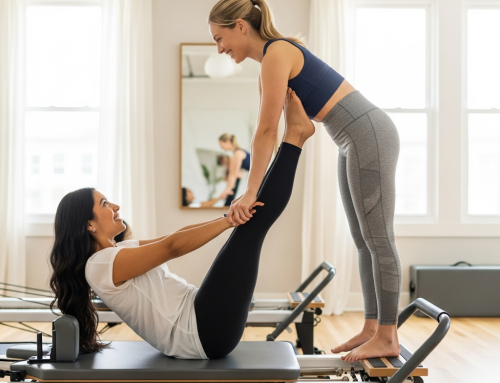
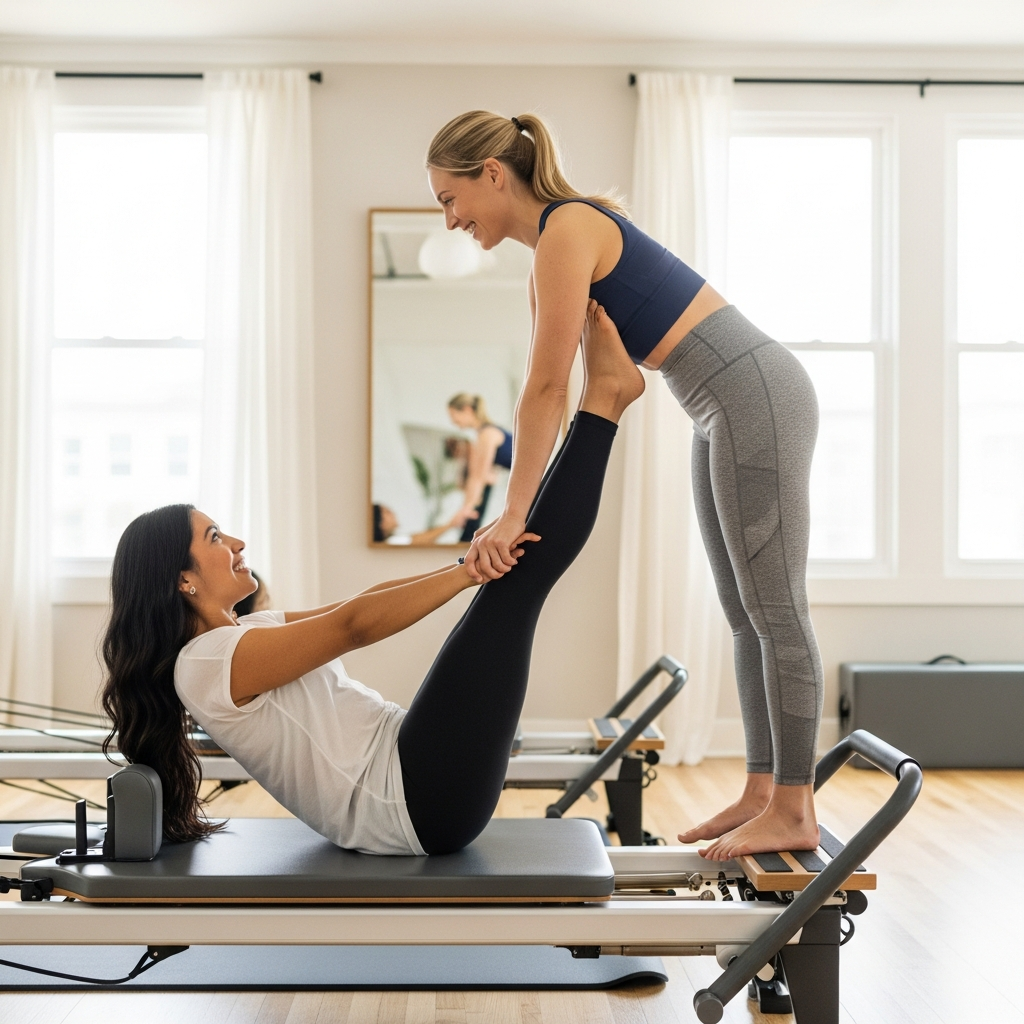
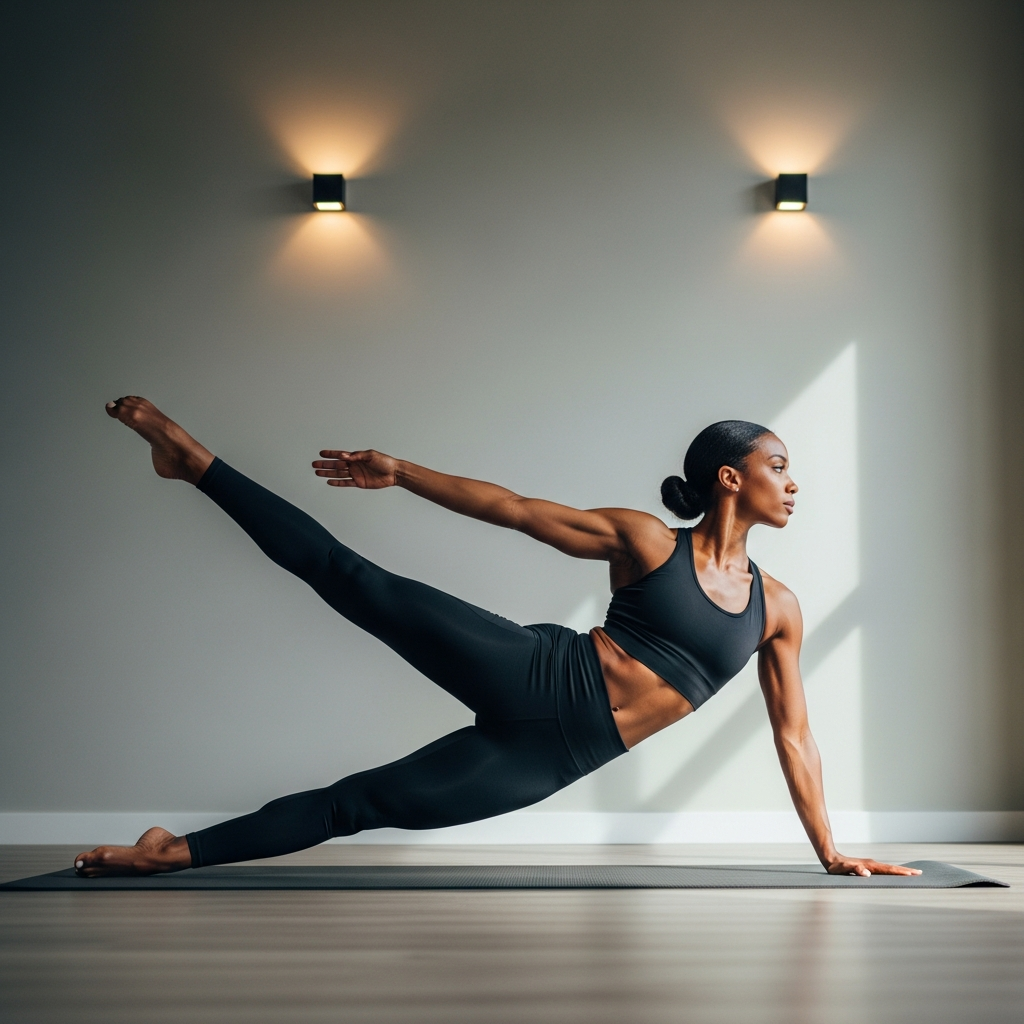
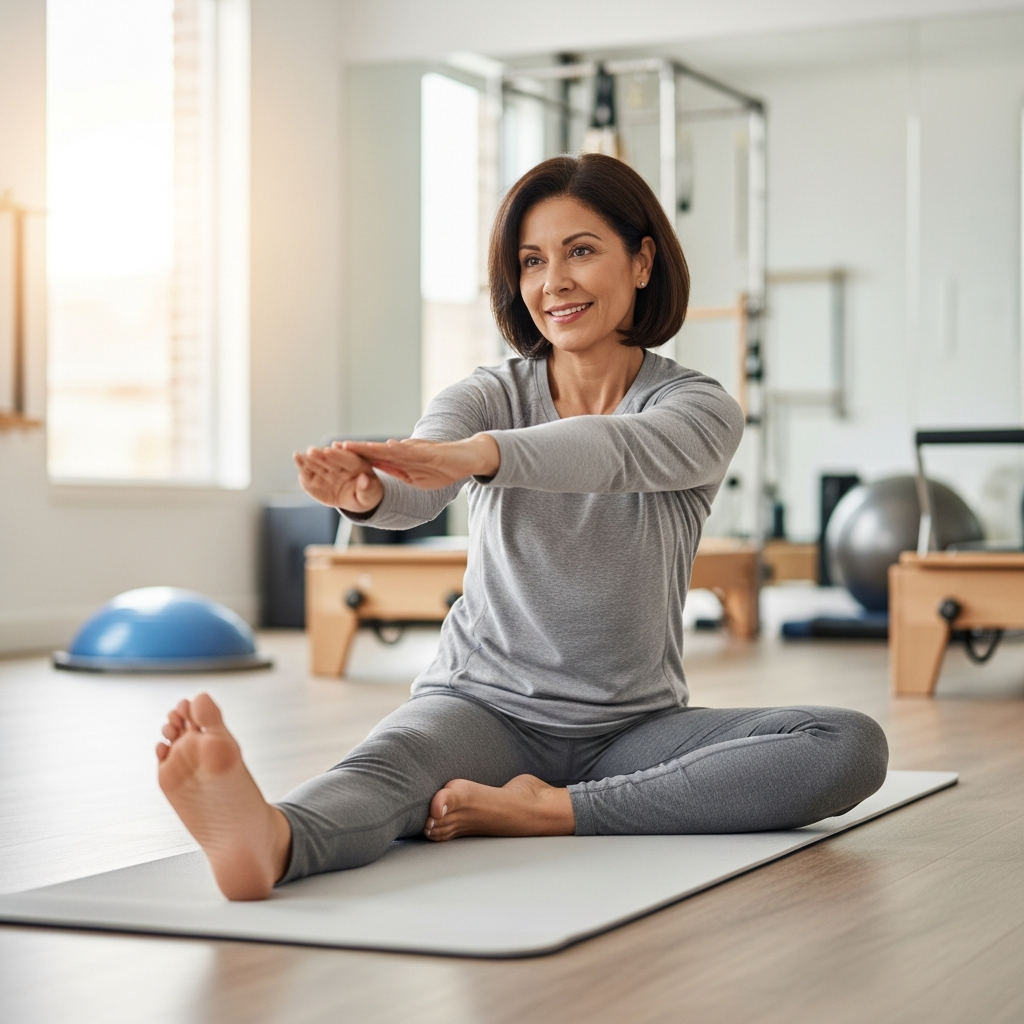
8 Ways Pilates Improves Flexibility for Irving Clients

You know that moment when you bend down to pick up something you dropped and your back practically screams at you? Or when you’re trying to reach that top shelf at the grocery store and you feel like your shoulder might just… give up? Yeah, we’ve all been there.
I was talking to Sarah last week – she’s one of our clients here in Irving – and she told me the most relatable story. She was playing with her five-year-old grandson, trying to sit crisscross on the floor for their epic Lego battle. But here’s the thing… she literally couldn’t get comfortable. Her hips were tight, her back was protesting, and she found herself thinking, “When did I become so stiff?”
Sound familiar?
Here’s what’s wild – and maybe a little depressing if you really think about it – we lose about 1% of our flexibility each year after age 30. That means by the time you hit 50, you’ve lost roughly 20% of your range of motion. No wonder that grandson’s Lego session felt like an Olympic event.
But here’s where it gets interesting (and way more hopeful). While we can’t stop time – trust me, I’ve tried – we absolutely can fight back against this whole stiffness situation. And honestly? Pilates might just be your secret weapon.
Now, I know what you’re thinking. You’ve probably seen those Instagram videos of impossibly bendy people doing moves that look like they belong in Cirque du Soleil. That’s not what we’re talking about here. Real Pilates – the kind that actually changes your daily life – is so much more accessible than those highlight reels suggest.
See, flexibility isn’t just about being able to touch your toes (though that’s nice too). It’s about moving through your day without wincing. It’s about playing with your kids or grandkids without needing a recovery day. It’s about reaching for your coffee mug in the morning without your shoulder making that weird clicking sound.
And if you’re on a weight loss journey – which, let’s be honest, many of our Irving clients are – flexibility becomes even more crucial. Think about it: when your body moves better, exercise becomes less painful and more enjoyable. When exercise is more enjoyable, you’re way more likely to stick with it. It’s like this beautiful domino effect where everything starts working together instead of against you.
The thing about Pilates is that it approaches flexibility differently than, say, traditional stretching. Instead of just yanking on tight muscles (ouch), it focuses on strengthening your body while lengthening it. It’s like… imagine your muscles are rubber bands that have been sitting in a drawer for years. You wouldn’t just stretch them aggressively – they’d snap. Instead, you’d warm them up, work with them gradually, strengthen the areas around them.
That’s essentially what we’re doing with Pilates.
Over the years working with clients right here in Irving, I’ve watched people transform not just their bodies, but honestly? Their entire relationship with movement. Take Maria – she came to us because her doctor recommended it after a back injury. Six months later, she’s not just pain-free, she’s more flexible than she was in her twenties. Or David, who started because his golf game was suffering (tight hips, if you’re curious). Now he’s not only playing better golf, he’s sleeping better because his body isn’t constantly fighting tension.
What I’m going to share with you are eight specific ways that Pilates works its flexibility magic. We’re not talking vague promises or wishful thinking – these are real, measurable changes that happen in your body when you commit to this practice. Some of them might surprise you, actually.
We’ll explore how Pilates doesn’t just stretch your muscles but literally retrains your nervous system to let go of chronic tension. We’ll talk about why your breathing pattern might be keeping you tight (seriously!), and how Pilates fixes that. And yes, we’ll get into the nitty-gritty of which specific movements create the biggest flexibility gains.
Because here’s the truth: you don’t have to accept stiffness as an inevitable part of aging. Your body is more adaptable than you think, and it’s never too late to feel more comfortable in your own skin.
What Exactly Is Flexibility, Anyway?
Okay, let’s get one thing straight – flexibility isn’t just about touching your toes or doing the splits (though if that’s your goal, more power to you). Think of flexibility like the difference between a brand new rubber band and one that’s been sitting in your junk drawer for five years. The fresh one stretches smoothly and snaps back into place. The old one? Well… let’s just say it’s not winning any awards for performance.
Your muscles and connective tissues work the same way. When they’re flexible, they can lengthen and contract efficiently – which means you’re less likely to pull something reaching for that top shelf at the grocery store. And here’s something that might surprise you: being flexible actually makes you stronger, not weaker. I know, I know… it sounds backwards, but stick with me here.
The Pilates Approach – It’s Different Than You Think
Most people picture Pilates and think “fancy stretching on expensive equipment.” But honestly? That’s like saying cooking is just heating up food. Technically true, but missing about 90% of what’s actually happening.
Pilates works on something called dynamic flexibility – which is your body’s ability to move through its full range of motion while maintaining control. It’s not about forcing your hamstring into submission with static stretches (you know, that toe-touching torture we all remember from gym class). Instead, it’s more like teaching your muscles to have a conversation with each other.
When you’re doing a Pilates roll-up, for instance, every vertebra in your spine has to articulate – that’s fancy talk for moving one at a time in sequence. Your hip flexors lengthen while your core engages, and your shoulders stay stable while your arms reach forward. It’s like conducting an orchestra where every instrument has to know exactly when to come in.
Why Your Body Fights Flexibility (And How Pilates Fixes It)
Here’s where things get a little counterintuitive… Your muscles actually resist stretching as a protective mechanism. Think of it like your body’s internal security system – it doesn’t know if you’re trying to improve your flexibility or if you’re about to tear something important. So it tightens up, just in case.
This is especially true if you’ve been sitting at a desk for, oh, the last several years. Your hip flexors get short and cranky, your shoulders round forward, and your spine forgets what it feels like to actually… well, flex. It’s like your body has been wearing a really uncomfortable suit for so long that it’s forgotten how to move naturally.
But here’s where Pilates gets clever. Instead of forcing the stretch, it uses controlled movement and breath to essentially negotiate with your nervous system. “Hey, we’re just going to move a little bit this way… see? Everything’s fine. Now let’s try a little more…”
The Mind-Body Connection That Actually Matters
I used to roll my eyes when instructors talked about the “mind-body connection.” It sounded so… woo-woo, you know? But after years of watching clients transform their flexibility through Pilates, I’ve got to admit – there’s something real happening here.
When you’re moving slowly and deliberately, paying attention to every micro-movement, your brain starts building new neural pathways. It’s like updating your body’s software. Suddenly, that tight spot in your lower back isn’t just tight anymore – you can actually feel the difference between muscular tension and joint restriction.
Actually, that reminds me of something one of our Irving clients told me last month. She said Pilates taught her the difference between “good tight” (engaged muscles working properly) and “bad tight” (compensation patterns from old injuries). Once she could feel that difference, her flexibility improvements accelerated dramatically.
Why Traditional Stretching Falls Short
Don’t get me wrong – touching your toes is great. But if that’s all you’re doing, you’re missing out on functional flexibility. Traditional stretching often works muscles in isolation, which is fine… except that’s not how your body actually moves in real life.
When you reach up to put something on a high shelf, you’re not just using your shoulders. Your core stabilizes, your hips might shift, and your entire kinetic chain works together. Pilates trains that whole system, which is why the flexibility gains tend to stick around – and actually translate into daily activities.
Making Your First Pilates Class Less Intimidating
Look, I get it – walking into your first Pilates class can feel like entering foreign territory. But here’s something most people don’t tell you: half the class is probably newer than you think, and everyone’s too focused on not falling over to judge your form.
Start with a beginner-friendly studio (there are several excellent ones right here in Irving). Call ahead and ask about their intro packages – most offer discounted first-time rates. Show up 15 minutes early to meet your instructor… trust me on this. They’ll help you understand the equipment and – more importantly – they’ll keep an eye on you during class.
Wear fitted clothes that won’t ride up during inversions. You’ll thank me later when you’re not constantly tugging at your shirt while trying to hold a plank.
The Daily Habits That Actually Make a Difference
Here’s where most flexibility advice goes wrong – it focuses on the hour you spend in class instead of the 23 hours you don’t. Your daily habits matter more than you think.
Morning routine game-changer: Before you even get out of bed, do some gentle spinal twists. Knees to chest, then drop them to one side, hold for 30 seconds, switch sides. It takes two minutes and sets your spine up for better movement all day.
Throughout your workday (especially if you’re desk-bound like so many Irving professionals), set a phone reminder every hour. Stand up, do some shoulder rolls, maybe a standing forward fold. Nothing fancy – just remind your body it’s designed to move.
And here’s something I learned from years of working with clients… the best time for deeper stretching isn’t right after your Pilates class when you feel all loose and limber. It’s actually 2-3 hours later when your muscles have cooled down but are still warm from the workout.
Equipment You Actually Need (Spoiler: It’s Less Than You Think)
The Pilates industry loves to sell you things, but honestly? You can get incredible flexibility results with almost nothing.
A basic mat is non-negotiable – but skip the expensive ones. A simple, non-slip yoga mat from Target works perfectly fine. What matters more is that it’s thick enough to protect your spine during rolling exercises.
Here’s my secret weapon recommendation: a tennis ball. Seriously. Use it for self-massage before your Pilates sessions – roll it under your feet, between your shoulder blades against a wall, under your glutes. Five minutes of this prep work can transform your entire session.
If you want to invest in one piece of equipment, make it a foam roller. But not those fancy textured ones that feel like medieval torture devices. A basic smooth roller is perfect for Irving’s humid climate – it won’t irritate your skin when you’re already sweating.
Working Around Common Body Limitations
Let’s talk about real life for a moment. Maybe you’ve got tight hips from years of sitting, or your shoulders are basically cemented from stress. Perhaps you’re dealing with old injuries or just… well, you’re not 25 anymore.
For chronically tight hips: Before attempting any hip-opening Pilates moves, spend time in child’s pose with your knees wide. Not sexy, not Instagram-worthy, but it works. Hold it for 2-3 minutes while breathing deeply.
Shoulder issues: Start every session with gentle arm circles – both directions, gradually increasing the size. If overhead movements hurt, modify everything. Your instructor should offer alternatives, and if they don’t, find a new instructor.
Lower back concerns: This is huge for our Irving clients who commute to Dallas daily. Never force forward folds. Instead, focus on spinal articulation – rolling down and up vertebra by vertebra. Your hamstrings might stay tight for a while, but your spine will thank you.
The Recovery Strategies No One Talks About
Here’s what separates people who see dramatic flexibility improvements from those who plateau: recovery isn’t just about rest days.
Hydration matters more than you think – dehydrated muscles don’t stretch well. Aim for half your body weight in ounces of water daily, and add a pinch of sea salt if you’re sweating a lot in our Texas heat.
Sleep position affects your flexibility work too. If you sleep on your side, put a pillow between your knees to keep your hips aligned. Stomach sleepers (I know, I know, it’s hard to change) – try putting a thin pillow under your pelvis to reduce lower back compression.
And here’s my favorite recovery trick: warm Epsom salt baths twice a week. Twenty minutes in warm water with magnesium sulfate helps muscles relax and reduces the inflammation that can limit range of motion. Light some candles, bring a book… make it a ritual, not just recovery.
The “I’m Too Stiff” Mental Block
Let’s be real – walking into your first Pilates class when you can barely touch your toes feels… intimidating. Actually, scratch that. It feels downright terrifying. You’re watching everyone else flow through movements while you’re over there struggling to roll up from lying down without looking like a rusty gate.
Here’s what nobody tells you: that stiffness? It’s not permanent. Think of it like a really tight jar lid – the first few attempts are rough, but once you start loosening it… well, things get easier. The key is showing up consistently, even when (especially when) you feel like the least flexible person in the room.
Start with modified versions of everything. Can’t roll all the way up in a roll-up? Come up halfway. Can’t straighten your legs in a stretch? Keep them bent. Your body will catch up to your ambition – just give it time.
When Progress Feels Invisible
This one’s frustrating as hell. You’ve been going to Pilates for three weeks, and you swear you’re exactly as stiff as when you started. Meanwhile, your Instagram feed is full of people doing splits they definitely couldn’t do last month (though let’s be honest, they probably could do them all along).
Progress in flexibility isn’t linear – it’s more like a stock market chart with lots of ups and downs. Some days you’ll feel loose and amazing. Other days? You’ll feel like you aged ten years overnight. That’s completely normal.
Try this: take a photo of yourself doing a simple stretch – maybe reaching for your toes – on your first day. Then take the same photo every two weeks. Don’t look at the previous photos until you’ve been at it for at least two months. Trust me on this one… the changes are there, even when you can’t feel them day to day.
The Comparison Trap (It’s Real, and It’s Brutal)
You know that person in your class who seems to bend like a pretzel? The one who makes everything look effortless while you’re over there concentrating so hard you forget to breathe? Yeah, we need to talk about them.
First off – they weren’t born that way. Well, maybe some were, but most of them have been working on their flexibility for years. Comparing your week three to their year three is like comparing a sapling to an oak tree. Different stages, completely different stories.
Here’s a mental trick that actually works: instead of watching what others can do, pay attention to how they breathe during challenging poses. Notice how they modify when something doesn’t feel right. Most flexible people aren’t pushing through pain – they’re listening to their bodies and working within their limits. That’s the real skill to learn.
Dealing with Actual Physical Limitations
Sometimes the challenge isn’t mental – it’s genuinely physical. Maybe you’ve got tight hip flexors from sitting at a desk all day. Or your shoulders are perpetually hunched forward from… well, also sitting at a desk all day. (Seriously, desks are flexibility killers.)
The solution isn’t to push harder – it’s to be smarter. If your hip flexors are tight, you can’t just force them open with aggressive stretching. You need to strengthen the opposing muscles and gradually coax those hip flexors into letting go. It’s like negotiating with a stubborn toddler – patience and consistency win over force every time.
Work with your instructor to identify your specific tight spots. They can suggest modifications and supplementary stretches to do at home. Sometimes five minutes of targeted stretching while watching Netflix does more good than an entire class where you’re fighting against your body’s limitations.
The Motivation Rollercoaster
Let’s talk about the weeks when you just… don’t want to. When the thought of another Pilates class makes you want to crawl back into bed. When you’re tired, stressed, or dealing with life stuff, and flexibility feels like the least important thing on your to-do list.
This is where having a routine saves you. Not motivation – routine. Motivation is fickle and unreliable. Routine just gets you there, even when you don’t feel like it.
Pick specific days and times for Pilates, and treat them like non-negotiable appointments. Show up even when you don’t want to – especially when you don’t want to. Nine times out of ten, you’ll feel better afterward. And that tenth time? Well, at least you showed up.
Remember – flexibility isn’t just about touching your toes or doing Instagram-worthy poses. It’s about feeling comfortable in your own body, moving without pain, and having the physical freedom to do the things you love. That’s worth pushing through a few rough patches.
What to Expect in Your First Month
Let’s be honest – you’re not going to walk out of your first Pilates session feeling like a pretzel. And that’s completely normal.
Most people notice small improvements in how they move within 2-3 weeks. You might find it easier to reach for something on a high shelf, or maybe your lower back doesn’t feel as stiff when you get out of bed. These aren’t dramatic changes, but they’re the foundation for everything that comes next.
The real flexibility gains? Those typically show up around the 6-8 week mark if you’re consistent with 2-3 sessions per week. Your hamstrings might finally let you touch your toes (or at least get closer than before), and that nagging tightness in your hip flexors from sitting at your desk all day starts to ease up.
Here’s something nobody talks about enough – you’ll probably feel worse before you feel better for the first week or two. Your muscles are learning new movement patterns, and they might rebel a bit. That’s actually a good sign… it means things are changing.
The Month-by-Month Reality Check
Weeks 1-4: You’re building awareness more than flexibility. Your instructor might point out that your shoulders are creeping up toward your ears, or that you’re holding your breath during movements. This body awareness is actually more valuable than any stretch – it’s what prevents injury and sets you up for long-term success.
Weeks 5-8: This is where the magic starts happening. Your nervous system begins trusting these new ranges of motion, and you’ll notice everyday activities feeling easier. Getting out of your car doesn’t require a strategic plan anymore.
Months 3-4: Now we’re talking real improvements. You might surprise yourself by sliding into a yoga pose that seemed impossible before, or notice that your posture has improved without you even thinking about it. People might start commenting that you look taller (spoiler alert: it’s because you are standing straighter).
Months 5-6: The changes become more obvious to everyone around you. Your movement quality improves dramatically – you’re not just more flexible, you’re moving with more grace and control.
Creating Realistic Goals (Not Instagram Fantasies)
Forget those social media posts of people doing impossible-looking stretches. Your flexibility goals should be personal and practical.
Maybe you want to be able to put on your socks without sitting down, or reach into the backseat of your car without wincing. Perhaps you’d like to sleep through the night without your lower back waking you up, or play with your grandkids on the floor without needing help getting back up.
These aren’t glamorous goals, but they’re the ones that actually improve your quality of life. And honestly? They’re much more achievable than whatever contortionist pose you saw on TikTok last week.
Your Home Practice (Keep It Simple)
You don’t need to recreate your entire studio session at home. In fact, trying to do too much usually backfires.
Pick 2-3 movements that felt good during your session and spend 10-15 minutes with them most days. Maybe it’s some gentle spinal rolls, a modified cat-cow stretch, or simple breathing exercises while lying on your back with your knees bent.
The key is consistency over intensity. Fifteen minutes every day beats an hour-long session once a week – your body responds better to frequent, gentle reminders than occasional marathon efforts.
When to Worry (And When Not To)
Some muscle soreness after your first few sessions? Totally normal. Feeling like you got hit by a truck? That’s probably your body adjusting to new movement patterns.
Sharp pain, however, is different. If something doesn’t feel right, speak up immediately. Good instructors want to know – they’d rather modify your workout than have you push through pain.
Also, don’t panic if progress feels slow some weeks. Flexibility isn’t linear – you might have breakthrough weeks followed by plateaus. Your body’s working even when you can’t see dramatic changes happening.
Building Long-Term Success
The clients who see the best results are the ones who show up consistently, ask questions when they’re confused, and remember that flexibility is just one piece of overall wellness. You’re not just stretching muscles – you’re rewiring movement patterns that have been years in the making.
Be patient with yourself. Your body’s been with you through everything – it deserves some grace as it learns these new skills.
You know what strikes me most about all of this? It’s not just that Pilates makes you more flexible – though it absolutely does. It’s how this whole thing snowballs in the best possible way.
Think about it… you start doing some gentle stretches, maybe working with the reformer or just following along with mat exercises. Your hamstrings stop feeling like guitar strings. Your shoulders drop away from your ears for the first time in months. And suddenly? You’re moving differently through your day.
I see this all the time with our Irving clients. Sarah came in because her lower back was constantly tight from her desk job – you know the story, we’ve all been there. Three months later, she’s not just touching her toes (though she’s pretty excited about that). She’s sleeping better because her body isn’t wound up like a spring. She’s more confident in her movement. She’s actually enjoying physical activity again.
That’s the thing about flexibility that people don’t always realize. It’s not just about being able to do impressive stretches – though honestly, there’s something pretty satisfying about surprising yourself with what your body can do. It’s about feeling comfortable in your own skin again. It’s about your body working with you instead of against you.
And here’s what I love about Pilates specifically… it meets you wherever you are. Maybe you haven’t exercised in years and you’re worried about looking foolish. Maybe you’ve been dealing with chronic pain that makes you hesitant to move. Maybe you’re already pretty active but you feel stiff and creaky in ways that concern you.
Doesn’t matter. We’ve worked with clients who could barely reach their knees when they started, and others who were already fairly flexible but wanted to move with more control and grace. The beauty of this approach is that it adapts. Your instructor isn’t going to push you into some pretzel pose on day one – they’re going to help you discover what your body needs and wants.
I think what I’m really trying to say is this: your body wants to feel good. It wants to move freely. It wants to bend and reach and stretch without sending up red flags of discomfort. Sometimes it just needs a little guidance to remember how.
If you’ve been reading this thinking “I wish I could move like that” or “my body feels so stiff lately” or even “I wonder if this could help with my back pain…” – trust that instinct. Those thoughts are your body’s way of asking for attention.
We’re here when you’re ready. Not to push you into anything, but to support you in figuring out what works for your unique situation. Maybe that’s a gentle mat class. Maybe it’s one-on-one sessions where we can really focus on your specific needs. Maybe you just want to come in and ask some questions first.
Whatever feels right for you is exactly where we’ll start. Your body has been carrying you through everything – work stress, family obligations, all those daily demands. It deserves some kindness, some attention, some gentle movement that helps it remember how good it can feel.
Ready to give it a try? We’d love to help you get started.