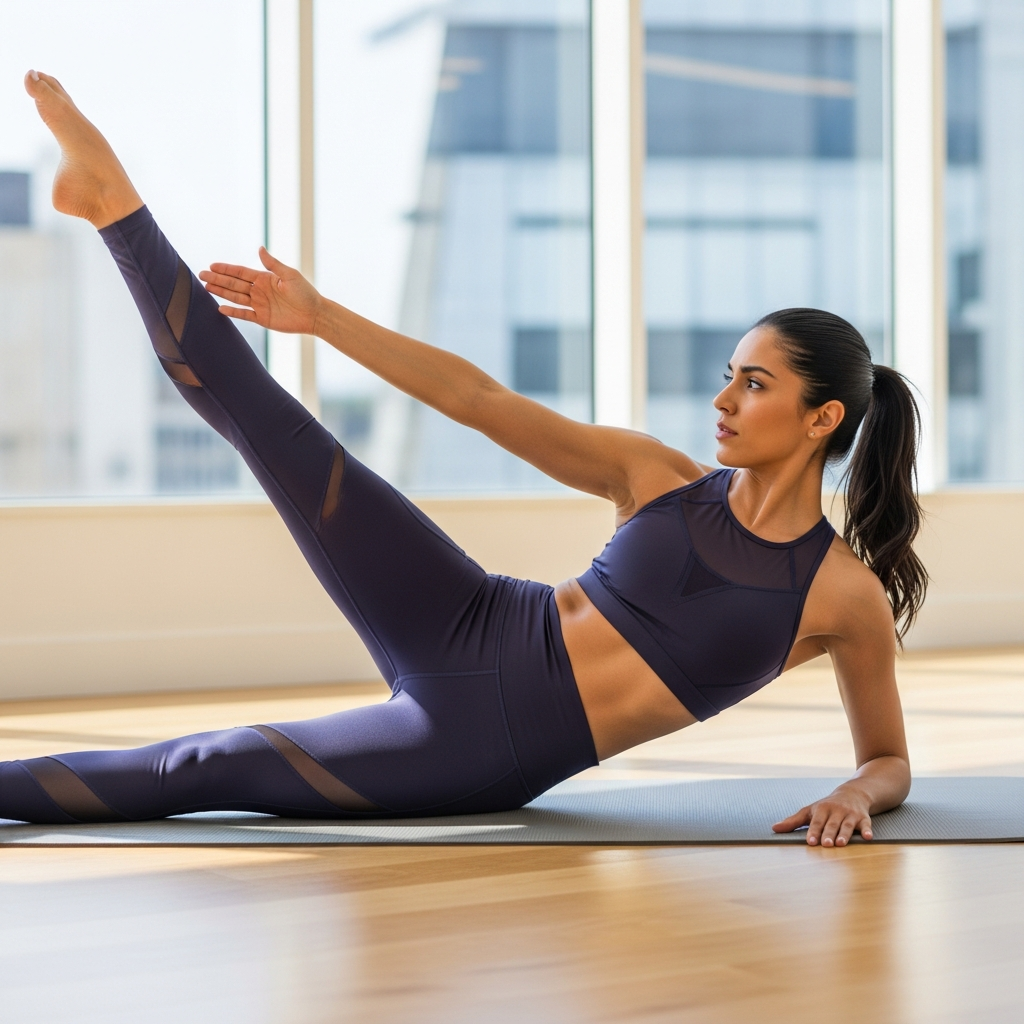
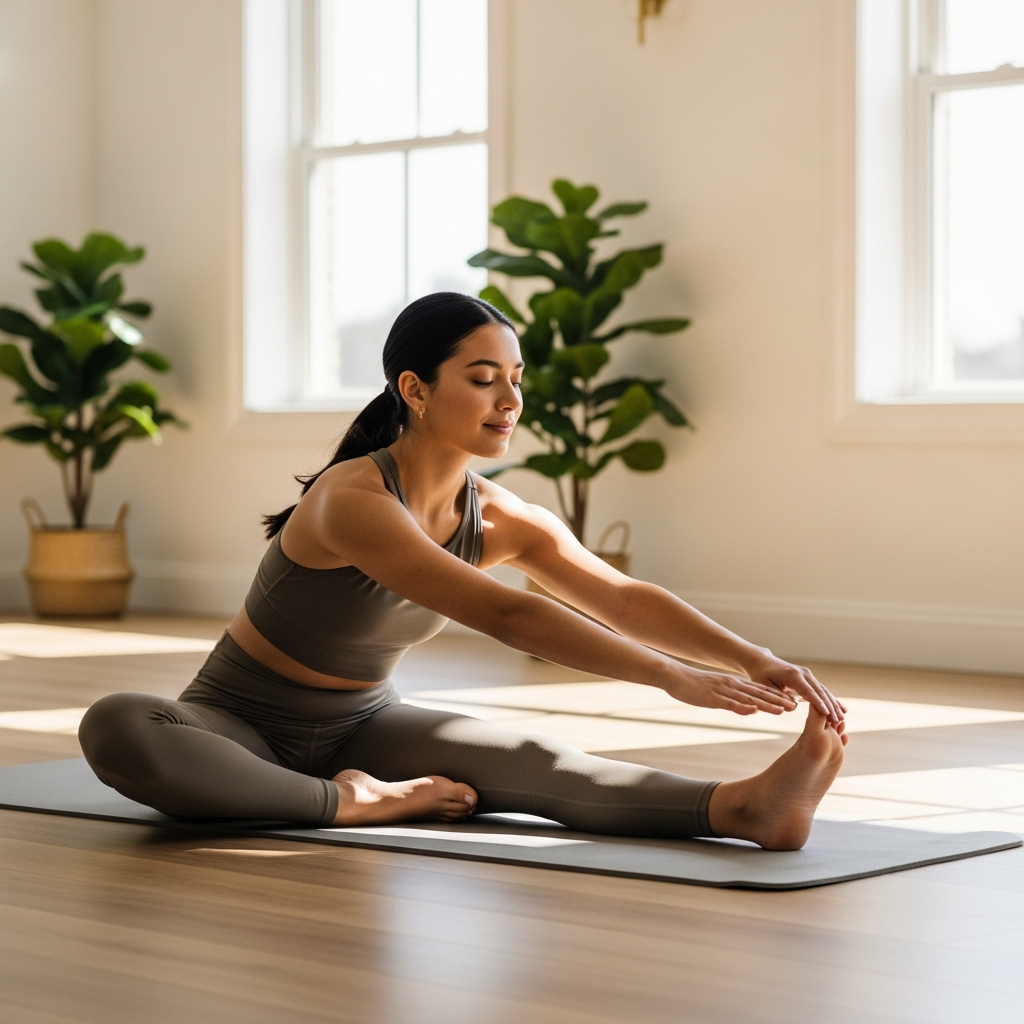
8 Ways Pilates Improves Flexibility for Garland Residents
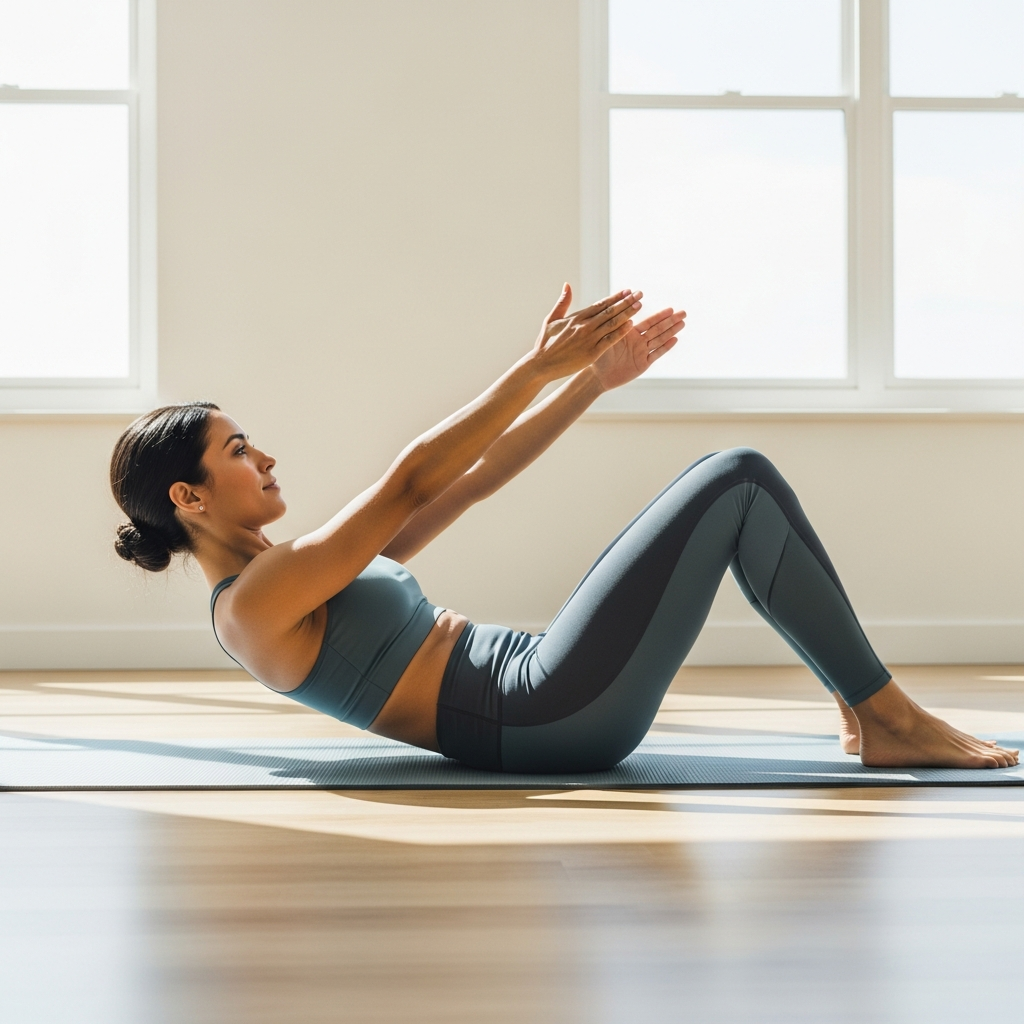
You’re reaching for that coffee mug on the top shelf and… ouch. There it is again – that familiar tightness in your shoulders, the way your back protests when you twist to grab something from the backseat of your car. Maybe you’ve noticed how getting out of bed feels like you’re made of creaky old hinges, or how touching your toes seems about as achievable as touching the moon.
If you’re nodding along (and hopefully your neck didn’t protest too much doing that), you’re definitely not alone here in Garland. Between our desk jobs, Texas heat that keeps us indoors more than we’d like, and the general chaos of daily life, our bodies tend to… well, they get a little stubborn about moving the way they used to.
Here’s the thing though – and this might surprise you – that stiffness you’re feeling isn’t some inevitable part of aging or living in North Texas. It’s actually your body’s way of saying, “Hey, remember me? I’d like to move freely again, please and thank you.”
Enter Pilates. Now, before you start picturing impossibly bendy people in expensive workout gear (though honestly, some of them are pretty impressive), let me paint you a different picture. Think of Pilates as a gentle conversation with your body – one where you’re both finally listening to each other again.
You know how your grandmother always told you to stand up straight? Well, Pilates is like having that conversation with your entire body, not just your spine. It’s about rediscovering all those movements you used to take for granted – like reaching overhead without wincing, or bending down to pet a dog without calculating the safest exit strategy for your lower back.
What makes Pilates particularly brilliant for us Garland folks is that it doesn’t require you to be already flexible to start. Actually, that’s kind of missing the point entirely. Pilates meets you exactly where you are – whether you’re stiffer than week-old cornbread or somewhere in between – and gradually helps your body remember what it’s capable of.
The magic isn’t in dramatic stretches or forcing your body into pretzel shapes. Instead, it’s in those small, precise movements that seem almost too gentle to matter… until you realize you’ve been sitting in that meeting for two hours without your usual shoulder knots staging a revolt.
And here’s something I find fascinating – Pilates doesn’t just make you more flexible in the obvious ways. Sure, you’ll probably find yourself reaching for things more easily, but you’ll also notice improvements in places you didn’t expect. That nagging tension headache that shows up every Wednesday? The way your hips feel tight after sitting in traffic on 635? Those little daily discomforts that you’d almost gotten used to living with.
What we’re going to explore together isn’t just about becoming more flexible (though that’s definitely going to happen). We’re talking about practical, everyday improvements that actually matter in your real life. Like being able to look over your shoulder when backing out of a parking spot without feeling like your neck might stage a protest. Or reaching into the washing machine to grab that last sock without wondering if this is the moment your back finally gives up on you.
We’ll walk through eight specific ways Pilates transforms how your body moves and feels – from the obvious improvements you’ll notice in your first few weeks to the subtle changes that sneak up on you over time. Some of these might surprise you (did you know improved flexibility can actually help with stress?), while others will probably have you thinking, “Well, that makes perfect sense.”
The best part? Every single one of these improvements is completely achievable, whether you’re starting from “I can barely touch my knees” or “I’m pretty flexible but want to feel even better.” Because ultimately, this isn’t about becoming a flexibility superstar – it’s about feeling at home in your own body again.
Ready to find out what your body’s been trying to tell you?
What Actually Happens When You “Get Flexible”
Here’s something that might surprise you – flexibility isn’t just about stretching your muscles longer, like pulling taffy. It’s actually way more complex than that, and honestly? That’s part of what makes Pilates so effective.
Think of your body like a really sophisticated security system. Your nervous system is constantly scanning for threats, and tight muscles? They’re often just your body’s way of saying “I don’t trust this position.” When you’ve been sitting at a desk for years (and let’s be real, who in Garland hasn’t?), your hip flexors get used to being shortened. They’re not necessarily damaged – they’re just… protective.
Traditional stretching is like trying to convince a suspicious guard dog to relax by pulling on its leash. Pilates, on the other hand, is more like slowly earning that dog’s trust. It teaches your nervous system that these new ranges of motion are actually safe.
The Mind-Muscle Connection (It’s Not Just Yoga Talk)
You’ve probably heard people throw around terms like “mind-muscle connection,” and maybe rolled your eyes a little. But here’s the thing – it’s actually backed by solid science, and it’s crucial for flexibility.
Your brain has a mental map of your body, kind of like GPS for your limbs. When you haven’t moved a joint through its full range in months (or years), that map gets a bit… fuzzy. Some areas basically become dead zones on the radar.
Pilates forces you to pay attention – really pay attention – to how your body moves. Every exercise asks you to coordinate multiple muscle groups while maintaining proper alignment. It’s like updating your body’s GPS software, giving your brain fresh, accurate information about what your body can actually do.
Why Your Hamstrings Hate You (And How Pilates Helps)
Let’s talk about something we can all relate to – those stubborn hamstrings that feel like guitar strings tuned way too tight. You know the ones I’m talking about. They make touching your toes feel like an impossible dream and turn getting out of bed into a creaky, groaning production.
Here’s what’s happening: your hamstrings aren’t just tight because you don’t stretch them enough. They’re often compensating for weak glutes and a tilted pelvis. It’s like having one person doing three people’s jobs – they’re going to be exhausted and cranky.
Most flexibility programs focus on stretching the tight spots, but Pilates takes a different approach. It strengthens the weak links in the chain while gradually lengthening the overworked muscles. So instead of just yanking on those hamstrings, you’re actually addressing why they got tight in the first place.
The Fascia Factor (Your Body’s Internal Wetsuit)
Okay, this is where things get a little weird, but stick with me. You know that thin membrane around a chicken breast when you’re cooking? Your entire body is wrapped in something similar called fascia – think of it as your internal wetsuit.
This stuff connects everything to everything else. Pull on your ankle, and the tension travels up through your calf, behind your knee, up your thigh… you get the idea. When fascia gets dehydrated or stuck together (which happens when we don’t move much), it’s like your wetsuit shrunk in the wash.
Pilates movements are designed to glide and flow, which keeps this fascial network hydrated and mobile. The controlled, flowing movements literally help unstick the stuck bits. It’s pretty amazing, actually – though I’ll admit, explaining fascia without sounding like I’m selling snake oil is… challenging.
Strength and Flexibility: The Ultimate Power Couple
Here’s something that trips people up – you actually need strength to be flexible. Sounds backwards, right? But think about it this way: if you want to lift your leg high, your hip flexors need to be strong enough to pull it up while your hamstrings are flexible enough to let it go.
Traditional stretching only addresses half the equation. Pilates builds strength through full ranges of motion, which means you’re getting stronger and more flexible at the same time. It’s like killing two birds with one very efficient, slightly sweaty stone.
This is especially important as we age (and yes, I’m talking to everyone over 35 reading this). Flexibility without strength is just… floppiness. And nobody wants to be floppy.
Start Small (Seriously, Smaller Than You Think)
Here’s the thing nobody tells you about Pilates – you don’t need to contort yourself into a pretzel on day one. I’ve seen too many Garland residents walk into our clinic frustrated because they tried a “beginner” YouTube video that felt anything but beginner-friendly.
Start with just 10 minutes, three times a week. That’s it. I know it sounds almost insulting, but your fascia – that connective tissue wrapping your muscles – needs time to adapt. Think of it like warming up cold taffy… you can’t just yank it into shape.
Try these moves first: the pelvic tilt (lying on your back, just tilting your pelvis up and down), cat-cow stretches, and simple spinal twists. Master these before you even think about those fancy moves you see on Instagram.
The 2:1 Breathing Secret
Most people completely butcher Pilates breathing, and honestly? I did too for months. Here’s what finally clicked for me – and what I share with every client who’s struggling with flexibility.
Use the 2:1 ratio: inhale for two counts, exhale for one. But here’s the kicker – make that exhale active. Don’t just let the air fall out of your lungs like a deflated balloon. Actually engage your deep abdominals to push it out.
This does something magical for flexibility. When you actively exhale, your nervous system gets the signal to relax and lengthen muscles. It’s like having a conversation with your body: “Hey, it’s safe to let go now.”
Morning vs. Evening – Timing Actually Matters
Your body’s flexibility changes throughout the day, and in Garland’s climate, this is especially noticeable.
Morning sessions (6-9 AM) are perfect for gentle awakening moves. Your muscles are tighter from sleep, but your nervous system is fresh. Focus on mobility work – rolling through your spine, gentle twists, basic stretches. Don’t push hard here; you’re just saying “good morning” to your body.
Evening sessions (after 5 PM) are when you can really work on deeper flexibility. Your muscles are warm from the day’s activities, and you’ve got that natural looseness. This is when you tackle those deeper hip flexor stretches or work on spinal extension.
The Wall Is Your Best Friend
Forget expensive equipment for now. Your wall – yes, that blank wall in your bedroom – is going to revolutionize your flexibility work.
Wall slides for shoulder mobility: Stand with your back against the wall, arms in a “goal post” position. Slide your arms up and down while keeping contact with the wall. It sounds ridiculously simple, but after sitting at a desk all day, this move is pure gold.
Wall push-aways for calf and hamstring length: Stand arm’s length from the wall, place your hands flat against it, and lean in. You’ll feel the stretch through your entire posterior chain. Plus, you can adjust the intensity just by stepping closer or further away.
Track Your Progress (But Not How You Think)
Forget measuring how far you can reach your toes – that’s not the flexibility that matters for daily life. Instead, track these functional movements
Can you look over your shoulder while backing up the car without your lower back screaming? How about reaching for something on a high shelf without feeling like your ribs are going to crack? Can you sit cross-legged on the floor for more than five minutes without numbness?
Keep a simple weekly check-in: Rate these movements on a scale of 1-10 for comfort and ease. You’ll be amazed at the improvements you notice after just a month.
The Consistency Hack That Actually Works
Here’s my favorite trick for building a sustainable practice: piggyback on existing habits. Don’t try to carve out a separate time for Pilates – attach it to something you already do religiously.
Coffee brewing? Perfect time for standing spinal twists and side bends. Watching the evening news? Floor work during commercials. Waiting for your dinner to cook? Kitchen counter calf stretches and hip circles.
The key is making it so small and convenient that skipping feels harder than doing it. And honestly? Those stolen moments throughout the day often add up to better results than one long session you keep postponing.
Remember – flexibility isn’t about becoming a contortionist. It’s about moving through your daily life with ease, comfort, and confidence. Start where you are, not where you think you should be.
When Your Body Fights Back (And Why That’s Normal)
Let’s be honest – you’re going to feel awkward at first. Really awkward. Like trying to pat your head and rub your belly while reciting the alphabet backwards kind of awkward.
Your first few Pilates sessions might leave you wondering if you’ve somehow become less flexible than when you started. That tight feeling in your hip flexors? The way your shoulders seem determined to live permanently hunched near your ears? Completely normal. Your body’s been holding tension patterns for years – it’s not going to release them after three classes.
The solution isn’t pushing through pain (please don’t do that), but rather accepting that flexibility is a conversation, not a demand. Start with modifications. Use props. That foam block isn’t a sign of weakness; it’s a tool that helps you find the right position to actually lengthen those stubborn muscles.
The Comparison Trap That Kills Progress
Here’s what nobody tells you about group Pilates classes: that person gracefully flowing through movements like they’re made of liquid? They’ve probably been doing this for three years. And that instructor demonstrating the “basic” roll-up while chatting casually about weekend plans? Yeah, they can probably tie themselves in knots.
The comparison game is brutal in flexibility work because progress is… well, it’s not exactly Instagram-worthy. You might gain two degrees of hip mobility over six weeks – hardly something you’d post about, but actually a pretty significant win for your body.
I tell my clients to focus on their own “before and after” moments. Can you reach a little further in your forward fold than last month? Does getting out of your car feel easier? Those tiny improvements add up to major changes in how you move through daily life.
Time Crunch Reality Check
“I don’t have time” is the most honest excuse in the book, and frankly, most generic advice about “just making time” is pretty useless when you’re already juggling work, family, and trying to maintain some semblance of adult responsibilities.
Here’s what actually works: micro-sessions. Five minutes of Pilates-based stretching while your coffee brews. A few pelvic tilts and spinal twists during TV commercial breaks (or while binge-watching, let’s be real).
The magic isn’t in hour-long sessions – though those are lovely when they happen. It’s in consistency. Your fascia responds better to frequent, gentle coaxing than occasional marathon stretch sessions anyway.
When Progress Stalls (And It Will)
Around week six or seven, you’ll hit a wall. That satisfying feeling of getting more flexible each week? Gone. You might even feel stiffer some days.
This plateau phase trips up so many people because we expect linear progress. But flexibility isn’t like that – it’s more like a spiral staircase. Sometimes you’re climbing, sometimes you’re on a landing catching your breath, and occasionally you might feel like you’ve gone backwards a step.
Your body’s actually reorganizing during these stall periods. Those deeper stabilizing muscles are learning new patterns. Stick with it. Most people quit right before their next breakthrough.
The Perfectionist’s Dilemma
Pilates attracts a lot of Type-A personalities – people who are used to excelling, to seeing clear metrics of improvement. But flexibility doesn’t follow spreadsheet logic.
Some days your hamstrings will feel like guitar strings. Other days, the same stretch will feel easy. Hormones, stress, sleep, even the weather can affect your range of motion. Fighting this reality just creates more tension.
Instead, treat each session as data collection rather than performance evaluation. What does your body need today? More gentle movement? Deeper stretches? Sometimes the most productive thing you can do is back off and focus on breath work.
Making It Stick in Real Life
The biggest gap isn’t between where you are and where you want to be – it’s between what you learn in class and what you actually use in daily life.
Start connecting Pilates movements to everyday activities. Practice that pelvic tilt while standing at the kitchen sink. Use those deep breathing techniques during stressful work calls. The flexibility you gain means nothing if you go right back to slouching over your laptop for eight hours.
Think of Pilates as teaching your body a new language – one that speaks in smooth movement and balanced alignment. But like any language, you have to use it regularly or you’ll lose it.
What to Expect in Your First Few Weeks
Let’s be real – you’re not going to walk out of your first Pilates class doing perfect roll-ups or gracefully flowing through the hundred. That’s totally normal, and honestly? Anyone who tells you otherwise is probably selling something.
Most people notice they feel taller after their first session (that’s your spine decompressing – pretty cool, right?). You might also discover muscles you forgot existed. Don’t worry… that slight soreness in places you can’t quite name? That’s just your body waking up.
The flexibility changes start subtly. Maybe you’ll notice you can reach for something on a high shelf without that familiar tightness in your shoulders. Or perhaps getting out of your car doesn’t require the same orchestrated effort it used to. These small wins matter more than you might think – they’re actually the foundation of bigger changes to come.
Most Garland residents I work with start seeing noticeable flexibility improvements around the 4-6 week mark with consistent practice. That means showing up 2-3 times per week, not just when Mercury isn’t in retrograde or when your schedule perfectly aligns with the stars.
The Reality Check: Progress Isn’t Linear
Here’s something nobody talks about enough – some days you’ll feel like a graceful swan, and other days you’ll feel like you’re made of concrete blocks held together with duct tape. This is completely normal.
Your flexibility will fluctuate based on stress, sleep, what you ate, the weather (yes, really – humidity affects how our bodies feel), and about a dozen other factors. I’ve had clients panic because they couldn’t touch their toes on a Thursday when they managed it perfectly fine the previous Monday.
Progress happens in waves, not straight lines. You might plateau for a few weeks, then suddenly find yourself reaching places you never could before. Your hamstrings might cooperate beautifully while your hip flexors stage a rebellion. This uneven progress is actually how your body learns and adapts – it’s not a sign you’re doing anything wrong.
Building Your Pilates Routine in Garland
Start with what you can realistically commit to. I’d rather see you do 20 minutes twice a week consistently than attempt hour-long sessions that you abandon after two weeks because life got busy.
Many of our local studios offer beginner-friendly classes, and honestly, the Pilates community in Garland is pretty welcoming. Don’t let intimidation keep you from trying a class – everyone was a beginner once, even that person who makes the roll-like-a-ball look effortless.
If you’re dealing with specific flexibility issues – say, that stubborn lower back that’s been bothering you since your desk job started – mention it to your instructor. They can offer modifications and additional exercises that target your particular trouble spots. Actually, that reminds me… always tell your instructor about any injuries or concerns. They’re not mind readers, and they genuinely want to help you succeed safely.
Setting Realistic Milestones
Month one: Focus on learning the basics and showing up consistently. Don’t worry about perfect form – just get familiar with the movements.
Month two: You’ll likely notice improved posture and less stiffness in daily activities. Your balance might surprise you too.
Month three: This is often when the flexibility gains become more obvious. You might find yourself stretching naturally throughout the day or notice that getting dressed doesn’t require the same careful maneuvering.
Month six and beyond: The compound effects really start showing. Better sleep, less back pain, improved confidence in how you move through the world.
Creating Lasting Change
The secret sauce isn’t just the Pilates classes themselves – it’s how the principles start infiltrating your daily life. You’ll catch yourself engaging your core while loading the dishwasher or breathing more deeply during stressful moments at work.
This integration is where the magic happens. When Pilates becomes less about the hour you spend in class and more about how you inhabit your body the other 23 hours of the day, that’s when flexibility – and frankly, overall wellness – becomes a lasting part of who you are.
Remember, you’re not just working on touching your toes or improving your posture. You’re investing in how you’ll feel and move for years to come. That’s worth taking your time to get right.
You know what strikes me most about all these flexibility benefits? It’s not just about touching your toes or doing some impressive pretzel pose on Instagram. It’s about those everyday moments – reaching for something on a high shelf without wincing, getting out of your car without that telltale grunt, or playing with your kids (or grandkids!) without feeling like your body’s betraying you.
The thing about living here in Garland is… we’re busy people. Between work, family, and everything else pulling at us, it’s easy to let our bodies get tight and restricted. One day you’re fine, the next you’re wondering when walking up the stairs got so challenging. That’s where Pilates really shines – it meets you where you are, not where you think you should be.
What I love about this approach is how it addresses the whole picture. Sure, we’re talking about flexibility, but you’re also building strength, improving your posture (hello, desk workers!), and creating better movement patterns. Your body starts working as one cohesive unit instead of a collection of tight, cranky parts.
And here’s something worth mentioning… if weight loss is part of your wellness goals, improved flexibility can be a game-changer. When your body moves better, exercise becomes more enjoyable – and sustainable. You’re less likely to skip workouts when movement feels good instead of like a punishment.
I’ve seen so many people start with simple stretches and basic movements, thinking they’re “too stiff” or “too out of shape” for this. But that’s exactly who benefits most. Your body wants to move well – sometimes it just needs a little guidance and patience to remember how.
The research backs this up, but honestly? The real proof is in how you feel. When you can bend down to tie your shoes without planning it like a military operation… when you sleep better because your muscles aren’t fighting you all night… when you have the confidence to try new activities because your body feels capable again.
That’s the stuff that matters.
Look, I get it if you’re feeling a bit overwhelmed or unsure where to start. Maybe you’ve tried exercise programs before and felt discouraged. Maybe you’re dealing with some weight concerns and worried about judgment. Maybe you’re just tired of feeling limited by your own body.
Here’s what I want you to know – you don’t have to figure this out alone. Our team understands that wellness isn’t one-size-fits-all, especially when it comes to sustainable weight management and movement. We’ve helped countless Garland residents find their path to better flexibility, strength, and overall health.
If any of this resonates with you – even a little bit – I’d encourage you to reach out. Not because we need your business (though we’d love to help), but because you deserve to feel good in your body. You deserve to move without limitations.
Give us a call or stop by when you’re ready. No pressure, no sales pitch – just real people who genuinely care about helping you feel your best. Because that’s what this is really about, isn’t it? Feeling like yourself again… only stronger, more flexible, and ready for whatever life throws your way.