Ryan Place Pilates Studio Guide for First-Timers
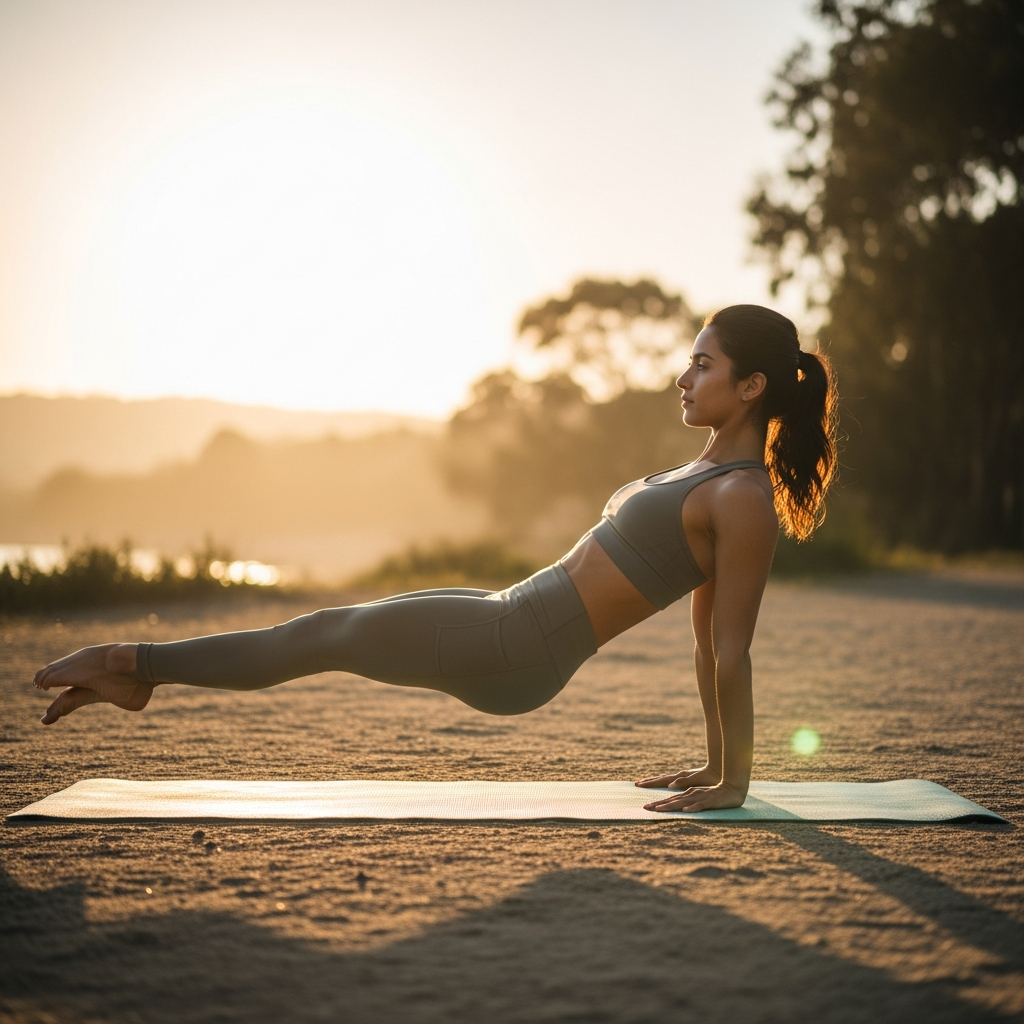
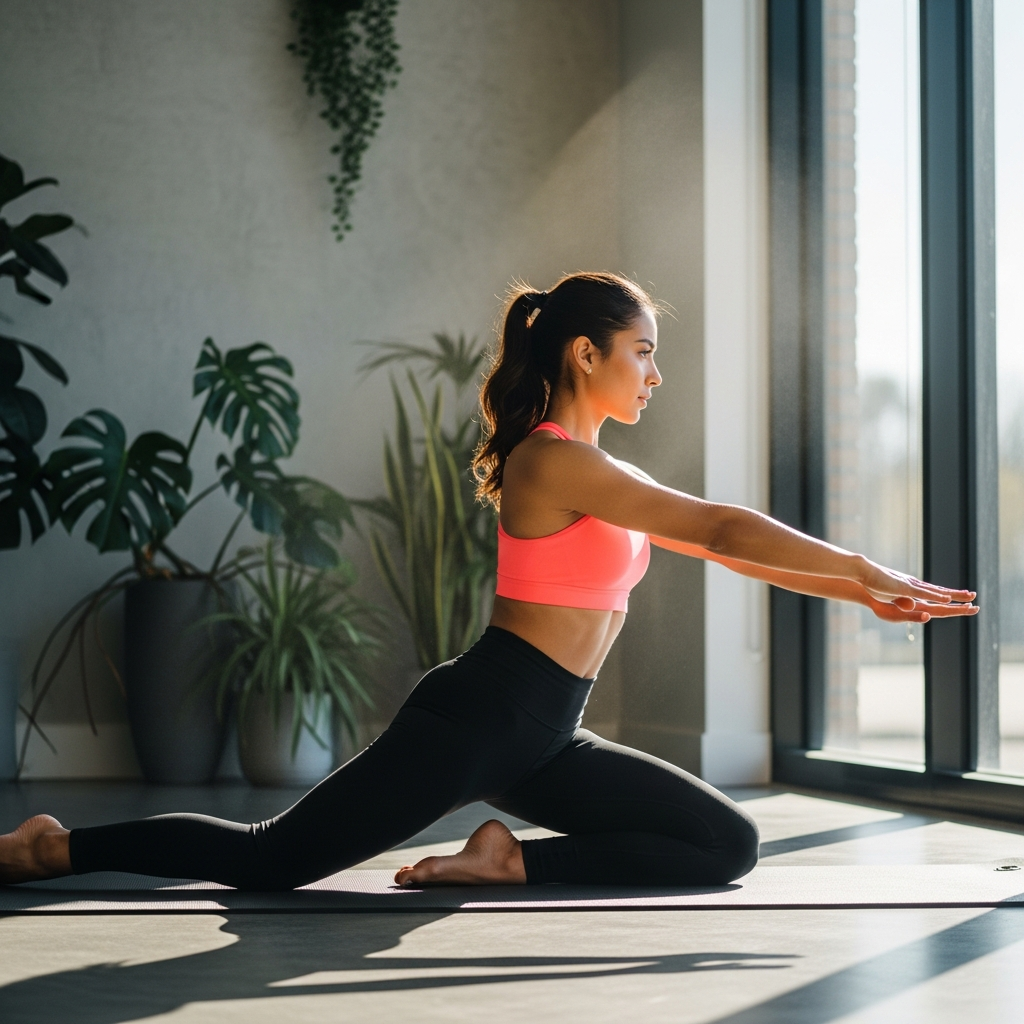
You know that feeling when you’re scrolling through Instagram at 11 PM, seeing all these people doing impossibly graceful moves on those weird contraption-looking machines? Yeah, that’s Pilates equipment – and honestly, it looks both amazing and terrifying at the same time. You’re probably thinking the same thing I thought before my first class: “There’s no way I can do that without looking like a complete disaster.”
Here’s the thing though… you’re not alone in feeling intimidated. Most of us have this mental image of Pilates being reserved for dancers, celebrities, or people who already have their life together enough to own matching workout sets. But that Instagram scroll isn’t showing you the whole story – it’s not capturing the wobbles, the “wait, which way does this spring go?” moments, or the fact that literally everyone started exactly where you are right now.
I remember standing outside my first Pilates studio, checking my phone for the third time to make sure I had the right address. Part of me was excited about finally trying something I’d been curious about for months. The other part? Well, let’s just say I was already planning my escape route in case things went sideways. What I didn’t realize then – and what nobody really tells you – is that walking into that first class might just be one of the best decisions you make for your body and your confidence.
See, Pilates isn’t just about getting stronger or more flexible (though you’ll definitely get both). It’s about discovering what your body can actually do when you give it the right guidance and support. And if you’re dealing with weight management – whether you’re just starting out or you’ve been at it for a while – Pilates offers something pretty unique. It’s not about burning crazy amounts of calories in one session… it’s about building the kind of deep, functional strength that makes everything else in your life easier.
Think about it this way: when your core is actually strong (not just “I can hold a plank for 30 seconds” strong, but truly stable and connected), suddenly that back pain from sitting at your desk all day starts to fade. When your posture improves, you naturally carry yourself with more confidence. When you learn to move with control and precision, other forms of exercise become more effective and less intimidating.
But here’s what really matters – and this is coming from someone who’s been in the trenches of weight management – Pilates meets you exactly where you are. Having a rough week and feeling disconnected from your body? There’s a gentle, restorative class for that. Ready to challenge yourself and build some serious strength? Yep, they’ve got that covered too.
Now, if you’ve been specifically eyeing Ryan Place Pilates Studio (smart choice, by the way), you’re probably wondering what makes it different from the dozen other studios you could choose from. You might be curious about what to expect in your first class, whether you need to buy a whole new wardrobe, or honestly… whether you’ll be completely lost among all those springs and pulleys.
Those questions? Totally valid. And we’re going to walk through all of them together.
I’m going to give you the real scoop on what it’s actually like to be a first-timer at Ryan Place – not the glossy marketing version, but the honest, practical stuff you actually need to know. We’ll talk about what happens from the moment you walk in the door, how to prepare (spoiler: it’s easier than you think), and what you can realistically expect from your first few classes.
Because here’s what I’ve learned after years of trying different approaches to fitness and wellness: the best workout is the one you’ll actually stick with. And Pilates? It has this sneaky way of growing on you. One day you’re nervous about your first class, and before you know it, you’re looking forward to that hour of movement and mindfulness in your week.
Ready to find out what all the fuss is about?
What Actually Happens in a Pilates Class
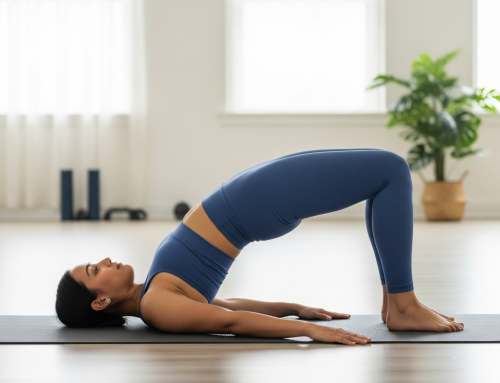
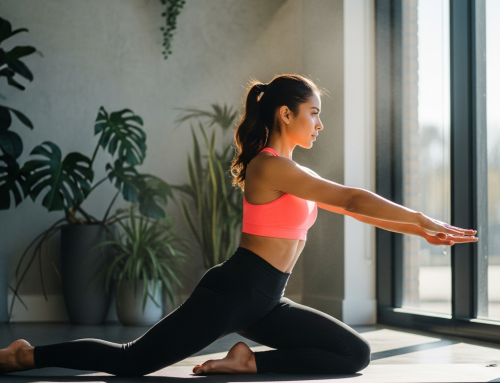
So you’ve heard people rave about Pilates, but honestly? It’s one of those things that sounds kind of mysterious until you actually try it. I mean, what exactly are you doing in there – just lying on a mat doing weird stretches?
Well, yes and no. Pilates is sort of like if yoga and physical therapy had a baby, then raised it to be really, really focused on your core. But here’s the thing that trips everyone up at first: it’s not about doing a million crunches until your abs burn. It’s more like… learning to turn on muscles you didn’t even know you had.
Think of it this way – most of us walk around using our bodies like we’re driving an old car with a loose steering wheel. We compensate, we muscle through, we use our shoulders when our core should be doing the work. Pilates? That’s like getting your alignment fixed and learning to drive properly again.
The Whole “Core” Thing (It’s Not What You Think)
Okay, let’s talk about this core business because everyone throws that word around like confetti. When your instructor says “engage your core,” they’re not asking you to suck in your stomach like you’re trying to fit into last year’s jeans.
Your core is actually this amazing cylinder of muscles that wraps around your middle – think of it like a natural weight belt that your body comes equipped with. It includes your diaphragm up top, your pelvic floor down below, and all those deep abdominal muscles that you can’t see in the mirror but definitely feel when you sneeze after a good workout.
The tricky part? Most of us have completely forgotten how to use this system properly. We’re like people who’ve been typing with two fingers our whole lives, suddenly learning there are eight other fingers that could help out.
Why Everything Feels Harder Than It Looks
Here’s something nobody warns you about: you’ll watch someone do a Pilates exercise and think, “Oh, that looks easy.” Then you try it and… wow. It’s like watching someone parallel park perfectly and thinking driving is simple, then getting behind the wheel yourself.
This happens because Pilates exercises look deceptively gentle from the outside. There’s no jumping around, no heavy weights, no dramatic sweating (well, maybe a little sweating). But what you can’t see is all the precise muscle control happening internally.
It’s quality over quantity – always. You might only do five repetitions of something, but each one requires this incredible coordination between your brain and about fifteen different muscle groups. Actually, that’s what makes it so effective, but also why your legs might shake during what looks like a simple leg lift.
The Mind-Body Connection (Not as Woo-Woo as It Sounds)
I know, I know – “mind-body connection” sounds like something from a wellness retreat brochure. But in Pilates, it’s actually pretty practical. You’re constantly thinking about what you’re doing while you’re doing it.
Remember learning to drive? At first, you had to consciously think about every single thing – check mirrors, signal, look both ways, ease off the brake… Now you probably do it all automatically. Pilates is like staying in that conscious, aware state on purpose.
Your instructor might say something like “feel your shoulder blades sliding down your back” or “imagine you’re trying to zip up a tight dress.” These aren’t just pretty metaphors – they’re actually helping your brain create new neural pathways to muscles that have been on vacation.
The Equipment Situation
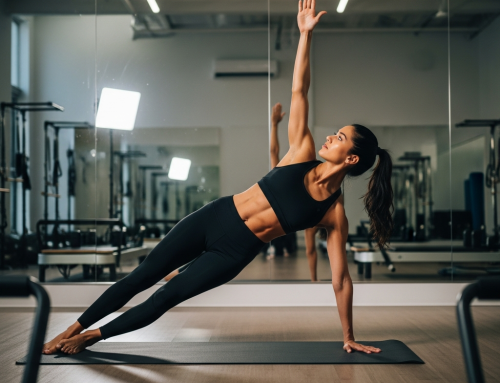
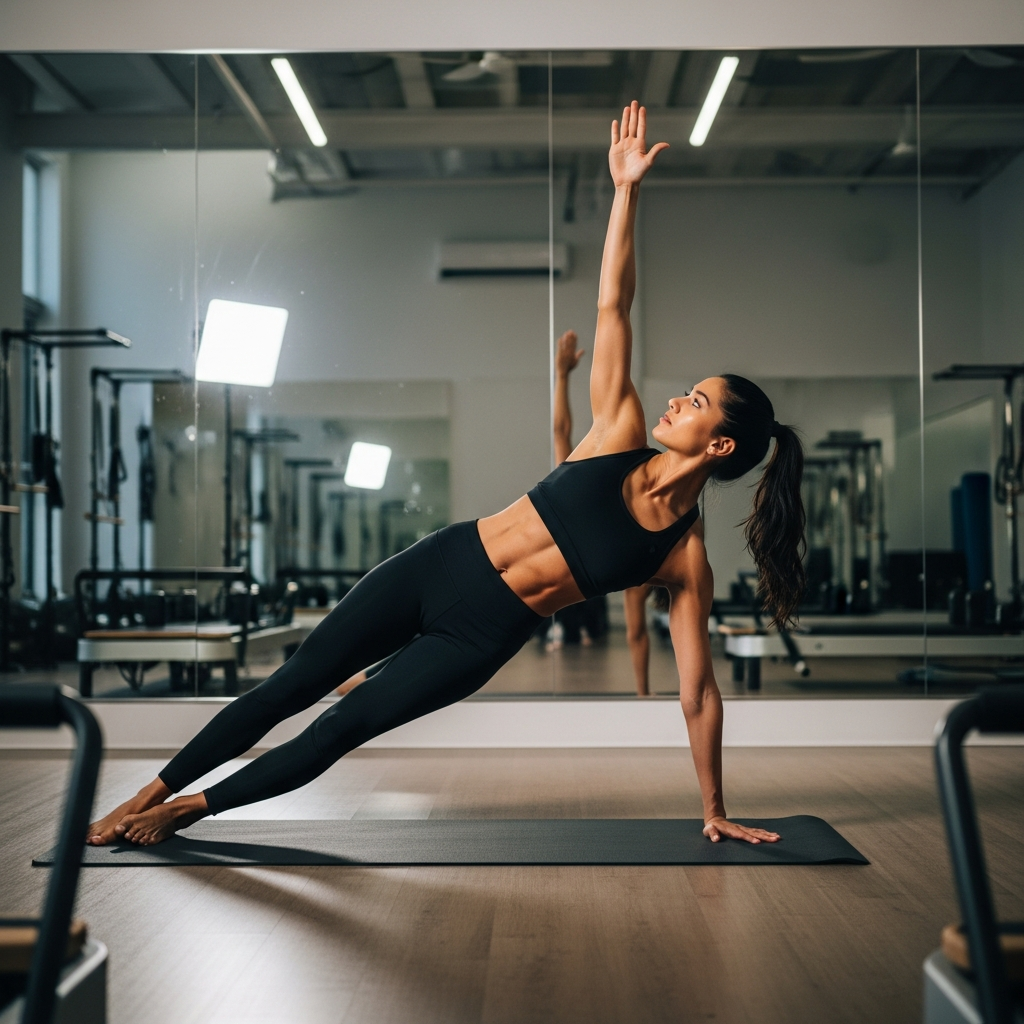
Most beginner classes happen on mats, which is perfect because you’re learning the foundational movements without any distractions. But you’ll probably notice some intimidating-looking contraptions around the studio – those are the reformers, and yes, they do look a bit like medieval torture devices.
Don’t worry about them yet. Think of mat work as learning to cook basic meals in your own kitchen, while the equipment is like having access to a professional restaurant kitchen. Both will get you fed, but you want to master the basics first.
The beautiful thing about starting with mat work is that you’re learning to use your own body weight as resistance. It’s portable, it’s free once you know what you’re doing, and honestly? Some of the most challenging Pilates exercises happen right there on the mat with nothing but gravity as your opponent.
What to Actually Bring (And What You Can Skip)
Here’s the thing – most first-timers show up looking like they’re heading to Mount Everest. You really don’t need much. A water bottle? Absolutely. Those grippy socks everyone raves about? Nice to have, but regular socks work fine for your first class… you can always grab the fancy ones later if you catch the Pilates bug.
Wear something that moves with you – think yoga pants or leggings, nothing too loose that’ll flip over your head during roll-ups (learned that one the hard way). And ladies, invest in a good sports bra. Trust me on this one. All that reaching and stretching means regular bras are going to betray you at the worst possible moment.
Skip the towel unless you’re a serious sweater. Most studios provide mats, though bringing your own isn’t a bad idea if you’re particular about cleanliness… which, let’s be honest, we all are these days.
Reading the Room (And Your Instructor)
Every Pilates instructor has their own vibe – some are drill sergeants with a smile, others are zen masters who speak in whispers. Pay attention to the energy in your first few minutes. If your instructor is cracking jokes, they probably welcome questions. If they’re all business, save the chatting for after class.
Here’s an insider secret: most instructors can spot a newbie from across the room (we’re not exactly subtle when we’re confused), and the good ones will keep an extra eye on you. But don’t be shy about speaking up if something feels wrong. That burning sensation in your shoulders during the Hundred? Normal. Sharp pain in your lower back? Definitely mention it.
Also, notice how the regulars position themselves. There’s usually a reason the back corner spot stays empty – maybe the mirror angle is weird, or the reformer squeaks like a rusty gate.
Surviving Your First Class Without Looking Lost
The secret sauce? Watch the person next to you for the first few exercises, then try to stay about two beats behind the instructor’s cues. Don’t try to keep up perfectly – you’ll just frustrate yourself and probably pull something.
When the instructor says “engage your powerhouse,” they’re talking about your core – not some mysterious body part you’ve never heard of. Think about pulling your belly button toward your spine, but don’t hold your breath like you’re underwater. You still need to, you know, breathe.
And here’s something nobody tells you: it’s perfectly fine to take breaks. See someone lying on their mat while everyone else is doing some pretzel-like move? They’re not being lazy – they’re being smart. Your body will thank you for listening to it.
The Unspoken Studio Etiquette
Arrive about 10 minutes early – not just to check in, but to scope out the equipment and maybe introduce yourself to your instructor. They appreciate knowing you’re new, and they can give you a quick rundown of anything confusing.
If you’re doing a reformer class, don’t touch the springs or straps until your instructor shows you. Each machine is set up specifically, and changing things randomly is like rearranging someone’s kitchen while they’re cooking dinner.
Oh, and phones? Just… don’t. I’ve seen people try to check messages mid-plank. It never ends well.
Managing Expectations (The Real Talk)
You’re probably going to feel muscles you forgot existed. That’s normal. You might also feel a bit uncoordinated – also completely normal. Pilates has this sneaky way of making simple movements feel incredibly complex.
Don’t expect to nail everything in your first class, or even your fifth. The woman next to you who’s flowing through movements like a graceful swan? She’s been coming for two years. The guy who makes those arm circles look effortless? Former dancer, probably.
Your only job is to show up and try. Some days that’ll mean keeping up with most of the class. Other days… well, other days you’ll be grateful you made it through the warm-up. Both are victories.
After Class: The Real Recovery Game
Here’s what nobody mentions – you might feel amazing right after class (those endorphins are real), but tomorrow? Tomorrow might be a different story. Drink more water than usual, do some gentle stretching before bed, and don’t plan any heavy lifting for the next day or two.
And if you loved it? Book your next class before you leave. The best studios fill up quickly, especially the beginner-friendly time slots.
When Your Body Feels Like It’s Speaking a Foreign Language
Let’s be real – your first few Pilates classes might feel like you’re trying to decode an ancient language while balancing on one foot. The instructor says “engage your core” and you’re thinking… which part exactly? That whole middle section? Just the abs? Am I supposed to suck in my stomach or push it out?
Here’s what actually helps: think of your core like a corset that goes all the way around your torso. When someone says “engage,” imagine you’re gently hugging yourself from the inside – not holding your breath or creating a rigid wall, just a subtle, supportive embrace. Practice this at home while brushing your teeth. Seriously. It’s the kind of muscle memory that builds when you’re not overthinking it.
And here’s something no one tells you – it’s totally normal to feel like your brain is three steps behind the instructor for the first month. Maybe longer. Your body is literally learning a new language of movement.
The Coordination Catastrophe (And How to Survive It)
You know that moment when the instructor says “breathe in as you roll down, breathe out as you curl up” and suddenly you forget how to breathe entirely? Yeah, that’s not just you. The breath-movement coordination thing is genuinely challenging – even for people who’ve been doing this for years.
Here’s what works: forget about perfect breathing patterns at first. Just don’t hold your breath. That’s it. Once the movements start feeling more natural (and they will), the breathing will follow. It’s like learning to drive – you don’t start by perfectly coordinating the radio, air conditioning, and turn signals. You focus on not hitting things.
The same goes for trying to remember which leg goes where while also thinking about your shoulders and wondering if you’re doing it right. Pick one thing to focus on each class. Maybe this week it’s just keeping your shoulders away from your ears. Next week, you can worry about where your ribs are supposed to be.
The Comparison Game That Nobody Wins
There’s always that person in class who flows through movements like water while you’re over there looking like a confused pretzel. Here’s the thing though – they probably started exactly where you are. Or they’ve been dancing since they were three. Or maybe they’re just really good at looking graceful while being just as confused as you are.
The honest truth? Everyone’s body is different. That person with the perfect form might be struggling with something you find easy – balance, flexibility, strength. You just can’t see their internal experience.
Instead of watching everyone else, try this: pick one small thing that felt slightly easier today than last week. Maybe you didn’t wobble as much in that single-leg stretch. Maybe you remembered to breathe during the plank. These tiny victories are actually huge – they’re your body learning and adapting.
When Your Body Says “Absolutely Not”
Some days your hip flexors feel like guitar strings about to snap. Other days your wrists start screaming during planks, or your neck feels like it’s made of concrete. This isn’t a sign that Pilates isn’t for you – it’s information about what your body needs.
For tight areas, gentle movement often helps more than aggressive stretching. If your hip flexors are cranky, try some gentle leg swings before class. Wrist pain during planks? Drop to your forearms or ask about modifications. Most instructors have about seventeen different ways to do every exercise.
The tricky part is distinguishing between “this is challenging” discomfort and “something’s actually wrong” discomfort. The first one feels like muscles working hard or stretching. The second feels sharp, sudden, or just plain wrong. Trust your gut on this one – you know your body better than anyone else in that room.
The “Am I Even Doing Anything?” Phase
Here’s something weird about Pilates – sometimes the most effective exercises feel like you’re barely moving. You might spend five minutes doing tiny movements and wonder if you’re wasting your time while the person next to you is doing full sit-ups.
Those small movements? They’re often targeting deeper muscles that bigger movements miss entirely. It’s like the difference between shouting and whispering – sometimes the whisper gets heard better. Give those subtle exercises time. Your body is building strength in places you didn’t even know existed.
Your First Few Sessions – What’s Actually Going to Happen
Let’s be honest here – you’re probably wondering if you’ll be able to walk normally after your first class. Or maybe you’re worried you’ll be the person who can’t figure out how to work the reformer while everyone else flows through movements like graceful swans.
Here’s the thing: everyone feels a bit lost at first. Even that instructor who seems to effortlessly demonstrate every exercise? They once spent five minutes trying to figure out which way the footbar was supposed to face. It happens.
Your first session will likely feel like drinking from a fire hose – but in a good way. You’ll learn basic positions, how the equipment works, and probably discover muscles you forgot existed. Don’t expect to master anything on day one. Actually, don’t expect to master much in your first month. Pilates has this sneaky way of looking simple while being surprisingly complex.
Most people leave their first class feeling energized but slightly overwhelmed. That’s totally normal. Your body’s probably going to feel worked in ways it’s not used to – not necessarily sore, but… aware. Like everything just got a gentle wake-up call.
The Real Timeline – Because Instagram Lies
Social media makes it seem like people transform overnight, but here’s what actually happens when you stick with Pilates consistently
First 2-4 weeks: You’re still figuring things out. Your body’s adapting to new movement patterns, and you might feel a bit unsteady. Some days you’ll leave feeling amazing, others you’ll wonder if you’re doing anything right. Both are normal.
Around 6-8 weeks: This is when things start clicking. You’ll notice you can hold positions longer, your balance improves, and – here’s the kicker – you might catch yourself standing taller without thinking about it.
3-4 months in: Now we’re talking. You’ll start seeing real changes in how your body feels and moves. That nagging back pain might ease up. Everyday activities become easier. You’ll understand why people get obsessed with this stuff.
The key word here? Consistent. Going once every three weeks won’t cut it. But showing up regularly, even if it’s just once a week… that’s where the magic happens.
Building Your Practice Without Burning Out
Here’s something nobody tells beginners – you don’t need to dive in headfirst and attend five classes a week. Actually, please don’t do that. Your body needs time to adapt, and your schedule (and wallet) probably needs breathing room too.
Start with once or twice a week if you can swing it. Once a week is perfectly fine if that’s what works for your life right now. The goal is consistency, not intensity.
Consider mixing group classes with an occasional private session, especially in the beginning. I know, I know – privates cost more. But think of it as an investment in actually understanding what you’re doing. One focused session with an instructor’s full attention can fast-track your understanding more than several group classes where you’re just trying to keep up.
Setting Yourself Up for Success
Come with realistic expectations. You’re not going to leave looking like a different person, but you might leave feeling like one. The changes in Pilates are often subtle at first – better posture, less stiffness, improved balance. These aren’t flashy transformations, but they’re the foundation for everything else.
Don’t compare yourself to the regular who’s been coming for three years. Their controlled, fluid movements didn’t happen overnight. Focus on your own progress, your own body, your own journey (okay, I had to use that word once).
Communicate with your instructors. If something doesn’t feel right, speak up. If you’re not sure you’re doing an exercise correctly, ask. Good instructors want you to succeed and would rather answer questions than watch you develop bad habits.
What Comes Next
After a few sessions, you’ll start developing preferences. Maybe you love the challenge of the reformer, or perhaps the mat classes feel more your speed. Some people gravitate toward the athletic intensity, others prefer the gentler, rehabilitation-focused approach.
Pay attention to how different classes and instructors make you feel. Ryan Place likely offers various styles and levels – experiment a bit once you’ve got the basics down. Your Pilates practice should feel challenging but sustainable, invigorating but not overwhelming.
And remember – this isn’t about perfection. It’s about showing up, moving your body, and gradually building strength and awareness. Some days will feel amazing, others… well, some days you’re just glad you showed up. Both count.
You know what? Starting something new – especially something that feels a bit intimidating like Pilates – takes real courage. And if you’ve made it this far through all the details and tips, you’re already showing that determination that’ll serve you well on those reformer springs.
Here’s the thing about Ryan Place studios… they really do get it. The instructors understand that first class nerves, that feeling of not knowing where to put your water bottle or whether you’re supposed to tip (you don’t have to, by the way). They’ve seen hundreds of first-timers walk through those doors, and honestly? They’re rooting for you before you even introduce yourself.
Your Body Will Thank You (Even If It Grumbles at First)
Look, I’m not going to sugarcoat it – you might feel muscles you forgot existed after that first session. But here’s what’s pretty amazing: most people leave feeling taller, more centered, and oddly… proud of themselves. There’s something about moving your body in new ways, focusing on your breath, and realizing you’re stronger than you thought that just hits different.
And those little victories? They add up faster than you’d expect. Maybe it’s finally nailing that roll-up exercise, or feeling your core actually engage during the hundred. Or perhaps it’s just that moment when the instructor’s cues suddenly click and everything feels… fluid.
You’re Not Alone in This
The Pilates community in Ryan Place has this wonderful way of being encouraging without being overwhelming. You’ll find people of all ages and fitness levels in these classes – from the retired teacher who’s been coming for ten years to the new mom trying to reconnect with her body. Everyone’s there for their own reasons, working at their own pace.
The instructors? They’re genuinely invested in helping you succeed. Don’t hesitate to ask questions, request modifications, or admit when something doesn’t make sense. Actually, that reminds me – some of the best Pilates students I know are the ones who aren’t afraid to speak up. Your instructor would rather adjust the exercise than have you struggle in silence.
Ready to Take That First Step?
If you’re feeling even the tiniest spark of curiosity about trying Pilates, why not reach out? Most studios offer beginner packages or intro classes designed specifically for people who are exactly where you are right now – interested but maybe a little uncertain.
Here’s what I want you to remember: there’s no such thing as being “ready enough” or “fit enough” to start. Your body is ready exactly as it is today. The modifications exist for a reason, the props are there to help, and those intimidating-looking machines? They’re actually designed to support you, not challenge you to failure.
Whether you’re dealing with chronic pain, recovering from an injury, looking to complement your other workouts, or simply wanting to try something that makes you feel good in your own skin – you deserve to feel supported in that goal.
So go ahead, make that call or send that text. Ask about class schedules, pricing, what to expect. The worst thing that happens? You get some friendly information. The best thing? You discover something that changes how you move through the world.
Trust me, your future self will be grateful you took this step.