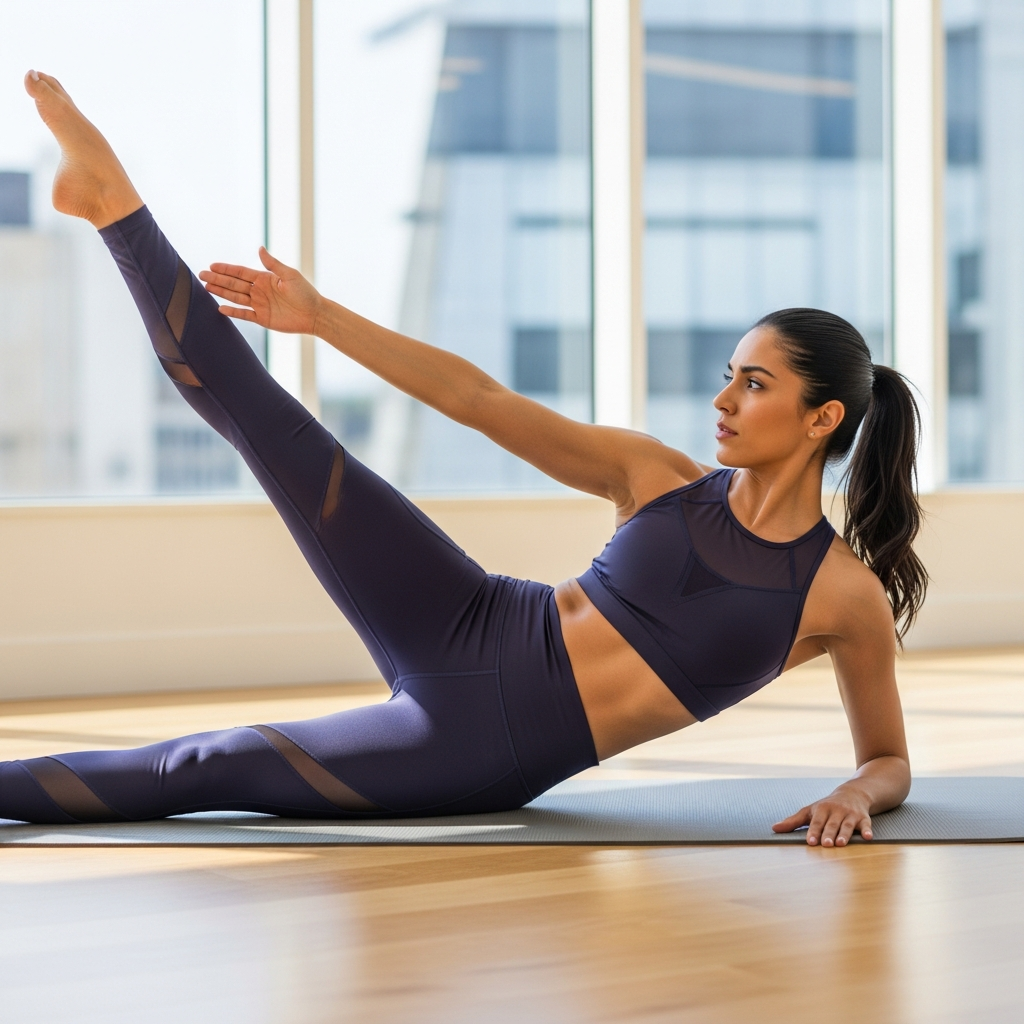
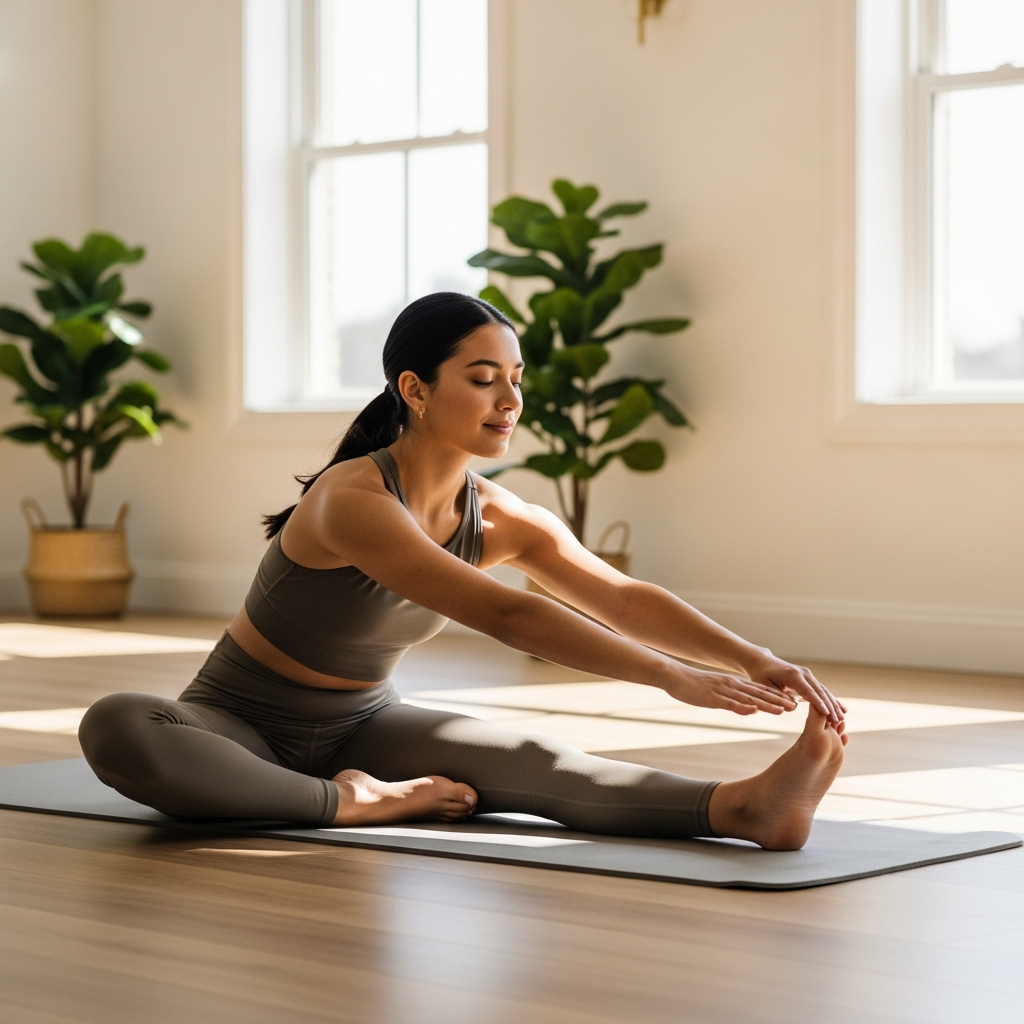
What Makes Pilates Studios in Mesquite Ideal for All Fitness Levels?
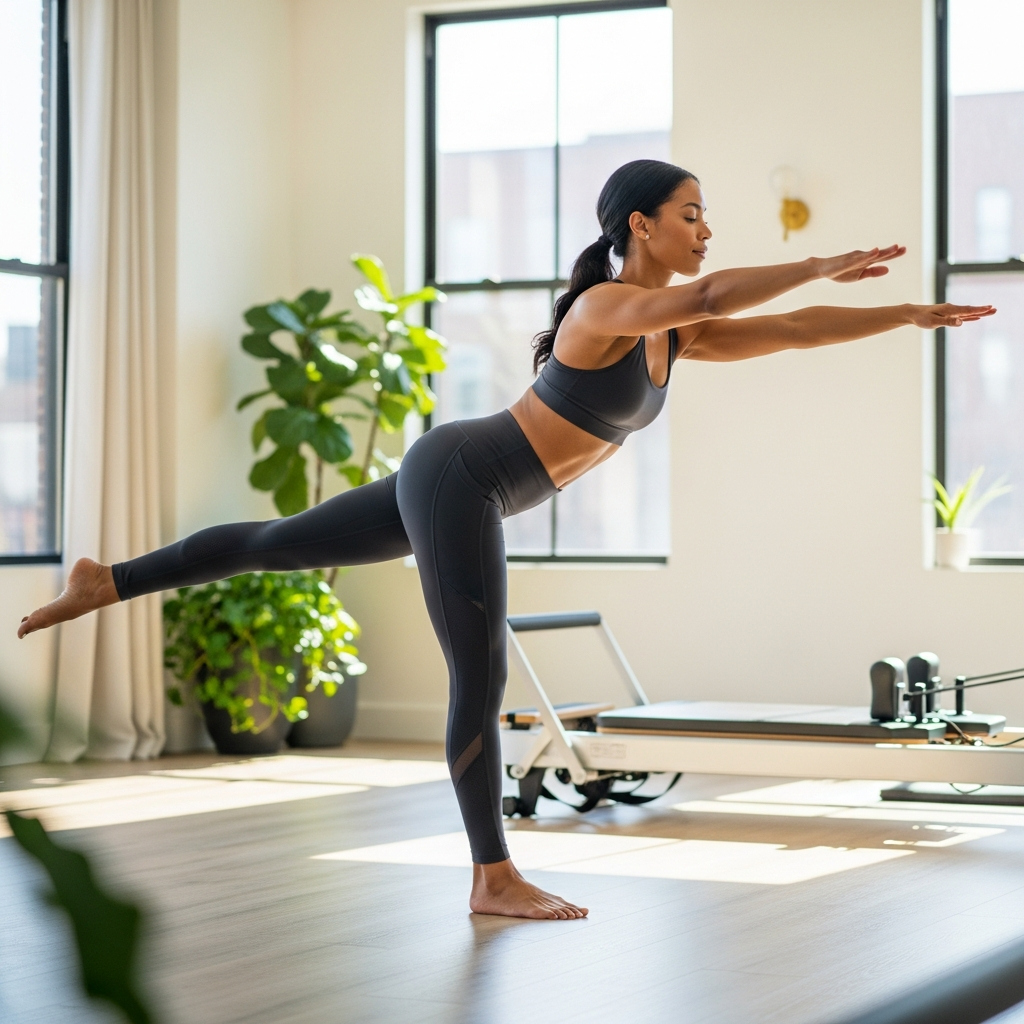
You know that feeling when you walk into a gym and immediately want to turn around? The one where everyone seems to know exactly what they’re doing while you’re standing there clutching your water bottle like a security blanket, wondering if you’ve accidentally wandered into some sort of fitness boot camp for former Olympic athletes?
Yeah, I’ve been there too. And honestly? It’s one of the biggest reasons people avoid starting (or restarting) their fitness routine altogether.
But here’s the thing – and this might sound a little dramatic, but stick with me – finding the right fitness environment can literally change your entire relationship with exercise. I’m talking about the difference between dreading your workout and actually looking forward to it. Between feeling like you’re constantly playing catch-up and feeling genuinely supported as you build strength and confidence.
That’s where Pilates studios come in, particularly here in Mesquite. And no, I’m not about to give you some sales pitch about how Pilates will magically transform your life in 30 days (though it might surprise you in other ways). What I want to talk about is something much more practical – why these studios have become this unexpected safe haven for people at every single fitness level.
Think about it for a second. When was the last time you found a workout space where the 70-year-old recovering from knee surgery was doing the exact same class as the 25-year-old marathon runner? Where nobody’s judging your form because everyone’s too focused on figuring out their own breathing pattern? Where the instructor actually knows your name and remembers that you’re dealing with that nagging lower back issue?
It sounds almost too good to be true, doesn’t it? But that’s exactly what’s happening in Pilates studios across Mesquite, and it’s not by accident.
See, there’s something really unique about how Pilates works as an exercise method. Unlike those intimidating weight rooms where you need to know the difference between a deadlift and a Romanian deadlift (and pray you don’t drop anything on your foot), Pilates starts with you. Right where you are. Whether you’re someone who hasn’t exercised since high school PE class or you’re a seasoned athlete looking to improve your core stability – the movements adapt to your body, not the other way around.
But here’s what really makes Mesquite’s Pilates scene special… it’s not just about the exercise itself. It’s about the community that’s formed around it. These studios have become these little pockets of support where your biggest competition is yourself from last week, not the person on the reformer next to you.
And let’s be honest – in a world where fitness culture can feel pretty exclusive and overwhelming, finding a space that actually welcomes beginners (without making them feel like beginners forever) is kind of revolutionary.
Now, I’m not saying Pilates is easy. Actually, you might be surprised at how challenging it can be to hold what looks like a simple position. Your muscles will definitely have some things to say about it the next day. But there’s something about the way it’s taught, the way the studios are set up, the whole philosophy behind it – that makes the challenge feel achievable rather than impossible.
Over the next few minutes, we’re going to explore what exactly makes these Mesquite studios work so well for such a diverse range of people. We’ll talk about the modifications that make classes accessible (spoiler alert: there are way more options than you might think), the community aspect that keeps people coming back, and honestly… some of the practical stuff too, like what to expect on your first day so you don’t show up feeling completely lost.
Because here’s what I’ve learned – the best fitness routine isn’t necessarily the most intense one or the most popular one. It’s the one you’ll actually stick with. And if you’ve been struggling to find that sweet spot between challenge and accessibility, between pushing yourself and not feeling overwhelmed… well, you might just find what you’re looking for in one of these studios.
The Beauty of Starting From Scratch (Or Not)
Here’s what I love about Pilates – and honestly, what took me way too long to understand. You know how some fitness classes make you feel like you need a PhD in movement just to walk through the door? Pilates is the opposite. It’s like learning to cook… you can start with scrambled eggs or attempt beef Wellington, and somehow you’re using the same basic kitchen.
The method itself was designed by Joseph Pilates (yes, that’s his actual last name – talk about destiny) for rehabilitation. He worked with injured soldiers, dancers with blown-out knees, people who’d never stepped foot in a gym. The whole foundation is built around meeting your body where it is today, not where Instagram thinks it should be.
And that’s exactly what you’ll find in Mesquite’s studios. They’ve embraced this philosophy because… well, because it works.
Why Your Body Actually Wants This
Think about how you move through your day. You sit at a desk, you hunch over your phone, you sleep in weird positions because your cat claimed the good pillow. Your body adapts – it’s incredibly smart that way – but it also develops compensations. One shoulder sits higher, your hip flexors get cranky, your core decides to take a permanent vacation.
Pilates works like a gentle detective, finding these imbalances and addressing them. But here’s the thing that’s kind of counterintuitive… it doesn’t do this through high-impact, sweat-until-you-can’t-see workouts. It does it through precision, control, and yes – breathing. (I know, I know, breathing sounds too simple to matter, but stay with me.)
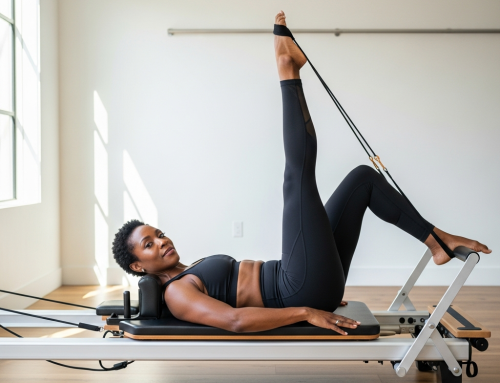
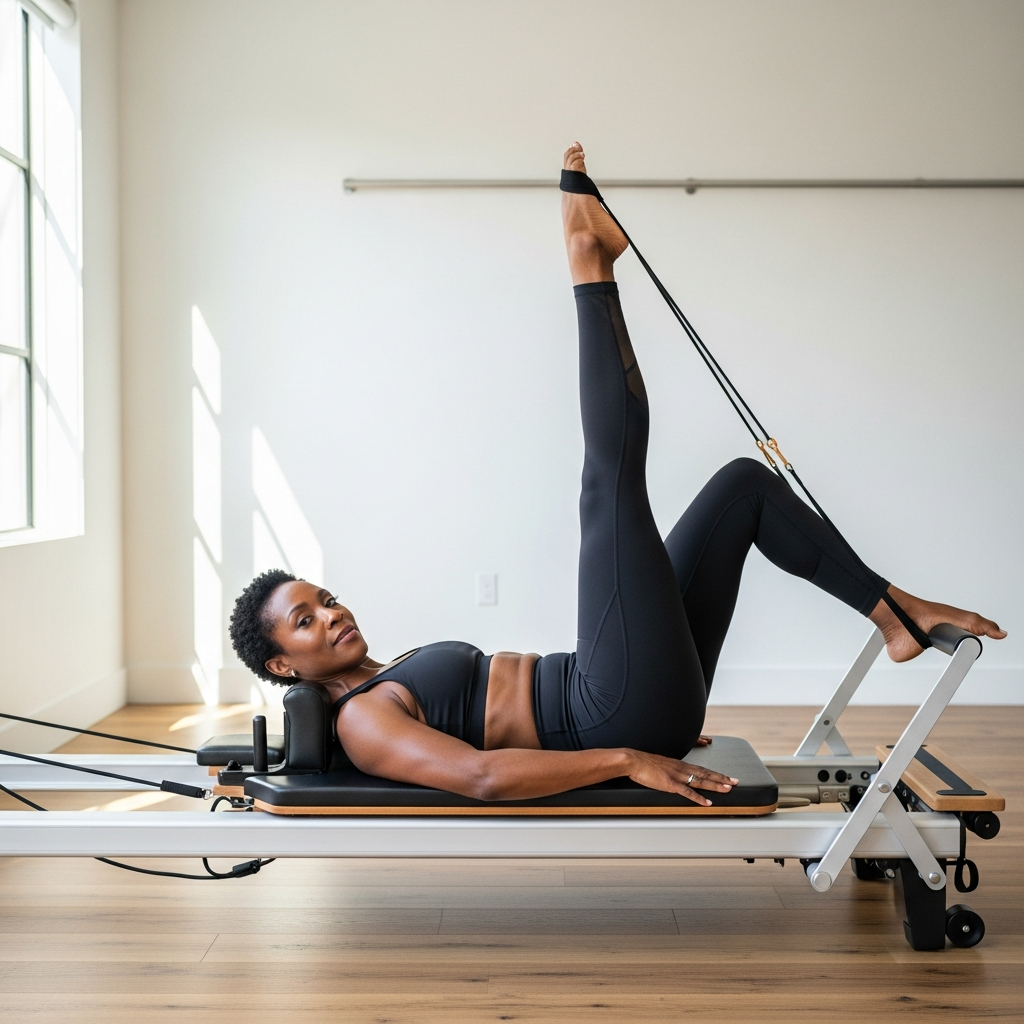
The equipment – those intimidating-looking reformers and chairs – they’re actually your allies. They provide support when you need it and challenge when you’re ready. It’s like having training wheels that adjust themselves.
The Mind-Body Thing (Without the Eye Rolls)
Okay, let’s address the elephant in the room. When people talk about “mind-body connection,” eyes start rolling. I get it. But in Pilates, this isn’t some mystical concept – it’s practical.
You’re constantly thinking about what you’re doing. Which muscles are working? How’s your alignment? Are you holding your breath? (Spoiler alert: you probably are.) This mental engagement is actually what makes the method so effective for everyone, regardless of fitness level.
A complete beginner learns body awareness they never knew they were missing. Someone who’s been lifting weights for years discovers muscles they forgot existed. It’s like… remember when you first learned to drive? Everything required conscious thought – check mirrors, signal, brake gently. Now you do it automatically. Pilates teaches you to drive your body with that same intentional awareness.
Equipment That Actually Helps (Not Intimidates)
Walking into a Pilates studio for the first time can feel like entering a medieval torture chamber. All those springs, straps, and contraptions… But here’s what nobody tells you upfront – the equipment is designed to make things easier, not harder.
That reformer carriage slides smoothly because it’s reducing the impact on your joints. Those springs? They’re providing assistance on the way down and resistance on the way up – like having a workout partner who never gets tired or judges your form.
The beauty of Mesquite’s studios is they understand this equipment can be intimidating. They don’t throw you onto a reformer on day one and wish you luck. There’s progression, explanation, and plenty of “let me show you a modification” moments.
Why Location Actually Matters More Than You Think
Here’s something I didn’t expect when I started researching Mesquite’s Pilates scene – the community aspect changes everything. These aren’t massive franchise operations where you’re just another membership number. The instructors remember that you’re working on strengthening your left side after that old soccer injury. They notice when you nail a movement that’s been challenging you for weeks.
This isn’t just nice-to-have stuff… it’s actually crucial for long-term success. When someone notices your progress, when they remember to ask about your back pain, when they suggest the perfect modification without you having to explain your limitations again – that’s when exercise becomes sustainable rather than just another thing on your to-do list.
And honestly? In a smaller community like Mesquite, that personal attention isn’t just possible – it’s inevitable.
Finding Your Starting Point (Yes, Even If You’ve Never Exercised)
Here’s something most studios won’t tell you upfront – your first class should feel challenging but not overwhelming. I’ve seen too many people walk into their first Pilates session expecting to nail every move perfectly. That’s… not how it works.
When you’re shopping around Mesquite studios, ask about their beginner assessment process. The good ones will spend 10-15 minutes before your first class understanding your body’s quirks. Bad back? They need to know. Shoulder that clicks when you raise your arm? Definitely mention it. This isn’t about being high-maintenance – it’s about setting yourself up for success.
Actually, let me share a little secret: most instructors can spot a beginner from across the room. But they can also spot someone who’s been honest about their limitations versus someone who’s trying to keep up appearances. Trust me, honesty gets you much better modifications.
The Equipment Question Everyone’s Afraid to Ask
Let’s talk about those intimidating contraptions – the reformers, Cadillac machines, and chairs that look like medieval torture devices. Here’s the thing: they’re actually your friend, especially if you’re dealing with joint issues or limited mobility.
Start with mat classes if the equipment feels overwhelming. But don’t stay there forever just because it feels safe. The springs on reformer machines? They’re not there to make things harder – they provide assistance and resistance exactly where your body needs it. I’ve watched clients with knee problems who struggled on the mat absolutely flourish on the reformer because the machine supported them through movements they couldn’t do on their own.
Pro tip: book a private or semi-private session before jumping into group classes on equipment. Yes, it costs more upfront, but you’ll learn proper form without the pressure of keeping up with others. Think of it as an investment in not looking completely lost during your first group reformer class.
Decoding Studio Culture (And Finding Where You Belong)
Every studio has its own vibe, and honestly? Some are better suited for beginners than others. When you visit, pay attention to how instructors interact with students during class. Are they giving individual corrections, or just calling out general cues from the front of the room?
Watch how other students react when someone modifies an exercise – this tells you everything about the studio’s culture. If people are supportive and the instructor smoothly offers alternatives, you’ve found a winner. If you sense judgment or pressure to “push through,” keep looking.
Here’s what to listen for during your trial class: instructors who explain the *why* behind movements, not just the what. “Engage your core” is generic. “Draw your belly button gently toward your spine to protect your lower back during this movement” – now that’s instruction you can use.
Making the Most of Your Membership Investment
Once you’ve chosen your studio, resist the urge to go all-in immediately. I know, I know – you’re motivated and want results yesterday. But your body needs time to adapt to new movement patterns.
Start with 2-3 classes per week, and for the love of all that’s holy, don’t book them all for the same day of the week. Your Tuesday-only Pilates habit isn’t doing you any favors. Spread them out so your body can recover and integrate what it’s learning.
Keep a simple log – nothing fancy, just note how you felt before and after each class. You’ll start seeing patterns. Maybe Thursday morning classes work better for your energy levels, or perhaps you need an extra rest day after equipment-heavy sessions.
The Modification Mindset That Changes Everything
Here’s the mindset shift that separates Pilates lifers from people who quit after a month: modifications aren’t admissions of failure. They’re smart training choices.
That advanced student doing full teaser while you’re doing the beginner version? She’s been coming for three years and probably started exactly where you are. The instructor offering you a pillow for your knees isn’t highlighting your limitations – they’re helping you access the exercise in a way that serves your body today.
Ask questions during class. Good instructors want you to understand what you’re doing and why. If something doesn’t feel right, speak up. Your body’s feedback is valuable information, not an interruption to the class flow.
Remember, Pilates isn’t about achieving some perfect pose for Instagram. It’s about building a stronger, more aware relationship with your body – and that starts exactly where you are right now.
When Your Body Feels Like It’s Speaking a Foreign Language
Look, let’s be real about something – walking into your first Pilates class can feel like everyone else got a manual you didn’t receive. The instructor’s calling out “engage your powerhouse” while you’re still trying to figure out where exactly your powerhouse lives. And don’t even get me started on the whole “neutral spine” thing… is it supposed to feel like this? Or this?
Here’s what actually works: most Mesquite studios get this confusion and build their beginner classes around it. They’ll spend time in that first session literally having you find your hip bones, your ribs, your shoulder blades. It sounds elementary, but honestly? Half the battle is just knowing what body parts you’re supposed to be moving.
The Comparison Trap (And Why It’s Especially Brutal in Group Classes)
You know that moment – you’re struggling to hold a basic plank while the person next to you is flowing through movements like they were born on a reformer. Your inner critic starts having a field day. “Everyone else makes this look so easy.” “I’m the weakest one here.” “Maybe I should’ve stuck with walking.”
The reality check? That “natural” next to you has probably been coming here for two years. What looks effortless now was once just as wobbly for them. Mesquite instructors worth their salt will remind you of this – not in a patronizing way, but because they’ve seen this exact scenario play out hundreds of times.
The solution isn’t to ignore the comparison (good luck with that) but to reframe it. Instead of “I can’t do what she’s doing,” try “I wonder what modifications she started with.” Most studios encourage asking classmates about their journey. You might be surprised how many struggled with the same movements that are tripping you up.
The Intimidation Factor of All That Equipment
Let’s talk about reformers for a minute. These contraptions look like medieval torture devices had a baby with a gym machine. Springs, straps, sliding platforms – it’s enough to make anyone wonder if they accidentally wandered into an advanced physics lab.
Here’s the thing though – Mesquite studios typically introduce equipment gradually. You’re not thrown onto a reformer on day one. Many start you with mat work, maybe add some props like resistance bands or stability balls. When you do graduate to the reformer, instructors break it down piece by piece. “This spring gives light resistance, this one’s medium, here’s how you adjust the foot bar…”
Actually, that reminds me – don’t be afraid to ask questions about the equipment. Instructors would rather explain something twice than watch you struggle silently or, worse, get hurt because you were guessing.
When Progress Feels Like It’s Moving at Glacial Speed
Weight loss aside, Pilates progress can feel… subtle. You’re not necessarily lifting heavier weights each week or running faster times. Instead, you might notice your shoulder doesn’t ache after computer work, or you can reach for something on a high shelf without that familiar twinge in your back.
But here’s where people get discouraged – they expect dramatic, obvious changes quickly. When that doesn’t happen, they assume it’s not working. The studios that really get it will help you recognize these smaller victories. They might keep track of how long you can hold certain positions, or notice improvements in your form that you’re not seeing yet.
The Fear of Looking Foolish
This one’s huge, especially for people who’ve been out of the fitness game for a while. There’s this worry that you’ll fall off something, make weird grunting noises, or just generally look like you have no idea what you’re doing.
The truth? You probably will look a little lost at first – and that’s completely normal. Good Mesquite instructors create an environment where wobbling is expected, falling out of a position gets a gentle correction instead of judgment, and questions are welcomed rather than tolerated.
Some studios even offer semi-private sessions or smaller group classes for people who need that extra comfort level. It’s worth asking about if the group setting feels too overwhelming at first.
Managing Expectations While Staying Motivated
The biggest challenge might be balancing realistic expectations with maintaining motivation. Pilates isn’t a quick fix, but it’s also not supposed to take forever to feel different in your body. Most people start noticing changes in how they feel within 3-4 weeks, even if the visual changes take longer.
The key is finding instructors who help you celebrate the small stuff while keeping your bigger goals in sight.
What to Expect in Your First Few Classes
Let’s be honest – your first Pilates class might feel like learning a new language while doing calculus. And that’s completely normal. You’re going to hear terms like “neutral pelvis” and “engage your powerhouse” while trying to figure out which way is up on the reformer.
Most people leave their first class thinking either “that was amazing” or “what did I just put myself through?” Both reactions are totally valid. Your body is processing new movement patterns, and your brain is working overtime to coordinate everything. Don’t worry if you feel a bit wobbly or if some exercises seem impossible – we’ve all been there.
The studios in Mesquite understand this learning curve. Good instructors will check in with you frequently during those first sessions, offering modifications and making sure you’re not pushing too hard too fast. They know that building confidence is just as important as building strength.
Your Body’s Timeline for Change
Here’s the thing about Pilates – it’s not a quick fix, and honestly? That’s what makes it so effective long-term.
Weeks 1-2: You’ll probably feel it the next day (hello, muscles you forgot you had), but you’ll also notice improved posture awareness. Many people say they feel taller after just a few sessions.
Weeks 3-4: Your body starts remembering the movements. You’re not fumbling around quite as much, and you might actually start enjoying the challenge instead of just surviving it.
Weeks 6-8: This is where things get interesting. You’ll notice real changes in how you move throughout your day – getting out of bed feels easier, your back doesn’t ache as much after sitting at your desk, and you might catch yourself naturally engaging your core while walking.
Month 3 and beyond: The magic really happens here. Your strength, flexibility, and body awareness have improved significantly. You’re probably asking for more challenging variations instead of looking for the easiest modification.
Remember, everyone’s timeline is different. Age, fitness background, consistency, and even stress levels all play a role in how quickly you see changes.
Building Your Routine (Without Burning Out)
The enthusiastic part of you probably wants to sign up for classes every day. The realistic part of you knows that’s not sustainable – physically or financially.
Most Mesquite studios recommend starting with 2-3 classes per week if you’re new to Pilates. This gives your body time to recover while building consistency. Actually, consistency beats intensity every single time when it comes to seeing real results.
If you’re dealing with injuries or chronic pain, you might start with once a week and gradually build up. There’s no shame in going slow – your body will thank you for listening to it instead of forcing it.
Many studios offer different class packages, so you can find something that works with your schedule and budget. Some people love the accountability of a set class time, while others prefer the flexibility of drop-in sessions.
Red Flags vs. Normal Challenges
Let’s talk about what’s normal versus what’s concerning, because there’s definitely a difference.
Normal: Muscle fatigue, slight soreness the next day, feeling challenged but not defeated, occasional frustration with coordination.
Not normal: Sharp pain, severe soreness that lasts more than 2-3 days, feeling completely overwhelmed in every class, instructors who don’t offer modifications or check on your form.
Good studios in Mesquite will always prioritize your safety over pushing you to your limit. If an instructor makes you feel embarrassed about needing modifications or rushes through instructions without checking your form… that’s not the right fit.
Moving Forward with Confidence
The beautiful thing about Pilates is that it grows with you. Those exercises that seem impossible today? They’ll become your warm-up in a few months. And just when you think you’ve mastered something, your instructor will add a tiny variation that challenges you all over again.
Don’t get caught up in comparing yourself to the person on the mat next to you – they’ve been doing this for three years, and you’re on week two. Focus on your own progress, celebrate small wins (like finally nailing that roll-up without using momentum), and trust the process.
Your body is incredibly adaptable, and Pilates gives it the tools to move better, feel stronger, and function more efficiently. The studios in Mesquite are there to guide that process – you just need to show up consistently and be patient with yourself.
You know what’s beautiful about finding the right Pilates studio? It’s not just about the classes or the equipment – though those matter, obviously. It’s about finding that space where you can show up as yourself, wherever you happen to be on your wellness path.
And honestly, that’s exactly what you’ll discover in Mesquite’s Pilates community. Whether you’re someone who’s never set foot in a fitness studio (and maybe feels a little intimidated by the whole thing), or you’re a seasoned athlete looking to mix up your routine… there’s genuinely room for you here.
Finding Your Fitness Home
The studios scattered throughout Mesquite have mastered something that’s actually pretty rare – they’ve created environments where a complete beginner can feel comfortable working alongside someone who’s been practicing for years. That’s no small feat, really. It takes intentional programming, skilled instructors, and – let’s be honest – the right kind of community culture.
What strikes me most is how these spaces seem to understand that everyone’s starting point is different. Maybe you’re dealing with an old injury that makes you nervous about trying new movements. Or perhaps you’re carrying extra weight and worried about keeping up. Maybe you’re super fit but realize you’ve neglected your core strength and flexibility…
The thing is, none of that actually matters when you walk through the door. Because good Pilates instruction meets you where you are, not where you think you should be.
Beyond the Physical Benefits
Sure, you’ll build strength and improve your posture – we’ve talked about all those benefits. But what you might not expect is how this practice can shift your relationship with movement itself. When you’re not constantly comparing yourself to others or pushing through pain, something interesting happens. You start actually listening to your body again.
And in a world where we’re often disconnected from ourselves (hello, desk jobs and endless screen time), that’s actually revolutionary.
Your Next Step Forward
Look, I get it if you’re sitting there thinking, “This sounds great, but…” Maybe you’re worried about cost, or timing, or whether you’ll actually stick with it. Those concerns? They’re totally valid. Starting something new always feels a little uncertain.
But here’s what I’ve learned from talking to countless people who’ve taken that first step – the hardest part really is just showing up for that initial class. After that, things tend to flow more naturally than you’d expect.
If you’re curious about exploring Pilates in Mesquite, why not start with a simple conversation? Most studios offer consultations where you can ask questions, tour the space, and get a feel for the vibe. No pressure, no commitment – just information.
We’re here to support you in whatever way feels right. Whether that means helping you find the perfect studio match, discussing how Pilates might complement your other health goals, or simply answering those “what if” questions that keep popping up… we get it. Your wellness matters, and finding the right support system is part of that process.
Ready to explore what Pilates might do for you? Let’s chat about your goals and see how we can help you take that next step forward.