Is Pilates a Smart Workout for Active Adults in Grand Prairie?
The alarm goes off at 5:47 AM, and you’re already calculating: coffee, shower, commute, back-to-back meetings until lunch, then the afternoon scramble before you pick up the kids. Somewhere in that mental tetris game, you spot exactly 23 minutes – maybe 30 if you skip the grocery store run – for something that vaguely resembles exercise.
Sound familiar?
You’re not alone. Here in Grand Prairie, we’re all juggling those packed schedules, and honestly… sometimes “working out” feels like just another item on an impossibly long to-do list. You know you need to move more – your back reminds you every time you stand up from your desk, and those stairs at work shouldn’t feel like Mount Everest. But between spin classes that leave you wiped out for the rest of the day and weight rooms that feel more intimidating than welcoming, finding the right fit can feel overwhelming.
That’s where Pilates enters the picture. And before you roll your eyes thinking this is another fitness trend that’ll be gone by next year – hear me out for a second.
I’ve been watching adults in our community struggle with this exact dilemma for years now. They want to feel stronger, more energetic, less achy… but they also need something that actually works with their real life, not against it. They can’t afford to be sidelined by an injury from going too hard, too fast. And frankly? They’re tired of workouts that promise the world but leave them feeling more frustrated than when they started.
Here’s the thing about Pilates – it’s kind of like that friend who seems to have their life together without making you feel terrible about yours. It doesn’t scream at you or demand you sweat buckets to prove your worth. Instead, it meets you where you are and actually helps you build something sustainable.
But (and there’s always a but, right?) not everything you’ve heard about Pilates is accurate. Maybe you think it’s just stretching for people who already wear size small workout gear. Or perhaps you’re wondering if it’s intense enough to actually make a difference when you’ve got real goals – like keeping up with your teenagers or feeling confident in your own skin again.
The truth is more nuanced than the Instagram posts suggest. Pilates isn’t a magic bullet, but it’s not just fancy stretching either. For active adults – and by active, I mean people who are living full, busy lives and want to keep doing so without their body staging a revolt – it offers something pretty unique.
Over the next few minutes, we’re going to dig into what Pilates actually looks like for real people with real schedules. Not the perfectly lit studio version, but the practical, “can I actually do this twice a week without rearranging my entire life” version. We’ll talk about whether it’s challenging enough if you’re used to more traditional workouts, how it stacks up against other options when you’re trying to lose weight or tone up, and honestly… whether it’s worth your time and money.
I’ll share what I’ve learned from working with people just like you – folks who’ve discovered that maybe, just maybe, the best workout isn’t necessarily the hardest one. We’ll explore how Pilates might fit into your existing routine (or help you create one that doesn’t feel like punishment), what you can realistically expect if you stick with it, and how to know if it’s actually working for your specific goals.
Because here’s what I’ve noticed – the people who find their groove with fitness aren’t necessarily the ones doing the most extreme workouts. They’re the ones who found something they can actually maintain, something that makes them feel better instead of worn down, something that enhances their life instead of taking it over.
Maybe that’s Pilates for you. Maybe it’s not. But you deserve to know what you’re really signing up for before you invest your precious time and energy. Let’s figure it out together.
What Actually Happens in a Pilates Class?
You know that feeling when someone describes yoga and you’re thinking “so… stretching with fancy names?” Well, Pilates gets the same confused look from people. But here’s the thing – it’s actually quite different from what most folks imagine.
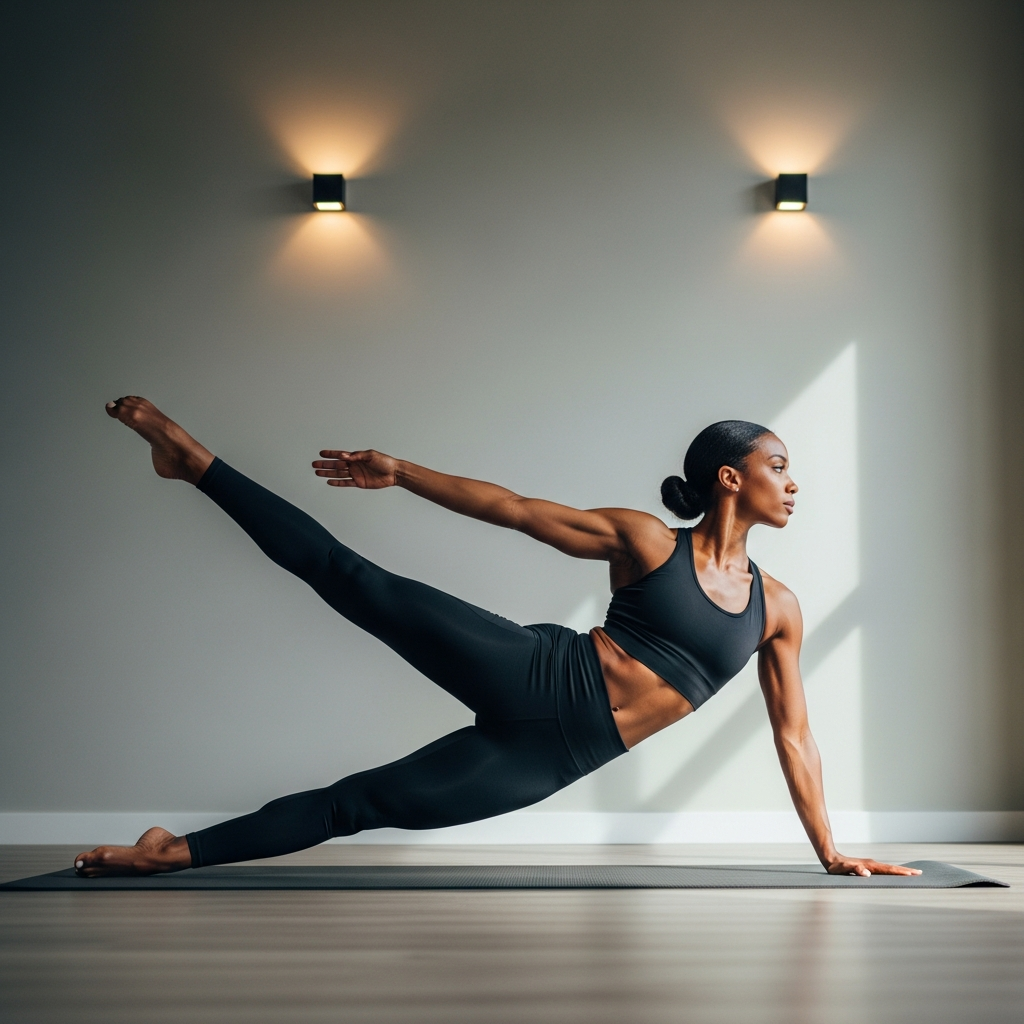
Picture this: you’re lying on a mat, and your instructor says “engage your core while extending your leg.” Sounds simple enough, right? Then you try it and suddenly you’re shaking like a leaf, wondering how something that looks so gentle can make your abs scream. That’s Pilates in a nutshell – deceptively challenging movements that work muscles you didn’t even know existed.
The whole system was created by Joseph Pilates (yeah, that’s actually his last name) back in the early 1900s. He called it “Contrology” – which honestly sounds way more intimidating than Pilates. The guy was onto something though. He designed these exercises to work your entire body as one connected unit, not just isolated muscle groups.
The Core Truth About Core Work
Here’s where it gets interesting – and maybe a little confusing. When Pilates instructors talk about your “core,” they’re not just talking about those six-pack muscles everyone’s obsessed with. They mean this entire cylinder of muscles that wraps around your midsection like a natural weight belt.
Think of your core like the foundation of a house. You wouldn’t build the second floor before making sure the foundation is solid, right? Same principle here. Your core supports literally everything else you do – walking, lifting groceries, playing with your kids, even just sitting at your desk without slouching like a question mark.
But here’s what’s counterintuitive: stronger doesn’t always mean bigger. You might not end up with washboard abs (though that could happen), but you’ll definitely notice that your back doesn’t ache after a long day, or that you can carry all those grocery bags in one trip without feeling like you’re going to topple over.
The Mind-Body Thing Isn’t Just Wellness Fluff
I’ll be honest – when people talk about “mind-body connection,” it can sound pretty woo-woo. But in Pilates, it’s actually quite practical. You can’t just zone out and go through the motions like you might on a treadmill.
Every movement requires your full attention. You’re thinking about your breathing, your alignment, which muscles are working, how your body feels in space… It’s like meditation, but with more sweating. Actually, that reminds me – you will sweat, just not in the way you’d expect. It’s more like a slow burn than an all-out cardio fest.
Mat Work vs. The Reformer Machine
This is where people get confused. There are basically two main types of Pilates classes you’ll encounter in Grand Prairie – mat classes and reformer classes.
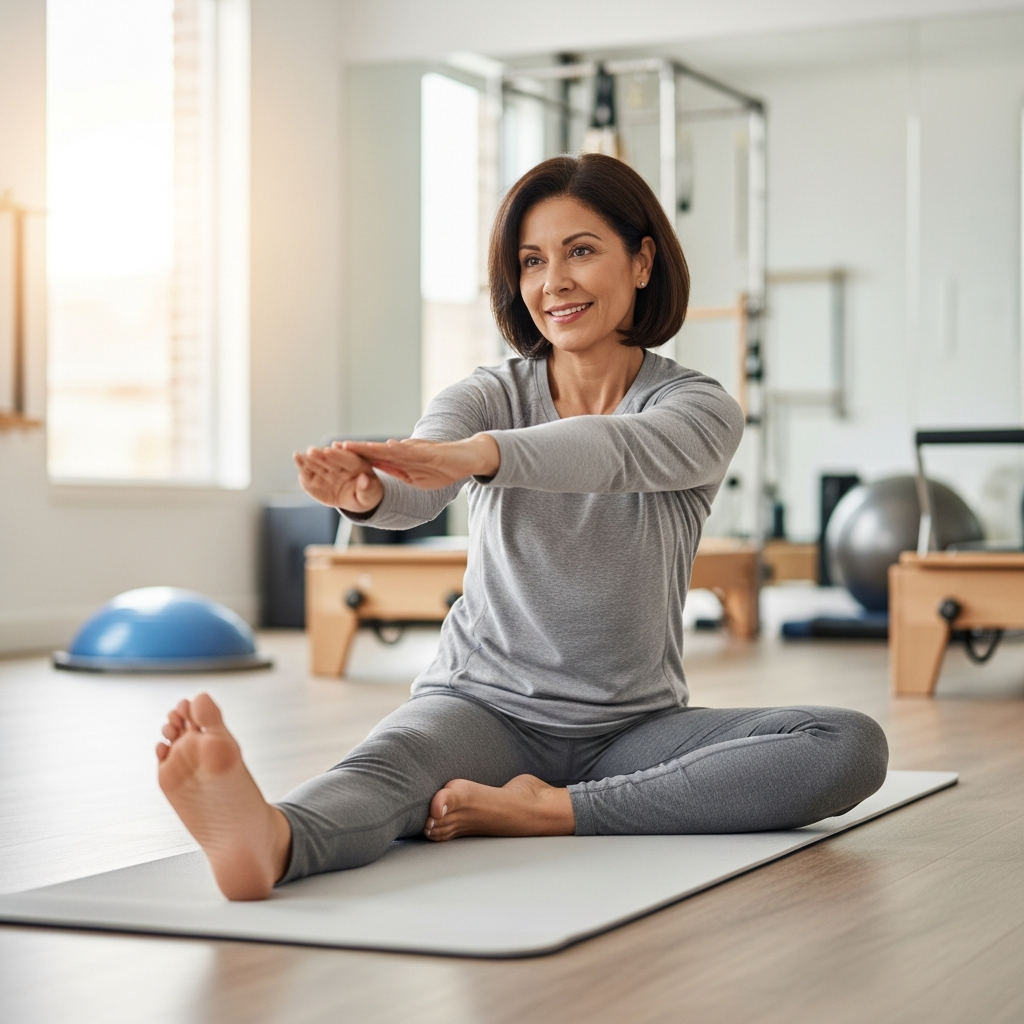
Mat Pilates is exactly what it sounds like – you work out on a mat using your body weight and maybe some small props like resistance bands or balls. It’s like the acoustic version of Pilates – stripped down to the essentials.
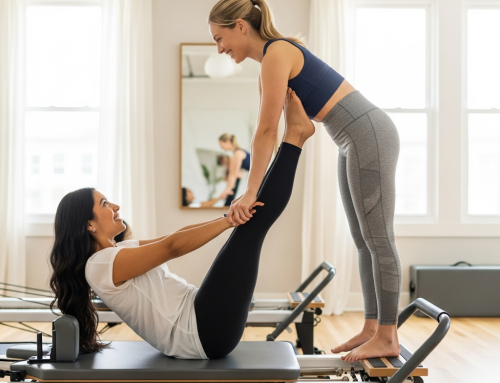
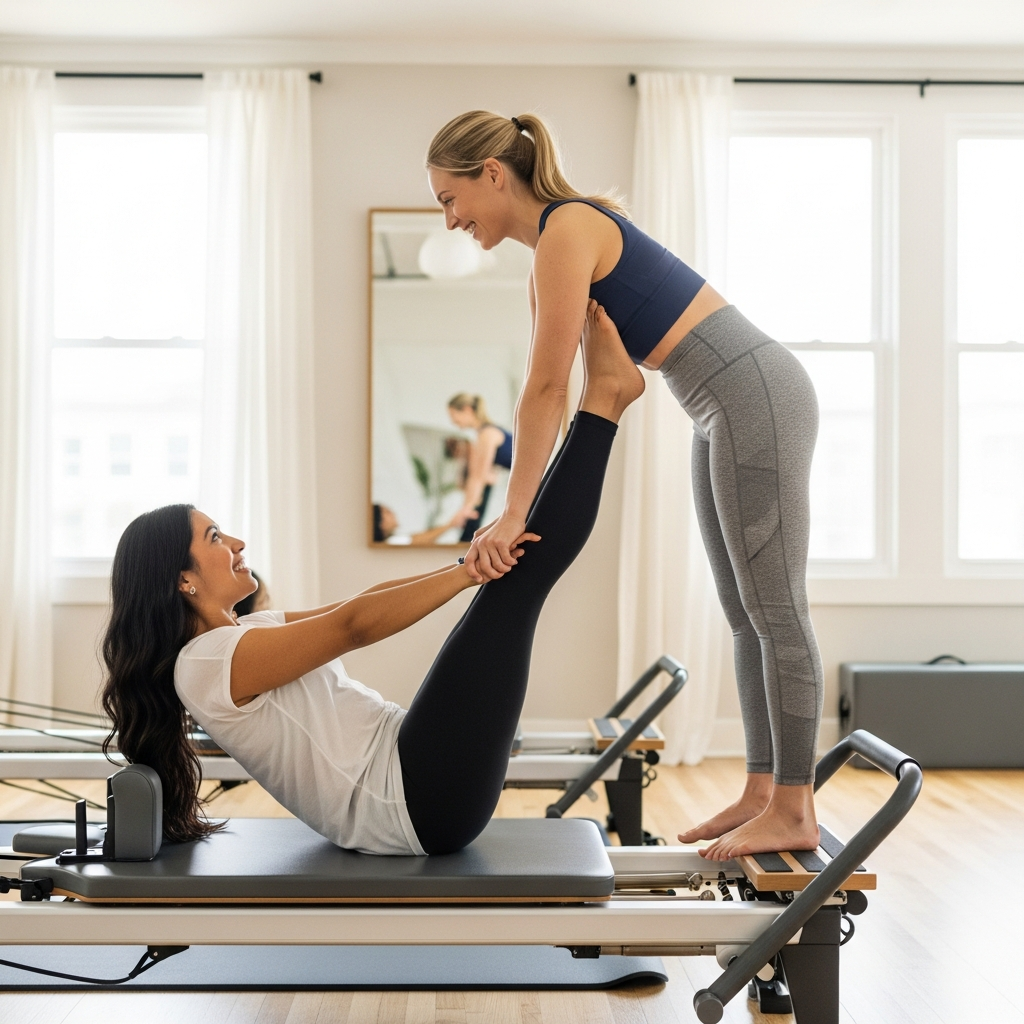
The reformer, on the other hand, looks like some sort of medieval torture device mixed with a bed frame. Don’t worry though – it’s actually quite genius. This spring-loaded contraption provides resistance and support at the same time. Think of it as training wheels for your muscles… except these training wheels can also make things way harder if your instructor decides to get creative.
Why Your Body Might Feel Different After Just a Few Sessions
Here’s something interesting – you might notice changes before you actually see them. People often tell me they feel taller after their first few classes. They’re not imagining things. When you strengthen those deep stabilizing muscles and improve your posture, you literally do stand taller.
Your movement patterns start to change too. Instead of hunching over your phone or computer, you might catch yourself sitting up straighter without even thinking about it. It’s like your body remembers what good alignment feels like and starts craving it.
The flexibility gains can be surprising as well. Unlike traditional stretching where you’re just pulling on muscles, Pilates lengthens them while they’re working. It’s a bit like… well, imagine trying to stretch a rubber band that’s actively contracting. The result is this functional flexibility that actually serves you in real life, not just in class.
Finding Your Perfect Pilates Studio in Grand Prairie
Not all studios are created equal, and honestly? Some are downright terrible for beginners. Here’s what I tell my clients to look for…
Walk into the studio during a class if possible. You’ll immediately sense whether the instructor actually watches each person or just goes through the motions. Good instructors will adjust someone’s form at least three times during a session – bad ones just call out generic cues from the front.
Ask about class sizes. If they’re cramming 15+ people into reformer classes, run. You want 8 or fewer students per instructor, especially when you’re starting out. Your hip might think it’s doing a perfect teaser, but trust me – it’s probably not.
Making Your Body Pilates-Ready (Without Overdoing It)
Here’s something most people get wrong: they think Pilates is automatically gentle. It can be… but it can also leave you feeling like you got hit by a very zen truck.
Start with mat classes before jumping on equipment. I know, I know – the reformer looks fun with all those springs and pulleys. But your core needs to understand basic movement patterns first. Think of mat work as learning to walk before you run.
Do this simple test at home: lie on your back, knees bent, and try to press your lower back into the floor while breathing normally. Can’t do it? That’s okay – most people can’t at first. Practice this for five minutes daily before your first class. Your instructor will notice the difference.
The Smart Way to Schedule Pilates
This might surprise you, but more isn’t always better. I see people signing up for unlimited monthly packages and burning out within three weeks.
Start with twice a week – Wednesday and Saturday work well for most schedules. Why those days? Wednesday breaks up your week when you’re typically dragging, and Saturday gives you something restorative after Friday’s happy hour… if you know what I mean.
Space sessions at least 48 hours apart initially. Your deep stabilizing muscles (the ones Pilates loves to target) need recovery time. Push too hard too fast, and you’ll end up with that shaky-leg feeling that makes climbing stairs an adventure.
Equipment Classes vs. Mat Classes: The Real Difference
The reformer gets all the Instagram love, but honestly? Some of my strongest clients prefer mat work. It’s harder in ways that surprise people.
Equipment classes give you assistance and resistance simultaneously. Those springs help you find positions you might not access otherwise, but they also challenge you in unexpected ways. Think of it like having a very polite personal trainer made of metal and fabric.
Mat classes are you versus gravity – no assistance, no excuses. They’re typically less expensive, which matters when you’re testing whether this whole Pilates thing sticks.
Reading Your Body’s Pilates Signals
Your body will tell you stories after each session. Learn to listen.
Good soreness feels deep and satisfying – like you’ve awakened muscles that were taking a very long nap. Bad soreness is sharp, localized, or makes you wince when you move. There’s a difference between “Wow, I have muscles there!” and “Something is definitely wrong.”
Pay attention to your posture throughout the day. Real Pilates results show up when you’re not thinking about them – standing taller in the grocery store checkout line, sitting straighter during Zoom calls without conscious effort.
Cost-Effective Ways to Build Your Practice
Let’s be honest – Pilates can get expensive fast. But there are smart ways to make it work without maxing out credit cards.
Many studios offer new client specials that are genuinely good deals, not just marketing tricks. Use these to try different instructors and class styles. You might discover you love the 7 AM crowd but hate evening classes, or that your body responds better to slower, more precise movements versus faster-paced sessions.
Consider semi-private sessions (2-3 people) instead of privates. You’ll get more individual attention than group classes but split the cost. Plus, working out with others often pushes you in good ways.
Look for package deals during studio anniversary months or January when everyone’s making resolutions. Stock up then, but… actually use the classes. I can’t tell you how many people have drawers full of unused class credits.
The key is consistency over intensity. Two classes a month for a year beats cramming 20 classes into six weeks and then disappearing.
The Reality Check: What Actually Makes Pilates Tough
Let’s be honest – Pilates isn’t always the graceful, zen-like experience those Instagram videos make it look like. You know the ones I’m talking about… where someone flows effortlessly through movements while you’re over here shaking like a leaf trying to hold a simple plank.
The truth? Most of us walk into that first class thinking we’re reasonably fit, only to discover muscles we forgot existed. That “easy-looking” roll-up exercise? Yeah, it’s basically impossible when your core feels like jello. And don’t get me started on trying to coordinate your breathing while keeping your shoulders down, engaging your core, AND remembering which leg goes where.
Here’s what really trips people up: Pilates looks deceptively simple from the outside. You’re not jumping around or lifting heavy weights, so how hard could it be? Well… turns out precision and control are way more challenging than just powering through movements.
When Your Body Rebels Against “Simple” Movements
The most common complaint I hear? “I can run a 5K, but I can’t even do a proper roll-down without my back screaming.” Sound familiar?
This happens because Pilates exposes imbalances and weaknesses that other activities might mask. That tight hip flexor from sitting at your desk all day? Pilates will find it. Those shoulders that creep up toward your ears when you’re stressed? Your instructor will definitely call you out on that.
The solution isn’t to push through pain – that’s actually counterproductive. Instead, start with modifications. Can’t do a full roll-up? Begin with your hands behind your thighs for support. Struggling with single-leg stretches? Keep both feet on the floor and just focus on the upper body movement.
Your instructor should be offering these modifications automatically, but don’t be shy about asking. Trust me, they’d rather see you doing a modified version correctly than watching you struggle through the “full” version with terrible form.
The Coordination Conundrum
Here’s something nobody warns you about: Pilates requires your brain and body to have a conversation they’ve never had before. You’re trying to breathe in a specific pattern while moving your arms one way and your legs another way, all while keeping your core engaged and your spine in neutral.
It’s like trying to pat your head, rub your stomach, and recite the alphabet backwards – all at once.
The fix? Pick one thing to focus on per session. Maybe this week you’re just concentrating on breathing. Next week, add the arm movements. The coordination will come, but not if you’re trying to master everything simultaneously. Your brain needs time to build those neural pathways.
The Flexibility Frustration
“Everyone else can touch their toes, and I can barely reach my shins.” If this sounds like your internal monologue during class, you’re not alone. Pilates does require a certain amount of flexibility, and if you’re coming from activities like running or weightlifting, you might feel pretty… well, stiff.
But here’s the thing – flexibility in Pilates isn’t about being a pretzel. It’s about having enough mobility to move through the exercises safely and effectively. Can’t straighten your legs during the hundred? Bend your knees. Can’t sit up tall with straight legs? Sit on a pillow or yoga block to elevate your hips.
The real secret? Consistency trumps intensity every time. You’ll gain more flexibility by showing up twice a week and doing modified movements than by forcing yourself into positions that make you want to quit altogether.
Making It Work for Your Real Life
Look, I get it. You’ve got work stress, family obligations, maybe some old injuries that flare up when the weather changes. The last thing you need is another thing that makes you feel inadequate.
The beauty of Pilates – once you get past the initial learning curve – is that it actually helps with all that other stuff. Better posture means less neck pain during those long workday meetings. Improved core strength translates to less back pain when you’re lifting your kids or groceries.
Start small. Maybe it’s one class a week, or even just 15 minutes of mat exercises at home. The key is finding an instructor who gets that you’re a real person with real limitations, not someone training for Cirque du Soleil.
Remember, those people who make it look effortless? They’ve been doing this for years. You’re not behind – you’re just getting started.
What to Expect When You Start
Look, I’m going to be straight with you – Pilates isn’t going to transform your body overnight. I know, I know… you’ve probably seen those Instagram before-and-after photos that make it look like magic happens in two weeks. But here’s the thing: real change takes time, and that’s actually a good thing.
Most people start noticing subtle differences around the 3-4 week mark. Not dramatic stuff – more like “huh, my back doesn’t ache when I get out of bed” or “I can actually engage my core when someone tells me to.” The big visual changes? Those typically show up around the 8-12 week mark, assuming you’re consistent with 2-3 sessions per week.
And let’s talk about that first class, because it might feel… weird. You’ll probably discover muscles you forgot existed (hello, deep abdominals), and you might feel less graceful than a newborn giraffe trying some of the movements. That’s completely normal. Actually, I’d be more concerned if everything felt easy right away – it would mean you’re not challenging yourself enough.
Your First Month Game Plan
Starting a new workout routine – especially something as precise as Pilates – can feel overwhelming. So let’s break it down into bite-sized pieces that won’t make you want to hide under your covers.
Week 1-2: Focus on just showing up. Seriously, that’s it. Don’t worry about perfect form or keeping up with the person next to you who’s clearly been doing this for years. Your only job is to get familiar with the basic movements and start building that mind-body connection.
Week 3-4: This is where things get interesting. Your body starts remembering the movements, and you can actually focus on quality over just “what the heck am I supposed to be doing right now?” You might even catch yourself automatically engaging your core during daily activities – which is pretty cool, actually.
The key thing? Don’t judge your progress by how sore you are. Pilates isn’t about destroying yourself. If you can barely walk the next day, you probably pushed too hard. Think of it more like… tuning a piano. It’s about precision and control, not brute force.
Building Your Routine (Without Burning Out)
Here’s where a lot of people mess up – they go from zero to hero overnight and wonder why they can’t stick with it. Let’s be smarter than that.
Start with 2 sessions per week for the first month. I don’t care if you’re used to crushing it at the gym five days a week – Pilates uses your muscles differently. Give your body time to adapt.
After that first month, you can bump up to 3 sessions if you’re feeling good. Some people swear by daily Pilates, but honestly? Unless you’re training to become an instructor, that’s probably overkill for most of us busy adults in Grand Prairie.
And here’s something nobody talks about enough – it’s okay to take breaks. Life happens. Work gets crazy, kids get sick, your car breaks down… whatever. Missing a week won’t undo all your progress. The people who succeed long-term are the ones who get back to it without the guilt spiral.
When to Level Up
You’ll know you’re ready for more advanced classes when the basics start feeling less like a coordination test and more like… well, exercise. Usually around the 6-8 week mark, you’ll find yourself thinking “I could probably handle something more challenging.”
That said, don’t rush it. I’ve seen too many people jump to advanced classes too quickly and end up frustrated or injured. Your instructor will let you know when you’re ready – trust their expertise.
The Reality Check You Need
Pilates isn’t going to fix everything wrong with your body or your life. If you’re dealing with chronic pain, metabolic issues, or significant weight concerns, it’s one piece of the puzzle – not the whole solution.
But what it will do is give you better body awareness, improved posture, and a stronger foundation for whatever else you want to do. Think of it as upgrading your operating system. Everything else you do – from hiking to playing with your kids to other workouts – tends to get a little easier when your core is actually doing its job.
The bottom line? Give it at least 8-12 weeks before you decide if it’s for you. That’s enough time to get past the learning curve and start seeing real benefits.
You know what? After looking at all the ways Pilates can transform how you feel in your body – and honestly, how you feel about your body – it’s pretty clear this isn’t just another fitness trend that’ll fade away. Whether you’re dealing with that nagging back pain from too many hours hunched over your computer, or you’re tired of workouts that leave you feeling beaten up instead of energized… Pilates might just be the missing piece you’ve been looking for.
Why This Matters for Your Real Life
Here’s the thing that gets me excited about Pilates for busy adults like you – it’s not asking you to completely overhaul your life. You don’t need to become a completely different person or dedicate hours you don’t have. Three sessions a week? That’s totally doable. And the way it builds strength from the inside out means you’ll actually feel stronger doing everyday stuff. Carrying groceries, playing with your kids, even just getting out of bed in the morning without that little wince… it all gets easier.
The flexibility benefits alone – well, let’s just say your body will thank you every time you reach for something on a high shelf or bend down to tie your shoes. And that core strength? It’s like having a built-in support system that follows you everywhere.
Finding Your Perfect Fit in Grand Prairie
The beautiful thing about Pilates is how adaptable it is. Whether you’re drawn to the precision of working with machines or prefer the convenience of mat classes, there’s something here that’ll click with your lifestyle. Some people love the meditative quality of flowing through movements, while others get energized by the challenge of mastering a new exercise. You might discover you’re both, depending on the day you’re having.
And if you’re someone who’s been struggling with weight management – which, let’s be honest, most of us are dealing with at some point – Pilates offers this unique combination of building lean muscle while improving how your body moves and feels. It’s not about burning crazy calories in the moment; it’s about creating a body that works better for you in the long run.
You Don’t Have to Figure This Out Alone
Look, starting something new can feel overwhelming, especially when you’re already juggling work, family, and everything else life throws at you. Maybe you’re wondering if Pilates is really right for your specific situation, or how it might fit alongside other health goals you’re working toward.
That’s exactly the kind of conversation we love having. Whether you’re curious about how Pilates might complement a weight management plan, or you just want to talk through what realistic fitness looks like for your actual life – not some Instagram-perfect version of your life – we’re here for it.
Why not give us a call and have a real conversation about what you’re hoping to achieve? No pressure, no sales pitch – just a genuine chat about what might work for you. Because here’s what I’ve learned: the best workout plan is the one you’ll actually stick with, and sometimes it takes a little exploring to find that sweet spot.
Your body is ready for this. The question is: are you ready to give it a try?