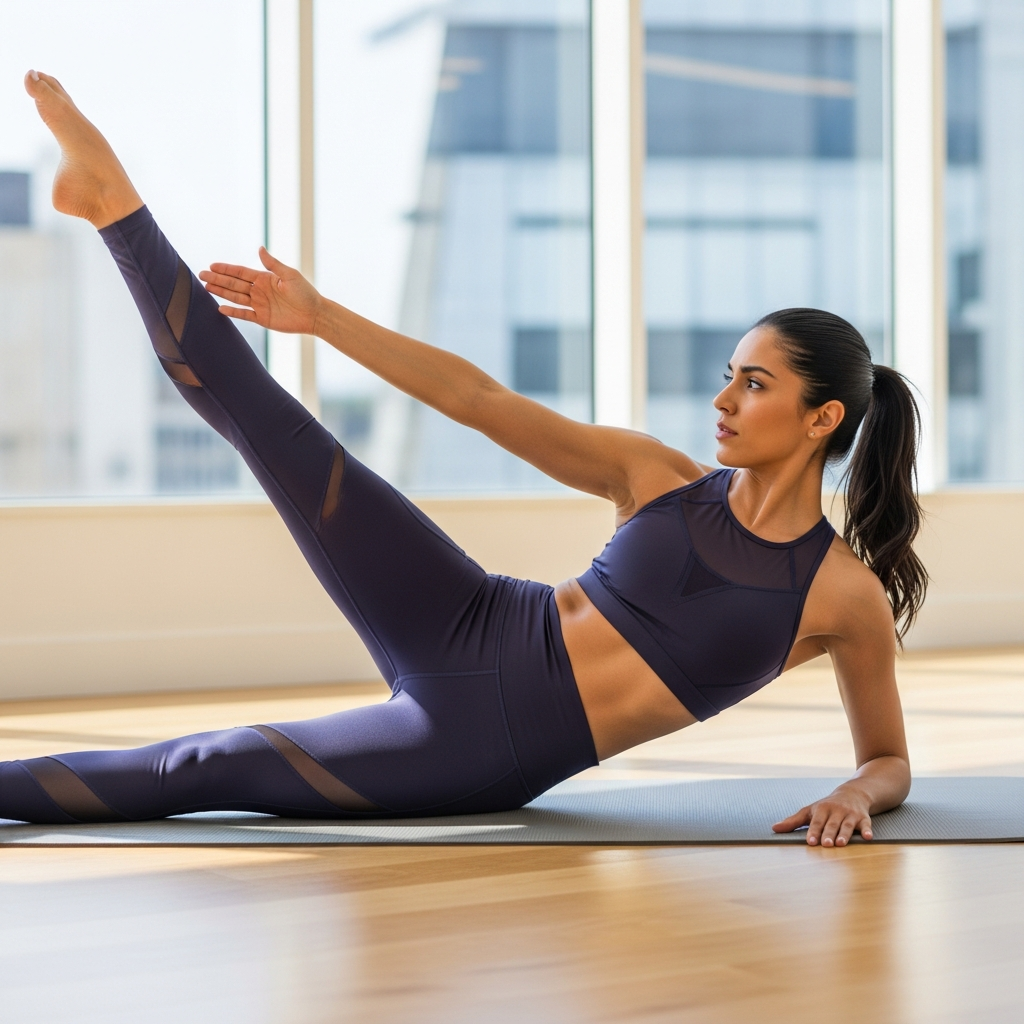
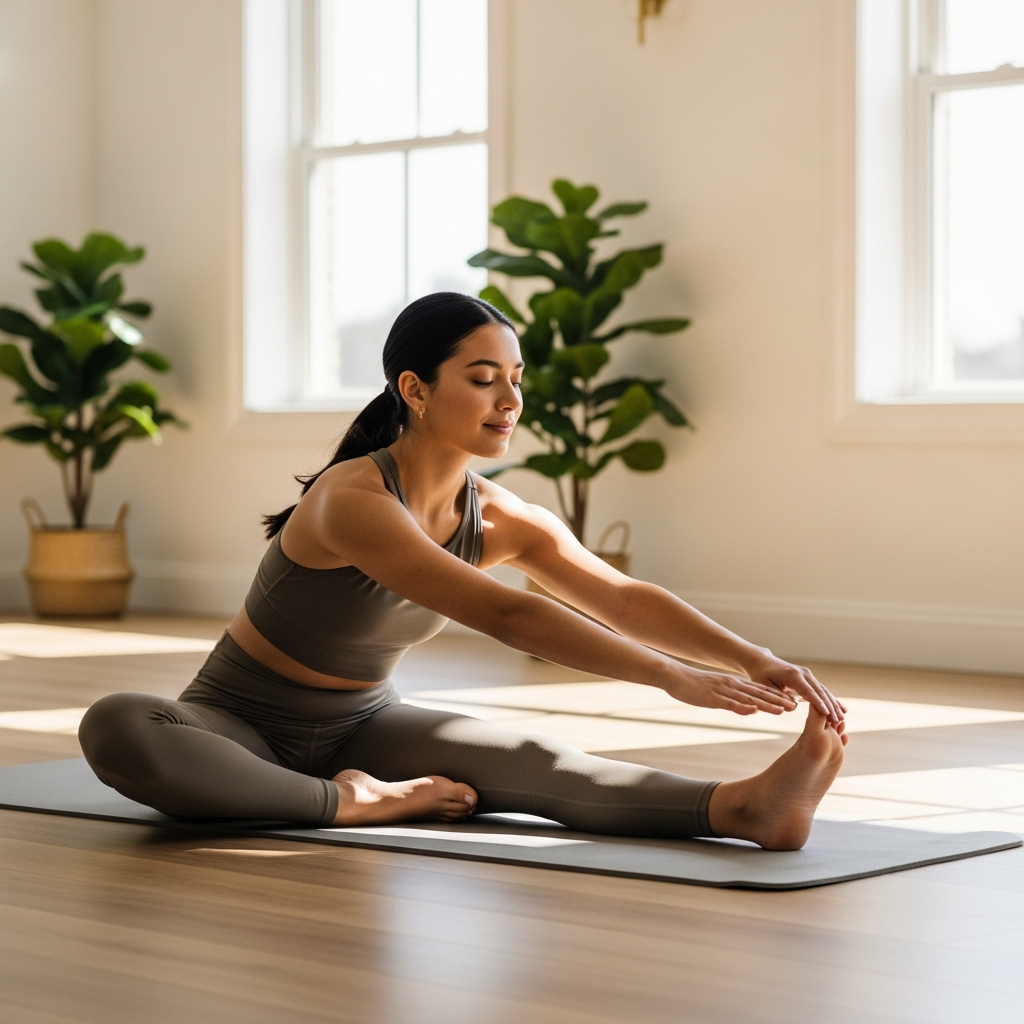
How a Pilates Studio Can Improve Posture for Sunnyvale Clients
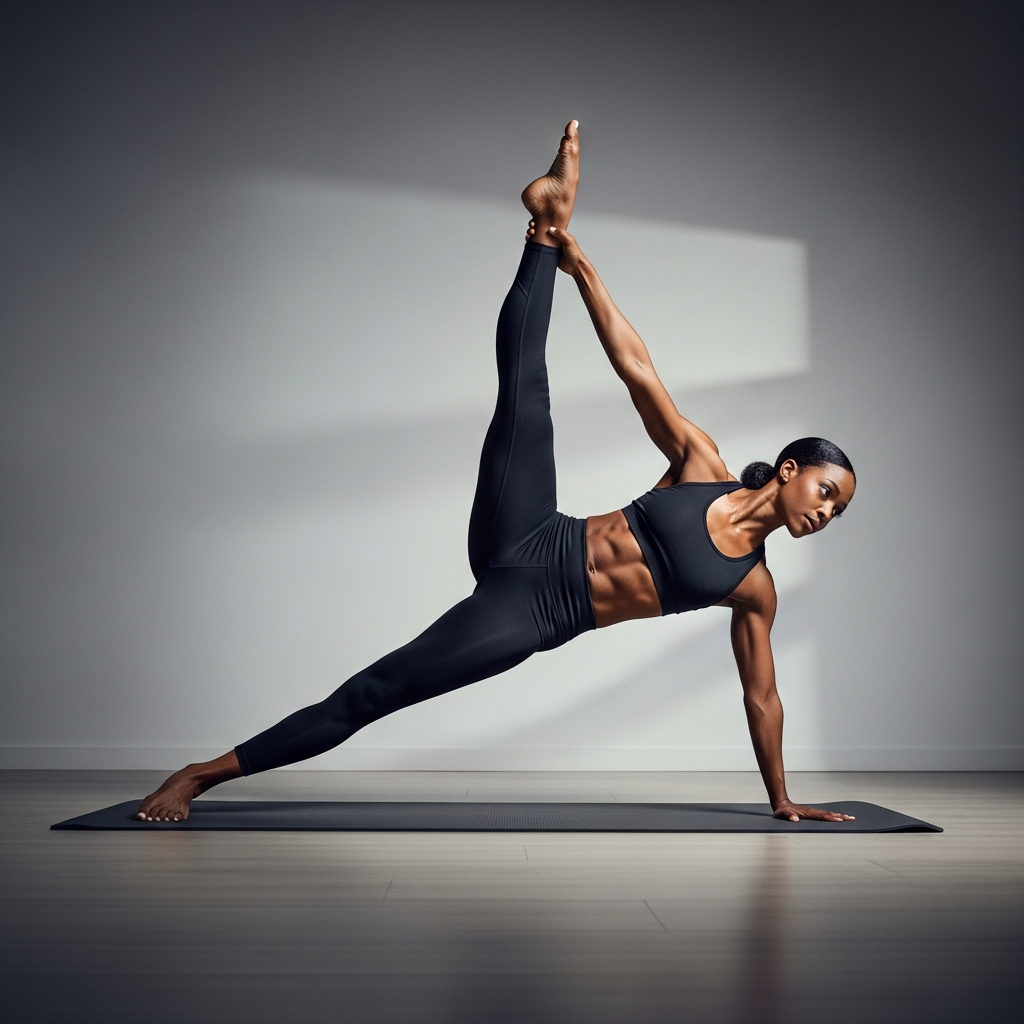
You know that moment when you catch a glimpse of yourself in a store window and think, “Wait… is that really how I walk?” Your shoulders are practically touching your ears, your head’s jutting forward like you’re perpetually reading something just out of reach, and somehow you’ve developed this subtle but unmistakable hunch that wasn’t there five years ago.
If you’re nodding right now (probably while unconsciously straightening your spine), you’re definitely not alone. Here in Sunnyvale – where most of us spend our days hunched over laptops, craned forward during video calls, or scrolling through our phones – poor posture has become as common as complaining about Bay Area traffic. And honestly? It’s doing way more damage than just making us look less confident in those accidental selfies.
I’m talking about real, physical consequences. That nagging lower back pain that shows up every afternoon? The tension headaches that seem to appear out of nowhere? The way your shoulders feel like they’re permanently glued to your ears? That’s not just “getting older” – that’s your body sending you increasingly urgent messages about the way you’re carrying yourself through the world.
Here’s what’s really happening: when your posture goes sideways, it’s like a domino effect throughout your entire body. Your spine loses its natural curves, your muscles start working overtime to compensate for imbalances, and suddenly everything from your breathing to your digestion can be affected. I know, I know – it sounds dramatic. But think about it this way: if your car’s alignment was off, you wouldn’t just ignore the way it pulled to one side, right?
The thing is, most of us know we need to “stand up straighter” – our mothers have been telling us that since we were kids. But here’s where it gets tricky… simply reminding yourself to pull your shoulders back isn’t actually addressing the root of the problem. It’s like trying to fix a leaning tower by just pushing it upright without reinforcing the foundation.
That’s where Pilates comes in. And before you roll your eyes thinking this is just another fitness trend that’ll be forgotten next year, hear me out. Pilates isn’t about contorting yourself into impossible positions or sweating through hour-long cardio sessions. It’s actually this incredibly smart system that was designed – way back in the 1920s, by the way – to retrain your body from the inside out.
What makes it particularly brilliant for posture correction is that it doesn’t just work on making you stronger (though you’ll definitely get stronger). It focuses on creating what we call “functional strength” – the kind that actually supports how you move through your daily life. You know, like being able to sit at your desk for hours without your lower back staging a revolt, or carrying groceries without feeling like your shoulders are about to separate from your body.
In a proper Pilates studio here in Sunnyvale, you’re not just doing random exercises and hoping for the best. You’re working with instructors who understand exactly how poor posture develops – and more importantly, how to systematically reverse it. They’ll spot the subtle compensations your body has been making (trust me, we all have them), and guide you through movements that gradually retrain your muscles to support your spine the way nature intended.
Throughout this article, we’re going to explore exactly how this happens. We’ll talk about why your body developed these patterns in the first place – spoiler alert: it’s not because you’re lazy or weak – and how targeted Pilates work can actually reset your default posture. You’ll learn about the specific techniques that work best for different types of postural issues, what to look for in a quality studio, and honestly? What you can realistically expect in terms of timeline and results.
Because here’s the thing… you don’t have to accept that hunched-over, achy version of yourself as just “how things are now.” Your body is incredibly adaptable – it learned these patterns, and it can absolutely learn better ones. Sometimes it just needs the right guidance to remember what it feels like to move with ease again.
Why Your Body Defaults to Slouching (It’s Not Laziness)
Here’s something that might surprise you – your posture isn’t really about willpower or remembering to “sit up straight.” It’s more like a house that’s slowly settling on uneven ground. You can keep straightening the pictures on the wall, but until you fix the foundation, they’ll keep tilting.
The thing is, our modern lifestyle has basically trained our bodies to collapse forward. We’re hunched over phones, curved around steering wheels, rounded over desks for hours. It’s like wearing a tight jacket for so long that when you finally take it off, your shoulders stay scrunched up. Your muscles develop what I call “position memory” – they literally forget how to hold you upright without strain.
The Chain Reaction Nobody Talks About
This is where things get interesting (and maybe a little frustrating). Poor posture isn’t just about looking slouchy in photos. It creates this domino effect throughout your entire body that most people never connect.
Think about it this way – when your head moves forward just an inch, it’s like holding a bowling ball at arm’s length instead of close to your chest. Suddenly your neck muscles are working overtime, your upper back rounds to compensate, and your lower back… well, it starts doing this weird curve thing to balance everything out.
Before you know it, you’re dealing with headaches, shoulder tension, and that nagging lower back pain that seems to come from nowhere. Plus – and this one really gets people – your breathing becomes shallow because your ribcage can’t expand properly. It’s like trying to fill a balloon that’s already been twisted.
What Pilates Actually Does (Beyond Making You Sore)
Now, I’ll be honest – when people first hear about Pilates helping with posture, they often picture some impossibly graceful person flowing through movements that look more like modern dance than exercise. And yeah… that can be intimidating.
But here’s what’s actually happening during those seemingly simple Pilates exercises: you’re essentially reprogramming your body’s autopilot. Instead of just telling your muscles to “work harder” (which usually backfires), Pilates teaches them to work smarter.
The magic is in something called proprioception – basically your body’s GPS system. You know how sometimes you realize you’ve been sitting weird for an hour and your leg is completely asleep? That’s your proprioception taking a coffee break. Pilates wakes it back up.
The Core Connection (It’s More Complicated Than Crunches)
Here’s where things get a bit counterintuitive. When most people think “core strength,” they picture someone doing a million crunches and developing those defined abs you see in fitness magazines. But your actual core – the one that keeps you upright and pain-free – is more like the foundation of a building than the decorative facade.
Your core includes deep muscles you can’t even see in the mirror. There’s this muscle called the transverse abdominis that wraps around your torso like a natural corset. Then you’ve got your pelvic floor muscles (yes, those ones), your diaphragm, and all these tiny stabilizing muscles along your spine.
When these muscles work together properly, standing up straight stops feeling like work. It’s like the difference between forcing yourself to balance on one foot versus just… standing normally. The effort disappears because everything’s in its right place.
Why Quick Fixes Don’t Stick
I’ve got to level with you here – despite what those “fix your posture in 5 minutes” videos suggest, changing posture patterns takes time. Think about it: if you’ve been reinforcing certain movement patterns for years (or decades), your body isn’t going to reorganize itself overnight.
It’s like trying to change the course of a river. You can’t just tell the water to go a different direction – you need to gradually reshape the banks. That’s essentially what happens in a good Pilates program. You’re not just stretching tight muscles and strengthening weak ones (though that happens too). You’re teaching your nervous system new ways of organizing movement.
The frustrating part? Sometimes you’ll feel worse before you feel better. As your body starts to wake up muscles that have been on vacation, you might notice soreness in weird places. But that’s actually a good sign – it means the changes are happening at a deeper level than just the surface stuff.
Finding the Right Pilates Studio in Sunnyvale
Look, not all Pilates studios are created equal – especially when you’re dealing with tech neck or that hunched-over-laptop posture that’s basically the unofficial uniform of Silicon Valley. You want a studio that actually understands postural issues, not just one that looks good on Instagram.
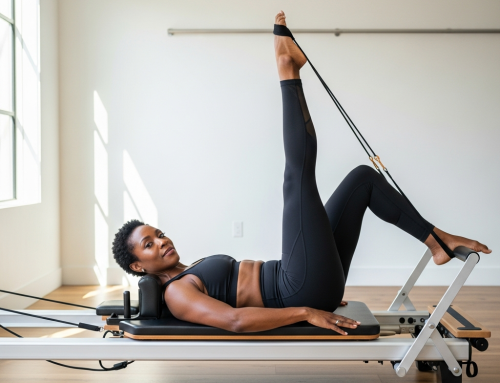
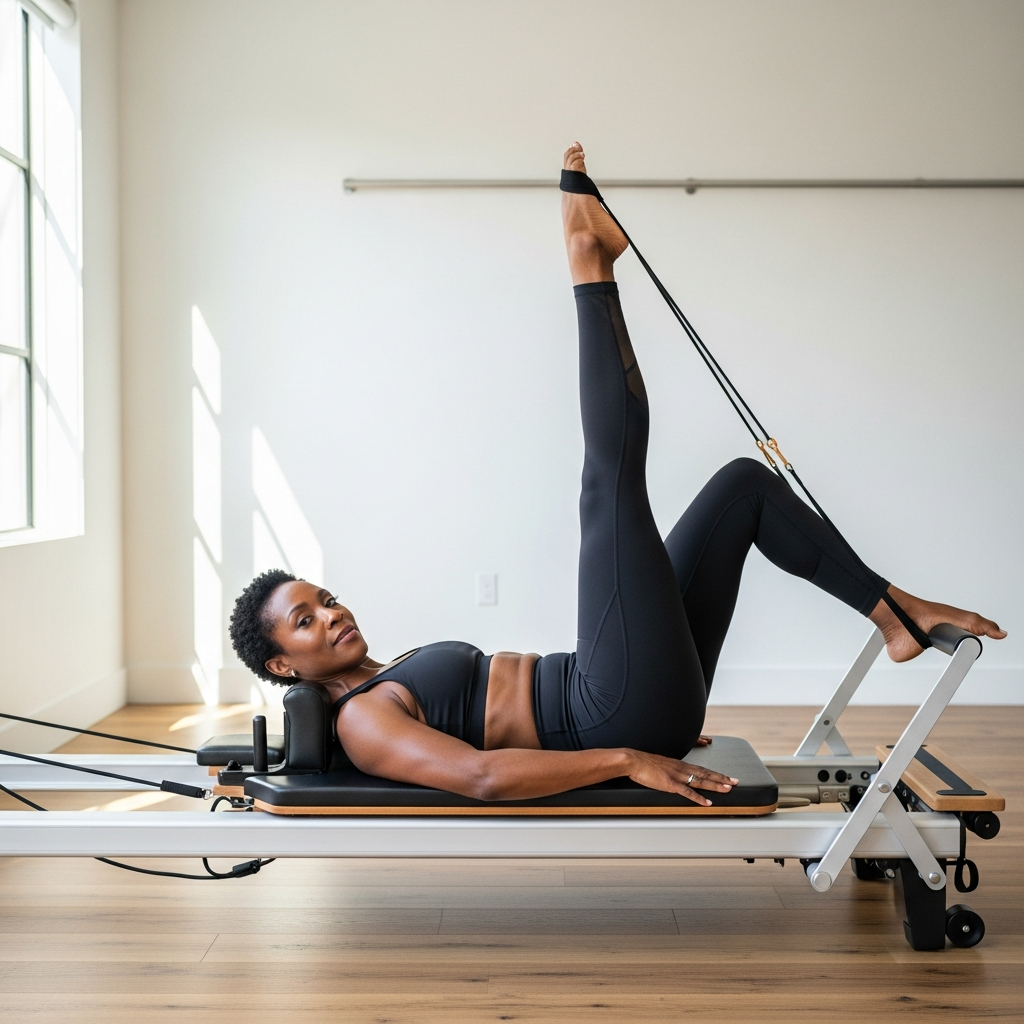
When you’re studio shopping, ask about their instructor training specifically for postural correction. The good ones will light up talking about spinal alignment and muscle imbalances. The not-so-great ones? They’ll just mention their certifications and move on. Also, peek at their equipment – older, well-maintained Reformers often work better than shiny new machines that haven’t been properly calibrated.
Here’s something most people don’t think about: visit during different times of day. Morning classes tend to attract the serious practitioners (you know, the ones who’ve been doing this for years), while evening classes often have more beginners. Both can be great, but you want to see where you’ll fit best.
What to Expect in Your First Month
I’ll be straight with you – the first few sessions might feel weird. Actually, scratch that… they’ll definitely feel weird. Your body has been compensating for poor posture for years, maybe decades. Those tight hip flexors and weak glutes aren’t going to magically fix themselves overnight.
Don’t be surprised if you feel muscles you forgot existed. That deep burning sensation in your upper back during the Hundred? That’s your rhomboids finally waking up from their long nap. And yes, you might actually feel taller after class – that’s not your imagination, it’s your spine decompressing.
Most studios offer introductory packages, which is perfect because you’ll want at least 2-3 sessions per week initially. Once a week won’t cut it if you’re serious about postural change. Think of it like learning a language – immersion works better than sporadic practice.
Maximizing Your Results Between Sessions
Here’s where most people go wrong: they think the magic only happens in the studio. Wrong. The real transformation happens in those micro-moments throughout your day when you catch yourself slouching and actually do something about it.
Set random phone alerts to check your posture. Seriously. Every couple hours, your phone buzzes, and you do a quick body scan. Are your shoulders creeping toward your ears? Is your head jutting forward like a turtle? Just noticing is half the battle.
And speaking of your workspace… if you’re spending eight hours a day hunched over a computer (and let’s face it, in Sunnyvale, you probably are), your Pilates work is fighting an uphill battle. Invest in a decent ergonomic setup. Your instructor can actually help with this – ask them to show you proper sitting alignment. Most are happy to help because they know it’ll accelerate your progress.
The Tech Worker’s Secret Weapon
This one’s specifically for all you software engineers, product managers, and startup folks: use your commute. Whether you’re stuck on 101 or riding Caltrain, those are perfect times to practice what you’ve learned.
Sitting in traffic? Engage your deep abdominals and lengthen through the crown of your head. On the train? Practice that neutral pelvis position while reading your phone (yes, you can scroll and strengthen simultaneously). These little moments add up to hours of additional practice each week.
Also, consider scheduling your Pilates sessions strategically. A lunch break class can reset your posture for the afternoon, while an early morning session sets you up for better alignment all day. Late evening classes? They help undo the damage from a long day at the desk.
When to Expect Real Changes
Let me manage your expectations here – real postural change takes time. You might feel different after your first class (and you should!), but sustainable change? We’re talking 6-8 weeks of consistent practice.
That said, don’t wait for some magical transformation. Small improvements compound. Maybe week three, you notice your shoulders aren’t screaming by 3 PM. Week five, someone mentions you look taller. Week seven, that chronic upper back tension starts loosening its grip.
The key is consistency without obsession. Miss a class here and there? Fine. Life happens. But try not to let more than a few days pass without some kind of movement practice. Your body craves routine, especially when you’re rewiring decades of postural habits.
And remember – this isn’t about perfection. It’s about progress, one mindful movement at a time.
When Your Body Fights Back (And Why That’s Normal)
Here’s the thing nobody tells you about fixing your posture – your body’s going to resist. Hard.
You’ve been hunched over a desk for years, maybe decades. Your chest muscles have shortened, your back muscles have stretched and weakened, and your spine has adapted to this new “normal.” So when you start trying to sit up straight? It’s like asking a couch potato to run a marathon. Everything hurts, nothing feels natural, and you’ll probably want to give up after week two.
I’ve watched countless clients walk into Pilates studios convinced they’ll see changes overnight. Six sessions later, they’re frustrated because their shoulders still roll forward when they’re not actively thinking about it. But here’s what’s actually happening – you’re literally rewiring decades of muscle memory. That takes time. More time than Instagram transformation posts would have you believe.
The solution isn’t pushing through pain or forcing yourself into “perfect” posture all day long. That’s exhausting and counterproductive. Instead, think of it like learning a new language. You start with basic words (engaging your core, lengthening your neck) and gradually build complexity. Some days you’ll speak fluently, others you’ll forget everything you’ve learned. That’s progress, not failure.
The Motivation Rollercoaster
Week one: You’re pumped. You’ve downloaded a posture app, set hourly reminders, and you’re convinced this time will be different.
Week three: The novelty has worn off. Your back aches from trying to maintain “proper” alignment, and frankly, you’re tired of thinking about your shoulders every five minutes.
Week six: You catch a glimpse of yourself in a store window and… wait, is that actually improvement? Or are you imagining things?
This emotional whiplash is completely normal, but it derails more posture improvement efforts than tight hip flexors and weak glutes combined. The real challenge isn’t physical – it’s psychological.
Most Pilates studios understand this, which is why good instructors focus on small, sustainable changes rather than dramatic overhauls. They’ll teach you to notice how your body feels in different positions, not just how it looks. Because honestly? You can’t maintain something that feels terrible forever.
The Technology Trap
Let’s address the elephant in the room – you’re probably reading this on a device right now, and I’m willing to bet your neck is craned forward at least a little bit.
Technology isn’t going away, and neither is your job. So the “just use your devices less” advice? Pretty useless for most of us. Instead, Pilates studios in Sunnyvale are getting creative about working with modern realities.
They’re teaching clients how to set up workstations properly, yes, but also how to build micro-movement breaks into their day. These aren’t elaborate stretching routines – we’re talking 30-second exercises you can do between Zoom calls. Shoulder blade squeezes while waiting for your computer to boot up. Neck stretches during commercial breaks.
The key is making these movements so simple and quick that you actually do them, rather than creating another item for your already overwhelming to-do list.
When Progress Feels Invisible
Here’s something that’ll trip you up every time – expecting to see dramatic before-and-after photos. Posture improvement is sneaky. It happens in millimeters and degrees, not dramatic transformations.
You might not notice that you’re no longer reaching for your lower back after sitting all day. Or that your headaches have quietly disappeared. Or that climbing stairs doesn’t make you feel quite so… crumpled.
Good Pilates instructors help you notice these subtle victories because they add up to significant life changes. They’ll ask about your energy levels, how your clothes fit, whether you’re sleeping better. Because better posture isn’t just about looking more confident (though that’s a nice bonus) – it’s about feeling more comfortable in your own skin.
The solution to invisible progress? Keep a simple log. Not of exercises or measurements, but of how you feel. “Sat through a two-hour meeting without fidgeting.” “Carried groceries without my usual shoulder tension.” These small wins matter more than perfect alignment in a mirror.
Because ultimately, improving your posture isn’t about achieving some impossible standard of perfection. It’s about finding a way to move through your daily life with less pain and more ease. And that? That’s absolutely worth the patience it requires.
What to Expect in Your First Few Sessions
Let’s be honest – your first Pilates class isn’t going to magically transform your posture overnight. I know, I know… wouldn’t that be nice? But here’s what will happen: you’re going to discover muscles you forgot existed (hello, deep abdominals) and probably feel a bit wobbly on some of those exercises. That’s completely normal.
Most Sunnyvale clients tell us they feel more aware of their posture almost immediately. It’s like someone suddenly turned on the lights in a room you’ve been sitting in for years. You’ll start noticing when you’re slouching at your desk or craning your neck forward during those endless Zoom calls. This awareness? It’s actually the first step toward real change.
The soreness afterward… yeah, that’s going to happen too. But it’s different from the ache you get from overdoing it at the gym. This feels more like your body saying, “Oh, so THIS is how we’re supposed to move.”
Timeline for Real Posture Changes
Here’s where I need to manage expectations a bit. True postural changes don’t happen in two weeks – anyone telling you otherwise is probably trying to sell you something.
For most people, the timeline looks something like this: After about 4-6 weeks of consistent sessions (we’re talking 2-3 times per week), you’ll notice your posture holding better throughout the day. Your shoulders might not creep up toward your ears quite as much during stressful work meetings. You’ll catch yourself sitting straighter without having to think about it constantly.
The 3-month mark? That’s when things get interesting. This is typically when clients start getting comments from friends and family – “You look taller!” or “Something’s different about you…” Your body has started to remember what good alignment feels like, and it actually begins to prefer it.
Actually, that reminds me of Sarah, one of our tech workers who’d been dealing with chronic neck pain from her forward head posture. She came in hunched over like a question mark (her words, not mine). After about 10 weeks, her husband asked if she’d gotten a new office chair because she looked so much more confident during her video calls.
What Success Actually Looks Like
Don’t expect to suddenly have the posture of a ballet dancer – that’s not realistic or necessary. Good posture isn’t about being rigid or military-straight. It’s about finding that sweet spot where your body can function efficiently without strain.
You’ll know it’s working when
– You can sit through a movie without your back aching – Your neck doesn’t feel like concrete after a long day at the computer – You naturally stand taller when you’re walking (people might start asking if you’ve lost weight) – Those tension headaches become less frequent
Some clients get frustrated because the changes feel slow. But think about it this way – you didn’t develop poor posture overnight. Your body has been compensating for imbalances, tight spots, and weak areas for years, maybe decades. Undoing that takes patience and consistency.
Your Action Plan Moving Forward
Start with realistic expectations. If you’re new to Pilates, aim for two sessions per week for the first month. Your instructor will help you build a foundation before adding more challenging movements. Don’t try to be the overachiever who jumps into five classes a week – that’s a recipe for burnout and potential injury.
Between sessions, pay attention to your daily habits. Notice how you sit, stand, and move throughout the day. Your Pilates instructor will probably give you some simple exercises or stretches to do at home… actually do them. I know it sounds obvious, but you’d be surprised how many people skip the homework and then wonder why progress feels slow.
Consider keeping a simple log of how you feel – not necessarily formal tracking, but just mental notes. “Wow, my shoulders feel relaxed today” or “Made it through that long presentation without my usual neck pain.” These small wins add up.
Making It Sustainable Long-Term
The key to lasting posture improvement isn’t perfection – it’s consistency. Think of Pilates as maintenance for your body, like regular oil changes for your car. Some weeks you’ll make it to all your planned sessions. Other weeks… life happens. That’s okay.
What matters is coming back to it. Your body will remember the good habits you’re building, even if you take a short break. The goal isn’t to become a Pilates evangelist (unless that’s your thing) – it’s to give your body the tools it needs to support you through all those long Sunnyvale workdays and weekend adventures.
Your Body Will Thank You
You know what’s amazing? Your body has this incredible ability to adapt and heal – even if you’ve been slouching at your desk for years or carrying stress in your shoulders like it’s your job. I’ve seen clients who thought their hunched posture was just their “new normal” stand taller and feel stronger than they had in decades. Sometimes we forget that pain and poor posture aren’t life sentences.
The thing about Pilates is… it’s not just another workout trend that’ll disappear next year. It’s been around for nearly a century because it actually works. When you start moving with intention, breathing deeply, and really connecting with your core, your entire body begins to remember how it’s supposed to function. That rounded shoulder thing you do when you’re stressed? Your muscles can learn new patterns. Those achy spots from sitting too long? They can find relief.
And here in Sunnyvale, you’re surrounded by incredible instructors who truly get it. They understand that you’re not looking to become a contortionist – you just want to feel good in your own skin again. You want to walk into a meeting without your back screaming, or play with your kids without wincing. These are reasonable goals, and honestly? They’re absolutely achievable.
I love that Pilates meets you where you are. Maybe you’re dealing with chronic pain, or perhaps you just notice you’re not standing as tall as you used to. Maybe your partner mentioned your posture (thanks, honey), or you caught a glimpse of yourself in a window and thought, “When did I start looking like that?” Whatever brought you here, there’s no judgment – just genuine support and evidence-based movement.
The studios here really emphasize proper form over flashy moves, which means you’re building sustainable habits rather than just showing off. Your instructor will probably catch things you never noticed about how you hold your body, and trust me, those little adjustments can make a world of difference.
Your spine has been carrying you through life for years – decades, even. It’s been there through late-night study sessions, career changes, pregnancies, stress, celebrations… all of it. Doesn’t it deserve some attention and care? Some gentle realignment and strengthening?
Ready to Stand Taller?
If you’re tired of accepting aches and poor posture as just part of getting older (spoiler alert: they’re not), maybe it’s time to explore what’s possible. At our medical weight loss clinic, we work with amazing Pilates instructors throughout Sunnyvale who understand that true wellness goes beyond the number on the scale.
We’re here to support your whole health picture – and that absolutely includes helping you move and feel better in your body. Whether you’re curious about Pilates specifically or want to chat about other ways to support your posture and overall wellbeing, we’d love to hear from you.
Give us a call or drop by when you’re ready. No pressure, no sales pitch – just real people who genuinely want to help you feel your best. Your future self will thank you for taking that first step.