Benbrook Pilates Studio: What to Know Before You Join
You know that feeling when you’re scrolling through fitness studios online at 11 PM, wearing your oldest pajamas and wondering if *this* will finally be the thing that clicks? Maybe you’ve been there – bookmarking Pilates studios, reading reviews, and then… doing absolutely nothing because you’re not sure if you’re ready to be the person fumbling with reformer springs while everyone else moves like graceful swans.
I get it. Starting something new – especially when it involves your body and potentially looking foolish in front of strangers – feels vulnerable as hell.
Here’s the thing though: you’ve probably heard whispers about Pilates being this magical fix for everything from back pain to poor posture. Your friend swears it changed her life. Your physical therapist mentioned it. That Instagram influencer (okay, maybe don’t trust her completely) claims it gave her abs and inner peace. And now you’re wondering if the Benbrook Pilates Studio everyone’s talking about might be worth investigating.
But let’s be honest – walking into any new fitness space feels like showing up to a party where everyone knows the secret handshake except you. Will the instructor assume you know what a “hundred” is? (Spoiler: it’s not as simple as counting to 100.) Are you supposed to bring your own… whatever those sock-grippy things are called? And seriously, how much should you expect to spend without your wallet staging a revolt?
The truth is, you’re probably overthinking this. Most people are.
I’ve been writing about health and wellness for years, and I’ve noticed something: the people who succeed aren’t the ones who wait until they feel completely ready. They’re the ones who gather just enough information to feel confident taking that first step. And honestly? That’s exactly what you’re doing right now by reading this.
Benbrook Pilates Studio has been quietly building a reputation in the area, and there’s a reason people keep coming back. It’s not just about the workout – though we’ll definitely talk about what makes their approach different. It’s about finding a place where you can actually progress without feeling like you’re performing for anyone.
But before you commit to anything (and yes, we’ll cover all the financial stuff because nobody likes surprises when it comes to money), you deserve to know what you’re really getting into. What’s the vibe like? Are the instructors the type who’ll push you until you’re questioning your life choices, or are they more about meeting you where you are? How does their equipment compare to other studios? And perhaps most importantly – will this actually help with whatever brought you here in the first place?
Maybe you’re dealing with chronic back pain that’s been your unwelcome companion for years. Maybe you want to feel stronger without the intimidation factor of a traditional gym. Or perhaps you’re looking for something that challenges your body and mind without leaving you completely wiped out… because let’s face it, you still have to function in the real world after your workout.
Here’s what I’m going to walk you through – and I promise, no corporate speak or fitness industry BS. We’ll talk about what makes Benbrook different from the studio chains, what their classes actually feel like (spoiler: probably not what you’re imagining), and the practical stuff like scheduling, pricing, and what to wear so you don’t spend your first class worried about whether everyone’s judging your outfit.
I’ll also share what current members wish they’d known before starting, because hindsight is incredibly useful when you’re trying to decide if something’s right for you. And we’ll address those nagging questions you might not want to ask out loud – like whether you need to be flexible already, or if there’s really such a thing as being “too out of shape” to start.
The goal here isn’t to convince you that Pilates is the answer to everything, or that Benbrook is perfect for everyone. It’s to give you enough real, honest information so you can make a decision that feels right for your body, your schedule, and your life as it actually exists – not as you think it should exist.
Ready to figure out if this might be your thing?
The Pilates Method: It’s Not What You Think
Okay, let’s be honest here – when most people hear “Pilates,” they picture flexible people in expensive athleisure doing gentle stretches on colorful mats. And while there’s some truth to that image, it’s kind of like saying cooking is just chopping vegetables. You’re missing about 90% of what’s actually happening.
Joseph Pilates (yes, it’s named after a real person – his first name was Joseph, not “Joe Pilates” like everyone seems to think) developed this method in the early 1900s. He called it “Contrology,” which honestly sounds way more intimidating than it needed to… but here we are. The guy was onto something pretty revolutionary: the idea that your mind and body aren’t separate entities having a polite conversation, but rather partners in an intricate dance.
Think of traditional exercise like using a jackhammer to hang a picture frame. It gets the job done, but there’s probably a more elegant solution. Pilates is more like using a precision drill – you’re working with intention, control, and frankly, a lot more awareness of what you’re actually doing.
The Six Principles That Actually Matter
Now, I could list Joseph Pilates’ original principles and sound all scholarly, but let’s talk about what they actually mean when you’re lying on a reformer wondering if you’re doing this right.
Concentration means you can’t just zone out and think about your grocery list. Your brain needs to be fully present – which, honestly, is harder than it sounds in our world of constant distractions. It’s like trying to text while parallel parking… technically possible, but you’re probably going to hit something.
Control is where things get interesting. Every movement should be deliberate, not just “going through the motions.” You know how some people at the gym seem to be having a wrestling match with the equipment? Pilates is the opposite of that.
Centering focuses on what Pilates called the “powerhouse” – basically everything between your ribcage and your hips. Think of it as your body’s control center, like the engine room of a ship. If this isn’t working properly, nothing else really matters.
Equipment That Looks Like Medieval Torture Devices
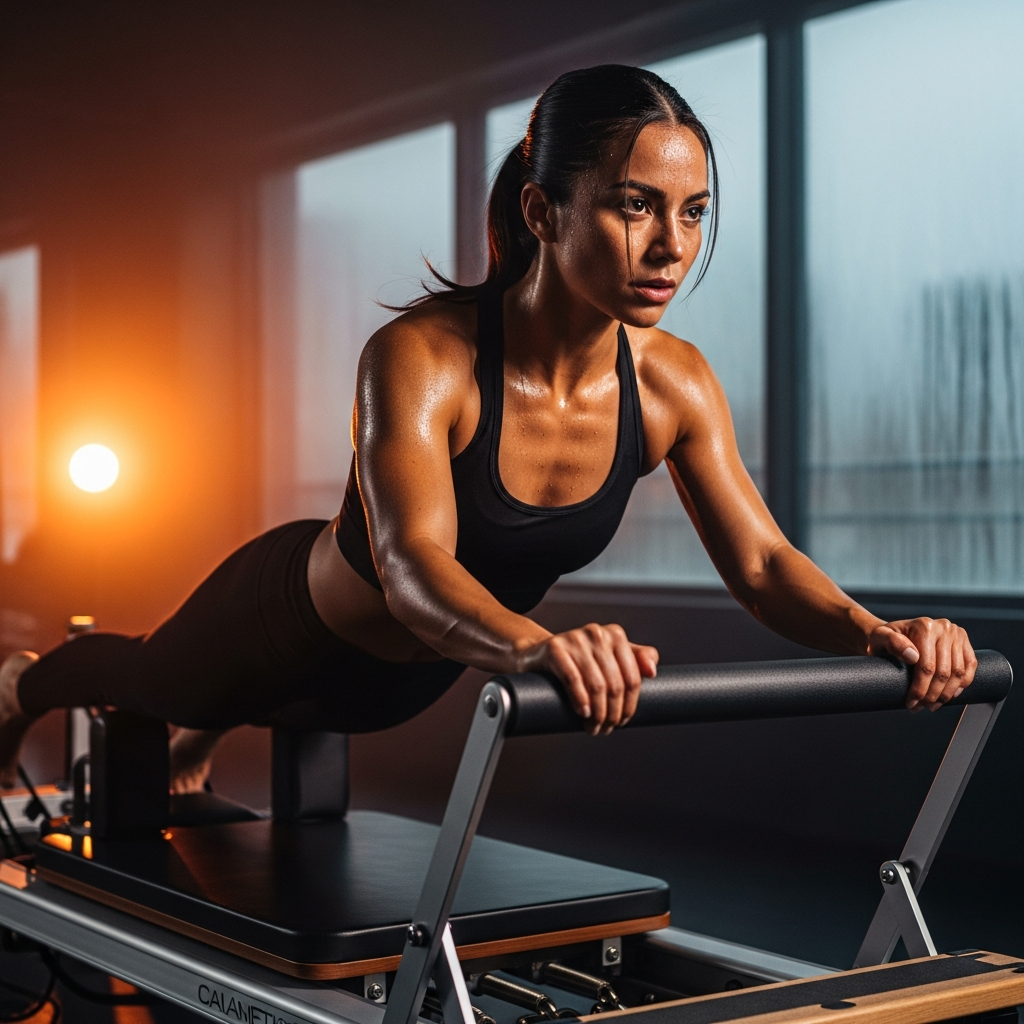
Let’s address the elephant in the room – or rather, the reformer that looks vaguely threatening in the corner. Pilates equipment can seem intimidating at first glance. The reformer, with its springs and pulleys and sliding carriage, looks like something from a steampunk fitness fantasy.
But here’s the thing (and this might be counterintuitive): the equipment is actually designed to help you, not challenge you to a duel. Those springs? They provide resistance when you need it and assistance when you don’t. It’s like having a workout partner who’s always perfectly calibrated to give you exactly what you need.
The Cadillac – yes, that’s really what it’s called – looks even more imposing with its tower of bars and springs. But think of it as a jungle gym for adults, one that happens to help you develop incredible strength and flexibility without beating up your joints.
Mat Work: Deceptively Simple, Surprisingly Challenging
Now, if you think mat Pilates is the “easier” option… well, you’re in for a surprise. It’s like assuming that writing a haiku is easier than writing a novel because it’s shorter. The constraints actually make it harder.
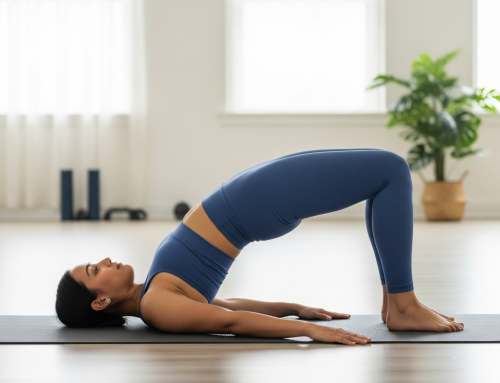
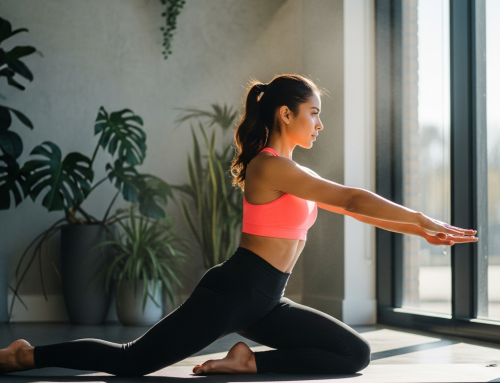
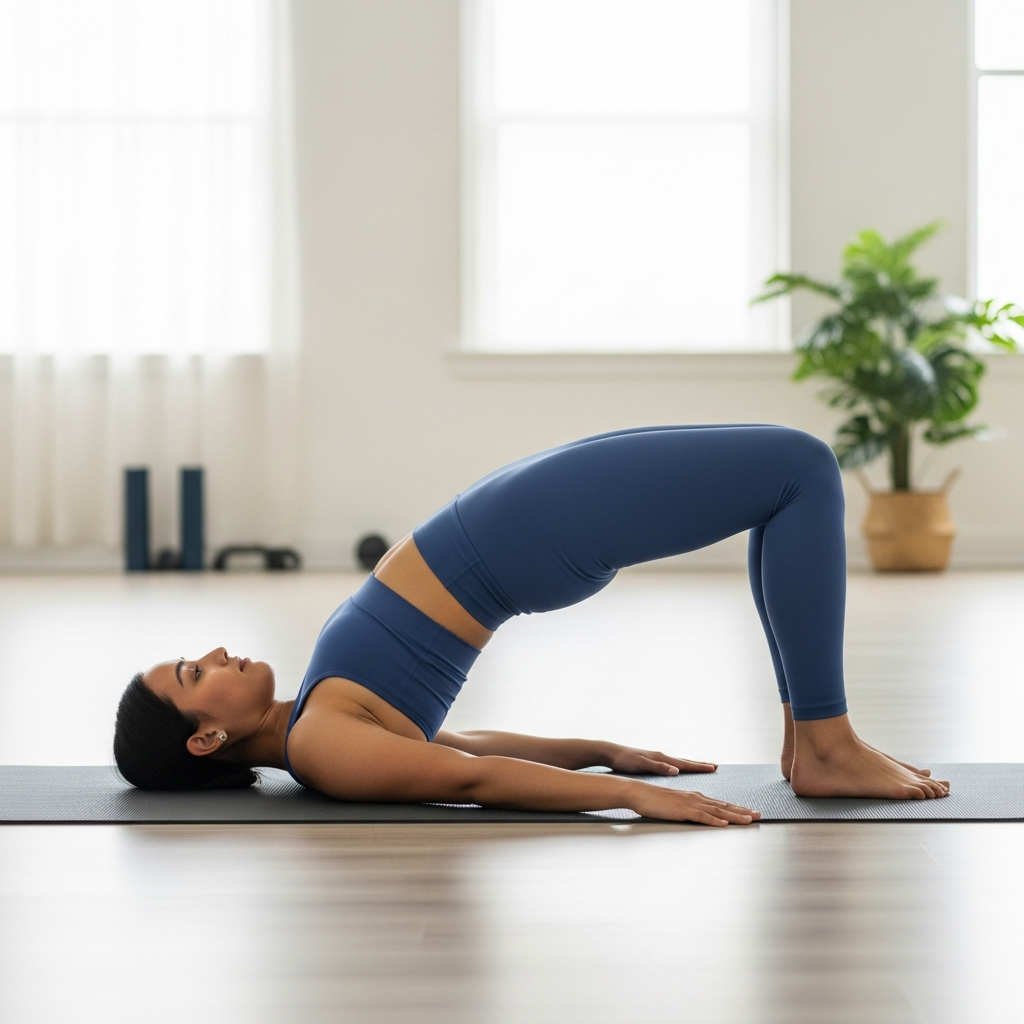
Without equipment to assist or guide you, mat work requires you to be your own resistance, your own feedback system, your own support. Every exercise demands that you show up fully – physically and mentally. You can’t fake your way through a proper hundred or single-leg teaser.
The Mind-Body Connection Everyone Talks About
Here’s where things get a bit… mystical? I know, I know – the mind-body connection has become such a wellness buzzword that it’s almost lost meaning. But in Pilates, it’s not just fancy talk.
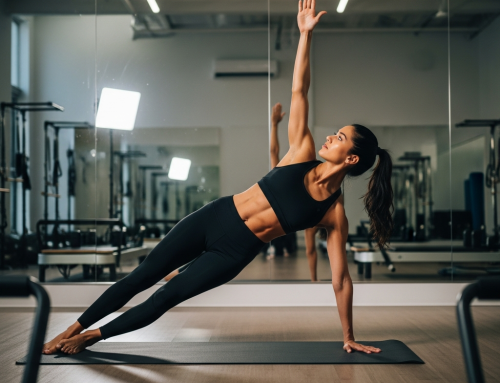
When you’re holding a plank while simultaneously trying to keep your shoulders stable, your core engaged, and your leg reaching in the opposite direction – all while breathing in a specific pattern – well, that’s multitasking on a whole different level. Your brain literally has to coordinate dozens of muscle groups working together.
It’s like conducting an orchestra where every musician is blindfolded and you’re also playing violin. Challenging? Absolutely. But when it clicks… there’s something almost magical about feeling your body move as one integrated unit instead of a collection of parts just trying to get along.
The result is strength that’s functional, flexibility that’s sustainable, and body awareness that carries over into everything else you do. Even something as simple as carrying groceries becomes more efficient when you understand how to engage your powerhouse and move with intention.
What to Bring (And What to Leave at Home)
Most Pilates studios provide the equipment, but you’ll want to bring a water bottle and a small towel – trust me on the towel. Even though Pilates isn’t traditionally “sweaty” exercise, you might find yourself more heated than expected, especially during those longer reformer sequences.
Wear fitted clothing that won’t bunch up or get caught in the equipment. I’ve seen too many people struggling with baggy t-shirts that ride up during overhead movements… it’s distracting when you’re trying to focus on form. Think yoga pants or leggings, fitted tank tops. And here’s something most people don’t think about: avoid clothing with zippers or metal embellishments that could scratch the equipment.
Skip the shoes entirely – Pilates is done barefoot or with grip socks. If you’re someone who feels more stable with a little traction (especially on the reformer), those sticky-bottom socks are worth the investment.
Timing Your First Class Strategically
Don’t schedule your first Pilates session right before a big presentation or important dinner. Seriously. You might feel perfectly fine immediately after class, but the next day? Your muscles are going to have some opinions about all those new movement patterns you just introduced them.
Book your intro class for a Thursday or Friday if possible. This gives you the weekend to recover if you’re feeling those “I-didn’t-know-I-had-muscles-there” sensations. Plus, weekend recovery time means you can actually move around gently, which helps with any stiffness.
Also – and this might sound obvious but people forget – don’t eat a heavy meal two hours before class. A light snack is fine, but you’ll be doing movements where your torso is… well, let’s just say you don’t want to test your digestive system’s patience.
The Real Cost Breakdown
Most studios offer package deals that seem expensive upfront but save money per class. Here’s what I typically see: single classes run $25-35, while 10-class packages might bring that down to $20-22 per session. Monthly unlimited plans often make sense if you’re planning to go more than twice a week.
But here’s the thing nobody tells you – ask about trial periods or new member specials. Many studios offer three classes for around $60-75, which lets you really test the waters without committing to a big package. And if you’re on a tight budget? Some studios have work-study programs where you can help with basic tasks in exchange for reduced rates.
Don’t forget to factor in grip socks ($15-20) and maybe some workout clothes if your current gear isn’t quite right for Pilates. It’s not a huge investment, but it adds up.
Reading the Studio Culture
Every Pilates studio has its own personality, and you’ll pick up on it pretty quickly. Some lean more athletic and intense, others focus on rehabilitation and gentle movement. Pay attention during your tour – are people chatting and laughing, or is it library-quiet? Neither is wrong, but one might fit your personality better.
Watch how instructors interact with longtime students. Do they remember names? Ask about injuries or life updates? This tells you a lot about whether you’ll feel like a person or just another body in class.
And here’s something subtle but important: notice the age range and fitness levels of other students. If everyone looks like they stepped out of a fitness magazine and you’re just starting your wellness journey, you might feel intimidated. Look for studios with diverse clientele – it usually indicates a more welcoming, inclusive environment.
Making the Most of Your Trial Period
Come in with specific goals, even if they’re small. Maybe it’s “I want to strengthen my core” or “I need better posture for my desk job.” This helps instructors tailor their cuing and gives you something concrete to evaluate after a few sessions.
Ask questions, but pick your moments. During class setup or cool-down is perfect. Mid-exercise? Not so much. Most instructors love talking about modifications, proper form, and how exercises benefit different body types.
Keep a simple mental note (or actual note) of how you feel after each class – energy level, any soreness, mood changes. After three or four sessions, you’ll have enough data to decide if this particular studio and style work for your body and schedule.
The bottom line? Trust your gut, but give it a few sessions to really know. Sometimes the best fit isn’t the flashiest studio or the most convenient location – it’s the place where you feel comfortable enough to actually show up consistently.
The Reality Check: What Actually Trips People Up
Let’s be honest – starting Pilates isn’t like slipping into a warm bath. You’re going to face some bumps, and pretending otherwise would be doing you a disservice. The good news? Most challenges are totally normal and completely solvable once you know what to expect.
The equipment feels like a medieval torture device. Those reformer springs, the Cadillac apparatus, even the seemingly innocent magic circle – they all have a learning curve steeper than your driveway after an ice storm. Don’t worry if you spend your first few sessions feeling like you’re wrestling with an alien spacecraft. Everyone does.
Here’s what actually helps: arrive 10 minutes early for your first few classes. Ask your instructor to show you the basic setup before class starts. Most people are too embarrassed to ask mid-class when they can’t figure out which strap goes where (spoiler alert: we’ve all been there). The instructors at Benbrook genuinely want you to succeed – they’d rather spend two minutes showing you the ropes than watch you struggle through an entire session.
Your Core Isn’t Ready for This Level of Exposure
You know that moment when the instructor says “engage your core” and you realize you’re not entirely sure where your core actually is? Yeah… that’s a thing. Pilates has this sneaky way of exposing weaknesses you didn’t know existed. One day you’re feeling pretty good about your fitness level, the next you’re shaking like a leaf trying to hold your legs in tabletop position.
The solution isn’t to avoid the challenge – it’s to start smaller than you think you need to. Take the beginner classes seriously, even if you’re already active in other ways. Running marathons doesn’t automatically translate to Pilates prowess. Your body needs time to learn this new language of movement.
And here’s something nobody tells you: it’s totally fine to take breaks during class. Put your feet down, reset your position, breathe. The Pilates police aren’t going to arrest you for modifying exercises or skipping a few reps when your form starts falling apart.
The Schedule Juggling Act
Benbrook’s class schedule might not align perfectly with your life – shocking, I know. Popular evening slots fill up fast, morning classes require getting up before dawn (ugh), and weekend sessions disappear faster than free samples at Costco.
Smart move? Book classes a week ahead, but also… check the app regularly. People cancel, spots open up, and sometimes you’ll snag that perfect time slot when someone else’s plans fall through. Consider it a modern treasure hunt.
Also, don’t underestimate less popular time slots. That Tuesday 10am class might become your sanctuary – smaller groups, more individual attention, and you’ll actually get to know the other regulars. Sometimes the “inconvenient” times turn out to be hidden gems.
The Comparison Trap (It’s Real and It Bites)
That person next to you who makes everything look effortless while you’re over here concentrating so hard you’ve forgotten to breathe? They’ve probably been doing this for three years. But your brain doesn’t care about logic when you’re feeling like a newborn giraffe trying to coordinate four limbs and a spine.
Here’s the thing – everyone in that room was once exactly where you are. The super-graceful regular who flows through movements like water? She definitely had moments of confusion, frustration, and wondering if she’d accidentally signed up for contortion class instead of Pilates.
Focus on your own body’s feedback rather than the mirror (revolutionary concept, right?). Notice when movements start feeling more natural, when your balance improves, when that exercise that used to be impossible becomes merely challenging. Progress in Pilates often happens in whispers, not shouts.
When Your Body Rebels
Some days your body just says “nope.” Maybe you’re sore from yesterday’s session, dealing with stress, or fighting off a cold. Pushing through everything isn’t brave – it’s potentially counterproductive.
Listen to what your body’s actually telling you, not what your inner perfectionist demands. Modify when you need to. Use props without shame. Take child’s pose if that’s what feels right. Pilates is supposed to make you feel better, not like you’ve been run over by a truck.
The instructors at Benbrook are trained to help you work with your body’s current reality, not against it. Communicate what’s going on – they can’t read minds, but they can definitely offer alternatives when you’re working with limitations.
Setting Your Expectations (Because Nobody Likes Surprises)
Let’s talk about what you can actually expect from Pilates – not the Instagram version where someone’s doing impossible moves after three classes, but the real deal.
First month? You’re going to feel things. Your core will remind you it exists in ways you’d forgotten (or maybe never knew). You might walk a little funny after those first few sessions, and that’s completely normal. Think of it like learning a new language – your body’s just figuring out how to have conversations with muscles it’s been ignoring for years.
Most people start seeing real changes around the 6-8 week mark. Not dramatic transformations – we’re not talking about magazine makeovers here – but genuine improvements in how you move and feel. Your posture might get a little straighter without you thinking about it. Those stairs at work? They won’t leave you winded anymore.
By three months, if you’re consistent (and I mean actually showing up, not just thinking about showing up), you’ll probably notice your clothes fit differently. Not necessarily smaller, but… better. Pilates has this way of redistributing things, creating length and lean muscle that makes everything look more put-together.
The Reality Check Nobody Wants to Hear
Here’s what Benbrook’s instructors will probably tell you on day one, but I’ll say it again: Pilates isn’t a quick fix. It’s not going to melt away 20 pounds in a month or give you abs like a fitness model by summer.
What it will do is teach your body to move better, which honestly? That’s way more valuable than looking good in a bikini for two weeks. Better movement means fewer injuries, less back pain, more energy… the stuff that actually makes life easier.
Some days you’ll leave feeling like a graceful dancer. Other days, you’ll struggle with moves you nailed last week. Your body has moods just like you do – hormones, stress, sleep, what you ate yesterday… it all matters.
Your First Week Game Plan
Show up early. Like, 10-15 minutes early. This gives you time to fill out paperwork without rushing (because there’s always paperwork), meet your instructor, and maybe chat with other members. The Pilates community is surprisingly welcoming – don’t be surprised if someone shares their favorite modifications or warns you about which instructor really loves planks.
Bring water and a small towel. You might not think you’ll sweat much, but… you will. Maybe not first class, but definitely by the second or third.
Wear something you can move in comfortably. Those super-tight leggings might look cute, but if you can’t bend properly, what’s the point? And skip the loose shorts – trust me on this one.
When Things Get Challenging (Spoiler: They Will)
Around week three, you’ll probably hit what I like to call the “reality wall.” The novelty has worn off, your muscles are adapting, and everything feels harder than it should. This is when a lot of people quit, thinking they’re not “getting it.”
Plot twist: this is exactly when you’re starting to get it. Your body is being asked to work in new ways, and it’s fighting back a little. Stick with it through this phase – it usually lasts about a week – and you’ll come out stronger on the other side.
Building Your Routine (Without Burning Out)
Most studios recommend starting with 2-3 classes per week. At Benbrook, you might want to mix group classes with some private sessions initially. Yes, privates cost more, but think of them as an investment in not developing bad habits that you’ll spend months trying to unlearn later.
As you get more comfortable, you can add classes or try different styles. Maybe you’ll discover you love the faster-paced reformer classes, or maybe the gentle mat work is more your speed. There’s no wrong choice – just what works for your body and your life.
The Long Game
After six months of consistent practice, Pilates stops being something you do and starts being part of who you are. You’ll catch yourself engaging your core while waiting in line at the grocery store. You’ll notice when you’re slouching and actually want to fix it.
That’s when you know you’re hooked – in the best possible way.
You know what I love most about Pilates? It meets you exactly where you are. Whether you’re dealing with chronic back pain, trying to rebuild strength after an injury, or just feeling like your body isn’t quite… yours anymore – there’s something incredibly healing about moving with intention and discovering what you’re truly capable of.
Finding the right studio can feel overwhelming though. Trust me, I get it. You’re already putting yourself out there by considering something new, and the last thing you want is to walk into a space that doesn’t feel right. The good news? You’ve got options in Benbrook, and most studios genuinely want you to succeed.
Making Your Choice Feel Right
Here’s what I’ve learned from talking to countless people who’ve started their Pilates practice – it’s rarely about finding the “perfect” studio. It’s about finding your studio. The one where the instructor remembers that your left shoulder gives you trouble… where you don’t feel self-conscious about modifying every other exercise… where you actually look forward to showing up.
Maybe that’s the boutique studio with the killer reformer classes. Or perhaps it’s the larger facility with more scheduling flexibility (because let’s be honest, life happens). Some people thrive with that personal trainer intensity, while others need the gentle encouragement of group classes.
The beautiful thing about Pilates is that it’s not going anywhere. You can try a studio for a month, and if it doesn’t click, you haven’t failed – you’ve just learned something about what you need.
Your Body Knows Best
I always tell people to pay attention to how they feel walking out of that first class. Not just physically (though yes, you might discover muscles you forgot existed), but emotionally too. Do you feel empowered? Challenged in a good way? Or are you already dreading the next session?
Your intuition is usually spot-on about these things. If something feels off – maybe the pace is too intense, or the instructor’s style doesn’t mesh with yours – that’s valuable information, not a personal shortcoming.
You Don’t Have to Figure This Out Alone
Starting something new for your health can feel like such a solo mission, but it really doesn’t have to be. Whether you’re dealing with weight management, chronic pain, or just want to feel stronger in your own skin – having support makes all the difference.
If you’re feeling uncertain about where to start or which approach might work best for your situation, I’d love to chat. Sometimes it just helps to talk through your concerns with someone who understands the intersection of movement, wellness, and real life. No pressure, no sales pitch – just a conversation about what might genuinely serve you.
You can reach out through our clinic anytime. We’re here not just for the medical weight loss side of things, but to help you build a complete picture of wellness that actually fits your life. Because at the end of the day, the best exercise routine is the one you’ll actually stick with – and we’re pretty good at helping people figure out what that looks like for them specifically.