How Pilates Studios in Grand Prairie Support Personalized Fitness Goals
You know that feeling when you walk into a big box gym, and within about thirty seconds you’re completely overwhelmed? The machines look like medieval torture devices, nobody makes eye contact, and the one staff member you manage to flag down hands you a laminated sheet of “beginner exercises” before disappearing forever. You do a few awkward things, feel mildly embarrassed, and leave wondering if fitness is just… not for you.
Yeah. A lot of people in Grand Prairie know that feeling.
Here’s the thing though – that experience isn’t about *you*. It’s about a system that was never actually designed around you in the first place. Most traditional gyms operate on a volume model. Get as many members through the door as possible, hope most of them don’t show up too often, and call it a business. Your specific goals, your history, your body’s quirks and limitations? Those are basically irrelevant to the equation.
Pilates studios work differently. Genuinely, fundamentally differently – and if you haven’t experienced that firsthand, it’s a little hard to describe until you’re standing in a smaller, quieter space where someone actually asks you questions before handing you anything.
Why Grand Prairie Specifically?
This isn’t just a general conversation about Pilates. If you’re living in or around Grand Prairie, you’re part of a community that’s been quietly building a really interesting wellness culture. The city has grown a lot in the past decade, and with that growth has come a more sophisticated understanding of what people actually need from fitness – not just calorie-burning infrastructure, but real support for real goals.
The Pilates studios that have taken root here reflect that. They’re not cookie-cutter franchise operations dropping into strip malls and running the same class schedule everywhere from here to Houston. The instructors and studio owners tend to know their clients. Like, *actually* know them – their bad knee from that old soccer injury, the fact that they’re training for a 5K, the postpartum recovery that’s going better some weeks than others.
That personalization isn’t just a nice touch. It changes outcomes.
What Makes Personalization So Powerful?
Think about it this way. Imagine two people decide to learn guitar at the same time. One gets a stack of YouTube videos and works through them in order. The other sits down with a teacher who finds out they love classic rock, notices they’re naturally left-handed, and adjusts the lessons accordingly from day one. Both people are “learning guitar,” technically. But we all know which one is going to stick with it.
Fitness is the same story. When your workouts are designed around what *your* body needs – your flexibility limitations, your strength imbalances, your specific health history, what you’re actually trying to accomplish six months from now – you’re not just more likely to see results. You’re more likely to keep showing up. And honestly? Showing up consistently is ninety percent of the whole thing.
Pilates as a method already lends itself to this more naturally than most fitness disciplines. Joseph Pilates originally developed the work to rehabilitate individuals, adapting movement for people with wildly different physical needs. That DNA is still there. A good Pilates instructor isn’t running a class so much as facilitating a room full of individual practices happening simultaneously – noticing, adjusting, tailoring.
Here’s What We’re Going to Cover
In this article, you’re going to get a real, practical look at how Pilates studios in Grand Prairie are helping people with goals that look completely different from each other – weight loss, injury recovery, athletic performance, stress management, just wanting to move through the day without everything hurting. We’ll talk about how studios actually structure personalized programming, what to look for when you’re choosing where to go, and what kinds of questions you should be asking before you commit.
We’ll also get into some things people don’t always think to ask about – things like how instructors track your progress, how group classes can still feel personal, and what the difference between mat and reformer work actually means for *your* specific goals.
Because here’s the bottom line. You deserve a fitness experience that was built around you. Not a laminated sheet. Not a number on a membership roster.
Grand Prairie has options that can genuinely deliver that – and you’re about to find out exactly how.
What Actually Makes Pilates Different From Other Workouts
Here’s something that trips people up when they first hear about Pilates – it doesn’t look hard. You’re mostly on a mat or this contraption called a Reformer, moving slowly, breathing deliberately, and honestly? From the outside it looks almost… gentle. Then you try it and your abs are shaking after twenty minutes and you can’t figure out why.
That’s because Pilates works from the inside out. Most conventional exercise targets the big, obvious muscle groups – the ones you can see in the mirror. Pilates goes after the deep stabilizing muscles, the ones wrapped around your spine and pelvis that most of us have essentially forgotten exist. Think of it like the difference between reinforcing the walls of a house versus strengthening the foundation. One looks impressive. The other keeps everything from collapsing.
Joseph Pilates developed the method in the early 20th century – originally calling it “Contrology,” which tells you a lot about the emphasis on controlled, intentional movement rather than just grinding through reps. He believed that the mind and body had to work together, not separately, and that concept is baked into every single exercise.
The Core (And No, We Don’t Just Mean Your Abs)
When Pilates instructors in Grand Prairie talk about your “core,” they’re not talking about the six-pack muscles you might be thinking of. They mean a whole cylinder of deep musculature – your transverse abdominis, your pelvic floor, the multifidus muscles along your spine. It’s honestly a bit confusing at first because activating these muscles doesn’t feel like much. There’s no burning sensation, no obvious strain. You’re basically learning to “switch on” muscles that have been quietly napping for years.
This is where personalization starts mattering enormously. Not everyone’s core works the same way. Someone recovering from a C-section has different pelvic floor considerations than a recreational runner dealing with lower back tightness. Someone who’s been sedentary for a decade needs a very different entry point than a former athlete returning after an injury. A good Pilates instructor recognizes this immediately – and adjusts.
Equipment, Explained Simply
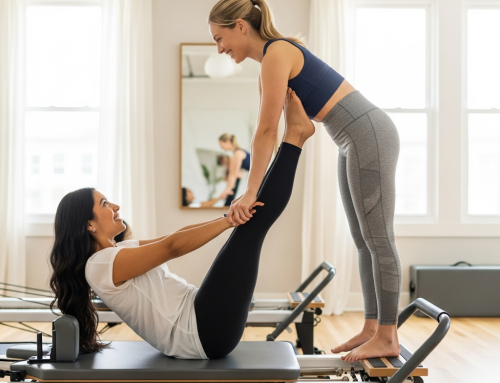
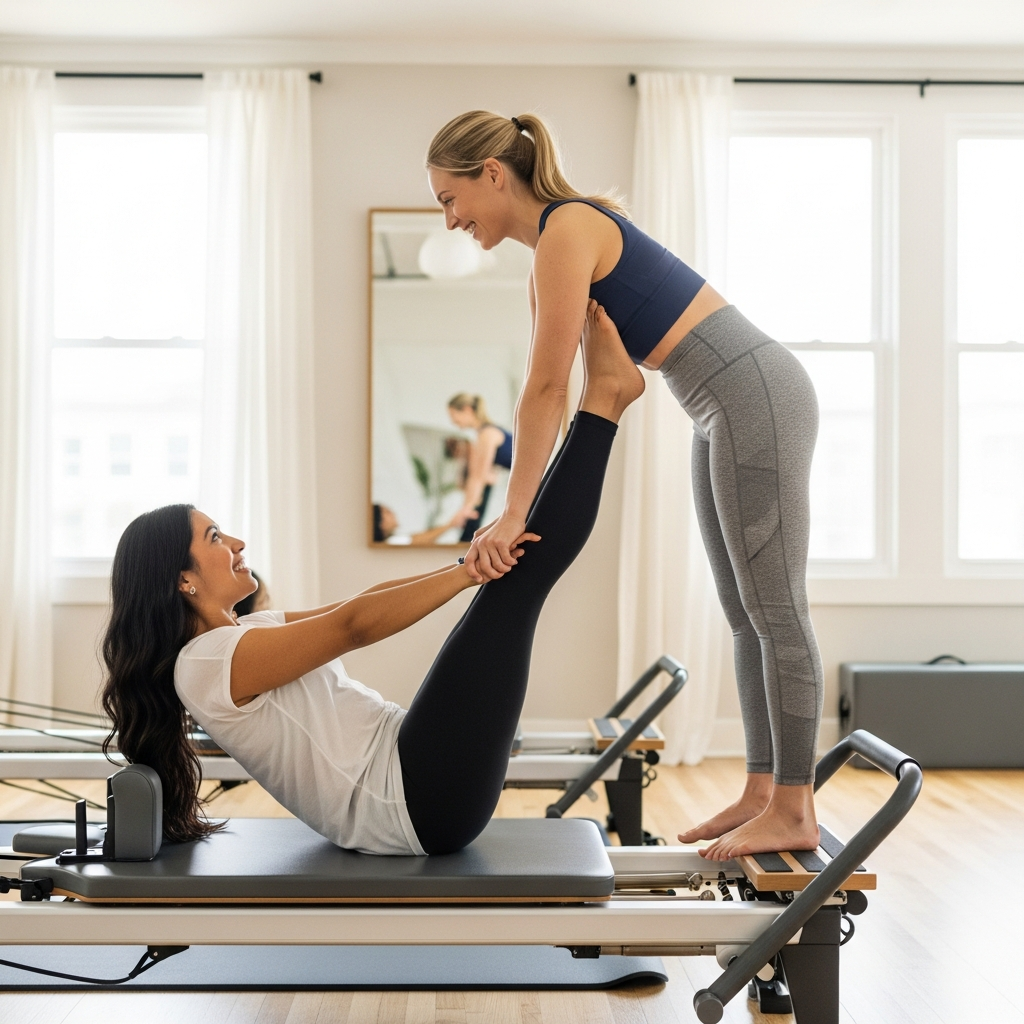
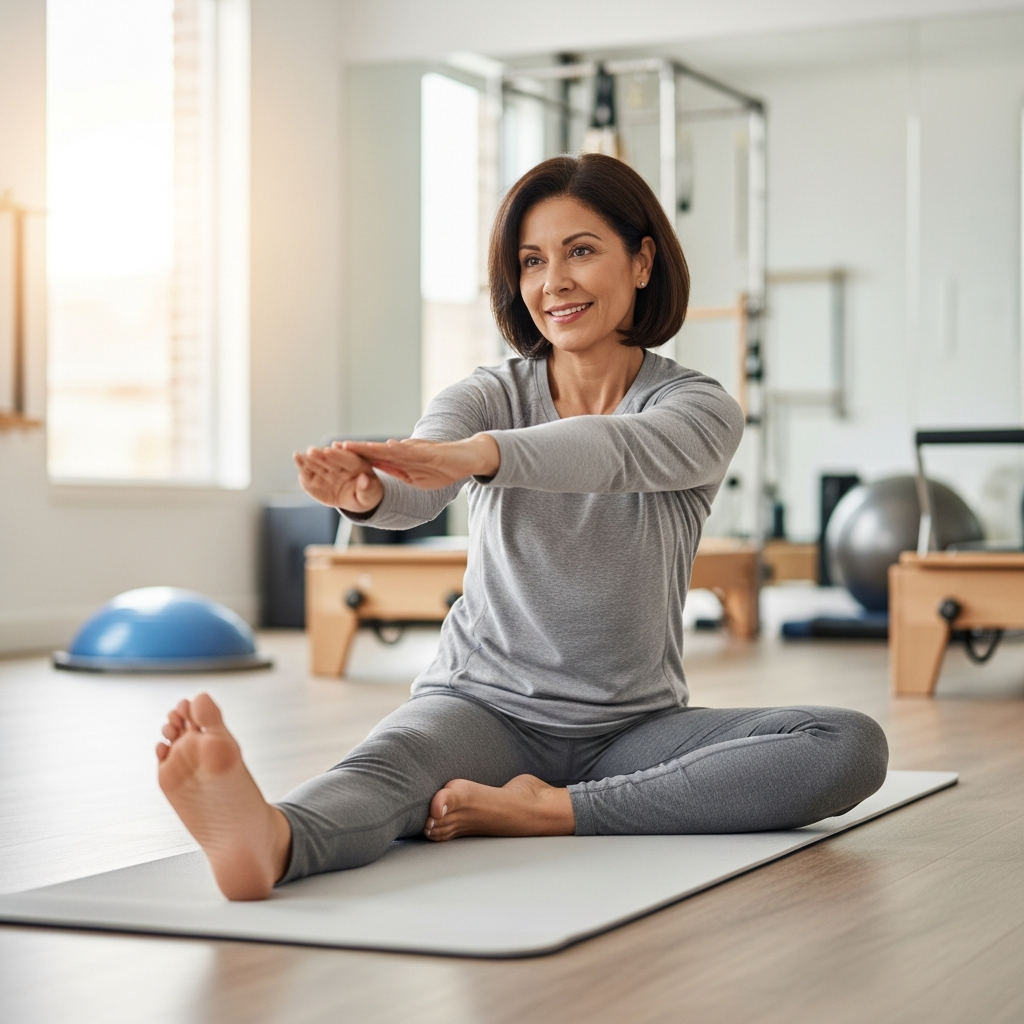
The Reformer looks intimidating. It’s this sliding carriage on a frame with springs and straps and pulleys, and the first time you see one it genuinely resembles something from a mild science fiction film. But the springs are actually creating resistance and assistance simultaneously, which is what makes it so adaptable. Heavier spring tension can make an exercise easier (more support) or harder (more resistance), depending on the movement. That’s counterintuitive, and it takes a minute to wrap your head around.
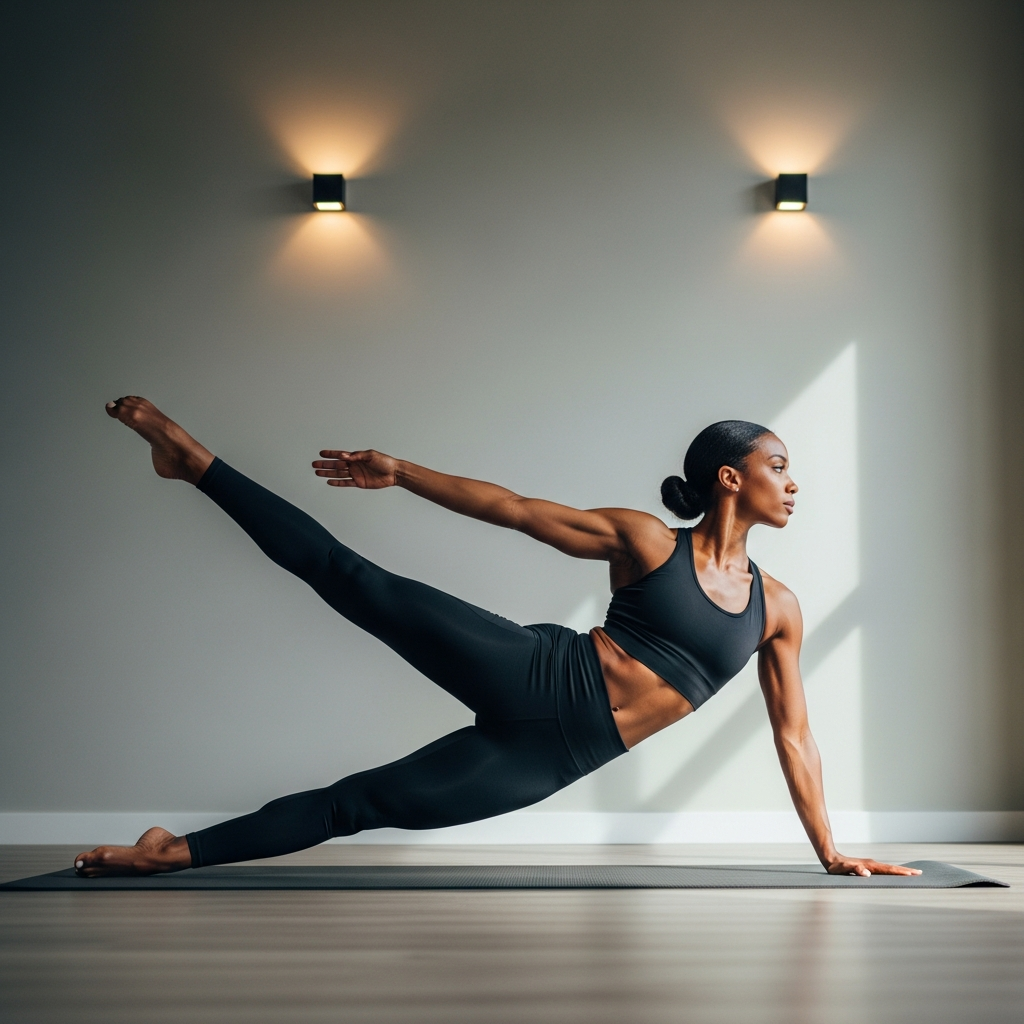
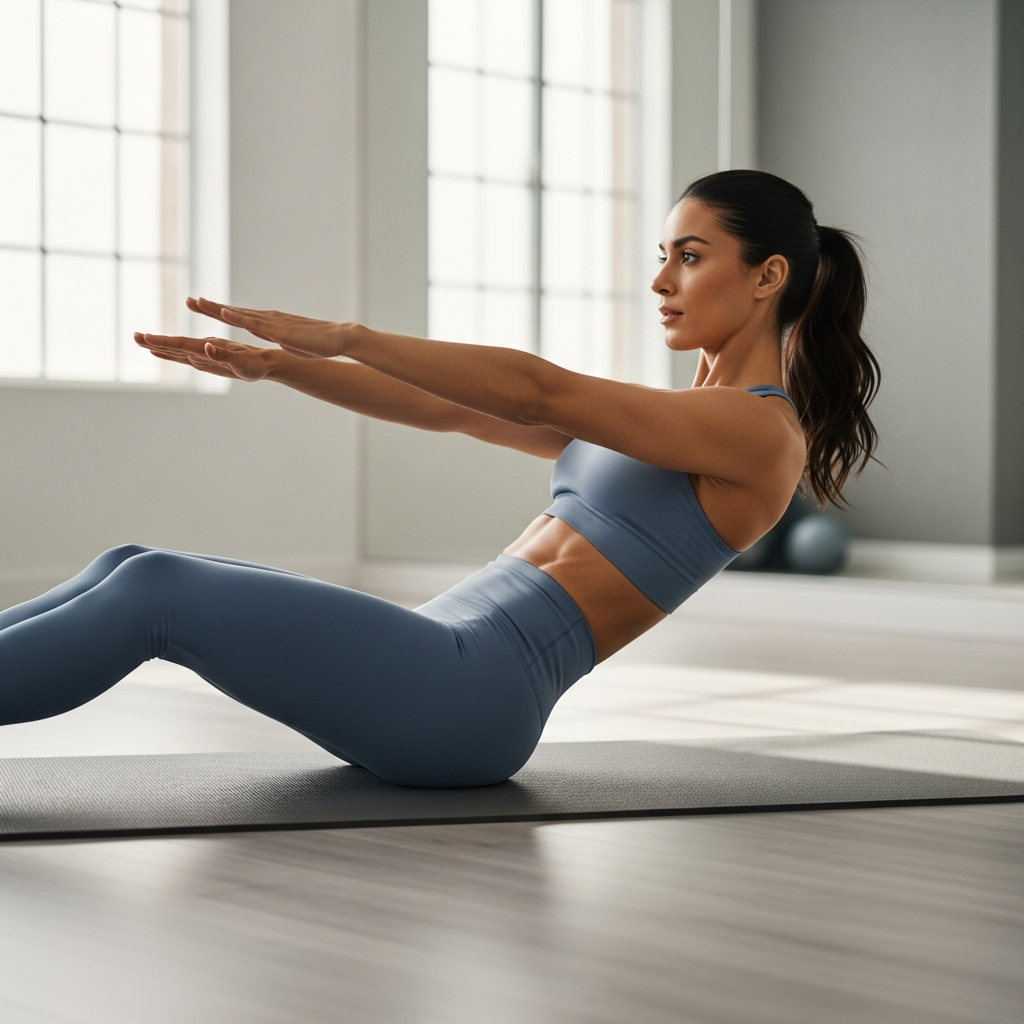
Mat work, on the other hand, uses your bodyweight entirely – which sounds simpler but can actually be more demanding in certain ways because you lose that spring assistance. Most studios in Grand Prairie offer both, and many will move you between them based on what you’re working toward.
There’s also equipment like the Cadillac, the Wunda Chair, and various barrels – each targeting different movement patterns and ranges of motion. You don’t need to memorize any of this. Your instructor knows which tool fits which goal.
Why “Personalized” Isn’t Just a Marketing Word Here
Pilates lends itself to personalization in a way that, say, a group spin class genuinely doesn’t. The method has built-in modifications and progressions for almost every exercise – so the same movement can be appropriate for a 60-year-old managing osteoporosis and a 30-year-old training for a half marathon. Same exercise, completely different experience.
This is actually why Pilates has such staying power in the fitness world. It’s not a trend built around intensity or novelty. It’s a system that meets you where you are, which matters a lot when “where you are” keeps changing – and it always does. Bodies aren’t static. Your goals this year won’t be your goals in two years.
Studios in Grand Prairie that do this well spend real time in initial assessments, asking about your history, your injuries, your daily life. Because how you sit at a desk for eight hours affects how your hip flexors move. What you did to your shoulder in 2019 still matters today. Pilates instructors who understand this aren’t just teaching exercise – they’re essentially learning to read your body, and then teaching you to read it too. That part takes time, but it’s genuinely worth it.
What to Actually Ask When You Walk Through the Door
Most people show up to a Pilates studio tour and just… nod along. They look at the equipment, they smile, they say “this looks great” – and then they sign up without asking a single thing that matters. Don’t do that.
Ask the instructor directly: *”Do you have experience working with clients who have [your specific condition or goal]?”* Whether that’s postpartum recovery, chronic lower back pain, or you’re trying to support weight loss alongside a medical program – you want a real answer, not a sales pitch. A good instructor will tell you honestly if they’re the right fit. A great one will refer you elsewhere if they’re not.
Also ask how they track progress. Not just “we do assessments” – but specifically. Do they take measurements? Do they revisit your initial movement patterns after six weeks? Studios that can answer this clearly are the ones actually paying attention.
The Reformer Isn’t Always Where You Should Start
Here’s something studios don’t always advertise: mat-based Pilates is genuinely harder in a lot of ways, and it’s also more revealing. When there’s no spring tension helping you out, your body has nowhere to hide. Instructors can spot compensations – that sneaky hip hike, the shoulder creeping toward your ear – much faster in a mat class.
If you’re brand new or coming back from an injury, a few mat fundamentals sessions before you ever touch a Reformer will make everything click faster. Ask if the studio offers this as an entry point. Some Grand Prairie studios build this in automatically. Others will just put you in a group Reformer class and hope for the best.
Pairing Pilates With a Medical Weight Loss Plan
This is worth spelling out because it’s not automatically obvious. If you’re working with a weight loss clinic – managing your intake, possibly on a GLP-1 medication, monitoring your numbers – Pilates isn’t just “some exercise you do on the side.” It actually fills a really specific gap.
Here’s the thing: rapid weight loss, especially when appetite is suppressed, can mean muscle loss alongside fat loss. Pilates, with its emphasis on controlled resistance and body awareness, helps preserve lean muscle tissue in a way that, say, just walking doesn’t. You’re not grinding through high-impact cardio when your energy might be lower. You’re building from the inside out – core stability, hip alignment, shoulder girdle strength.
Tell your instructor you’re in a medical program. Good ones will adjust the session pacing, watch your energy levels, and avoid pushing you toward fatigue on days when your nutrition is particularly low. You’re not being high-maintenance by sharing this. You’re giving them the information they need to actually help you.
How to Read a Class Schedule Like a Strategist
Most studios post their schedule online, and most people just look for whatever fits their calendar. Go one layer deeper.
Look for class names like *”Pilates Foundations,” “Essential Pilates,”* or anything with the word *”therapeutic”* – these are your signal that the class is taught with modifications built in, not just offered as an afterthought. In Grand Prairie specifically, studios near the fitness corridors along Highway 360 tend to offer more variety in their beginner-to-intermediate programming because the client base is genuinely mixed.
Two classes per week is a solid starting point. Three is where you’ll really start to notice postural shifts and core engagement changes – usually around weeks four to six. One class a week is better than nothing, but it’s hard to build meaningful neuromuscular patterns on that schedule alone.
A Small Thing That Makes a Big Difference
Wear form-fitting clothes. Not because of aesthetics – because your instructor literally cannot see what your spine is doing under a baggy t-shirt. This sounds obvious but… people show up in oversized hoodies constantly, and then wonder why they’re not getting corrections that would actually help them.
And arrive five minutes early your first few sessions. Not to be a gold star student – but because those five minutes let you tell the instructor what’s feeling tight, what happened to your knee last Tuesday, whether you’re tired today. That information changes how they teach *to you* in that hour. It’s the difference between a generic class and something that’s actually working for your body.
When Life Gets in the Way of Your Best Intentions
Let’s be real for a second. You signed up for Pilates feeling genuinely motivated – maybe you’d just seen your doctor, or your back had been screaming at you for months, or you finally decided enough was enough. And then… week three arrives. You’re tired. Work is insane. The kids have something going on every single evening. Suddenly that Pilates class feels less like self-care and more like one more obligation on an already overstuffed calendar.
This is the most common challenge, and nobody talks about it honestly enough. Consistency is hard. Not because you lack willpower – that’s not it at all – but because real life doesn’t pause while you’re trying to build new habits. A good Grand Prairie studio gets this. Look for ones that offer flexible scheduling, early morning and evening options, and instructors who don’t make you feel guilty when you miss a week. Because you will miss a week sometimes. That’s just true.
The practical fix? Schedule your sessions like medical appointments. Put them in your calendar before the week fills up. Even if you can only commit to one session consistently, that’s infinitely better than three sessions you keep canceling.
The “I’m Not Flexible Enough for This” Problem
Oh, if we had a dollar for every person who said this before their first class… Flexibility isn’t a prerequisite for Pilates – it’s actually one of the outcomes. But the fear of looking clumsy or struggling in front of others? That’s real, and it stops a lot of people from ever walking through the door.
Beginner classes exist for exactly this reason, and the better studios in Grand Prairie are genuinely welcoming of people who feel stiff, out of shape, or completely clueless. Actually, that reminds me – most longtime Pilates practitioners will tell you they were terrified their first session. The ones who stick around are usually the ones who showed up anyway.
If this is you, call the studio first. Talk to someone. Ask specifically about beginner-friendly options and what to expect. A quick conversation can completely dissolve that anxiety before it convinces you to stay home.
Hitting a Plateau (And Wondering If This Is Even Working)
You’ve been going consistently for a couple months. Your back feels better, which is great… but you’re not sure you’re progressing anymore. Everything feels the same. This plateau feeling is genuinely frustrating, especially when you’re putting in the effort.
Here’s what’s actually happening – your body has adapted to the work, which is technically a success. It means you need to progress. This is where the personalization aspect of good Pilates instruction becomes really valuable. An attentive instructor should be noticing when you’ve mastered something and introducing more challenging variations, new equipment, or increased resistance.
Don’t suffer in silence. Tell your instructor “I feel like I’ve stopped improving” – that’s not a complaint, it’s useful information. If they’re doing their job well, they’ll recalibrate your program. If they just shrug? That might tell you something about whether you’ve found the right fit.
The Cost Conversation Nobody Wants to Have
Private sessions at a boutique studio aren’t cheap. That’s just the reality. And for a lot of Grand Prairie residents who are weighing their options, the price point can feel like a barrier – or even a reason to quit after a few months.
A few things worth knowing. Many studios offer package pricing that brings the per-session cost down significantly. Some have semi-private classes – usually two or three people – that offer personalized attention at a lower price than one-on-one instruction. It’s worth asking specifically about these options rather than assuming the published rates are the only path forward.
Also worth considering: what’s the cost of *not* addressing whatever brought you there? Chronic back pain, mobility issues, stress-related health problems – these things have their own price tag, financially and otherwise.
When Your Body Doesn’t Cooperate
Injuries, flare-ups, surgery recovery – sometimes your body throws you a curveball right in the middle of your progress. This is discouraging in a way that’s hard to overstate. But Pilates – more than almost any other form of exercise – is specifically designed to adapt to physical limitations.
The key is communication. Before any session, tell your instructor what’s going on. A modification isn’t a defeat. It’s actually what separates intelligent training from just grinding through pain and making things worse. The best instructors in Grand Prairie will work *with* your body’s current reality, not against it.
What to Actually Expect When You Start
Here’s the thing nobody tells you when you first walk into a Pilates studio: the first few sessions are going to feel a little awkward. Maybe a lot awkward. You’ll be trying to remember which muscles you’re supposed to be engaging, wondering if you’re breathing at the right time, and silently convinced that everyone else in the room somehow already knows what they’re doing. They don’t. They just started before you.
That discomfort? It’s completely normal. And it passes faster than you’d think.
Most people start to feel genuinely comfortable with the basic movements somewhere around the four to six week mark – not because they’ve mastered anything, but because the movements start to feel less foreign. Your brain stops working overtime just to process the instructions, and you can actually start to *feel* what the exercises are doing.
The Timeline Nobody Wants to Hear (But Needs To)
Real talk: Pilates isn’t a quick fix. If someone promises you dramatic results in two weeks, that’s a red flag worth paying attention to.
What you can reasonably expect in the first month is better body awareness and maybe some improvement in how you’re moving day-to-day – less stiffness when you get up in the morning, fewer aches after sitting at your desk all afternoon. Small stuff that actually matters a lot when you stop and notice it.
By the two to three month mark, if you’re attending consistently – and that’s the key word, consistently – most people start noticing genuine changes. Improved posture. Core strength that translates into other activities. Some progress toward whatever personal goal brought them through the door in the first place.
Meaningful body composition changes, significant strength gains, rehabilitation from injury… those take longer. We’re talking three to six months or more, depending on where you’re starting from, how often you’re coming in, and what else is happening in your life. Because life happens, and that’s okay.
How Your Instructor Tracks Your Progress
A good studio doesn’t just hand you a program and leave you to figure it out. Instructors at quality Grand Prairie studios will check in with you regularly – sometimes formally through a scheduled assessment, sometimes just through the natural back-and-forth of your sessions.
They’re watching things you might not even think to track yourself. How your alignment has shifted. Whether you’re compensating on one side. The difference between how you held a plank in week one versus week eight. These observations shape how your program evolves, because a personalized fitness goal isn’t a destination you set once and never revisit – it shifts as *you* shift.
Don’t be shy about communicating with your instructor. Actually, this is worth emphasizing. If something isn’t feeling right, if your goals have changed, if you’ve had a health update – tell them. They can only personalize your experience with the information you give them.
Adjusting Expectations Along the Way
Here’s something worth sitting with: your goals might change. That’s not failure. That’s growth.
Someone who comes in wanting to lose weight might discover that what they actually needed was to rebuild a connection with their body after years of ignoring it. Someone rehabbing a knee injury might find they’ve discovered a genuine love for movement they never had before. Your original goal is just a starting point, not a contract.
That said, if you hit a few weeks where motivation is low and progress feels invisible… that’s not a signal to quit. That’s just a plateau, and every single person experiences them. A good instructor can help you push through by modifying your program, introducing new challenges, or simply reminding you where you started.
Your Next Steps Right Now
If you’re considering a Pilates studio in Grand Prairie, the most practical thing you can do is schedule an introductory session – most studios offer them at a reduced rate or even free. Don’t wait until you’re “more in shape” or “ready.” You’re ready enough right now.
Go in with an honest conversation about your goals, your history, and any physical limitations. Ask about how they personalize programs and what their typical client check-in process looks like. You’ll know pretty quickly whether the studio feels like a good fit.
Then? Show up. Consistently. Give it three months before you decide whether it’s working. The people who get the most out of personalized Pilates aren’t necessarily the most athletic – they’re the most patient.
There’s something quietly powerful about finding a fitness space that actually *sees* you – not as a number on a scale or a slot in a class schedule, but as a whole person with your own history, your own body, and your own reasons for showing up.
That’s what the best Pilates studios in Grand Prairie are really offering. Yes, there are reformers and mat classes and breathwork cues… but underneath all of that is something more fundamental: a system that meets you exactly where you are. Whether you’re rebuilding after an injury, managing a chronic condition, trying to move more confidently in your 50s (or your 70s, honestly), or just finally ready to feel at home in your body – Pilates has this remarkable ability to flex around your needs instead of asking you to contort yourself around its demands.
And that personalization isn’t just a nice-to-have. It’s kind of everything.
Your Goals Deserve More Than a Generic Plan
We’ve all been there – the one-size-fits-all workout program that leaves you feeling like the problem is *you* when it doesn’t work. It isn’t you. It was never you. It was just the wrong fit.
Personalized Pilates instruction changes that equation. A good instructor will ask questions, observe how you move, and actually adjust things based on what they see. Small modifications can make an enormous difference – a different spring tension, a prop added here or there, a pace that lets you focus on form instead of just surviving the session. That attention to detail is what turns a workout into real, lasting progress.
The Grand Prairie Community Has Something Special
Local studios have a different feel than big-box gyms. There’s a sense of community that builds over time – familiar faces, instructors who remember what you’ve been working through, that collective quiet focus you feel when a room full of people are all genuinely trying to take care of themselves. It’s a little hard to describe until you’ve been in it.
And that community can be a real anchor, especially on the days when motivation is running low. Which – let’s be honest – happens to everyone.
You Don’t Have to Figure This Out Alone
If you’ve been curious about how Pilates might support *your* specific goals – maybe you’ve been dealing with back pain, or you’re trying to complement a weight loss program with low-impact movement, or you simply want to build more functional strength – reaching out to a local studio is a genuinely low-stakes first step. Most instructors love these conversations. It’s literally what they’re there for.
And if you’re working toward health or weight-related goals alongside your movement practice, having support from a medical team who understands your full picture can make a meaningful difference too. You don’t have to piece everything together on your own.
So if any of this resonated – if something in you is saying *yeah, maybe it’s time* – trust that nudge. Ask the questions. Try the class. Talk to someone who can help you figure out what personalized actually looks like for you.
You’ve got a whole community here in Grand Prairie rooting for you. And honestly? That’s a pretty good place to start.