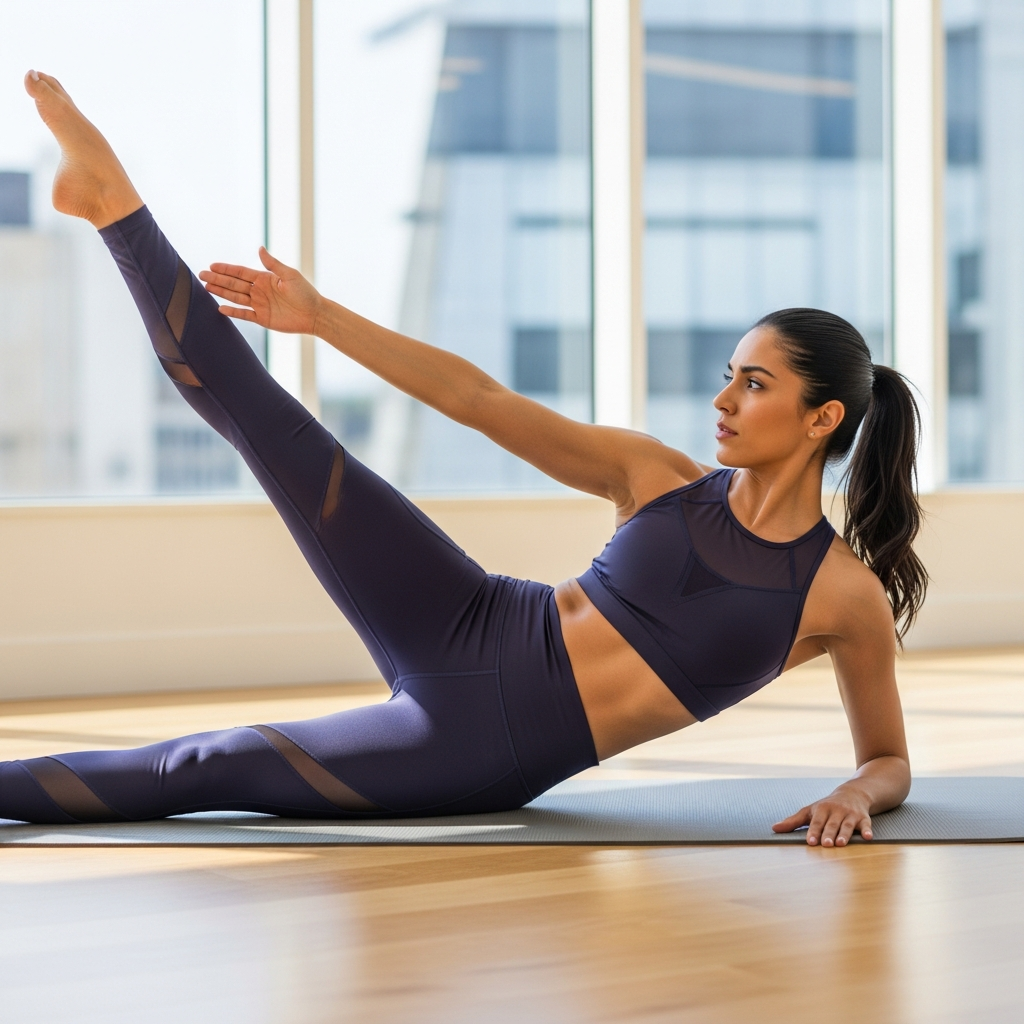
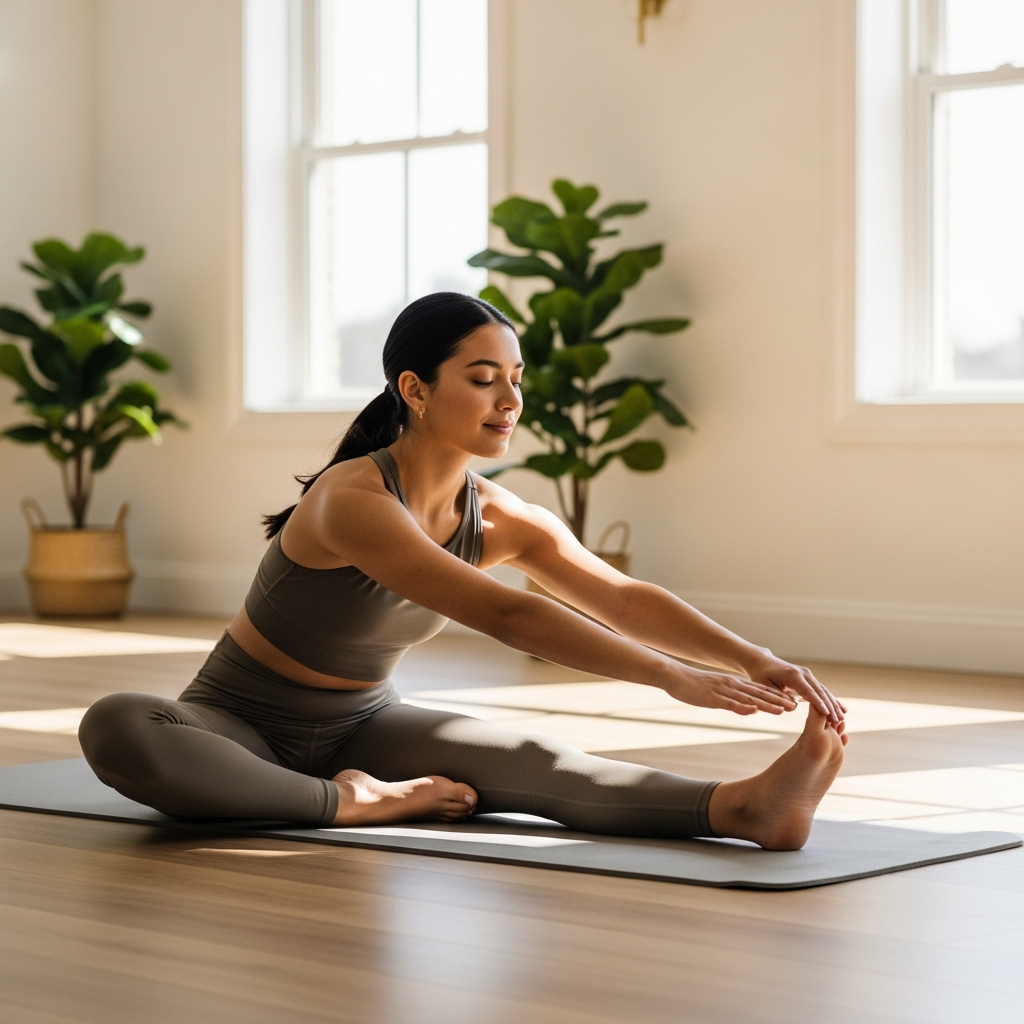
10 Ways Pilates Improves Core Stability for Sunnyvale Clients
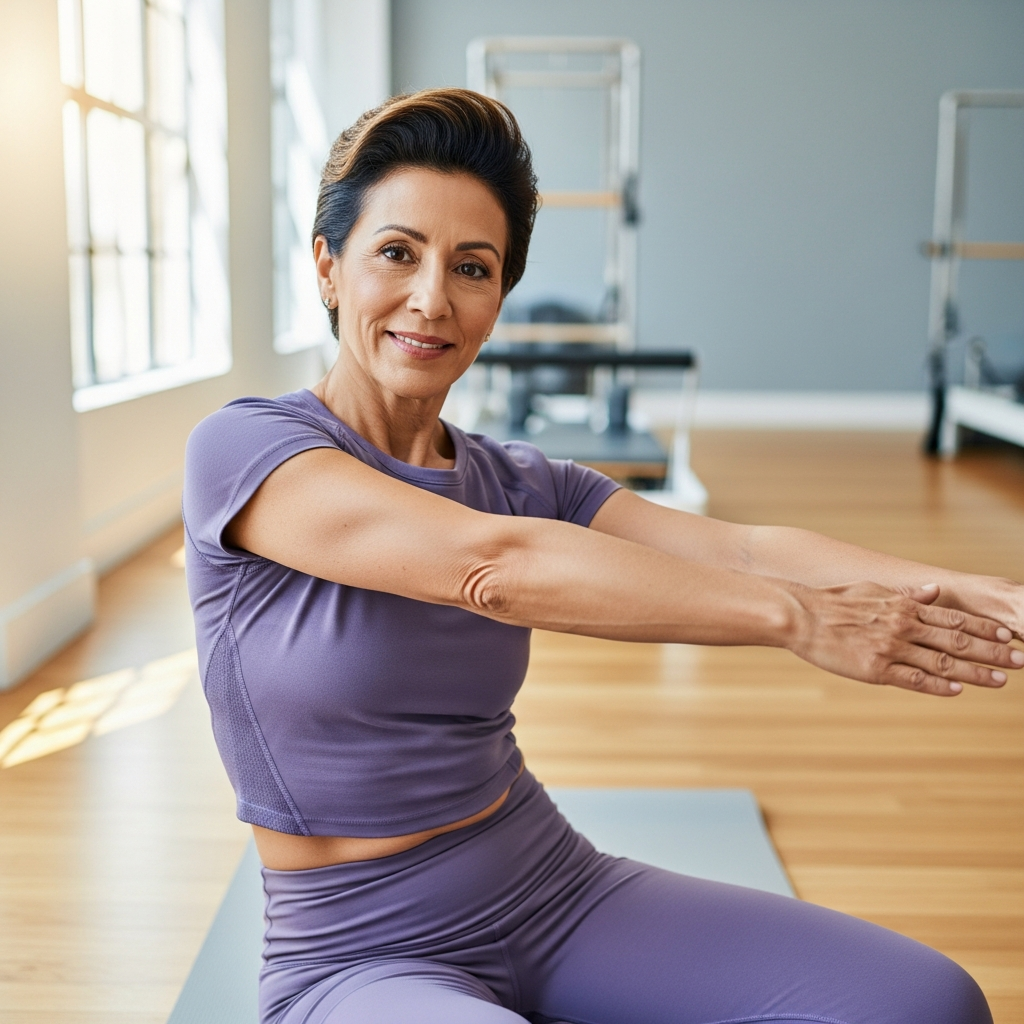
Picture this: you’re reaching across the kitchen counter to grab something off the top shelf, and for just a fraction of a second, you feel it – that little twinge in your lower back, that slight wobble that wasn’t there five years ago. You straighten up, maybe put a hand on your hip, and think *huh, that’s new*. Or maybe it’s not new at all. Maybe you’ve been quietly ignoring it for months.
Sound familiar? You’re definitely not alone in this.
Here in Sunnyvale, we see clients every single day who come to us carrying that exact experience – not necessarily in pain, not injured, just… softer than they used to be. Less stable. A little less sure of their body than they once were. And more often than not, the culprit isn’t their age, their fitness level, or even their weight. It’s their core – specifically, the deep, functional stability that most of us never really think about until it starts quietly disappearing.
Here’s the thing about your core that most people get wrong. It’s not your abs. Well, it’s not *just* your abs. Your core is this incredible, layered system of muscles wrapping around your entire midsection – front, back, sides, deep internal layers – all working together like a natural weight belt that your body is supposed to wear 24 hours a day. When that system is working properly, you don’t notice it. You just move. You bend, lift, twist, sit at your desk for six hours, chase your kids around the backyard – and everything just… works.
When it’s not working? That’s when the twinges show up. The fatigue. The posture that slowly rounds forward like a question mark. The lower back that complains after a long drive. These aren’t random inconveniences. They’re signals.
That’s exactly why so many of our Sunnyvale clients have turned to Pilates – and honestly, it’s why we get so excited talking about it. Not because it’s trendy (though okay, yes, it’s having a moment right now), but because the results speak for themselves in ways that actually matter to real life. We’re talking about the kind of strength that helps you feel confident carrying groceries, sitting through meetings without squirming, picking something up off the floor without bracing yourself like you’re about to do something risky.
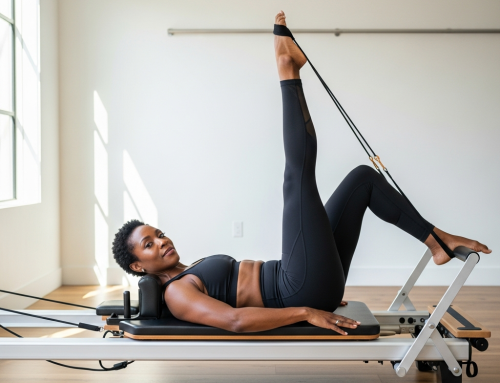
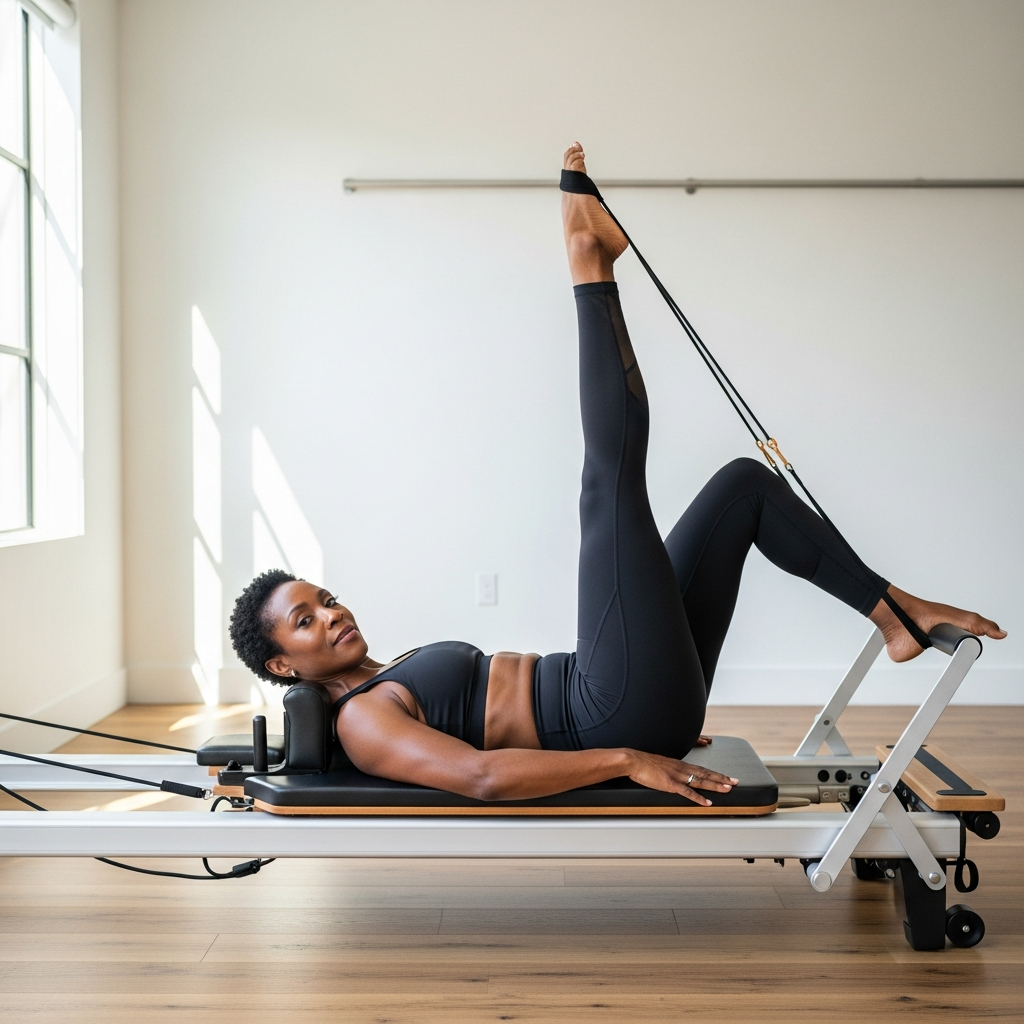
Pilates was originally developed by Joseph Pilates in the early 20th century – he called it “Contrology,” which is very on the nose when you think about it – and at its heart, it’s a method built almost entirely around conscious, precise control of your core. Every single movement, whether you’re lying on a mat or working on a reformer machine, is designed to wake up those deep stabilizing muscles and teach them to actually do their job again. It’s less about burning calories and more about reprogramming the way your body holds itself together.
And for weight loss clients especially, this matters more than people realize. When you’re working on changing your body – through nutrition, through movement, through lifestyle shifts – having a strong, stable foundation isn’t a nice bonus. It’s kind of everything. It affects how well you can exercise without injury, how your posture looks as your body changes, even how confident you feel in your own skin day to day.
So that’s what we want to walk you through today. We’ve put together ten specific ways that Pilates builds and restores core stability – not in a vague, hand-wavy “it’s good for you” kind of way, but in concrete, understandable terms that connect to your actual daily life. You’ll learn what’s actually happening in your body during these movements, why it translates to better function (and yes, better results), and why Sunnyvale clients who incorporate Pilates alongside their wellness plans consistently feel stronger, more balanced, and frankly just more *themselves*.
Whether you’ve tried Pilates before and wandered away from it, or you’ve been curious but not quite sure it’s worth the hype – stick with us. This might be the piece of the puzzle you didn’t know you were missing.
What We Actually Mean by “Core”
Here’s where things get a little murky – because most people hear “core” and immediately picture a six-pack. And honestly, that makes sense. That’s what fitness culture has been selling us for decades. But the rectus abdominis (those washboard muscles) is actually kind of the show-off of the core family. It looks impressive at the beach, sure, but it’s not doing the heavy lifting when it comes to stability.
Your true core is more like… an internal pressure system. Think of it as a canister. You’ve got the diaphragm on top, the pelvic floor on the bottom, the deep abdominals wrapping around the front and sides, and the multifidus muscles lining your spine in the back. When these four work together – and this is the part that sounds almost too simple – they create a stable, pressurized cylinder that protects your spine during literally every movement you make. Standing up from your car. Reaching for the top shelf. Carrying groceries from the driveway on a Tuesday evening.
That’s the system Pilates is built around. Not the mirror muscles. The ones you can’t even see.
Why “Doing Crunches” Isn’t the Same Thing
This is counterintuitive at first, we’ll admit. If you want a stronger core, shouldn’t you just… do more ab work?
Not exactly. Traditional ab exercises like crunches primarily train that superficial rectus abdominis – the one we just talked about. And here’s the thing: repeatedly contracting that muscle in isolation can actually create imbalances. It can pull your spine into flexion, contribute to poor posture, and leave those deeper stabilizing muscles completely untrained. You could have genuinely strong-looking abs and a chronically unstable core. Weird, right?
Pilates approaches this differently. The focus is on what’s called neuromuscular training – basically teaching your brain and muscles to communicate better. It’s less about how hard a muscle can contract and more about whether the right muscles are firing at the right time. Timing, in this context, matters enormously.
The Stability vs. Strength Distinction
Okay, this one trips people up. Stability and strength aren’t the same thing, even though they sound like they should be.
Strength is the ability to produce force. Stability is the ability to resist unwanted movement – to hold things steady while other things are happening around it. Your spine needs stability far more than it needs raw strength most of the time. Think of it like a camera tripod. You don’t need it to bench press anything. You need it to stay absolutely still while the camera does its job.
When your core stability is compromised – which happens more than people realize, especially after sedentary desk work (very much the Sunnyvale tech-worker reality) or after pregnancy or injury – your body compensates. It starts recruiting bigger, less precise muscles to do the stabilizing job. Your hip flexors get involved. Your lower back overworks. Your shoulders creep up toward your ears. Over time, those compensations become your default pattern, and that’s typically when pain shows up.
Where Pilates Fits In
Joseph Pilates – who developed this method in the early 20th century, originally for injured dancers and athletes – called his deep core muscles the “powerhouse.” Turns out he was onto something that modern sports medicine and physical therapy research has spent decades confirming.
What makes Pilates particularly effective for core stability isn’t just the exercises themselves. It’s the *framework* – the constant attention to breath, alignment, and controlled movement that runs through every single thing you do in a session. You’re not just going through motions. You’re training your body to organize itself differently.
And that, honestly, is why it works for such a wide range of people. Whether you’re a runner in Sunnyvale trying to shave time off your pace, someone managing chronic low back pain, or just a person who’s tired of feeling wobbly and unsupported in their own body – the underlying principles are the same. Build the foundation. Get the deep system working properly. Everything else – the strength, the flexibility, the pain relief – tends to follow.
Actually, that’s a good way to think about the whole thing. Pilates doesn’t really add new abilities to your body so much as it restores the ones that were always supposed to be there.
Start Here, Not at the Advanced Class
Here’s something instructors don’t always say out loud: most people who come in thinking they need an “intermediate” class actually have significant gaps in their foundational movement patterns. And that’s completely fine – but starting too advanced is probably the single biggest mistake Sunnyvale clients make when they’re hoping Pilates will fix their wobbly, unreliable core.
Before your first session, do a quick honest self-assessment. Can you maintain a neutral spine while breathing deeply? Can you move one leg without your pelvis shifting? If those feel shaky, you want a true beginner series – ideally mat-based before you ever touch a Reformer. The machine looks impressive, but the mat will expose every weakness the machine lets you cheat around.
The Breath Is Actually the Whole Point
This sounds almost too simple, and most people nod along and then immediately forget it. But diaphragmatic breathing is the ignition switch for your deep stabilizers – specifically the transverse abdominis, which wraps around your trunk like a corset. When you exhale fully and let your lower ribs drop, that muscle engages before your brain even consciously tells it to.
Practice this away from the studio. Lying on your back before bed, one hand on your chest and one on your belly – breathe so that the belly hand rises first. Do it for five minutes. It feels ridiculous. Do it anyway. Clients who practice this at home show noticeably faster progress than those who only do the work during class.
What to Actually Tell Your Instructor
Don’t just say “I want a stronger core.” Be specific about what’s failing in your real life. Do you get low back fatigue after sitting at your desk in downtown Sunnyvale? Do you feel unstable on one side during yoga? Does your hip hike when you walk uphill near Caltrain?
A good instructor will program very differently based on these details. The more specific you are, the faster you’ll stop doing exercises that feel impressive but don’t actually address your weak links. Ask about unilateral work specifically – single-leg and single-arm movements are where asymmetries hide, and fixing those imbalances is often the missing piece.
The 20-Minute Habit That Changes Everything
Three 60-minute classes per week is great if your schedule allows. But honestly? Twenty minutes of focused Pilates-based movement every morning is probably more valuable than sporadic longer sessions. The core stabilizers respond to frequency and consistency more than volume.
Build a short home sequence: pelvic tilts, dead bug variations, side-lying clam shells, bird dogs. Four exercises, five reps each, done slowly with full attention. That’s it. The slowness matters – rushing through these movements recruits your big global muscles instead of the small stabilizers you’re actually trying to train. Think of it like tuning a guitar. You can’t rush it. Rushing defeats the purpose entirely.
What “Engaging Your Core” Actually Means
Instructors say it constantly. Most clients are either bracing hard like they’re about to get punched, or doing nothing at all. Neither is right.
The real cue is a gentle, about 30% effort contraction of your lower abdomen – think of drawing your hip bones very slightly toward each other without holding your breath or gripping. You should be able to carry on a conversation. If you’re white-knuckling it, you’ve gone too far and you’ve just shut off the stabilizers you were trying to activate.
Practice finding that zone during everyday moments – walking through Murphy Avenue, standing in line, sitting at your desk. Once you can locate it without thinking, you’ll start feeling it engage automatically during more challenging movements.
Progress Looks Different Than You Expect
Here’s something worth knowing before you get frustrated: core stability improvements often show up first as things that *stop hurting* rather than visible strength gains. Your back won’t ache after a long drive. You’ll feel less wobbly on the BART platform. Those are real wins – they just don’t photograph well.
Track subjective data alongside anything else. Ask yourself weekly: how did my body feel during that hike? How long could I stand without shifting weight? That feedback will keep you motivated through the early weeks when the gains feel invisible but are very much happening under the surface.
When Progress Feels Invisible
Here’s something nobody tells you when you start Pilates: the first few weeks can feel strangely… unrewarding. You’re working hard, you’re sweating, you’re concentrating like you’re defusing a bomb – and yet you don’t *feel* the dramatic burn you’d get from a spin class or a heavy lifting session. So naturally, your brain starts whispering that maybe nothing’s actually happening.
It is, though. Core stabilization work operates deep beneath the surface muscles you’re used to feeling. Your transversus abdominis, your pelvic floor, those tiny spinal stabilizers – they don’t announce themselves with soreness the way your quads do after leg day. The fix here isn’t pushing harder. It’s learning to notice differently. Pay attention to how you get off the mat. How you carry groceries. Whether your lower back feels different after a long drive. That’s where the real feedback lives.
The “I Can’t Feel My Core” Problem
This one trips up almost everyone, and honestly? It’s more common than instructors sometimes let on. If you’ve spent years breathing shallowly, sitting at a desk, or simply never been cued to think about your deep abdominals, those muscles are essentially asleep. You try to “engage your core” and you genuinely have no idea if you’re doing it or if you’re just… holding your breath and hoping.
The solution isn’t willpower. It’s education. Ask your instructor to work with you on tactile cues – actually placing a hand on your lower belly, or using props like a small inflatable ball between your knees to give your nervous system something to respond to. Some people also find it helpful to practice the connection lying down before they try it in movement. There’s no shame in spending three sessions just learning to feel the breath move through your torso correctly. That foundation is everything.
Neck and Shoulder Tension Taking Over
You came to build core stability. Instead you’re leaving with a tight neck. What gives?
This is incredibly common, especially in exercises like the Hundred or any movement that asks you to lift your head and chest off the mat. When the deep core muscles aren’t pulling their weight yet – which, remember, is why you’re there in the first place – your body recruits whatever it can find. Your neck flexors volunteer enthusiastically. Your shoulders hike up toward your ears. Suddenly you’re working the wrong zip code entirely.
Don’t push through this. Seriously, don’t. Modify instead. Keep your head down until your core genuinely has the strength to support the position. Use a small rolled towel under your head if needed. It’s not “cheating” – it’s actually smarter training. The goal is always core engagement first, everything else second.
Plateaus That Make You Question Everything
Around weeks six to ten, a lot of people hit a wall. The beginner gains have settled in, the novelty has worn off, and suddenly three classes a week feels like a lot of effort for not much visible return. This is the point where a surprising number of people quietly stop coming.
What’s actually happening is that you’ve built a base and your body is consolidating. It’s not stagnation – it’s more like the quiet stretch between floors on an elevator. The solution is deliberate progression. Talk to your instructor about moving into intermediate work, or adding a reformer session if you’ve been mat-only. Sometimes just changing the sequence of familiar exercises shakes things up enough to reignite progress.
The Consistency Problem (Real Talk)
Sunnyvale is busy. You work long hours, you have commitments, and some weeks that Tuesday evening class is just not happening. Life wins sometimes. The trap is letting one skipped week become a month of guilt-driven avoidance.
Two sessions a week is genuinely enough to build core stability if you’re consistent over time. One session is better than zero. Even ten minutes of focused breathing and fundamental movements at home counts for something – actually more than you’d expect, because the neural patterning you’re building doesn’t require a studio.
Give yourself a realistic commitment instead of an aspirational one. Three times a week sounds great until it becomes a standard you’re constantly failing. Two times a week that you *actually do*? That’s where real change comes from. Be honest with yourself about what fits your life right now. The best program is always the one you’ll actually stick to.
What to Actually Expect (And When)
Let’s be honest with each other for a second. Pilates is genuinely wonderful for core stability – but it’s not magic, and it doesn’t work overnight. If you’ve been dealing with a weak core for years, or you’re coming off an injury, or you’ve just… not moved much lately, your body needs time to catch up. And that’s completely okay.
Most Sunnyvale clients start noticing something different around weeks three to four. Not a dramatic transformation – more like, “huh, I stood at that work event for two hours and my back didn’t ache afterward.” Small things. Subtle things. Those small things matter enormously, so pay attention to them even if you’re waiting for something bigger.
The First Few Weeks Feel Harder Than You’d Expect
Here’s something nobody warns you about: the beginning is humbling. You’ll think you’re going to breeze through these gentle-looking movements and then discover that your transverse abdominis – that deep core muscle we talked about earlier – has essentially been on vacation for the last decade. Welcome to the club. Almost everyone feels this way.
You might feel some muscle soreness in places that surprise you. Your hips, your inner thighs, muscles along your spine you didn’t know you had. That’s actually a good sign – it means you’re recruiting muscle groups that have been dormant. Give yourself grace during this phase. Don’t push through sharp pain (that’s different from muscle fatigue), and don’t skip sessions just because it feels hard. Consistency in these early weeks is everything.
A Realistic Timeline for Core Stability Gains
So when does it really click? Here’s a rough honest breakdown –
Weeks 1-3: You’re learning the movements, building body awareness, and probably feeling more confused than confident. Normal. This is foundation-building, even when it doesn’t feel productive.
Weeks 4-8: Most people start feeling more stability in everyday activities. Getting up from the floor feels easier. Sitting at your desk feels more sustainable. Your instructor will likely start introducing more challenging variations.
Months 3-6: This is where real, measurable changes in core strength and stability tend to show up. Posture improves more noticeably. Lower back discomfort (if that was an issue) often decreases significantly during this window.
Six months and beyond: Honestly? This is where Pilates gets genuinely fun. You’ve built enough foundation that you can start exploring more advanced work, and you’ll probably feel the difference in everything – hiking the Los Altos hills, sitting through long meetings, picking up your kids or grandkids without that familiar wince.
These are averages, not guarantees. Your timeline depends on where you’re starting from, how consistently you practice, and what else is going on with your health.
How Often Should You Actually Go?
Two to three sessions per week is the sweet spot for most people building core stability. Once a week will give you some benefit, but the progress is slower – your body learns movement patterns through repetition, and seven days between sessions is a long gap when you’re rewiring neuromuscular habits.
If budget or schedule is a real constraint, one weekly private session combined with a mat class or at-home practice can work well. Actually, that reminds me – your instructor can give you a short home routine (we’re talking 10-15 minutes) that reinforces what you’re doing in class. Use it. It makes a real difference.
Signs You’re on the Right Track
Watch for these – they’re the real progress markers
– You catch yourself naturally engaging your core while doing ordinary things, without thinking about it – Activities that used to leave you achy feel more manageable – You’re breathing more freely during exercise (shallow, held breath usually signals your core is struggling) – Your balance during everyday movements just… feels more reliable
Talking to Your Instructor Honestly
Don’t perform wellness for your instructor. If something hurts, say so. If you’re not understanding a cue, ask again. If you’ve had a rough week and your body feels off, mention it. The clients who make the most progress aren’t the ones who show up perfectly – they’re the ones who communicate openly and show up consistently, even imperfectly.
Core stability built through Pilates tends to stick around because it becomes part of how you move through the world. It’s not a temporary fix. Give it real time, real consistency, and a little patience with yourself – and the results tend to be genuinely lasting.
So here’s the thing about core stability – it’s not really about having a flat stomach or being able to do a hundred crunches without breaking a sweat. It’s about feeling at home in your own body. Moving through your day without that nagging lower back ache. Picking up your groceries, playing with your kids, or just walking through Downtown Sunnyvale without feeling like your body is working against you.
That’s what Pilates quietly, consistently delivers.
And honestly? It’s one of the most underrated tools we see making a real difference for people here. Not because it’s flashy or intense – it’s actually kind of the opposite. It works because it’s deliberate. It asks you to slow down and pay attention to muscles you’ve probably been ignoring for years… which, let’s be real, most of us have.
The Changes Sneak Up On You (In the Best Way)
One thing clients often tell us is that they don’t notice the shift happening – until suddenly they do. They realize they’ve been sitting at their desk for two hours without fidgeting uncomfortably. They catch themselves standing taller in a store window reflection. Their physical therapist mentions their posture has improved. It’s not a dramatic overnight transformation – it’s steadier than that, and honestly more satisfying because of it.
That kind of progress? It sticks.
Your Starting Point Is the Right Starting Point
If you’re sitting here thinking “this sounds great, but I’m not flexible enough” or “I haven’t exercised in a while” – we want you to hear this clearly: you don’t have to be anything other than where you are right now. Pilates meets you there. It’s genuinely one of the most adaptable practices out there, which is part of why we love incorporating it into comprehensive wellness plans for our clients.
Whether you’re recovering from an injury, managing your weight, dealing with chronic tension, or just feeling a little disconnected from your body – there’s a version of this that works for you.
You Don’t Have to Figure This Out Alone
If any of this resonated with you – even just a little flicker of “maybe this is something I should explore” – we’d love to have a conversation. Not a sales pitch. Just a real talk about where you are, what’s been frustrating you, and what you’re hoping to feel like down the road.
At our clinic, we look at the whole picture. Core stability, movement, nutrition, weight management – it all connects, and we genuinely enjoy helping people in the Sunnyvale community find an approach that actually fits their life.
Reach out whenever you’re ready. There’s no pressure, no perfect moment you need to wait for. You can call us, send a message, or just stop by with questions. We’re here, and we’re rooting for you – because the truth is, most people who walk through our door just needed someone to help them take that first step.
You’ve got more strength in you than you think. Sometimes you just need the right support to find it.