How Mat Pilates Helps Mesquite Residents Stay Active Without Impact
You know that moment when you’re walking up the stairs and your knee gives that little twinge? Or when you bend over to pick up something you dropped and your back reminds you it’s not 25 anymore? Yeah, we’ve all been there.
If you’re a Mesquite resident who’s been sidelined by joint pain, recovering from an injury, or just tired of workouts that leave you feeling beaten up instead of energized, you’re definitely not alone. I hear it all the time at the clinic – people saying they want to stay active, but everything seems to hurt these days. The treadmill pounds your knees into submission, that Zumba class had you limping for three days, and don’t even get me started on what those weekend warrior basketball games did to your ankles.
Here’s the thing though… staying active doesn’t have to feel like punishment.
You’ve probably heard whispers about Pilates – maybe from that friend who swears it changed her life, or perhaps you’ve driven past one of those studios and wondered what all the fuss is about. But if you’re picturing complicated equipment that looks like medieval torture devices or assuming it’s just stretching for people who have their life together (you know, the ones who meal prep and never lose their car keys), I get it. I used to think the same thing.
The reality? Mat Pilates might just be the missing piece you’ve been looking for. And I’m not talking about some magical cure-all – I’m talking about a practical, down-to-earth approach to movement that actually works with your body instead of against it.
See, here in Mesquite, we’re a community that values getting things done. We work hard, we take care of our families, and we don’t have time for fitness routines that require a PhD to understand or leave us too sore to function. What if I told you there’s a way to build real strength, improve your flexibility, and actually feel better in your body – all without a single jumping jack or burpee in sight?
That’s where mat Pilates comes in. It’s like having a conversation with your body instead of shouting at it. Every movement is controlled, purposeful, and designed to work with your natural mechanics rather than forcing them into submission. Think of it as the difference between using a sledgehammer and using the right tool for the job.
Now, I know what you might be thinking. “Isn’t Pilates just for dancers and celebrities?” Or maybe, “I’m not flexible enough for that.” Trust me, I’ve heard it all. But here’s what I’ve learned from working with hundreds of people right here in our community – Pilates isn’t about being perfect or pretzel-flexible. It’s about moving better, feeling stronger, and actually enjoying the process.
The best part? You can do it literally anywhere. Your living room, that little patch of grass in your backyard, even your office if you’re feeling adventurous. No expensive equipment, no gym membership that makes you feel guilty when you don’t use it three times a week. Just you, a mat (or even a towel if we’re being honest), and movements that meet you exactly where you are.
Over the years, I’ve watched people discover muscles they forgot they had, say goodbye to chronic back pain, and – this is my favorite part – actually look forward to moving their bodies again. There’s something pretty amazing about finding an exercise routine that energizes you instead of depleting you.
In this article, we’re going to explore exactly how mat Pilates can fit into your real life as a Mesquite resident. We’ll talk about why it’s particularly perfect for our climate, how it addresses the specific challenges many of us face (hello, desk jobs and Texas heat), and I’ll walk you through some practical ways to get started – even if you’ve never done anything like this before.
You’ll learn why doctors are increasingly recommending Pilates for everything from arthritis to stress management, and I’ll share some stories from locals who’ve made it work for them. Because at the end of the day, this isn’t about becoming a fitness influencer or achieving some impossible standard. It’s about feeling good in your own skin and moving through life with a little more ease.
Ready to discover what your body’s actually capable of when you treat it right?
What Exactly Makes Pilates “Low Impact” Anyway?
Here’s the thing about impact – it’s basically how hard your body hits something, whether that’s the ground when you’re running or your joints grinding together during high-intensity moves. Think of it like the difference between setting a wine glass gently on a table versus dropping it from shoulder height. Both get the glass where it needs to go, but one’s definitely going to cause some damage.
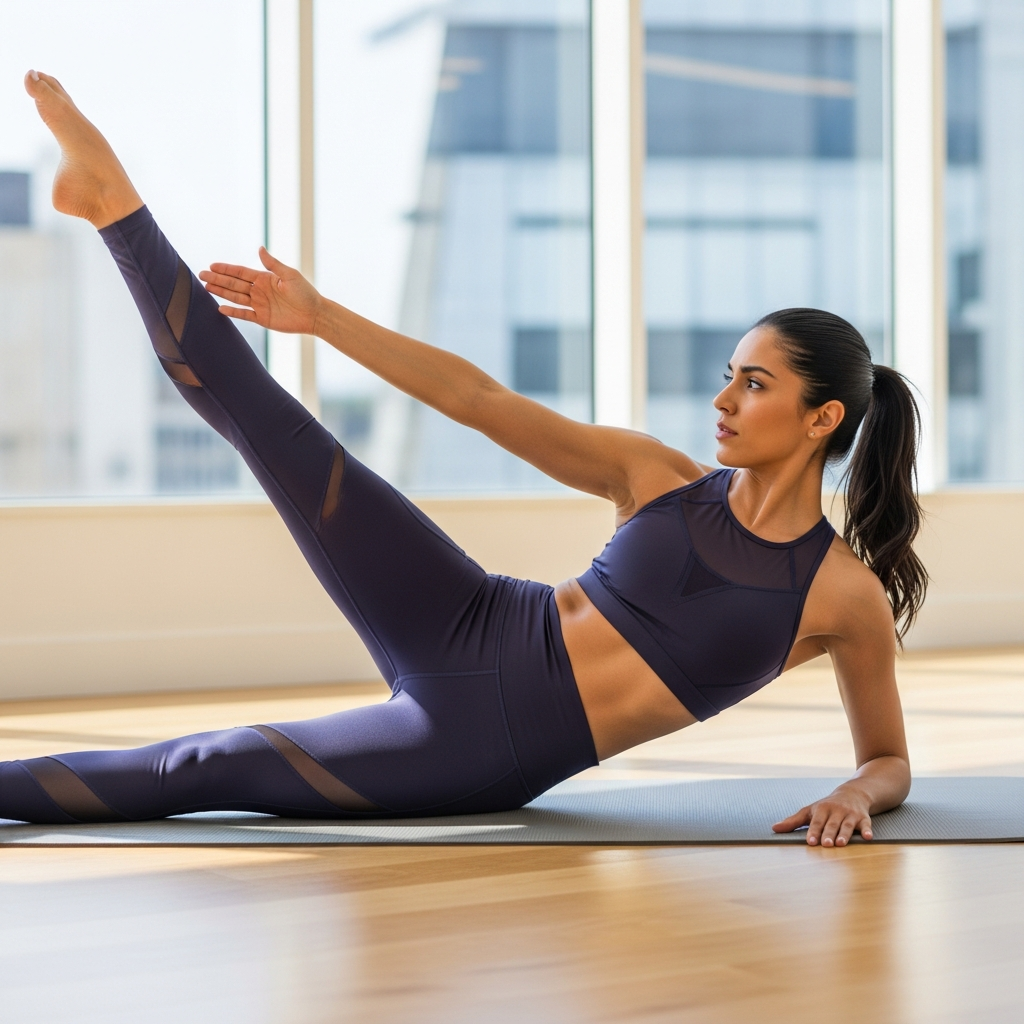
Mat Pilates keeps you on the ground (literally) with controlled, flowing movements that work your muscles without all that jarring. Your feet aren’t pounding pavement, you’re not jumping up and down, and you’re definitely not doing burpees until you want to cry. Instead, you’re using your own body weight and gravity in ways that challenge your strength while being incredibly gentle on your joints.
It’s kind of counterintuitive, actually… you’d think that staying on a mat would make exercise easier, but anyone who’s done a proper Pilates session knows better. You’ll be shaking like a leaf – but your knees and hips will thank you later.
The Mind-Body Connection (And Why It’s Not Just Yoga Speak)
You know how sometimes you’re at the gym just going through the motions, thinking about your grocery list while you mindlessly pedal an exercise bike? Pilates doesn’t let you do that. It demands your full attention because every movement is precise and intentional.
Joseph Pilates – the guy who invented this whole system back in the 1920s – called it “contrology.” Basically, you’re controlling every single movement with your mind. Sounds fancy, but what it really means is that you can’t zone out. Your brain has to stay engaged, coordinating breath with movement, maintaining proper alignment, and keeping your core firing throughout each exercise.
This mental focus actually makes the workout more effective. When your mind is directing the show, your muscles respond better. It’s like the difference between absentmindedly stirring cookie dough versus really focusing on getting every bit of flour incorporated – the results are noticeably different.
Your Core: The Unsung Hero of Everything You Do
Here’s where things get interesting… and maybe a little confusing. When most people think “core,” they picture six-pack abs. But in Pilates, we’re talking about something much deeper – literally.
Your core is more like the foundation of a house than the pretty shutters everyone sees from the street. It includes your diaphragm up top, your pelvic floor down below, and all those deep stabilizing muscles that wrap around your spine like a natural back brace. These muscles are working constantly – when you’re sitting at your desk, carrying groceries, even just breathing – but they’re often weak because our modern lives don’t really challenge them properly.
Mat Pilates wakes these muscles up. Every single exercise engages your core in some way, teaching these deep stabilizers to do their job better. It’s like upgrading from a rickety card table to a solid oak desk – suddenly everything you do on top of it becomes more stable and efficient.
The Beautiful Simplicity of Equipment-Free Movement
One of the most appealing things about mat Pilates? You don’t need a single piece of equipment. No dumbbells, no machines, no monthly gym membership. Just you, a mat (honestly, even that’s optional), and some floor space.
This simplicity is deceptive, though. Without weights or machines to provide resistance, your body has to create its own. You’re essentially becoming your own personal training equipment, using leverage, gravity, and precise positioning to challenge your muscles in ways that often feel harder than lifting actual weights.
It’s brilliant, really. Your body is perfectly designed to move in complex, coordinated patterns – we’ve just gotten away from using it that way. Mat Pilates brings you back to that natural movement, helping you rediscover strength and flexibility you might not have even realized you’d lost.
The best part? You can literally do it anywhere. Hotel room, living room, that patch of grass in your backyard… which is pretty perfect for us Mesquite folks who want to stay active year-round without being completely dependent on gym schedules or equipment availability.
Finding Your Perfect Mat Pilates Spot in Mesquite
You don’t need a fancy studio with $3,000 reformers to get started – though those are nice if you’ve got the budget. Your living room works just fine, and honestly? Sometimes it’s better. No commute, no parking hassles, and you can pause mid-session if your kid needs a snack.
Look for a space where you can extend your arms fully without knocking over the coffee table (learned that one the hard way). A yoga mat is essential – the cheap ones from discount stores will slide around and make you work twice as hard just to stay put. Invest in something with decent grip. Your knees will thank you during those extended planks.
If you’re dealing with our Texas heat, consider timing. Early morning or evening sessions beat trying to focus on your breathing when it’s 98 degrees and your AC is struggling. I’ve seen too many people give up because they picked the hottest part of the day to start their practice.
The Real Talk About Starting Slow
Here’s what nobody tells you about mat Pilates – it’s sneaky hard. You’ll think you’re just lying there doing gentle movements, then wake up the next day wondering why your abs feel like you’ve been laughing for three hours straight.
Start with 15-20 minutes, max. I don’t care if you used to run marathons or if you think you’re in decent shape. Pilates uses muscles you forgot you had, and it activates them in ways your body isn’t used to. Better to finish feeling energized than to overdo it and spend the next week avoiding stairs.
Focus on these beginner-friendly moves first: the hundred (but start with 50), single-leg stretches, and modified roll-ups. Skip the fancy stuff you see on Instagram for now. Those influencers didn’t start with those moves either, trust me.
Making It Stick When Life Gets Crazy
The biggest mistake I see? People trying to carve out perfect hour-long sessions. Life doesn’t work that way – especially if you’re juggling work, family, and everything else Mesquite throws at you.
Instead, think in chunks. Ten minutes before work. Fifteen minutes while dinner’s in the oven. Even five minutes of focused breathing and core engagement counts. I have clients who do their Pilates routine while watching their favorite Netflix show. Is it traditional? No. Does it work? Absolutely.
Create what I call “micro-habits.” Keep your mat visible – rolled up in the corner where you’ll see it daily. When you walk by, maybe just do one exercise. That’s it. No pressure for more, but you’re building the neural pathway that says “this is normal, this is what I do.”
Adapting for Real Bodies and Real Problems
Let’s be honest about something – most Pilates content assumes you have a perfect body with no issues. But real people have cranky knees, stiff shoulders, and backs that protest certain movements.
If your wrists ache during planks, use your forearms instead. Can’t do a full roll-up without your back screaming? Start with just lifting your head and shoulders – that’s still working your core. The key is modification, not elimination.
For those dealing with joint pain (and let’s face it, many of us are), focus on the gentle flowing movements rather than the static holds. Your body will tell you what works – listen to it, not some rigid program that doesn’t account for your specific needs.
Building Your Home Practice Routine
Here’s a simple formula that actually works: Pick three exercises you can do without thinking. Practice them every day for two weeks. Once they feel automatic, add one new move. That’s it.
Most people try to learn ten exercises at once and end up confused, frustrated, and inconsistent. Better to master a few moves and build confidence than to fumble through a complex routine you’ll eventually abandon.
Keep a simple log – not for obsessive tracking, but to notice patterns. Maybe you feel stronger on Tuesdays. Maybe evening sessions work better than morning ones. These insights help you work with your natural rhythms instead of fighting them.
And remember – some days will be better than others. That’s not failure, that’s being human. The goal isn’t perfection, it’s showing up consistently enough that movement becomes part of who you are, not something you have to force yourself to do.
“I Don’t Have Time” – The Eternal Struggle
Let’s be real here – you’re juggling work, family, maybe aging parents, and somehow you’re supposed to squeeze in an hour of Pilates? It feels impossible. But here’s what I’ve learned from working with hundreds of Mesquite residents: you don’t need perfect hour-long sessions to see benefits.
Start with 15 minutes. I know, I know – it sounds too simple. But three 15-minute sessions beat zero hour-long sessions every time. You can literally do Pilates while dinner’s in the oven or during your lunch break. Some of my most successful clients started by doing just five moves every morning while their coffee brewed.
The trick is linking it to something you already do religiously. After you brush your teeth? Five minutes of mat work. Before you check your phone in bed? A few gentle stretches and breathing exercises. It’s like tucking vegetables into mac and cheese – you’re sneaking in the good stuff without overhauling your entire life.
The Motivation Rollercoaster (And How to Stay On)
You start strong, feel amazing for two weeks, then… life happens. Your motivation crashes harder than your energy levels at 3 PM. This isn’t a character flaw – it’s human nature.
Here’s what actually works: lower the bar significantly. Instead of committing to daily hour-long sessions (which, let’s face it, was never going to happen), commit to showing up on your mat for two minutes. Yes, two minutes. Some days you’ll do more because you feel good. Other days, you’ll literally just lie there and breathe. Both count.
Find a Pilates buddy if you can – someone who’ll text you “did you do your thing today?” without judgment. Or join one of the community classes at the Mesquite Recreation Center. There’s something powerful about other people expecting to see you… it’s accountability without the guilt trip.
“I’m Too Out of Shape for This”
This one breaks my heart because it’s so backwards. You don’t get in shape to start Pilates – you do Pilates to get in shape. But I get it. Walking into a room full of people who can pretzel themselves into impossible positions? Intimidating doesn’t cover it.
Start at home with beginner videos. YouTube has thousands of free options, though I’d recommend sticking to certified instructors (look for comprehensive certification programs). You can pause, rewind, and modify without anyone watching.
When you’re ready for classes, look for “gentle” or “beginner-friendly” options. Most Mesquite instructors are used to working with people who haven’t exercised in years – it’s literally their job to meet you where you are, not where you think you should be.
And here’s a secret: those super-flexible people in class? Half of them couldn’t touch their toes when they started either. Pilates is incredibly forgiving – it’s about control and precision, not showing off.
The Equipment Confusion
Mat Pilates seems simple until you start researching and suddenly you “need” blocks, straps, rings, special mats that cost more than your car payment… Stop. Breathe.
You need a mat. That’s it. A decent mat that won’t slip and has some cushioning for your spine. Everything else is nice-to-have, not must-have. You can use a rolled-up towel instead of a fancy block, a regular towel for resistance instead of a strap.
Once you’ve been doing mat Pilates consistently for a few months, then you might want to add some props. But don’t let perfect equipment become the enemy of starting at all.
When Your Body Doesn’t Cooperate
Maybe you’ve got cranky knees, a temperamental back, or shoulders that protest certain movements. The beauty of mat Pilates is its adaptability, but you need to advocate for yourself.
Don’t push through pain – ever. Discomfort as muscles work? Normal. Sharp, shooting, or joint pain? Stop immediately. Most moves have modifications, and a good instructor will help you find versions that work for your body.
If you’re dealing with chronic conditions or recent injuries, chat with your doctor first. They might even recommend Pilates – many do these days, especially for back issues and overall strength building.
The goal isn’t to be perfect or pain-free. It’s to move better, feel stronger, and maybe – just maybe – start looking forward to those few minutes on your mat each day.
What to Expect in Your First Few Weeks
Look, I’m not going to sugarcoat this – your first Mat Pilates class might leave you wondering if you’ve been using your core muscles at all for the past decade. That’s completely normal. You might find yourself shaking during what looks like a simple leg lift, or realizing that holding a plank for 30 seconds feels like an eternity.
Most of our Mesquite clients feel a bit wobbly those first few sessions. Your body’s learning an entirely new language of movement, and like any new language, it takes time to become fluent. Don’t expect to nail the “Hundred” breathing pattern on day one… actually, don’t stress if it takes you weeks to coordinate the breath with the movement. We’ve all been there.
The good news? You’ll likely notice improvements in how you feel before you see dramatic changes in how you look. Better sleep, less stiffness when you get out of bed, maybe finding it easier to pick up your grandkids or carry groceries. These aren’t flashy transformations, but they’re the ones that actually matter for daily life.
Your Body’s Timeline (The Real Deal)
Here’s what typically happens, week by week
Weeks 1-3: You’re figuring out where your core actually is (hint: it’s not just your abs), learning to breathe properly, and probably feeling muscles you forgot existed. Some days you’ll feel energized after class, other days… well, let’s just say the couch will look very appealing.
Weeks 4-8: Things start clicking. You’re not wobbling quite as much during single-leg stretches, and you might catch yourself engaging your core while standing in line at the grocery store. Your balance improves noticeably – stairs become less of an adventure.
Months 2-4: This is where the magic happens. Your posture starts improving without conscious effort, chronic aches might start fading, and you’ll probably notice you’re stronger in everyday activities. That heavy laundry basket? Not such a big deal anymore.
Beyond 4 months: You’ve built a solid foundation. Your body moves differently – more efficiently, with less strain. You might find yourself naturally sitting taller or walking with better alignment.
But here’s the thing – everyone’s timeline is different. Age, fitness background, consistency, even stress levels… they all play a role. I’ve seen 70-year-olds progress faster than some 40-year-olds, simply because they showed up consistently and listened to their bodies.
Building Your Practice (Without Burning Out)
Start with 1-2 classes per week. I know, I know – you might be tempted to go full throttle and sign up for daily sessions. But your body needs recovery time, especially when learning new movement patterns. Think of it like learning piano – you wouldn’t expect to master Chopin in a month, right?
Once you’ve been consistent for about 6-8 weeks, you can consider adding a third session if your schedule allows. Some of our most successful clients actually stick with twice a week long-term. Quality over quantity, always.
When to Expect Changes (and What Kind)
Flexibility improvements: Usually noticeable within 3-4 weeks, especially if you’ve been sitting at a desk all day for years.
Strength gains: Around 4-6 weeks for basic exercises, but don’t expect to suddenly crank out advanced moves. Building functional strength takes time.
Pain relief: This varies wildly. Some people notice less back pain within weeks, others take months. It depends on what’s causing the pain and how long you’ve had it.
Posture changes: Friends and family might comment on this before you notice it yourself – usually around the 2-3 month mark.
Setting Yourself Up for Success
Find an instructor who gets it. Someone who’ll modify movements for your cranky knee or help you work around that shoulder issue from your tennis days. In Mesquite’s close-knit fitness community, word travels fast about which instructors really know their stuff.
Invest in a decent mat – your back will thank you. Those thin gym mats work for a while, but a proper 6mm mat makes exercises like rolling like a ball much more comfortable.
And here’s something nobody talks about enough – expect some mental challenges too. Pilates requires focus and mind-body connection that can feel foreign at first. Some days your brain will feel as tired as your muscles. That’s not weakness; that’s growth.
The bottom line? Be patient with yourself. This isn’t a quick fix – it’s a sustainable way to keep your body moving well for years to come.
You know what strikes me most about living in Mesquite? We’ve got this incredible community of people who genuinely want to stay active and healthy – but sometimes our bodies have other plans. Maybe your knees started protesting those morning runs, or your back reminds you daily that you’re not twenty anymore. That’s exactly where mat Pilates becomes this wonderful gift you give yourself.
Finding Your Perfect Match
The beauty of this practice is how it meets you exactly where you are. Whether you’re dealing with chronic pain, recovering from an injury, or simply wanting to move without that nagging worry about making something worse… mat Pilates gets it. It’s like having a conversation with your body instead of arguing with it.
I’ve seen so many people transform – not just physically (though that’s amazing too) – but in their relationship with movement itself. That fear of “will this hurt?” starts melting away. Instead, you begin asking “how can I feel stronger today?”
Building Something Sustainable
Here’s the thing about our Texas heat – it’s not going anywhere. But with mat Pilates, you’re building an exercise routine that works regardless of weather, season, or whatever life throws your way. Your living room becomes your sanctuary. A small studio becomes your refuge.
And honestly? There’s something deeply satisfying about working with just your body weight and maybe a few props. No complicated equipment, no intimidating gym atmosphere – just you, the mat, and movements that actually make sense for how you want to feel.
The Ripple Effect
What starts as wanting to exercise without pain often becomes so much more. Better sleep, improved posture during those long work days, feeling more confident in your body… it’s like dropping a pebble in still water – the benefits just keep expanding outward.
Your family notices you’re moving easier. Friends comment on how much more relaxed you seem. And you? Well, you start realizing that taking care of yourself isn’t selfish – it’s necessary.
You Don’t Have to Figure This Out Alone
Look, I know starting something new can feel overwhelming, especially when you’re dealing with physical limitations or past injuries. Maybe you’ve tried other forms of exercise that left you discouraged or in pain. That makes complete sense – and it doesn’t mean movement isn’t for you. It just means you haven’t found the right approach yet.
Our team understands that every body tells a different story. We’ve worked with folks who haven’t exercised in years, people managing chronic conditions, and those who just want to feel strong and capable again. The common thread? Everyone deserves to move with confidence and joy.
If you’re curious about whether mat Pilates might be your answer – whether you have specific concerns or just want to explore your options – we’d love to chat. No pressure, no sales pitch. Just real conversation about what you’re hoping to achieve and how we might help you get there. Sometimes the best first step is simply asking questions and feeling heard.
Your future self will thank you for taking that first gentle step.