Title: The Power of Pilates: Everything You Need to Know
Introduction:
Pilates, a fitness regime initially developed by Joseph Pilates in the early 20th century, has now become a buzzword in the world of health and fitness. With its unique blend of strength training, flexibility, and core conditioning, Pilates is a go-to choice for fitness enthusiasts across the globe. If you’ve ever wondered, “What should I know about Pilates?” then you’re in the right place. This blog will dispel your doubts, answer your questions, and guide you through the intriguing world of Pilates.
Why should you care about Pilates? Well, because it’s more than just another fitness fad. It’s a proven method that improves posture, reduces stress, and builds strength without the bulk. Pilates is a low-impact exercise, making it suitable for everyone irrespective of age or fitness level.
In this blog post, we will delve into the fundamentals of Pilates, explore the benefits of mat Pilates, and guide you on what to expect from Pilates classes. By the end, you’ll have a clear understanding of whether Pilates is the right choice for you and how to get started on this transformative fitness journey.
The first section of the blog will focus on the history and principles of Pilates. We will introduce you to its founder, Joseph Pilates, and his original training method known as Contrology. We will also explain the six guiding principles of Pilates: concentration, control, centering, flow, precision, and breathing. Understanding these principles is crucial to performing the exercises correctly and reaping their full benefits.
Next, we will demystify Mat Pilates. Often when people think about Pilates, they picture complex machinery and intimidating equipment. However, Mat Pilates is a variant that requires nothing but a simple exercise mat. We will discuss its benefits, common exercises, and how it differs from other types of Pilates.
Then, we’ll move on to what you can expect from Pilates classes. Whether you’re contemplating joining a group class, considering private lessons, or intending to practice at home, this section will provide an overview of what a typical Pilates class looks like and the types of exercises it involves.
Lastly, we’ll discuss the benefits of Pilates. From improved flexibility and increased muscle strength to enhanced mental wellbeing, the advantages of Pilates are manifold. This section will help you understand how Pilates can contribute to your overall fitness and health goals.
Deciding to undertake a new exercise regimen can be daunting. With the myriad of options available, it’s essential to find one that aligns with your lifestyle, fitness level, and health goals. That’s where Pilates comes in. It’s not just about sculpting a lean body; it’s about promoting a balanced mind-body connection that enhances your overall wellbeing.
Whether you’re a seasoned gym-goer looking for a new challenge or someone just starting your fitness journey, Pilates offers a flexible, comprehensive approach to health and wellness. So, buckle up as we embark on this informative journey into the world of Pilates, providing you with all the knowledge and tools you need to kickstart your Pilates adventure.
Stay tuned as we delve deeper into the power of Pilates, because health isn’t just a goal – it’s a way of living!
Title: Understanding Pilates: Fundamentals and Framework
Pilates is a holistic exercise system that focuses on strengthening the body with an emphasis on core strength. This helps to improve general fitness and overall wellbeing. While the fundamental aspects of Pilates can be traced back to the early 20th century, the popularity of this fitness regimen has seen a meteoric rise in recent years due to its balance of strength, flexibility, and mind-body awareness.
Named after its creator, Joseph Pilates, this method of exercise was originally developed as a rehabilitation technique during World War I to assist bedridden soldiers in regaining their strength and mobility. Joseph Pilates himself referred to his method as “Contrology,” highlighting the importance of mind control over muscles. He believed that mental and physical health were interrelated, making Pilates a comprehensive exercise system that engages both the body and the mind.
The fundamentals of Pilates lie in its six core principles: centering, concentration, control, precision, breath, and flow. These principles work together to make Pilates a unique exercise system that differs significantly from other forms of workout.
1. Centering: This principle is about bringing the focus to the center of the body – the area between the lower ribs and pubic bone, often referred to as the “powerhouse” in Pilates. All Pilates exercises start from this powerhouse and radiate outwards to the limbs.
2. Concentration: Pilates requires active mental participation. Each movement should be performed with full attention and intention to ensure it’s carried out with maximum effectiveness and precision.
3. Control: In lieu of his original term “Contrology,” Joseph Pilates emphasized that every movement should be controlled to avoid injury and produce positive results. This principle relates to the neuromuscular aspect of training – controlling the way you move your body.
4. Precision: Precision is key in Pilates. The focus is on quality over quantity, meaning it’s more beneficial to perform fewer repetitions but with perfect form than to do many poorly executed movements.
5. Breath: Proper breathing is essential in Pilates. It’s used to supply the muscles with the energy needed to exercise effectively and fully oxygenate the blood. Moreover, coordinating breath with movements helps in controlling them.
6. Flow: This principle focuses on the fluidity and grace of the movements. Each exercise should be performed with elegance and a sense of ease, connecting all movements into one continuous flow.
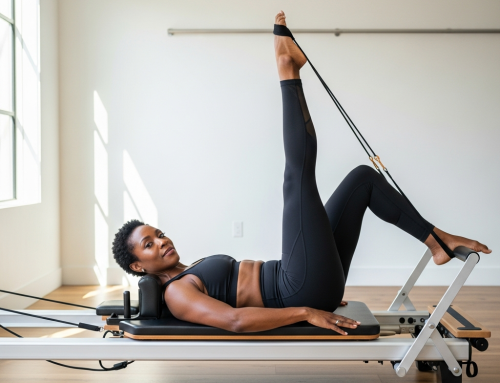
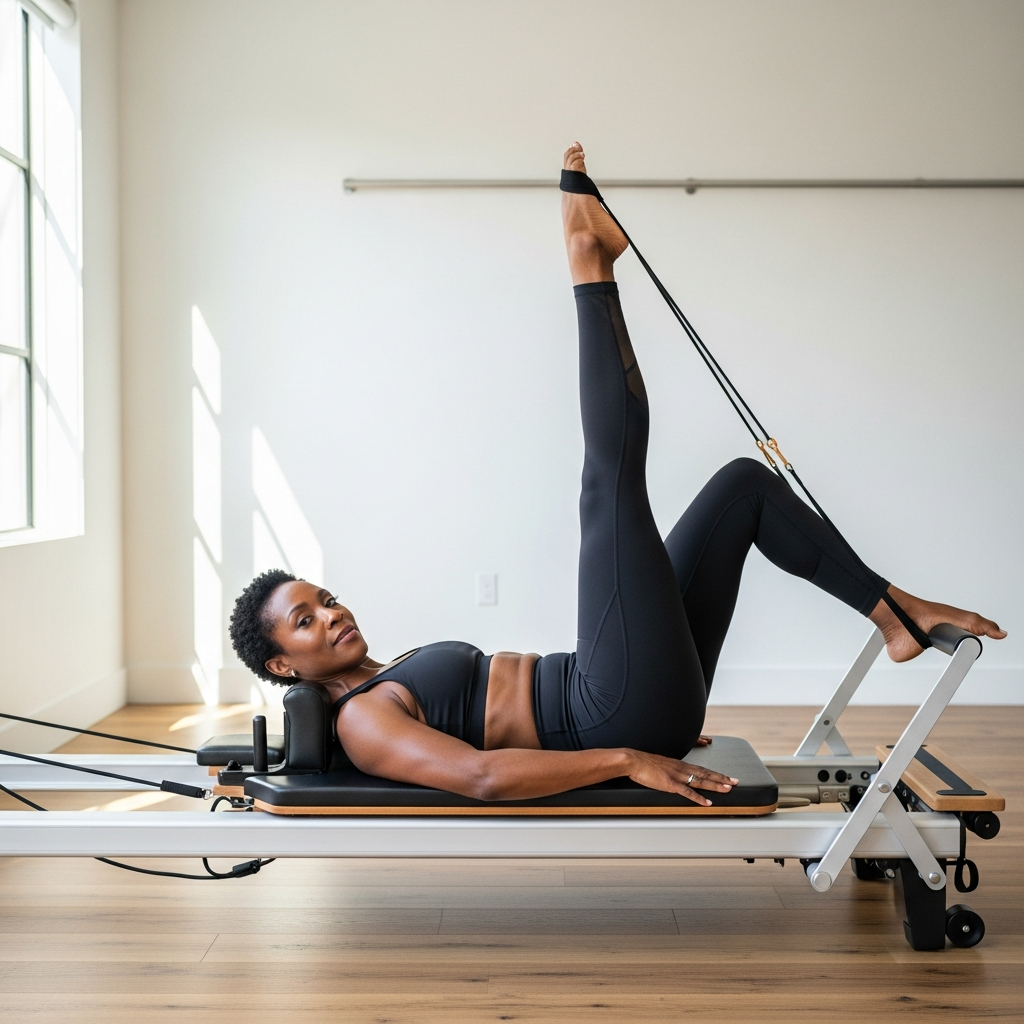
The framework of Pilates consists of mat exercises and exercises performed on specific Pilates apparatuses, including the Reformer, Cadillac, and Wunda Chair, among others. The mat exercises use the body’s own weight as resistance, while the equipment-based workouts use the resistance of springs to strengthen and stretch the body.
Pilates exercises are designed to improve muscle tone, balance, joint mobility, and posture. They also enhance mental awareness and help reduce stress. The low impact nature of Pilates makes it suitable for people of all ages and fitness levels.
Moreover, Pilates can be modified to meet individual needs, making it an adaptable exercise system that can cater to a variety of health and fitness goals. Whether you’re an elite athlete looking for a competitive edge, a beginner seeking to get in shape, or recovering from an injury, Pilates can be tailored to your unique requirements.
In conclusion, Pilates is a dynamic and versatile exercise system that strengthens the body, increases flexibility, improves posture, and promotes mind-body awareness. With its focus on core stability, precision, and control, Pilates offers a comprehensive workout that contributes to overall fitness and wellbeing. Educating oneself about its fundamentals and framework is the first step towards reaping the myriad benefits this method has to offer.
Title: What Should I Know About Pilates: A Comprehensive Guide
If you’re looking to engage in a fitness routine that not only tones your body but also enhances your mental well-being, Pilates might be the perfect fit for you. This low-impact exercise method focuses on strengthening muscles while improving postural alignment and flexibility. Let’s delve into the world of Pilates and explore various aspects like mat Pilates and Pilates classes that can help you grow stronger and more flexible.
##Understanding Pilates
Pilates, developed by Joseph Pilates in the early 20th century, is a series of controlled movements designed to improve physical strength, flexibility, and posture, and enhance mental awareness. It’s a holistic fitness approach that emphasizes mind-body connection with a focus on core strength, balance, and body awareness.
##Starting with Mat Pilates
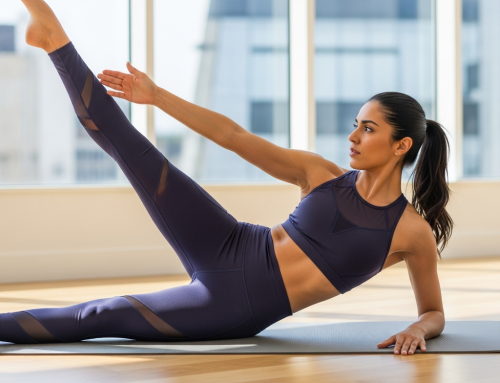
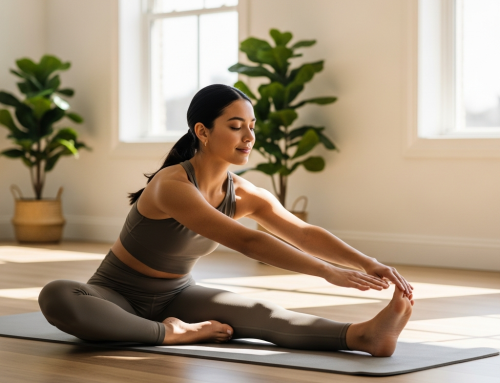
Mat Pilates is a great way to start your Pilates journey. This variation typically involves performing exercises on a mat that are designed to strengthen the body’s core (the lower back and abdomen). The exercises also promote flexibility and a balanced muscular strength on both sides of your body.
Here’s an example of a basic mat Pilates exercise:
1. The Pilates Hundred: Start by lying flat on your back. Bend your knees so your feet are flat on the floor. Lift your head and shoulders off the mat while you bring your knees to your chest with your shins parallel to the floor.
2. Pump your arms up and down at your sides while you breathe in for five counts and out for five counts.
3. Repeat this ten times to complete 100 counts.
Remember, the key here is precision and control over speed or repetitions, which is a fundamental principle in Pilates.
##Choosing Pilates Classes
Pilates classes are a great way to learn from experts and ensure correct form and technique. They also provide a structured environment which can be beneficial for beginners. There are two primary types of Pilates classes: Mat classes and Reformer classes.
1. **Mat Classes**: These classes utilize a mat and your own body weight. The instructor guides you through a series of exercises, focusing on control and precise movements. Mat classes are widely available and usually more affordable than reformer classes.
2. **Reformer Classes**: These classes use a machine called a Pilates Reformer, which is a sliding platform with a stationary foot bar, pulleys, and springs that provide resistance. Reformer classes tend to be more intensive and offer more variety in the workouts. They can be more expensive and are typically found in specialized Pilates studios.
##Actionable Advice
1. **Start Slow**: As a beginner, you might find some moves challenging. Don’t get discouraged. It’s more important to perform each move correctly rather than doing it quickly.
2. **Choose the Right Class Level**: If you’re new to Pilates, start with a beginner class to learn the basic moves. As you improve, you can move onto intermediate and advanced levels.
3. **Wear Suitable Clothes**: Wear comfortable clothes that allow for movement, but aren’t too loose. You want your instructor to be able to see your movements to ensure correct form.
4. **Consistency is Key**: Like any other exercise routine, consistency is crucial in Pilates. Try to incorporate it into your schedule at least two times a week.
5. **Listen to Your Body**: If any move causes pain or discomfort, stop doing it and consult with your instructor or physical therapist.
In conclusion, Pilates offers a comprehensive workout that strengthens your core, improves flexibility, and bolsters mental well-being. Whether you opt for mat Pilates or choose Pilates classes, the key is understanding the principles of Pilates and applying them consistently in your routine. Start slow, prioritize form over speed, and enjoy this mindful exercise journey that connects your body and mind.
Title: Unlocking the Power of Pilates: Common Challenges, Solutions, and Expert Tips
Pilates is a structured exercise routine designed to increase strength, flexibility, and overall body awareness. It focuses on the core, while also engaging the entire body. Despite its numerous benefits, many individuals face challenges in their Pilates journey. Here are some common difficulties, solutions, and expert tips to help you get the most out of your Pilates practice.
1. **Challenge: Pilates is too easy or too challenging**
Misconceptions abound that Pilates is either too easy, akin to gentle stretching, or too challenging for beginners with its intricate movements. The reality lies somewhere in between. Pilates can be modified to suit different fitness levels but does require a certain level of body awareness and control.
**Solution:** Start with a beginner’s class or private session to familiarize yourself with the basic principles of Pilates. As you gain proficiency, gradually increase the difficulty level of your exercises. Remember that Pilates is about control and precision, not speed and repetitions.
**Expert Tip:** Consistency is key. Progress may seem slow at first, but regular practice will yield noticeable improvements in strength, flexibility, and coordination.
2. **Challenge: Struggling with the ‘Pilates Breathing’**
Breathing in Pilates can be confusing for beginners. Unlike other forms of exercise where you breathe freely, Pilates requires specific breath control, often called “lateral thoracic breathing”.
**Solution:** Practice breathing exercises outside of your regular Pilates sessions. Imagine your torso as a three-dimensional box and try to send the breath into all sides of this box – inhaling deeply into the back and sides of your rib cage.
**Expert Tip:** Don’t stress too much about getting the breathing right at first. Focus more on understanding the movements. As you become more comfortable with the exercises, start incorporating the breath.
3. **Challenge: Understanding the difference between Mat Pilates and Reformer Pilates**
People often struggle to choose between Mat Pilates and Reformer Pilates, as they are unsure about the differences and benefits of each.
**Solution:** Mat Pilates uses your own body weight for resistance and focuses more on working your core. Reformer Pilates involves a machine with springs that can be adjusted to create resistance, making it more versatile in targeting different muscle groups. Try both to see which one suits your needs and preferences best.
**Expert Tip:** If you’re new to Pilates, starting with Mat Pilates can be beneficial as it helps you understand the fundamentals without the added complexity of equipment. Once you’ve mastered the basics, moving onto a reformer can enhance your practice.
4. **Challenge: Overcoming the intimidation of group classes**
Group Pilates classes can be daunting for beginners who feel they may not keep up with the pace or perform movements correctly.
**Solution:** Look for classes labeled as beginner, fundamental, or introductory. These classes often move at a slower pace and instructors take extra time to explain each move. You can also consider private sessions before joining a group class.
**Expert Tip:** Remember, everyone in your class was once a beginner too. Don’t compare yourself to others. Focus on your own journey and progress.
5. **Challenge: Believing the myth that Pilates is only for women**
This common misconception can deter men from trying Pilates. However, the truth is that Pilates was invented by a man, Joseph Pilates, and is beneficial for everyone, regardless of gender.
**Solution:** Encourage men to try Pilates. Highlighting benefits like improved sports performance, better posture, and increased core strength might help break down this stereotype.
**Expert Tip:** Look for Pilates classes or studios that actively promote inclusivity and welcome all genders.
In conclusion, Pilates is an extensive practice that requires patience, dedication, and awareness. It is a journey of understanding your body and its capabilities. Remember to go at your own pace, listen to your body, and be consistent. With mindful practice, Pilates can provide a path to greater strength, flexibility, and overall well-being.
Title: An Insight into Pilates: What You Should Know and What to Expect
Pilates is a mind-body workout that targets your core muscles with every exercise, whether you’re doing mat Pilates or using a reformer or other equipment in Pilates classes. This comprehensive guide will give you a detailed overview of what to expect, timelines, and next steps when embarking on your Pilates journey.
Understanding Pilates:
Pilates is a low-impact exercise method that aims to strengthen muscles while improving postural alignment and flexibility. Developed by Joseph Pilates in the early 20th century, it focuses on core strength but also promotes full-body fitness. Regular practice can lead to better posture, increased muscle tone, balance and joint mobility, as well as decrease stress and improve mental focus.
Mat Pilates vs. Pilates Classes:
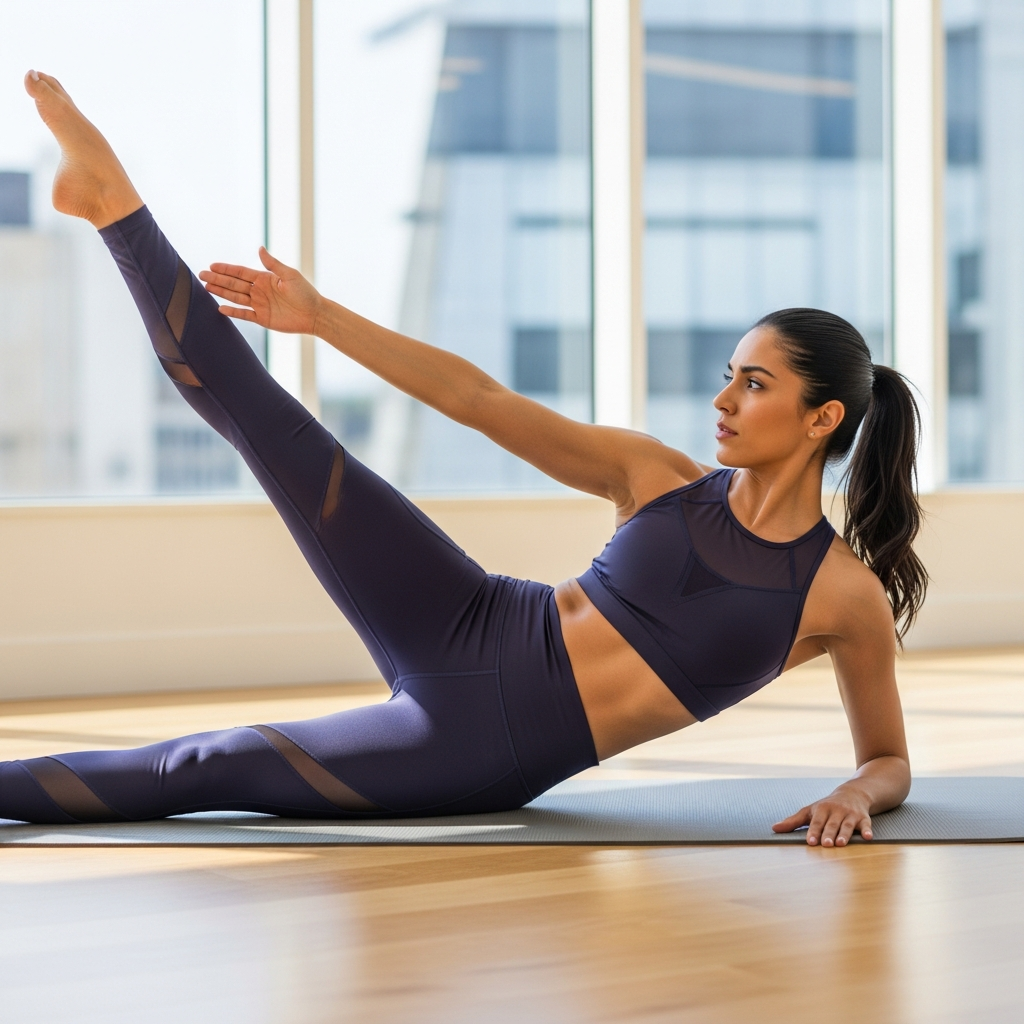
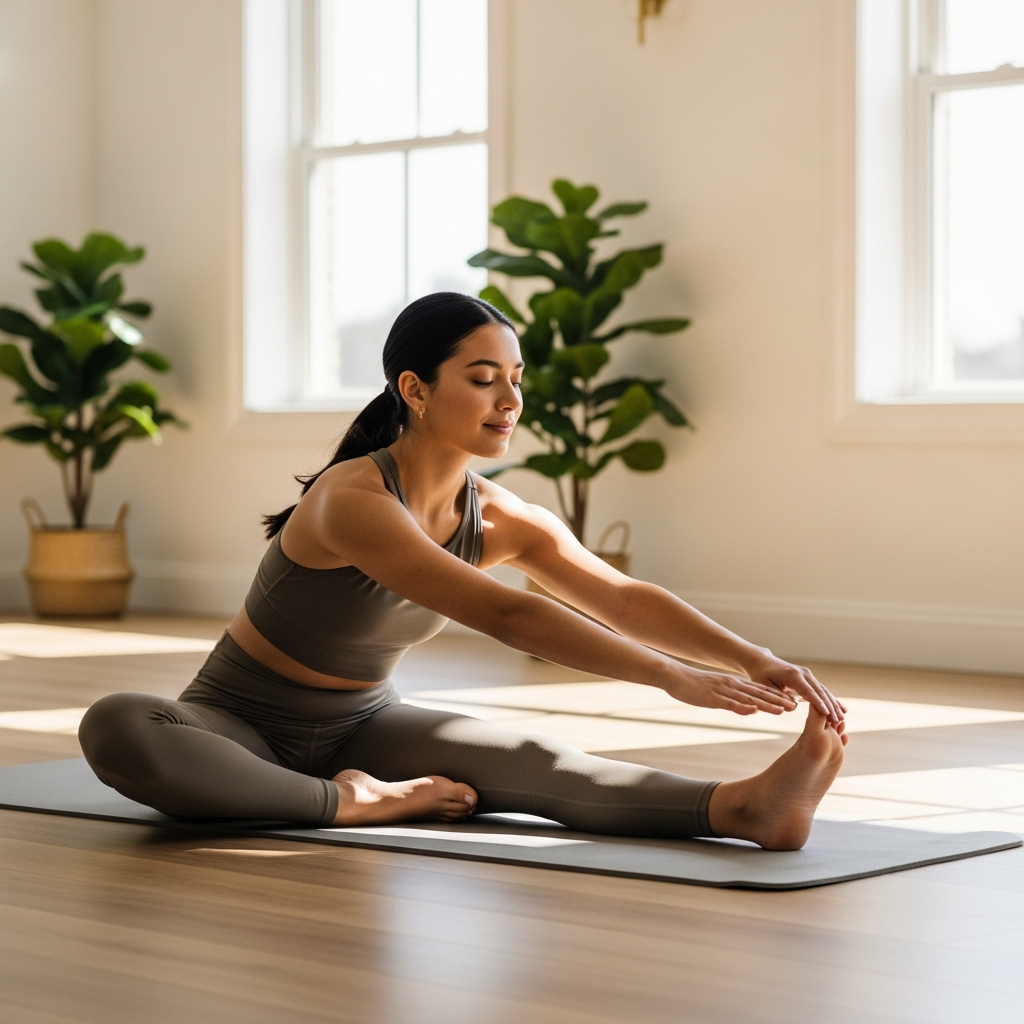
Mat Pilates is a series of exercises performed on the floor using gravity and your body weight to provide resistance. It mainly focuses on strengthening the body’s core and improving overall flexibility. The primary advantage of mat Pilates is its accessibility; you can do it virtually anywhere with just a mat.
On the other hand, Pilates classes usually involve training on equipment like the reformer, tower, or Cadillac. These classes offer resistance through the apparatus and springs, which can be adjusted according to your strength levels. They provide a more dynamic workout and allow you to perform a broader range of exercises than on the mat.
What to Expect:
As a beginner, your initial sessions will be about learning the basics. This includes understanding proper form, becoming familiar with the equipment, and mastering the fundamental movements. Most Pilates exercises involve slow, controlled movements, so don’t expect a high-intensity workout. However, don’t mistake it for an easy session – Pilates can be quite challenging.
Expect to engage muscles you didn’t know you had and feel them for days afterward – a good indication that you’re getting stronger. You’ll also notice improvements in flexibility, balance, and body awareness, which can contribute to better posture.
Timelines:
The timeline for seeing results from Pilates varies depending on factors like your fitness level, how often you practice, and your diet. However, typical reports suggest that noticeable changes in muscle tone and flexibility can be seen in as little as a few weeks with regular practice (at least two to three times per week).
Joseph Pilates himself was quoted saying, “In 10 sessions, you feel better, 20 sessions you look better, 30 sessions you have a completely new body.” This should serve as a motivational guideline but remember that everyone’s body responds differently to exercise. Consistency is key in any fitness regimen.
Next Steps:
If you’re interested in starting Pilates, here are a few practical steps to take:
1. Find the Right Class or Instructor: Look for certified Pilates instructors with a solid reputation. If you’re a beginner, start with basic classes and gradually try more advanced ones as your strength and skills improve.
2. Get the Right Gear: Invest in a good quality Pilates mat. Wear comfortable, form-fitting clothing that allows for ease of movement.
3. Set Realistic Goals: Be patient with your progress and set achievable goals. Whether it’s improving flexibility, building core strength, or reducing back pain, having clear objectives will keep you motivated.
4. Practice Regularly: Consistency is crucial in Pilates. Try to fit in at least two to three sessions per week.
5. Listen to Your Body: It’s normal to feel some muscle soreness when starting out, but if you feel pain during an exercise, stop immediately. Your instructor can provide modifications for exercises that are too challenging.
Remember that Pilates is not just an exercise – it’s a lifestyle. Incorporating the principles of Pilates into your daily life (like maintaining good posture and core engagement) will greatly enhance your progress and benefits. With time, effort, and regular practice, you can expect to see significant improvements in your strength, flexibility, and overall health.
In conclusion, Pilates is a versatile, adaptable, and comprehensive form of exercise that offers a plethora of benefits for individuals of all ages and fitness levels. From improving posture and flexibility to enhancing mental wellbeing and facilitating weight management, the potential advantages of this method are far-reaching. By participating in regular Pilates sessions, you may experience increased muscle strength and tone, particularly in your core muscles. This can not only enhance your physical appearance but also boost your functionality in daily activities.
The beauty of Pilates lies in its focus on mind-body connection. It’s not just about performing the movements; it’s about understanding your body, being in tune with its needs and capacities, and working towards your personal fitness goals. The ultimate aim is not to achieve a certain physical look but to promote overall health and wellbeing. Furthermore, Pilates can be personalized to your needs and capabilities – whether you’re an athlete seeking to improve your performance or someone recovering from an injury, there’s a Pilates routine for you.
Moreover, learning about Pilates is not merely about understanding the exercises themselves. It involves knowing its principles – concentration, control, centering, flow, precision, and breathing – which are all crucial to its practice. These principles reinforce the idea that Pilates is a lifestyle choice rather than a quick fix for physical issues. By adhering to these principles, you can reap the full benefits of Pilates and incorporate them into your everyday life.
Additionally, we’ve discussed the importance of having a certified and experienced Pilates instructor who can guide you through the exercises correctly, ensuring that you reap the full benefits while minimizing the risk of injury. A well-trained instructor can modify the exercises to suit your specific needs and fitness level, offering you a truly personalized workout experience.
However, like any other fitness regime, consistency is key when it comes to Pilates. While you may feel some improvements after a few sessions, long-term commitment is required to realize significant and lasting changes. Therefore, it’s crucial to incorporate Pilates into your regular fitness routine to fully benefit from what it has to offer.
Also, it’s essential to remember that Pilates is not just for fitness enthusiasts. Whether you’re a beginner or an elite athlete, a senior citizen or a young adult, Pilates can help you lead a healthier, more balanced lifestyle. By incorporating Pilates into your routine, you can enhance not just your physical health, but your mental and emotional wellbeing as well.
To sum it up, Pilates is truly a holistic approach to fitness and wellbeing. It encourages you to develop a deep understanding of your body, promoting better posture, enhanced flexibility, improved muscle tone, and a greater sense of overall wellness. The benefits of Pilates extend far beyond the mat, influencing every aspect of your life from your daily activities to your mental health.
We hope that this article has provided you with valuable insights about Pilates. Remember, the journey to fitness and wellbeing is personal and unique to each individual. If you’re considering starting Pilates or have any questions about the practice, we encourage you to reach out to us. Our team of certified Pilates instructors is here to guide you every step of the way and help you create a fitness regimen that aligns with your goals and capabilities.
So why wait? Take the first step towards a healthier and more balanced lifestyle today. Contact us and explore the world of Pilates – your body and mind will thank you!