The Pilates Paradigm: A Deep Dive into the Life and Legacy of Joseph Pilates
Do you ever wonder why Pilates, a full-body workout system, has become a global phenomenon? Why it has been embraced by millions as their go-to routine for maintaining physical health and wellbeing? The answer lies in its roots, in the life and legacy of the man who started it all – Joseph Pilates.
Pilates is not just another fitness trend; it’s an enduring system of mind-body exercise developed over the span of a lifetime by a man dedicated to physical wellness. Welcome to our comprehensive exploration into the life, philosophy, and enduring influence of Joseph Pilates, the father of this popular exercise form.
Joseph Pilates was born in Germany in 1883. A sickly child suffering from asthma, rickets, and rheumatic fever, he dedicated his entire life to improving his physical strength. Joseph became fascinated with the classical Greek ideal of a man balanced in body, mind, and spirit, which led him to develop his unique exercise system. He believed that our physical and mental health are intertwined and this belief is evident in every aspect of the Pilates method.
In this deep dive, we will explore Joseph’s early life and how his health struggles shaped his philosophy towards fitness. We will journey through his development of ‘Contrology,’ the original name for Pilates, during World War I while working as a nurse. We will delve into how he later established his first Pilates studio in New York and began to attract a diverse clientele, including ballet dancers, actors, and even boxers.
As we trace the steps of Joseph’s life journey, we will also explore the core principles of Pilates – control, concentration, centering, precision, breath, and flow. Understanding these principles is crucial to mastering Pilates and reaping its myriad benefits, from improved strength and flexibility to enhanced mental awareness and inner serenity.
This exploration is not just for Pilates enthusiasts. Whether you are a seasoned practitioner, someone considering a Pilates class for the first time, or even a fitness professional, understanding the origins of Pilates can give you a deeper appreciation of its principles and techniques. Knowing the story of Joseph Pilates can help you connect with the method on a deeper level and potentially improve your practice.
Moreover, this exploration matters because the values that Joseph embedded into his method – holistic wellness, self-discipline, and the harmony of mind and body – are timeless. In a world where we are increasingly seeking ways to manage stress, enhance wellbeing, and maintain our health, these values resonate more than ever. As we delve into Joseph’s life story and philosophy, you may find inspiration for your own wellness journey.
So, join us as we delve into the life of Joseph Pilates, exploring how a weak child from Germany transformed himself into a picture of health and created an exercise system that has stood the test of time. Get ready to deepen your understanding of Pilates, beyond the mat and class sessions, into the heart and soul of its creator. This is not just the story of a man; it’s the story of a movement that continues to shape our approach to wellness today.
The Fundamentals and Framework of Pilates: A Deep Dive into the Life and Legacy of Joseph Pilates
The world of fitness and wellness has seen numerous trends and methodologies over the years, but few have had as enduring and widespread an impact as Pilates. This method of physical fitness has transcended time and geographical boundaries to become a globally recognized exercise regimen. At the heart of this global phenomenon is a man named Joseph Pilates, whose personal journey and indomitable spirit laid the foundation for this transformative fitness methodology.
Joseph Hubertus Pilates was born in 1883 in Mönchengladbach, a small German town near Düsseldorf. He was a frail child suffering from asthma, rickets, and rheumatic fever. Instead of succumbing to his ill health, Pilates chose to fight back, dedicating his life to improving his physical strength.
In his quest for physical strength and wellness, Pilates studied many different exercise regimes, ranging from Eastern practices like yoga and martial arts to Western forms such as gymnastics, boxing, and bodybuilding. He even scrutinized the movement patterns of animals and babies, recognizing their inherent strength and natural grace. These varied influences played a significant role in shaping what would later become the Pilates method.
During World War I, Pilates was interned in Britain along with other German nationals. During his internment, he worked as a nurse. This is where he started developing his exercise method, initially known as “Contrology.” He designed a series of movements that worked the body as a whole, emphasizing control, precision, concentration, and breathing. These principles still form the core of Pilates practice today.
Pilates believed that the key to good health lay in the harmonious balance between mind and body. He saw physical fitness not merely as a means to aesthetic appeal but as an essential component of overall well-being. According to him, “Physical fitness is the first requisite of happiness.”
Pilates’ work with injured soldiers during his internment inspired him to develop equipment that could aid in rehabilitation. He used bed springs and beer keg rings to create resistance exercise equipment, which helped bedridden patients strengthen their bodies. This idea was the genesis for many of the Pilates apparatus we see today, such as the Reformer and the Cadillac.
After the war, Pilates briefly returned to Germany, where he trained police officers in self-defense. However, his method attracted attention beyond Germany. When he was invited to train the German army, he chose to emigrate to the United States instead, believing that his method was more aligned with a focus on individual health and well-being.
In 1926, Pilates and his wife Clara opened a fitness studio in New York City. The studio shared a building with several dance studios and rehearsal spaces, which led to many dancers becoming devoted followers. They found that Pilates’ method improved their dance performance, helped them recover from injuries, and kept their bodies strong and flexible.
Pilates continued to refine and expand his method for the rest of his life, building a loyal following of students who carried on his teachings after his death in 1967. Today, millions of people around the world practice Pilates, testament to the timeless appeal and effectiveness of Joseph Pilates’ revolutionary approach to physical fitness.
Pilates’ emphasis on mind-body integration, core strength, flexibility, and overall body awareness has made it a popular choice for athletes, dancers, fitness enthusiasts, and those in need of physical rehabilitation. His approach was ahead of its time and continues to be relevant today in our increasingly sedentary lifestyles.
Joseph Pilates’ life and work serve as an inspiring testament to the transformative power of physical fitness. His holistic view of health and well-being has left a lasting legacy that continues to enrich the lives of millions. His method, born out of personal struggle and a relentless pursuit of health and strength, remains a beacon for those seeking a balanced, strong, and flexible body.
In conclusion, understanding the life of Joseph Pilates is integral to comprehending the principles that underpin the Pilates method. As we embrace Pilates in our fitness journey, we’re not just following an exercise routine; we’re participating in a legacy that champions the harmonious balance between mind and body for optimal health and well-being.
Understanding Joseph Pilates: The Origin and Evolution of Pilates
Joseph Pilates, the man behind the popular fitness regime, was born in Germany in 1883. His life experiences and observations shaped him into a fitness pioneer, and his teachings have stood the test of time. Today, Pilates is practiced worldwide, offering numerous health benefits.
Joseph was a frail child suffering from asthma, rickets, and rheumatic fever. Determined to overcome his physical limitations, he began experimenting with various forms of exercise including yoga, martial arts, weight lifting, and gymnastics. His quest for physical fitness led to the development of a unique method of body conditioning known as ‘Contrology,’ later renamed ‘Pilates.’
Understanding Joseph Pilates’ core principles can provide invaluable insights for practitioners. Here are three key elements that underpin his teachings
1. Concentration – Pilates believed that mental focus was key to achieving effective workout results. By concentrating on your body’s movements, you can ensure optimal muscle engagement and better alignment.
2. Control – Each Pilates exercise requires careful control of your movements to avoid injury and increase effectiveness. This aspect of control is especially pertinent in mat Pilates.
3. Breath – Proper breathing techniques are crucial in Pilates. Joseph emphasized diaphragmatic breathing to help oxygenate the blood and to aid concentration during workouts.
Joseph’s approach to fitness was holistic, emphasizing the balance between mind and body. This philosophy is still apparent in modern Pilates classes.
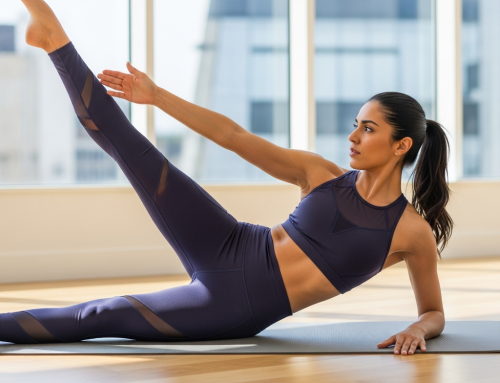
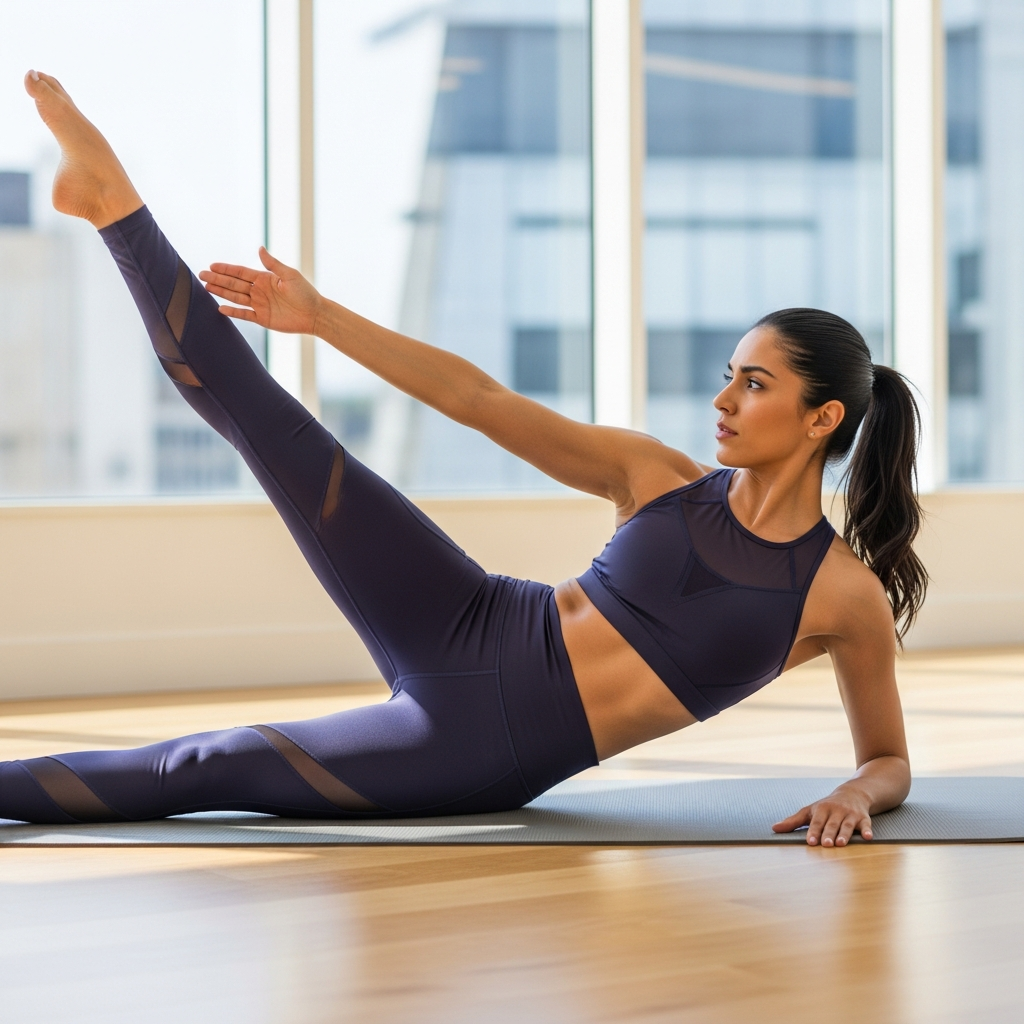
Mat Pilates, one form of the exercise regime, focuses on slow, controlled movements performed on a mat. It’s an excellent choice for beginners as it requires no equipment and can be adapted to any fitness level. For example, the ‘Hundred’ is a classic mat Pilates exercise that targets the abdominal muscles. Lying on your back, you raise your legs and head off the mat while pumping your arms up and down. By focusing on breath control and precise movements, this exercise embodies Joseph Pilates’ principles.
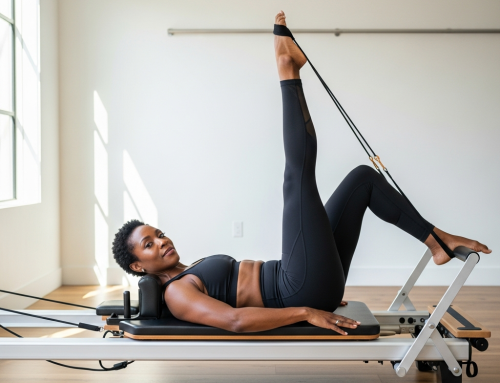
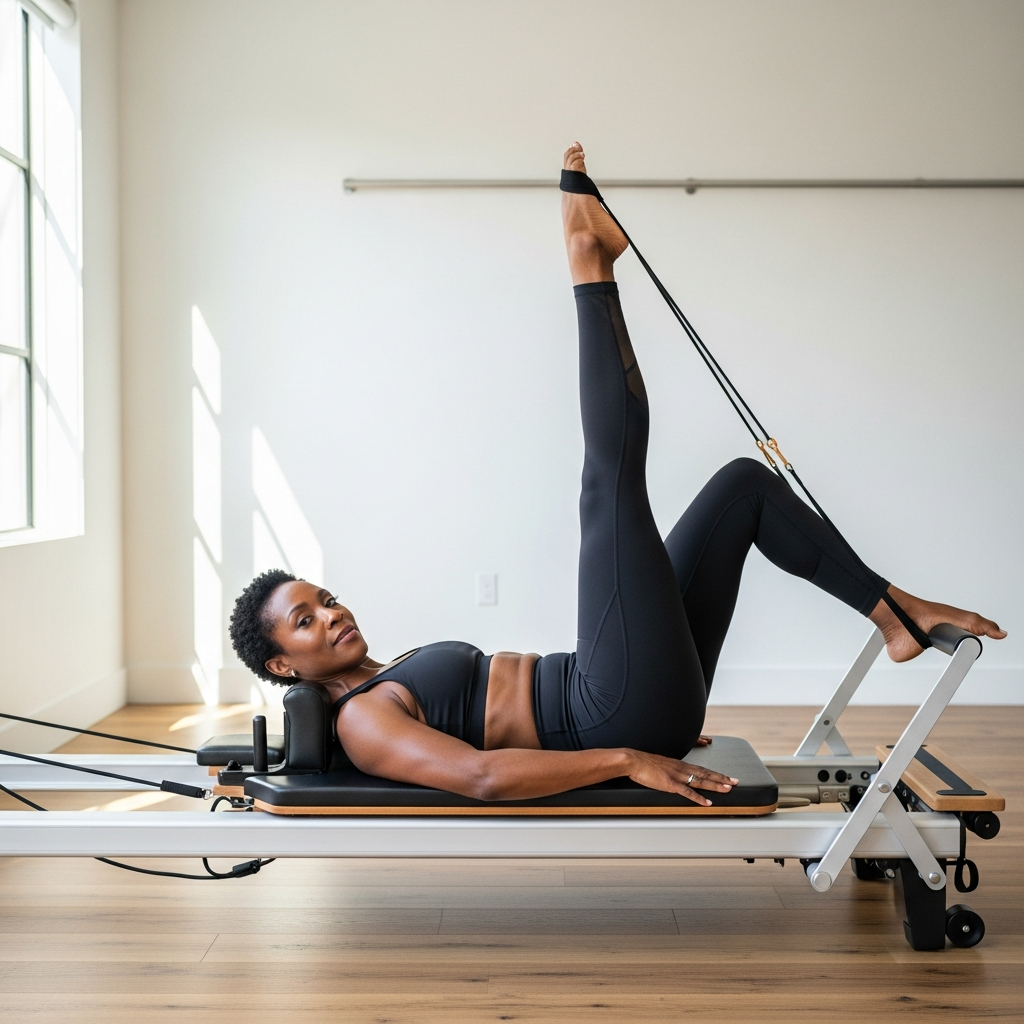
Pilates classes can vary greatly, depending on the instructor’s approach and the equipment used. The Reformer, a machine invented by Joseph, allows for a wide range of exercises. A typical Reformer class might include exercises like the ‘Footwork’ series, which strengthens the legs and improves hip flexibility.
Remember to pay close attention to your instructor’s guidance. They will help you maintain correct form and alignment, crucial aspects of Pilates training. If you’re new to Pilates, consider starting with private lessons before joining group classes. This will allow you to familiarize yourself with the principles and movements without feeling overwhelmed.
An example of a real-world application of Pilates is its use in physical rehabilitation. Joseph himself used his methods to rehabilitate injured soldiers during World War I. Today, physiotherapists often recommend Pilates to patients recovering from injuries or suffering from chronic pain. The focus on controlled, low-impact movements makes it a safe and effective therapy option.
In conclusion, understanding Joseph Pilates – the man and his philosophy – can deepen your appreciation for this form of exercise and enhance your practice. Whether you’re attending your first mat Pilates class or mastering the Reformer, remember the core principles of concentration, control, and breath. These principles, born from Joseph’s lifelong dedication to physical fitness, are the foundation of every Pilates workout.
By incorporating these teachings into your daily routine, you can improve not only your physical well-being but also experience the mental clarity and focus that Joseph intended. So, roll out your mat, focus on your breath, and embrace the transformative power of Pilates.
Understanding Joseph Pilates: The Man, The Method, and Its Misconceptions
Joseph Pilates, a physical trainer from Germany, is the founder of the Pilates method, a system of exercises designed to improve physical strength, flexibility, and posture, while enhancing mental awareness. But what about Joseph Pilates? What’s the real story behind his methodology and how can understanding this help us in our own Pilates journey? In this section, we will delve into the common challenges associated with Pilates, provide solutions to these challenges, and offer expert tips to enhance your Pilates experience.
Misconceptions about Pilates
Pilates is a popular form of exercise worldwide, but it’s also often misunderstood. For instance, many people think Pilates is just for women or dancers. This misconception can be traced back to Joseph Pilates himself who initially developed the method as a rehabilitation program for injured dancers and athletes. However, it’s worth noting that Joseph Pilates was a boxer and gymnast and created his method for everyone, regardless of gender or profession.
Another common misconception is that Pilates is a form of yoga. While both disciplines focus on movement and breath, Pilates concentrates more on core strength, alignment, and muscle balance. Joseph Pilates’ method was influenced by Western forms of exercise and focuses on the mind-body connection.
Common Challenges
One of the common challenges in Pilates is maintaining correct form during exercises. Proper alignment is crucial in this discipline to ensure that the right muscles are working during each exercise. Without appropriate form, you risk injury and won’t reap the full benefits of the exercises.
Another challenge is developing core strength. This physical capability is essential in Pilates since most movements are initiated from the core. Some beginners may find it difficult to engage their core muscles effectively.
Solutions to Challenges
To overcome these challenges, it’s highly recommended to start your Pilates journey under the guidance of a certified Pilates instructor. They can ensure you’re maintaining the correct form and help you learn how to engage your core muscles properly.
Attending Pilates classes regularly can also be beneficial. In a class setting, you’ll receive instruction and feedback, helping you improve your technique. Additionally, classes offer a variety of exercises, which can help prevent your workout from becoming monotonous.
Expert Tips
1. Start with Mat Pilates: Mat Pilates is an excellent way to begin your journey. It focuses on control and precision, with a strong emphasis on technique and core strength.
2. Use Props: Props such as Pilates rings, bands, and balls can add variety to your workout and challenge your body in new ways.
3. Listen to Your Body: Every individual’s body is different. Pay attention to how your body feels during and after workouts. If something feels off or painful, consult your instructor or a healthcare professional.
4. Consistency is Key: Consistent practice is essential in Pilates. Try to incorporate Pilates into your routine at least two to three times per week for optimal benefits.
5. Keep Learning: Continue learning about Pilates and its principles. The more you understand about the method and its history, the richer your practice will be.
In conclusion, understanding Joseph Pilates and his methodology can greatly enhance your Pilates experience. By debunking misconceptions, overcoming challenges, and following expert tips, you can harness the full potential of this unique and powerful form of exercise.
What About Joseph Pilates? An Insight into the Origin, Evolution, and Practical Guidance of Pilates
Joseph Pilates, the founder of the popular form of physical fitness known as Pilates, was a man of vision and innovation. Born in Germany in 1883, he battled several health issues in his early years, which led him to explore various forms of exercise to improve his physical strength.
Pilates was not only a fitness enthusiast but also a boxer, a circus performer, and a self-defense trainer at detective schools in the UK. These diverse experiences significantly influenced his approach to health and exercise. During World War I, he was interned with other German nationals in England, where he started developing his distinctive system of physical training.
He began to implement a regimen of exercises with fellow internees, focusing on strengthening the human mind and body. Pilates termed this method “Contrology,” which would later be universally known as Pilates.
Pilates returned to Germany in the early 1920s, where he honed his method further and started training the Hamburg Military Police. In 1926, he immigrated to the United States and opened his first studio in New York City with his wife Clara. The studio was located near many dance studios, which led to many dancers seeking his training for strength and rehabilitation.
Joseph Pilates believed in the power of a strong core – the powerhouse, as he called it – and the interdependence between physical and mental health. His exercise regimen is designed to improve muscle tone, flexibility, balance, posture, and mental awareness.
Now that you understand the man behind this influential fitness regimen let’s delve into what you can expect when embarking on your Pilates journey.
Practical Guidance:
Pilates is a low-impact exercise suitable for people of all ages and fitness levels. It can be performed on a mat (Mat Pilates) or using special equipment like the reformer (Reformer Pilates).
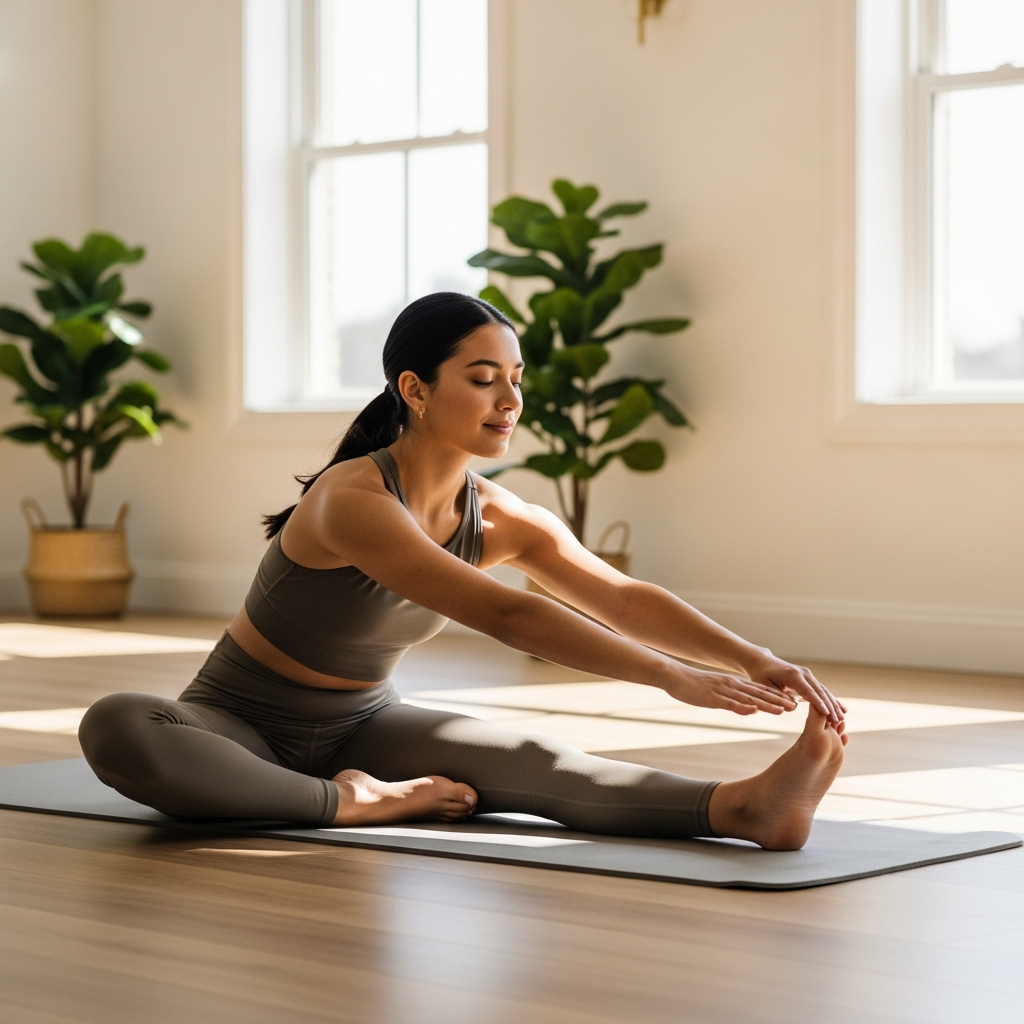
Mat Pilates is a series of exercises performed on the floor using gravity and your body weight to provide resistance. The primary focus is on conditioning the body’s core muscles while improving balance, coordination, and overall strength.
Pilates classes generally last for 60 minutes, beginning with warm-up exercises to prepare your body and mind. The session proceeds with a series of exercises that engage various muscle groups. The instructor will guide you through each movement, ensuring you perform them with proper form and control.
A typical Pilates class consists of a small group of individuals, allowing for more personalized attention from your instructor. This ensures each student gets the most out of their session.
Timelines:
The timeline for seeing results from Pilates varies depending on the individual’s fitness level, frequency of practice, and lifestyle factors. However, with consistent practice of at least two to three times per week, most individuals begin to see and feel changes in their body, posture, and overall strength within a month.
Joseph Pilates himself said, “In 10 sessions, you will feel the difference. In 20, you will see the difference. And in 30, you’ll be on your way to having a whole new body.”
Next Steps:
If you’re interested in beginning your Pilates journey, here are some next steps
1. Find a Pilates Studio: Look for a reputable studio with certified Pilates instructors. Many studios offer beginner classes, which are ideal for those new to Pilates.
2. Attend a Class: Attend a beginner’s class to familiarize yourself with the Pilates method. Don’t be discouraged if the movements feel challenging at first – your strength and flexibility will improve over time.
3. Consistency is Key: Regular practice is crucial for reaping the benefits of Pilates. Aim to attend classes two to three times per week.
4. Listen to Your Body: Pilates is about control and precision, not intensity. Listen to your body and never push it to the point of pain.
5. Practice at Home: While attending classes is beneficial, practicing Pilates at home can help reinforce what you’ve learned in class. There are numerous online resources and videos available for home practice.
In conclusion, Joseph Pilates’ unique approach to physical and mental health has stood the test of time, providing people worldwide with a method to improve their strength, flexibility, and wellbeing. Embarking on your Pilates journey can be a transformative experience, fostering a sense of harmony between mind and body that extends beyond the mat.
In conclusion, the legacy of Joseph Pilates is an essential factor in understanding the development, benefits, and principles of Pilates as a form of exercise and rehabilitation. As we have established, Joseph Pilates was not just the founder of this discipline, but also an innovator who revolutionized the way we perceive physical fitness and well-being.
Firstly, we learned about Joseph Pilates’ early life, which was marked by health issues that fueled his determination to create a physical fitness method geared towards total body health. His early experiences fostered a deep understanding of the body and its needs, which later became the cornerstone of his groundbreaking exercise system.
The invention of Contrology, now known as Pilates, is another key takeaway. Pilates was more than just a way for Joseph to improve his health; it was a labor of love and innovation. The method focuses on mind-body connection, emphasizing concentration, precision, control, breathing, and flowing movements. With these principles at its core, Pilates stands out from other fitness methods by promoting not just physical strength but also mental resilience and focus.
Furthermore, we delved into the journey of how Pilates evolved over time. From its conception during World War I to its popularity in the dance community and its mainstream recognition in our present day—it is clear that Joseph Pilates’ method has withstood the test of time. This longevity can be credited to its adaptability and relevance to various demographics, whether it be athletes looking to enhance their performance, individuals recovering from injuries, or anyone aiming to improve their overall fitness.
Finally, we looked at how Joseph Pilates’ philosophy permeates the practice today. His belief in holistic wellness—that our physical health is intrinsically linked with our mental and spiritual well-being—is increasingly recognized and valued in our fast-paced modern world. Today’s Pilates classes still echo his original teachings: a focus on core strength, flexibility, and the harmony of mind and body.
In essence, understanding Joseph Pilates and his contribution to the fitness world provides us with a unique perspective on the practice that carries his name. It allows us to appreciate not just the physical benefits we gain from it, but also the philosophy behind every movement and breath, reminding us that Pilates is more than an exercise—it’s a lifestyle.
If you’ve found this exploration of Joseph Pilates and his revolutionary fitness method insightful, then it’s time for you to experience the transformational power of Pilates firsthand. Whether you’re a beginner wanting to start your fitness journey, a fitness enthusiast seeking new challenges or someone in need of physical rehabilitation, our team of certified Pilates instructors can provide you with a tailored program that suits your needs.
We invite you to contact us and embark on a journey towards improved physical health, mental clarity, and holistic well-being. Experience for yourself how the principles and practices established by Joseph Pilates can positively impact your life. Our team is ready and eager to guide you through this rewarding journey, every step of the way. Remember, in the words of Joseph Pilates himself, “Physical fitness is the first requisite of happiness”. Let us help you discover your potential for happiness and well-being.