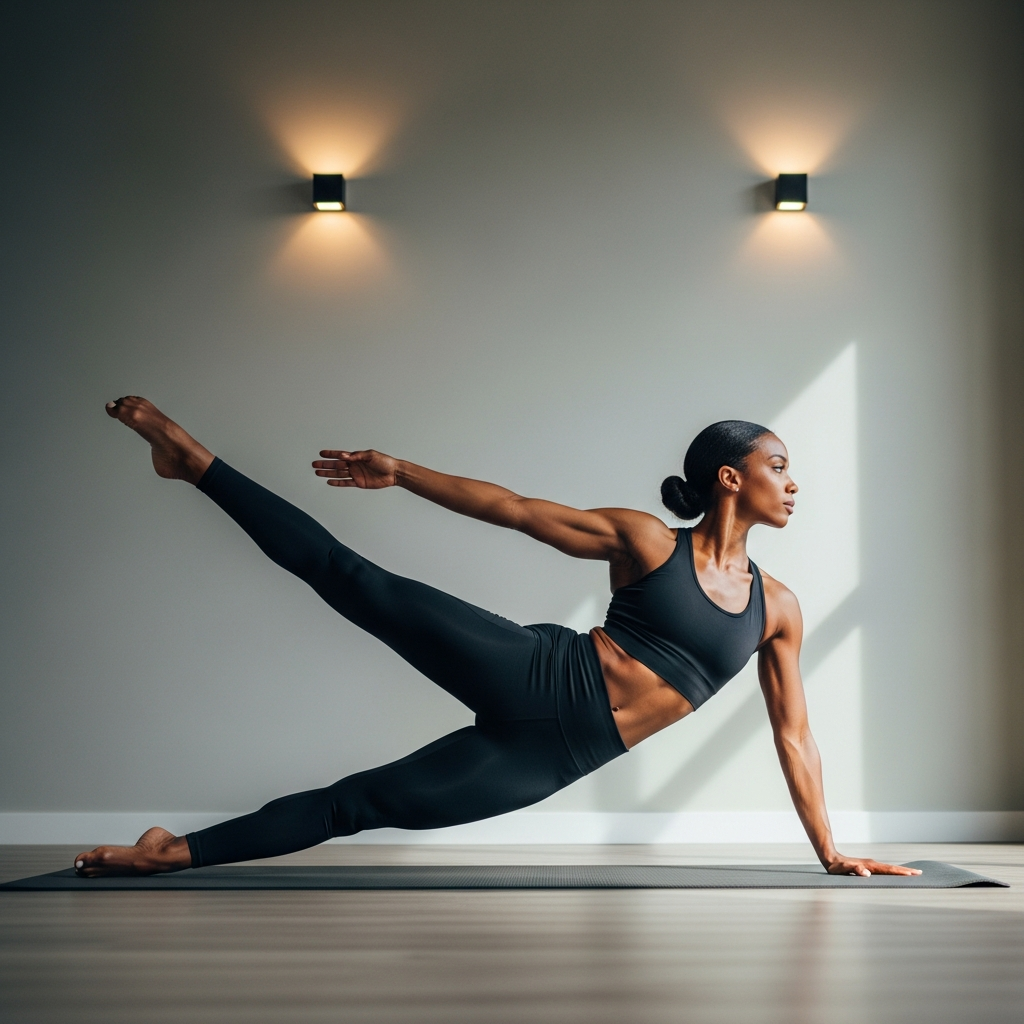
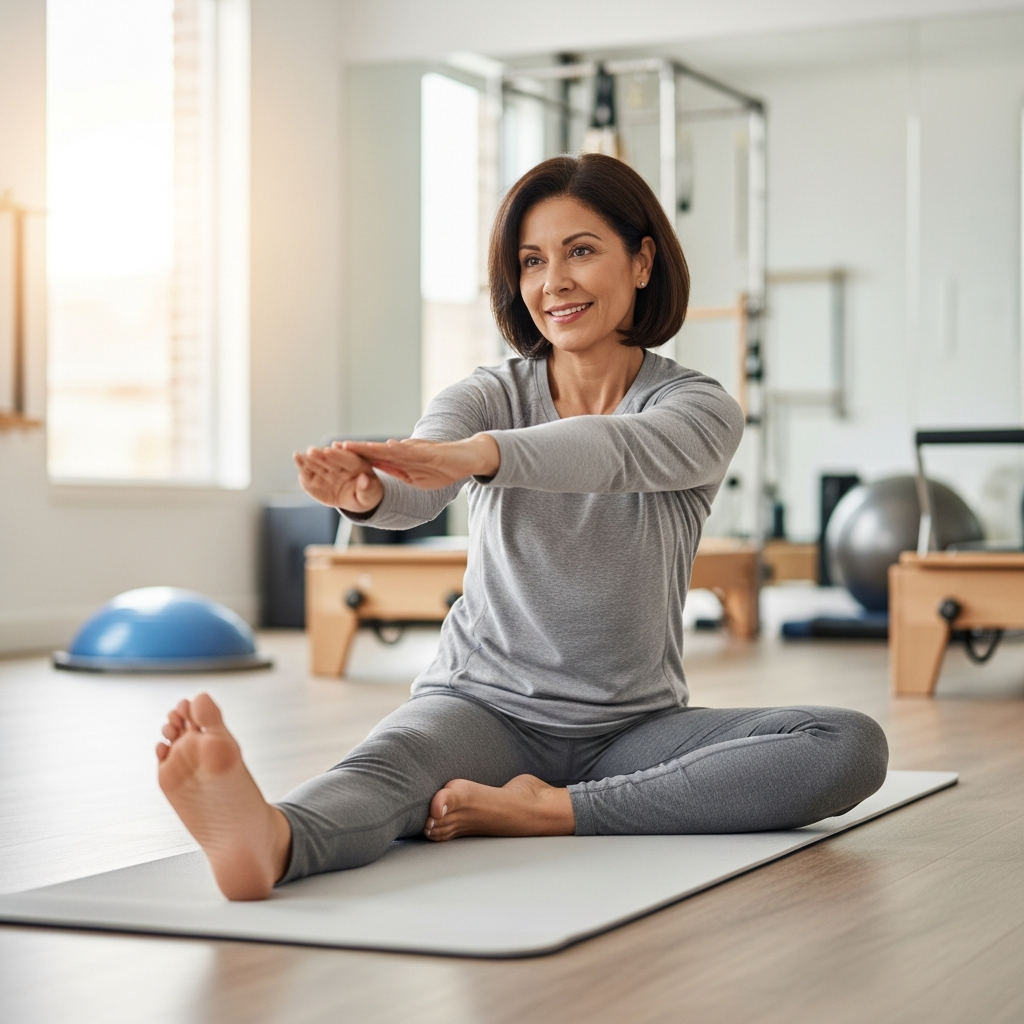
The Pros and Cons of Pilates: An Insightful Exploration
Are you contemplating whether to take the plunge into the world of Pilates? Or perhaps you’re simply curious about what this increasingly popular exercise regimen has to offer? Either way, you’ve landed in the right place. We’re about to dive deep into the ocean of Pilates, exploring its many pros and a few cons, to help you make an informed decision about whether this form of exercise is the right fit for you.
Pilates, named after its creator, Joseph Pilates, is a method of exercise designed to strengthen the body uniformly, correct wrong postures, restore physical vitality, invigorate the mind, and elevate the spirit. It’s a comprehensive workout that can be tailored to suit everyone from senior citizens to elite athletes.
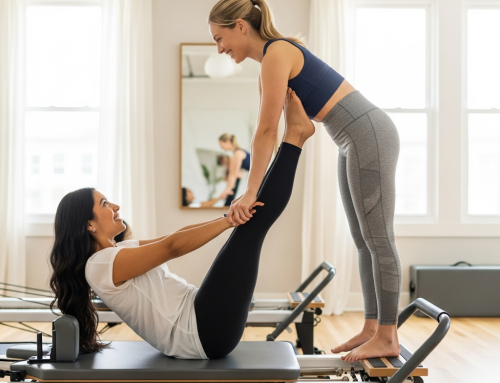
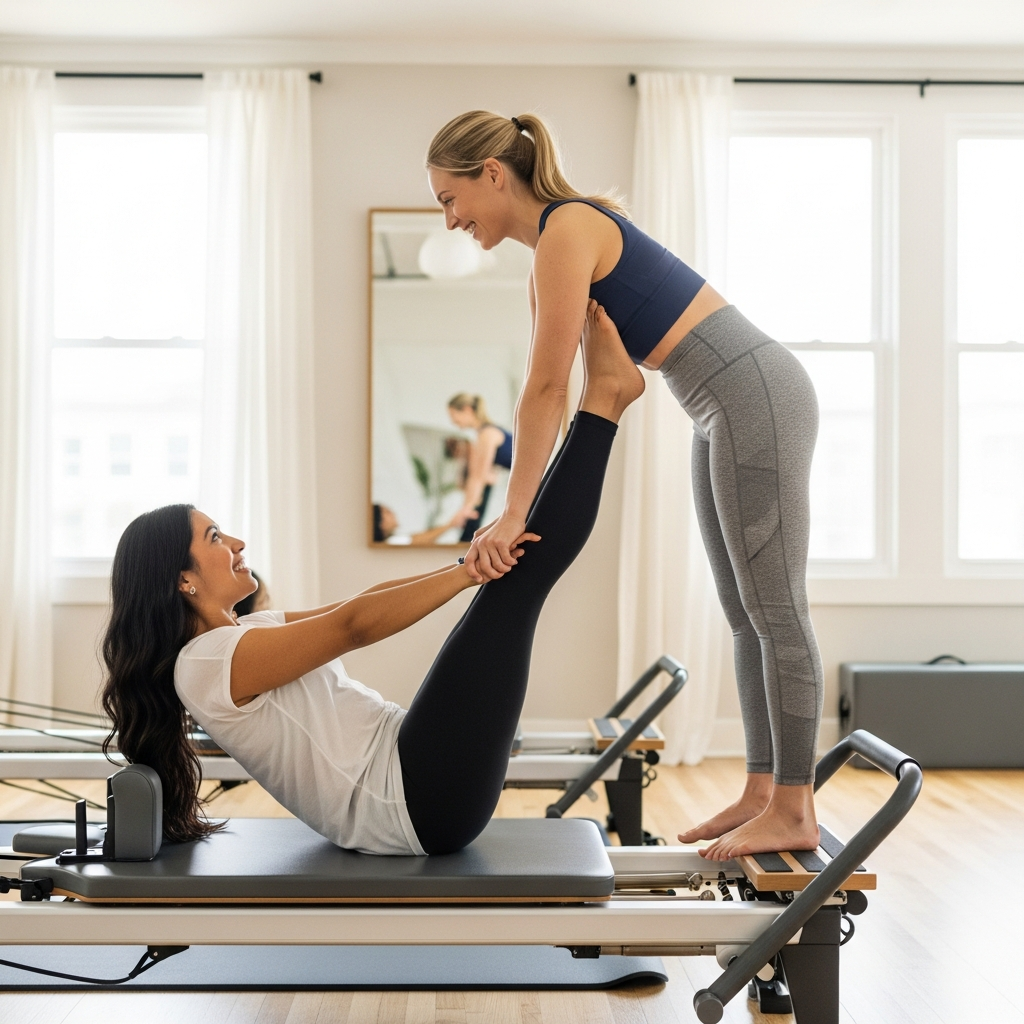
In this blog post, we will take an in-depth look at Pilates’ benefits and drawbacks. We will divide Pilates into two primary categories: mat Pilates and reformer Pilates. Mat Pilates is performed on a mat and uses your body weight as resistance. Reformer Pilates, on the other hand, is done on a specialized piece of equipment called a reformer, which uses springs and pulleys to provide varied resistance. Both forms offer unique advantages and come with their own set of challenges.
This exploration matters because it’s not just about understanding what Pilates is, but also about understanding how it can benefit you, where it might fall short, and what expectations you should set for your Pilates journey. Just like any other form of exercise, Pilates isn’t a one-size-fits-all solution. It has diverse offerings that appeal to different individuals based on their fitness goals, health conditions, and personal preferences.
Our investigation will focus on various aspects such as the impact of Pilates on core strength, flexibility, body control, mental well-being, and overall fitness. We’ll also discuss potential challenges like the cost, time commitment, and the physical demands of Pilates. Additionally, we’ll cover common misconceptions and myths about Pilates that may influence your decision-making process.
Understanding the pros and cons of Pilates will give you a clearer perspective, enabling you to decide whether to incorporate this exercise routine into your lifestyle. It will help you set realistic goals and expectations, understand the level of commitment required, and determine if the benefits align with your personal fitness objectives.
The world of Pilates is vast and varied. It can be a game-changer for some, while for others, it may not live up to the hype. This blog post aims to shed light on the true nature of Pilates, uncloaking its advantages and disadvantages so that you can make an informed decision about whether it’s the right path for you.
Stay tuned as we unravel the mysteries of Pilates, debunking myths, highlighting benefits, and uncovering potential drawbacks. Let’s embark on this journey together, armed with knowledge and open to discovery. Whether you’re a seasoned fitness enthusiast or a newcomer looking for a fresh start, this deep dive into Pilates promises to be enlightening and useful.
Pilates, a physical fitness system developed in the early 20th century by Joseph Pilates, has been a popular form of exercise for decades. Known for strengthening the core, improving flexibility, and promoting overall health and well-being, Pilates is a comprehensive workout system that can be tailored to individuals of all fitness levels. However, like any exercise regimen, it has its pros and cons.
Joseph Pilates designed this exercise method during World War I to help rehabilitate injured soldiers. Later, it was adopted by dancers and athletes, and now it’s a mainstream form of fitness that is practised by millions of people worldwide. The Pilates method encompasses more than 500 exercises that focus on core strength, flexibility, body awareness, and overall muscular balance. It centres around six key principles: concentration, control, centering, flow or efficiency of movement, precision, and breathing.
Now let’s delve into the advantages and disadvantages of Pilates to help you make an informed decision about whether this form of exercise is suitable for your personal health and wellness goals.
Pros of Pilates:
1. Strengthening the Core: One of the fundamental focuses of Pilates is on strengthening the core muscles – the deep abdominal muscles along with the muscles closest to the spine. Improved core strength can result in better posture, less back pain, and an overall stronger body.
2. Enhancing Flexibility: Pilates exercises are designed to safely increase flexibility and joint mobility. This can lead to improved performance in other sports or physical activities and decrease the risk of injury.
3. Improving Body Awareness: Pilates emphasizes precise and mindful movements rather than repetitive and mindless exercises. This leads to increased body awareness which can translate into improved overall coordination and balance.
4. Scalability: Pilates workouts can be tailored to individual fitness levels and needs. Whether you’re a beginner or an advanced athlete, there are exercises within the Pilates repertoire to challenge and benefit you.
5. Rehabilitation: Given its origins, it’s not surprising that Pilates is often used in physical therapy and rehabilitation. The low-impact, controlled movements are an excellent way to rehabilitate after an injury or surgery.
Cons of Pilates:
1. Cost: Pilates can be expensive, especially if you want to take classes at a studio with a professional instructor. Equipment-based classes are typically more expensive than mat classes.
2. Time: Because of its focus on precision and control, Pilates can be time-consuming. A workout may not burn as many calories as cardio exercises like running or cycling.
3. Lack of Cardiovascular Workout: While Pilates is great for strength and flexibility, it’s not designed to give you a cardio workout. Therefore, if your goal is to lose weight or improve cardiovascular fitness, you’ll need to supplement your routine with aerobic activities.
4. Not for Everyone: Although Pilates can be adapted for different fitness levels, it may not be suitable for everyone. People with certain health conditions, such as severe osteoporosis or high blood pressure, should consult with a healthcare provider before starting Pilates.
5. Learning Curve: Pilates requires a certain level of concentration and coordination. For beginners, there may be a steep learning curve to perform the movements correctly and effectively.
In conclusion, Pilates offers numerous benefits such as improved core strength, increased flexibility, enhanced body awareness, and scalability. However, it also has its drawbacks including cost, time, lack of cardiovascular workout, being unsuitable for certain individuals, and a steep learning curve for beginners. As with any exercise regimen, it’s essential to assess your personal health needs and goals before starting Pilates. Consulting with a healthcare provider or a certified Pilates instructor can provide further insight into whether this form of exercise is the right fit for you.
The Pros and Cons of Pilates: A Comprehensive Guide
Pilates is a popular low-impact exercise regimen that offers numerous benefits for people of all fitness levels. It emphasizes aligning the body, strengthening the core, improving flexibility, and enhancing mind-body connection. Despite these benefits, there are also some potential drawbacks. In this article, we will delve into the pros and cons of Pilates, including mat pilates and reformer pilates.
PROS OF PILATES
1. Improved Flexibility: Pilates exercises are designed to stretch and lengthen your muscles. This leads to enhanced flexibility, which can prevent injuries and improve overall fitness performance. For example, the “Saw” exercise in mat Pilates involves twisting your torso and reaching towards your toes, which stretches your hamstrings and lower back.
2. Core Strength: Pilates is renowned for its focus on the core – the area from your shoulders to your hips. By engaging these muscles in exercises like the ‘Hundred’ on a mat or the ‘Footwork’ series on a reformer, you’ll build a strong foundation that supports the rest of your body.
3. Better Posture: Most of the Pilates exercises require proper alignment. This conscious control translates into daily life, improving your posture when sitting, standing or moving. For instance, while performing an exercise like ‘Roll Up’ on the mat, you will learn to articulate your spine, which aids in maintaining good posture.
4. Low-Impact Exercise: Pilates is gentle on your joints, making it an excellent option for those with arthritis or recovering from injuries. Reformer Pilates, with its sliding carriage and adjustable springs, can be particularly beneficial as it allows for resistance adjustments according to individual needs.
5. Mind-Body Connection: Pilates requires concentration and breath control, fostering a strong mind-body connection. This can help reduce stress and increase mindfulness. Exercises like ‘Coordination’ on the reformer require precision, coordination and breath control, encouraging this connection.
6. Suitable for All Levels: Whether you’re a beginner or an advanced athlete, Pilates can be modified to suit your fitness level and goals. For example, a beginner might perform ‘Leg Circles’ on the mat with bent knees, while an advanced practitioner might straighten their legs for added challenge.
CONS OF PILATES
1. May Not Provide Cardiovascular Benefit: Traditional Pilates, particularly mat Pilates, focuses more on strength and flexibility than cardiovascular conditioning. For those looking to improve cardiovascular fitness, it may be necessary to complement Pilates with aerobic exercises such as running or cycling.
2. Can Be Expensive: While mat Pilates can be done at home with minimal equipment, reformer Pilates requires a specialized machine and is usually taught in studios, which can be costly. Additionally, working with a qualified instructor to ensure correct form and get the most out of the exercises is recommended, which also adds to the cost.
3. Not Ideal for Weight Loss: Pilates is not a high-calorie burning exercise. If weight loss is your primary goal, you might need to incorporate other forms of exercise and a balanced diet along with Pilates.
4. Requires Patience and Consistency: Results from Pilates aren’t typically seen immediately. It requires consistency and patience to see improvements in strength, flexibility, and body composition.
5. Risk of Injury if Done Incorrectly: Like any exercise, if Pilates is performed with incorrect form or without proper guidance, there’s a risk of injury. For instance, in reformer Pilates, incorrect spring settings or rushing through exercises can lead to muscle strains.
In conclusion, Pilates offers numerous benefits like improved flexibility, core strength, posture, and mind-body connection. However, it may not provide significant cardiovascular benefits or aid in weight loss, and can be expensive and time-consuming. It’s essential to learn proper form from a qualified instructor to minimize the risk of injury. Whether you’re considering mat Pilates or reformer Pilates, it’s always advisable to discuss with your healthcare provider before starting any new fitness regimen.
Pros, Cons, and Misconceptions of Pilates: An Expert’s Guide
Pilates is a highly popular low-impact exercise method that targets your core, while also working other areas of your body. Although it’s a versatile and beneficial exercise, like any fitness regimen, it comes with its challenges and misconceptions. Understanding these facets of Pilates can empower you to make the most of this robust workout.
## Pros of Pilates
Pilates offers myriad benefits that cater to a wide range of fitness needs.
1. **Full-body Conditioning:** Pilates is a holistic workout that fortifies the body, improves flexibility, and enhances muscle tone. It’s an ideal regimen for full-body conditioning without the high-impact jolts associated with other exercises.
2. **Core Strength:** At the heart of Pilates lies the principle of ‘centering’ – the concept of building core strength. A strong core is integral for maintaining balance, enhancing overall body strength, and reducing back pain.
3. **Flexibility:** Pilates exercises promote lengthening and stretching of muscles, contributing to improved flexibility and joint mobility.
4. **Postural Improvement:** Pilates can help correct posture problems by strengthening the postural muscles.
5. **Mind-Body Connection:** With its emphasis on controlled movements and breathing, Pilates can also be a mindful exercise, fostering a stronger mind-body connection.
## Cons of Pilates
Despite its many benefits, Pilates also presents certain challenges.
1. **Cost:** Regular Pilates sessions, particularly those using a reformer (a specialized Pilates equipment), can be costly.
2. **Injury Risks:** Incorrect form or overdoing Pilates exercises could lead to injuries. It is essential to learn the correct techniques under professional guidance.
3. **Limited Cardiovascular Benefit:** Although Pilates is excellent for toning and strength, it isn’t a high-intensity aerobic workout. Therefore, those seeking major cardiovascular benefits may need to supplement Pilates with aerobic exercises.
## Misconceptions and Best Practices
### Mat Pilates vs. Reformer Pilates
One common misconception is that Reformer Pilates is superior to Mat Pilates. While the reformer can provide additional resistance and a more varied exercise range, mat work is the foundation of the Pilates method. Both forms have their unique benefits. Mat exercises primarily use body weight and gravity as resistance, while a reformer offers adjustable resistance using springs.
### Pilates is Only for Women
This is another common misconception. In reality, Pilates was created by a man (Joseph Pilates) for men, among others. Pilates is beneficial for everyone, irrespective of gender, age, or fitness level, as it can be tailored to individual needs.
### Best Practices
1. **Professional Instruction:** Whether you’re a beginner or an advanced practitioner, professional instruction is key to safely performing Pilates exercises and maximizing their benefits.
2. **Consistency:** To reap the benefits of Pilates, consistency is essential. Regular sessions—preferably 2-3 times per week—are recommended.
3. **Mix it Up:** Incorporate both mat and reformer exercises into your routine to experience the full spectrum of Pilates benefits.
4. **Listen to Your Body:** It’s crucial to listen to your body and its limits. If a movement causes pain or discomfort, stop and seek professional advice.
## Expert Tips
1. **Master the Basics First:** Before moving on to more complex moves, ensure you master the basic principles of Pilates—centering, concentration, control, precision, breath, and flow.
2. **Quality Over Quantity:** Rather than focusing on the number of repetitions, prioritize the quality of each movement.
3. **Use Proper Attire:** Wear comfortable, form-fitting clothing to allow your instructor to see your movements and correct your form if necessary.
4. **Stay Hydrated:** Just like any other workout, stay adequately hydrated before, during, and after your Pilates session.
In conclusion, like any exercise regimen, Pilates has its pros and cons. By understanding these aspects and following the best practices discussed above, one can optimize their Pilates experience and enjoy its numerous benefits.
Embracing Pilates: Weighing the Pros and Cons
Pilates, a popular form of exercise, is often touted for its myriad of benefits – from improved strength and flexibility to enhanced mental well-being. However, like any physical practice, it may not be the ideal choice for everyone. Here, we delve into the pros and cons of Pilates to help you gain a better understanding of this fitness regimen and decide whether it suits your personal wellness goals.
Pros of Pilates
1. Full Body Fitness: Unlike some forms of exercise that target specific muscles, Pilates provides a comprehensive full-body workout. It equally focuses on all muscle groups, ensuring balanced development of strength and flexibility.
2. Enhanced Core Strength: At the core of Pilates is, well, your core! The exercises are designed to strengthen your powerhouse – the area encompassing your abdomen, lower back, hips, and buttocks. A strong core aids in improving posture and mitigating lower back pain.
3. Improved Flexibility: Pilates exercises aim to lengthen and stretch all major muscle groups in a balanced fashion. This can lead to an increase in flexibility and range of movement, particularly in the back, shoulders, hips, and thighs.
4. Mental Wellness: Pilates is not just a physical workout; it’s a mental one too. The focus on breathing techniques and attaining body balance promotes mindfulness and reduces stress levels.
5. Suitable for All: Whether you’re an elite athlete or new to the world of fitness, Pilates can be adapted to your level. The exercises can be modified based on your abilities and needs, making it a safe choice for individuals with injuries or health conditions.
6. Variety and Versatility: From Mat Pilates to Reformer Pilates, the variety in practice ensures that boredom never sets in. Mat Pilates uses your own body weight for resistance while Reformer Pilates uses a machine to provide added resistance and support, allowing for a more intense workout.
Cons of Pilates
1. May Not Aid in Weight Loss: If your primary fitness goal is weight loss, Pilates may not be your best bet. While it tones and strengthens, it doesn’t burn as many calories as cardio workouts like running or cycling.
2. Can Be Expensive: Reformer Pilates classes often come with a hefty price tag due to the cost of equipment and specialized trainers. Even mat classes can add up if you’re attending multiple sessions weekly.
3. Requires Patience and Commitment: Results in Pilates are not immediate. It takes consistent practice and patience to see changes in your body strength, flexibility, and posture.
4. Limited Cardiovascular Benefits: While Pilates has many benefits, it does not significantly improve cardiovascular fitness. Those seeking to improve their heart health might need to incorporate additional cardio workouts.
5. Risk of Injury: As with any exercise, there’s always a risk of injury. Incorrect posture or overdoing exercises can lead to strains or injuries. It’s crucial to work with a certified Pilates instructor who can ensure you’re performing exercises correctly.
Practical Guidance
If you decide to embark on a Pilates journey, here’s what to expect
Timelines: The timeline for seeing results from Pilates varies from person to person, depending on factors such as initial fitness level, consistency of practice, and diet. On average, individuals start noticing improvements in strength, flexibility, and posture after 8-12 weeks of regular practice.
Next Steps: Begin with an introductory class to understand the basics of Pilates. After mastering the foundation exercises on the mat, you could progress to more advanced classes or try out Reformer Pilates. Remember, consistency is key in Pilates.
Remember:
– Always consult with your healthcare provider before starting any new exercise regimen. – Work with a certified Pilates instructor to ensure correct form and posture. – Listen to your body and don’t push yourself too hard, too soon.
Despite its cons, Pilates offers a holistic approach to fitness that combines strength, flexibility, and mental clarity. It’s a versatile and adaptable regimen that can cater to diverse fitness levels and needs. As with any fitness journey, the key is to find what works best for you, stick with it, and enjoy the process!
In conclusion, Pilates is an exercise method that, while not without its challenges, offers a wide range of potential benefits for practitioners of all levels. Throughout our discussion, we’ve taken an in-depth look at both the pros and cons of this unique fitness approach.
On the positive side, Pilates is a powerful tool for enhancing overall body strength, balance, and flexibility. Unlike many other forms of exercise, it places a strong emphasis on the quality of movements rather than the quantity, leading to more effective workouts and reduced risk of injury. The practice is also highly adaptable, making it suitable for people at various stages of fitness and with different physical conditions – from the absolute beginners to professional athletes. Additionally, Pilates can help improve posture, body awareness, coordination, and even mental well-being.
However, it’s equally important to recognize the potential cons of Pilates. The method requires dedication and patience as it’s not designed for quick fixes or immediate results. Some people may find this slow progress frustrating. Also, incorrect form or technique can lead to muscle strains or injuries. Therefore, it’s essential to work with a qualified instructor, especially when starting out. The cost of private sessions can be prohibitive for some. Yet, group classes, online tutorials, and home-based workouts provide affordable alternatives.
Finally, while Pilates can contribute to weight loss when combined with a balanced diet and other forms of exercise, it may not be the most efficient way to shed pounds quickly. It’s paramount to understand that Pilates is more about body composition and lean muscle building than rapid weight loss.
All things considered, the benefits of Pilates often outweigh the downsides. However, the key to maximizing these benefits and minimizing potential drawbacks lies in understanding your personal fitness goals, physical limitations, and commitment level. To determine whether Pilates is the right fit for you, consider consulting with a fitness professional who can provide personalized advice based on your unique needs and circumstances.
As you reflect on these key takeaways, it’s important to remember that every fitness journey is unique. There is no one-size-fits-all approach when it comes to exercise, and what works well for one person may not work as well for another. The true value of Pilates, or any other fitness method, can only be truly assessed when incorporated into a balanced and consistent lifestyle tailored to your individual needs and goals.
We hope this comprehensive exploration of the pros and cons of Pilates has been enlightening and useful in guiding your fitness choices. If you’re interested in starting Pilates or have any questions about the practice, we encourage you to reach out to us for further assistance. Our team of experienced professionals is always ready to provide guidance and support as you embark on or continue your fitness journey. Remember, your health and well-being are our utmost priority. Let us help you achieve your fitness goals with Pilates. Contact us today!