How EBODY Pilates Creates a Supportive Studio Environment in Grand Prairie
You know that feeling when you walk into a new gym and immediately want to turn around and leave? The intimidating rows of equipment you don’t recognize, the ultra-fit people who seem to have been born knowing exactly which button does what, the overwhelming sense that everyone’s watching you fumble with the water fountain…
Yeah, we’ve all been there.
It’s like showing up to a party where you don’t know anyone and realizing you’re underdressed, overdressed, and somehow both at the same time. Your palms get sweaty, you second-guess every move, and you spend more time worrying about whether you belong than actually focusing on why you came in the first place.
But here’s the thing – and this might sound a little dramatic, but stick with me – finding the right fitness environment can literally change your life. Not just because of the physical transformation (though that’s pretty amazing too), but because of how it shifts everything else. Your confidence. Your relationship with your body. The way you show up in the world.
I’ve seen it happen countless times. Someone walks into the wrong studio environment and… well, let’s just say they don’t walk back in. They chalk it up to “Pilates isn’t for me” or “I’m just not a workout person.” But really? It wasn’t about the workout at all. It was about feeling like they didn’t belong.
That’s why what EBODY Pilates has created in Grand Prairie is so special – and why it matters more than you might think. They’ve figured out something that a lot of fitness studios miss entirely: the environment isn’t just about the equipment or the workout routines. It’s about how you feel the moment you walk through that door.
Think about it for a second. When you’re already feeling vulnerable about your fitness level, your body, or just being new to something… the last thing you need is an environment that makes you feel more exposed. You need a place that feels like a soft landing. Somewhere that says “hey, we’ve got you” before you even break a sweat.
And look, I get it – you might be thinking “it’s just a Pilates studio, not therapy.” But honestly? Sometimes it’s a little bit of both. Especially when you’re working on weight management or trying to rebuild your relationship with movement after years of… well, maybe not moving much at all.
The truth is, most of us carry around some pretty heavy baggage when it comes to exercise. Maybe you were the kid who always got picked last in gym class. Or you’ve tried fitness programs before and felt like you were constantly behind everyone else. Or you’re dealing with physical limitations that make you worry about keeping up.
EBODY Pilates gets this. They’ve built their entire approach around creating an environment where those old stories – the ones that whisper “you don’t belong here” – just don’t have room to breathe.
We’re going to walk through exactly how they do it. From the moment you first contact them (spoiler alert: it’s nothing like those high-pressure gym sales tactics) to how they structure their classes so everyone feels successful, regardless of where they’re starting from. We’ll talk about their instructor training – because trust me, not all Pilates instructors are created equal – and how they handle the tricky stuff like modifications, different fitness levels in the same class, and making sure newcomers don’t feel lost.
You’ll learn about their studio design choices that might seem small but make a huge difference in how comfortable you feel. We’ll dive into their community culture – how they’ve managed to create that rare thing where people actually support each other instead of competing. And we’ll explore how all of this ties into your weight management goals in ways that go way beyond just burning calories.
Because here’s what I’ve learned after years in this field: the best workout is the one you’ll actually do consistently. And you’ll only do it consistently if it feels good to show up. Not just physically good – emotionally good too.
Ready to see how EBODY Pilates makes that happen? Let’s talk about what makes a studio environment truly supportive…
What Makes a Studio “Supportive” Anyway?
You know that feeling when you walk into a space and immediately know whether you belong? It’s like your nervous system does a quick scan – *safe or scary?* – before you even consciously notice the lighting or how the staff greets you.
A truly supportive fitness environment goes way beyond motivational posters and upbeat playlists (though those don’t hurt). It’s more like… think of the difference between your grandmother’s kitchen and a fancy restaurant. Both serve food, but one makes you feel like you can mess up, ask questions, and take your time learning. The other? Well, you’re worried about using the wrong fork.
EBODY Pilates seems to understand this distinction. They’ve created something that feels more like that grandmother’s kitchen – a place where your body can learn and grow without the performance pressure.
The Pilates Studio as Safe Harbor
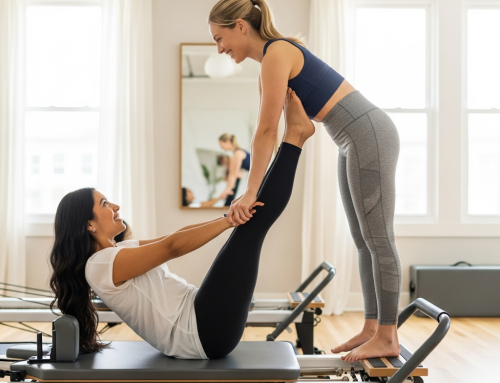
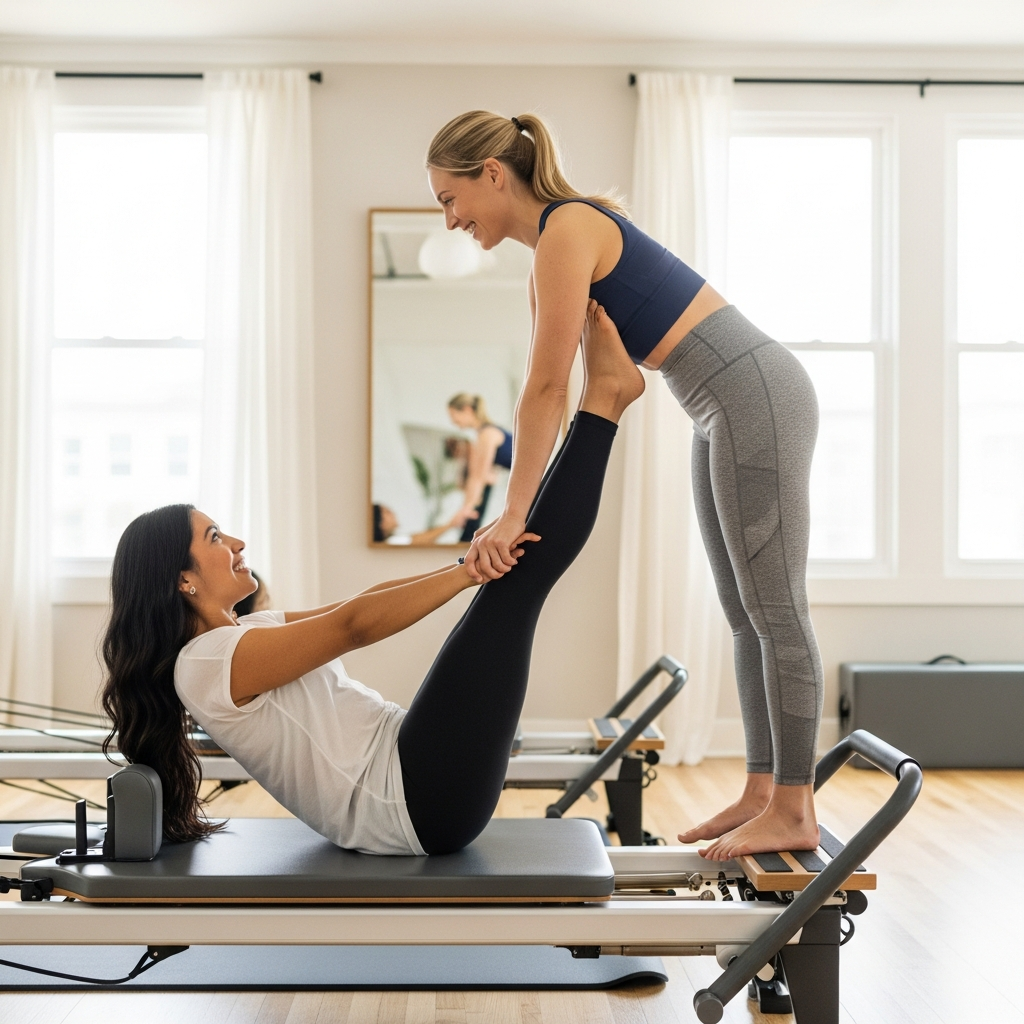
Here’s what’s fascinating about Pilates studios compared to traditional gyms: the intimacy factor changes everything. When you’re in a room with 8-10 people instead of 80, suddenly the instructor can actually *see* you. Not just your general form, but the way your left shoulder hikes up when you’re nervous, or how you favor your right side.
This visibility might sound intimidating at first – and honestly, for some people it is. But there’s something counterintuitive that happens… when an instructor can truly observe you, they can offer real help instead of generic cheerleading.
Think about it like learning to drive. Would you rather learn in a packed parking lot where nobody’s paying attention (and you might crash into someone), or with a patient instructor who can spot your blind spots before they become problems?
Small Group Magic – The Sweet Spot
EBODY’s approach to class sizes isn’t arbitrary – there’s actually some psychology at play here. Too small, and you feel like you’re under a microscope. Too large, and you’re invisible again. But that 6-10 person range? That’s the sweet spot where you feel seen but not scrutinized.
It’s like the difference between a dinner party and a stadium concert. At the dinner party, you can ask the host where the bathroom is without feeling weird about it. You can admit you’ve never tried that fancy cheese before. There’s room for questions, adjustments, real conversation.
In these smaller Pilates classes, you start recognizing the same faces week after week. Sarah always struggles with the same balance exercise you do. Tom makes the same grunt of effort during the hundred that you feel like making. Suddenly you’re not alone in your confusion about whether your core is actually “engaging” or just… existing.
The Instructor Factor – Guide, Not Guru
Here’s where things get really interesting – and where many studios either nail it or completely miss the mark. The best Pilates instructors at places like EBODY aren’t trying to be fitness gods dispensing wisdom from on high. They’re more like skilled translators.
Your body is constantly sending you signals, but let’s be honest – most of us don’t speak fluent “body language.” We feel something in our lower back but can’t tell if it’s good work or a warning sign. We think we’re engaging our core, but really we’re just holding our breath and hoping for the best.
A supportive instructor becomes your interpreter. They help you understand what your body is actually doing versus what you think it’s doing. And here’s the kicker – they do this without making you feel stupid about the gap between the two.
Creating Permission to Be Imperfect
Maybe the most radical thing about a truly supportive studio environment is how it handles mistakes and limitations. In our achievement-obsessed culture, we’re used to hiding our weaknesses, pushing through pain, pretending we understand when we don’t.
But Pilates – especially in a supportive environment – actually requires you to work with your current reality. Can’t lift your leg that high today? Okay, let’s work with where you are. Feeling wobbly in that balance pose? Welcome to being human.
It’s like the difference between a teacher who makes you feel dumb for asking questions and one who says, “Oh good, if you’re wondering about this, probably half the class is too.” The supportive studio actively creates permission to be exactly where you are right now, even if that’s not where you want to be eventually.
This foundation of acceptance and genuine observation sets the stage for everything else that makes EBODY special in Grand Prairie’s fitness landscape…
Finding Your Spot in the Studio (Yes, Location Actually Matters)
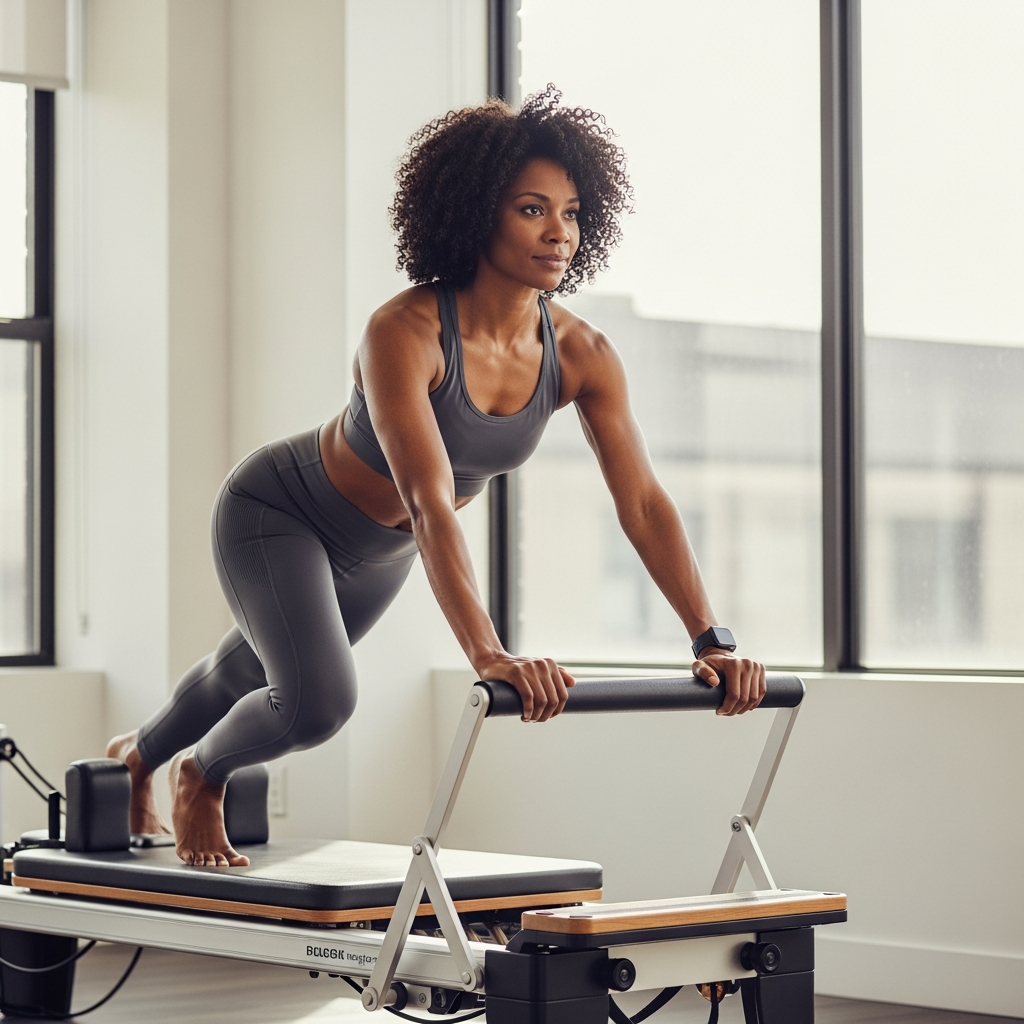
Here’s something most people don’t realize – where you position yourself in the studio can make or break your first few sessions. If you’re new to reformer Pilates, don’t automatically head to the back row thinking you’ll hide there. Actually, that’s the worst spot for beginners.
Instead, claim a spot in the middle section where you can see the instructor clearly but aren’t directly in their line of sight for demonstrations. You’ll catch all the cues without feeling like a specimen under a microscope. Plus, you can steal glances at the person next to you when you’re completely lost on that weird leg circle thing… we’ve all been there.
The studios at EBODY are designed with sight lines in mind, so even the “back” isn’t really hidden. But that middle sweet spot? That’s where the magic happens for newcomers.
Making Friends with the Front Desk Staff (They’re Your Secret Weapon)
Look, the front desk team knows everything – which classes run a bit over, which instructors explain modifications best, when the studio gets that perfect temperature before the air conditioning kicks in too hard.
Don’t just rush past them with a quick wave. Actually chat for a minute. Mention you’re new, ask about their favorite classes, or even complain about the weather. These conversations aren’t just pleasantries – they’re intel gathering. Sarah at the front desk might casually mention that Thursday’s 6 PM class tends to be smaller, or that instructor Maria is particularly good with shoulder issues.
And here’s a pro tip: if you’re running late, text or call ahead. They can often hold your reformer for a few extra minutes, especially if you’ve built that relationship.
The Unspoken Studio Etiquette That Nobody Tells You
Every studio has its rhythm, and EBODY’s no different. Arrive about 10-15 minutes early – not just to check in, but to mentally transition. You know how you need a minute to switch from “work brain” to “gym brain”? Same principle applies here.
Keep your water bottle on the floor beside your reformer, not on the equipment itself. Those springs and pulleys don’t play well with spilled liquids, and you’ll earn some side-eyes from the regulars if you’re creating puddles.
Here’s the thing about modifications – take them without apology. The instructor isn’t singling you out when they suggest using a lighter spring or skipping that impossible-looking exercise. They’re actually including you in the experience rather than letting you struggle in silence.
And speaking of silence… it’s okay to grunt, breathe heavily, or even let out the occasional “oh my god” when an exercise hits different than expected. This isn’t a library – it’s a place where people work hard.
Building Your Support Network (Beyond Just Showing Up)
The most supportive thing about EBODY isn’t actually the equipment or even the instructors – it’s the community that naturally forms when people show up consistently. But you’ve got to meet them halfway.
Try to take the same class time a few weeks in a row. You’ll start recognizing faces, maybe exchange eye rolls during particularly challenging sequences. These micro-connections matter more than you think. Soon someone’s asking if you’re okay when you miss a week, or sharing which grip works better for those rowing exercises.
Don’t be afraid to introduce yourself to classmates before or after sessions. Most people are surprisingly open about their own struggles and victories. You might discover that the woman who makes every move look effortless actually started just six months ago and was terrified during her first month.
Communicating with Instructors Like a Pro
Here’s what most people get wrong – they either share their entire medical history in detail or say nothing at all about limitations or goals. Find the middle ground.
Before class starts, give your instructor the headline version: “I’m dealing with some lower back tightness” or “My left shoulder’s been cranky lately.” They don’t need the full story of how it happened, but they do need enough information to help you safely.
And please, ask questions during class. Not lengthy discussions, but quick clarifications like “Should I feel this in my core?” or “Is my alignment right?” Instructors at EBODY are trained to give quick, helpful adjustments without disrupting the flow.
The goal isn’t to become the teacher’s pet – it’s to create a dialogue that helps you get the most out of each session while building confidence in your own body awareness.
When Your Body Doesn’t Cooperate (And Everyone Else Seems to Get It)
Let’s be real – walking into any fitness studio for the first time feels like being the new kid at school. At EBODY Pilates, we see it constantly: that deer-in-headlights look when someone realizes they can’t quite figure out the reformer springs, or when their core shakes like a leaf during what looks like a “simple” exercise.
The thing is, your body might feel completely different from day to day. Yesterday you nailed that roll-up, today you can barely sit up straight. It’s not just you – hormones, stress, sleep, even the weather can throw everything off. The instructors get this completely. They’re not expecting you to be a machine that performs identically every session.
When you’re struggling, speak up. Seriously. That modification you think makes you look “weak”? It actually shows you’re listening to your body and working smart. The person next to you who seems effortless? They’ve probably been here for months, and they definitely had their own wobbly moments starting out.
The Comparison Trap (It’s Sneaky and Universal)
Here’s what happens – you’re focusing on your breathing, feeling pretty good about your progress, then you glance over and see someone flowing through movements like they’re dancing. Suddenly your brain starts that familiar spiral: “They’re stronger, more flexible, probably started Pilates in the womb…”
The reality? Everyone’s dealing with something. That graceful person might be recovering from an injury, or struggling with anxiety, or working through their own challenges that aren’t visible. Plus – and this might sound obvious but it’s worth saying – they’re not you. Your hip mobility isn’t theirs. Your core strength journey doesn’t need to match anyone else’s timeline.
At EBODY, the instructors actively work against this comparison culture. They’ll remind the class that everyone’s body is different, point out various modifications happening around the room, celebrate small wins. But honestly, some of this work happens in your own head too.
When Life Gets in the Way (Because It Always Does)
You had grand plans to attend three classes this week. Then your kid got sick, work exploded, your car made that weird noise… and suddenly it’s been two weeks since you’ve been in the studio. The guilt creeps in, along with that voice saying you’ve “fallen off track” or “lost momentum.”
This is where EBODY’s approach really shines. They don’t make you feel like you’re starting from scratch every time life happens. Your spot isn’t given away because you missed a week. The instructors remember where you were in your practice and help you ease back in without judgment.
But here’s something practical – instead of the all-or-nothing mentality, think smaller. Can’t make it to the studio? Maybe it’s five minutes of breathing exercises at home. Traveling? Some gentle stretches in your hotel room. It’s not about maintaining peak performance; it’s about maintaining connection to the practice.
The Mental Game (When Your Brain Is Your Biggest Challenge)
Sometimes the hardest part isn’t the physical movement – it’s quieting that internal chatter. You know the voice: “You’re not doing this right, everyone can see you struggling, you should have started this years ago…” That voice can be louder than any instructor’s cue.
Pilates demands presence in a way that can feel uncomfortable at first. You can’t really zone out and go through the motions like you might on a treadmill. Your mind has to stay engaged with your body, and for many of us, that’s… intense.
The instructors at EBODY understand this mental component. They’ll often remind the class to stay curious rather than critical, to notice without judging. Some days that works, some days it doesn’t. Both are okay.
Building Your Own Support System
Here’s something that might surprise you – some of the strongest connections happen not during class, but in those few minutes before and after. People sharing modifications that worked for them, commiserating about challenging days, celebrating breakthroughs.
You don’t have to be social if that’s not your thing, but staying open to these small interactions can really change your experience. That person who always sets up next to you? They probably feel just as uncertain sometimes. The instructor who seems to read your mind with perfect cues? They had to learn how to help bodies like yours through lots of practice and attention.
The community builds itself, really. But it starts with showing up – messy days, good days, and everything in between.
What to Expect in Your First Few Sessions
Let’s be honest – walking into any new fitness studio feels a bit like the first day of school, doesn’t it? You’re wondering if you’ll know what you’re doing, if you’ll fit in, if the instructor will be patient with your questions. At EBODY Pilates, that nervous energy is completely normal, and frankly… everyone’s been there.
Your first session will likely involve more talking than you’d expect. We’re not just jumping straight into complex movements – we want to understand your body, your goals, and any concerns you might have. Maybe your lower back’s been acting up, or perhaps you’re dealing with some shoulder tension from too many hours hunched over a computer. These details matter because they shape how we’ll approach your practice.
The initial weeks? They’re all about learning the language of Pilates. You’ll hear terms like “neutral spine” and “core engagement” – don’t worry if it feels like learning a foreign language at first. Most people need about 4-6 sessions before things start clicking. And by clicking, I mean that moment when you stop overthinking every movement and actually start feeling the work in your body.
Building Consistency (Without the Pressure)
Here’s where I need to be real with you – consistency matters more than intensity. We’ve seen people burn out trying to attend five classes a week right out of the gate. That enthusiasm is wonderful, but your body needs time to adapt.
Most of our members find their sweet spot with 2-3 sessions per week. Some weeks life gets crazy and you can only make it once… that’s fine. The studio isn’t going anywhere, and neither is your progress. Actually, I’ve noticed that people who give themselves permission to be human – to miss a week here and there without guilt – tend to stick with it longer.
Within about 6-8 weeks of regular practice, you’ll probably notice some shifts. Maybe it’s easier to get out of bed in the morning, or you catch yourself standing taller without thinking about it. The dramatic “after” photos you see on social media? Those usually come after months, not weeks. But the subtle improvements in how you feel? Those can start showing up pretty quickly.
The Community Aspect (It Happens Naturally)
I know some people worry about the social component – like, what if I’m not the chatty type? Here’s the thing: the community at EBODY develops organically. You might start with just nodding hello to the same faces you see in your regular classes. Then maybe someone mentions they love your water bottle, or you both groan good-naturedly about a particularly challenging sequence.
Don’t feel pressured to be anyone other than yourself. Some of our most beloved members are the quiet ones who just show up consistently and do their work. Others are the chatters who somehow manage to talk through an entire plank hold (honestly, how do they do that?).
When to Expect Those “Aha” Moments
There’s usually a moment – often around the 2-3 month mark – when something just shifts. You might nail a movement that’s been giving you trouble, or suddenly realize you’ve been sitting differently at work without even thinking about it. These breakthroughs don’t happen on schedule, though. Your body has its own timeline.
Some people see improvements in their posture first. Others notice better sleep or less back pain. A few lucky ones feel stronger almost immediately. There’s no right or wrong way for your body to respond – it’s all information about what you need.
Moving Forward (Your Practice, Your Pace)
As you settle into your practice, you might find yourself curious about different class formats or ready to try more challenging variations. That’s great, but remember – this isn’t a race. Your relationship with Pilates should feel sustainable, not like another item on your overwhelming to-do list.
The instructors will offer progressions when they sense you’re ready, but you’re always in control. Want to stick with modifications? Perfect. Ready to try something new? We’ve got options. The beauty of a supportive studio environment is that you get to define what progress looks like for you.
And if you hit a plateau or feel frustrated? That’s normal too. Talk to your instructors – they’ve probably been through similar phases themselves and can help you navigate whatever comes up.
You know what really strikes me about places like EBODY Pilates? It’s not just the equipment or even the expert instruction – though both are fantastic. It’s that feeling you get when you walk through those doors… like someone actually gets it.
Finding a fitness space where you don’t feel judged can feel impossible sometimes. Especially when you’re dealing with weight concerns, past injuries, or just that nagging voice in your head saying you’re not “fit enough” to belong. But here’s the thing about truly supportive environments – they meet you exactly where you are. No pretense, no intimidation factor. Just genuine care wrapped up in professional expertise.
The Grand Prairie community has something special in studios that prioritize this kind of atmosphere. When instructors take the time to learn your name, remember your goals, and check in on how you’re feeling… that’s not just good customer service. That’s the foundation for real, lasting change. And honestly? It makes all the difference between giving up after a few sessions and building something that actually sticks.
What I love most is how the right environment naturally creates accountability without pressure. You want to show up – not because you’ll get in trouble if you don’t, but because these people genuinely care about your progress. There’s something powerful about having a team in your corner, especially when the journey feels overwhelming.
Whether you’re managing weight loss goals, recovering from an injury, or simply wanting to feel stronger in your own skin, the support system matters more than we sometimes realize. It’s the difference between white-knuckling through a workout routine and actually enjoying the process of getting healthier.
And let’s be honest – we all need that extra encouragement sometimes. Those days when motivation is nowhere to be found, when the scale isn’t cooperating, or when life just feels too heavy… having a place where people understand and support you? That’s not just nice to have. It’s essential.
The beautiful thing about finding your people in fitness is how it ripples out into everything else. When you feel supported in taking care of your body, that confidence starts showing up everywhere. You make better food choices, you sleep better, you handle stress differently. It’s like this positive spiral that starts with feeling safe enough to try.
If you’ve been searching for that kind of support – whether it’s your first time trying Pilates or you’re looking to restart after a break – don’t let another month slip by wondering “what if.” Your health deserves that investment, and more importantly, you deserve to feel supported along the way.
Ready to see what all the fuss is about? Give us a call or stop by for a consultation. We’d love to chat about your goals and how we might help you reach them. No pressure, no sales pitch – just an honest conversation about what you’re hoping to achieve and whether we might be a good fit. Because the right support system changes everything, and everyone deserves to find their place where health feels achievable, sustainable, and maybe even enjoyable.