Unraveling the Mystery: The Difference Between Pilates and Mat Pilates
Introduction:
Are you among the countless fitness enthusiasts who have been caught up in the intriguing world of Pilates? If so, you might be curious about the different types of Pilates, notably Pilates and Mat Pilates. These two terms often seem to be used interchangeably, leading to confusion. However, they are not exactly the same. If you’ve ever wondered, “What is the difference between Pilates and Mat Pilates?” you’ve come to the right place.
In today’s fast-paced world, where everyone is looking for effective ways to stay fit, understanding the nuances of the workouts we choose can help us make the most of our fitness journey. With the increasing popularity of Pilates, it’s high time we delve deeper into its variants, specifically – Pilates and Mat Pilates.
Pilates is a fitness system that focuses on improving flexibility, strength, and body awareness without necessarily building bulk. Developed by Joseph Pilates in the early 20th century, it incorporates elements of yoga, martial arts, and Western forms of exercise. On the other hand, Mat Pilates is a floor-based form of Pilates performed on a mat, emphasizing core strength and stability.
But what actually differentiates these two types of Pilates? Is one superior or more beneficial than the other? And more importantly, which one is right for you? We will comprehensively answer these questions in this blog post.
In this insightful guide, we will explore the origins of Pilates, dive into what sets Pilates and Mat Pilates apart, and discuss the unique benefits each has to offer. We will also provide advice on how to choose between Pilates and Mat Pilates based on your individual goals, needs, and preferences. We’ll even share some expert tips to maximize your results from these workouts.
Understanding Pilates and Mat Pilates in depth matters immensely to anyone interested in these forms of exercise. Whether you’re a beginner looking to explore the world of Pilates or an experienced practitioner trying to optimize your routine, having a clear grasp of these two types can significantly impact your fitness journey.
Knowing the difference between Pilates and Mat Pilates can help you choose the right classes, use the appropriate equipment (or lack thereof), and tailor your workouts to your specific goals. Moreover, it can help you understand the principles underlying these exercises, enabling you to perform them more effectively and safely.
So, are you ready to embark on this enlightening journey into the heart of Pilates? Let’s unravel the mystery together and equip you with the knowledge you need to make informed decisions about your fitness regimen. After all, when it comes to fitness, knowledge isn’t just power – it’s the key to progress, effectiveness, and long-term success.
Stay tuned as we dive deep into the captivating world of Pilates and Mat Pilates. Whether you’re here out of curiosity or a desire to enhance your fitness routine, we promise you an enriching read that will leave you with a newfound appreciation for the intricate world of Pilates. Let’s get started on this exciting exploration, shall we?
The Distinction Between Pilates and Mat Pilates
Pilates is a holistic approach to health and wellness that has been practiced worldwide for over a century. Originated by Joseph Pilates in the 20th century, this innovative form of exercise focuses on the core postural muscles that assist in keeping the body balanced and are fundamental to providing support for the spine. Pilates exercises aim to strengthen the body in an even way, emphasizing core strength to improve general fitness and wellbeing.
Pilates workouts are typically performed on a mat or using special apparatus, providing either resistance or support, depending on the specific exercise. The equipment-based workouts are generally more intense, offering a higher resistance and a more challenging workout. However, all types of Pilates have something to offer and can provide significant benefits, such as improved strength, balance, flexibility, and overall body awareness.
To understand the difference between Pilates and Mat Pilates, it is essential first to understand the basics of Pilates itself. The main principles of Pilates include concentration, control, centering, precision, breath, and flow. These principles are designed to integrate the mind and body, with a particular focus on the quality of movement rather than the quantity of repetitions.
Pilates exercises can be either weight-bearing (performed against gravity) or non-weight-bearing (performed with the assistance of gravity). They can be done standing, sitting, kneeling, or lying down. The exercises focus on a variety of muscle groups and are designed to balance the body and strengthen the ‘powerhouse’ – the area from the lower ribs to the pubic bone, including the abs, lower back, hips, and buttocks.
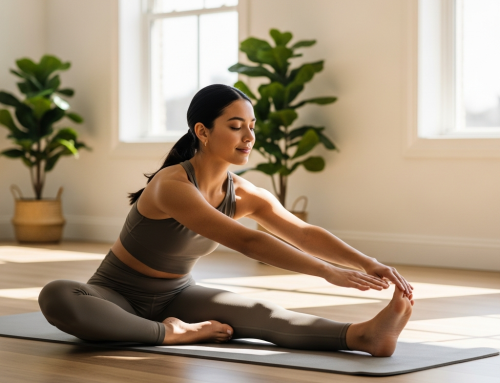
Now let’s delve into Mat Pilates. Mat Pilates is a series of exercises from within the Pilates Method designed specifically to be performed on a mat. Mat Pilates is often considered the most accessible form of Pilates, as it requires little equipment and can be done virtually anywhere. It’s a great starting point for beginners, offering a comprehensive workout that focuses on the body’s core, while also challenging strength, flexibility and endurance.
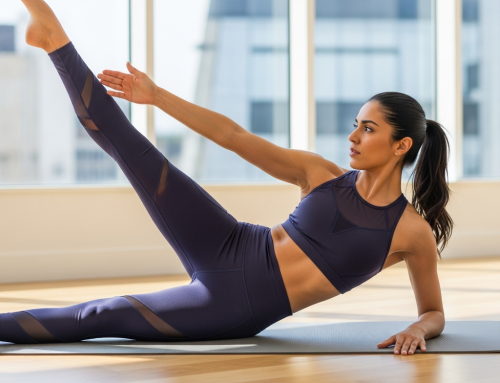
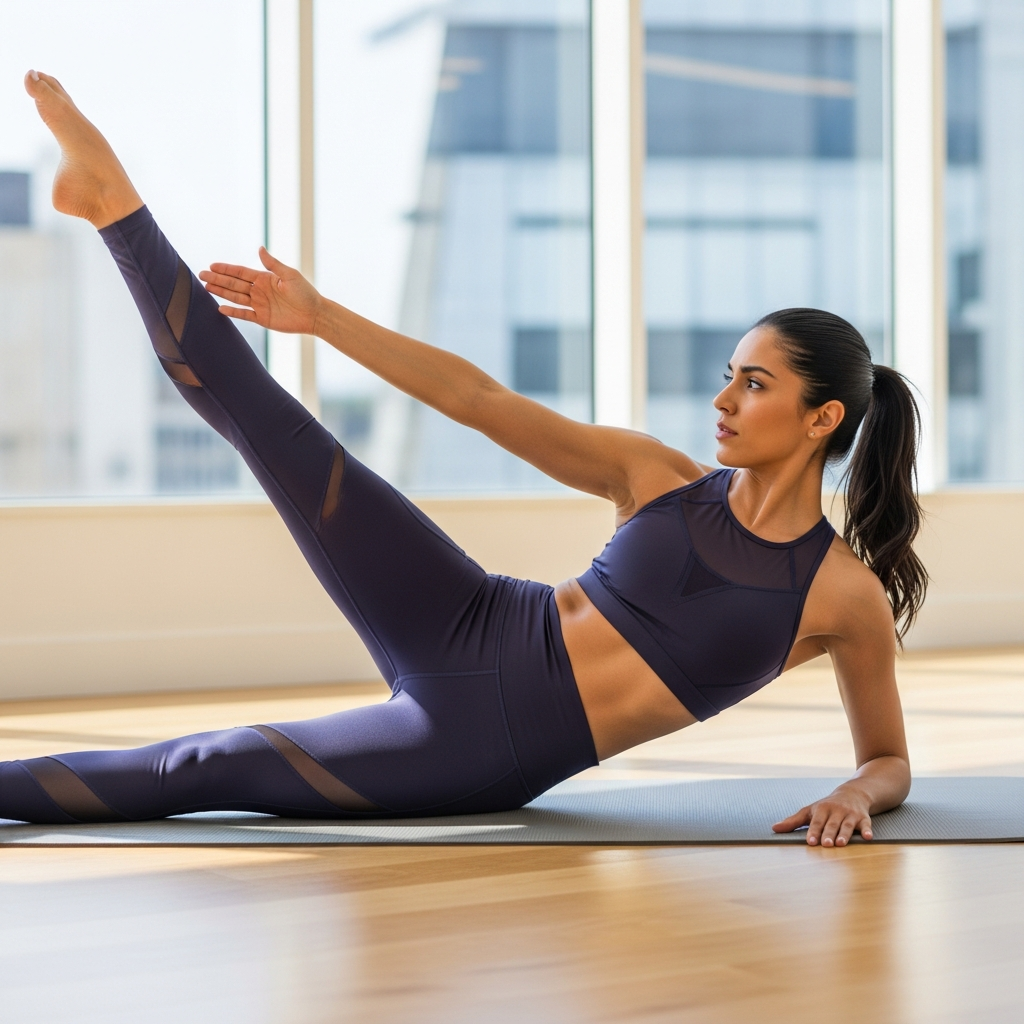
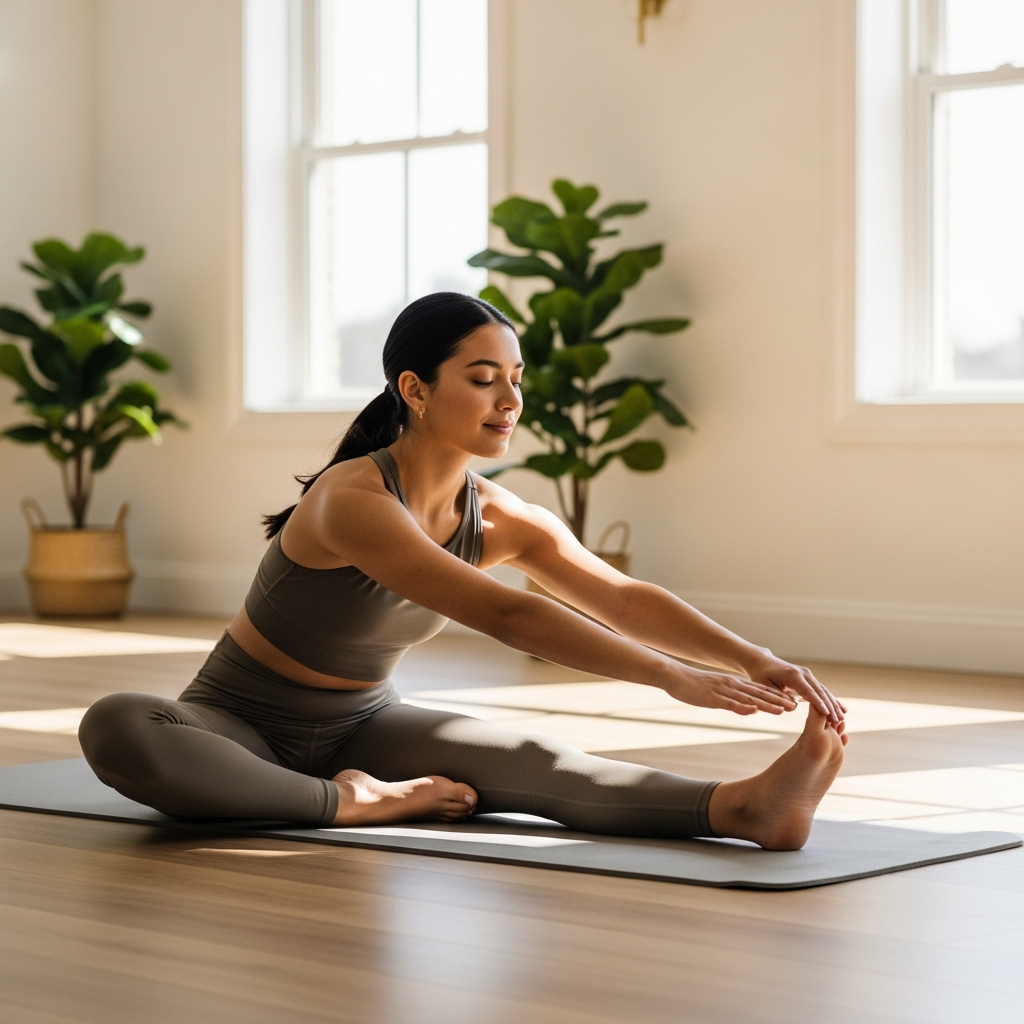
In Mat Pilates, the central focus is on strengthening and stabilizing the core, but the exercises also work other areas of your body, such as your hips, shoulders, and posterior chain (the backside of your body). Mat exercises are performed in a seated or lying down position and use your body’s own weight as resistance.
While both Pilates and Mat Pilates use the same fundamental principles and target the same muscle groups, there are some differences between the two. The primary difference lies in the use of equipment and the intensity of the workout.
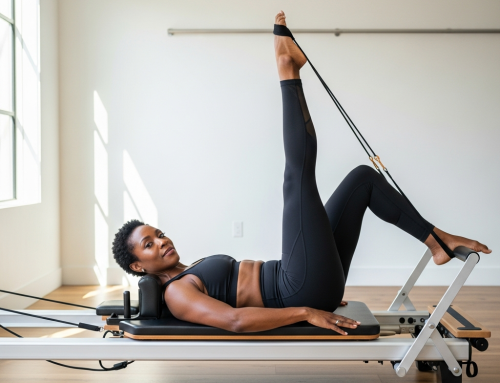
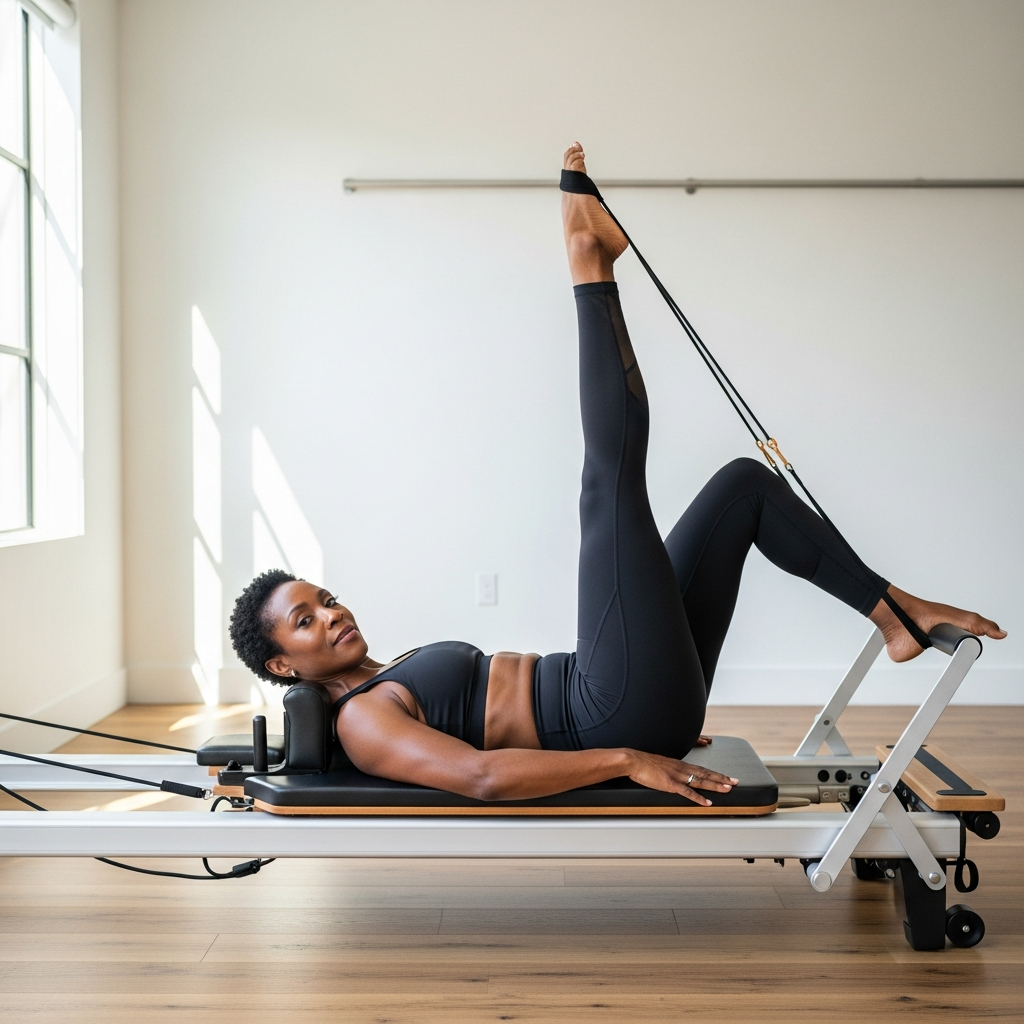
Traditional Pilates, often referred to as apparatus Pilates or studio Pilates, is performed using a variety of specialized equipment, including the Reformer, Cadillac, Wunda Chair, Spine Corrector, Ladder Barrel, and more. This equipment uses springs to provide additional resistance or support, which can make the exercises more challenging or assist with their execution.
On the other hand, Mat Pilates does not utilize any of this equipment. Instead, the exercises are performed using only your body weight for resistance. This makes Mat Pilates a more accessible option for many people, as it can be done without any special equipment and can be easily adapted for different fitness levels.
While Mat Pilates is an excellent way to build core strength and improve flexibility and balance, it may not provide the same level of challenge or variety as equipment-based Pilates. On the other hand, because Mat Pilates exercises are often more straightforward and less complex than those done on the equipment, they can offer an excellent way to learn the foundations of Pilates and build a strong base of strength and flexibility.
In conclusion, while there are differences between Pilates and Mat Pilates, both forms offer a range of benefits and can be a valuable part of a comprehensive fitness program. The choice between the two will depend on your individual fitness goals, needs, and preferences. Some people may prefer the additional challenge and variety offered by equipment-based Pilates, while others may find that Mat Pilates is a perfect fit for their lifestyle and fitness level.
Discerning the Difference: Pilates vs. Mat Pilates
Pilates, a fitness system developed in the early 20th century by Joseph Pilates, has become a popular form of exercise worldwide. Not only does it improve physical strength, flexibility and posture, but it also enhances mental awareness. However, when people hear the term ‘Pilates,’ they often confuse traditional Pilates with Mat Pilates. Although they share the same foundational principles, there are significant differences between them.
Traditional Pilates – The Comprehensive Approach
Traditional Pilates, also known as apparatus or studio Pilates, incorporates various equipment, including the Reformer, Cadillac, Wunda Chair, Ladder Barrel, Spine Corrector, and more. These machines, designed with springs to provide resistance, aid in performing the exercises correctly. They assist in establishing alignment, enhancing flexibility, and building strength.
For instance, the Reformer, one of the most renowned pieces of Pilates equipment, is made of a sliding carriage rigged with springs, ropes and a bar. Users can move the carriage by either pulling on ropes or pushing off from a stationary bar, thus challenging stability and strength.
One of the benefits of traditional Pilates is its adaptability to all fitness levels. The equipment can be adjusted according to each person’s ability, making it an excellent option for beginners, the elderly or those recovering from injuries.
Mat Pilates – The Streamlined Method
Mat Pilates, as the name suggests, is performed on a mat and uses only body weight as resistance. This form of Pilates focuses on core strengthening or ‘powerhouse’ as Joseph Pilates referred to it – the area from your shoulders to your pelvis.
Mat exercises tend to be more straightforward than those performed on machines but do not mistake simplicity for ease. Without the assistance of machines, individuals have to rely solely on their body to perform movements correctly. For example, the ‘Teaser,’ a classic Mat Pilates move, requires one to balance on the tailbone while both the upper body and legs are lifted off the ground – a true test of core strength and coordination.
Mat Pilates is versatile and can be done anywhere, with no specific equipment required, making it a popular choice for home workouts. However, it might be challenging for beginners or individuals with specific physical limitations as there are fewer modifications available than in apparatus Pilates.
Comparing the Two – Which One is Right for You?
When deciding whether to choose traditional Pilates or Mat Pilates, it’s essential to consider your fitness level, goals, and preferences. Here are some points to ponder
1. Personalized Attention: Traditional Pilates classes are typically smaller, ensuring more personalized attention from the instructor. If you’re new to Pilates or need a more tailored workout due to an injury or medical condition, this could be beneficial.
2. Equipment vs. No Equipment: If you enjoy using equipment and like the assistance and challenge it provides, traditional Pilates will be your best bet. However, if you prefer a more minimalist approach or wish to practice Pilates at home or while traveling, Mat Pilates is the obvious choice.
3. Cost: Traditional Pilates classes generally cost more than Mat Pilates because of the equipment used and the smaller class sizes. If budget is a concern, Mat Pilates will be more affordable.
4. Core Strength vs. Full Body Workout: While both forms focus on core strength and stability, Mat Pilates has a stronger emphasis on the ‘powerhouse.’ On the contrary, traditional Pilates provides a more comprehensive full-body workout due to the variety of exercises possible on the different apparatus.
In conclusion, both traditional Pilates and Mat Pilates offer unique benefits and challenges. It’s not about which method is better, but rather which one suits your needs and lifestyle more. Try out both and see which one resonates with you. Remember, consistency is key in any exercise regime, so choose the one that you enjoy and are more likely to stick with.
Pilates vs. Mat Pilates: Common Challenges, Solutions and Expert Tips
If you’re looking to strengthen your core, improve your posture, or enhance your flexibility, you’ve likely heard about the benefits of Pilates. But what’s the difference between regular Pilates and Mat Pilates? Is one better than the other? Let’s delve into these questions, address common misconceptions, and provide expert insights into making the most of your Pilates practice.
Pilates is a body conditioning routine that may help build flexibility, muscle strength, and endurance in the legs, abdominals, arms, hips, and back. It puts emphasis on spinal and pelvic alignment, breathing, and developing a strong core. However, there are two main types of Pilates: Reformer Pilates and Mat Pilates. Understanding their differences is crucial to choosing the best workout for your needs.
Reformer Pilates involves a bed-like frame with a flat platform on it called the carriage. The carriage is attached to one end of the reformer by a set of springs which provide differing levels of resistance as exercises are performed. Movements include pushes and pulls, lifts and rolls, which engage various muscle groups.
Mat Pilates, on the other hand, requires no equipment other than a mat. It involves performing a series of movements that use your own body weight and gravity as resistance. The focus is on practicing precise movements that target specific muscles in the core including the abs, lower back, hips and buttocks.
One misconception is that one type of Pilates is intrinsically harder or easier than the other. The reality is that both types can be adjusted to offer a challenging workout for beginners to advanced practitioners. Reformer Pilates tends to be more intense and more dynamic due to its focus on larger muscle groups. However, Mat Pilates requires control and precision, with a heavy emphasis on technique.
Another common challenge is understanding the benefits of each type. Mat Pilates can be a valuable way to improve flexibility, posture, and balance, as well as to strengthen the core, while Reformer Pilates may yield quicker results in terms of overall body strength, stability and endurance.
When it comes to choosing between Mat and Reformer Pilates, consider your personal fitness goals, physical condition, and preferences. If you prefer group classes and have a tighter budget, Mat Pilates is usually more accessible and affordable. If you enjoy more personalized attention or have specific rehabilitation needs, you could benefit from Reformer Pilates.
Now, let’s move onto some expert tips for both types of Pilates
1. Understand your body: Pilates is about control and precision. Understanding your body’s strengths and weaknesses will help you perform the exercises more effectively.
2. Maintain proper posture: Whether you’re on the reformer or on the mat, maintaining proper posture is crucial for preventing injuries and getting the most out of your workout.
3. Prioritize quality over quantity: Instead of rushing through the exercises, focus on performing each movement with precision. This will help you engage and strengthen the right muscles.
4. Keep breathing: Proper breathing is integral to Pilates. It helps you execute movements with power and efficiency.
5. Be consistent: Like any fitness program, consistency is key in Pilates. Regular practice will yield better results.
6. Seek expert guidance: Especially for beginners, attending a class or having a trainer can provide necessary corrections and guidance to ensure the exercises are done correctly and safely.
Understanding these differences and tips can help you make an informed decision about which type of Pilates is right for you. Remember, the best form of exercise is one that you enjoy and can stick with in the long run. Whether you choose Mat Pilates or Reformer Pilates, both offer excellent ways to improve your strength, flexibility, and overall health.
Understanding the Difference Between Pilates and Mat Pilates: Expectations, Timelines, and Next Steps
Pilates, a physical fitness system developed in the early 20th century by Joseph Pilates, has become a popular method for maintaining strength, flexibility, and overall wellness. However, within the world of Pilates, there’s an ongoing debate about the difference between traditional Pilates and Mat Pilates. This article provides an in-depth look at these two forms of exercise, helping you decide which one best fits your fitness goals.
**Pilates vs. Mat Pilates**
First and foremost, it’s crucial to understand that Pilates and Mat Pilates are not entirely different disciplines. Instead, Mat Pilates is a subset of the broader Pilates method. Both practices focus on core strength, flexibility, balance, uniform development, and efficient movement patterns. The primary difference lies in the equipment used and the techniques involved.
Traditional Pilates sometimes referred to as apparatus Pilates or studio Pilates, utilizes a variety of equipment, including the Reformer, Cadillac, Wunda Chair, and more. These machines, featuring springs for resistance, support a complete range of exercises that can be modified according to individual needs and abilities.
On the other hand, Mat Pilates is performed on a padded mat and mainly uses the weight of your own body for resistance. While props like magic circles, foam rollers, or resistance bands can be added to enhance the workout, the principle remains to utilize the body as the primary source of resistance.
**What to Expect**
When it comes to traditional Pilates classes, you can expect a more personalized experience due to smaller class sizes. The use of equipment allows for a more tailored workout that can target specific muscle groups more intensely. It also provides a wider range of exercises that can help keep your workouts varied and exciting.
In contrast, Mat Pilates classes are typically larger but still provide an intimate, focused workout environment. The exercises in Mat Pilates tend to be more fluid, involving a lot of movement and transitions. This form of Pilates often emphasizes the ‘flow’ of sequences and can be a great choice for those seeking a more dynamic workout.
**Timelines**
Regardless of the type of Pilates you choose, it’s important to remember that progress takes time. As with any fitness regimen, consistency is key. Most practitioners begin to notice improvements in strength, flexibility, and posture within 8-10 weeks of regular practice. However, these timelines can vary depending on factors such as frequency of training, individual fitness levels, and commitment to the practice.
**Next Steps**
If you’re considering taking up Pilates, here are some practical steps to get you started
1. **Determine Your Goals:** Are you looking for rehabilitation from an injury, improving athletic performance, or simply seeking a low-impact way to stay fit? Your goals will help you decide which form – traditional Pilates or Mat Pilates – is best for you.
2. **Find a Qualified Instructor:** Regardless of the type of class you choose, ensure your instructor is well-qualified. They should have undergone comprehensive training that includes anatomy, physiology, and the principles of the Pilates method.
3. **Invest in Good Equipment:** If you’re going for Mat Pilates, invest in a quality Pilates mat. It should be thicker than a regular yoga mat to cushion your spine during exercises.
4. **Start Slow:** Don’t rush your progress. It’s better to perform fewer repetitions with proper form than to do many with poor technique.
5. **Stay Consistent:** Make Pilates a part of your regular fitness routine for the best results. Whether it’s at-home workouts or studio classes, strive for at least two to three sessions per week.
Whether you choose traditional Pilates or Mat Pilates, you stand to gain improved core strength, better flexibility, and a heightened sense of body awareness. By understanding your own fitness goals and taking the necessary steps to achieve them, you can make the most out of your Pilates journey.
In conclusion, understanding the difference between Pilates and mat Pilates is essential for anyone looking to engage in this form of physical fitness. Both offer tremendous benefits to the body, but they do have unique attributes that set them apart.
Pilates, in its full spectrum, is a comprehensive system of exercise that includes work on both the mat and specialized machines, like the Reformer and Cadillac. It was developed by Joseph Pilates in the early 20th century as a rehabilitation tool and holistic approach to physical wellness. Pilates exercises focus on building core strength, improving posture, and enhancing flexibility. With various equipment involved, these exercises can be modified to meet individual needs, making them suitable for people of all ages and fitness levels.
On the other hand, mat Pilates is a more specific category within the larger Pilates system. It solely focuses on exercises performed on a mat, similar to a yoga mat. Mat Pilates primarily targets the core muscles, but also engages the whole body. While it might seem less complex due to the lack of equipment, the absence of machines means that your body must do all the work, providing a challenging workout in its own right.
The choice between Pilates and mat Pilates typically depends on an individual’s specific goals and preferences. If you prefer a more versatile workout with many variations and levels of intensity, then full-spectrum Pilates may be a better fit for you. However, if you are more inclined towards a simpler, more accessible form of exercise or have limited space or resources, mat Pilates would be ideal.
Regardless of the choice you make, both forms of Pilates emphasize mindful movement, breath control, and body awareness. These aspects make Pilates not just a physical workout, but also a mental discipline that promotes overall health and well-being.
It’s important to remember that while you can learn and practice Pilates at home through online classes or DVDs, nothing beats the guidance of a certified Pilates instructor. Instructors are trained to ensure that you’re doing the exercises correctly, avoiding potential injuries and maximizing the benefits of your workout.
If you’re new to Pilates, it can be beneficial to start with mat exercises to gain a solid understanding of the principles and techniques. Once you’re comfortable, you can then explore Pilates on the machines.
Ultimately, whether you choose Pilates or mat Pilates, you’re making a choice to invest in your physical health and well-being. This form of exercise can strengthen your body, improve your posture, enhance your flexibility, reduce stress, and even help prevent injuries. It’s a versatile and adaptable system that can complement any lifestyle or fitness regimen.
We hope this article has provided you with a clearer understanding of the difference between Pilates and mat Pilates. If you have any further questions or need assistance in deciding which form is best for you, please don’t hesitate to get in touch with us. Our team of experienced trainers is readily available to guide you on your journey towards better health and fitness through Pilates. Remember, your fitness journey is unique to you. Let us help you make the most out of it. Contact us today to start your Pilates journey!