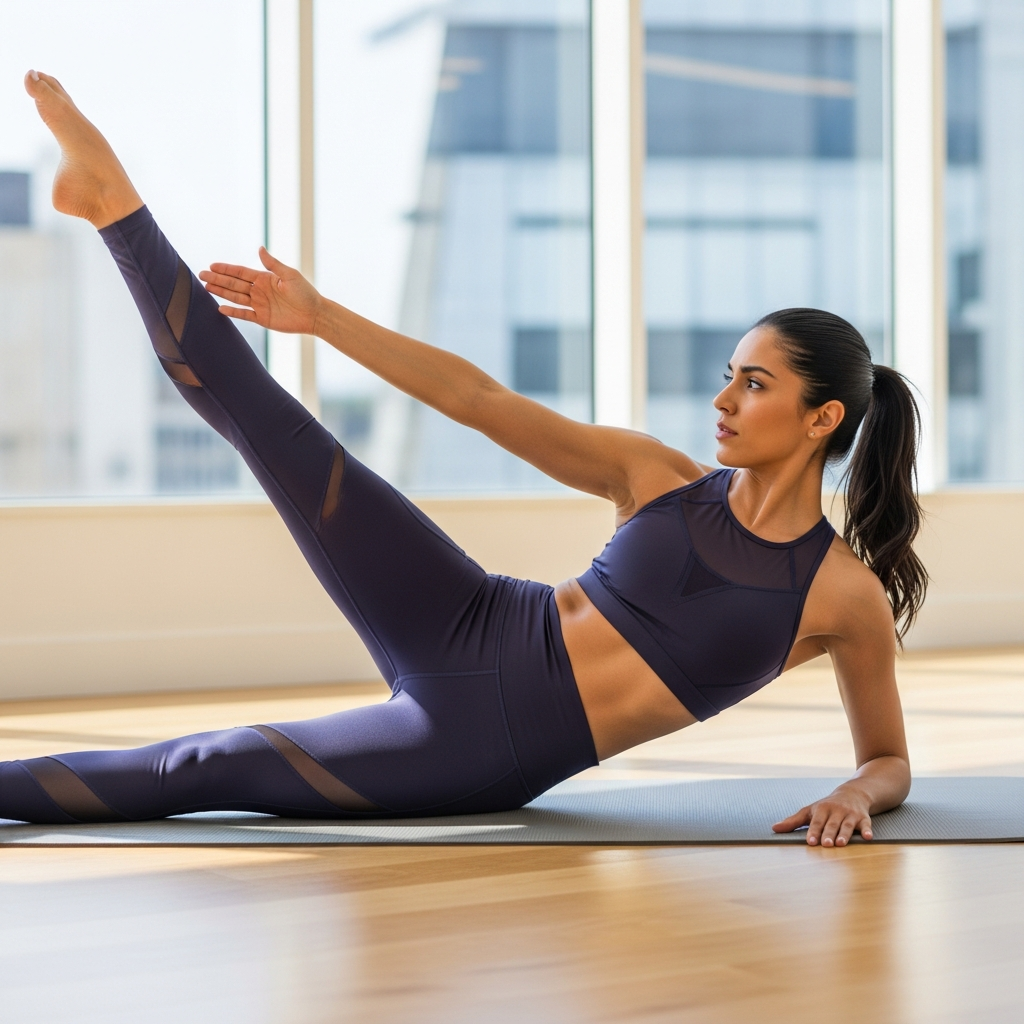
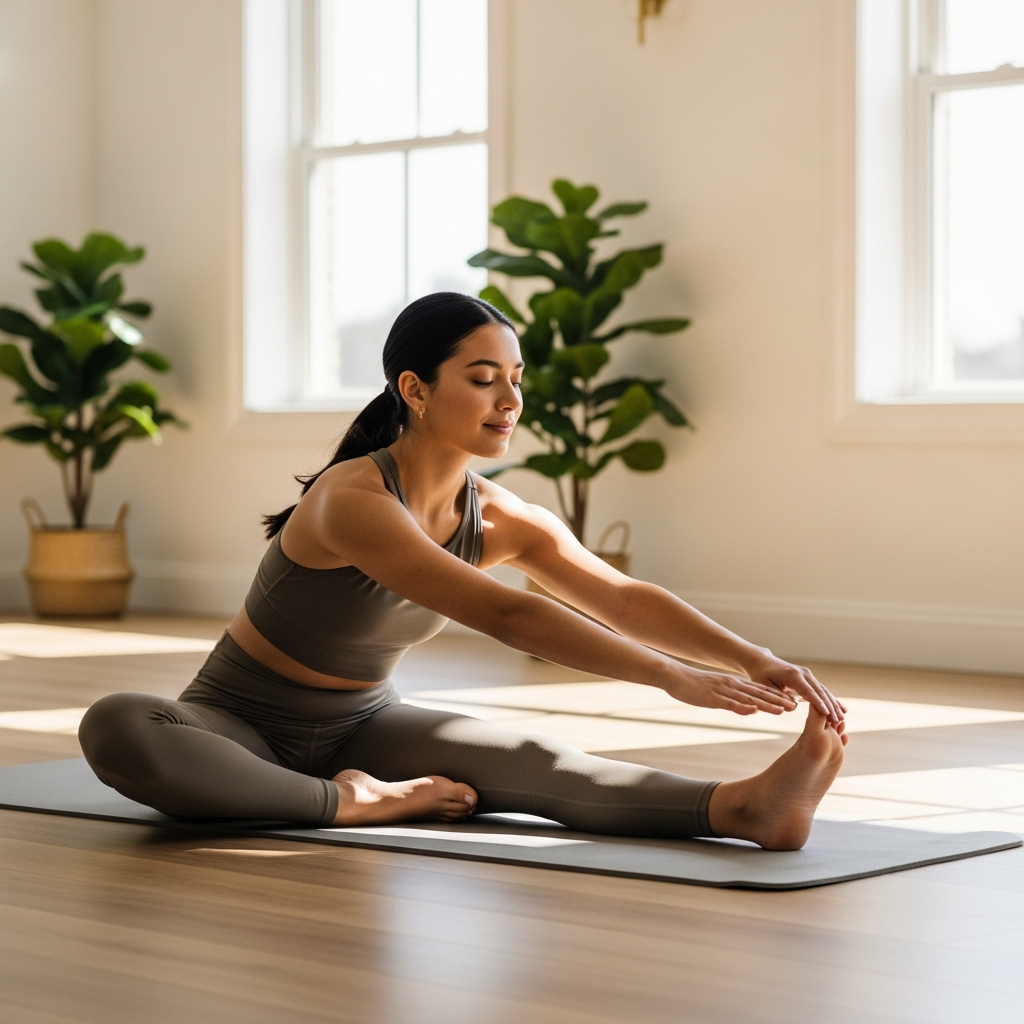
How EBODY Pilates Creates a Supportive Studio Environment in Mesquite
You walk into another fitness studio, and your stomach drops a little. That familiar flutter of anxiety – will I look foolish? Am I wearing the right thing? Does everyone here already know each other? You glance around at the equipment, the mirrors, the other people who seem so… confident. And you wonder, not for the first time, if maybe you should just turn around and go home.
We’ve all been there, haven’t we? That moment when trying something new for your health feels more intimidating than inspiring. Especially when it comes to Pilates – which, let’s be honest, can seem pretty mysterious from the outside. All those reformer machines that look like medieval torture devices, the precise movements you’re convinced you’ll never master, and the worry that everyone’s watching you struggle through your first class…
Here’s what I’ve learned after working with hundreds of people on their wellness journeys: the environment matters just as much as the exercise itself. Maybe more. Because you can have the most effective workout program in the world, but if you don’t feel safe, supported, and genuinely welcomed, you’re not going to stick with it. And if you don’t stick with it – well, we both know how that story ends.
That’s why what’s happening at EBODY Pilates in Mesquite caught my attention. Not just because they’re offering quality instruction (though they absolutely are), but because they’ve figured out something that many studios miss entirely. They’ve cracked the code on creating an environment where people actually want to show up – even on those days when motivation is running on empty.
You know that feeling when you walk into a friend’s house and immediately feel at ease? Where you can kick off your shoes, be yourself, and know you’re genuinely wanted there? That’s what we’re talking about here. Except instead of your friend’s living room, it’s a professional Pilates studio where real transformation happens.
The difference isn’t magic – it’s intentional. It starts with understanding that every person who walks through those doors is carrying something. Maybe it’s frustration with their body, anxiety about their health, or years of feeling like fitness just isn’t “their thing.” Maybe they’re dealing with an injury, recovering from surgery, or simply tired of feeling disconnected from their own strength.
What EBODY has figured out is that addressing those underlying concerns isn’t separate from the physical practice – it’s fundamental to it. Because here’s the thing: your body responds differently when your nervous system feels safe. Your mind learns better when you’re not constantly worried about judgment. And your motivation? It flourishes when you feel like you belong somewhere.
This isn’t about lowering standards or making everything easy. Quality Pilates instruction requires precision, focus, and yes, some challenge. But there’s a world of difference between challenging someone within a supportive framework and just throwing them into the deep end hoping they’ll figure it out.
Throughout this article, we’re going to explore exactly how EBODY creates that supportive environment – and why it matters for your results, not just your comfort. We’ll look at their approach to welcoming newcomers (spoiler: it starts before you even book your first class), how they handle the inevitable wobbles and mistakes that come with learning something new, and the specific ways they’ve designed their space and programming to work for real bodies with real limitations.
You’ll discover why their instructors spend as much time learning about communication and modification as they do perfecting their own form. We’ll talk about how they handle different fitness levels in the same class without anyone feeling left behind or held back. And yes, we’ll address the practical stuff too – what to wear, what to expect, and how to know if this particular approach might be the missing piece in your wellness puzzle.
Because at the end of the day, the best exercise program is the one you’ll actually do. And you’re much more likely to do it – consistently, enthusiastically, and with real results – when it feels less like enduring something and more like coming home to yourself.
What Makes a Fitness Space Actually Feel Safe
You know that feeling when you walk into a room and immediately know whether you belong there? It’s like some invisible force field – either welcoming you in or subtly suggesting you might be more comfortable elsewhere. EBODY Pilates in Mesquite seems to have cracked the code on creating the former, and honestly… it’s more complex than just hanging motivational posters and playing good music.
Think about your favorite coffee shop for a minute. What makes you choose that corner table week after week? It’s probably not just the caffeine – it’s the barista who remembers your order, the comfortable buzz of conversation, the way the lighting hits just right. Fitness studios work the same way, except the stakes feel higher because, let’s face it, we’re usually there feeling vulnerable about our bodies and abilities.
The Psychology Behind Feeling Supported (It’s Not What You Think)
Here’s where things get interesting – and slightly counterintuitive. Most people assume a supportive environment means constant cheerleading and participation trophies for everyone. Actually, that can backfire pretty spectacularly. Ever been in a group fitness class where the instructor was so aggressively positive it felt… fake? Like they were trying to convince themselves as much as you?
Real support operates more like a good friend who knows when to offer advice and when to just sit with you in comfortable silence. It’s about creating psychological safety – a term that sounds fancy but really just means you can mess up, ask questions, or have an off day without feeling judged.
In Pilates specifically, this becomes crucial because the movements can be… well, let’s call them humbling. You’re lying on your back trying to keep your shoulders down while lifting your head while pulling your belly button to your spine while breathing in a specific pattern. Meanwhile, the person next to you makes it look effortless. Without the right environment, that’s a recipe for self-consciousness and, eventually, quitting.
The Instructor Factor (More Art Than Science)
Great Pilates instructors are like master translators. They take Joseph Pilates’ century-old method – which, to be honest, can sound pretty cryptic when you first encounter it – and make it accessible to real people with real limitations.
But here’s the thing that took me way too long to understand: the best instructors aren’t necessarily the most technically perfect ones. They’re the ones who can read the room. They notice when someone’s struggling not just physically but emotionally. They know when to push and when to pull back, when to correct form and when to let someone build confidence first.
At EBODY, this seems to translate into instructors who treat modification as empowerment rather than limitation. You know how some fitness environments make you feel like using a prop or taking a simpler variation is admitting defeat? The opposite approach – where modifications are presented as intelligent choices – completely changes the dynamic.
Community Without the Cult Vibes
Fitness communities can go one of two ways: genuinely supportive or weirdly exclusive (think the gym equivalent of a high school clique). The difference often comes down to whether belonging feels conditional.
In truly supportive spaces, there’s room for different goals, different bodies, different paces. Someone training for their first 5K can coexist peacefully with someone preparing for a marathon. The grandmother working on balance after hip surgery isn’t made to feel less worthy than the former dancer perfecting advanced sequences.
This diversity actually strengthens the community rather than diluting it. It’s like a potluck dinner – everyone brings something different, but somehow it all works together better than any single dish would alone.
The Physical Space Matters More Than You’d Expect
Here’s something that might surprise you: the physical environment shapes behavior in ways we barely consciously register. Harsh fluorescent lighting makes everyone look tired and pale. Mirrors placed wrong can create anxiety instead of helpful feedback. Even the temperature affects whether people feel energized or sluggish.
Studios that nail the supportive environment thing pay attention to these details. Natural light when possible. Strategic mirror placement. Clean, organized equipment that doesn’t make you wonder about hygiene. Small touches that signal care and attention… because if they’re thoughtful about the details, they’re probably thoughtful about the people too.
Reading the Room – And Actually Acting on What You See
You know how some fitness spaces feel like they’re trying too hard to be intimidating? EBODY Pilates flips that script completely. The instructors here have mastered something that sounds simple but is actually incredibly difficult – they watch their students. Really watch them.
When you walk into class, they’re not just going through the motions. They’re noticing if you’re favoring your left side, if you seem overwhelmed by the reformer settings, or if you’re that person (we’ve all been there) who’s clearly trying to keep up with the advanced practitioner next to you.
Here’s what makes the difference: they adjust the entire room’s energy based on what they observe. If half the class looks like they’re struggling with a particular sequence, they’ll pause and break it down differently. No big announcement, no calling anyone out – just a subtle shift that makes everyone breathe a little easier.
The Art of Invisible Modifications
This might be the most genius thing about how EBODY creates their supportive environment… they’ve perfected what I call “stealth modifications.” You know how embarrassing it can be when an instructor loudly announces “Here’s an easier version for those who need it”? Yeah, they don’t do that.
Instead, they’ll demonstrate three different variations of every exercise as if they’re all equally valid options. Because honestly? They are. The person doing the “basic” version might be recovering from surgery, dealing with chronic pain, or simply new to Pilates. The person doing the advanced version might be a former dancer with hypermobile joints.
Watch for this next time you’re in class – they’ll say something like “You can keep your feet on the footbar, or if you want to challenge your stability, try lifting one foot, or for even more core work, try both feet off.” No hierarchy, no judgment, just options.
Creating Micro-Communities Within Classes
Here’s something I’ve noticed that’s pretty brilliant – the instructors at EBODY are constantly creating little moments of connection between students. Not forced interaction (because let’s be honest, some of us just want to work out in peace), but gentle opportunities.
They might pair people up for partner exercises, but they’re strategic about it. They’ll put the nervous newcomer with someone who’s naturally encouraging, or match people who are working at similar levels. Sometimes they’ll have the class give a collective “good job” after a particularly challenging sequence – and somehow it never feels cheesy.
It’s like they’re building tiny bridges between people who might otherwise just exist in their own workout bubbles. And gradually, you start recognizing faces, sharing knowing looks when the instructor cues a move everyone secretly dreads…
The Follow-Up Game is Strong
This is where EBODY really shows they get it – they don’t just teach the class and disappear. If you mention you’re dealing with lower back issues, don’t be surprised if they check in with you the next week. Not in an overwhelming way, but just a quick “How’s your back feeling today?”
They remember details. The instructor will recall that you’re training for a hiking trip, or that you mentioned wanting to improve your posture for work. Then they’ll slip in relevant cues or exercises that connect to your goals. It’s like having a personal trainer’s attention in a group class setting.
Making Equipment Less Intimidating
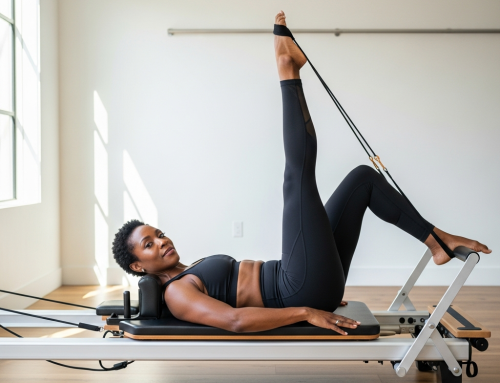
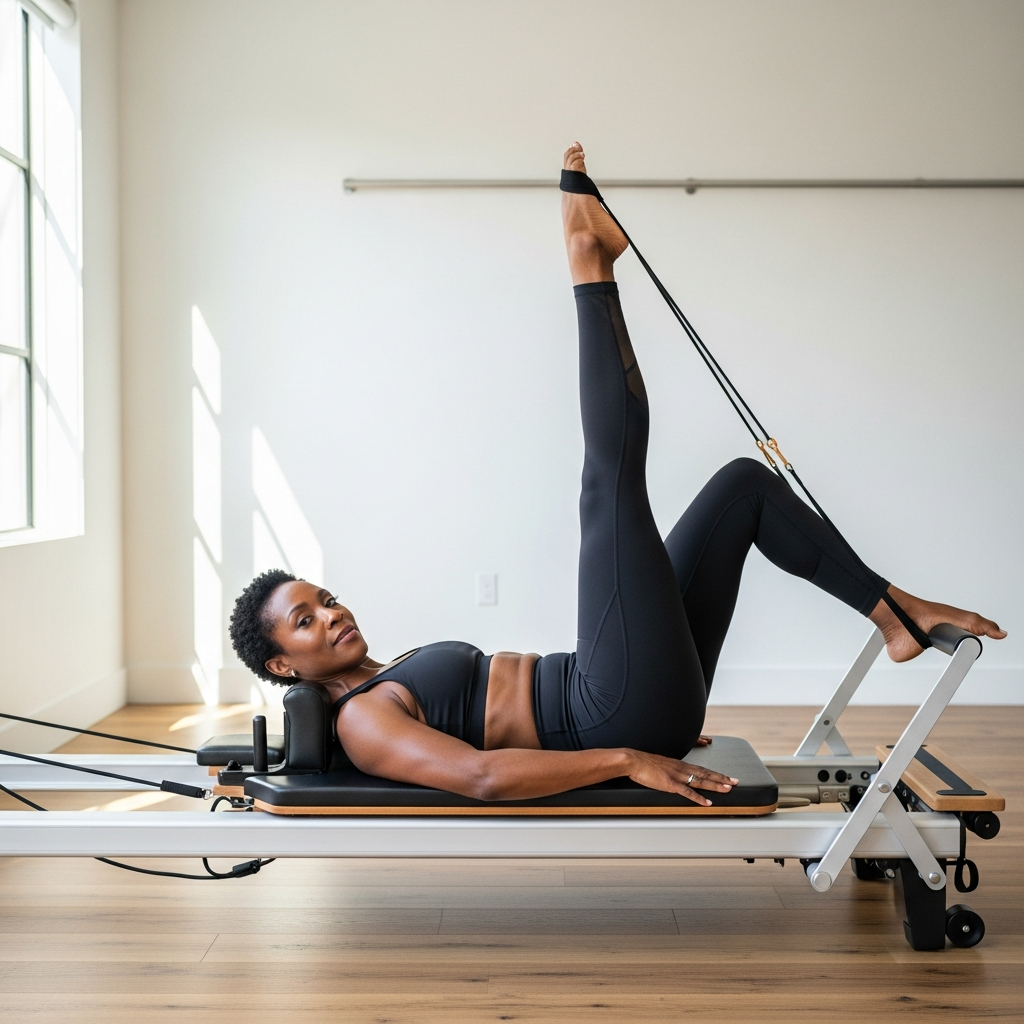
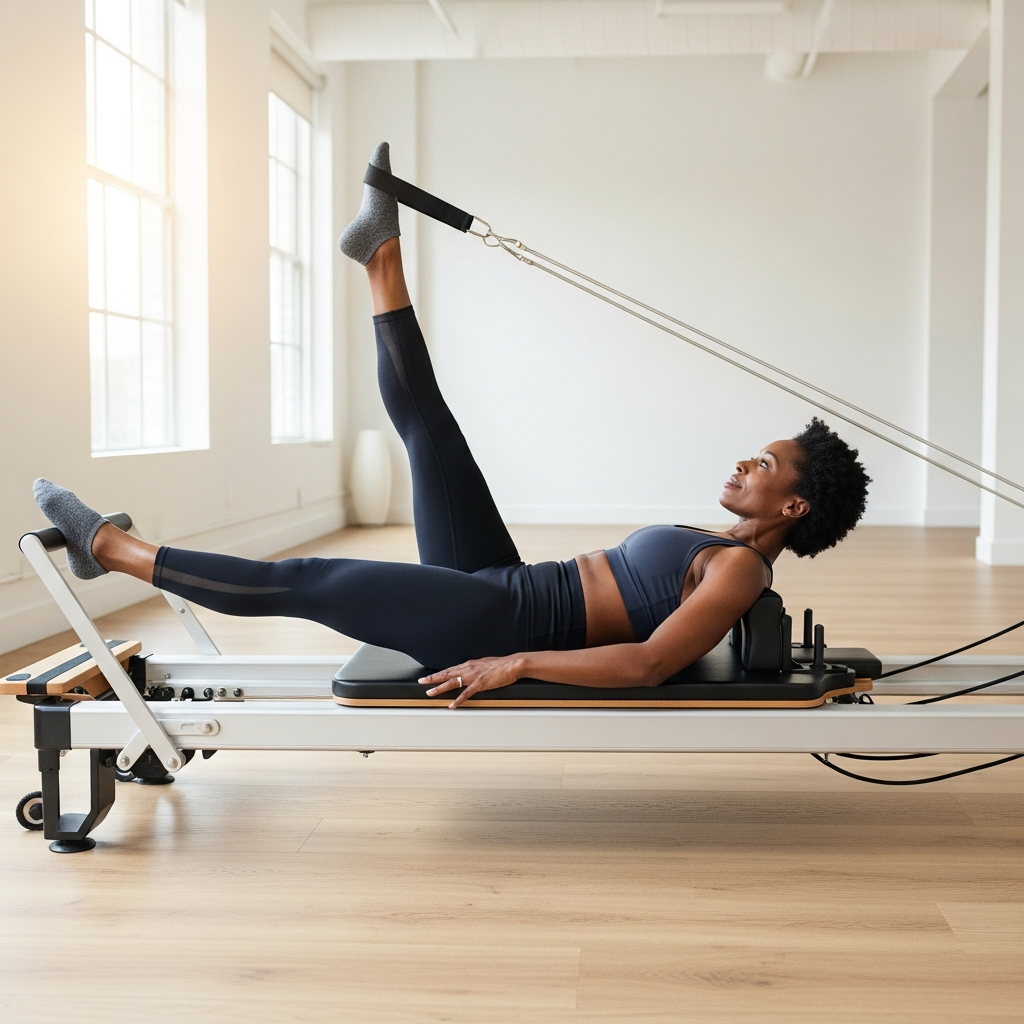
Let’s talk about those reformers for a second – they can look like medieval torture devices if you’ve never seen one before. EBODY’s approach here is pure psychology. They spend time in every beginner class just talking about the equipment. Not just how to use it, but why it’s designed the way it is, how it helps rather than hinders your movement.
They’ll show you how to adjust spring tension without making it seem like rocket science. They demonstrate how to get on and off the reformer gracefully (because nobody wants to look like a flailing fish). Most importantly, they normalize the fact that everyone – even experienced practitioners – sometimes needs to fidget with settings mid-exercise.
When Things Go Wrong (Because They Do)
Here’s the real test of a supportive environment – what happens when someone gets frustrated, injured, or just has an off day? EBODY’s response is consistently calm and practical. No dramatic overreactions, no making you feel like you’ve disrupted the entire class.
If you need to step out of an exercise, they provide alternatives without missing a beat. If you’re clearly struggling with something, they might quietly come over and make a tiny adjustment that makes everything click. The goal is always to keep you moving safely, not to push through pain or discomfort.
When Your Body Doesn’t Want to Cooperate
Let’s be real – some days you’ll walk into the studio feeling like your body belongs to someone else entirely. Maybe your shoulder’s acting up from sleeping wrong, or your back decided to stage a rebellion after yesterday’s gardening session. It happens to everyone, and honestly? It’s one of the biggest reasons people avoid group fitness altogether.
The thing is, traditional fitness classes often operate on this one-size-fits-all mentality. You’re expected to keep up, modify on your own, or… well, suffer through it. But here’s where EBODY’s approach actually makes sense. The instructors are trained to spot when someone’s struggling – not just with the exercise, but with their body’s limitations that day.
Sarah, one of the longtime instructors, puts it this way: “I’d rather have you do three perfect, pain-free movements than fifteen that make you wince.” They’ll quietly offer alternatives without making a big announcement about it. Sometimes it’s as simple as suggesting you use a different spring tension or skip a particular transition that’s bothering your knee.
The equipment itself becomes part of the solution here. Those reformer springs? They’re not just for resistance – they actually support your body weight, making movements possible that might be impossible on a mat. I’ve watched people with significant back issues do exercises they never thought they’d manage again.
The Comparison Trap (And How to Escape It)
You know that moment when you glance around the room and suddenly feel like you’re the only one who can’t touch their toes? Yeah, that mental spiral is real, and it’s probably the number one thing that makes people want to hide in the back row or never come back.
Here’s what I’ve noticed about EBODY’s setup – the reformers face different directions, which means you’re not all lined up like soldiers being inspected. It’s harder to do that side-eye comparison thing when Janet’s reformer is perpendicular to yours. Smart design choice, actually.
But beyond the physical layout, there’s something cultural happening in these classes. Maybe it’s the smaller class sizes, or maybe it’s the way instructors acknowledge different ability levels without making it feel like remedial PE. People seem more focused on their own experience rather than keeping score with their neighbor.
Still struggling with comparison? Try this: pick one thing to focus on during each class. Not “am I keeping up with everyone” but something like “can I feel my core engaging better than last week?” It sounds simple, but it works. Your brain needs something specific to latch onto instead of wandering into comparison territory.
The Schedule Shuffle Struggle
Life has this annoying habit of getting in the way of your best intentions. You sign up for the 9 AM Tuesday class with every intention of becoming a regular, and then… well, Tuesday happens. Work emergency, sick kid, car trouble, existential crisis – you name it.
This is where a lot of fitness routines go to die, but EBODY’s gotten creative about this reality. They run multiple classes throughout the day and offer online booking that actually works (revolutionary, I know). More importantly, they don’t make you feel guilty about the schedule juggling act.
The key insight here? Don’t commit to being a “Tuesday 9 AM person” – commit to being a “twice a week person” and let the specific times float a bit. Book your next class while you’re leaving the current one, when your endorphins are high and your motivation is real.
The Intimidation Factor
Walking into any new fitness environment can feel like entering a secret society where everyone knows the handshake except you. Will you use the equipment wrong? Wear the wrong clothes? Accidentally break something expensive-looking?
The instructors at EBODY seem to get this. They’ll do equipment orientation sessions, and not just the rushed “this is the foot bar” version. They actually explain why you’re doing what you’re doing, which makes everything feel less mysterious and more manageable.
Also – and this might sound obvious but it’s worth saying – everyone was new once. That person flowing through exercises like it’s nothing? She probably spent her first class trying to figure out which way was up on the reformer. Give yourself permission to be a beginner. It’s temporary, but it’s necessary.
The trick is showing up consistently enough that the unfamiliarity wears off, but not so much that you burn out from trying too hard, too fast. Start with once a week. Really. Build the habit before you build the intensity.
What to Expect in Your First Few Classes
Let’s be honest – walking into any new fitness studio can feel a bit intimidating, even when everyone’s telling you how “welcoming” it is. At EBODY Pilates in Mesquite, you’re not going to transform overnight (despite what those Instagram ads might promise), but here’s what actually happens…
Your first class will probably feel awkward. That’s completely normal. You’ll spend half the time figuring out which way is “neutral spine” and wondering if everyone else can tell you have no idea what you’re doing. Spoiler alert: they can’t, and they’ve all been there. Most people need about 3-4 classes before they stop feeling like they’re solving a puzzle with their body.
The instructors know this, which is why they’ll check in with you frequently – not to put you on the spot, but because they genuinely want to help you succeed. Don’t be surprised if they adjust your form multiple times in that first session. It’s not criticism; it’s coaching.
The Reality of Building Habits
Here’s where I’m going to level with you about timelines, because too many studios promise the moon and deliver… well, not the moon.
Week 1-2: You’ll feel accomplished (and probably a little sore). The supportive atmosphere will keep you coming back, but you won’t see dramatic physical changes yet. Your brain is still learning the movement patterns.
Month 1: This is when things start clicking. You’ll remember exercise names, your balance improves, and – this is the big one – you’ll start feeling genuinely welcomed by other class members. The EBODY community aspect really kicks in here.
Months 2-3: Now we’re talking. Strength builds, posture improves, and you’ll notice yourself naturally engaging your core throughout the day. More importantly? You’ll stop thinking of yourself as “new” at the studio.
The key is consistency over intensity. Two classes a week will serve you better than four classes one week followed by three weeks off. Trust me on this one.
Your Next Steps (The Practical Stuff)
So you’re convinced EBODY Pilates might be your place? Here’s how to actually make it happen without overwhelming yourself…
Start with their intro package. Most studios offer some kind of new client special, and it’s worth it. You get to test the waters without committing to a huge membership, plus you’ll have time to figure out which instructors and class times work best for your schedule.
Ask about class levels – and be honest about your fitness background. That “beginner-friendly” class might still assume you know what a “hundred” is (it’s a Pilates exercise, not math). There’s no shame in starting at the absolute basics.
Book your first few classes in advance. I know, I know – planning ahead isn’t everyone’s thing. But here’s why it matters: when you’re building a new habit, removing barriers is crucial. If you have to scramble to find a spot in class, you’re more likely to skip it.
Building Your Support Network
The beautiful thing about EBODY’s community approach is that your support network starts forming naturally, but you can help it along. Chat with people before and after class – not forced networking, just normal human interaction.
You’ll find that regular attendees are usually happy to share tips about parking, which props work best, or how to modify exercises if you’re dealing with an injury. Actually, that reminds me – always mention injuries or physical limitations to your instructor before class starts. They’re trained to offer modifications, not judgment.
Managing Expectations (The Real Talk)
Some days you’ll leave class feeling amazing, like you could conquer the world. Other days? You’ll feel uncoordinated and wonder why you signed up for this. Both reactions are totally normal.
The studio’s supportive environment doesn’t mean every single class will be perfect. What it does mean is that when you’re having an off day, you won’t feel judged or abandoned. The instructors and community will meet you where you are – whether that’s crushing a challenging sequence or just showing up despite feeling tired.
Your relationship with the studio will evolve. First, you’re just trying not to fall over. Then you’re learning proper form. Eventually, you’re helping newer members feel welcome… and that’s when you know you’ve truly found your fitness home in Mesquite.
You know what really strikes me about places like EBODY Pilates? It’s not just the expertly designed reformers or the carefully curated playlist (though those matter too). It’s that feeling you get when you walk through the doors – that sense that someone actually *gets* it.
They understand that showing up to a fitness studio can feel vulnerable. Maybe you’re dealing with an injury that’s knocked your confidence. Perhaps you’ve tried other places that felt more like performance spaces than healing environments. Or maybe – and this is so common – you’re just tired of feeling like you don’t belong in traditional gym settings.
The magic happens in those small moments… the instructor who remembers you mentioned your shoulder was bothering you last week. The way they adjust the springs on your reformer without making it feel like you’re “less than.” How they create space for both the person working through physical therapy and the athlete looking to level up their game. That’s not accident – that’s intentional community building.
What I find fascinating is how this kind of environment actually amplifies the physical benefits of Pilates. When you’re not spending mental energy worrying about judgment or wondering if you’re doing everything wrong, you can actually focus on what your body needs. You start noticing those subtle improvements – better posture during your work day, less stiffness when you get out of bed, that core strength that makes carrying groceries feel effortless.
And here’s something I’ve observed in my work with clients: the people who stick with their wellness routines long-term? They’re almost always the ones who found their “place.” That spot where they feel seen, supported, and challenged in just the right measure. It’s like finding the perfect coffee shop – once you know where you belong, everything else just flows more easily.
The Mesquite community seems to really embrace this philosophy too. There’s something special about smaller communities where word-of-mouth still matters, where your instructor might see you at the grocery store and genuinely ask how you’re feeling after that tough session last week.
If you’ve been thinking about trying Pilates but haven’t quite pulled the trigger… I get it. Starting something new always feels a little scary. But places like EBODY exist specifically for people who want to prioritize their health without the intimidation factor.
Maybe you’re dealing with chronic pain that traditional workouts just can’t address. Maybe you’re looking for something that challenges you without beating you up. Or perhaps you simply want to move your body in a way that feels nourishing rather than punishing.
Whatever brought you here today – whether you’re researching for yourself or someone you care about – know that reaching out doesn’t commit you to anything except a conversation. Most studios are happy to chat about what you’re looking for, answer questions about modifications, or even let you observe a class first.
Your body deserves movement that feels good. You deserve a space where you can focus on getting stronger without apologizing for where you’re starting. That support is waiting for you – sometimes you just need to take that first small step of asking for it.