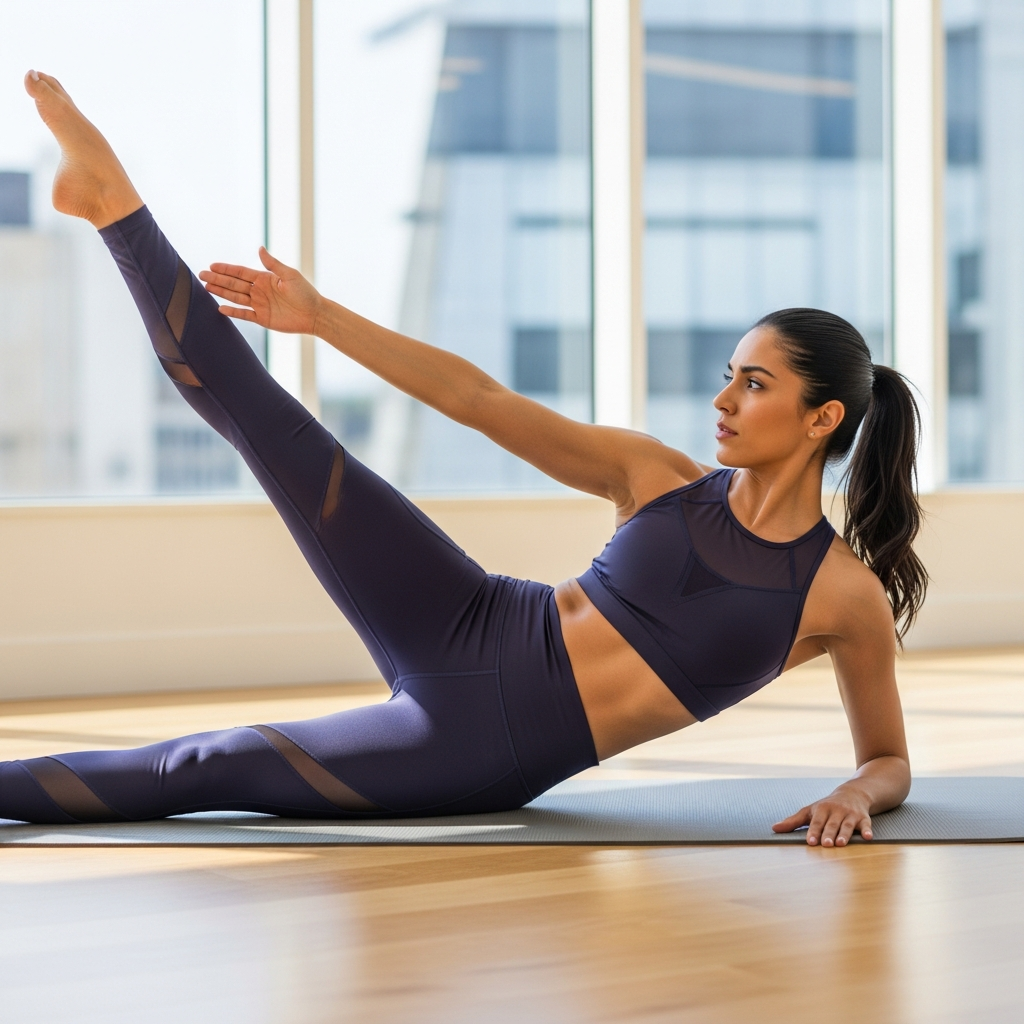
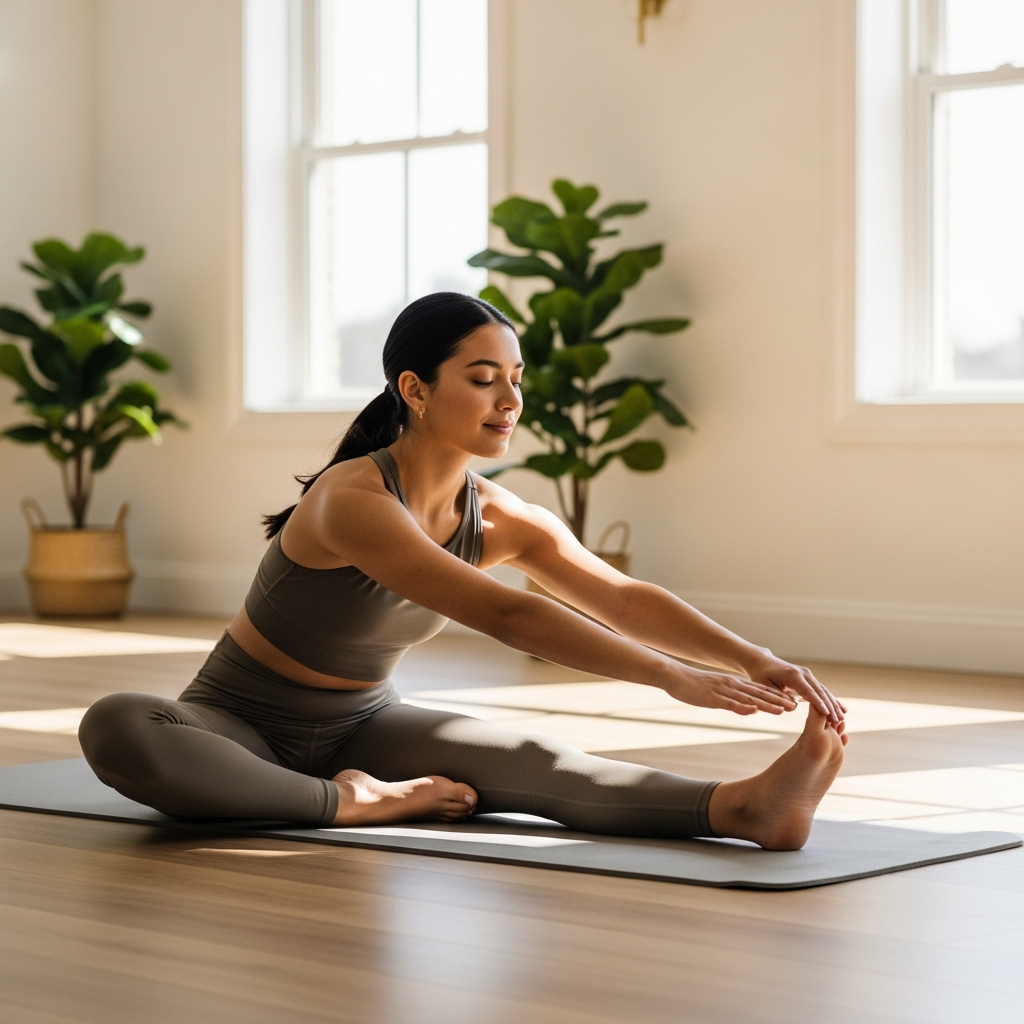
The Great Debate: Mat Pilates vs. Yoga – A Comprehensive Look
Introduction
Are you torn between choosing mat Pilates or yoga as your go-to exercise routine? If so, you’re not alone. Both practices offer numerous health benefits, including increased flexibility, improved strength, and better posture. However, the two disciplines are quite distinct in their approach to physical health and wellbeing. If you’ve ever found yourself drawn to the mind-body connection but can’t decide between the dynamic movements of Pilates or the serene stretches of yoga, then this blog post is for you.
In the wellness world, the debate between mat Pilates and yoga is as old as time. Both have legions of devoted followers who swear by their respective benefits. But if you’re new to these disciplines, you may find yourself asking – what’s the difference? Which one is right for me? In this comprehensive guide, we’ll unravel the intricacies of both mat Pilates and yoga to help you make an informed decision about which practice suits your fitness goals and lifestyle best.
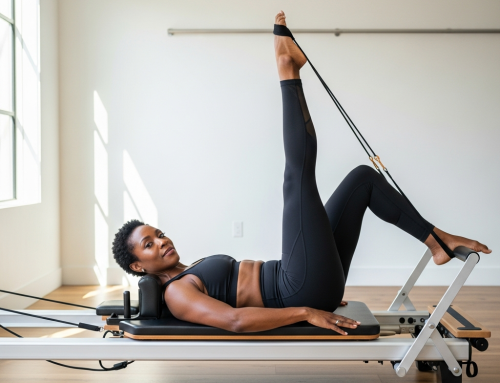
The practice of Pilates was developed in the early 20th century by Joseph Pilates. Designed to build strength without adding bulk, Pilates focuses on promoting flexibility and agility and enhancing postural alignment and core strength. Mat Pilates is a form of Pilates performed with just your body and a mat, rather than on specialized equipment like reformers or Cadillac machines. Mat Pilates classes often include slow, controlled movements that require concentration and precision. The emphasis is on quality over quantity, aiming to create a balance in the body.
On the other hand, yoga is an ancient practice with roots in Indian philosophy. It incorporates breath control, meditation, and specific postures to connect the mind, body, and spirit. Yoga encourages self-awareness and mindfulness while also promoting physical strength and flexibility.
In this blog post, we will delve into the world of mat Pilates and yoga. We’ll discuss their origins, principles, benefits, and key differences. We’ll also explore how you can incorporate these practices into your lifestyle based on your individual needs and goals. We will address common misconceptions and provide tips on how to get started with either practice.
Why does this matter to you? Understanding the nuances between mat Pilates and yoga can guide you towards making an informed choice that aligns with your fitness goals, whether it’s building core strength, improving flexibility, reducing stress, or achieving a mind-body connection. Furthermore, understanding these practices can help you appreciate the unique benefits each brings, enabling you to incorporate them into your routine in a way that maximizes your overall health and wellbeing.
So, if you’re ready to dive deep into the world of mat Pilates and yoga, keep reading. By the end of this guide, you’ll have a clear understanding of these two popular fitness disciplines and be better equipped to decide which one is the best fit for your lifestyle and wellness journey. Prepare to embark on a journey of physical discovery and personal growth. Let’s get started!
Mat Pilates Vs Yoga: Understanding the Fundamentals and Framework
Mat Pilates and yoga are two incredibly popular practices that are often compared due to their similarities in movement and mindfulness. However, while they share common ground, there are also significant differences that set them apart. This article aims to provide you with a comprehensive understanding of Mat Pilates, outlining its fundamentals and framework, which will enable you to make an informed choice about the exercise regimen that best suits your specific needs.
Pilates, named after its creator Joseph Pilates, is a physical fitness system developed in the early 20th century. Joseph Pilates was a German physical trainer who devised this method to help injured dancers and soldiers during World War I. It’s a comprehensive workout method that focuses on core strength, flexibility, balance, uniform development, and efficient movement patterns.
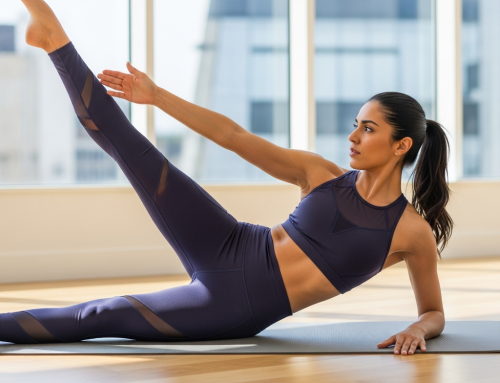
Mat Pilates is a branch of this discipline that is primarily performed on a mat, similar to yoga. However, unlike yoga, Mat Pilates does not focus on the connection between mind and body or elements of meditation. Instead, it’s a targeted exercise regimen that concentrates on the core muscles that help improve posture, stability, muscle tone, strength, and flexibility.
The fundamental principles underpinning Mat Pilates include concentration, control, centering, efficiency of movement, precision, and breath. Let’s delve deeper into these principles for a better understanding
1. Concentration: The concept of concentration in Pilates means being fully engaged mentally in each exercise. Every movement in Mat Pilates requires a high level of concentration to achieve the maximum benefit from each exercise.
2. Control: Control in Pilates refers to muscle control. Every exercise is done with complete muscle control. No body part is left to its own devices. It’s all about the quality of movement and not the quantity.
3. Centering: Every exercise in Pilates is sourced from your core or the ‘powerhouse’ as termed by Joseph Pilates. The core consists of the abdomen, lower and upper back, hips, buttocks, and inner thighs.
4. Efficiency of Movement: This principle is about making your movement flow with ease and grace. Pilates aims to create a smooth transition from one pose to another. It’s not about speed but the efficiency of every movement.
5. Precision: Precision is essential in Pilates. Attention to detail is a key factor, and it’s better to perform fewer precise movements than many inexact ones. The goal is for this precision to eventually become second nature and carry over into everyday life.
6. Breath: Proper breathing is essential in Pilates. Participants are advised to breathe deeply and with control to maintain the flow of oxygen to every part of the body, aiding movement and keeping the mind focused.
Mat Pilates exercises are designed to train several muscle groups at once in smooth, continuous movements. By developing proper technique, you can actually re-train your body to move in safer, more efficient patterns of motion, which is invaluable for injury recovery, sports performance, good posture, and optimal health.
The framework for Mat Pilates begins with basic exercises for beginners and gradually moves towards more complex movements as one progresses. Beginners start with simple exercises that teach the basics of Pilates movement, including pelvic alignment, rib cage placement, scapular movement and stabilization, and head and cervical spine placement. Once these basic principles are mastered, students can move on to the intermediate and advanced workouts.
In comparison to yoga, which focuses on flexibility and broad muscle groups, Mat Pilates places emphasis on the core muscles and includes a balance of strength and flexibility. It’s important to note that both practices complement each other well, and many people benefit from practicing both.
In conclusion, Mat Pilates is a disciplined practice that requires concentration and precision with a focus on core strength. It is an excellent choice for those seeking an exercise routine that strengthens the body uniformly and improves general fitness. Whether it’s Mat Pilates vs yoga, the choice ultimately depends on what you want to achieve from your workout regimen. It’s always recommended to understand the fundamentals and frameworks of each before deciding.
Mat Pilates vs. Yoga: A Detailed Comparison and Guide
Mat Pilates and yoga are both valuable mind-body practices that can be done on a mat, hence the name mat Pilates. However, there are significant differences between the two that may influence which practice is right for you. This guide will walk you through the similarities and differences between Mat Pilates and yoga, complete with specific scenarios and actionable advice.
Mat Pilates vs. Yoga: The Basics
Yoga is an ancient practice that originated in India more than 5,000 years ago. It combines physical postures, breathing techniques, meditation, and ethical principles. Yoga focuses on improving flexibility, balance, strength, and mindfulness.
Mat Pilates, on the other hand, was developed in the early 20th century by Joseph Pilates. It emphasizes core strength, body control, flexibility, and balance. Unlike yoga, which has a spiritual element, Pilates is more of a physical workout with a focus on the mind-body connection.
Mat Pilates vs. Yoga: The Differences
1. Emphasis on Body Parts: While both practices promote overall body health, Pilates primarily focuses on strengthening the core (the torso), whereas yoga tends to focus on the flexibility and alignment of the entire body.
2. Breathing Techniques: In yoga, deep, slow, diaphragmatic breathing (often called “ujjayi” breathing) is used to calm the mind and enhance concentration. Mat Pilates also uses breath control, but the techniques are more about aiding movement and engaging the core.
3. Progression and Flow: Yoga poses are often linked together in sequences (like Sun Salutations), creating a smooth flow of movements. Mat Pilates exercises can be sequenced together too but are usually performed as separate exercises focusing on controlled movements and precision.
4. Equipment Use: In a typical Mat Pilates class, small equipment like resistance bands, circles, and small weights might be used. In contrast, a standard yoga class usually only requires a mat, with the occasional use of blocks or straps to aid certain poses.
Mat Pilates vs. Yoga: Which is Right for You?
Here are some scenarios and recommendations
1. Goal: Core Strength and Stability If your main goal is to build strong core muscles and improve stability, Mat Pilates may be the better choice. The exercises in a Pilates class target the deep muscles of the abdomen, back, and pelvic floor, enhancing stability and torso strength.
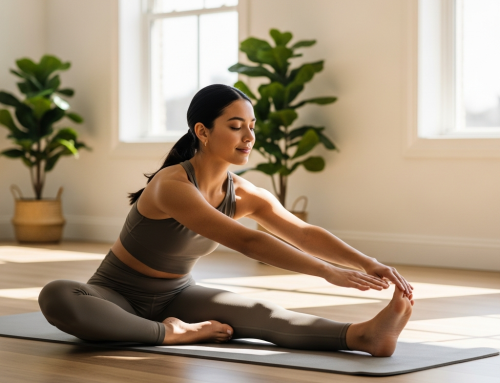
2. Goal: Flexibility and Balance If you aim to improve your flexibility and balance, yoga might be more suitable. Yoga poses stretch the muscles and increase the range of motion in joints. Furthermore, many yoga poses require and thus improve balance.
3. Goal: Stress Relief and Mindfulness Both Pilates and yoga can aid stress relief and promote mindfulness. However, if this is your primary goal, yoga might have the edge. The incorporation of meditation, deep breathing techniques, and the spiritual aspect of yoga can help to calm the mind and reduce stress.
4. Health Conditions If you’re recovering from an injury or have specific health conditions, one practice may be more beneficial than the other. For example, someone with lower back pain may benefit from Mat Pilates due to its emphasis on core strength and stability. On the other hand, someone with arthritis might find yoga more beneficial because of its focus on flexibility.
Remember, whether you choose Mat Pilates or yoga, both can offer significant benefits for your physical and mental health. It’s about finding the right fit for your personal goals and preferences. It can also be beneficial to incorporate both practices into your routine to reap all the benefits.
The best way to decide is to try both – perhaps attend a few classes or follow some online tutorials. Listen to your body and observe how you feel during and after each practice. This will guide you to the practice that suits you best.
Mat Pilates vs Yoga: A Detailed Guide to Common Challenges, Solutions, and Expert Tips
Pilates and yoga, both known for their exceptional physical and mental benefits, often become subjects of comparison. They share similarities in promoting flexibility, strength, and mind-body connection. However, they diverge in technique, focus, and overall goals.
Mat Pilates, a specific type of Pilates performed on a mat, is often juxtaposed with yoga. This article aims to shed light on the differences between these two practices, address misconceptions, offer solutions to common challenges, and provide expert tips to help you choose what best suits your fitness needs.
**Common Challenges**
One of the main challenges faced by beginners is distinguishing between Mat Pilates and yoga. Both activities involve performing exercises on a mat and can appear similar to the untrained eye. However, the principles, movements, and intended outcomes vary significantly.
Mat Pilates primarily focuses on core strength, full-body conditioning, and functional movement. It’s based on the six fundamental principles: concentration, control, centering, flow, precision, and breathing.
On the other hand, yoga emphasizes flexibility, balance and breathing techniques, and incorporates a spiritual element. It aims to unite mind, body, and spirit.
Another challenge is choosing between Mat Pilates or yoga as both offer numerous health benefits. However, the choice should depend on individual goals. For instance, if your goal is to build a strong core and improve posture, Mat Pilates might be your best bet. If you’re looking for flexibility and stress reduction, yoga could be more beneficial.
**Solutions**
To overcome the challenge of distinguishing between Mat Pilates and yoga, educate yourself about each practice’s unique features. Participate in beginner classes for both. This will give you firsthand experience of what each practice entails.
If you’re uncertain about which practice to choose, consider your fitness goals. If you want a workout that targets your core and enhances overall strength, Mat Pilates might be the answer. Alternatively, if you’re looking for a practice that promotes flexibility, balance, stress reduction, and harmony of mind and body, yoga would be fitting.
**Expert Tips**
1. **Understand the Difference**: Recognize that while both Mat Pilates and yoga are mind-body practices, they are fundamentally different. Mat Pilates is more dynamic and focuses on muscle toning, while yoga emphasizes static stretching and flexibility.
2. **Try Both**: As a beginner, try both practices to understand which one resonates more with your fitness goals and preferences. Many studios offer introductory classes for newcomers.
3. **Mix It Up**: You don’t have to choose between Mat Pilates and yoga. Many practitioners enjoy the benefits of both by incorporating them into their weekly workout routine.
4. **Seek Professional Guidance**: If you’re unsure about the right form or technique, seek advice from a certified instructor. They can provide guidance and ensure you’re performing movements correctly to prevent injuries.
5. **Listen to Your Body**: Regardless of the practice you choose, always listen to your body. If a movement causes discomfort or pain, stop and seek professional advice.
**Conclusion**
Mat Pilates and yoga, while similar in some aspects, offer unique benefits that cater to different fitness goals. By understanding these differences and trying out both practices, you can make an informed decision that aligns with your personal health objectives. Remember, there’s no ‘one size fits all’ approach to fitness; it’s about finding what works best for you and enjoying the journey towards improved health and well-being.
Mat Pilates vs Yoga: What to Expect, Timelines, and Next Steps
Mat Pilates and yoga are two popular fitness disciplines with a shared focus on improving flexibility, strength, and mind-body awareness. Despite their commonalities, they offer unique benefits and experiences. Understanding the differences between the two can help you choose the one that best aligns with your fitness goals.
Mat Pilates is a form of exercise developed by Joseph Pilates in the early 20th century. It focuses on core strength, flexibility, balance, and overall body awareness. Unlike its counterpart, reformer Pilates which utilizes resistance equipment, mat Pilates is performed on a padded mat using only body weight.
Yoga, on the other hand, is an ancient practice originating from India over 5,000 years ago. It combines physical postures (asanas), breath control (pranayama), and meditation to promote physical strength, mental clarity, and spiritual growth.
What to Expect
Mat Pilates: In a mat Pilates class, expect to engage your core muscles throughout the entire session. The primary objective is to strengthen the powerhouse (the core area consisting of the abdomen, lower back, hips, and buttocks). You’ll perform a series of exercises in a precise and controlled manner, focusing on quality rather than quantity. Each move is typically performed for a few repetitions with a focus on proper form and breath control.
Yoga: A yoga class will typically involve a series of asanas performed in a sequence. The pace can vary from slow and meditative to fast and physically demanding, depending on the style of yoga. Classes often begin with breathing exercises and end with a period of relaxation or meditation. You can expect to improve flexibility and balance while reducing stress and enhancing mindfulness.
Timelines
Mat Pilates: The timeline for mat Pilates varies depending on individual fitness levels and frequency of practice. However, Joseph Pilates himself famously claimed, “In 10 sessions, you feel better, 20 sessions you look better, 30 sessions you have a completely new body.” While this may be an overstatement, consistent practice (2-3 times weekly) can lead to noticeable improvements in core strength, posture, and overall body tone within a few weeks.
Yoga: The benefits of yoga can be seen almost immediately in terms of stress relief and improved flexibility. However, achieving mastery in complex asanas or experiencing deeper spiritual benefits may take years. Consistent practice is key; even a few minutes daily can contribute to gradual improvements over time.
Next Steps
If you’re deciding between mat Pilates and yoga, consider your personal fitness goals. If developing a strong core, improving posture, and enhancing physical strength are your primary objectives, mat Pilates might be the right choice. Find a certified instructor or reputable online class to ensure proper form and prevent injuries.
If you’re seeking a holistic approach to wellness that encompasses physical health, mental clarity, and spiritual growth, yoga might be more suitable. Explore different styles of yoga (such as Hatha, Ashtanga, or Vinyasa) to find one that resonates with you.
Remember, there’s no need to choose one over the other definitively. Many people find value in incorporating both mat Pilates and yoga into their fitness routine. The most important thing is to listen to your body and choose a practice that supports your wellbeing.
Practical Guidance
Before starting mat Pilates or yoga
1. Consult your doctor if you have any pre-existing medical conditions. 2. Start slow. Do not push yourself too hard initially. 3. Wear comfortable clothing that allows free movement. 4. Use a good quality mat for comfort and safety. 5. Stay hydrated before, during, and after your workout. 6. Practice consistently for best results.
Whether you choose mat Pilates, yoga, or a combination of both, embrace the journey. Fitness is a lifelong commitment, and every step forward is a step towards better health and wellbeing.
In conclusion, both Mat Pilates and yoga have their own unique benefits and can help you achieve different goals. Your choice between the two ultimately depends on your fitness needs, health objectives, and personal preferences.
Mat Pilates, rooted in the principles of Joseph Pilates, focuses on building core strength, improving posture and balance, and enhancing flexibility. The exercises are performed in a precise manner, with a specific focus on breath control, concentration, control, centering, flow, and precision. It’s a full-body workout that can help to sculpt muscles, improve physical coordination, and boost overall fitness. Mat Pilates is particularly beneficial for those who want to develop a strong foundation of core strength and stability.
On the other hand, yoga goes beyond physical fitness. Originating from ancient India, it is a holistic practice that aims to unite the mind, body, and spirit. Yoga involves a series of poses or ‘asanas’ that work on your flexibility and strength. It also includes breathing exercises and meditation which promote relaxation and reduce stress. This practice is ideal for individuals seeking a more balanced lifestyle and those who want to enhance their mental wellbeing along with physical health.
While the two practices have their individual strengths, combining Mat Pilates and yoga can provide a well-rounded approach to overall health and wellness. The strength and stability gained from Mat Pilates complement the flexibility and mindfulness aspect of yoga perfectly. Incorporating both into your routine can lead to improved posture, enhanced core strength, better flexibility, reduced stress levels, and a more serene mind.
Remember that both Mat Pilates and yoga require proper form and technique to prevent injuries and maximize benefits. Therefore, it’s highly recommended to learn from certified instructors or take professional classes, especially if you’re a beginner.
At this point, you may be wondering which practice would be more suitable for you – Mat Pilates or yoga? Or perhaps you are interested in integrating both into your fitness regime? Whatever your fitness goals or preferences may be, our team of certified trainers and wellness experts can provide guidance and help you make an informed decision.
We invite you to contact us for personalized advice and assistance. We offer a range of classes suitable for all levels, from beginner to advanced. Our experienced instructors are dedicated to helping you achieve your health and fitness goals, whether that is through Mat Pilates, yoga, or a combination of both. We also provide one-on-one sessions for those who prefer a more personalized approach.
In the end, the journey towards health and wellness is a personal one. Whether you choose Mat Pilates, yoga, or both, the most important thing is to enjoy the process and listen to your body. Remember, it’s not about which practice is better, but which one is better for you.
So don’t delay your fitness journey any longer! Reach out to us today, and let’s work together to design a fitness routine that suits your individual needs and helps you lead a healthier, happier life.