Mat Pilates vs. Reformer: A Deep Dive into the World of Pilates
Is it time to roll out the mat or hop on the reformer? If you’ve dipped your toes in the world of Pilates, you’re likely familiar with these terms. But if you’re new to this world, fret not, as we’re here to guide you through an invigorating exploration of the two most popular types of Pilates: Mat Pilates and Reformer Pilates. We promise this journey will not just enhance your understanding, but will also help you make an informed decision about which type suits your fitness goals, preferences, and lifestyle better.
Pilates, as a form of exercise, has been around for almost a century now, thanks to its founder Joseph Pilates. It’s a holistic approach that combines elements of yoga, ballet, and strength training to improve flexibility, build strength, and enhance body awareness. With its foundation in core strength, proper alignment, and mind-body integration, Pilates has been embraced by fitness enthusiasts worldwide due to its transformative effects on the body and mind.
But here’s where things get a little more complex – there’s not just one type of Pilates. The two main categories that most practitioners find themselves choosing between are Mat Pilates and Reformer Pilates. While they both share the same fundamental principles and goals, the methods and equipment used vary significantly. And that’s what we’ll be focusing on in this blog post.
The question of Mat Pilates vs. Reformer often arises among both beginners trying to navigate their way through the Pilates universe and seasoned practitioners looking for a change or a new challenge. This blog post aims to provide clarity on this topic by delving into what Mat Pilates and Reformer Pilates are, their benefits, differences, and which one might be the right fit for you.
We’ll start by exploring Mat Pilates, the most accessible and widely practiced form of Pilates. We’ll discuss its origins, what a typical class looks like, the benefits it offers, and who it’s ideally suited for. Next, we’ll dive into Reformer Pilates, a more equipment-intensive and challenging variant. We’ll take a close look at what the reformer machine is, how it works, the unique benefits it brings to your workout, and who can most benefit from it.
By the end of this post, you’ll have a clear understanding of both Mat and Reformer Pilates and be able to make an informed decision about which type is best suited to your personal fitness journey. Whether you’re a Pilates enthusiast looking to deepen your knowledge or a beginner contemplating which class to sign up for, this comprehensive guide will serve as an invaluable resource.
Why should you care? Because understanding the nuances between Mat and Reformer Pilates can significantly impact your fitness journey. It can help you tailor your workout routine to meet your specific needs, goals, and preferences – whether that’s building strength, improving flexibility, recovering from an injury, or seeking a mind-body workout. So, strap in as we embark on this enlightening journey into the fascinating world of Pilates.
Mat Pilates vs Reformer: A Comprehensive Guide to Optimal Fitness
Pilates, a popular mind-body exercise, has gained significant recognition worldwide for its exceptional benefits on overall health and wellbeing. This versatile fitness regime offers two primary modes: Mat Pilates and Reformer Pilates. Both are grounded in the same principles but offer distinct experiences and benefits. Understanding the differences between Mat Pilates and Reformer Pilates can help you choose a workout plan that best aligns with your fitness objectives.
Originated by Joseph Pilates in the early 20th century, Pilates is a comprehensive exercise system designed to develop strength, flexibility, balance and body awareness. It is built on six core principles: concentration, control, centering, flow, precision, and breathing. These principles shape the framework of every Pilates workout, whether performed on a mat or a reformer machine.
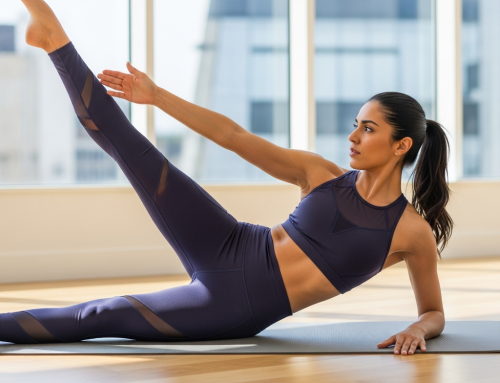
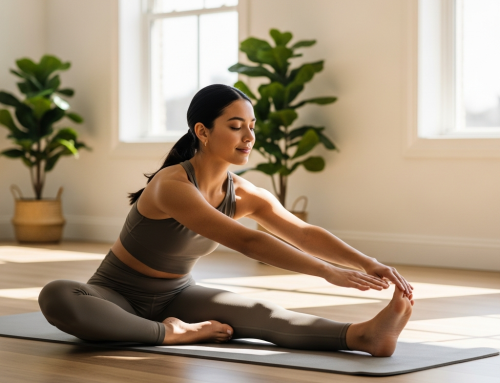
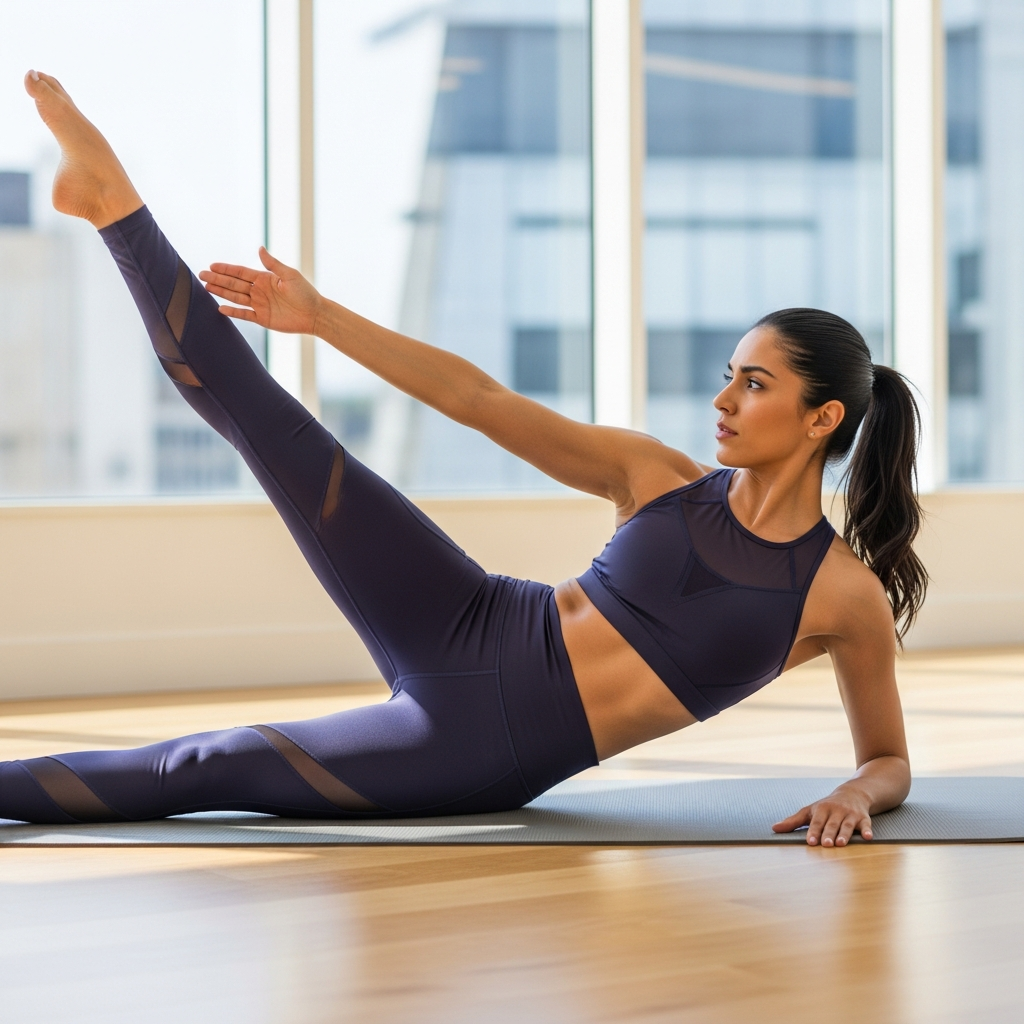
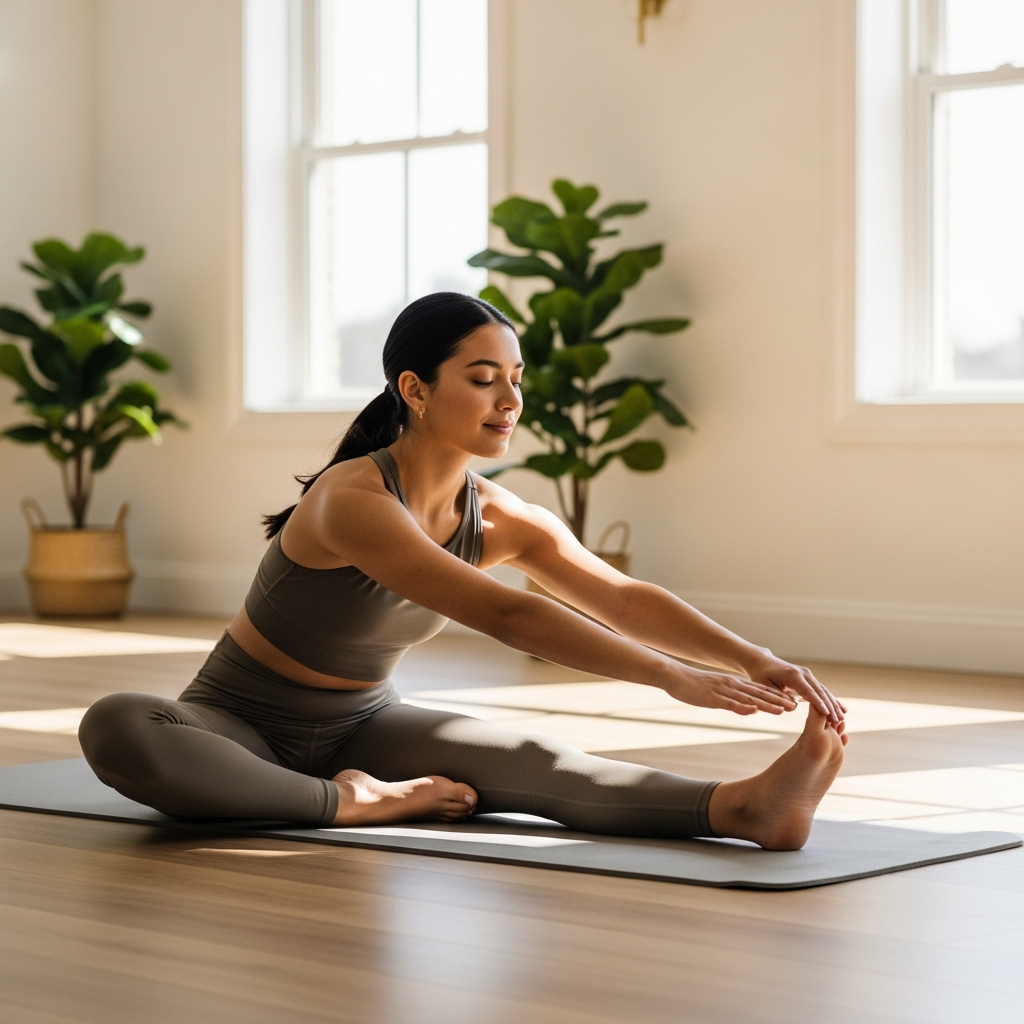
Mat Pilates, as the name suggests, is performed on a mat and primarily uses body weight for resistance. This form of Pilates is often considered more accessible because it requires minimal equipment and can be done virtually anywhere. Mat Pilates is centered around controlled movements that engage your core – the powerhouse of your body – to improve posture, flexibility, and stability. The exercises in Mat Pilates aim to strengthen the deep torso muscles, which are essential for maintaining balance and preventing injuries.
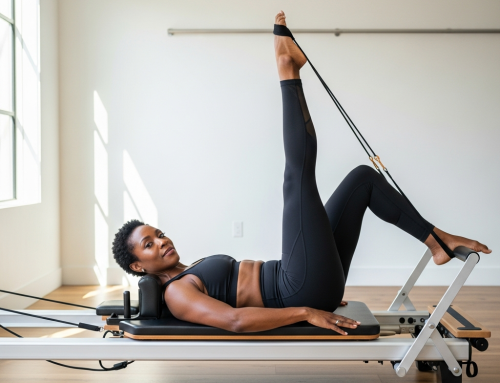
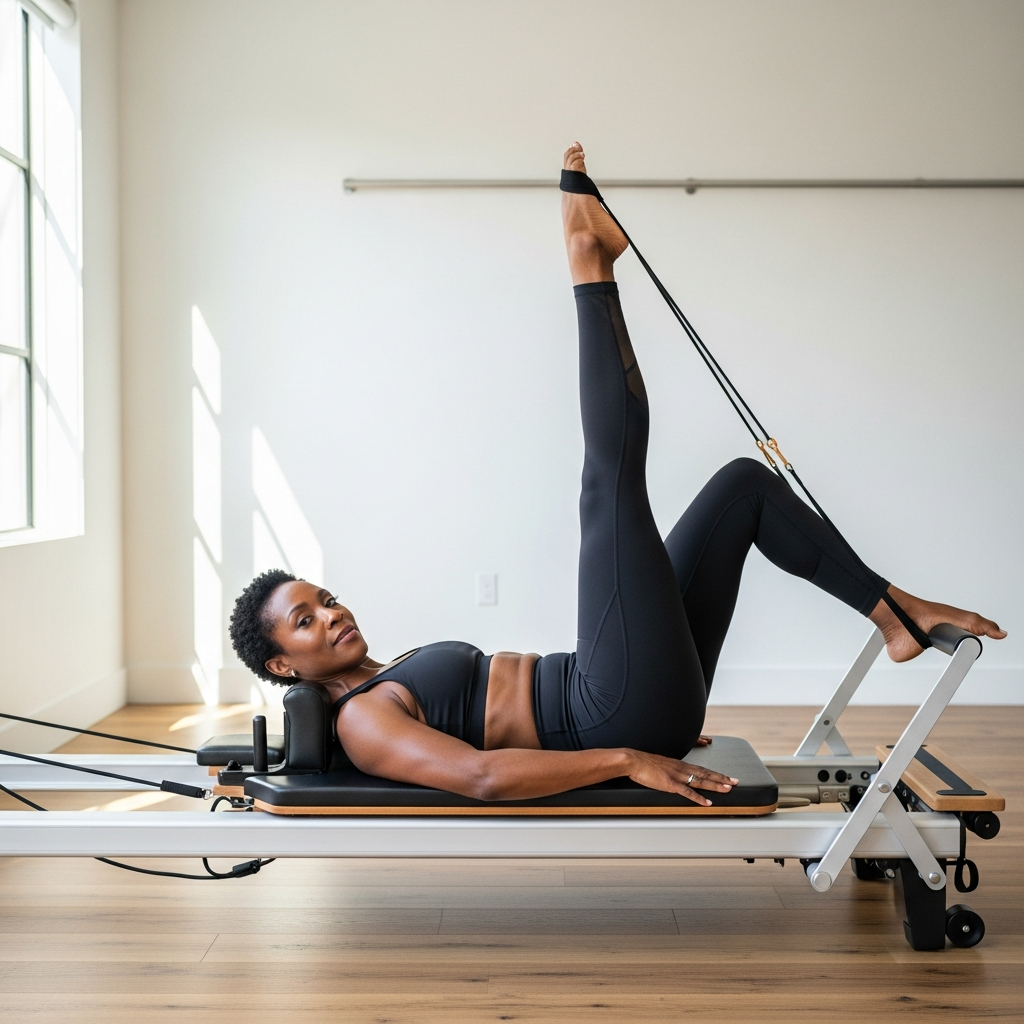
Reformer Pilates, on the other hand, involves a specially designed machine known as a reformer. The reformer consists of a flat platform called a carriage which rolls back and forth on wheels within a frame. The carriage is attached to one end of the reformer by a set of springs which provide varying levels of resistance as exercises are performed. The reformer also has shoulder blocks to keep practitioners from sliding off the end of the reformer as they push or pull the carriage along its tracks. Additionally, there is an adjustable bar at the end of the reformer called a footbar. The footbar can be used by the feet or hands as the user moves the carriage.
Reformer Pilates offers a more dynamic workout compared to Mat Pilates. With its system of pulleys and springs, the reformer provides more resistance, thus offering a more intense workout. It also allows a wider range of exercises that can be customized to accommodate different skill levels, body types, and fitness goals. This customization is beneficial for those recovering from physical injuries, as exercises can be adjusted to focus on building strength and flexibility without straining the recovering part of the body.
Both Mat and Reformer Pilates emphasize the importance of controlled, precise movements. However, the nature of these movements can vary significantly between the two forms. In Mat Pilates, exercises often involve holding certain positions and engaging specific muscle groups. In contrast, Reformer Pilates exercises tend to be more dynamic, involving fluid movements that require coordination and balance.
While both forms of Pilates offer numerous physical benefits such as improved strength, flexibility, balance, and body awareness, they also provide mental benefits. The focus on mindful, controlled movements and deep, conscious breathing helps to foster a sense of calm and mental clarity.
In conclusion, both Mat Pilates and Reformer Pilates are grounded in the core principles of control, precision, concentration, flow, centering, and breathing. Mat Pilates provides a convenient and accessible way to engage in this powerful exercise system, while Reformer Pilates offers a more dynamic and customizable workout experience. Your choice between Mat and Reformer Pilates should be guided by your specific fitness goals, personal preferences, and physical conditions. Whichever form you choose, you can expect to embark on a journey towards improved physical strength, flexibility, balance, body awareness—and perhaps most importantly—a greater sense of wellbeing.
Mat Pilates vs. Reformer: A Comparative Guide
Introduction:
Pilates, a fitness regimen developed by Joseph Pilates in the 20th century, has gained worldwide popularity due to its effective body conditioning and injury rehabilitation benefits. Pilates exercises are typically performed on a mat or a specially designed piece of equipment known as a reformer. But what’s the difference between mat pilates and reformer pilates, and which one is right for you? Let’s dive deeper into these two modalities of Pilates.
Understanding Mat Pilates:
Mat Pilates is the most common form of Pilates, often taught in group classes at gyms and studios. As the name suggests, the exercises are performed on a mat, similar to yoga. The primary focus of mat Pilates is strengthening the ‘powerhouse’ or core muscles including the abdominals, lower back, hips, and glutes.
A typical mat session might include exercises such as ‘The Hundred’, ‘Roll Up’, and ‘Scissors’. These movements require control, precision, and a strong mind-body connection. The biggest advantage of mat Pilates is convenience. All you need is a mat and enough space to lay it out. This means you can do mat Pilates virtually anywhere – at home, in a park, or while traveling.
Demystifying Reformer Pilates:
Reformer Pilates, on the other hand, involves a sliding carriage equipped with springs to adjust resistance levels. This machine helps perform exercises that accentuate length, strength, flexibility, and balance. The reformer offers a more dynamic workout experience as it challenges stability and provides resistance during movements.
Exercises on the reformer can target virtually every part of your body. From leg presses using foot straps to seated arm curls with attached handles, the reformer provides an all-around workout. While it’s less portable than a mat, the reformer’s versatility and adaptability to all fitness levels make it an irresistible choice for many.
Mat Pilates vs. Reformer: Which One Is Right For You?
1. Fitness Goals: If your primary goal is to strengthen your core and improve flexibility, mat Pilates is a great choice. It targets the core muscles directly and intensively. However, if you’re looking for a full-body workout that also builds tone and leans muscle mass, reformer Pilates may be more suitable.
2. Budget: Mat Pilates tends to be more budget-friendly as classes are often cheaper, and you can practice at home with minimal equipment. Conversely, reformer classes usually cost more due to the specialized equipment and often smaller class sizes.
3. Personal Preference: Some people enjoy the feel of their body weight against the mat and prefer the simplicity of mat work. Others love the extra challenge and variety that the reformer provides.
4. Therapeutic Needs: Reformer Pilates is often recommended for people recovering from injuries or with specific conditions since it offers a controlled environment and ability to adjust resistance.
Conclusion:
Both mat and reformer Pilates offer significant health benefits, including improved strength, flexibility, posture, and mind-body connection. The choice between mat and reformer often comes down to personal preference, budget, fitness goals, and therapeutic needs.
If you’re new to Pilates, it may be beneficial to try both styles. Starting with mat Pilates can help you master the basics before moving on to the reformer. Alternatively, if you have access to a studio with reformers, starting on the machine can provide a supportive and adaptive environment to learn Pilates principles.
Remember, consistency is key in Pilates. Whether you choose mat or reformer, regular practice is what will lead to noticeable changes in your body and overall wellbeing. And always consult with a certified Pilates instructor or a healthcare professional before starting any new fitness regimen.
Unraveling the Puzzle: Mat Pilates vs. Reformer Pilates
Introduction
Pilates, a mind-body exercise regimen designed by Joseph Pilates, is celebrated worldwide for its ability to improve strength, balance, flexibility, and overall body awareness. However, many fitness enthusiasts and beginners alike grapple with a common question: Mat Pilates or Reformer Pilates?
Understanding the Basics
Mat Pilates is performed on the floor using a yoga or pilates mat, and it primarily focuses on using your own body weight as resistance. Reformer Pilates, on the other hand, utilizes a specialized piece of equipment called a reformer—a sliding carriage rigged with springs, bars and straps—to deliver a more controlled and versatile workout.
Common Challenges and Misconceptions
One common misconception is that Mat Pilates is easier than Reformer Pilates due to the absence of equipment. However, this isn’t always true. The difficulty level in both forms is variable and largely depends on the complexity of the exercises chosen by your instructor. In fact, Mat Pilates can sometimes be more challenging because it requires greater self-discipline to maintain correct form without the guidance of the reformer.
Another myth is that Reformer Pilates is only for advanced practitioners. While it’s true that the reformer can be intimidating due to its complex appearance, it’s actually incredibly adaptable to different fitness levels and body types. The adjustable springs provide different resistance levels that can be tailored to suit your individual strength and flexibility.
Expert Solutions and Tips
1. Identify Your Goals: Before choosing between mat or reformer, it’s crucial to identify your fitness goals. If you’re aiming to improve core strength and flexibility with minimal investment, Mat Pilates could be your go-to option. However, if you’re seeking a more comprehensive workout that also targets peripheral muscles and offers an amplified level of resistance training, Reformer Pilates might be more suitable.
2. Consider Your Budget: Mat Pilates classes are generally more affordable than reformer classes due to the cost of maintaining and replacing the equipment. If budget is a concern, starting with mat classes can be a great way to get familiar with the principles of Pilates before investing in reformer sessions.
3. Start with a Qualified Instructor: Whichever form you choose, ensure you start your journey with a qualified instructor. They can correct your form, adjust the exercises to your capabilities, and help prevent injuries.
4. Practice Regularly: Like any fitness regimen, the benefits of Pilates are best reaped with regular practice. A consistent routine—around 3 times per week—is recommended for noticeable results.
5. Listen to Your Body: Remember, Pilates is not about pushing yourself to the point of pain. It’s about controlled, mindful movement. Listen to your body and modify exercises as necessary.
In Closing: Mat Vs. Reformer – Which is Better?
In the comparison of Mat Pilates vs. Reformer Pilates, there isn’t a “one-size-fits-all” answer. Both forms offer unique benefits and can complement each other in a well-rounded fitness routine.
Mat Pilates is an accessible way to strengthen your core, improve flexibility, and enhance mind-body awareness without any special equipment. On the flip side, Reformer Pilates provides a dynamic and varied workout that can be tailored to challenge individuals of all fitness levels.
Ultimately, the choice between Mat and Reformer should align with your personal goals, budget, and preferences. Whether you choose one over the other or decide to incorporate both into your fitness journey, Pilates in any form can be a powerful tool to improve your overall health and wellbeing.
Mat Pilates vs. Reformer: What to Expect, Timelines, and Next Steps
Mat Pilates and Reformer Pilates are two popular forms of the exercise regimen designed by Joseph Pilates. Each offers unique benefits and challenges, and choosing between the two often depends on an individual’s personal fitness goals, budget, and access to equipment.
Mat Pilates is the most common form of Pilates and is usually the starting point for beginners. It primarily focuses on using the body as resistance and enhancing core strength while improving flexibility and balance. With Mat Pilates, you use your body weight to provide the resistance that your muscles work against. It’s a fantastic way to learn the fundamental movements and breathing techniques of Pilates.
Reformer Pilates, on the other hand, involves a machine with a flat platform that moves back and forth on wheels within a frame. The platform is attached to one end of the reformer by a set of springs, which provide differing levels of resistance as exercises are performed. Reformer Pilates offers a more dynamic and varied workout due to the adjustable resistance settings, allowing you to tailor your workout to your fitness level and desired intensity.
When it comes to choosing between Mat and Reformer Pilates, consider your personal fitness objectives. If you’re looking for a low-cost, convenient way to improve core strength, flexibility, and balance with minimal equipment, Mat Pilates is an excellent choice. It’s also beneficial for those who prefer to exercise at home or want to incorporate Pilates into a more comprehensive fitness routine.
In contrast, if you’re searching for a more intense, full-body workout and are willing to invest in classes or equipment, Reformer Pilates may be more suitable. It provides a more challenging workout due to the resistance provided by the springs, thus potentially leading to faster results in terms of muscle definition and strength.
As for timelines, both Mat and Reformer Pilates are not quick fixes; they require consistency over time for you to see and feel the results. Generally, practitioners start to experience improved core strength, flexibility, and balance after around 10-12 sessions of either type of Pilates. For noticeable changes in muscle tone and definition, expect to put in at least a few months of regular practice.
The next steps depend on the type of Pilates you choose. For Mat Pilates, you’ll need a yoga or Pilates mat. Many online resources provide free or inexpensive classes for all fitness levels, so start with beginner classes and gradually move up as you get stronger.
For Reformer Pilates, find a reputable Pilates studio in your area that offers Reformer classes. Make sure to start with beginner classes even if you’re in good shape, as the Reformer requires a certain level of familiarity to use safely and effectively. Private sessions are another option if you’re new to the reformer or have specific fitness or rehabilitation goals.
Whichever form you choose, remember that Pilates is about mindful movement. Paying attention to your breath and the quality of your movements is more important than how many repetitions you can do. Be patient with yourself and trust the process. With time, you’ll notice improvements in your strength, flexibility, posture, and overall body awareness. Remember to always consult with a fitness or health expert before starting any new exercise regimen.
In conclusion, both Mat Pilates and Reformer Pilates offer their unique benefits and can be beneficial depending on your fitness goals, physical condition, and personal preferences.
Mat Pilates is an excellent choice for beginners and those looking for convenience and flexibility. It’s a form of exercise that focuses on using your own body weight and gravity to provide resistance. This helps to improve core strength, enhance flexibility, promote better posture, and develop overall muscle tone. Mat Pilates can be performed anywhere, at any time, without the need for any specialized or expensive equipment. Additionally, Mat Pilates is often easier to integrate into a busy lifestyle due to its simplicity and accessibility.
On the other hand, Reformer Pilates offers a more intense, full-body workout that can be tailored to suit your individual needs. The use of the reformer machine provides added resistance and versatility, which can lead to more significant improvements in strength, flexibility, and muscle tone. Reformer Pilates also allows you to perform a wider range of exercises compared to mat-based workouts, making it an excellent option for those who want to challenge themselves and keep their workouts exciting and varied.
However, it’s important to note that Reformer Pilates typically requires access to a fully equipped Pilates studio and professional instruction. This means that it may not be as convenient or accessible as Mat Pilates. But the investment is often worth it, as the results can be truly transformative.
While both methods have their pros and cons, the best approach is often a balanced one. Incorporating both Mat and Reformer Pilates into your fitness routine can offer the best of both worlds – the convenience and accessibility of mat-based workouts with the intensity and versatility of reformer-based exercises.
In terms of selecting between Mat Pilates and Reformer Pilates, it really comes down to personal preference, your fitness goals, and what works best for your lifestyle. If you’re still unsure, it might be beneficial to try both and see which one you prefer. Remember, the most effective workout is the one you enjoy and will stick with.
Regardless of whether you choose Mat Pilates or Reformer Pilates, it’s crucial to ensure you’re performing the exercises correctly to avoid injury and maximize results. This is where professional guidance can be invaluable.
At our studio, we offer both Mat Pilates and Reformer Pilates classes, all conducted by highly skilled and experienced instructors. Our team is committed to helping you achieve your fitness goals in a safe, supportive, and motivating environment.
In closing, we encourage you to reach out to us for more personalized advice. We are here to guide you in your Pilates journey, whether you’re a complete beginner or an experienced practitioner looking for new challenges. Don’t hesitate to get in touch with us if you have any queries or if you’d like to schedule a session. We look forward to assisting you in your journey towards improved fitness, flexibility, and overall well-being. Remember, every step towards better health is a step in the right direction. Take that step with us today!