Unraveling the Power of Pilates: Are Pilates Classes Good for Weight Loss?
In the quest for health and fitness, we often scurry through various workout regimes, diet plans, and health supplements. Amidst this sea of options, one form of exercise that has stood the test of time is Pilates. But the question arises: Are Pilates classes good for weight loss? A topic that has been floating around the fitness community for years, it’s time we put our detective glasses on and delve deeper into this intriguing subject.
Pilates, a physical fitness system developed in the early 20th century by Joseph Pilates, has gained considerable popularity in recent times due to its profound health benefits. It’s a low-impact exercise method that aims to strengthen muscles while improving postural alignment and flexibility. Pilates tends to focus on your core, although it provides a full-body workout.
You might be wondering: if it’s not a high-intensity workout, can it really help in weight loss? It’s understandable why some may be skeptical about the weight loss benefits of Pilates, especially considering the high-octane reputation of workouts like CrossFit or HIIT. But don’t brush it off just yet. Pilates might surprise you with what it can do for your body and overall well-being.
In this blog post, we will explore the intricate relationship between Pilates and weight loss. We’ll start by examining the basics of Pilates, including mat Pilates, and its impact on your body. Then, we’ll dive into the science-backed benefits of Pilates related to weight loss and overall health. We’ll also shed light on how Pilates classes, with their structured routines and professional guidance, can significantly aid your weight loss journey.
Furthermore, we will bust some common myths surrounding Pilates and weight loss. For example, many believe that Pilates is only for women or that it’s a less effective form of exercise compared to others. We’ll debunk these misconceptions and provide you with factual, research-backed information to help you make informed decisions about incorporating Pilates into your fitness regime.
The significance of this topic is paramount, especially for those struggling to lose weight or seeking to introduce a sustainable form of exercise into their lifestyle. In an age where obesity and associated health risks are on the rise, understanding the potential of different workout forms for weight loss is crucial. And while Pilates might not be the conventional go-to option for shedding pounds, we’ll explore how and why it could be an excellent choice for many.
At the end of this post, our aim is to equip you with a holistic understanding of Pilates and its role in weight loss. Whether you’re a fitness enthusiast, a beginner looking to start your weight loss journey, or someone curious about Pilates, this comprehensive guide will provide valuable insights for everyone.
So, are you ready to unravel the power of Pilates? Let’s dive right in and discover how this century-old form of exercise could be your secret weapon in achieving your weight loss goals.
Are Pilates Classes Good for Weight Loss?
Pilates is a mind-body exercise method that emphasizes the importance of beginning movement from a central core of stability, namely the lower back and pelum. Originated from the ingenious mind of Joseph Pilates, a physical-culturist from Germany in the early 20th century, this fitness system was designed to strengthen the body, improve flexibility, and promote overall health. If you’re wondering whether Pilates classes are good for weight loss, it’s essential to understand this fitness method’s fundamentals, principles, and how it impacts your body.
To start with, Pilates exercise incorporates six key principles: centering, concentration, control, precision, breath, and flow. Each principle is integral to the practice of Pilates and serves as a guide to performing each exercise with maximum effectiveness. Practitioners are encouraged to apply these principles not just to their Pilates routine but to their everyday activities as well. This means that the benefits of Pilates extend beyond the studio or gym and can enhance overall quality of life.
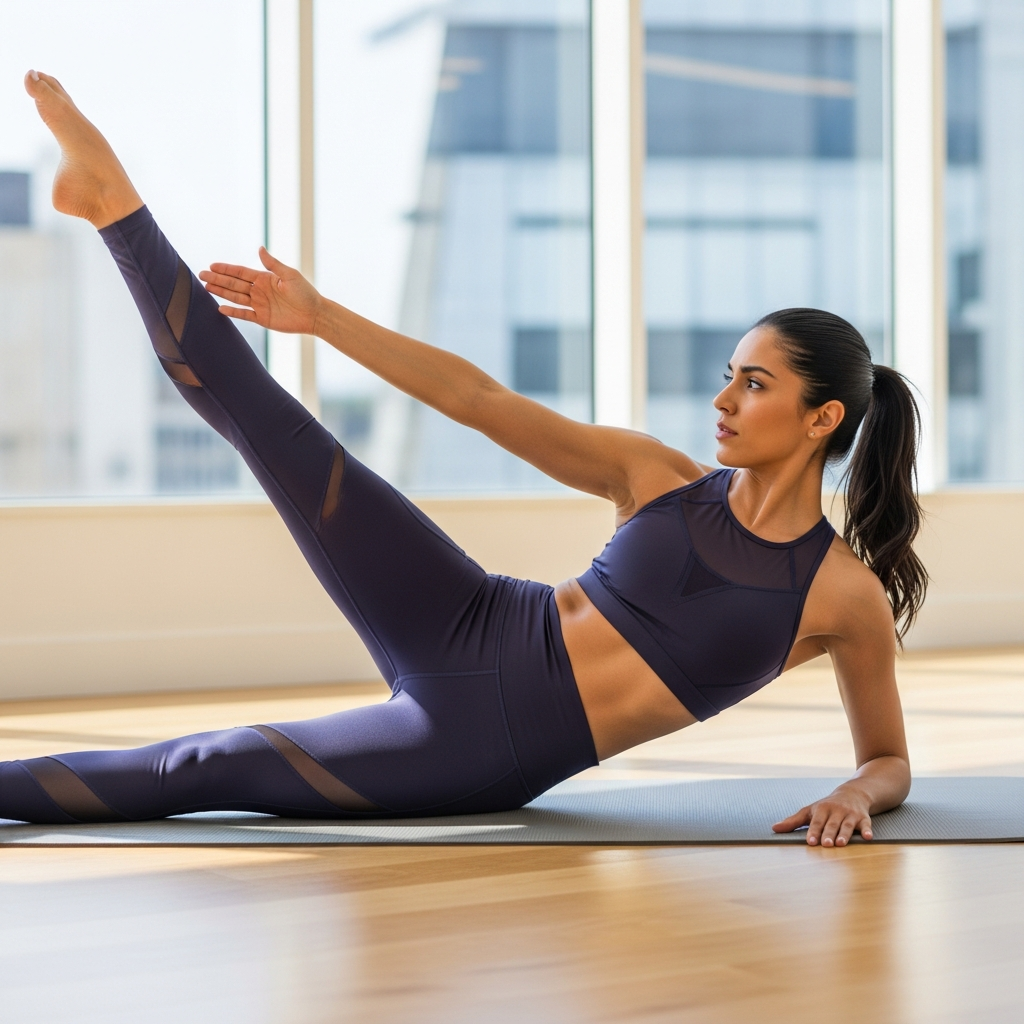
Pilates exercises are designed around controlled movement and breathing. Practitioners move through a series of poses that require strength, stability, and flexibility. These exercises target the core muscles—the abs, obliques, lower back, inner and outer thigh—but they also engage other muscle groups. A well-rounded Pilates workout also involves the arms, glutes, and legs.
A unique aspect of Pilates is its focus on ‘eccentric contraction’, where muscles lengthen as they resist force. This type of muscle activity is particularly beneficial for building strength without bulk and promoting lean muscle mass. Furthermore, Pilates helps improve posture, flexibility and balance, which can contribute to a more toned appearance overall.
In terms of caloric burn, Pilates may not seem like a conventional choice for weight loss when compared to high-intensity exercises such as running or circuit training. However, it is essential to note that weight loss involves more than just burning calories during workouts. It is a process that involves consistent exercise, a balanced diet, and lifestyle changes. And this is where Pilates classes come into play.
Pilates classes provide structured workouts that can be tailored to different fitness levels. Beginners can start with basic exercises and gradually progress to more advanced poses as their strength and flexibility improve. The variety of exercises in Pilates keeps the workouts interesting and challenging. This variety and progression can help maintain motivation, which is often a significant factor in long-term weight loss success.
Moreover, Pilates classes often incorporate small equipment like resistance bands, Pilates rings, or balls, which can increase the intensity of the workouts. The use of such equipment can help enhance muscle tone and strength further, contributing to increased calorie burn even after the session is over—a phenomenon known as ‘afterburn’ or ‘excess post-exercise oxygen consumption’ (EPOC).
The core-strengthening aspect of Pilates can also indirectly contribute to weight loss. A strong core enhances overall fitness, making it easier for practitioners to perform other physical activities that burn more calories. It also improves posture, which can lead to a slimmer appearance.
Another crucial aspect where Pilates contributes to weight loss is the mind-body connection it promotes. The concentration required to perform Pilates exercises helps cultivate mindfulness, an awareness of the present moment. This mindfulness can extend to eating habits, helping individuals make healthier choices and potentially leading to weight loss.
It’s important to remember that weight loss varies from person to person and depends on various factors such as genetics, diet, stress levels, sleep quality, and more. While Pilates may not be a high-calorie-burning exercise, it provides numerous benefits that can contribute to weight loss and improved health in the long run.
In conclusion, while Pilates classes may not result in the rapid weight loss associated with more intensive cardio workouts, they offer a holistic approach to fitness and weight management. Through strengthening and toning muscles, enhancing flexibility and balance, promoting mindfulness, and improving overall fitness, Pilates can be a valuable addition to any weight loss regimen. It’s not just about the number on the scale; it’s about promoting a healthier, fitter body and mind—a truly balanced approach to weight loss.
Are Pilates Classes Good for Weight Loss? A Detailed Analysis
As a content writer and Pilates practitioner, I can attest to the effectiveness of Pilates classes for weight loss. This exercise regimen, developed by Joseph Pilates in the early 20th century, is designed to improve physical strength, flexibility, posture, and mental awareness. With a focus on core stability, including pelvic and shoulder girdle stabilization, neutral alignment, and breathing, Pilates classes can offer a holistic approach to weight loss and overall wellness.
Let’s delve into the specifics of how Pilates classes can aid in weight loss
1. **Calorie Burning**: A typical Pilates class, whether mat-based or equipment-based, burns between 120 to 460 calories per hour, depending on the intensity of your workout and your body weight. While this might not seem as high as other cardio activities like running or spinning, the beauty of Pilates lies in its ability to build lean muscle mass. More muscles mean higher resting metabolic rate, which means you’ll burn more calories even when you’re not exercising.
2. **Core Strength**: Pilates exercises are renowned for their focus on strengthening the core – the powerhouse of the body. A strong core aids in better posture, improved balance, and enhanced functional fitness. These improvements can make your other workouts more effective, leading to greater calorie burn and weight loss over time.
3. **Body Awareness**: One of the unique benefits of Pilates is its emphasis on mind-body connection. By practicing Pilates regularly, you become more aware of your body, its capabilities, and its needs. This heightened awareness can translate into better eating habits and lifestyle choices which contribute to weight loss.
4. **Stress Reduction**: Pilates classes often incorporate mindfulness and deep breathing techniques that can help reduce stress and anxiety. Lower stress levels are associated with healthier eating habits and better sleep, both of which are crucial for weight loss.
5. **Low Impact**: Pilates is a low-impact exercise, meaning it’s safe and accessible for people of all ages and fitness levels. Whether you’re a seasoned athlete or a beginner, you can benefit from Pilates without risking injury.
Now, let’s explore how you can maximize weight loss through Pilates
**Combine Pilates with Cardio**: While Pilates is an excellent strength training routine, for significant weight loss, it is recommended to combine it with regular cardiovascular activities. Consider incorporating brisk walking, running, swimming, or cycling into your fitness regime along with Pilates.
**Practice Regularly**: Consistency is key in any fitness plan. Aim to attend Pilates classes 2-3 times a week. As you become more comfortable, you can increase the frequency or intensity of your workouts.
**Incorporate a Balanced Diet**: Remember, no amount of exercise can compensate for a poor diet. Ensure you’re eating a balanced diet rich in lean proteins, fruits, vegetables, and whole grains.
**Consider Private Sessions**: If you’re new to Pilates, private sessions can be particularly beneficial. A certified instructor can provide personalized guidance and correct your form to ensure you’re getting the most out of your workouts.
In conclusion, while Pilates may not be a quick fix for dropping pounds fast, it offers a sustainable and holistic approach to weight loss. With its focus on strength, flexibility, and mindfulness, Pilates classes can support your weight loss journey while enhancing your overall health and wellness. Remember that every body is unique and will respond differently to exercise. Listen to your body, stay consistent, and you’ll likely see results over time.
Pilates Classes for Weight Loss: Challenges, Solutions, and Expert Tips
Pilates is a mind-body exercise form that focuses on strength, core stability, flexibility, muscle control, posture, and breathing. While Pilates classes are well-known for their potential to improve general fitness and wellbeing, many people often wonder if they are effective for weight loss. This article aims to address this common question, debunk some misconceptions, and provide expert advice to aid your weight loss journey.
Pilates and Weight Loss: The Misconception
A common misconception is that Pilates is not an effective form of exercise for weight loss because it is low-impact and doesn’t burn as many calories as cardio exercises. But the reality is that weight loss is complex and depends on a variety of factors including diet, lifestyle, metabolism, and the type of physical activity one engages in.
Pilates can be an integral part of a comprehensive weight loss plan. While it may not burn as many calories as high-intensity workouts like running or spinning, Pilates classes have other attributes that contribute to weight management. Regular Pilates practice can help build lean muscle mass, improve posture, enhance body awareness, and promote better eating habits.
Challenges in Using Pilates for Weight Loss
The major challenge of using Pilates for weight loss is setting realistic expectations. Pilates sessions mainly focus on core strength, flexibility and balance, rather than burning calories. However, the lean muscle mass gained from consistent Pilates exercises can increase your resting metabolic rate, which in turn helps you burn more calories throughout the day.
Some individuals may find the slow-paced nature of Pilates less engaging compared to more vigorous exercises. Additionally, Pilates classes can be costly and require access to specialized equipment and trained instructors.
Solutions and Best Practices
1. Combine Pilates with Cardio: To optimize weight loss, consider combining Pilates with cardiovascular exercises. This multimodal approach ensures that you get the best of both worlds: calorie burn from cardio and muscle toning from Pilates.
2. Practice Consistency: Consistency is key in any weight loss regime. Regular Pilates classes can help improve muscle tone and posture, making you look and feel better.
3. Balanced Diet: A balanced, nutrient-dense diet is essential for weight loss. Pilates can enhance mindfulness, which can help regulate eating habits.
4. Mat Pilates: If access to a Pilates studio is a challenge, mat Pilates can be a cost-effective alternative. Mat exercises utilize body weight to provide resistance, and can be done at home with minimal equipment.
Expert Tips
1. Choose the Right Class: There are varying levels of Pilates classes from beginner to advanced. Select one that suits your fitness level and gradually increase intensity as your strength and flexibility improve.
2. Prioritize Form: It’s not about how many reps you can do, but how well you do them. Correct form is crucial in Pilates to maximize effectiveness and prevent injury.
3. Incorporate Pilates Principles into Daily Life: The principles of centering, control, concentration, precision, breath, and flow can be applied to everyday activities. This can help improve posture, movement efficiency, and overall wellbeing.
4. Seek Professional Guidance: If possible, work with a certified Pilates instructor to ensure correct form and technique. They can also tailor workouts to your specific needs and goals.
In conclusion, while Pilates may not be the quickest path to weight loss, it offers unique benefits that can support and enhance your weight loss efforts. With consistency, a balanced diet, and the right approach, Pilates classes can certainly aid your journey to a healthier, leaner body.
‘Are Pilates Classes Good for Weight Loss?’
Pilates, a series of exercises designed to improve core strength, flexibility, and overall body awareness, has often been questioned about its effectiveness in aiding weight loss. This article aims to provide comprehensive insights into how Pilates can contribute significantly to your weight loss journey, what to expect, timelines, and next steps.
Firstly, it’s crucial to understand that while Pilates focuses on small movements that require significant control and technique, it might not get your heart rate up as much as other forms of exercise like running or cycling. However, this doesn’t mean it’s not a beneficial workout. The benefits of Pilates, such as improved muscle tone, better balance, reduced stress levels, and increased flexibility, can indirectly contribute to weight loss. For instance, a stronger core and better balance can lead to more efficient movement in daily life or during other workouts, ultimately helping you burn more calories.
Now, what should you expect when you start attending Pilates classes with weight loss in mind? Initially, the focus will be on mastering the basic movements and control needed to perform the exercises correctly. This period is essential to avoid injury and ensure you get the most out of the exercises. As you become more proficient, the intensity of the workouts will increase, incorporating more advanced moves and possibly equipment like reformers or Pilates rings.
Regarding timelines for weight loss with Pilates, remember that everyone’s body responds differently to exercise. Factors such as your starting weight, diet, stress levels, sleep habits, and genetic factors can all influence how quickly you see results. However, a general rule of thumb is that you may start noticing changes in your body composition—like more muscle definition—within about four to six weeks of regular Pilates workouts.
As for the frequency of workouts, most experts recommend practicing Pilates two to three times a week for best results. Again, this can vary based on individual factors, including current fitness level and personal schedule.
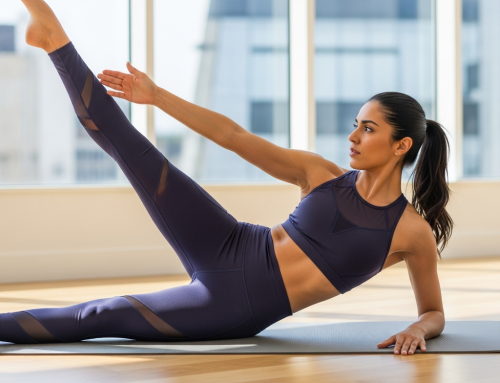
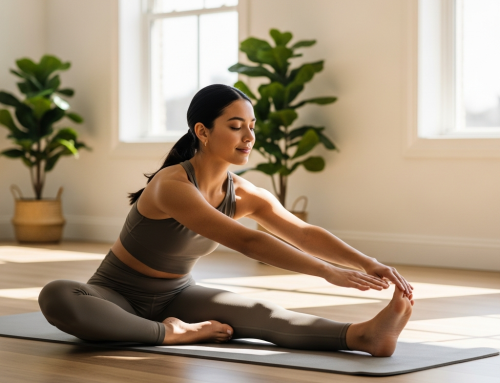
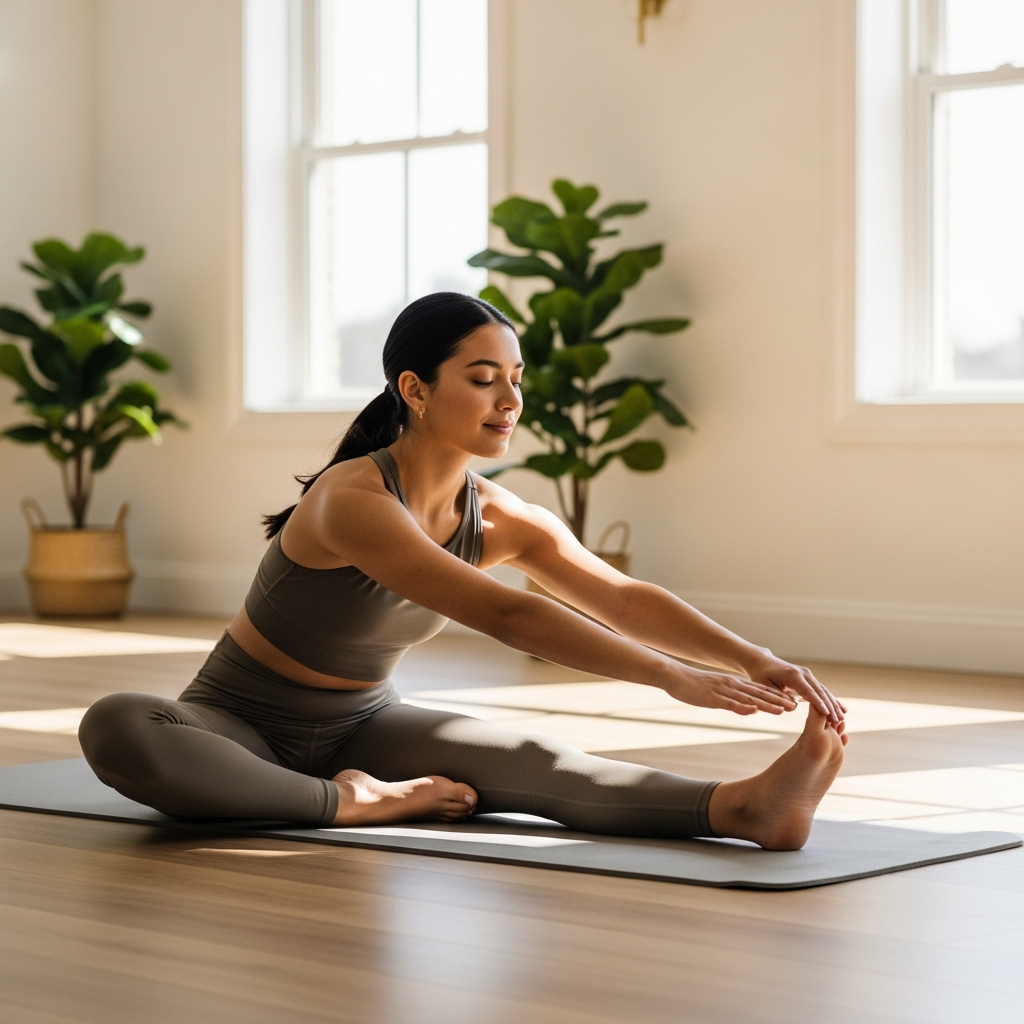
In terms of next steps, if you’re new to Pilates, consider starting with mat Pilates classes. Mat Pilates is a great introduction to the practice, as it allows you to learn the basic movements and principles without the added complexity of equipment. These classes typically focus on exercises that use your body weight for resistance, which can be adjusted as per your fitness level.
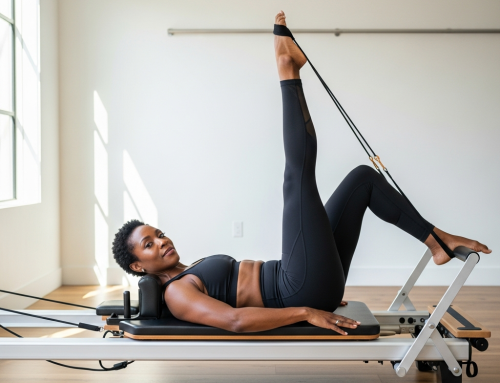
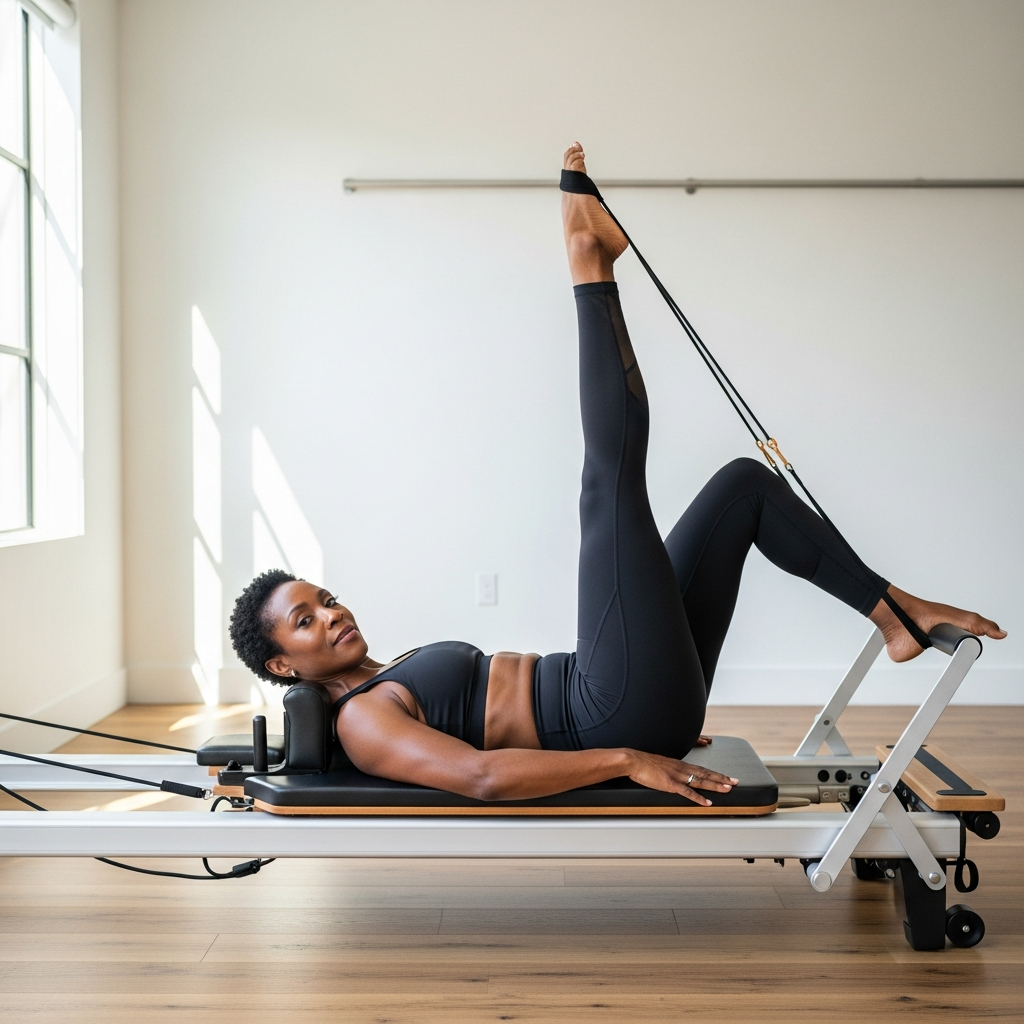
Once you feel comfortable with mat Pilates, you might want to try a reformer class. Reformers are specialized pieces of equipment used in Pilates that provide resistance with springs, which can be adjusted to modify the intensity of your workout. Reformer classes can help you take your Pilates practice to the next level and potentially increase the calorie-burning effect of the workouts.
Remember that weight loss is just one of the many benefits of Pilates. Regular practice can also lead to improved posture, reduced back pain, enhanced athletic performance, and a better sense of body awareness. Moreover, many people find Pilates to be a great stress reliever, which can indirectly support weight loss by helping manage stress eating or other detrimental habits.
In conclusion, while Pilates may not be the fastest route to weight loss compared to some other forms of exercise, it’s a valuable part of a balanced fitness routine that can support weight loss and offer numerous other health benefits. As always, it’s recommended to consult with a healthcare professional before beginning any new fitness program.
In conclusion, Pilates classes are indeed a beneficial choice, not only for weight loss, but for overall physical health and wellness. Unlike other forms of exercise that focus on high intensity, Pilates emphasizes low impact movements that can effectively tone muscles, improve postural alignment, and enhance flexibility.
The primary benefits of Pilates for weight loss are rooted in its ability to boost metabolic rate and promote lean muscle mass development. By improving your body’s muscle-to-fat ratio, it can help you burn calories more efficiently, even while at rest. Moreover, Pilates’ focus on core strengthening exercises can be particularly beneficial in trimming down your waistline.
However, it’s important to remember that weight loss is not solely about burning calories during the workout itself. It’s about creating a calorie deficit, meaning you burn more calories than you consume. Pilates has the potential to be part of this equation, but it should ideally be supplemented with other forms of exercise and a balanced diet to maximize its effectiveness.
While Pilates may not be as calorie-burning as some other forms of exercise like running or cycling, it certainly has its place in a comprehensive weight loss program. The emphasis on mindful movement that Pilates brings can also benefit weight loss efforts by promoting a more mindful approach to eating and lifestyle habits.
Remember, every body is unique and will respond differently to various types of exercise. A fitness regimen that works wonders for one person might not have the same impact on another. Therefore, it’s always recommended to consult with a fitness professional or a health coach to create a personalized plan that suits your individual needs and goals.
Pilates is more than just an exercise; it’s a holistic approach to wellness. It helps in sculpting the body, improving flexibility, boosting mental health, and enhancing overall quality of life. For those who find high-intensity workouts daunting or challenging due to physical constraints, Pilates offers a gentle yet effective alternative for achieving fitness goals and improving overall wellness.
At the end of the day, the real question isn’t “Are Pilates classes good for weight loss?” but rather, “Are Pilates classes good for you?” If you’re looking for a balanced, holistic approach to fitness that strengthens your body, calms your mind, and contributes to a healthier lifestyle overall, then the answer is a resounding “Yes!”
We hope this information has provided some clarity and understanding of how Pilates can contribute to weight loss and overall health. If you’re interested in starting your Pilates journey or if you have any more questions, please don’t hesitate to contact us. Our team of seasoned Pilates instructors are here to guide you and help you reach your fitness goals. Let us assist you in taking the first step towards a healthier, more balanced lifestyle. Start your Pilates journey with us today!