Dive into the Art of Movement: Welcome to Your First Pilates Class
Are you on the hunt for a fresh, engaging and effective form of exercise that not only strengthens your body but also enhances your mental well-being? You’ve made it just to the right spot. Welcome to the world of Pilates, a realm where movement is art, strength meets grace, and every breath counts. Let’s unravel together the intricate, fascinating tapestry that a Pilates class weaves!
Pilates, pronounced as puh-lah-tees, is a physical fitness system that was developed in the early 20th century by Joseph Pilates. It emphasizes the balanced development of the body through core strength, flexibility, and awareness in order to support efficient, graceful movement. Whether you’re an absolute beginner or a seasoned fitness enthusiast, a Pilates class can infuse a new spark into your routine and take your journey towards wellness to the next level.
In this comprehensive guide, we will delve deep into what a Pilates class is, what it entails, and why it’s so much more than just another workout session. From mat Pilates to reformer-based classes, from the core principles guiding each move to the potential benefits you can reap – we have got it all covered for you.
A Pilates class isn’t just about breaking a sweat; it’s a symphony of controlled movements that challenge your body while calming your mind. It’s about understanding the connection between your mind and body and using it to improve overall balance, strength, and flexibility.
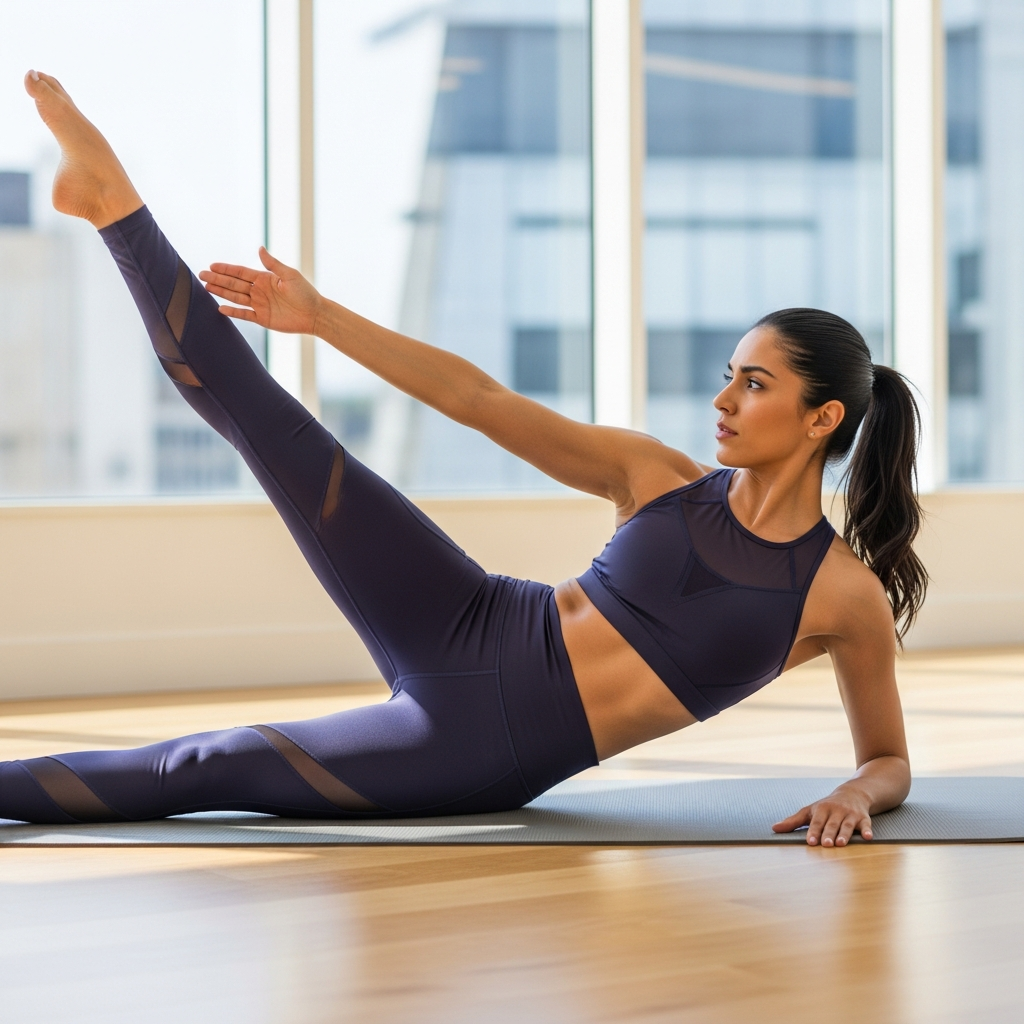
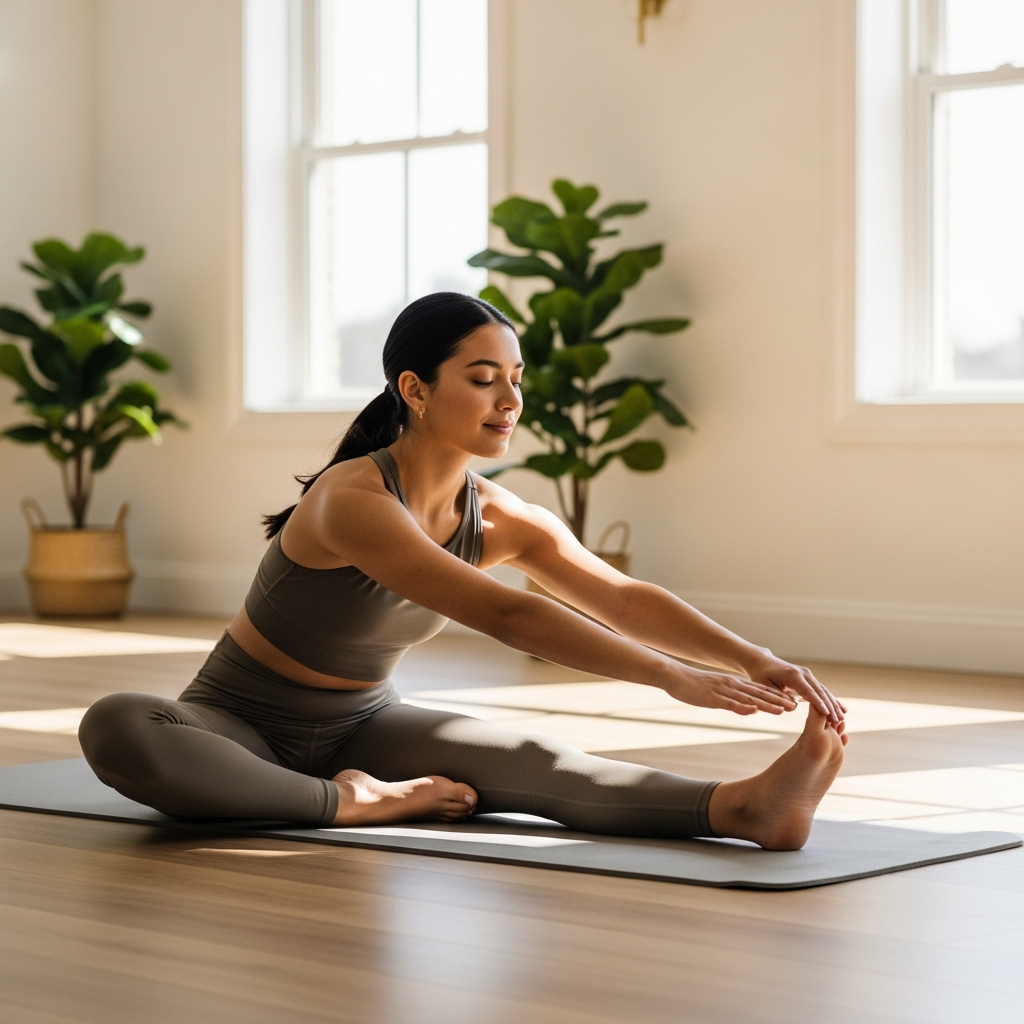
The beauty of Pilates lies in its versatility. Its range extends from Mat Pilates – a form of Pilates performed on a mat, similar to yoga but with a focus on core strength and stability – to more equipment-based classes such as Reformer Pilates or Cadillac Pilates. Each type brings its unique flavor to the table, offering varied levels of intensity and complexity.
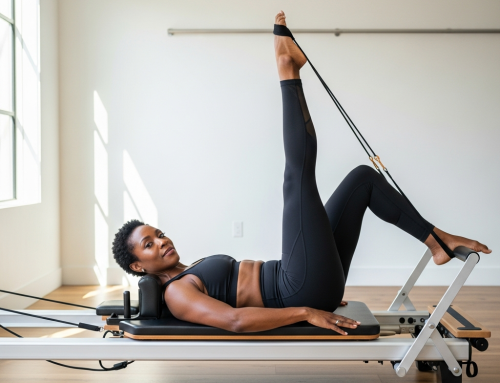
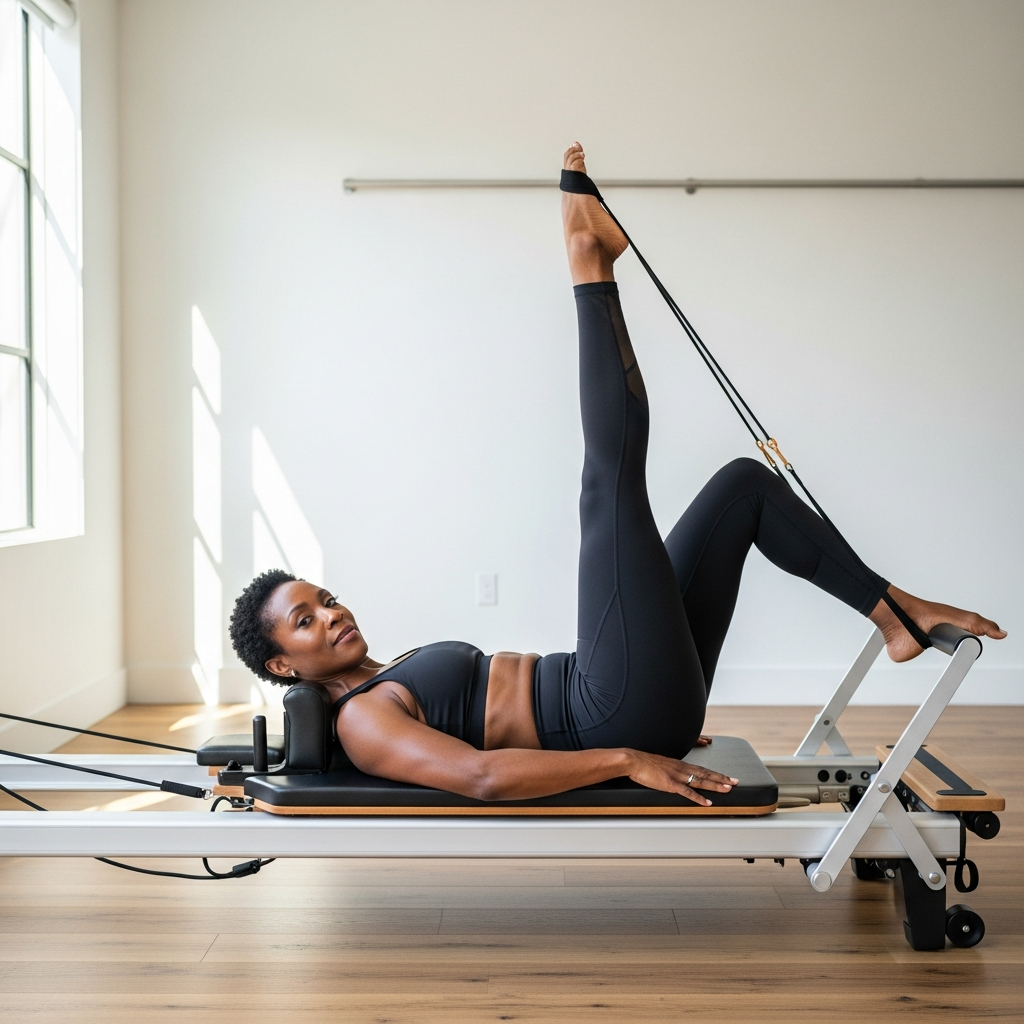
Mat Pilates, perhaps the most popular form, is a great starting point for beginners. It relies on body weight for resistance and focuses on technique and correct postural alignment. Reformer Pilates, on the other hand, employs a specialized piece of equipment called a reformer, which uses springs to add resistance to the workouts. This variant typically offers a more intense workout and can be adapted to all levels – from rehabilitation exercises to challenging workouts for elite athletes.
In this blog, we will be exploring the different types of Pilates classes, what you can expect from each, and how to prepare for your first class. Besides, we will walk you through the potential benefits of regular practice, including improved posture, increased core strength and stability, enhanced flexibility, and reduced stress levels.
Understanding what a Pilates class is matters because it can radically transform your approach to fitness. Rather than focusing solely on high-intensity workouts or weight loss, Pilates invites you to cultivate a mindful connection with your body, to understand its needs, capabilities, and limits. This understanding not only leads to physical improvements but also promotes mental well-being.
So why wait? Dive in, explore, and let Pilates guide you towards a healthier, stronger, and more balanced life. After all, as Joseph Pilates said, “Physical fitness is the first requisite of happiness.” Let’s embark on this journey towards happiness together.
Pilates is a unique form of exercise that was invented by a German physical trainer named Joseph Pilates in the early 20th century. It is a mind-body workout that emphasizes the importance of starting movements from a central core of stability, namely the body’s powerhouse area – the abdomen, lower and upper back, hips, buttocks, and inner thighs. A Pilates class is an organized group session where you can learn and practice this exercise under the guidance of trained professionals.
Pilates classes differ in format and intensity, but all aim to improve flexibility, build strength, and develop control and endurance throughout the entire body. It puts emphasis on alignment, breathing, developing a strong core, and improving coordination and balance. The system allows for different exercises to be modified in range of difficulty from beginner to advanced, making it suitable for all levels of fitness.
The structure of a Pilates class typically includes a series of exercises performed on a mat or using special equipment like the Reformer, Cadillac, Wunda Chair, or barrels designed by Joseph Pilates himself. These tools provide either resistance or support, depending on the exercise.
A fundamental principle of Pilates is the connection between the mind and body with the aim of achieving mental and physical balance. The concentration required during classes helps to focus attention on the movements, eliminating outside distractions. Through this mental focus, one can truly realize the full benefits of each exercise as it is performed.
Breathing plays a significant role in Pilates classes as well. Joseph Pilates emphasized using very precise, conscious breath control during his exercises. He believed in using the lungs strongly to inhale deeply into the back and sides of your rib cage. When exhaling, he advocated for thinking about the lungs as bellows to intensely force out every bit of air.
A key component of Pilates is ‘centering’, or focusing on the center of the body, also known as the powerhouse. All movement in Pilates should begin from the powerhouse and flow outward to the limbs. This not only develops a strong core, but also promotes the efficient and graceful movement that Pilates is known for.
Control and precision are also paramount in Pilates. Every movement is meant to be precise, controlled, and flowing, thereby ensuring the safety and effectiveness of the workout. The goal is not to do a lot of repetitions, but instead to perform a few repetitions of each exercise perfectly, with each movement guided by the breath.
A Pilates class usually lasts around 45 minutes to an hour, but this can vary depending on the type of class (private or group), the level (beginner, intermediate, advanced), and the goals of the session. The exercises and sequence can be modified to meet individual needs and abilities, making it a flexible and appealing option for anyone looking to enhance their fitness.
Finally, it’s important to note that while Pilates can be very challenging, it also emphasizes the importance of not over-working the body. The exercises are designed to stretch and strengthen muscles without adding bulk. The result is a balanced and aligned body that looks fit, feels revitalized, and moves with ease.
In summary, a Pilates class is a systematic workout that focuses on the core strength, flexibility and total body awareness, tailored to suit each person’s individual needs. It is not just an exercise; it is a lifestyle that promotes health, relaxation, and mindful movement. Whether you’re an athlete looking to cross-train, or someone who simply wants to improve their physical fitness, attending a Pilates class could be a beneficial addition to your routine.
Understanding the World of Pilates Classes: A Step-By-Step Guide
Pilates is a type of exercise that focuses on using both the mind and body to achieve optimum performance. The deep stabilizing muscles of the body are conditioned and strengthened using sequences of movements that use gravity, body weight, and specially designed equipment as forms of resistance. This article aims to provide you with a comprehensive understanding of what to expect in a Pilates class.
**1. The Essence of a Pilates Class:**
A Pilates class encompasses a series of controlled movements that put emphasis on alignment, breathing, developing a strong core, and improving coordination and balance. It can be done on a mat or using special apparatus designed to aid in the exercises’ effectiveness. The instructor guides you through a sequence of poses, focusing on your body’s powerhouse areas – the abdomen, lower back, hips, and buttocks.
**Example Scenario**: Imagine you’re in a mat Pilates class, your instructor might guide you into a ‘Roll Up’ pose. You’ll start lying flat on your mat, slowly curling your upper body off the mat, vertebra by vertebra, reaching towards your toes, then gently lowering back down. This exercise promotes spinal articulation and works your deep core muscles.
**2. Different Types of Pilates Classes:**
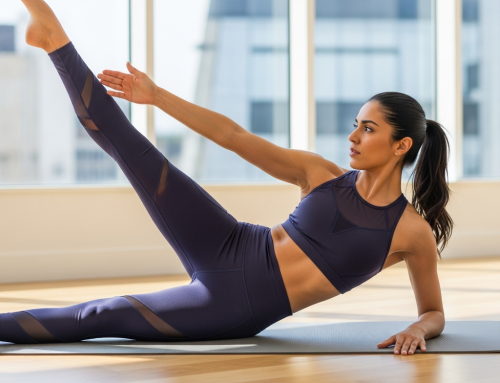
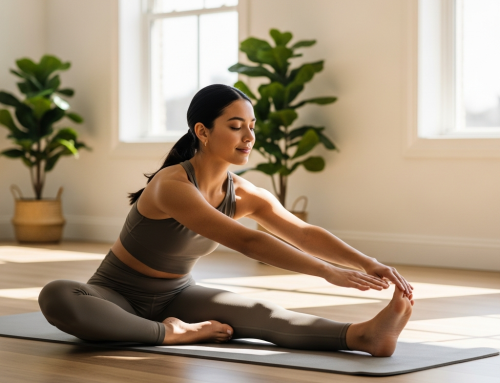
There are two basic forms: mat Pilates and reformer Pilates. Mat Pilates is performed on a mat and uses your own body weight as resistance. It’s an excellent way to understand the basic principles of Pilates since it focuses on control and precision with a less intense strength workout.
Reformer Pilates is performed using the reformer machine. It offers all the benefits of Pilates including overall strength, flexibility, coordination, and balance which lead to daily life improvements like better posture, graceful movement, and for many, relief from pain associated with physical imbalances.
**Example Scenario**: In a reformer Pilates class, you might perform a ‘Footwork’ series. You’ll lie on the carriage of the reformer, feet on the footbar, and push out against the resistance of the springs, then control the carriage as it returns. This exercise is excellent for strengthening the lower body and improving leg alignment.
**3. What to Expect in a Pilates Class:**
In a typical class, you can expect a mix of stretching, strength training, and mindful breathing exercises. The instructor would guide you through a series of exercises, with emphasis on controlled, precise movements. You might use various pieces of equipment like resistance bands, Pilates balls, or the reformer machine, depending on the type of class.
**Example Scenario**: During a Pilates class, you might perform ‘The Hundred’. You’ll lie on your back, lift your legs and head off the mat, and pump your arms up and down while maintaining a steady breath. This exercise is a classic in Pilates, designed to work your core and coordinate your breath with movement.
**4. Preparing for Your First Pilates Class:**
Before attending your first class, ensure you’re wearing comfortable clothes that allow for a full range of motion. Avoid eating a heavy meal just before the class. Arrive early to meet your instructor and discuss any physical issues you have.
**Actionable Advice**: Ask the instructor to guide you through the basic principles of Pilates such as centering, concentration, control, precision, breath, and flow. Understanding these principles will help you get the most out of your workout.
**5. Post-Pilates Class:**
After your class, it’s normal to feel some muscle soreness or fatigue. This is your body adapting to the new movements and strength building. Drinking plenty of water and doing light stretches can help alleviate this.
**Actionable Advice**: Regular practice is key to mastering Pilates. Aim to attend at least two classes a week for optimal results.
Pilates classes offer a holistic approach to fitness, combining aspects of strength, flexibility, and mindfulness. Whether you choose mat or reformer Pilates, the focus on controlled, precise movements can bring a wealth of health benefits. You’ll not only build strength and flexibility but also enhance your concentration, control, and coordination, leading to improved daily performance.
The Ultimate Guide to Pilates Classes: Challenges, Solutions, and Expert Tips
Pilates is a form of low-impact exercise designed to strengthen your core, improve postural alignment, increase flexibility, and enhance mind-body connection. Developed by Joseph Pilates in the early 20th century, it’s a versatile workout that can benefit people of all fitness levels. In this comprehensive guide, we will delve into the concept of Pilates classes, common challenges faced by beginners, effective solutions to these challenges, and expert tips to maximize the benefits of this holistic workout.
**Common Challenges**
1. **Understanding the Basics**: Pilates involves a unique set of movements and principles that might be hard to grasp for beginners. It involves concentration, control, centering, flow, precision, and breathing. It can be overwhelming initially to incorporate all these elements into your workout.
2. **Physical Limitations**: Some people find certain Pilates exercises challenging due to physical limitations or discomforts such as back pain, weak core muscles, or limited flexibility.
3. **Keeping Up with the Pace**: In a group class, beginners may find it challenging to keep up with the pace of the instructor and other experienced participants.
4. **Misconceptions**: Many people mistake Pilates for yoga or believe it’s only for women or dancers. These misconceptions can deter potential participants from exploring its benefits.
**Solutions**
1. **Gradual Learning**: Start with a beginner’s class or private lesson where the instructor can explain the basics and guide you through exercises at a slower pace. Understanding the foundations will help you perform exercises more effectively and safely.
2. **Modifications**: For those with physical limitations, instructors can provide modified versions of exercises. For instance, if you have back pain, an instructor can teach you how to maintain a neutral spine position during workouts.
3. **Consistent Practice**: Consistency is key in Pilates. Over time, you will notice improvements in your strength, flexibility, and ability to keep up with the class pace.
4. **Education**: To debunk misconceptions, learn more about Pilates from reputable sources. Pilates is a full-body workout beneficial for everyone, regardless of gender or background, and while it shares some similarities with yoga, it has its own unique philosophy and benefits.
**Expert Tips**
1. **Find the Right Class**: With various types of Pilates classes available – mat Pilates, reformer Pilates, clinical Pilates – it’s essential to find the one that suits your fitness level, goals, and preferences. Mat Pilates is typically the best starting point for beginners.
2. **Invest in a Good Mat**: If you’re taking a mat Pilates class, invest in a good-quality mat as it provides necessary support and cushioning for your spine during exercises.
3. **Listen to Your Body**: Make sure to listen to your body during classes. If a movement doesn’t feel right or causes discomfort, let your instructor know so they can provide adjustments or alternatives.
4. **Prioritize Quality Over Quantity**: In Pilates, the focus is on performing each movement with control and precision rather than high repetitions. Concentrate on the quality of your movements to get the most out of your workout.
5. **Master Breathing Techniques**: Proper breathing is crucial in Pilates. It helps activate your core muscles and allows for fluid movement. Practice deep, diaphragmatic breathing to enhance your Pilates performance.
Whether you’re an experienced athlete or a fitness newbie, Pilates offers an array of benefits that can complement any lifestyle or fitness regimen. Understanding common challenges and solutions, coupled with expert tips, can ensure a rewarding and beneficial Pilates journey. Remember, the key to mastering this versatile workout is patience, consistency, and a positive mindset.
Unraveling the Pilates Class Experience: What to Expect, Timelines, and Next Steps
Often hailed as the secret to improved posture, lean muscles, and increased flexibility, Pilates is a physical fitness system that continues to gain popularity worldwide. If you’re considering joining a Pilates class, understanding what to expect, the timelines involved, and possible next steps can significantly enhance your fitness journey.
A Pilates class is a structured session where an experienced instructor guides you through a series of exercises designed to strengthen your core, enhance your flexibility, and improve your overall body strength. Classes are typically divided into Mat Pilates and Equipment-based Pilates.
Mat Pilates is the most common form, performed on a padded mat using your body weight as resistance. These classes focus on core work and often incorporate props like resistance bands, balls, and rings to add variety and challenge.
Equipment-based Pilates utilizes specialized equipment like the Reformer, Cadillac, or Wunda Chair. These machines provide resistance through springs, adding an additional level of challenge to the workouts. However, due to the need for equipment and more personalized instruction, these classes often have a higher cost associated with them.
So what should you expect in a Pilates class?
Firstly, expect to be challenged physically and mentally. Pilates exercises demand concentration, precision, control, and breathwork. You’ll start with warm-up exercises to prepare your body, then move on to a series of exercises focusing on different body parts. These exercises are often performed in a specific order; however, this can vary depending on the instructor or class type.
In terms of clothing, opt for comfortable attire that allows for movement but isn’t too loose fitting. This makes it easier for the instructor to observe your alignment and form. Most Pilates classes are done barefoot or with socks.
In terms of timelines, Pilates classes typically last between 45 minutes to an hour. If you’re a beginner, you may need a few classes to familiarize yourself with the movements and terminology. You may not feel the benefits immediately, but with regular attendance (ideally 2-3 times a week), you should start noticing improvements in your strength, flexibility, and posture within a few weeks.
After your first Pilates class, your next steps largely depend on your fitness goals. If you enjoyed the experience and want to make Pilates a regular part of your routine, consider purchasing a class package from your studio, as this is often more cost-effective than paying for single classes. You might also want to try different types of Pilates classes – for example, if you started with a mat class, consider trying a Reformer class for a new challenge.
Investing in a few private lessons can also be beneficial, especially if you’re new to Pilates. A private session allows the instructor to tailor the workout to your needs and give you more personalized attention, helping you master the fundamentals more quickly.
In conclusion, attending a Pilates class can be a transformative experience that enhances your overall physical health and well-being. It might seem challenging at first, but with patience and persistence, you’ll likely find it an enjoyable and rewarding addition to your fitness routine. Whether you opt for Mat or Equipment-based Pilates, remember that the most important thing is to listen to your body and progress at your own pace.
In conclusion, Pilates is an effective method of exercise that engages the mind and body in unison. Its unique blend of strength and flexibility training not only sculpts and tones your physique but also enhances your overall health and well-being. Attending a Pilates class provides you with an opportunity to learn from experienced instructors, benefit from a structured workout environment, and enjoy the camaraderie of fellow fitness enthusiasts.
As we have discovered throughout this article, Pilates classes are not monotonous sessions of repetitive movements. Instead, they are dynamic and diverse, offering a range of exercises to target different muscle groups and aspects of physical fitness. Whether you opt for a mat class or a reformer class, you can expect a full-body workout that strengthens your core, improves your posture, increases your flexibility, and boosts your mental focus.
Pilates classes are also versatile, catering to various fitness levels and personal preferences. Beginners can start with basic exercises to familiarize themselves with the principles of Pilates and gradually increase the intensity as they build their strength and proficiency. Meanwhile, seasoned practitioners can continually challenge themselves with advanced exercises and variations. Regardless of your experience level, Pilates can be adapted to meet your unique needs and goals.
Moreover, Pilates is more than just a physical exercise – it’s a holistic approach to health. By emphasizing mindful movement and deep breathing, Pilates encourages you to cultivate a deeper connection between your body and mind. This mindfulness aspect can enhance your mental clarity, reduce stress, and improve your quality of life.
One crucial takeaway is the importance of proper form in Pilates. As Joseph Pilates himself once said, “A few well-designed movements, properly performed in a balanced sequence, are worth hours of doing sloppy calisthenics or forced contortion.” Therefore, it’s crucial to learn the correct technique under the guidance of a certified instructor to reap maximum benefits and avoid injuries.
Last but not least, consistency is key in Pilates, just like any other fitness routine. While you may not see dramatic changes overnight, regular practice can yield significant improvements in your strength, flexibility, and overall well-being over time. More importantly, Pilates can equip you with the knowledge and skills to maintain a healthy, active lifestyle for the long term.
In light of these insights, it’s evident that a Pilates class can be an invaluable asset in your fitness journey. Whether you’re looking to enhance your athletic performance, rehabilitate from an injury, or simply maintain your health and wellness, Pilates has something to offer.
If you’re ready to embark on your Pilates journey or take your practice to the next level, don’t hesitate to contact us. Our team of certified instructors is dedicated to helping you achieve your fitness goals in a safe, supportive environment. We offer a variety of classes to suit different skill levels and personal preferences, ensuring that you can find the right fit for you. Let us guide you through the transformative power of Pilates – reach out to us today to schedule your first class!
Remember, the journey of a thousand miles begins with a single step. Take that step today by signing up for a Pilates class. Your body and mind will thank you.