Discovering the World of Pilates: Which Type Is Best for Beginners?
Introduction
Have you ever walked by a Pilates studio and peeked inside, only to be intimidated by what appeared to be complex equipment that looked more like medieval torture devices rather than tools for fitness? Or perhaps you’ve been too scared to even check out a Pilates class at your local gym, worried you’ll stand out among the seasoned practitioners who effortlessly move through their flow on their mats. If you’re a beginner looking to venture into the world of Pilates but find yourself feeling daunted, this blog post is designed specifically for you.
Pilates is a popular method of exercise that has been around since the early 20th century. It was developed by Joseph Pilates, a physical trainer, to facilitate rehabilitation for wounded soldiers during World War I. Today, it’s hailed as one of the most effective ways to build strength, flexibility, and balance – all without placing undue stress on the joints. And the best part? No matter your age, fitness level or experience, there’s a Pilates style suitable for you.
In this comprehensive guide, we will demystify Pilates for beginners, breaking down its different types, with a special focus on which might be best suited to newcomers. We’ll explore traditional Pilates, mat Pilates, and various Pilates classes you may encounter at your local studio or gym. By the end of this post, you’ll have a clear understanding of what to expect from your first Pilates session and feel empowered to take that first step on your new fitness journey.
So why does this matter? Pilates has become increasingly popular due to its holistic approach to health and fitness. Its emphasis on mind-body connection not only leads to improved physical strength and flexibility but also promotes mental clarity and stress relief. However, with numerous styles and classes available, knowing where to start can be overwhelming. Understanding the different types of Pilates and finding the one that suits your needs and comfort level is key to fostering a sustainable and enjoyable practice.
Pilates is not just an exercise regimen; it’s a lifestyle that fosters strength, flexibility, and overall wellness. It’s about making a commitment to your body and mind, learning to move with intention and grace, and discovering a new level of fitness that you may never have thought possible. And it all starts with that first step – your first Pilates class.
So, are you ready to discover which type of Pilates is best for beginners? Let’s dive deep into the world of Pilates together. Whether you’re looking to improve your fitness, recover from an injury, or simply find a new way to relax and destress, we’re confident there’s a Pilates style out there for you. And who knows? Maybe that intimidating studio will become your new favorite place to be. So let’s get started on this exciting journey towards enhanced health and wellness through Pilates.
Understanding the Pilates Framework: A Guide for Beginners
Pilates, an exercise regimen that emphasizes balance, concentration, control, precision, breath, and flow, is rapidly becoming a popular fitness choice globally. The brainchild of Joseph Pilates in the early 20th century, this physical fitness system aimed to create a perfect fusion between mind and body. By understanding the fundamentals and framework of Pilates, beginners can make an informed decision about the best type of Pilates to embark on their journey towards physical wellbeing.
Joseph Pilates designed this system to strengthen the body, improve postural alignment, enhance flexibility, and boost mental awareness. His approach was rooted in the belief that physical and mental health are closely intertwined. This holistic perspective underpins every aspect of Pilates, making it a unique exercise method that goes beyond mere physical conditioning.
Pilates focuses on core strength, or as Joseph Pilates called it, the ‘powerhouse’ of the body – a band of muscles encompassing the abdomen, lower back, hips, and buttocks. By strengthening this area, Pilates helps protect against injuries and builds a strong foundation for overall fitness. It also aids in improving flexibility and range of motion.
The essence of Pilates can be encapsulated in six principles
1. Concentration: The focus is on the quality of each movement rather than the quantity or repetitions. 2. Control: Each exercise is performed with total muscular control to avoid injury and produce positive results. 3. Centering: The exercises originate from the core or ‘powerhouse’ and flow outwards to the limbs. 4. Flow: Each movement is smooth and graceful, creating a flowing transition between exercises. 5. Precision: Precision is valued over repetition; correct form is essential to ensure effectiveness. 6. Breathing: Proper breathing patterns are encouraged to support movement and enhance mental focus.
There are various forms of Pilates, including mat Pilates, reformer Pilates, clinical Pilates, and Stott Pilates, each with its unique approach and benefits.
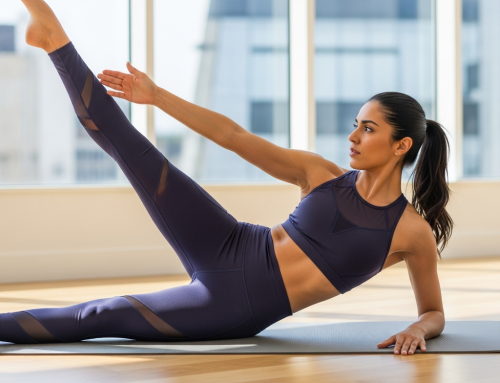
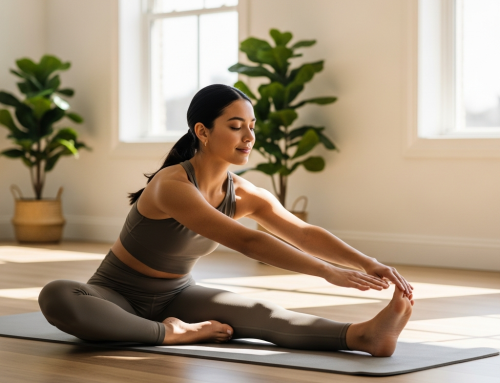
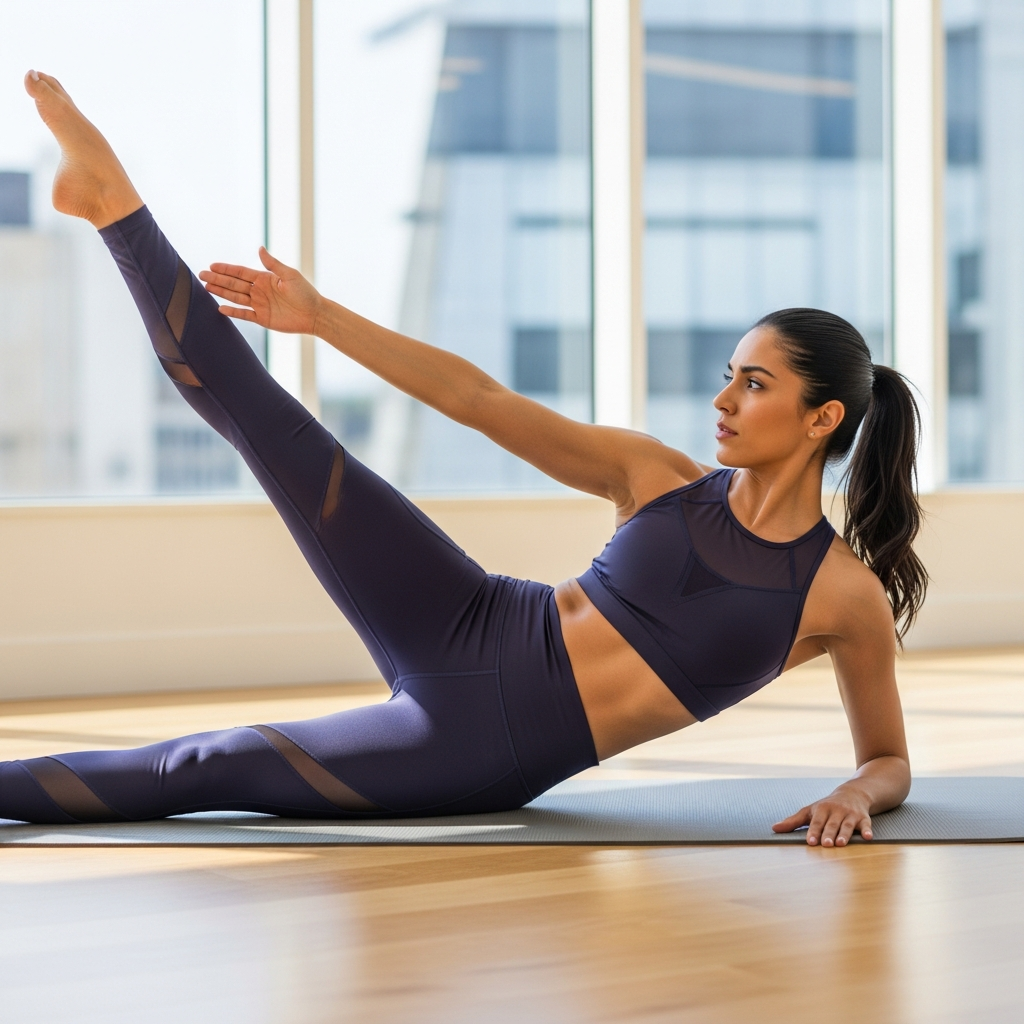
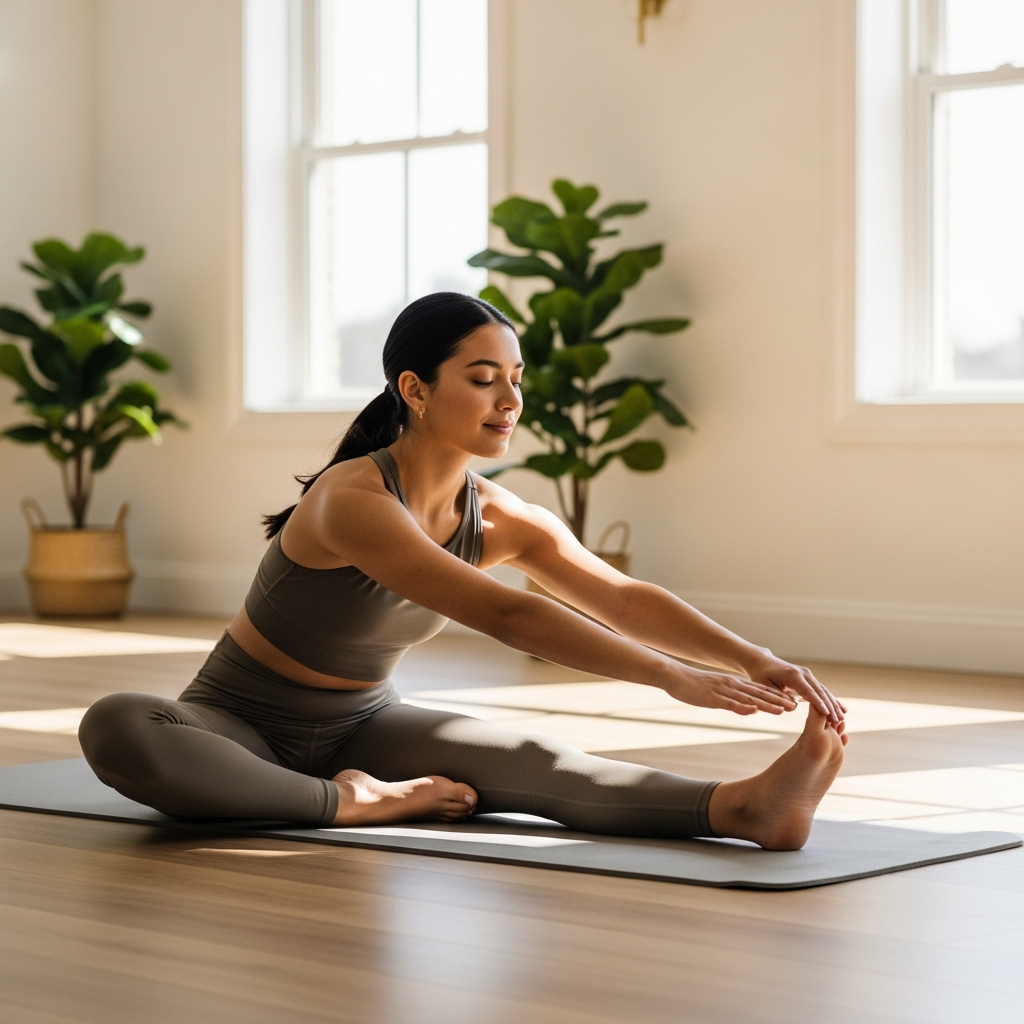
Mat Pilates, as the name suggests, is performed on a mat, using body weight as resistance. It is the most common form of Pilates and is an excellent starting point for beginners. The exercises help strengthen the core, improve flexibility, and enhance balance.
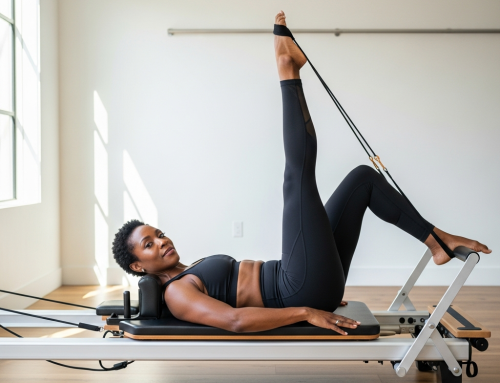
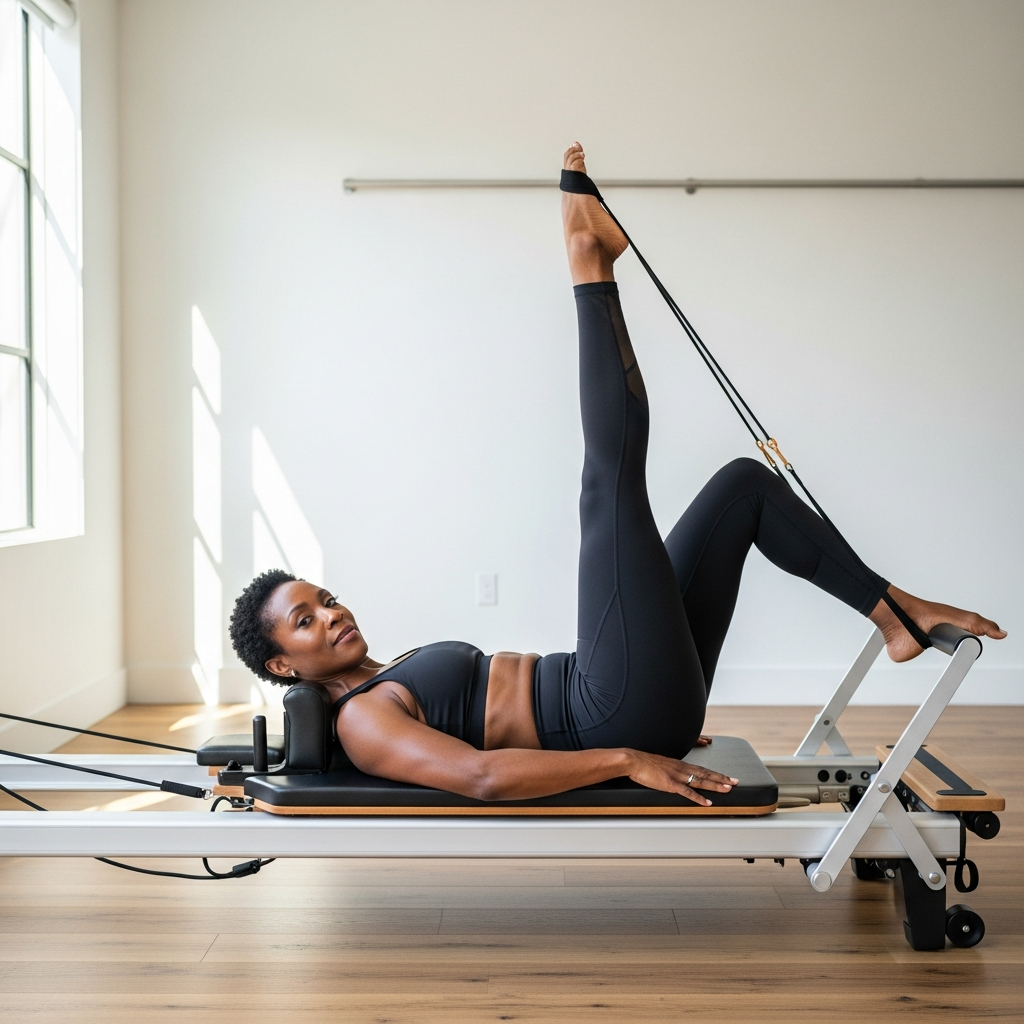
Reformer Pilates involves a machine known as the ‘reformer’, designed by Joseph Pilates. It uses springs to create resistance and challenge the body. Although it may look intimidating at first, it allows for a broader range of exercises and precise muscle targeting.
Clinical Pilates is a modified form of therapeutic exercise used by physiotherapists to aid rehabilitation. It’s personalized to the individual’s needs, making it suitable for those recovering from injuries or dealing with chronic conditions.
Stott Pilates, named after its founder Moira Merrithew Stott, is a contemporary adaptation of the original method. It incorporates modern principles of exercise science, focusing more on spinal curvature, joint stability, and the importance of neutral alignment.
For beginners, choosing the best type of Pilates largely depends on their specific goals, physical condition, and personal preference. Mat Pilates is often recommended for novices due to its simplicity and focus on mastering the basic principles.
However, it’s crucial to remember that every individual is different. What works best for one person may not work for another. Therefore, consulting with a certified Pilates instructor or physiotherapist before starting any exercise regimen is crucial. They can provide a comprehensive assessment and guide beginners towards the most suitable form of Pilates.
In conclusion, Pilates is a versatile exercise method that caters to various fitness levels and needs. Its focus on mind-body connection, core strength, flexibility, and precision makes it an effective workout regimen. For beginners, understanding the fundamentals and framework of Pilates is the first step towards a rewarding journey of physical fitness and mental wellbeing.
Which Type of Pilates is Best for Beginners?
Pilates is a highly effective exercise discipline that focuses on the core, or “powerhouse” of the body. It enhances flexibility, strength, and body awareness, making it an excellent choice for beginners who are new to fitness or those looking to diversify their workout routine. However, with several types of Pilates available, it’s crucial to choose the right one for you.
1. Mat Pilates: For Beginners Seeking Core Strength and Flexibility
Mat Pilates is an excellent starting point for beginners. It uses your own body weight for resistance and focuses on form and alignment. Mat classes are widely available, both online and in-studios, making it easily accessible to all.
For example, a typical Mat Pilates class might start with a warm-up, often a series of breathing exercises to engage your core and prepare you for the workout. Next, you’ll move through a series of exercises that target different muscle groups, including the legs, upper body, and of course, the core.
Actionable Advice: When beginning Mat Pilates, remember that consistency is key. Aim for two to three classes per week. Don’t be discouraged if some moves are challenging at first – it takes time to build up strength and flexibility.
2. Reformer Pilates: For Beginners Seeking Variety and Challenge
Reformer Pilates utilizes a machine called a reformer – a sliding carriage rigged with springs, bars, and straps. The reformer can look intimidating initially but fear not! It provides a structured frame that helps beginners understand the movements better.
Reformer Pilates offers a more dynamic and varied workout than Mat Pilates, as the adjustable springs allow for different resistance levels. This means you can modify the exercises according to your fitness level.
Actionable Advice: Before you sign up for a Reformer class, take a few Mat Pilates classes first to familiarize yourself with the basic principles of Pilates. When you’re ready to move on to the Reformer, start with a beginners’ class where the instructor can guide you through using the machine.
3. Clinical Pilates: For Beginners With Specific Health Concerns
Clinical Pilates is a modified version of traditional Pilates, guided by physiotherapists. It’s specifically designed for individuals recovering from injury, dealing with chronic pain, or with specific health concerns.
In a Clinical Pilates class, the instructor will tailor the exercises to your needs, ensuring that you can exercise safely and effectively.
Actionable Advice: If you’re considering Clinical Pilates, consult your healthcare provider first. They can guide you towards a suitable class and help you understand what to expect.
4. Group Pilates Classes: For Beginners Seeking Community and Motivation
Group Pilates classes are a great way for beginners to stay motivated and enjoy a sense of community. These classes are usually available in both Mat and Reformer Pilates, and they allow for personalized instruction within a group setting.
Actionable Advice: If you’re nervous about attending your first group Pilates class, try bringing a friend along! You’ll feel less intimidated and will have someone to share the experience with.
In conclusion, the best type of Pilates for beginners largely depends on your personal goals, fitness level, and health status. Mat Pilates is an excellent place to start due to its focus on core strength and flexibility. As you gain confidence and strength, you might want to explore more challenging options like Reformer Pilates. Remember, it’s essential to listen to your body and progress at your own pace. With consistent practice, you’ll soon see improvements in your strength, flexibility, and overall wellness.
A Starter’s Guide to Pilates: Choosing the Best Type for Beginners
Whether you’re new to the fitness world or an experienced athlete looking to diversify your routine, Pilates is a versatile workout that caters to all fitness levels. Despite the many benefits it offers, deciding where to start can be daunting, especially with the multiple types of Pilates available. This comprehensive guide will help beginners navigate the Pilates landscape, debunk common misconceptions, and offer best practices to kick-start their Pilates journey.
Common Challenges:
1. Understanding Different Types of Pilates: The two primary types of Pilates are Mat Pilates and Reformer Pilates. Mat Pilates focuses on core strength and stability and is typically performed on a mat using body weight. Reformer Pilates involves a specialized machine with springs for resistance, promoting improved alignment, flexibility, and strength.
2. Overcoming Initial Intimidation: The unfamiliar terminology and equipment involved in Pilates can be intimidating for beginners. Many fear they are not flexible or fit enough for this workout.
3. Finding the Right Class: With classes ranging from beginner to advanced levels, it can be difficult for newcomers to decide which class suits them best.
Solutions:
1. For beginners, Mat Pilates is often the best starting point. It allows you to focus on learning the basic principles such as breathing, centering, concentration, control, precision, and flow. These principles are fundamental to all types of Pilates and will provide a strong foundation as you progress.
2. Remember, every Pilates practitioner started as a beginner. It’s okay not to know all the terms or moves initially – that’s part of the learning process. And don’t worry about your current fitness level; Pilates is designed to help you improve flexibility, strength, and stability at your own pace.
3. Start with a beginner’s class or private session. This will ensure you receive proper instruction on the basic movements and principles of Pilates. As you gain confidence and understanding, you can gradually progress to more advanced classes.
Expert Tips:
1. Choose a Qualified Instructor: A qualified instructor will guide you correctly, ensuring you understand the basics and perform exercises safely and effectively. They will also be able to modify exercises to suit your fitness level and specific needs.
2. Listen to Your Body: Pilates is about control and precision, not speed and repetition. It’s crucial to perform each exercise with proper form. If an exercise causes discomfort or pain, it’s okay to stop and rest.
3. Consistency is Key: To reap the benefits of Pilates, it’s essential to practice regularly. Try to incorporate Pilates into your routine at least two to three times a week.
Misconceptions and Best Practices:
A common misconception is that Pilates is only for women or dancers. In reality, Pilates was created by a man, Joseph Pilates, and is beneficial for everyone, regardless of age, gender, or fitness background. It’s an excellent workout for improving overall body strength, flexibility, and posture.
Another misconception is that Pilates is easy. While it may not involve high-intensity cardio like some workouts, Pilates requires a lot of control, precision, and concentration. It can be particularly challenging as it targets deep muscles that are often neglected in traditional workouts.
As for best practices, always warm up before starting your Pilates session to prepare your body for the workout. Focus on your breath as it helps facilitate movement and maintain concentration. Finally, be patient with yourself. Progress in Pilates takes time, but with consistent practice, you’ll see improvements in your strength, flexibility, and overall well-being.
In conclusion, beginning a new fitness journey with Pilates can be an exciting experience filled with learning and growth. Remember that each person’s Pilates journey is unique, so take your time, listen to your body, and most importantly, enjoy the process. The world of Pilates is waiting for you!
Pilates, a physical fitness system developed in the early 20th century by Joseph Pilates, is a fantastic form of exercise that promotes strength, flexibility, and overall wellness. Particularly popular among athletes, dancers, and fitness enthusiasts, Pilates can be an excellent choice for beginners who want to start a new exercise regimen. However, with numerous types of Pilates available, it can be overwhelming for a beginner to know where to start. Here, we delve into which type of Pilates is best suitable for beginners, what to expect, timelines, and the next steps for you to get started on your fitness journey.
There are primarily two types of Pilates: Mat Pilates and Reformer Pilates. While both forms are beneficial, Mat Pilates is often recommended as the best starting point for beginners.
**Mat Pilates**
Mat Pilates is carried out on a floor mat and uses body weight as resistance. This type of Pilates focuses on developing core strength, improving postural alignment, and enhancing flexibility. As a beginner, this form is ideal as it introduces you to the fundamental principles of Pilates, such as controlled breathing, core control, and concentration. These principles are key to performing all Pilates exercises correctly and safely.
In a typical Mat Pilates class, you can expect an array of exercises that aim to strengthen and stretch your muscles. These exercises are designed to be performed slowly to ensure precision and control. As a beginner, don’t worry if you can’t perform all the exercises initially; it takes time to build up strength and flexibility. The beauty of Mat Pilates is that it allows you to progress at your own pace.
**Timelines**
The timeline for seeing results from Mat Pilates varies from person to person; however, on average, beginners can expect to notice improvements in their strength and flexibility within 8-12 weeks of consistent practice. Regular attendance (at least 2-3 times a week) and proper execution of exercises are crucial for achieving noticeable results.
**Next Steps**
The first step to starting with Mat Pilates is to find a class that suits your schedule and fitness level. Many fitness studios, community centers, and even online platforms offer beginner-level Mat Pilates classes.
When choosing a class, look for one that emphasizes the basics and takes time to explain each exercise thoroughly. An experienced instructor will also ensure that you’re performing each exercise correctly and safely, which is key to preventing injuries and maximizing the benefits of the workout.
Before your first class, make sure to wear comfortable, form-fitting clothing that allows you to move freely. Avoid clothes that are too loose as they can get in the way during exercises.
During your first class, it’s normal to feel a bit overwhelmed or confused by the new exercises. Don’t be discouraged; it takes time to get accustomed to the movements and the language used in Pilates. With consistent practice, you’ll soon become familiar with the exercises and start to see improvements in your strength and flexibility.
After a few weeks of classes, you might want to consider investing in a quality Pilates mat. While most studios provide mats, having your own is more hygienic and allows you to practice at home between classes.
In conclusion, Mat Pilates is an excellent starting point for beginners due to its focus on fundamental principles and core strength. However, remember that everyone’s fitness journey is unique, so don’t rush the process. Allow yourself time to learn, grow, and enjoy the journey towards improved health and wellness through Pilates.
In conclusion, choosing the right type of Pilates for beginners is crucial to ensure a smooth and enjoyable journey into this fitness regimen. Having navigated through the different types of Pilates, the key takeaways to remember are
Firstly, the Mat Pilates class is arguably the most suitable starting point for beginners. This form of Pilates focuses on mastering the fundamental movements and principles of Pilates including control, concentration, precision, breath, centering and flow. Plus, since it requires no special equipment other than a mat, beginners can easily practice these exercises at home, making it a convenient and cost-effective option.
Secondly, Reformer Pilates is another excellent choice for beginners, particularly those who may need additional support or resistive feedback due to conditions such as back pain or joint issues. The reformer’s adjustable springs allow for progressive resistance, which can be tailored to your individual fitness level and gradually increased as your strength and flexibility improve. However, this type of Pilates usually requires a certified instructor and specific equipment, which means it may not be as accessible or affordable as Mat Pilates.
Thirdly, Clinical Pilates is a tailored form of Pilates often recommended for individuals recovering from injuries or suffering from chronic conditions. It is performed under the supervision of a physiotherapist or trained professional who can guide you through specific exercises to rehabilitate and strengthen the body.
Pilates Barre and Contemporary Pilates are other variants that combine traditional Pilates techniques with elements of ballet and modern fitness trends. While they can provide a fun and challenging workout, they often involve complex movements and higher intensity levels, making them more suitable for those who have already mastered the basics.
Furthermore, regardless of the type of Pilates you choose, remember that consistency is key. Regular practice will help you build strength, improve flexibility, and enhance body awareness. Also, it’s important to find an instructor you feel comfortable with and classes that you enjoy, as this will motivate you to stick with your routine.
Lastly, it’s worth noting that while Pilates can offer numerous health benefits, it should not replace medical advice. If you have any health conditions or concerns, it’s important to consult with a healthcare professional before starting any new fitness program.
Remember, Pilates is not a one-size-fits-all solution. Each person is unique, and the ‘best’ type of Pilates for you will depend on your individual needs, goals, and circumstances. Therefore, take the time to research different options, try out different classes, and listen to your body to find the type of Pilates that’s right for you.
If you’re still unsure about where to start or which type of Pilates is best for you, don’t hesitate to contact us. Our team of certified Pilates instructors are more than willing to guide you through your Pilates journey. Whether it’s helping you understand the basic principles, guiding you through your first Mat Pilates class, or providing a personalized program to meet your specific needs, we’re here to ensure your Pilates experience is beneficial and enjoyable. So why wait? Start your Pilates journey with us today!