You know that feeling when you’re standing outside a new gym, peering through those intimidatingly clean windows, wondering if everyone inside was basically born doing perfect planks? Yeah, I’ve been there too. And if you’re reading this, there’s a good chance you’re eyeing that Pilates studio in Garland with a mix of excitement and… well, let’s call it “strategic anxiety.”
Maybe your doctor mentioned that Pilates could help with that nagging lower back pain that’s been your unwelcome companion since you started working from home. Or perhaps your friend who somehow got those killer abs keeps raving about her Tuesday night class. Whatever brought you here, you’re probably doing what the rest of us do – overthinking the heck out of what should be a simple decision to try something new for your health.
Here’s what I wish someone had told me before my first Pilates class: that weird flutter in your stomach? Totally normal. That voice in your head saying you’re not flexible enough, strong enough, or… whatever enough? It’s lying. And that assumption that you’ll be the only person there fumbling through movements while everyone else flows like graceful swans? Trust me, we’ve all been the wobbly duckling at some point.
The thing about Pilates – and this is coming from someone who’s witnessed countless “firsts” at our clinic – is that it’s not really about being perfect on day one. Or day ten, for that matter. It’s about meeting your body where it is right now, not where Instagram tells you it should be. But here’s the catch (because there’s always a catch, right?): knowing this intellectually and actually believing it when you’re lying on that reformer for the first time? Two very different things.
That’s exactly why I wanted to put this together. Because while Pilates can be an incredible tool for weight loss, strength building, and overall wellness – and we see this transformation happen with our patients all the time – walking into your first class unprepared can turn what should be an empowering experience into an exercise in self-doubt. And honestly? You’ve got enough on your plate without adding unnecessary stress to something that’s supposed to make you feel better.
See, here in Garland, we’re lucky to have some fantastic Pilates instructors who genuinely care about helping newcomers feel comfortable. But even the most welcoming environment can feel overwhelming when you don’t know what to expect. Should you eat beforehand? What if you can’t touch your toes? Is there some secret Pilates language you’re supposed to understand? (Spoiler alert: “neutral spine” isn’t as complicated as it sounds, but nobody tells you that upfront.)
The truth is, your first Pilates class doesn’t have to be this big, scary thing. With a little preparation – not the kind that requires weeks of pre-training, just some basic insider knowledge – you can walk in feeling confident and ready to focus on what really matters: how the movements feel in your body and what they might do for your health goals.
Over the years, I’ve noticed that people who feel prepared for their first class are way more likely to stick with it. And sticking with it? That’s where the magic happens. Not just for weight management, but for the kind of core strength that makes carrying groceries feel easier, the improved posture that has you standing taller in meetings, and yes – that sense of accomplishment that comes from mastering movements you never thought possible.
So let’s get you ready. We’re going to cover everything from the practical stuff (like what to wear and when to show up) to the mindset shifts that’ll help you get the most out of every session. Think of this as your friendly prep talk – the conversation you’d have with someone who’s been there, done that, and wants to make sure your experience is everything it can be.
Because here’s what I know for sure: that first step through the studio door? It’s always the hardest one. Everything after that? It just gets better.
What Exactly *Is* Pilates, Anyway?
Okay, let’s be honest here – you’ve probably heard the word “Pilates” thrown around at dinner parties and gym conversations, but what the heck actually happens in those classes? I mean, it looks like yoga… but isn’t yoga. It involves weird contraptions that look like medieval torture devices… but people seem to love it.
Here’s the thing: Pilates is basically strength training disguised as graceful movement. Think of it like this – if traditional weightlifting is like chopping wood (powerful, obvious movements), then Pilates is more like… well, like learning to play violin. You’re building incredible strength, but it’s all about precision, control, and making it look effortless.
Joseph Pilates – yes, that was an actual person’s name – developed this method back in the early 1900s. He was kind of ahead of his time, focusing on what we now call “functional movement.” Basically, he figured out that most of us move like rusty robots in our daily lives, and our bodies pay the price.
The Core Obsession (And Why It’s Not Just About Abs)
You’ll hear “engage your core” about fifty times in your first class. Maybe more. And honestly? It might drive you a little nuts at first because what exactly does that even mean?
Your core isn’t just your abs – though that’s what most people think. It’s more like… imagine your torso is a soda can. Your core is everything that keeps that can from collapsing – the bottom, the sides, the top. We’re talking about deep muscles you probably didn’t even know existed.
The confusing part? You can’t really “see” these muscles working the way you can see your bicep flex. It’s all internal, which makes it feel weird at first. You might think you’re doing nothing while everyone else seems to have figured out some secret code.
Actually, that reminds me – don’t get discouraged if you feel like you’re missing something in those first few classes. Most people do. It’s like learning to drive stick shift; eventually, it clicks, but initially you’re just stalling out at every intersection.
Mat Work vs. Equipment Classes
Here’s where things get interesting. There are basically two types of Pilates classes you’ll encounter, and they’re surprisingly different experiences.
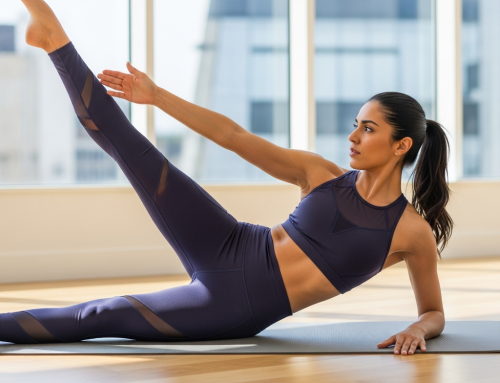
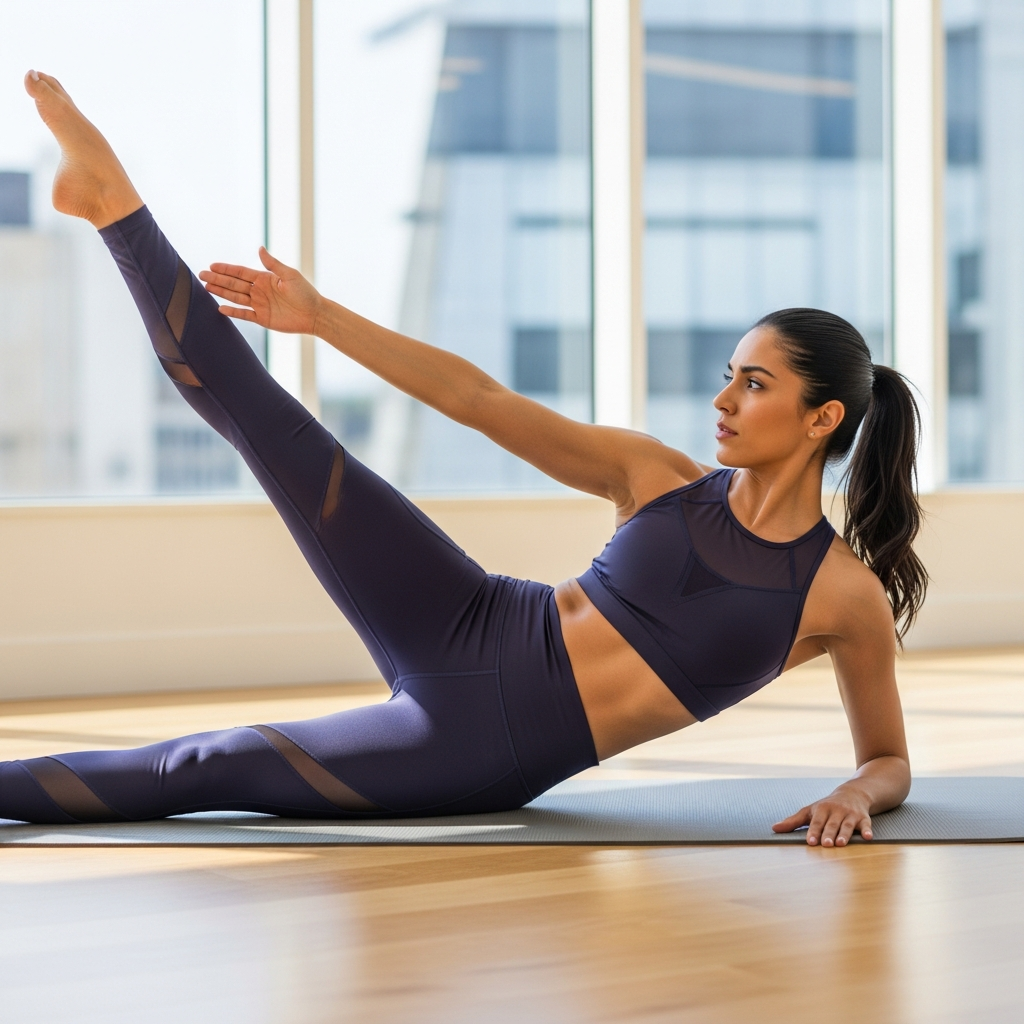
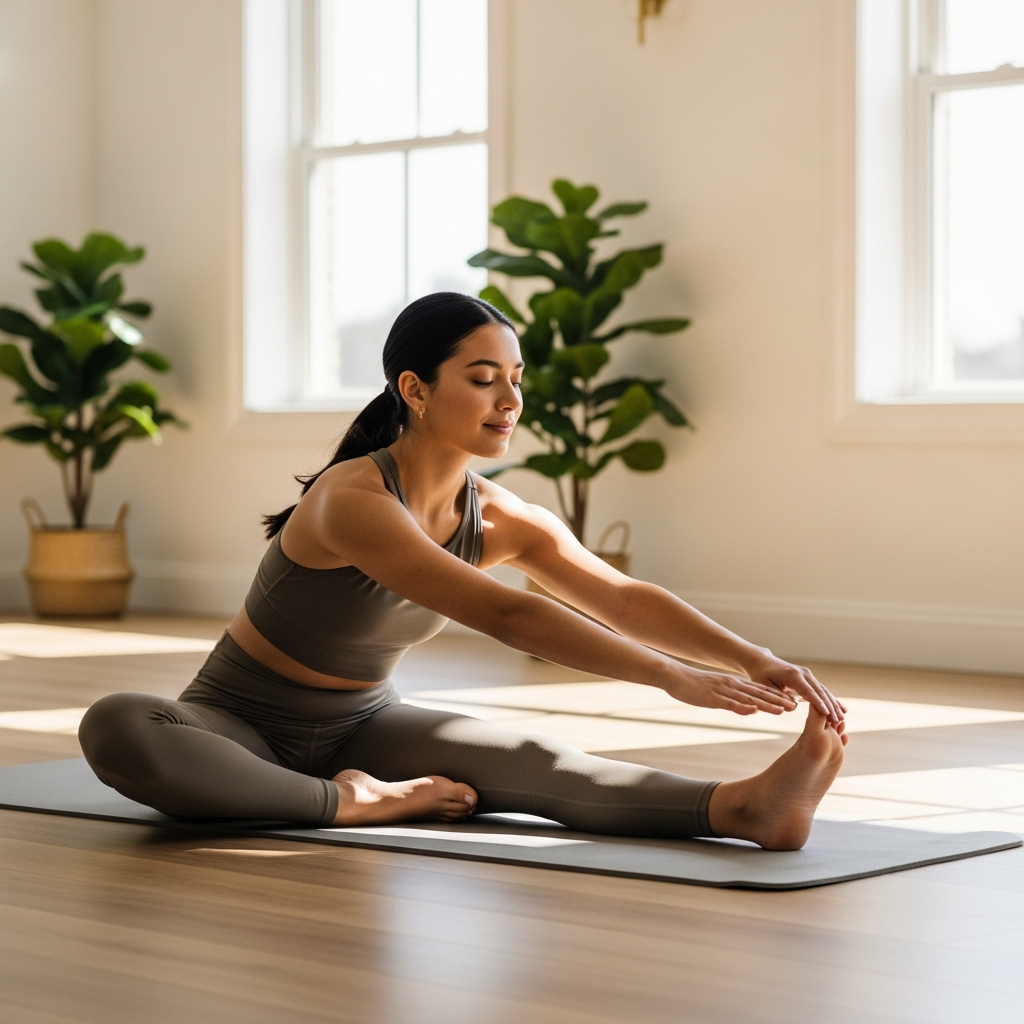
Mat classes happen on… well, mats. Just you, the floor, and gravity working against you in ways you didn’t think possible. Don’t let the simplicity fool you – some of the hardest exercises I’ve ever done involved nothing but a yoga mat and the audacity to think I could lift both legs at the same time.
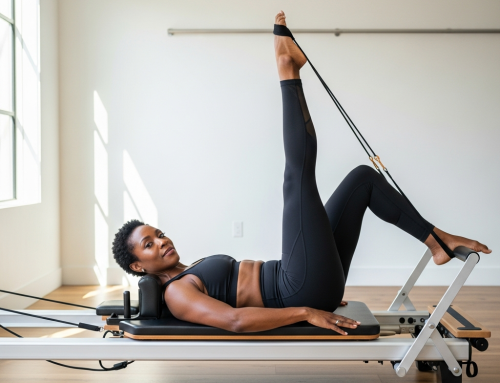
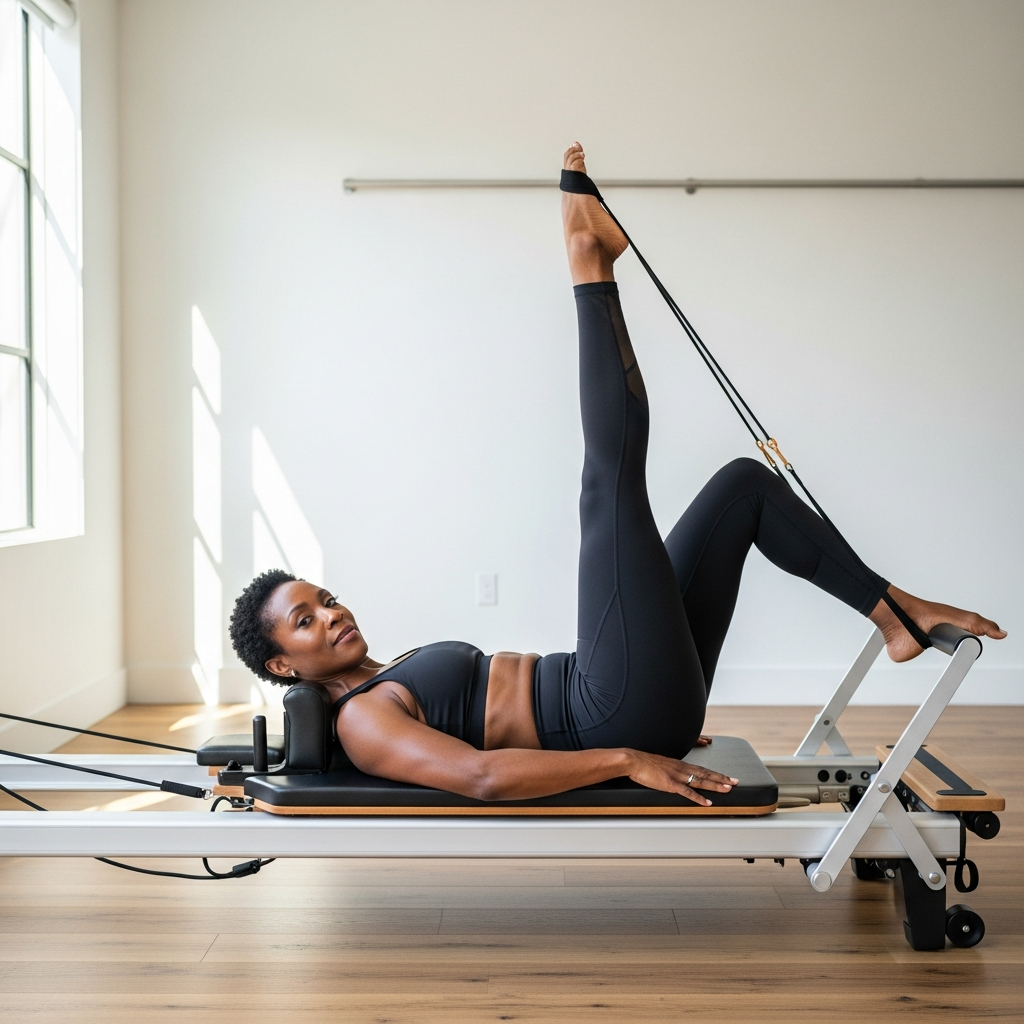
Then there’s equipment-based Pilates, usually involving something called a “reformer.” Now, this thing looks intimidating – it’s like a bed frame had a baby with a rowing machine and decided to add springs and pulleys for good measure. But here’s the weird thing: the reformer can actually make some exercises easier because it provides support and feedback. It’s like having training wheels that somehow make you stronger.
The Breathing Thing Everyone Talks About
Okay, this is going to sound obvious, but… you need to breathe during Pilates. I know, I know – you breathe all day without thinking about it. But Pilates breathing is different, and it’s probably going to feel unnatural at first.
The general idea is to breathe out during the “work” phase of an exercise. So if you’re doing a crunch-type movement, you’d exhale as you curl up. It’s supposed to help you connect with those deep core muscles we talked about.
But honestly? Don’t stress too much about getting the breathing perfect right away. I’ve seen people get so focused on the breathing pattern that they forget to actually do the exercise. Just… don’t hold your breath. That’s the main thing.
Mind-Body Connection (Without the Woo-Woo)
You’ll hear instructors talk about the “mind-body connection” a lot. Before you roll your eyes – I get it, it sounds a bit mystical. But there’s actually something practical here.
Pilates forces you to think about what you’re doing while you’re doing it. Unlike running on a treadmill where you can zone out to Netflix, every single movement requires your attention. It’s like meditation, except instead of sitting still, you’re convincing your body to do things it really doesn’t want to do.
This awareness thing… it’s actually pretty powerful. You start noticing how you sit at your desk, how you pick things up, how you walk. It’s like suddenly having high-definition vision for your own movement patterns.
What to Actually Wear (Hint: It’s Not What Instagram Shows You)
Forget those perfectly coordinated sets you see online – they’re pretty, but they’ll drive you crazy when you’re trying to focus on your form. You want fitted clothes that won’t bunch up or slide around, but here’s the thing… avoid anything too slippery. Those silky workout leggings? They’ll have you sliding off equipment like you’re on a slip-n-slide.
Go for breathable fabrics with a little grip to them. Cotton-blend leggings work great, and honestly? That old fitted t-shirt you’ve had forever is probably perfect. Skip the shoes entirely – Pilates is done barefoot, and trust me, you’ll want that connection to feel stable. Oh, and here’s something nobody tells you: bring a hair tie even if your hair is short. You’ll be upside down more than you expect.
The Water Bottle Strategy (Yes, There’s a Strategy)
Bring water, but here’s the insider tip – get something with a straw or sport cap you can operate one-handed. During class, you might be in a position where you can’t sit up to drink normally, and those twist-off caps become impossible when you’re holding a plank.
But don’t chug water right before class starts. I’ve seen too many people feel queasy during their first session because they downed 20 ounces five minutes before we began. Sip throughout the day leading up, then just small sips during class if needed.
Your Instructor Wants You to Speak Up (Really)
This might feel awkward, but your instructor genuinely wants to know if something hurts in a bad way. There’s “good” muscle work and “uh-oh” joint pain – and the difference matters. Don’t try to tough it out because you think everyone else is handling it fine.
Here’s what to say: “This doesn’t feel right in my lower back” or “My shoulder is pinching.” Most instructors will immediately offer a modification or adjustment. They’re not judging your fitness level… they’re actually impressed you’re being smart about your body.
And if you have any injuries or concerns? Mention them before class starts. Even that ankle you sprained two years ago that “mostly” feels fine – just give your instructor a heads up.
The Mirror Situation (It’s Weird at First)
Most Pilates studios have mirrors, and yes, you’ll probably catch yourself making faces you didn’t know you could make. This is completely normal. The mirrors aren’t there for vanity – they’re actually tools to help you check your alignment.
But here’s something that might help: try looking at your overall posture rather than focusing on specific body parts you’re self-conscious about. Are your shoulders level? Is your spine in a nice neutral position? The mirror becomes less intimidating when you think of it as feedback rather than judgment.
Equipment Etiquette That Nobody Explains
If you’re taking a mat class, you’ll probably grab a mat from a stack. Quick tip – don’t take the top one unless it looks freshly cleaned. Go a few down in the stack for something that’s been sitting there longer (weird, I know, but practical).
For equipment classes – reformers, chairs, Cadillacs – don’t adjust springs or settings before your instructor shows you. These machines have specific tensions for specific exercises, and random adjustments can actually make things harder than they need to be for a beginner.
Managing First-Day Expectations
You might leave feeling like you got a good workout, or you might think, “That’s it?” Both reactions are totally normal. Pilates works muscles you forgot you had, and sometimes the real effects show up the next day when you realize your core has been working the entire time.
Don’t expect to nail every exercise on your first try. Actually, don’t expect to nail them on your fifth try either. There’s a reason people become obsessed with Pilates – it’s challenging in ways that surprise you.
The Real Talk About Soreness
You might be sore in places you didn’t even know you worked. This is especially true around your deep core muscles and the little stabilizers around your shoulder blades. It’s not bad soreness – it’s more like your body saying, “Oh, we’re using these muscles now?”
If you feel good after class, resist the urge to book five more sessions immediately. Your body needs time to process this new movement pattern. Give yourself a day or two between your first few sessions.
The Coordination Conundrum (And Why Everyone Struggles at First)
Here’s what nobody tells you: Pilates asks your brain and body to have a conversation they’ve never had before. You’ll be lying there, trying to breathe while pulling your abs in while keeping your shoulders down while moving your arms – and your brain will essentially short-circuit.
I’ve watched countless first-timers get that deer-in-headlights look when the instructor says, “Now breathe out as you curl up, but keep your neck long and your ribs connected.” It’s like being asked to pat your head, rub your belly, and recite the alphabet backwards… all while looking graceful.
The solution? Pick one thing to focus on. Just one. Maybe it’s your breathing for the first few classes. Maybe it’s keeping your shoulders away from your ears. Your body will eventually learn to multitask, but trying to perfect everything at once is a recipe for frustration – and that weird neck tension that comes from concentrating too hard.
When Your Body Rebels Against “Simple” Movements
You know those moves that look ridiculously easy when the instructor demonstrates them? The ones where you think, “I’ve got this” – until you actually try?
Take the roll-up. It’s literally just rolling up from lying down to sitting. Except… it’s not. Your hip flexors might be tight from sitting at a desk all day. Your abs might not be firing correctly. Your spine might feel more like a rusty gate than a smooth wheel. And suddenly this “basic” movement feels impossible.
The shake is real too. Don’t be surprised if your legs start trembling during seemingly gentle exercises. That’s not weakness – that’s your stabilizing muscles waking up from their long nap.
Here’s the thing: Modify without shame. Use a towel behind your back for roll-ups. Take breaks when you need them. The instructor isn’t judging your wobbles – they’re probably impressed you showed up and are trying something new.
The Breathing Mystery That Confuses Everyone
Pilates breathing isn’t intuitive. At all. You’re supposed to breathe into your ribcage, not your belly. You exhale on effort. You keep breathing even when everything else is working hard.
Most of us are used to holding our breath when things get challenging – it’s like we think if we stop breathing, maybe the exercise will be easier? Spoiler alert: it won’t.
The first few classes, you might find yourself either forgetting to breathe entirely or breathing in some weird, forced pattern that makes you dizzy. Both are totally normal.
Start simple: Just breathe. In and out. Don’t worry about the fancy ribcage expansion stuff yet. Your instructor would rather see you breathing naturally than turning purple while trying to master the “correct” technique.
Equipment Anxiety and Mat Etiquette
Walking into a Pilates studio can feel like entering someone’s perfectly organized living room – and you’re wearing muddy boots. The equipment looks intimidating. The mats are arranged just so. Everyone seems to know exactly where everything goes.
You might worry about: Are you supposed to bring your own mat? Which props do you grab? Where do you put your water bottle? What if you’re dripping sweat on the studio’s equipment?
Then there’s the whole reformer situation (if your studio has them). Those machines look like medieval torture devices crossed with something from NASA. All those springs and straps and moving parts…
Reality check: Every single person in that room was confused their first time too. Arrive a few minutes early and tell the instructor it’s your first class. They’ll show you the ropes – literally, in some cases. Most studios have everything you need, and they’ll tell you exactly what to grab.
The Post-Class “Did I Do Anything?” Confusion
Here’s a weird thing about Pilates: you might walk out feeling… fine. Not dead. Not drenched in sweat. Maybe even energized.
This can be confusing if you’re used to workouts that leave you questioning your life choices. You might wonder if you worked hard enough, if you’re doing it right, if you’re getting stronger.
Give it 24-48 hours. That’s when you’ll discover muscles you didn’t know existed. Your abs might hurt when you laugh (sorry in advance). Getting out of bed might require a strategy.
The truth? Pilates is sneaky. It’s working while you’re not entirely sure it’s working. Trust the process, even when your brain is telling you that something so controlled can’t possibly be effective.
What to Expect in Your First Few Classes
Let’s be honest – your first Pilates class probably won’t feel like those graceful Instagram videos you’ve been watching. And that’s perfectly normal.
You might find yourself wobbling during single-leg circles, or discovering muscles you forgot existed (hello, deep abdominals). Don’t worry… everyone goes through this. Even that person who looks like they’ve been doing Pilates since birth? They had a wobbly first class too.
Most people need about 3-4 classes to start feeling comfortable with the basic movements. Your body needs time to understand what “neutral spine” actually means, and your brain needs time to coordinate all those moving parts. Some days you’ll nail an exercise that stumped you last week. Other days? Well, other days your body might feel like it’s speaking a different language entirely.
The good news is that Pilates builds on itself beautifully. Those foundational movements you’re learning now – they’re not just busy work. They’re creating the stability and awareness you’ll need for more advanced exercises down the road.
Timeline for Real Results
Here’s where I’m going to give it to you straight – because I think you deserve honesty over hype.
You’ll probably notice some changes within 2-3 weeks of regular practice. Better posture, maybe. A stronger sense of your core engaging throughout the day. Perhaps you’ll find yourself standing taller without thinking about it.
But the real “wow” moments? Those typically happen around the 6-8 week mark, assuming you’re practicing consistently (we’re talking 2-3 times per week here). That’s when people start telling me they feel genuinely stronger, more balanced, more connected to their bodies.
Actually, one of my favorite things is watching someone’s face when they realize they can do an exercise that felt impossible just a month ago. It’s not just about physical strength – though that’s certainly part of it. It’s about understanding how your body works, how to move with intention rather than just… moving.
Weight loss results – if that’s part of your goal – tend to show up gradually when Pilates is combined with other healthy habits. Pilates alone isn’t a massive calorie burner like running or cycling, but it’s incredible at building lean muscle and improving how you carry yourself. Plus, there’s something about feeling strong and centered that makes other healthy choices easier to stick with.
Setting Yourself Up for Success
The biggest favor you can do for yourself? Show up consistently, even when you don’t feel like it. Especially when you don’t feel like it, actually.
I know that sounds like fitness coach speak, but here’s why it matters: Pilates is as much about neurological adaptation as it is about physical strength. Your nervous system needs repetition to learn these movement patterns. Sporadic practice – showing up once every two weeks – just confuses your body. It’s like trying to learn a language by practicing occasionally… you’ll make some progress, but it’ll be slow and frustrating.
Start with twice a week if you can manage it. Once a week is better than nothing, but three times a week is where the magic really happens. And don’t beat yourself up if life gets in the way sometimes – just get back to it when you can.
Beyond the Physical Changes
This might sound a bit touchy-feely, but stick with me for a second. People often tell me that Pilates changes more than just their bodies. There’s something about the focus required – the precise movements, the breath awareness, the mind-body connection – that creates a kind of moving meditation.
You might find that the hour you spend in Pilates class becomes your mental reset button. A break from the constant chatter in your head, from scrolling through your phone, from thinking about your to-do list.
Your Next Move
Ready to get started? Most Garland studios offer intro packages or trial classes – take advantage of these. It’s a chance to test out the instructor’s teaching style and see if the studio feels like a good fit.
And remember, everyone in that class was once exactly where you are now. The person flowing through advanced exercises with apparent ease? They remember their first wobbly attempt at the hundred. We all start somewhere, and starting is always the hardest part.
Your body is already capable of more than you think – you’re just going to teach it how to access that strength.
You know what? Starting something new – especially when it involves moving your body in ways you haven’t before – takes real courage. And if you’ve read this far, you’re already showing that kind of bravery. That’s honestly pretty amazing.
You’ve Got This (Really)
The truth is, that first Pilates class might feel a little awkward. You might wobble during single-leg stands, forget to breathe during the roll-ups, or spend half the time just trying to figure out which way is “neutral spine.” And you know what? That’s completely normal. Every single person in that studio – including the instructor with the impossibly graceful movements – was exactly where you are right now at some point.
I’ve seen it happen countless times… someone walks into their first class looking nervous, maybe a little out of place. But something shifts during those 50 minutes. Maybe it’s when they finally nail that modified teaser, or when they realize their back doesn’t ache like it usually does, or simply when they notice they’ve been so focused on the movements that they forgot about everything else swirling around in their head.
Your Body Will Thank You
What I love most about Pilates – and why I think it works so well for people on their weight loss journey – is how it meets you exactly where you are. Having a rough day? There’s a gentle flow for that. Feeling strong and energized? We can challenge those muscles in ways that’ll surprise you. It’s like having a conversation with your body… sometimes quiet and restorative, sometimes more intense and demanding.
The modifications we talked about? They’re not consolation prizes – they’re smart choices. Building strength gradually, respecting your body’s current abilities while gently pushing its boundaries… that’s how real, lasting change happens. Not through forcing or punishing yourself, but through consistent, mindful movement that actually feels good.
Starting Is the Hardest Part
Look, I get it if you’re still on the fence. Maybe you’re thinking you should lose some weight first, or get more flexible, or buy the perfect workout clothes. But here’s the thing – Pilates isn’t something you do after you get in shape. It’s how you get in shape, both physically and mentally.
And honestly? The Garland Pilates community is pretty special. There’s something about this practice that tends to attract genuinely supportive people – maybe it’s all that focus on breath and mindfulness, but the competitive gym vibe just doesn’t exist here.
If you’re feeling ready to try something new, or if your current approach to fitness just isn’t clicking anymore, maybe it’s time to see what all the fuss is about. You don’t have to commit to anything major – just one class to see how it feels.
We’re here whenever you’re ready. Whether you want to chat about which class might be the best fit, have questions about modifications for any physical concerns, or just need someone to walk you through what to expect on that first day… reach out. Sometimes having a real conversation with someone who understands both the struggles and the possibilities can make all the difference. You’ve already taken the first step by learning about what to expect – now let’s help you take the next one.