The Transformational Power of Reformer Pilates Classes: A Comprehensive Guide
Introduction:
Are you looking for a dynamic, low-impact workout that will strengthen your core, tone your body, and improve your flexibility? Or maybe you’re seeking a fitness routine that not only enhances your physical well-being but also promotes mental focus and tranquility. If so, you have come to the right place. Welcome to the exciting world of Reformer Pilates!
Reformer Pilates, a unique twist on the traditional Pilates regimen, is quickly gaining popularity around the globe for its remarkable results and holistic approach to fitness. But what exactly is it? How does it differ from mat Pilates? What can you expect in a Reformer Pilates class? And most importantly, what benefits can it bring to your life?
In this comprehensive guide, we will delve deep into the heart of Reformer Pilates, demystifying its concepts and unveiling its numerous benefits. This is an essential read for anyone who’s considering joining a Reformer Pilates class or simply curious about this trending fitness phenomenon.
Pilates, named after its creator Joseph Pilates, has been widely recognized for its focus on core strength, overall body flexibility, spatial awareness, and mind-body connection. Mat Pilates is perhaps the most well-known form of this discipline, relying only on gravity and your body weight for resistance. It’s an excellent starting point for beginners and continues to be a staple for more advanced practitioners.
However, as you delve deeper into the Pilates universe, you’ll come across the intriguing world of Reformer Pilates. Utilizing a specially designed machine known as the ‘Reformer’, this method offers a more challenging and versatile workout compared to mat Pilates. The Reformer’s springs provide varying levels of resistance, enabling you to customize your workout according to your fitness level and goals.
In this blog post, we’ll walk you through the ins and outs of a Reformer Pilates class – from the structure and flow of a typical session to the different exercises you might encounter. We’ll also shed light on the physical and mental benefits you can expect to reap from regular practice. Whether you’re a seasoned fitness enthusiast or a novice just embarking on your fitness journey, this guide will provide you with valuable insights into how Reformer Pilates can enhance your workout routine and overall well-being.
Why does this matter to you? Well, in today’s fast-paced and often stressful world, finding an exercise regimen that not only delivers physical results but also promotes mental health is more important than ever. Reformer Pilates does just that. Its blend of strength, flexibility, and mindfulness elements make it a holistic approach to fitness – one that can significantly improve your quality of life.
So, are you ready to discover what Reformer Pilates classes have to offer? Let’s dive right in and start your journey towards a stronger, healthier, and more balanced you!
Reformer Pilates: Understanding its Foundations and Framework
Pilates, a popular exercise regimen, was developed in the early 20th century by Joseph Pilates. It is a mind-body workout that primarily targets the core muscles while also challenging the rest of the body. It combines flexibility, strength, body awareness, and balance without adding bulk. Over the years, various forms of Pilates have been developed, one of which is Reformer Pilates.
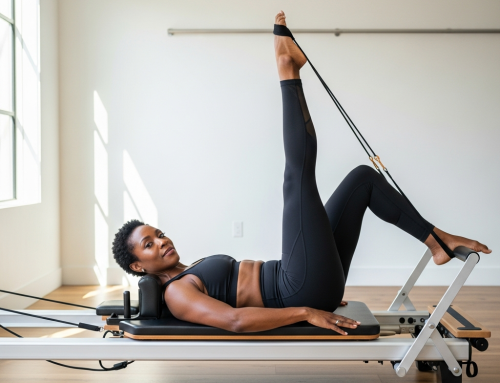
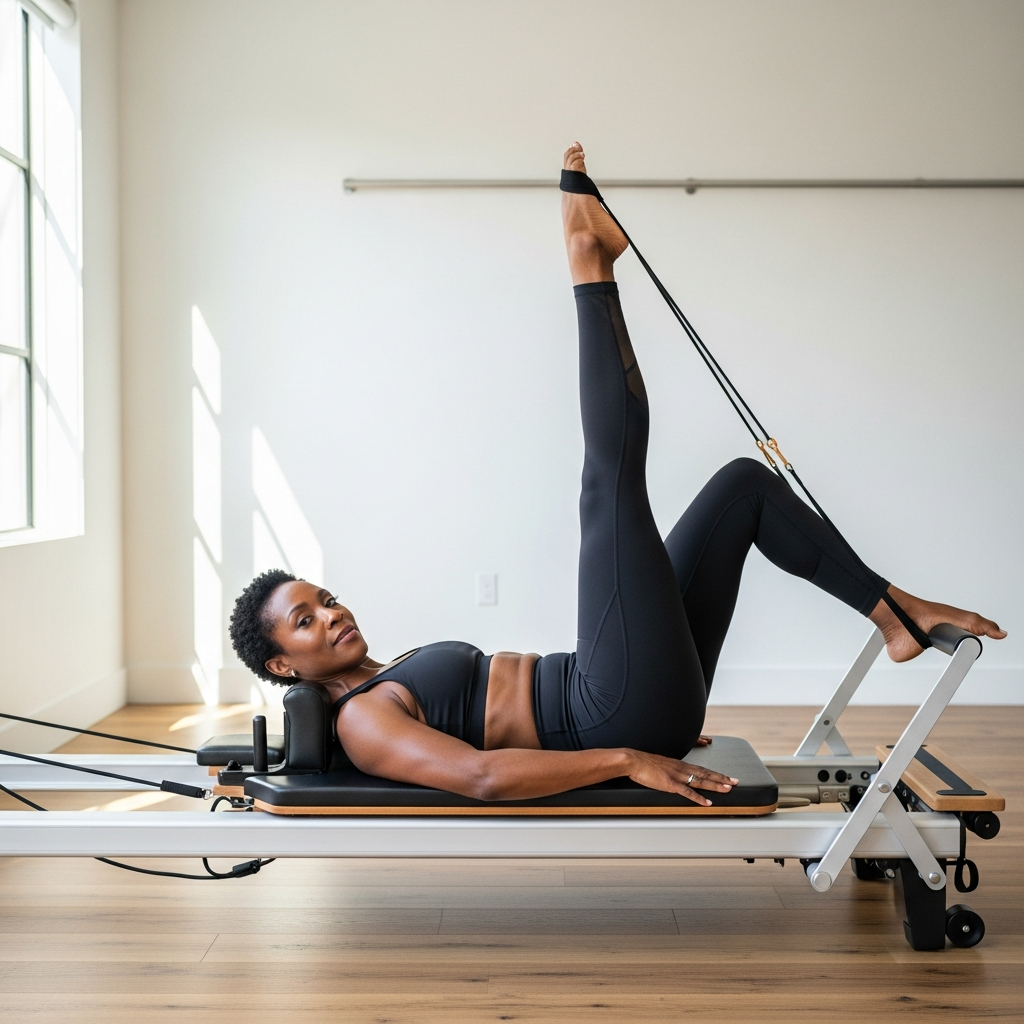
Reformer Pilates is a type of pilates that uses a piece of equipment called the Reformer. The Reformer is a bed-like frame with a flat platform, called the carriage, which moves back and forth on wheels within the frame. The carriage is attached to one end of the reformer by a set of springs that provide differing levels of resistance as the carriage is pushed or pulled along the frame. The carriage has shoulder blocks on it that keep practitioners from sliding off the end of the reformer as they push or pull the carriage.
In addition to the carriage, there are several other components to a reformer. At the spring end of the reformer, there is an adjustable bar called a footbar. The footbar can be used by the feet or hands as a practitioner moves the carriage. The reformer also has long straps with handles on them that can be pulled with arms or legs to move the carriage as well. The parts are adjustable for differing body sizes and different levels of skill.
Reformer Pilates classes are usually small, with no more than 12 students, allowing for individual attention from the instructor. These classes can cater to beginners through advanced practitioners, with modifications provided for varying fitness levels and abilities. Instructors guide participants through a series of movements, offering adjustments and ensuring proper alignment.
One of the critical benefits of Reformer Pilates is its adaptability. Exercises can be performed in a variety of positions, including lying down, sitting, standing, pulling the straps, pushing the footbar, and more. This means that it is possible to train many parts of the body in numerous ways with just one piece of equipment. From feet to head, users can work the entire body in a balanced way.
Reformer Pilates helps promote length, strength, flexibility, and balance, which can lead to beautiful posture, efficient movement, and a strong core. The resistance provided by the reformer’s springs creates a more challenging strength and endurance workout than mat-based Pilates. It also provides a level of cardiovascular activity. By varying the resistance and exercises, the reformer can train many parts of the body in many different ways with just one relatively sleek piece of equipment.
Reformer Pilates also offers more precise control and balance than its mat counterpart. It allows users to work very precisely to develop good alignment, core strength, and flexibility. The nature of Reformer Pilates also means it works very well for rehabilitation of injuries, improving posture and body awareness, and enhancing athletic performance.
The versatility of the reformer allows for a wide variety of exercises that can be performed on this machine. There are over 500 different exercises that range from beginner to advanced levels, making it an incredibly versatile piece of equipment. This variety also keeps workouts interesting and challenging, preventing exercise ruts and plateaus that can hinder progress.
In conclusion, Reformer Pilates is a dynamic and flexible form of exercise that combines strength training, flexibility, and cardio into a total body workout. Its unique equipment allows for a variety of exercises that can be tailored to each individual’s needs and fitness levels. Whether you’re rehabilitating from an injury, looking to enhance your athletic performance, or simply aiming for a stronger and leaner physique, Reformer Pilates might be an excellent option for you.
Mastering the Art of Reformer Pilates: A Comprehensive Guide
If you’re looking to revolutionize your fitness routine, reformer Pilates might be the answer. This style of workout, named after the specialized piece of equipment it uses, the reformer, offers a full-body workout that improves flexibility, builds strength, and enhances coordination. Here’s a step-by-step guide to getting started with reformer Pilates classes.
1. Understand the Basics
Reformer Pilates is a form of Pilates that uses a bed-like frame known as a reformer. The reformer has a flat platform, called the carriage, that moves back and forth on wheels within the frame. The carriage is attached to one end of the reformer by a set of springs, which offer differing levels of resistance.
Unlike mat Pilates, which utilizes body weight and gravity to provide resistance, reformer Pilates leverages the resistance provided by the springs to create a more challenging and varied workout. The reformer can be adjusted to suit different fitness levels and goals, making it an adaptable tool for anyone interested in improving their health and wellness.
2. Find the Right Class
The best way to learn reformer Pilates is by joining a class. Look for studios that offer dedicated reformer classes and ensure they have certified instructors. Many gyms also offer reformer Pilates as part of their group fitness programs. Alternatively, if you prefer a more personalized approach, consider hiring a private instructor.
3. Prepare for Your First Class
Before your first class, it’s important to familiarize yourself with some basic Pilates principles such as centering, control, flow, breath, precision, and concentration. These principles form the foundation of all Pilates workouts, whether on the mat or the reformer.
Wear comfortable clothes that allow you to move freely but aren’t too loose, as you don’t want your clothes to get caught in the equipment. You’ll typically do Pilates barefoot or in socks for better grip.
4. Getting Started
Your first reformer Pilates class will likely begin with a warm-up on the mat to get your body ready for the workout. Your instructor will then guide you through various exercises on the reformer. These could include leg presses, arm exercises using the attached ropes, and core exercises.
5. Master the Equipment
The reformer is a sophisticated piece of equipment, but don’t let it intimidate you. Each part of the reformer has a specific purpose. The carriage is where you will lie, sit, kneel or stand to perform your exercises. The footbar at the end of the reformer is used for pushing off, while the headrest can be adjusted for comfort. Straps with handles are attached at the top of the reformer for upper body work and to strap your feet in for some exercises.
The springs underneath the carriage can be adjusted to change the level of resistance. Your instructor will guide you on the appropriate setting for each exercise, but as a beginner, you’ll generally start with lighter resistance to master your form before moving on to heavier resistance.
6. Keep Progressing
One of the best things about reformer Pilates is its versatility. There are hundreds of exercises you can do on the reformer, making it unlikely that you’ll quickly tire of your workout routine. As you progress, your instructor can introduce more challenging exercises to keep pushing your strength, flexibility, and coordination.
7. Practice Regularly
Like any exercise regimen, consistency is key in reformer Pilates. Aim for at least two to three sessions per week. Regular practice will help you improve your technique, increase your strength and flexibility, and reap the full benefits of this workout.
In conclusion, reformer Pilates is a dynamic and effective workout that can enhance your fitness in a multitude of ways. By understanding the basics, finding the right class, mastering the equipment and practicing regularly, you’ll be well on your way to reaping the diverse benefits that reformer Pilates has to offer.
Reformer Pilates Classes: Challenges, Solutions, and Expert Tips
If you’re considering exploring the world of Pilates, you’ve likely heard about Reformer Pilates classes. Utilizing a unique piece of equipment known as the Reformer, these classes can help you improve flexibility, build strength, and enhance overall fitness. However, like any workout regimen, Reformer Pilates classes come with their own challenges. This article aims to shed light on common issues faced by practitioners and provide expert solutions and tips to help you get the most out of your Reformer Pilates experience.
**Challenges**
1. **Understanding the Equipment:** The Reformer can look intimidating to beginners due to its complex structure, including a sliding carriage, straps, and springs which are used to create resistance.
2. **Mastering the Technique:** Pilates is all about precision and control. Without proper form and technique, not only will the exercises be less effective, but there’s also a risk of injury.
3. **Building Core Strength:** Many beginners struggle with exercises that require strong core muscles, which are central to Pilates workouts.
4. **Keeping Up With the Pace:** Reformer Pilates classes can be fast-paced, making it difficult for beginners to keep up while ensuring proper form.
**Solutions**
1. **Get Familiar With the Equipment:** Before starting your first class, ask your instructor to give you a rundown of the Reformer machine. Understanding how each part works will make your workout more effective and less daunting.
2. **Focus on Technique:** Prioritize quality over quantity. It’s better to perform fewer repetitions with correct form than many with poor technique. Don’t hesitate to ask your instructor for guidance if you’re unsure.
3. **Build Your Core Gradually:** Start with basic exercises to gradually build your core strength before moving on to more challenging moves. A strong core will make it easier to perform Pilates exercises and prevent injuries.
4. **Take It Slow:** It’s okay to go at your own pace. Don’t feel pressured to keep up with everyone else in the class. Remember, everyone was a beginner at some point.
**Expert Tips**
1. **Choose the Right Class:** Not all Reformer Pilates classes are created equal. Some are geared towards beginners, while others are designed for more advanced practitioners. Make sure to choose a class that matches your fitness level and experience.
2. **Invest in Personal Sessions:** If you’re new to Reformer Pilates, consider investing in a few personal sessions before joining a group class. This will allow you to learn the basics without feeling rushed or pressured.
3. **Listen to Your Body:** Always pay attention to how your body feels during and after workouts. If something doesn’t feel right, it probably isn’t. Don’t push yourself too hard and risk injury.
4. **Consistency is Key:** Like any workout regimen, consistency is crucial in Reformer Pilates. Try to attend classes regularly to see the best results.
**Misconceptions**
1. **Pilates is Only for Women:** This couldn’t be further from the truth. Pilates was created by a man, Joseph Pilates, for men. Regardless of gender, Pilates helps build flexibility, muscle strength, and endurance.
2. **Pilates is Easy:** Many people underestimate the challenge of Pilates until they try it themselves. The exercises require precision, control, and a deep understanding of your body’s mechanics.
3. **You Need to Be Flexible for Pilates:** While Pilates can help improve flexibility, you don’t need to be flexible to start. The exercises can be modified to accommodate any level of flexibility.
4. **Mat Pilates and Reformer Pilates Are the Same:** While they share the same principles, mat Pilates uses your body weight as resistance, while Reformer Pilates utilizes the resistance of the springs on the Reformer machine.
In conclusion, Reformer Pilates classes offer a challenging but rewarding workout that can significantly improve your strength, flexibility, and overall fitness. By understanding the challenges and adopting the right solutions and tips, you can make your Reformer Pilates journey a smooth and fulfilling one.
What to Expect in Reformer Pilates Classes: Timelines and Next Steps
Reformer Pilates is a fascinating and beneficial form of exercise that has been gaining popularity due to its unique approach to strength, balance, and flexibility. Whether you are a seasoned fitness enthusiast or a beginner looking for new ways to improve your health, understanding what to expect from Reformer Pilates classes, the timelines involved, and the next steps can be very helpful.
What To Expect
Reformer Pilates classes involve the use of a specialized piece of equipment called a ‘Reformer.’ The Reformer is a bed-like frame with a flat platform on it, this platform rolls back and forth on wheels within the frame. The platform is attached to one end of the Reformer with springs that provide different levels of resistance as the platform is pushed or pulled along the frame. The machine also has straps with handles that can be pulled with legs or arms to move the platform.
Each Reformer Pilates class will typically last between 45-60 minutes and will involve a variety of exercises on the Reformer machine. The classes are usually small, allowing each participant to receive individual attention from the instructor.
The exercises performed in a Reformer Pilates class are designed to challenge your strength, flexibility, and balance. You can expect exercises like leg presses, glute bridges, core workouts, arm pullouts and many more. Each movement will be controlled and precise, aiming to target specific muscles and promote proper alignment.
Timelines
The timeline for seeing results from Reformer Pilates classes can vary greatly depending on factors like your current fitness level, the frequency of your workouts, and your diet. However, many people tend to see changes in their body after about 10-12 consistent classes. These changes could include better posture, increased muscle tone, greater flexibility, and an overall sense of increased physical well-being.
To get the most out of your Reformer Pilates classes, it is generally recommended to attend 2-3 classes per week. This frequency allows your body to recover between workouts while also maintaining the momentum of your progress.
Next Steps
If you’ve decided to give Reformer Pilates a try, the first step is to find a studio near you that offers these classes. Look for a studio that has certified Pilates instructors who are knowledgeable about the Reformer.
Before your first class, you might want to attend a basic mat Pilates class or take a private session to familiarize yourself with the principles of Pilates. This can help you to understand the focus on core strength, the importance of controlled movements, and the coordination of breath and movement.
Once you start your Reformer Pilates journey, be patient with yourself. It’s important to remember that progress can be slow, but consistency is key. Listen to your body and don’t push yourself too hard in the beginning. Over time, you’ll learn how to adjust the workouts to meet your specific needs and goals.
In conclusion, Reformer Pilates classes offer a unique and effective approach to full-body workouts. Given that these classes are often small, they provide an excellent opportunity for personal attention and instruction. With patience and consistency, you can expect to see improvements in your strength, flexibility, and balance over time. Just remember, every body is different, so don’t compare your progress with others. Your Pilates journey is unique to you, as it should be.
In conclusion, Reformer Pilates classes offer an intense, versatile workout that caters to all levels of fitness. The Reformer machine itself is an ingenious piece of equipment that provides a dynamic platform for hundreds of possible exercises. Its movable carriage, adjustable springs, and variety of attachments mean that the scope for different workouts is practically limitless. Reformer Pilates can help with strength building, flexibility, coordination, and balance, making it an ideal choice for anyone seeking a comprehensive fitness regime.
Key takeaways from this article include the understanding that Reformer Pilates is a low-impact exercise method that prioritizes controlled, precise movements. This focus on control ensures that you are always working effectively and safely, minimizing the risk of injury and maximizing the benefits of each exercise. Whether you’re a beginner just starting your fitness journey or an elite athlete looking to cross-train, Reformer Pilates can be tailored to your specific needs and ability levels.
Another important point to remember is that Reformer Pilates can be particularly effective for those recovering from injuries, pregnant women, or older adults. The machine’s support and resistance can be adjusted to accommodate limitations or challenges specific to these populations. It offers a safe way to rebuild strength and flexibility without putting undue pressure on vulnerable joints and muscles. However, it’s always essential to consult with a healthcare provider before starting any new exercise regimen.
Moreover, we’ve learned that Reformer Pilates classes can contribute significantly to mental well-being. The mindful aspect of these exercises can help alleviate stress and promote a sense of calm and focus. The concentration required during a Reformer Pilates class can help clear your mind and provide a mental break from the hustle and bustle of daily life. Regular practice can lead to improved mental clarity and a more positive mindset.
Lastly, it’s crucial to remember that while Reformer Pilates offers numerous benefits, success requires commitment. To truly reap the rewards of this exercise form, regular and consistent classes are key. This means showing up for class even when you don’t feel like it and persevering through challenging exercises. But the good news is, with each class, you’ll likely notice improvements in your strength, flexibility, and overall fitness level.
Reformer Pilates is truly a unique method of exercise that offers a wealth of benefits. From physical strength and flexibility to mental clarity and stress relief, its positive impacts are far-reaching. As with any new exercise routine, it’s important to start slow, listen to your body, and gradually increase intensity and duration as your fitness level improves.
If you’re interested in trying Reformer Pilates or if you have any questions or concerns, don’t hesitate to reach out to us. Our expert team is always on hand to provide advice, guidance, and support. We’re passionate about helping our clients achieve their fitness goals in a safe and supportive environment. Whether you’re a complete beginner or an experienced practitioner looking for a new challenge, we’re here to assist you on your Pilates journey. Remember, every journey begins with a single step. So why not take that step with us today? Contact us now and let’s get started on your path to improved health, strength, and well-being.