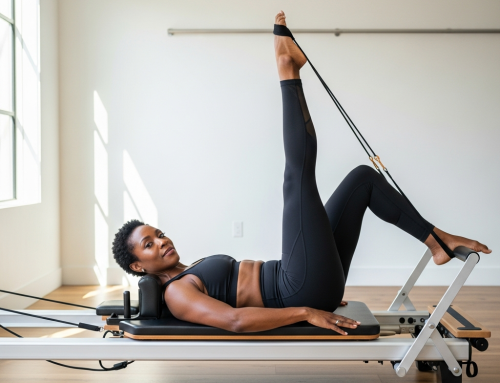
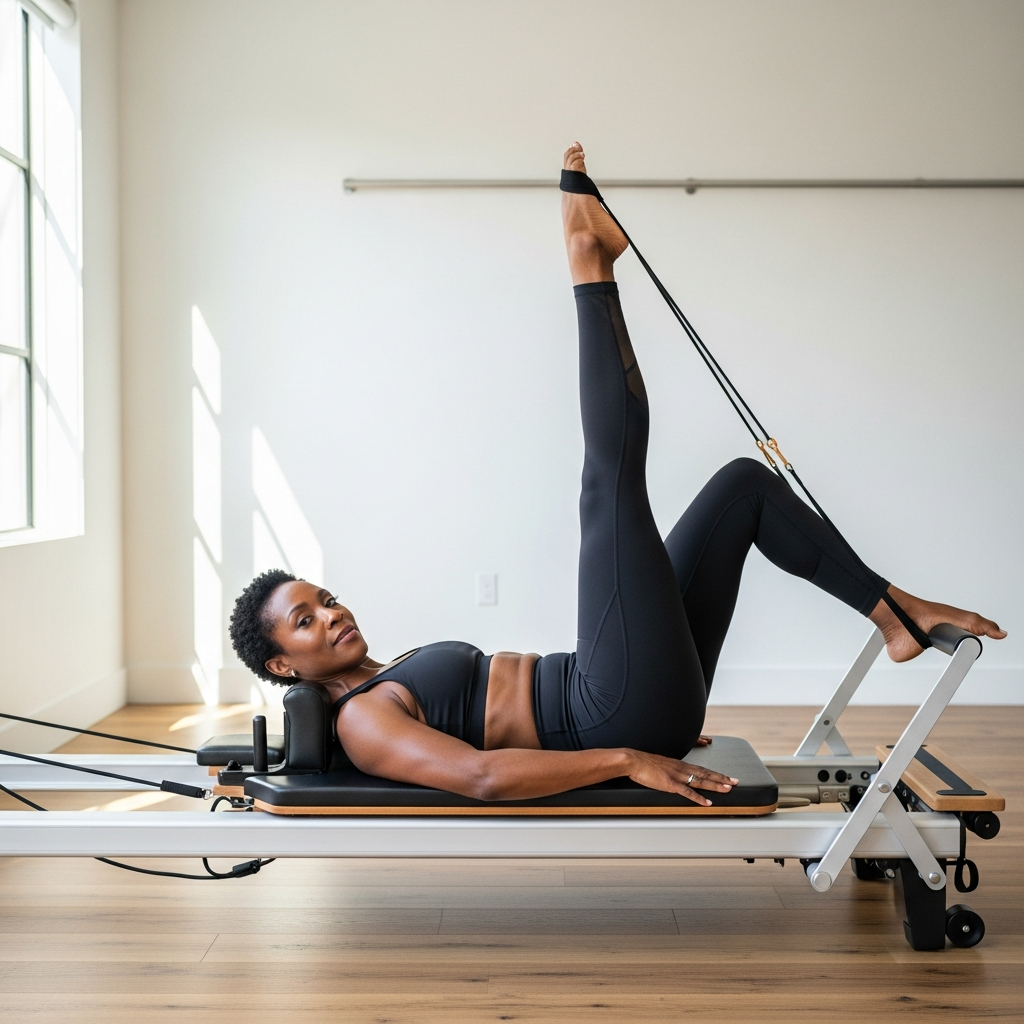
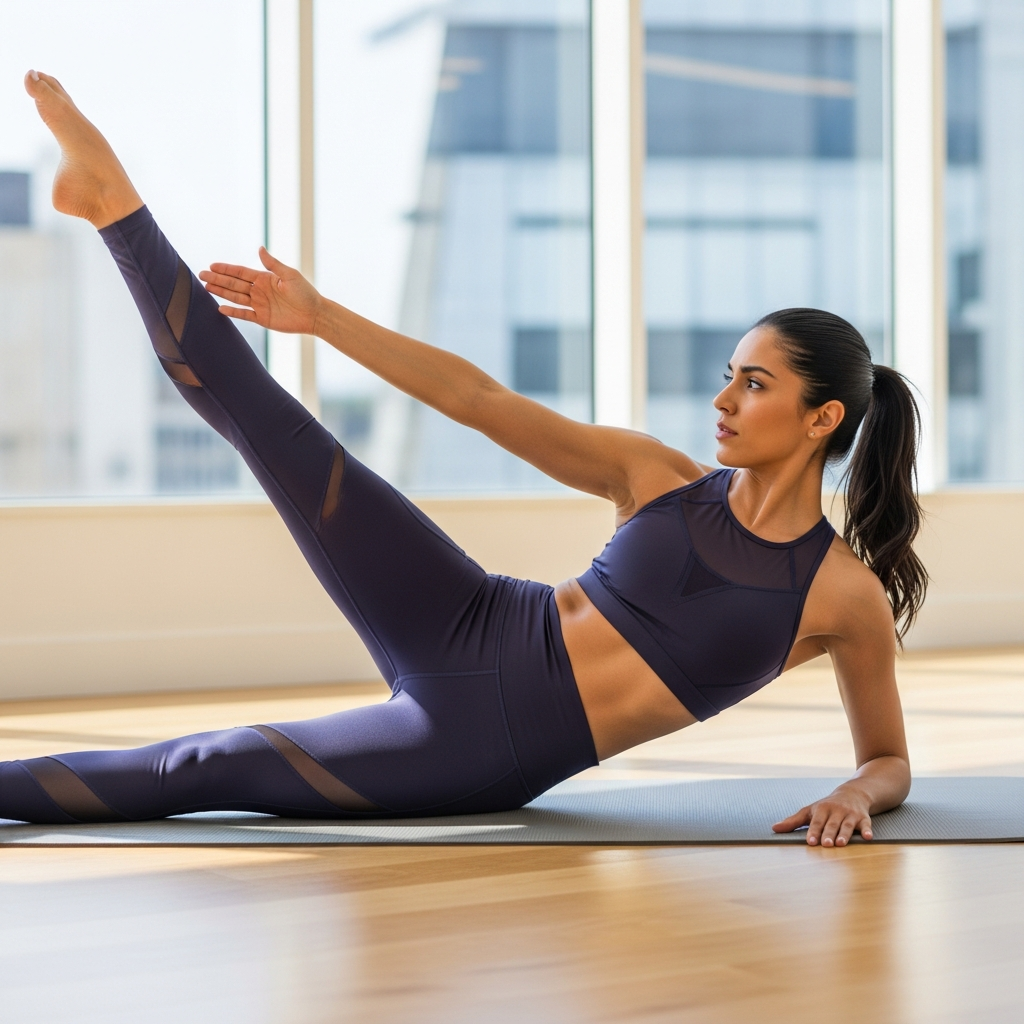
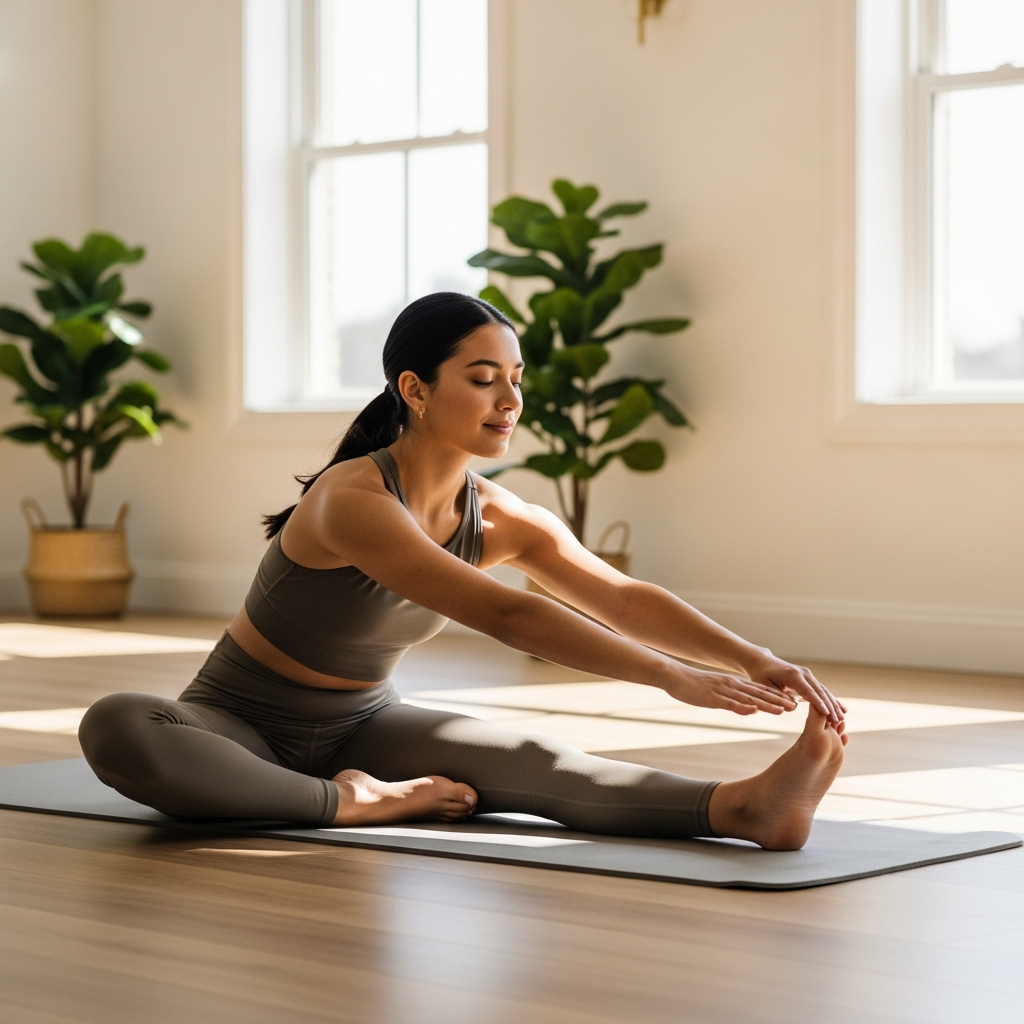
Unveiling the Earnings: A Deep Dive into Pilates Instructor Salaries
Are you enticed by the grace, strength, and flexibility of Pilates? Fascinated by the fluid movements that seem to effortlessly engage every muscle, leaving you feeling energized, revitalized, and in total harmony with your body? If you’ve ever found yourself on a mat, flawlessly executing a Teaser or a Saw (or, perhaps, struggling just a bit), and wondering if you could turn your passion for Pilates into a paycheck, then this blog post is for you.
Pilates, a physical fitness system developed in the early 20th century by Joseph Pilates, has continued to gain unprecedented popularity worldwide. Today, it’s more than just a fitness regimen – it’s a lifestyle embraced by millions across the globe. Its core principles of control, concentration, centering, precision, breath, and flow are not just applicable in the exercise studio but resonate with everyday life.
As an aficionado of Pilates, you may have pondered the prospect of becoming an instructor. You might have been inspired by the transformational impact Pilates has had on your life or feel an innate desire to guide others on this journey of strength and flexibility. However, one practical consideration that often arises is: “What about the income? How much does a Pilates instructor earn?” This article will delve into the world of Pilates instructor salaries, presenting you with actual figures, variables that influence these numbers, and potential avenues for income growth.
In our comprehensive guide, we will explore various aspects of Pilates instructor salaries. We will look at base salaries and the factors influencing them, such as geographical location, experience, specialization (mat Pilates vs. equipment-based Pilates), and qualifications. We will also consider other potential income sources such as private classes, workshops, and online classes – a rapidly growing segment in the fitness industry, especially in the era of social distancing.
This article is crucial for anyone considering a career as a Pilates instructor or current instructors looking to diversify their income streams. We aim to provide you, our reader, with a clear understanding of what you can expect to earn as a Pilates instructor and how you can potentially increase your earning power.
Why does this matter to you? Besides satisfying your curiosity, having a clear understanding of Pilates instructor salaries can guide your career decisions. It can help you decide whether to make the leap into full-time teaching, determine which qualifications or specializations you may wish to pursue, and help you strategize how to maximize your income in this rewarding career.
So, whether you are a seasoned Pilates enthusiast contemplating turning your passion into a profession, or an existing instructor seeking ways to supplement your income, join us as we unravel the mystery behind Pilates instructor salaries. Let’s dive into the world of Pilates earnings and uncover the financial potential that lies beneath the surface of this fascinating career.
Let’s roll out our mats, take a deep breath, and embark on this enlightening journey together. The world of Pilates instruction awaits, promising not only a fulfilling career but also the potential for financial success. Trust us; it’s more than just deep breathing and core control – it’s about turning your passion into a profitable profession.
Understanding the Fundamentals and Framework of a Pilates Instructor’s Salary
As an exercise regimen, Pilates is a comprehensive approach to mental and physical well-being, emphasizing strength, flexibility, balance, and mindfulness. Its growing popularity over the years has led to an increased demand for certified Pilates instructors. Thus, it becomes essential to understand the financial perspective of this profession. This article will delve into the fundamentals and framework of a Pilates instructor’s salary, providing a comprehensive view of what influences this figure and how it compares with other fitness professionals.
Firstly, let’s explore the basic tenets of Pilates that create the demand for professional instruction. Pilates was developed in the early 20th century by Joseph Pilates. It combines elements of yoga, martial arts, and Western forms of exercise. The core philosophy of Pilates revolves around the integration of body, mind, and spirit. This holistic approach to fitness has attracted a diverse range of practitioners, from athletes looking to enhance performance, to individuals seeking rehabilitative or preventative health measures.
Pilates instructors play a crucial role in guiding practitioners through the exercises accurately and safely. They need to be well-versed with anatomy and physiology, understand movement principles, and possess effective communication and motivational skills. Their duties typically include designing tailored Pilates programs for individuals or groups, demonstrating exercises, ensuring correct technique, providing modifications for different skill levels or injuries, and promoting overall wellness.
Becoming a certified Pilates instructor demands significant investment of time and money. Prospective instructors must complete comprehensive training programs accredited by reputable organizations like the Pilates Method Alliance. These programs usually comprise hundreds of hours of coursework, practical training, observation hours, and exams. This rigorous training process contributes to the value of a Pilates instructor’s expertise and consequently their earning potential.
The salary of a Pilates instructor is influenced by several factors. These include geographical location, years of experience, level of certification, specialization areas, and the type of employment.
In terms of location, urban areas with a higher cost of living generally offer higher pay. However, these regions may also have a higher concentration of Pilates instructors, leading to increased competition. Conversely, in rural areas or smaller towns, a Pilates instructor might command higher fees due to less competition, albeit with a potentially smaller client base.
Experience and certification level also play a significant role. Instructors who have been in the field longer or possess advanced certifications or specializations tend to earn more. Specializations can include working with specific populations like athletes, seniors, or prenatal clients, or focusing on therapeutic applications of Pilates.
The employment type—whether an instructor is self-employed, works for a gym or studio, or provides corporate wellness programs—also impacts salary. Self-employed instructors might earn more per session due to eliminating the middleman but might have less stable income and additional responsibilities like marketing and administration. On the other hand, instructors employed by a gym or studio might earn less per session but have a steadier income and fewer administrative tasks.
Comparatively, Pilates instructors often earn more than other fitness professionals. This disparity can be attributed to the specialized training required to become a Pilates instructor, the personalized service offered in sessions, and the affluent clientele who practice Pilates. However, like any profession, there is variability based on the factors mentioned earlier.
In conclusion, understanding the salary structure of a Pilates instructor requires considering the comprehensive training they undergo, the specialized service they provide, and the various influencing factors. As interest in mind-body wellness continues to grow, the demand for skilled Pilates instructors is likely to increase correspondingly. As such, becoming a Pilates instructor can be both a rewarding career path and a profitable one.
Understanding the Pilates Instructor Salary
When deciding to embark on a career as a Pilates instructor, one of the primary concerns is likely to be the potential earnings. The salary of a Pilates instructor can vary widely, depending on several factors such as geographical location, experience level, specialization, and the type of establishment in which you work. This guide aims to provide a comprehensive breakdown of the salary expectations for Pilates instructors, along with actionable advice to maximize your income.
1. Base Salary
The base salary for Pilates instructors can range from $30,000 to $70,000 per year, depending on the aforementioned factors. For instance, a beginner instructor in a small town might earn towards the lower end of the scale, while an experienced instructor in a bustling city could earn significantly more.
Actionable Advice: As an instructor starting, focus on building your experience and clientele. Offer extra classes, attend workshops and consider getting additional certifications to increase your value.
2. Session-Based Income
Many Pilates instructors are not salaried employees but work on a per-session basis. The rates can range anywhere from $15 to $75 per class depending on the location and class size. Mat Pilates classes, for example, often accommodate larger groups and thereby offer a lower rate per person but may result in higher overall earnings due to the volume of students.
Actionable Advice: Consider offering both private and group sessions. While private sessions usually have a higher rate, group classes could allow you to earn more overall due to the larger number of participants.
3. Specialization
Specializing in a certain area of Pilates can significantly enhance your income. For instance, becoming certified in Reformer Pilates or Pre/Post-natal Pilates can allow you to charge higher rates due to your specialized skill set.
Actionable Advice: Look into various specializations within the field of Pilates and consider getting certified in a niche that interests you and is in demand in your area.
4. Work Setting
The type of establishment you work at can also impact your income. Fitness clubs often pay less than dedicated Pilates studios, but they may offer more consistent work. Alternatively, owning your own studio can potentially yield the highest income, although it also comes with additional responsibilities and overhead costs.
Actionable Advice: Weigh the pros and cons of working in different settings. While starting your own studio might seem lucrative, remember it also involves managing a business and incurring costs. Working in an established studio or fitness club could provide a steady income and allow you to focus solely on teaching.
5. Private Lessons
In addition to group classes, offering private lessons can significantly boost your income. Private lessons are typically priced higher, ranging from $50 to $150 per hour depending on your experience level and the client’s location.
Actionable Advice: Once you have built a strong clientele, consider offering private lessons. These not only allow you to earn more but also help you provide personalized attention to your clients, thereby enhancing their experience and loyalty.
6. Workshops and Retreats
Hosting Pilates workshops or retreats is another excellent way to increase your earnings. These events often charge a premium rate and can attract a large number of participants.
Actionable Advice: Once you have gained considerable experience and have a strong follower base, consider organizing special events like workshops and retreats. These events not only boost your income but also increase your visibility in the Pilates community.
In conclusion, the salary of a Pilates instructor is highly variable and depends on a multitude of factors. However, with strategic planning, continuous learning, and a client-first approach, you can maximize your income while doing what you love – teaching Pilates. Remember, your passion for Pilates and commitment to providing quality instruction are the most significant factors in building a successful and financially rewarding career in this field.
Understanding the Pilates Instructor Salary: Challenges, Solutions, and Expert Tips
As a Pilates instructor, your passion for fitness and wellness probably fuels your career choice more than the financial aspect. However, it’s important to understand the monetary potential of this profession. The salary of a Pilates instructor can vary greatly due to several factors such as the location, level of experience, type of Pilates instruction, and the employment model. Let’s delve into these challenges and their solutions, and provide some expert tips to navigate this aspect of your Pilates career.
### Common Challenges
1. **Inconsistent Income:** Many Pilates instructors work on a per-class or per-client basis, which can lead to inconsistent income. The number of classes or clients you have in a week can fluctuate, making it challenging to predict your monthly earnings.
2. **Experience and Qualification:** Higher qualifications and experience often mean a higher pay rate. However, as a new instructor, it may be challenging to command high fees until you’ve built up your reputation and client base.
3. **Geographical Variation:** Your location can significantly affect your earning potential. Instructors in urban centers or affluent neighborhoods often earn more than those in rural areas due to higher demand and willingness to pay for classes.
### Solutions and Best Practices
1. **Diversify Your Income Streams:** To combat income inconsistency, consider diversifying your income streams. This could include offering private sessions, group classes, workshops, or even online classes. You could also consider selling Pilates-related products or creating digital content about Pilates.
2. **Invest in Continuing Education:** To increase your earning potential, invest in advanced training and certifications. Specializing in areas like mat Pilates or reformer Pilates can set you apart from other instructors and allow you to charge more for your classes.
3. **Consider Your Location:** If possible, consider working in locations where Pilates is popular and people are willing to pay for classes. Alternatively, if you are in a low-demand area, consider offering online classes to reach a wider audience.
### Expert Tips
1. **Start with Competitive Rates:** When starting out, it’s important to price your classes competitively. Research what other instructors in your area are charging and aim to match or slightly undercut their prices. Once you’ve built up a client base and gained more experience, you can gradually increase your rates.
2. **Create Value:** Remember, clients are not just paying for a workout; they’re paying for your expertise, personalized attention, and the value you bring to their health and wellness journey. Make sure your clients see the value in your classes by providing excellent customer service, personalized instruction, and results.
3. **Leverage Social Media:** Use social media platforms to market your services and connect with potential clients. Share informative content about Pilates, showcase success stories, and give followers a glimpse into your classes. This can help you build your brand and attract more clients.
4. **Network:** Networking with other fitness professionals can lead to referrals and opportunities. Consider joining professional organizations or attending industry events to meet potential clients and learn about job opportunities.
5. **Continually Learn and Innovate:** To stay relevant in the industry, it’s essential to stay abreast of the latest Pilates trends and teaching methods. Continuing education courses not only make you a better instructor but also increase your credibility and earning potential.
In conclusion, while the salary of a Pilates instructor can vary greatly, there are strategies you can use to increase your earning potential. By diversifying your income streams, investing in continuing education, pricing your services competitively, creating value for clients, leveraging social media, networking, and continually learning and innovating, you can overcome the challenges and succeed in this rewarding profession.
The Pilates Instructor Salary: Expectations, Timelines, and Next Steps
If you’ve decided to embark on a career as a Pilates instructor, it’s only natural that you would want to understand the potential earnings associated with your chosen profession. In addition to job satisfaction, financial stability is an important consideration when deciding on a career path. This article will provide detailed insights into what you can expect regarding Pilates instructor salaries, potential career timelines, and the next steps to take on your journey.
The Pilates industry has flourished over the years, and the demand for qualified instructors is ever-growing. However, before diving into the details about salary, it’s crucial to understand that many factors can influence an instructor’s earnings. These include your level of experience and certification, the location where you teach, the type of Pilates classes (mat or apparatus), and whether you work independently or for a studio or gym.
Pilates Instructor Salary
As per the latest data from Payscale, the average Pilates instructor salary in the U.S ranges from $32,000 to $91,000 per year. However, the median annual income is about $61,000. Starting salaries tend to be on the lower end of this range. As you gain experience and build a loyal clientele, your earnings can increase significantly. Some highly experienced instructors working in affluent locations can even earn six-figure sums.
Remember that these figures are averages and actual salaries can vary widely based on the aforementioned factors. For instance, Pilates instructors in urban areas with a higher cost of living can often charge more for their classes compared to those in rural areas.
Career Timelines
Your career timeline as a Pilates instructor can be quite flexible and depends largely on your personal goals and circumstances. It typically takes 6 months to a year to become certified as a Pilates instructor, including both coursework and practical training hours.
Once certified, many instructors start by working part-time or teaching a few classes per week while they build up their client base. As your experience grows, you may choose to take on more classes or even open your own studio. It’s also common for Pilates instructors to continue their education and specialize in areas like rehab Pilates or advanced apparatus techniques, which can further increase your earning potential.
Next Steps
If you’re interested in becoming a Pilates instructor, the first step is to find a reputable training program. Make sure the program is comprehensive and includes both mat and apparatus training. It’s also beneficial if the program offers business training, as this can be invaluable if you decide to open your own studio in the future.
Upon completing your certification, the next step is to gain practical experience. This could involve working at a Pilates studio, gym, or offering private lessons. Building a strong client base takes time, so patience and perseverance are key during this stage.
As you progress in your career, continuous learning and development are crucial. Consider attending workshops, courses, and seminars to stay updated on the latest Pilates techniques and trends. This not only enhances your skills but also makes you more valuable to your clients, thereby boosting your earning potential.
In conclusion, a career as a Pilates instructor offers considerable earning potential, especially as you gain experience and establish a loyal clientele. It requires dedication, continuous learning, and a passion for helping others improve their health and wellness. If you’re ready for an engaging and rewarding career in the fitness industry, becoming a Pilates instructor could be the perfect path for you.
In conclusion, the world of Pilates is a diverse and exciting one, full of potential for those who are passionate about fitness and wellness, and particularly for those who are drawn to this unique form of exercise. The salary of a Pilates instructor can vary significantly based on numerous factors, from geographical location and level of experience to the type of employment (freelance, part-time or full-time) and the setting in which they teach (fitness centers, Pilates studios, or private classes).
As we’ve discussed, a Pilates instructor starting their career can expect to earn around $30 per hour. However, as they gain experience and broaden their skills, this rate can increase substantially. Those who move into running their own Pilates studio have the potential to earn a significant salary. This is not just through teaching classes, but also through selling related merchandise, offering specialized workshops, and providing advanced training for other instructors.
Furthermore, becoming a specialized instructor in areas such as reformer Pilates or clinical Pilates can also increase earning potential. These specialized areas often require additional training and certification, but the investment can pay off in the form of higher hourly rates.
Geographical location plays a role in determining a Pilates instructor’s salary. Instructors in urban areas or areas with a higher cost of living tend to earn more than those in rural areas. However, it’s important to keep in mind that the cost of living in these areas is also typically higher.
An essential takeaway is that the world of Pilates instruction is not only about monetary gain. Many Pilates instructors find immense satisfaction in helping others improve their physical health, mental well-being, and overall quality of life. The connection with students, the joy of teaching, and the personal fulfillment derived from this profession are rewards that go beyond financial compensation.
If you’re considering becoming a Pilates instructor, it’s important to be realistic about salary expectations, but also to consider the many other benefits this career path offers. It’s a profession that allows for continuous learning and growth, offers flexibility, and gives you the chance to make a positive impact on others’ lives.
Remember, successful Pilates instructors are those who are passionate about what they do. They invest time and effort in their training and education, build strong relationships with their students, and are committed to promoting wellness and a balanced lifestyle. If this sounds like you, then a career as a Pilates instructor could be both rewarding and fulfilling.
We hope this discussion has given you a comprehensive insight into the earning potential in the world of Pilates instruction. As with any profession, it’s important to do your research and understand what’s involved before you embark on this career path. This way, you can make an informed decision that aligns with your personal goals and aspirations.
If you need further assistance or have any questions about becoming a Pilates instructor, please don’t hesitate to reach out to us. We’re here to help guide you through your journey in the Pilates world. Whether you’re just starting to explore this career option or you’re ready to take the next step in your professional development, we’d be delighted to assist.
Remember, your success as a Pilates instructor is not only measured by the salary you earn but also by the positive impact you make on the lives of your students. We look forward to helping you achieve your career goals in the exciting world of Pilates. Contact us today to get started on your journey!