Unraveling the Magic of Pilates Reformer: Your Comprehensive Guide to Power, Flexibility, and Grace.
Introduction
In the bustling momentum of life, finding an exercise routine that enhances both your physical and emotional well-being can often feel like a herculean task. But what if there was a fitness regimen that not only strengthened your body, but also nourished your mind, all while helping you shape the best version of yourself? Enter Pilates Reformer, a unique workout technique that promises to revamp not just your body, but your entire lifestyle.
Pilates has been an integral part of the fitness world for over a century. Invented by German-born Joseph Pilates during World War I, it was intended to rehabilitate injured soldiers. Today, Pilates continues to grow in popularity due to its holistic approach towards achieving physical strength, flexibility, and mental awareness. While Mat Pilates is certainly beneficial, Pilates Reformer takes things to a whole new level. If you’re interested in a workout that challenges both your body and mind, this might just be what you’ve been searching for.
In this comprehensive guide, we’ll delve into the world of Pilates Reformer, a specialized form of Pilates that utilizes a unique machine to deliver a full-body workout that’s as challenging as it is rewarding. You’ll learn about its history, benefits, how it differs from Mat Pilates, and why it might be the perfect addition to your fitness routine. Whether you’re a seasoned athlete or a fitness novice, this guide will provide you with everything you need to know about Pilates Reformer.
Why should you care about Pilates Reformer? It’s simple – because your body deserves the best. Unlike many other workouts that focus on isolated muscles groups, Pilates Reformer is all about integrated movement. It works your entire body in harmony and balance, targeting not just the major muscles, but also the smaller ones that often get overlooked. The result? Improved strength, enhanced flexibility, better posture, and a more sculpted physique.
Furthermore, Pilates Reformer goes beyond the physical. Joseph Pilates believed that physical health was intimately connected with mental well-being. As such, Pilates Reformer also offers significant mental benefits. It enhances focus, reduces stress and anxiety, and promotes a sense of inner calm. In essence, it’s not just a workout, but a means to a healthier, happier lifestyle.
But that’s not all. Pilates Reformer is also incredibly versatile. Whether you’re looking to lose weight, rehab an injury, improve athletic performance, or simply seeking a fun and engaging workout, Pilates Reformer can be tailored to meet your individual needs.
So if you’re ready to transform your fitness journey and step into a world of power, flexibility, and grace, then let’s dive right into everything you need to know about Pilates Reformer. Trust us – your body and mind will thank you.
A Comprehensive Understanding of Pilates Reformer
The Pilates Reformer is a versatile and dynamic apparatus that has transformed fitness landscapes globally. Named aptly for its ability to ‘reform’ the body, it was pioneered by Joseph Pilates, a German physical trainer who introduced the world to the revolutionary practice of Pilates in the early 20th century. The Reformer has been instrumental in defining the principles of this practice and continues to be a cornerstone in advancing its methodologies.
Joseph Pilates, born in 1883, was a frail child suffering from asthma, rickets, and rheumatic fever. To combat his ailments, he developed a unique system of exercises focusing on control, concentration, precision, breathing, and flowing movements. He believed that mental and physical health were interrelated, a philosophy that became the foundation for his method, which he originally termed ‘Contrology.’
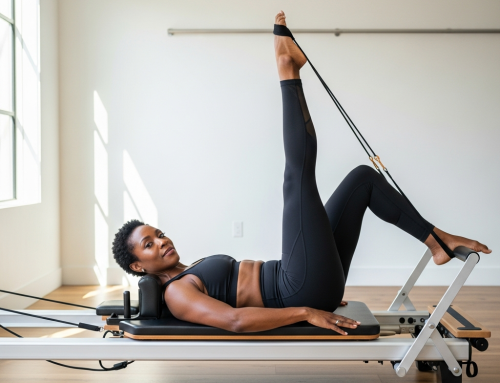
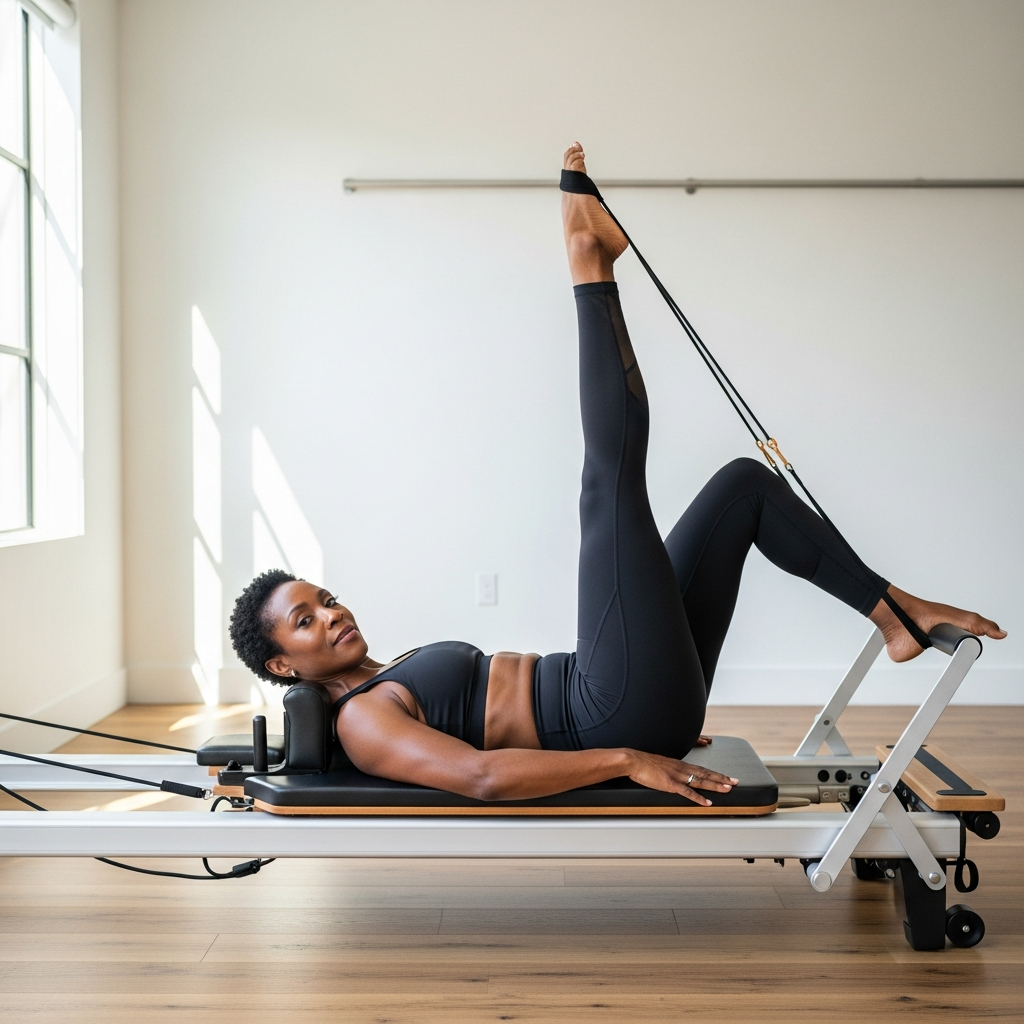
The Pilates Reformer, one of the many ingenious apparatus designed by Joseph Pilates, is essentially a bed-like frame equipped with a flat platform, called the ‘carriage,’ which rolls back and forth on wheels within the frame. This carriage is attached to one end of the reformer by a set of springs. Springs provide choices of differing levels of resistance as the carriage is pushed or pulled along the frame. The carriage has shoulder blocks to prevent users from sliding off the end of the reformer as they push or pull the carriage.
One of the most notable features of the Pilates Reformer is its adaptability. Depending on the adjustments made to its springs, ropes, straps, and sliding carriage, it can accommodate full-body exercises for people at different fitness levels. This allows it to provide an entirely customizable workout routine centered around core strength, flexibility, balance, and overall body awareness.
The Pilates Reformer is unique in its approach to resistance. Unlike traditional weightlifting that often isolates and works specific muscles, the Reformer’s dynamic nature means the resistance is always changing. This provides a more balanced and comprehensive workout that strengthens the body as a whole, rather than in segments.
The exercises performed on the Pilates Reformer require controlled, flowing movements, which are integral to the Pilates philosophy. These movements help to lengthen and stretch the muscles without creating bulk. The result is a strong, lean physique with improved flexibility and balance.
Moreover, the Pilates Reformer is incredibly versatile. It can be used to perform a wide range of exercises, from basic movements for beginners to complex sequences for advanced practitioners. The exercises can be done lying down, sitting, standing, pulling the straps, pushing the footbar, perched on the footbar or shoulder blocks, with additional equipment, sideways or upside down.
The Reformer’s design also allows for modifications to accommodate individuals with limited mobility or injuries. This makes it an excellent choice for rehabilitation and can be used to support recovery from physical trauma, including spinal issues, joint replacements, and even neurological conditions.
To sum up, Pilates Reformer offers a holistic workout that integrates the mind and body. It promotes strength, flexibility, balance, and body awareness, making it a highly effective exercise system for individuals of all fitness levels. This piece of apparatus stands testament to Joseph Pilates’ innovative genius and his enduring philosophy of physical well-being. Understanding its foundation and framework is the first step to fully appreciate and harness its transformative potential.
Remember, as with any exercise regimen, it’s crucial to learn and practice Pilates Reformer under the supervision of a qualified instructor. This ensures you understand the correct techniques and can make the most of this effective fitness tool while minimizing risk of injury. Explore the world of Pilates Reformer and experience how it can ‘reform’ your approach to physical fitness and well-being.
Mastering the Art of Pilates Reformer: A Comprehensive Guide
Pilates reformer, a bed-like machine with a flat platform that moves back and forth, revolutionizes the way we perform Pilates. If you’re new to Pilates or have been practicing mat Pilates, transitioning to a Pilates reformer can seem daunting. But worry not, this guide will provide you with step-by-step guidance to help you understand the nuances of this apparatus and its benefits.
Step 1: Understanding the Pilates Reformer
Before you dive into a workout routine, familiarize yourself with the Pilates reformer. The machine has a rolling carriage equipped with springs to create resistance. There are straps for your hands and feet, shoulder blocks to keep you in place, and a foot bar at the end. Each part is specifically designed to help you perform exercises that target different muscle groups.
Step 2: Starting with Basic Exercises
Once you understand the machine’s components, start with some basic exercises like Footwork series or Leg Circles. These exercises help you get used to the machine and build strength gradually.
For instance, to perform Footwork, lie on the carriage with your back flat and feet on the foot bar. Extend your legs fully by pushing against the foot bar, then slowly return to the starting position. This exercise targets your leg muscles and core.
Step 3: Gradually Increasing Intensity
As you get comfortable, increase the intensity by incorporating more challenging exercises such as the Hundred or Long Stretch series. Remember to adjust the spring tension according to your comfort level – it is not a one-size-fits-all setting.
For example, the Hundred on the reformer requires you to lie down with your head on the headrest and your hands in straps. Extend your arms straight above your thighs while lifting your head, neck, and chest off the carriage. Pump your arms up and down while inhaling for five counts and exhaling for five counts. Repeat ten times. This exercise targets your abs, arms, and lungs, improving your endurance.
Step 4: Combining Mat Pilates with Reformer
A combination of mat Pilates and reformer workouts can provide a comprehensive fitness routine. Mat Pilates, focusing primarily on strengthening the core, compliments reformer exercises, which offer a full-body workout.
For example, you might start your session with a mat Pilates exercise like the Bridge to target your glutes and hamstrings. Transition to the reformer for the Footwork series for a lower body workout, and then back to the mat for an upper body-focused Push-Up series.
Step 5: Investing in Pilates Classes
If you’re unsure about starting alone, consider joining Pilates classes. Instructors can guide you through using the reformer, ensuring you maintain proper form and prevent injuries. Plus, group sessions can be motivational and fun!
Remember, everyone’s Pilates journey is unique. It’s not about how fast you can progress but rather the consistency and dedication you put into each session.
Real-World Scenarios & Actionable Advice
Scenario 1: If you’re recovering from an injury, the reformer can be beneficial for rehabilitation. Its adjustable resistance allows for low-impact exercises that help strengthen muscles without putting undue stress on joints. However, always consult with a medical professional before starting any new workout routine.
Scenario 2: For individuals looking to improve posture, invest time in reformer exercises that target the back and core muscles like the Mermaid or Swan Dive.
Scenario 3: If weight loss is your goal, combine reformer exercises with cardiovascular activities. While the reformer helps tone muscles and increase strength, cardiovascular exercises like running or swimming can help increase calorie burn.
In conclusion, the Pilates reformer is a versatile machine that caters to different fitness levels and goals. Whether you’re new to Pilates or a seasoned practitioner, the reformer can provide a challenging, full-body workout to improve strength, flexibility, and overall fitness. Remember to be patient with your progress and enjoy the journey. Happy reforming!
Unraveling the Pilates Reformer: Challenges, Solutions, and Expert Tips
Pilates is a form of exercise designed to enhance flexibility, strength, balance, and body awareness. While mat Pilates is a popular choice for many fitness enthusiasts, the Pilates Reformer is an exceptional tool that can provide a more dynamic and challenging workout. However, it can be daunting for beginners due to misconceptions and unfamiliarity. In this article, we’ll debunk common myths, address challenges, propose solutions, and offer expert tips to help you navigate the world of Pilates Reformer.
Firstly, let’s address common misconceptions about the Pilates Reformer. Many people assume that it’s only for advanced practitioners or professional athletes. However, the truth is that the Reformer is suitable for all fitness levels. Its versatile nature allows for both modifications and progressions, making it adaptable to individual needs and abilities.
Another prevalent myth is that the Reformer is solely a tool for rehabilitation. While it’s true that Joseph Pilates initially developed the machine to help bedridden patients exercise, today’s Reformers are sophisticated devices used for general fitness, strength training, flexibility enhancement, and yes, rehabilitation.
So, what are some common challenges faced by those new to the Reformer? The most apparent one is intimidation. The Reformer, with its springs, straps, and moving carriage, can seem complex and daunting. Familiarity comes with time and practice. Start slow, understand each component’s function, and gradually increase the complexity of your exercises.
Another challenge is understanding the importance of precision and control in Pilates. Unlike other forms of exercise where quick, high-intensity movements are encouraged, Pilates emphasizes slow, controlled movements to engage the correct muscles effectively.
Now that we’ve addressed misconceptions and challenges let’s look at solutions and expert tips.
1. Educate Yourself: Before stepping onto the Reformer, understand its structure and functionality. Familiarize yourself with the springs (which add resistance), the carriage (which you’ll move back and forth), the footbar, and the straps.
2. Start with a Qualified Instructor: A certified instructor can guide you through your initial sessions, ensuring you perform exercises correctly and safely. They will help you adjust the Reformer’s settings to your body size and fitness level.
3. Prioritize Quality over Quantity: Pilates is about the quality of movement rather than the number of repetitions. Focus on maintaining proper form and alignment rather than rushing through moves.
4. Listen to Your Body: Every body is unique, and what works for one person may not work for another. If an exercise causes pain or discomfort, tell your instructor immediately. They can provide modifications to suit your needs.
5. Be Consistent: Consistency is key in Pilates, as in any fitness regimen. Regular practice helps build strength, flexibility, and understanding of the Reformer’s mechanics.
6. Embrace the Challenge: Remember that it’s normal to find some exercises difficult at first. Use these moments as opportunities to learn and grow.
In conclusion, the Pilates Reformer is a versatile machine that offers a wide range of exercises for all fitness levels. Don’t let misconceptions deter you from exploring its benefits. With a bit of patience, guidance, and dedication, you’ll soon see why so many people have incorporated the Reformer into their fitness routines. Whether your goal is rehabilitation, strength training, or overall fitness, the Pilates Reformer can be an effective tool in your journey towards better health and wellbeing.
Pilates Reformer: What to Expect, Timeline, and Next Steps
The Pilates Reformer is a bed-like frame with a flat platform on it, called the carriage. The carriage moves back and forth on wheels within the frame. The Pilates Reformer provides a challenging and versatile workout that enhances strength, flexibility, and balance. It offers a more targeted exercise regimen than traditional mat Pilates because of its adjustable springs that control tension and resistance.
Whether you are a seasoned athlete or a beginner, understanding what to expect when starting with Pilates Reformer can help you make the most of your workouts.
What to Expect
Your first session on the Pilates Reformer will likely include an introduction to the machine itself. This equipment has various parts including the carriage, the foot bar, the shoulder blocks, the headrest, and the springs. Each of these parts is adjustable to cater to your body’s size and the type of exercise you’re doing.
Expect to engage your core a lot. Pilates exercises focus on building core strength, so your abdominal muscles will get a good workout. You might also use the Pilates Reformer to target other specific areas of your body, like your arms, legs, or glutes.
The exercises on a Pilates Reformer require concentration and coordination, as they combine elements of strength training, flexibility, and balance. You’ll likely notice that the movements are slow and controlled; this is to ensure you’re moving with maximum efficiency and are targeting the correct muscles.
Timeline
Pilates Reformer workouts can be tailored to individual needs, so the timeline can vary greatly depending on personal fitness goals. However, a common timeline for beginners might look like this
Weeks 1-2: Familiarization with the Reformer and basic exercises. Weeks 3-4: Increasing familiarity with intermediate exercises. Weeks 5-6: Introduction to advanced exercises.
From the 7th week onwards, you can expect to continue advancing in technique and adding new, more complex exercises to your routine.
It’s important to remember that everyone’s body is different, and progress won’t look the same for everyone. The key is to focus on mastering each exercise and improving your form before moving on to more advanced exercises.
Next Steps
1. Find a Class or Instructor: If you’re new to Pilates Reformer, joining a class or hiring an instructor can be beneficial. They can guide you through the exercises, ensuring you’re doing them correctly and safely.
2. Start Slowly: The Pilates Reformer is a powerful machine, and it’s important to start slowly to avoid injury. Begin with basic exercises and gradually move on to more advanced ones as you become more comfortable with the machine.
3. Regular Practice: Like any form of exercise, regular practice is key. Aim for at least 2-3 sessions per week to see continuous improvement.
4. Listen to Your Body: Pilates is about control and precision, not speed and reps. If an exercise feels too challenging, or if it causes pain, stop and seek advice from your instructor.
5. Gear Up: Comfortable attire that allows easy movement is important. You might also want to consider grip socks to prevent slipping.
6. Hydrate and Eat Right: As with any physical activity, it’s important to hydrate before and after your workout and fuel your body with nutritious food.
Mat Pilates vs Pilates Reformer
While both Mat Pilates and Pilates Reformer aim to strengthen the body’s core, improve balance, and increase flexibility, there are key differences. Mat Pilates can be done virtually anywhere with minimal equipment, making it more accessible. However, the Pilates Reformer offers a more intense workout due to the added resistance from the machine’s springs. This allows for more targeted exercises and can result in quicker physical improvements.
Both methods complement each other and can be included in a well-rounded fitness routine. Trying both can help you decide which one is right for your fitness goals, personal preference, and lifestyle.
In conclusion, starting with the Pilates Reformer can seem intimidating, but with the right guidance and approach, it can become a rewarding part of your fitness journey. Patience, persistence, and practice are key to mastering this versatile machine. As with any new workout regimen, always consult with a healthcare provider before getting started.
In conclusion, the Pilates Reformer is a versatile and effective piece of equipment that offers a myriad of benefits when incorporated into any fitness routine. Whether you’re a novice or an experienced practitioner, the Reformer can help you gain strength, improve flexibility, develop core stability, enhance coordination, and promote overall wellness.
The Pilates Reformer is more than just a machine; it’s a vehicle that takes you on a journey to better health and fitness. It offers a total body workout that combines the principles of Pilates with resistance training. The reformer’s springs provide varying levels of resistance to challenge your muscles, making it adaptable to all fitness levels.
One significant advantage of using the Pilates Reformer is its ability to work multiple muscle groups at once, enhancing overall body strength and flexibility. It can target the muscles in your arms, legs, back, and core simultaneously, ensuring that no part of your body is left out.
The Reformer is not only for muscle strength and flexibility; it also promotes better posture. Regular Reformer workouts can help improve your alignment, reducing the risk of injuries and alleviating chronic pain associated with poor posture. This machine is truly transformative, allowing you to stand taller, move better, and feel stronger.
Moreover, the Pilates Reformer can be a powerful tool in promoting mindfulness and stress reduction. The slow and focused movement patterns required in Reformer workouts encourage you to be present in the moment, helping to reduce stress and promote mental clarity. Thus, a Pilates Reformer workout is not only a physical exercise but also a form of mental wellness practice.
In terms of versatility, the Pilates Reformer is unmatched. With hundreds of exercises available, it promises an ever-changing and evolving workout that keeps you engaged and challenged. Whether your goal is to tone your body, improve athletic performance, rehabilitate from an injury, or simply maintain overall fitness, the Pilates Reformer has something to offer.
Despite its many benefits, it’s essential to remember that successful Pilates Reformer workouts rely heavily on proper technique and form. To reap the full benefits, it’s highly recommended to work with a certified Pilates instructor who can guide you through the movements and ensure your body alignment is correct.
At our studio, we are passionate about helping individuals discover the transformative power of Pilates. Our team of dedicated and certified instructors is ready to guide you on your journey to better health and fitness. So, whether you’re new to Pilates or looking to deepen your practice, reach out to us. We offer a variety of classes to suit all levels of experience and fitness goals.
In the end, the Pilates Reformer is more than just a piece of exercise equipment. It is an investment in your health and wellbeing, offering a holistic approach to fitness that marries the physical and mental aspects of wellness. However, like any fitness journey, the benefits of the Pilates Reformer don’t happen overnight. They require commitment, consistency, and patience. But with time, you’ll see and feel the transformative effects of this incredible machine.
We invite you to take the first step towards a stronger, healthier, and more flexible you. Contact us today to book your first Pilates Reformer class. We look forward to being part of your fitness journey.