The Magic of Mat Pilates: Everything You Need To Know About Mat Pilates Studio
Are you curious about Pilates, the mind-body workout that’s been the secret weapon of professional dancers and athletes for decades? Have you heard about the incredible benefits of this practice, but you’re not sure what to expect from a Mat Pilates studio? If you’re nodding in agreement right now, then you’re exactly where you need to be. In this comprehensive guide, we’ll uncover everything there is to know about Mat Pilates studios, from what happens during a typical class to the myriad of physical and mental benefits this practice can bring.
Pilates, originally created by Joseph Pilates in the early 20th century, is a fitness system aimed at improving flexibility, strength, body awareness, and promoting overall well-being. While there are many types of Pilates, including reformer Pilates which uses specialized equipment, Mat Pilates focuses on exercises performed on a mat – much like yoga. However, unlike yoga, which focuses more on flexibility and relaxation, Pilates’ main focus is on core strength, balance, and overall body control.
Mat Pilates studios offer classes specifically designed around this discipline. These studios provide a serene and supportive environment where individuals at any fitness level can learn and practice Mat Pilates under the guidance of certified instructors. But what exactly happens in these classes? How do they differ from other types of Pilates or fitness classes? And most importantly, how can attending these classes benefit your physical and mental health?
In this blog post, we’ll take a deep dive into the world of Mat Pilates studios. You’ll get an inside look at a typical Mat Pilates class, including the structure of the class and the types of exercises you can expect. We’ll also explore the benefits that regular Mat Pilates classes can offer, from improved core strength and flexibility to better posture and body awareness. Plus, we’ll share tips on how to choose a Mat Pilates studio, what to bring to your first class, and how to prepare yourself for the best possible experience.
Understanding the intricacies of Mat Pilates studios is crucial for anyone considering this type of exercise. Whether you’re a seasoned athlete looking to diversify your workouts, a beginner seeking a low-impact way to improve your fitness, or someone in need of a stress-relieving practice that also strengthens the body, Mat Pilates has something to offer.
The knowledge you’ll gain from this post will help you approach your first Mat Pilates class with confidence. You’ll understand what to expect, how to prepare, and how to maximize the benefits of your Pilates practice. This is not just about joining a fitness trend; it’s about making a lifestyle change that can significantly improve your physical health, mental well-being, and overall quality of life.
Stay tuned as we unravel the magic of Mat Pilates studios! It is our hope that by the end of this read, not only will you have all your questions answered but you’ll also be inspired to roll out your mat and join the global community of people who have transformed their lives with this amazing practice.
The genesis of Pilates is attributed to the ingenious work of Joseph Pilates, a German physical trainer, who developed this fitness regime in the early 20th century. Pilates is a body conditioning routine that aims to build flexibility, muscle strength, and endurance in the legs, abdominals, arms, hips, and back. It emphasizes spinal and pelvic alignment, breathing, and developing a strong core or center, and enhancing coordination and balance. The system allows for different exercises to be modified in a range of difficulty from beginner to advanced or to any other level.
Often, people associate Pilates with fancy equipment and machines like the Reformer or Cadillac. However, Mat Pilates is a branch of Pilates that does not require any equipment except for a mat. It’s an excellent introduction to the world of Pilates for beginners, as it allows individuals to understand the fundamental principles of Pilates before progressing to machine-based exercises.
Mat Pilates encompasses over 500 exercises, making it one of the most versatile workouts available. It combines aspects of yoga and bodyweight training, focusing on the ‘powerhouse’ or core muscles—the abdomen, lower back, hips, and buttocks.
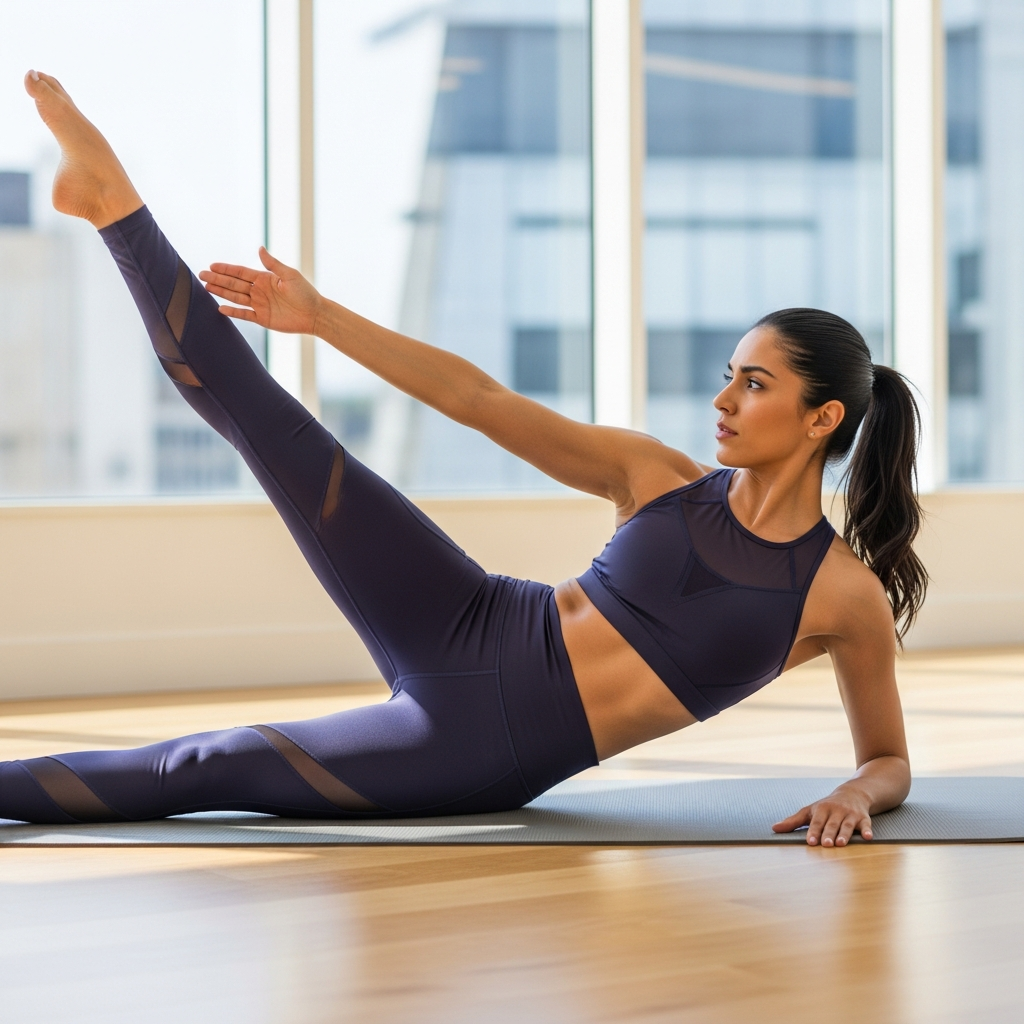
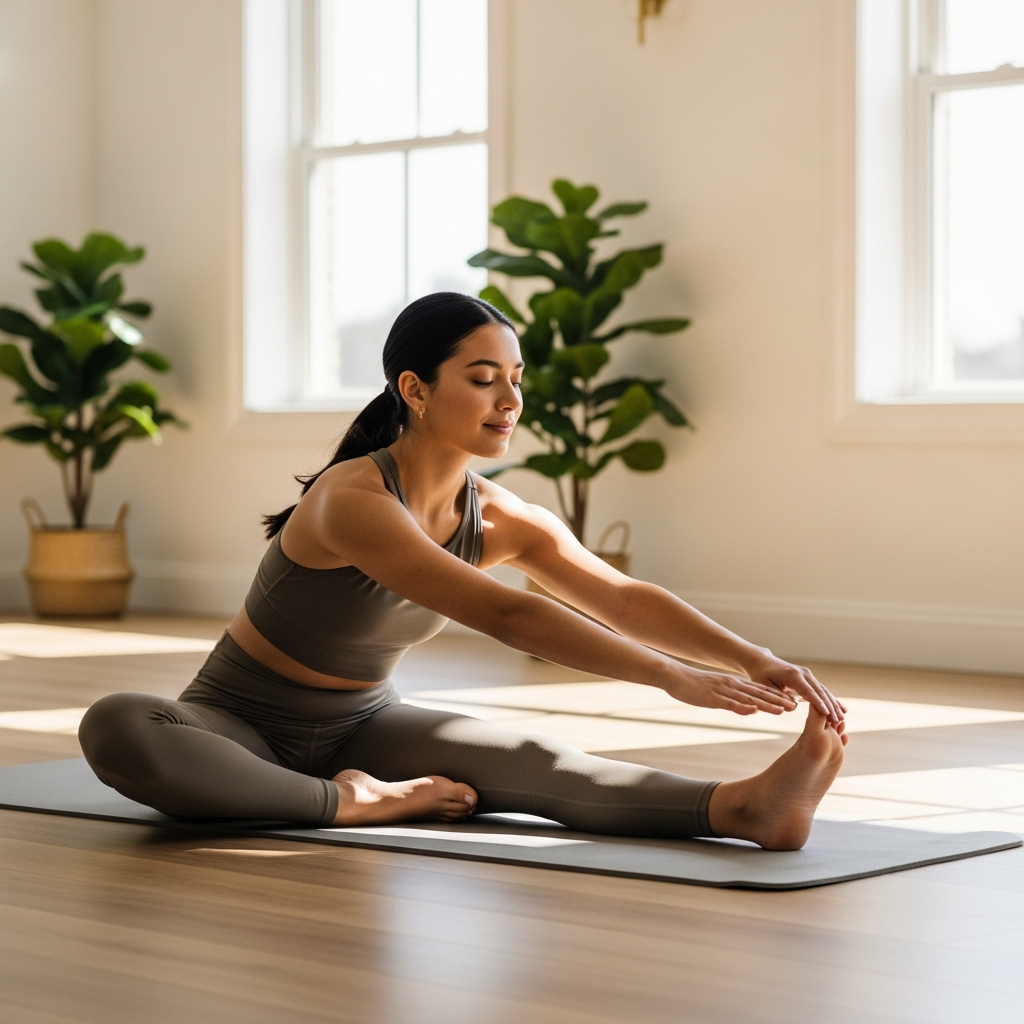
At a Mat Pilates studio, you will find participants in small groups or individual sessions lying on their mats, performing various exercises under the expert guidance of a certified Pilates instructor. The setting is usually calm, serene, and focused – somewhat similar to a yoga studio. The absence of machines makes Mat Pilates classes less intimidating for beginners.
The instructor plays a crucial role in Mat Pilates. They guide you through different postures and exercises, ensuring that you perform each exercise with correct form and alignment. This is vital for preventing injury and maximizing the benefits of each movement. They will also offer modifications for each exercise to accommodate different fitness levels and abilities.
In a typical Mat Pilates class, you can expect exercises like The Hundred (a breathing exercise that targets core strength and stability), the Roll Up (a slow, deliberate move that stretches the spine and the back muscles), the Shoulder Bridge (which targets the back and the hips), and the Criss-Cross (which strengthens the abdominal muscles).
Mat Pilates is often underrated because it seems simpler than its equipment-based counterparts. However, it challenges your body in different ways. Since there is no equipment to assist with the movements, you are relying solely on your bodyweight and core strength to complete each exercise. This can make Mat Pilates exercises more challenging, as they require greater control, precision, and technique.
Furthermore, Mat Pilates is an excellent workout option for those who prefer to exercise at home or while traveling. All you need is a Pilates mat and enough space to spread out comfortably. It’s also a cost-effective way to practice Pilates, as you do not need to invest in expensive Pilates machines.
Apart from physical benefits such as improved posture, increased flexibility, enhanced muscular control of the back and limbs, improved stabilization of the spine, and enhanced physical coordination and balance, Mat Pilates also offers mental benefits. Like other mind-body workouts, Mat Pilates promotes mindfulness and can help reduce stress, improve mental clarity, and increase body awareness.
In conclusion, a Mat Pilates studio offers a welcoming and accessible environment for individuals at all fitness levels. Whether you’re a seasoned athlete or a complete beginner, Mat Pilates can offer a challenging and rewarding workout. The emphasis on core strength, flexibility, and body awareness makes it a fantastic choice for anyone looking to enhance their overall fitness and wellbeing.
Unraveling the Magic of Mat Pilates Studio: A Comprehensive Guide
Mat Pilates, a systematized and body-friendly workout routine, has gained immense popularity in recent years. The use of a mat, instead of large Pilates machines, allows individuals to enjoy a comprehensive workout within the comfort of their own homes or at dedicated Mat Pilates studios. This article will guide you step-by-step through the world of Mat Pilates, its practical application, and how to make the most out of your Pilates classes at a studio.
Step 1: Understanding Mat Pilates Mat Pilates is a form of Pilates exercise that primarily focuses on core strength, balance, and flexibility. Unlike reformer Pilates, which uses a machine for resistance and support, mat Pilates relies solely on gravity and your body weight to provide resistance. This form of Pilates often integrates props like balls, rings, or bands to add variety and challenge to the routines.
Step 2: Choosing the Right Studio Selecting the right Mat Pilates studio is a crucial step. Look for studios that offer certified instructors with extensive knowledge of anatomy and movement principles. A good instructor will guide you correctly, reducing the risk of injury and ensuring you get the most out of your workout. Additionally, ensure the studio offers classes that suit your skill level – beginner, intermediate, or advanced.
Step 3: Preparing for Your First Class Dress in comfortable clothing that allows you to move freely. Avoid wearing anything too loose as it may get in the way of your movements. Arrive early to familiarize yourself with the studio layout and meet the instructor. Don’t hesitate to discuss any health concerns or previous injuries with them.
Step 4: Engaging in Your Mat Pilates Class A typical Mat Pilates class begins with warm-up exercises to prepare your body. It then progresses to specific exercises targeting the core, followed by workouts for the legs and arms. Instructors often incorporate breathing techniques to help you focus and enhance your movements. Remember, quality over quantity is the key. It’s not about how many reps you can do, but how well you do them.
Step 5: Understanding the Common Mat Pilates Moves A few common Mat Pilates moves include The Hundred (a breathing exercise for core strength), the Roll Up (a slow, deliberate move that stretches the spine and challenges the abdominals), and the Teaser (an advanced move challenging balance and core stability). Make sure your instructor guides you through these moves and corrects your posture whenever necessary.
Step 6: Post-Class Recommendations
After your session, take time to stretch and cool down. This will help to minimize muscle soreness and promote flexibility. Hydrate well and eat a balanced meal to replenish energy stores and aid muscle recovery.
Real-World Scenarios & Actionable Advice
1. Scenario: You’ve recently joined a Mat Pilates class and find some exercises challenging. Advice: Don’t be disheartened. Progress can be slow, but consistency is key. Speak to your instructor about modifications to make the moves more accessible.
2. Scenario: You have a history of lower back pain and are concerned that Mat Pilates may aggravate it. Advice: Communicate your concerns with your instructor before the class. They can suggest adjustments or alternative exercises to ensure a safe and beneficial workout.
3. Scenario: You’re not seeing the results you expected from Mat Pilates. Advice: Patience is key. Remember, Pilates is not just about physical transformation, but also about developing balance, flexibility, and mental focus. However, if you feel your progress has plateaued, discuss this with your instructor. They may suggest adding variety or increasing the intensity of your workout.
In conclusion, Mat Pilates offers a unique blend of strength, flexibility and mindfulness. Whether you’re a seasoned athlete or just embarking on your fitness journey, a Mat Pilates studio can offer a rewarding and enriching experience. It’s all about taking that first step onto the mat.
‘Debunking the Myths and Maximizing the Benefits of Mat Pilates’
Mat Pilates is a beneficial workout regimen that has gained significant popularity among fitness enthusiasts worldwide. However, like any other exercise, it comes with its unique set of challenges and misconceptions. In this article, we will delve into the common hurdles faced by individuals in Mat Pilates studios, debunk prevalent myths, and provide insightful solutions and expert tips to enhance your Pilates experience.
**Common Challenges in Mat Pilates**
1. **Difficulty in Mastering Techniques**: Pilates’ movements and poses are intricate, requiring precision and control. Many beginners find it challenging to get the techniques right initially.
2. **Physical Limitations**: Some individuals may struggle with certain exercises due to physical constraints such as chronic conditions, injuries, or lack of flexibility.
3. **Lack of Progress**: It’s common to hit a plateau after practicing Pilates for some time, leading to frustration and decreased motivation.
**Solutions and Expert Tips**
1. **Proper Guidance**: Engaging a certified instructor is crucial to master Pilates techniques. They can guide you with the correct posture, alignment, and breathing patterns. Consider starting with beginner classes or private sessions before moving to more advanced levels.
2. **Modified Exercises**: If you have physical limitations, communicate them to your instructor. They can modify exercises or suggest alternative movements that suit your capabilities while still providing a beneficial workout.
3. **Variety and Consistency**: To avoid hitting a plateau, add variety to your workout routine. Try different class formats or incorporate props like resistance bands or Pilates rings. Consistency is key; aim for at least three sessions per week to see significant progress.
**Misconceptions about Mat Pilates**
1. **Only for Women**: One common myth is that Pilates is only suitable for women. This misconception stems from the fact that many Pilates studios cater primarily to women. However, Pilates was created by a man, Joseph Pilates, for men. It benefits everyone regardless of gender by improving flexibility, strength, and body awareness.
2. **It’s Easy**: Many people believe that Mat Pilates is an easy workout, which is not the case. While it may not be as high-intensity as other workouts, Pilates requires concentration, precision, and control. It engages your core and improves overall body strength.
3. **Pilates is just about Ab Workouts**: While Pilates does focus on the ‘powerhouse’ of the body, which includes the abdominals, it is not solely about ab workouts. Pilates is a whole-body workout that enhances core strength, flexibility, balance, and posture.
**Best Practices for Mat Pilates**
1. **Use Appropriate Mat**: Unlike Yoga mats, Pilates mats are thicker to provide adequate cushioning for spine-based exercises. Ensure you have the right mat to avoid discomfort or injury.
2. **Proper Attire**: Wear comfortable, form-fitting clothes that allow free movement and enable instructors to see your alignment and make necessary corrections.
3. **Warm-up and Cool-down**: Just as with any other workout, it’s essential to warm up before starting your Pilates routine and cool down afterwards to prevent injuries and facilitate muscle recovery.
4. **Mindful Breathing**: Breathing in Pilates is intentional and synchronizes with each movement. It aids in movement control and helps engage core muscles more effectively.
5. **Hydrate and Eat Well**: Stay hydrated before and after your workout. Also, consume a balanced diet to fuel your body and aid recovery.
To sum up, while Mat Pilates does come with its set of challenges, these can be overcome with proper guidance, consistent practice, and by leveraging modifications. Dispelling misconceptions about Mat Pilates can empower more individuals to embrace this holistic workout and reap its benefits. Remember, Pilates is not just a form of exercise but a lifestyle that promotes body awareness, control, and overall well-being.
Mat Pilates Studio Experience: What to Expect, Timeline, and Next Steps
Pilates exercises are a fantastic way to build strength, flexibility, and balance. When it comes to a Mat Pilates studio, you can expect a welcoming and supportive environment that caters to different fitness levels and abilities. You will find a space dedicated to Pilates, equipped with mats and essential props like resistance bands, balls, and magic circles.
What to Expect:
Upon entering a Mat Pilates studio, you will typically find yourself in a calm, serene environment. Studios are often designed to be minimalist and clutter-free, making you feel more relaxed and focused.
The core of a Mat Pilates class involves performing a series of exercises on a mat. These exercises are meant to strengthen your body’s core – the area encompassing your abdominals, lower back, hips, and glutes. The instructors will guide you through a series of low-impact flexibility, muscular strength, and endurance movements that emphasize proper postural alignment, core strength, and muscle balance.
Classes usually have a small number of participants to ensure that everyone receives individual attention. This enables instructors to assist with correct form and provide modifications for different fitness levels or those with specific physical conditions.
Timeline:
The timeline of your Mat Pilates journey will depend on your fitness goals. As a beginner, you can start with one or two classes per week to familiarize yourself with the exercises and techniques. As your body becomes more accustomed to the movements, you can increase the frequency to three or four times a week.
Remember that consistency is key in Pilates. Regular practice will help you build strength and flexibility over time. However, progress doesn’t happen overnight – it’s a gradual process that requires patience.
Next Steps:
Once you’ve decided to give Mat Pilates a try, there are several next steps to consider.
1. Research Studios: Look for studios in your area that offer Mat Pilates classes. Reviews and recommendations can be helpful in finding a reputable studio.
2. Try a Class: Many studios offer a trial class or introductory offer. This allows you to experience a class first-hand and decide if it’s the right fit for you.
3. Choose a Class Level: Beginner classes are ideal for those new to Pilates. As you progress, you can move to intermediate and advanced classes.
4. Get the Right Gear: Comfortable, fitted clothing that allows movement is essential. Most studios provide mats, but you may choose to bring your own for hygiene purposes.
5. Consistency is Key: As mentioned earlier, regular practice is essential for progress in Pilates. Stick to your schedule and make these classes a part of your routine.
6. Personalize Your Experience: Everyone’s body is different. If an exercise doesn’t feel right, ask your instructor for modifications.
7. Listen to Your Body: It’s important not to push your body too hard. Rest when you need to and ensure you’re eating a balanced diet to support your new exercise regimen.
8. Keep Learning: Pilates is a journey. Continue learning about different exercises, techniques, and how they benefit your body.
In conclusion, embarking on a Mat Pilates journey can be an exciting experience that offers numerous health benefits. With consistent practice, you can expect to see improvements in strength, flexibility, balance, and overall body awareness. So take that first step, find a class, and start experiencing the benefits of Mat Pilates for yourself!
In conclusion, the world of Mat Pilates is a vast, dynamic, and highly beneficial one. This form of exercise offers a multitude of benefits that encompass both physical and mental health. From improved flexibility, strength, and balance to the cultivation of mindfulness and stress relief, Mat Pilates has something to offer for everyone regardless of age or fitness level. While the practice can be done at home with minimal equipment, there’s no denying that joining a Mat Pilates studio opens up a whole new world of possibilities.
One of the primary advantages of a Mat Pilates studio is the access to professional guidance. Expert instructors offer their invaluable knowledge and experience, ensuring you perform each movement correctly to reap maximum benefits and avoid injury. In addition, these professionals can tailor a workout regime to suit your individual needs, limitations, and goals.
Participating in a Mat Pilates studio also offers the opportunity to use specialized equipment that isn’t commonly found in home settings. These tools can enhance your workouts by adding resistance, support, and variety. Whether it’s the use of resistance bands, stability balls, or magic circles, these props can add a new level of challenge to your Pilates routine.
A Mat Pilates studio also provides a supportive community that can inspire motivation and commitment. Exercising in a group setting can be fun and motivational, helping you stick to your fitness journey in the long run. The collaborative energy in a studio helps to foster a sense of camaraderie and accountability that is hard to replicate when exercising alone.
However, it is important to remember that choosing the right studio is crucial. Factors such as the qualifications of the instructors, the cleanliness and safety of the studio environment, the variety of classes offered, and the overall atmosphere should be considered.
Also worth noting is the versatility and adaptability of Mat Pilates. It complements many other forms of workout like cardio exercises, weightlifting, running, swimming, or even yoga. It helps to improve posture and alignment that is beneficial for everyday life activities.
So, irrespective of whether you are a seasoned athlete looking for cross-training opportunities, a senior citizen wanting to maintain physical fitness, or someone recovering from an injury, Mat Pilates can be tailored to meet your unique needs and promote overall wellbeing.
If you’re interested in exploring Mat Pilates, we encourage you to reach out. Our team of expert instructors is dedicated to helping you navigate your fitness journey, providing personalized guidance, support, and motivation. Whether you’re a beginner just starting on your fitness journey or an experienced practitioner looking to deepen your practice, we are more than ready to assist.
Remember that the journey of a thousand miles begins with a single step. Your first step could be reaching out to us. Let us guide you towards achieving your health and fitness goals through the transformative power of Mat Pilates.
In conclusion, the Mat Pilates Studio is more than just a place to work out. It’s a community, a resource, and a gateway to a healthier, stronger, and more mindful you. Don’t wait another day to start reaping the benefits that this remarkable form of exercise offers. Reach out to us today, and let’s start this journey together.