Ridglea Pilates Classes for All Fitness Levels
You know that moment when you’re scrolling through Instagram, watching someone effortlessly flow through a Pilates routine, and you think… “I could never do that.” Maybe you’ve had back pain that makes you wince when you get out of bed. Or perhaps you’re that person who tried a group fitness class once and felt like everyone else got some secret manual you never received.
Here’s the thing – I’ve been there too. Actually, I spent years convincing myself that Pilates was for those naturally bendy people who probably ate kale for fun and never struggled to touch their toes. You know the type. Meanwhile, I was over here pulling something in my back just from sleeping wrong.
But here’s what changed everything for me… I discovered that real Pilates – the kind that actually transforms how your body feels and moves – isn’t about being perfect. It’s not even about being particularly athletic. It’s about meeting your body exactly where it is today and giving it what it needs to feel stronger tomorrow.
And if you’re in the Ridglea area, well, you’re sitting on something pretty special. This community has quietly become home to some of the most thoughtful, inclusive Pilates instruction you’ll find anywhere. Not the intimidating, mirror-filled kind that makes you want to hide in the back row… but the kind where instructors actually see you as a person, not just another body in the room.
Look, I get it if you’re skeptical. Maybe you’ve tried other fitness classes and felt lost. Maybe you’re dealing with an old injury that makes you nervous about trying something new. Or maybe – and this one hits close to home – you’re just tired of feeling disconnected from your own body. Like it’s working against you instead of with you.
The truth is, most of us have been sold this idea that fitness has to be all-or-nothing. You’re either crushing it at the gym every day or you’re failing. You either love working out or you’re lazy. But that’s… honestly, that’s garbage. Your relationship with movement can be so much more nuanced than that.
What I love about Pilates – and specifically about how it’s taught here in Ridglea – is that it meets you in that middle space. The space where you’re not trying to become someone else, but you are ready to feel better in your own skin. Where you can work on building strength without the pressure to look a certain way. Where your core gets stronger not because someone’s shouting at you, but because you’re learning to move with intention.
And here’s something I wish someone had told me years ago: you don’t need to be flexible to start Pilates. You don’t need to be strong. You don’t need to be young or injury-free or coordinated. You just need to be curious about what your body might be capable of when it’s given the right guidance.
In Ridglea, there’s this beautiful thing happening in the Pilates studios. People are showing up – really showing up – for themselves. Not because they think they should, but because they’re finally ready to. And the instructors here? They get it. They understand that everyone’s starting point looks different, and everyone’s goals are personal.
Whether you’re dealing with chronic pain that’s been wearing you down, recovering from an injury that knocked your confidence, or you’re simply tired of feeling stiff and disconnected from your body… there’s probably a class that’s right for you. Actually, scratch that – there’s definitely a class that’s right for you.
We’re going to walk through what makes Pilates in this area special, how to figure out which type of class matches where you are right now, and – maybe most importantly – how to set yourself up for success from day one. Because starting something new shouldn’t feel like throwing yourself into the deep end. It should feel like coming home to your body.
Ready to find out what all the fuss is about? Let’s talk about why Ridglea might just be the perfect place to begin – or restart – your movement story.
What Actually Is Pilates, Anyway?
You know, I get this question a lot – and honestly, it’s not as straightforward as you’d think. Pilates sits in this weird middle ground between yoga and traditional strength training, but it’s not quite either one. Think of it like… well, imagine if yoga and weightlifting had a baby, and that baby grew up to become really obsessed with your core muscles.
Joseph Pilates (yes, that was his actual last name – lucky guy) developed this system back in the 1920s. He called it “Contrology” originally, which sounds way more intimidating than it needs to. The basic idea? Every movement should be controlled, precise, and – here’s the kicker – powered from what he called your “powerhouse.” That’s basically everything from your ribcage down to your hips.
But here’s where it gets a little counterintuitive. You might think Pilates is all about getting those Instagram-worthy abs, and while strong abs are definitely a side effect… that’s not really the point. It’s more like tuning up your entire body’s engine so everything runs smoother.
The Mind-Body Thing Everyone Talks About
Okay, I know “mind-body connection” sounds like wellness buzzword bingo, but stick with me here. In Pilates, you can’t just zone out and go through the motions – trust me, I’ve tried. Your instructor will catch you every time.
Every exercise demands that you think about what you’re doing. Which muscles are working? How’s your breathing? Are you gripping your shoulders up by your ears? (Spoiler alert: you probably are.) It’s like learning to drive a manual transmission – at first, you’re thinking about the clutch, the gas, the gear shift all at once. Eventually, it becomes second nature, but you’re always more… present.
This mental focus is actually one of the reasons people get hooked on Pilates. In our world of constant multitasking, there’s something almost rebellious about spending an hour completely absorbed in whether your pelvis is in neutral position.
The Equipment Situation – It’s Not What You Think
Here’s where things get interesting. Most people picture Pilates as mat work – you know, lying on the floor doing hundreds of tiny crunches that make your abs scream. And yes, mat Pilates is definitely a thing, but the equipment side? That’s where it gets really fascinating.
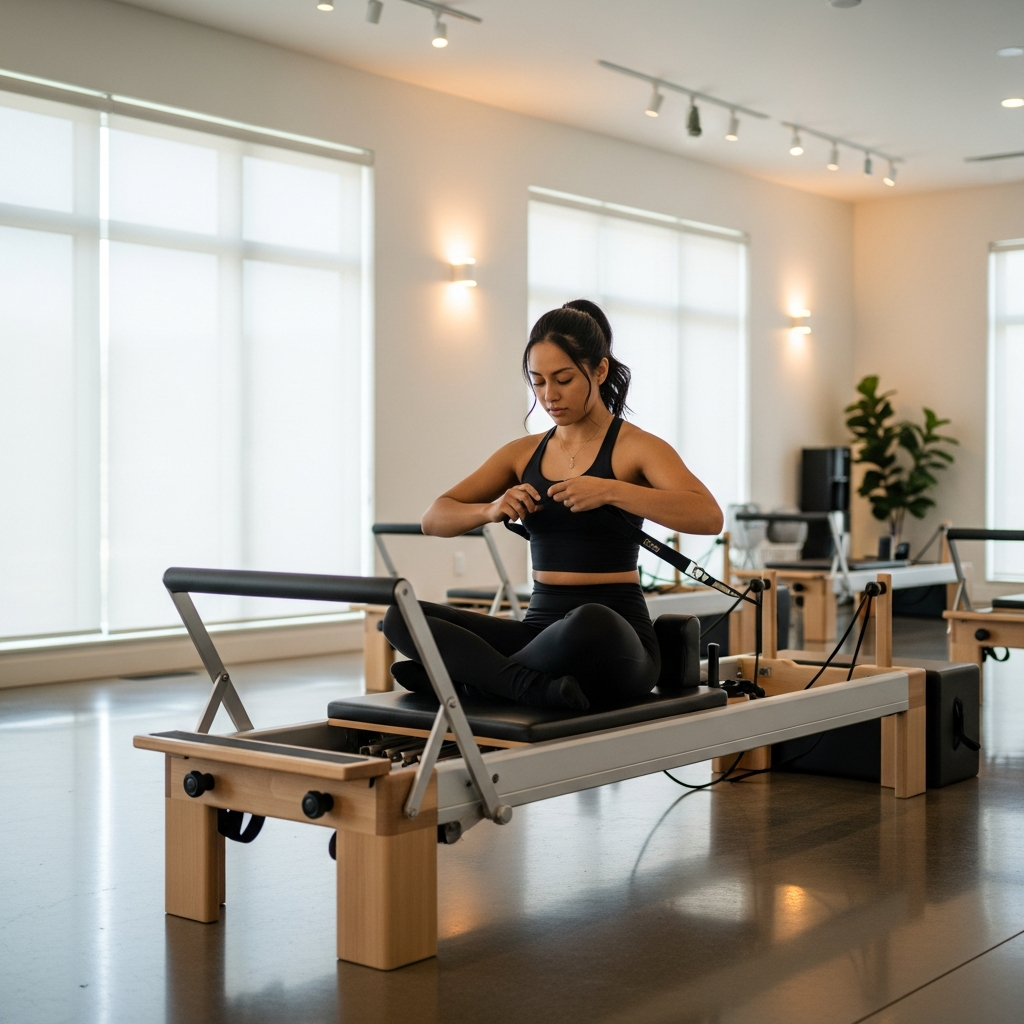
The Reformer looks like some kind of medieval torture device crossed with a rowing machine. There are springs, pulleys, a sliding carriage… it’s honestly a bit intimidating at first glance. But here’s the beautiful thing about it – those springs can either assist your movement or challenge it. So if you’re working on getting stronger, the resistance helps build muscle. If you’re dealing with an injury or just getting started, the springs can actually support you through movements you couldn’t do on your own.
Then there’s the Cadillac (which really does look like it could be a fancy car), the Chair, the Barrel… I know, I know, it sounds like we’re naming circus equipment. The variety means there’s always a way to modify exercises for different bodies and abilities.
Why Your Fitness Level Doesn’t Matter As Much As You Think
This might sound like typical fitness instructor cheerleading, but hear me out. Pilates has this unique quality where the exercises can be scaled up or down dramatically. I’ve watched professional dancers struggle with the same exercise that helped my neighbor recover from back surgery.
The secret is in the details – and this is where a good instructor becomes invaluable. They might have you do the exact same movement as the person next to you, but with different springs, different ranges of motion, or different breathing patterns. It’s like cooking – same basic recipe, but you adjust the seasonings based on who’s eating.
Actually, that reminds me of something Joseph Pilates himself said: he wasn’t interested in building bulk, but rather in creating bodies that moved with grace and efficiency. Whether you’re coming from years of marathon running or you haven’t exercised since high school PE, that goal remains the same.
The tricky part? You have to check your ego at the door sometimes. Pilates has a way of humbling even the fittest people – suddenly that simple-looking leg circle feels impossible, or you realize you can’t even lie flat on your back without your ribs popping up.
But that’s actually the point. It’s not about being “good” at Pilates right away… it’s about discovering what your body can do when you start paying attention.
What to Expect in Your First Class (Because Nobody Tells You This Stuff)
Here’s what they don’t mention in those glossy studio brochures – your first Pilates class might feel like learning a foreign language. Don’t panic when the instructor says “engage your powerhouse” and you’re thinking… my what now?
The powerhouse is basically your core – everything from your ribcage to your hips. But here’s the thing: most beginners try way too hard. You’ll see people holding their breath, gripping the equipment like their life depends on it. Actually, that reminds me of my first class where I was so tense, the instructor literally had to tell me to “let my shoulders meet my ears” just so I could feel the difference.
Wear form-fitting clothes (trust me on this – baggy shirts will end up over your head during roll-ups), and bring a water bottle. Grip socks are nice but not essential for your first few classes. Most importantly? Show up 15 minutes early. You’ll want to chat with your instructor about any injuries or concerns – and frankly, you’ll need those extra minutes to stop feeling intimidated by all the medieval-looking equipment.
Decoding the Different Class Types (And Which One Won’t Crush Your Soul)
Not all Pilates classes are created equal, and picking the wrong one can make you feel like you accidentally signed up for Navy SEAL training.
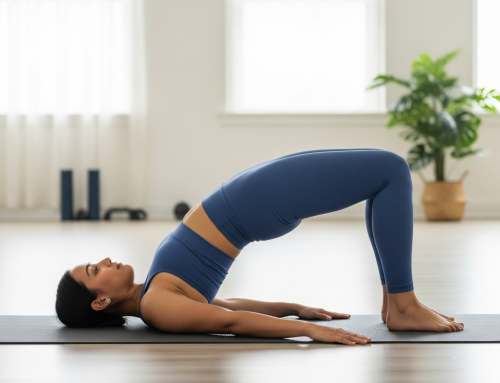
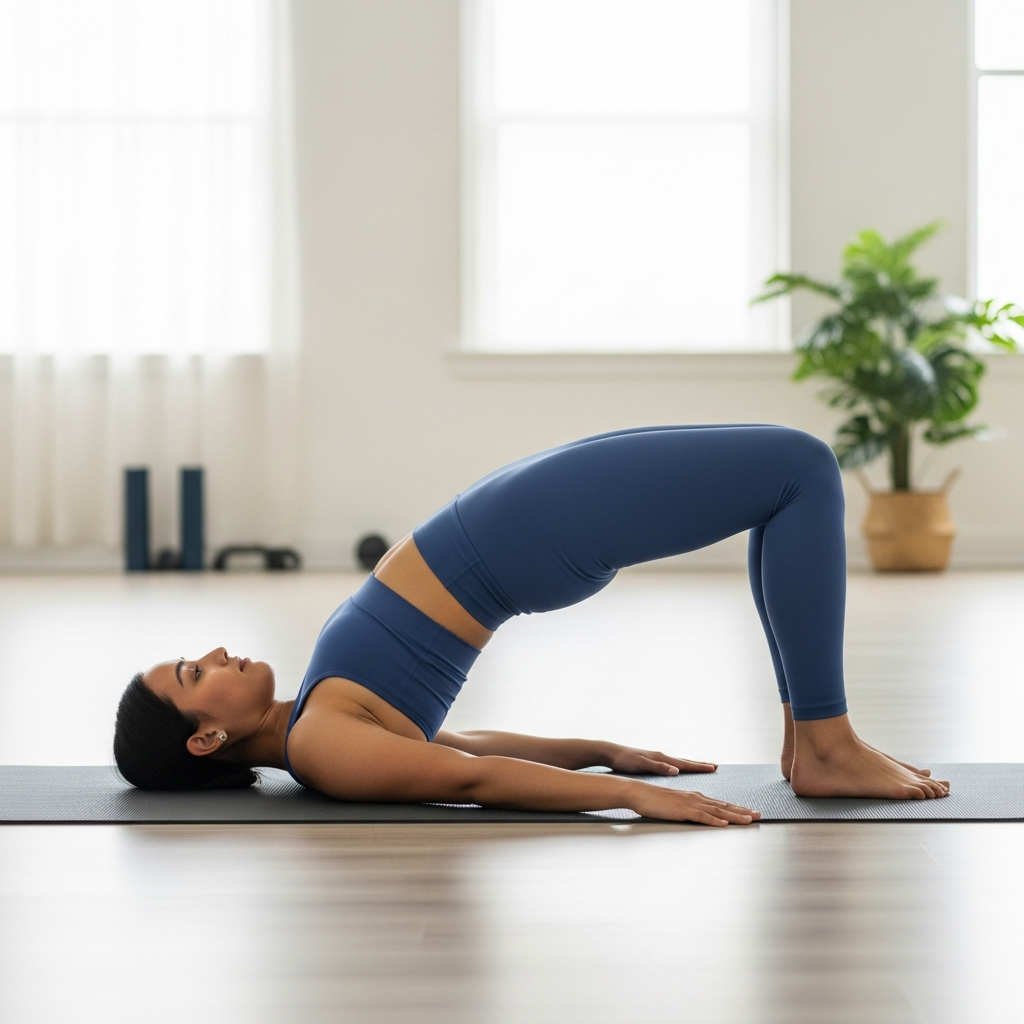
Mat classes are your gateway drug. They use your body weight and maybe some props like resistance bands or small balls. Perfect for testing the waters without committing to the full reformer experience. Plus, they’re usually less expensive – always a bonus when you’re not sure if this whole Pilates thing is going to stick.
Reformer classes are where things get interesting. That sliding carriage and spring system? It’s actually more forgiving than it looks. The springs provide assistance AND resistance, which means you can modify almost any exercise. I’ve seen 70-year-olds and former athletes working side by side, doing completely different versions of the same movement.
Chair and tower classes – honestly, save these for when you’ve got your bearings. They’re fantastic, but they require more body awareness than most beginners have developed yet.
The Secret to Not Feeling Like a Complete Beginner Forever
Here’s something most people don’t realize: Pilates has maybe 10-15 foundational movements that show up everywhere. Master these, and suddenly those intimidating class names start making sense.
Focus on understanding the hundred (that breathing exercise that makes your arms shake), roll-ups (harder than they look), and single-leg stretches. These basics appear in nearly every class, just with different variations or equipment.
And here’s a little insider tip – most instructors sequence their classes similarly. You’ll usually start lying down, move to sitting, then standing. Once you know this pattern, you’ll stop feeling lost and start anticipating what comes next.
How to Modify Without Drawing Attention to Yourself
Let’s be honest – nobody wants to be “that person” who needs help with every single exercise. But here’s the secret: good instructors are already watching for who needs modifications, and they’re usually subtle about it.
If your lower back screams during roll-ups, just bend your knees. Having trouble with the hundred? Lift your head just slightly instead of the full chest lift. Can’t hold a plank? Drop to your knees – literally everyone has been there.
The magic phrase is “I’m going to take a modification.” You don’t need to explain why or apologize. Just do what works for your body that day. Some days that might be the full expression, other days it might be a gentler version… and that’s completely normal.
Making It Stick (When Your Enthusiasm Inevitably Wavers)
Here’s what I’ve noticed after years of watching people start Pilates: the ones who succeed don’t necessarily start strong – they just keep showing up.
Book your classes in advance. I know, I know – what if something comes up? But here’s the thing: if it’s not on your calendar with a financial commitment attached, it’s probably not happening when you’re tired after work.
Find your rhythm. Maybe that’s twice a week, maybe it’s once. Maybe it’s Saturday mornings when you actually have energy, not Tuesday evenings when you’re running on fumes and leftover coffee.
And honestly? Give yourself at least 10 classes before deciding if it’s for you. The first few might feel awkward and confusing, but somewhere around class 6 or 7, something usually clicks. Your body starts remembering the movements, your mind stops racing through that mental checklist, and you might actually start enjoying it.
“I Can’t Even Touch My Toes” – Starting When You Feel Inflexible
Look, let’s be real here – half the people who walk into our Ridglea studio are convinced they’re too stiff for Pilates. They’ve seen those Instagram videos of people pretzelizing themselves and think, “Yeah, that’s not happening.”
Here’s the thing though… Pilates isn’t about being flexible. It’s about becoming more flexible, more aware, stronger in ways that actually matter for your daily life. That woman who can barely reach her shins? She might have incredible core strength by month three. That guy who groans getting out of his car? He could be moving like a completely different person.
The solution isn’t to wait until you’re flexible enough (spoiler alert: you’ll wait forever). Start exactly where you are. Our instructors are masters at modifications – they’ll give you a towel for that forward fold, blocks for those reaching exercises, and honestly? Sometimes the modified version works your muscles even harder.
The Intimidation Factor is Real
Walking into any new fitness space can feel like being the new kid in the cafeteria. Everyone else seems to know exactly what they’re doing, where to put their mat, which springs to use… meanwhile you’re standing there wondering if you’re even in the right room.
We get it. And honestly? Half those “experienced” people were in your exact shoes not too long ago – they’re just really good at looking confident while secretly hoping they don’t fall over during single-leg circles.
The beginner-friendly classes exist for a reason. You won’t be the only one figuring things out. Plus, Pilates has this weird way of humbling everyone eventually. That person who’s crushing the ab work might struggle with balance exercises, while you – the self-proclaimed beginner – might surprise yourself with your natural stability.
Your Brain Wants to Quit Before Your Body Does
This might be the trickiest part. Pilates isn’t just physical exercise – it’s mental. You’re constantly thinking about alignment, breathing, which muscles to engage, how to move with control instead of momentum. It’s like trying to pat your head and rub your stomach while doing calculus.
Your brain gets tired. Sometimes faster than your muscles do.
The breakthrough usually happens around week four or five (though don’t hold us to that timeline). Suddenly your body starts remembering the movements. You’re not frantically trying to process every single cue from the instructor because some of it has become… well, not automatic, but more familiar.
Until then? Give yourself permission to focus on just one or two things per exercise. Maybe today you concentrate on your breathing and let everything else be imperfect. Tomorrow you might focus on keeping your shoulders away from your ears. It’s not about perfection – it’s about building awareness layer by layer.
“I Don’t Feel It Working” Syndrome
This one’s frustrating. You’ve heard Pilates is supposed to be this amazing workout, but you’re lying there doing tiny movements thinking, “Am I even doing anything?” Meanwhile, everyone else seems to be trembling and sweating while you feel… fine.
First off – feeling it doesn’t always mean shaking like a leaf. Pilates works muscles you didn’t even know you had, often in ways that don’t produce that familiar burn you might expect from other workouts.
But if you genuinely feel like you’re coasting? Speak up. Seriously. Our instructors would rather adjust your springs, change your position, or give you a different variation than have you waste your time with exercises that aren’t challenging enough. There’s no shame in needing more resistance or a more advanced modification.
The Comparison Trap
Here’s where things get messy in your head. You see someone next to you making everything look effortless while you’re concentrating so hard on not falling off the reformer that you forget to breathe.
Everyone brings different strengths to Pilates. Maybe you’ve got natural core stability from years of gardening, or incredible focus from dealing with stress at work, or surprising hip flexibility from chasing kids around. The person next to you might have different advantages – and different limitations you can’t see.
Your progress isn’t linear, and it definitely isn’t comparable to anyone else’s. Some days you’ll nail exercises that stumped you last week. Other days… well, other days you’ll remember that you’re human and that’s perfectly fine too.
The real magic happens when you stop watching everyone else and start noticing your own small improvements. And trust us – they’re happening, even when you can’t see them yet.
What to Expect in Your First Few Classes
Let’s be honest – your first Pilates class might feel a bit overwhelming. There’s all this equipment that looks vaguely medieval, everyone else seems to know exactly which spring setting to use, and you’re trying to figure out if you’re supposed to breathe in or out (spoiler alert: it matters, but don’t stress about it yet).
Most people leave their first class thinking either “that was easier than I thought” or “holy cow, I can’t feel my abs.” Both reactions are totally normal. Pilates has this sneaky way of working muscles you forgot you had – in the best possible way.
Give yourself at least three to four sessions before deciding if it’s your thing. I know that sounds like a lot when you’re already stepping outside your comfort zone, but here’s why: your first class is about survival and figuring out where the bathroom is. Your second class? You’re still learning the language. By your third or fourth class, you’ll start to feel the actual magic happening.
Timeline for Real Results – No Sugar-Coating
Now, about those results everyone’s chasing… Joseph Pilates himself said you’d feel different in 10 sessions, look different in 20, and have a completely new body in 30. That’s a nice quote, but let’s talk reality.
Weeks 1-2: You might feel sore in weird places (hello, muscles between your ribs). Your balance will probably be questionable, and you’ll discover your right side and left side apparently never got properly introduced. This is all completely normal.
Weeks 3-4: Things start clicking. You’ll catch yourself standing taller without thinking about it. That nagging lower back pain? It might start backing off a bit.
Weeks 5-8: This is where people usually get hooked. Your clothes might fit differently – not necessarily because the scale moved dramatically, but because everything’s getting… rearranged, I guess you could say. More compact. Stronger.
Months 3-6: Now we’re talking real changes. Better posture becomes automatic, everyday movements feel easier, and you might actually start enjoying the challenge rather than just surviving it.
The thing is – and I really want to emphasize this – everyone’s timeline looks different. Your neighbor might see changes in three weeks while you’re still figuring out which end is up. That doesn’t mean it’s not working for you.
How Often Should You Really Go?
Here’s where I’m going to give you permission to ignore all the “you must do this every day” advice floating around the internet. Twice a week is fantastic. Once a week? Still beneficial, though progress will be slower. Three times a week if you’re really motivated and your schedule allows it.
The key is consistency over intensity. I’d rather see you show up once a week for six months than burn yourself out going every day for three weeks, then disappearing entirely. We’ve all been there with the January gym membership enthusiasm…
What About That Intimidation Factor?
Look, I get it. Walking into any new fitness situation can feel like showing up to a party where everyone knows the secret handshake except you. But here’s what I’ve observed after years in this field: the Pilates community tends to be pretty welcoming.
Most people are too focused on not falling off their own reformer to judge what you’re doing on yours. And the instructors? They’ve literally seen it all. That thing you’re worried about doing wrong? They’ve helped hundreds of people figure it out.
Setting Yourself Up for Success
Start with realistic expectations. You’re not going to transform into a Pilates instructor after a month (though you might surprise yourself with what you can do). Focus on how you feel rather than just how you look – though honestly, both tend to improve together.
Consider your current fitness level honestly. If walking up two flights of stairs winds you, don’t expect to master advanced movements immediately. And that’s perfectly fine – everyone starts somewhere.
Most importantly, listen to your body. Pilates should challenge you, but it shouldn’t leave you hobbling around for days afterward. There’s a difference between “good sore” and “something’s wrong sore.” When in doubt, speak up. Your instructor would much rather modify an exercise than have you push through pain.
The bottom line? Give it a real shot, be patient with yourself, and don’t let perfectionism get in the way of progress. You might just surprise yourself.
Your Next Step Forward
You know what’s beautiful about Pilates? It doesn’t matter if you’re just starting out or you’ve been active your whole life – there’s always room to grow, strengthen, and surprise yourself. And honestly, that’s exactly what makes the Ridglea community so special.
We’ve talked about all the different class options, the incredible instructors who truly get it, and how Pilates can transform not just your body but your entire relationship with movement. But here’s the thing – reading about it is one thing. Actually showing up? That’s where the magic happens.
I get it though. Walking into any new fitness space can feel intimidating. You might be wondering if you’re flexible enough (spoiler alert: you don’t need to be), or strong enough, or… fill in the blank with whatever worry is sitting in the back of your mind right now. Those thoughts? They’re completely normal, and frankly, they show you care about making a positive change.
The truth is, every single person who’s now confidently flowing through advanced sequences once stood exactly where you are. They had the same questions, the same hesitations – maybe even the same story about their back pain or their desire to finally find something that actually sticks.
What I love about the Ridglea approach is how they meet you exactly where you are. Whether you’re dealing with chronic pain, recovering from an injury, wanting to complement your current workout routine, or simply craving movement that makes you feel more like… well, you – there’s space for all of it.
And let’s be real – you don’t have to figure this out alone. That’s actually the point. The instructors aren’t there to judge or push you beyond what feels right. They’re there to guide, support, and help you discover what your body is actually capable of when you give it the right kind of attention.
Sometimes the hardest part isn’t the workout itself – it’s just making that first call or sending that first email. But think about it this way: you’ve already done the research, you’ve read about the options, and something brought you here. That’s your intuition telling you it’s time.
Ready to See What You Can Do?
If any of this resonates with you – the desire for stronger movement, better posture, less pain, or just finding something that actually feels good – why not reach out? You could start with a simple conversation about what you’re hoping to achieve, or maybe try a beginner-friendly class to see how it feels.
The team at Ridglea genuinely wants to help you succeed. They’ve worked with people from all walks of life, with every fitness background imaginable, and they understand that everyone’s path looks a little different.
Don’t let another month go by wondering “what if.” Your body – and your future self – will thank you for taking this step. Whether you’re ready to jump right in or you just have a few questions, reaching out is how every success story begins.
You’ve got this. And more importantly? You don’t have to do it alone.