Fort Worth Pilates Studio Membership: What’s Included?
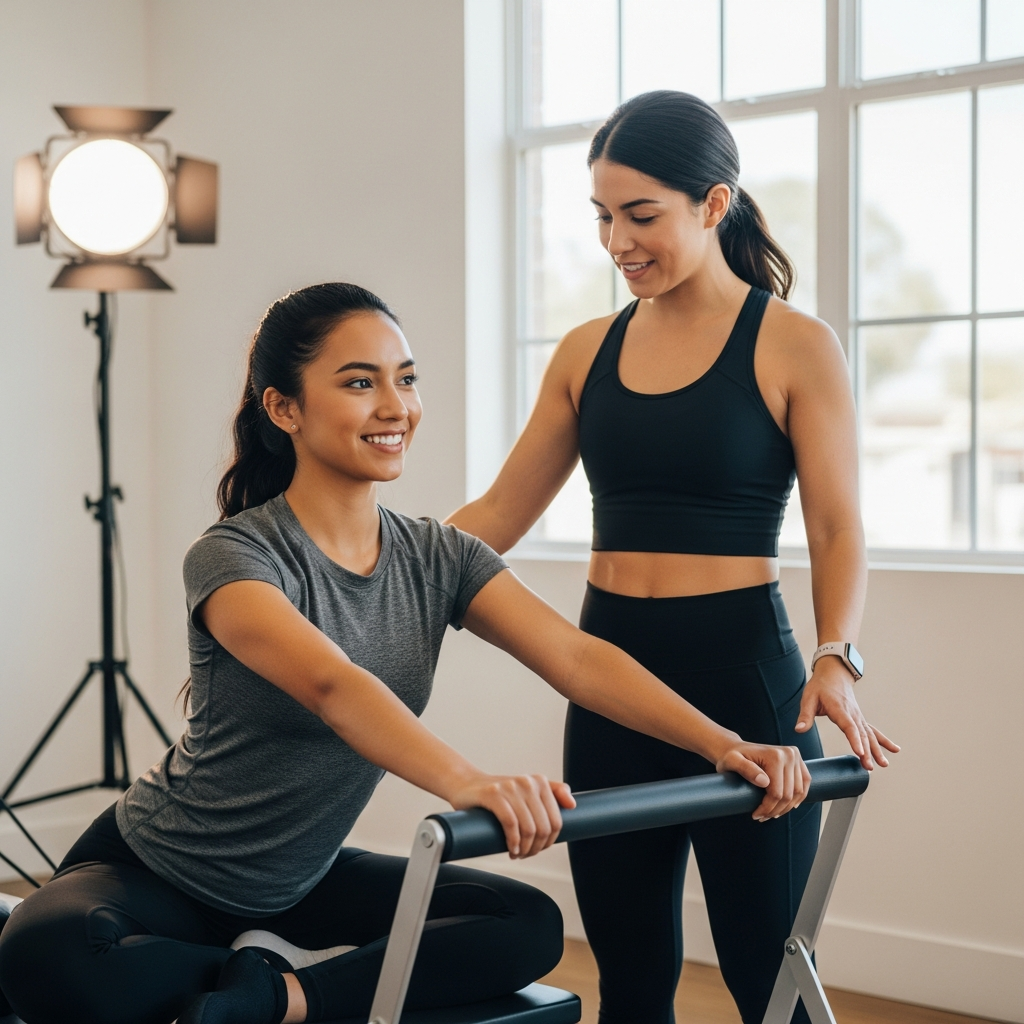
You’ve done the math a hundred times. The gym membership you’re already paying for, the occasional yoga class you drop into when you’re feeling ambitious, maybe a few random fitness apps on your phone that you downloaded with the best intentions… and yet somehow, you’re still not quite where you want to be. Sound familiar?
Here’s the thing about fitness commitments – most of us don’t actually fail because we’re lazy or unmotivated. We fail because the thing we signed up for didn’t *fit*. The big-box gym felt overwhelming. The group class moved too fast. Nobody knew your name, nobody noticed when you stopped showing up, and honestly? It just felt like you were throwing money at a problem and hoping something stuck.
That’s exactly why so many people in Fort Worth are quietly making the switch to Pilates studios – and more specifically, why they’re choosing membership over drop-in classes. There’s something different happening inside these smaller, more intentional spaces. Something that actually works.
Why Membership Actually Changes Things
Before we get into the specifics of what a Fort Worth Pilates studio membership typically includes – because there’s a lot more to unpack there than you might expect – it’s worth talking about why membership matters in the first place. Not just financially, though that matters too.
When you’re a member somewhere, you belong to it. That sounds almost too simple, but think about the difference between renting a vacation home and actually owning one. When it’s yours, you show up differently. You invest more. You care. Pilates studio memberships are structured specifically to create that feeling of commitment and community, and the best ones in Fort Worth have genuinely figured out how to make that stick.
And look, Pilates itself deserves a moment here. This isn’t your grandmother’s gentle stretching class – though it absolutely *can* be gentle when you need it to be. Reformer Pilates, mat work, tower sessions… these are full-body workouts that build the kind of deep, functional strength that makes your entire life feel better. Your posture. Your back pain. The way you carry yourself walking into a room. People get hooked on Pilates because it *works*, and it works in ways that feel almost sneaky – you’re doing it and suddenly realize you’ve gotten stronger without ever feeling like you were punishing yourself.
What You’re Actually Going to Learn Here
So what does a membership at a Fort Worth Pilates studio actually get you? That’s the question we’re really here to answer – and it’s a bigger question than it looks.
We’re talking about class access and how studios structure their tiers, what equipment you’ll actually have your hands on, whether instructor-led programming is included or costs extra, and the community perks that don’t always make it onto the studio’s website but end up being the reason people stay for years. We’ll also touch on what to look for when you’re comparing memberships, because not all of them are created equal. Some look incredible on paper and feel hollow in practice. Others seem simple but quietly give you everything you need.
There’s also the practical stuff – the scheduling flexibility (or lack thereof), how cancellation policies work, whether you get any one-on-one attention or it’s all group, all the time. These details matter enormously when you’re deciding whether something is actually going to fit into your real life, not just your ideal-week fantasy life.
One thing worth knowing upfront: the Fort Worth Pilates scene has grown a lot in the last several years. There are more options now, which is genuinely wonderful, but it also means there’s more to navigate. A membership that’s perfect for someone who wants intense daily reformer sessions is going to look completely different from what works for someone returning from an injury or someone who just wants two solid workouts a week.
You deserve to know exactly what you’re getting before you commit. So let’s make sure you do.
What Pilates Actually Is (And What It Isn’t)
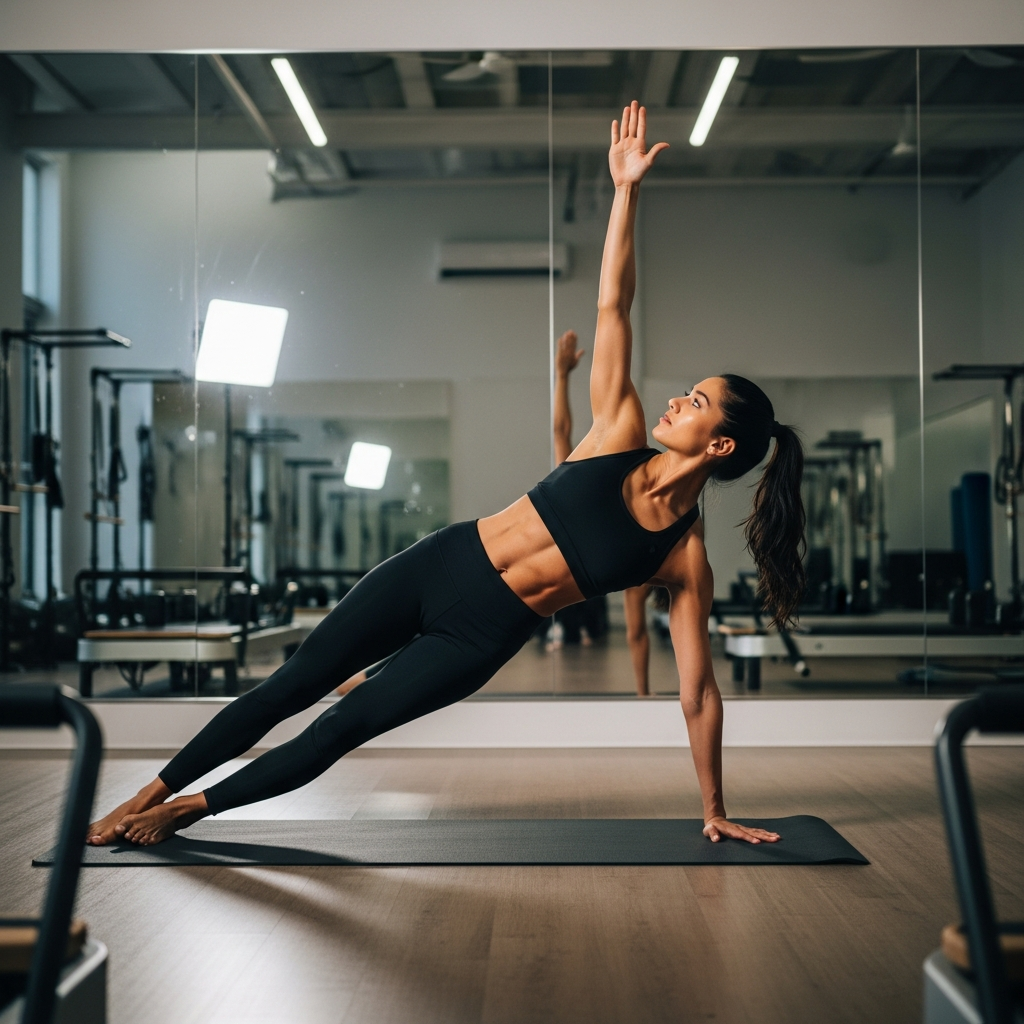
If you’ve ever walked past a Pilates studio and peered through the window at all those spring-loaded contraptions and thought “that looks like some kind of medieval torture device” – you’re not alone. The reformer, which is that sliding bed-looking thing with the cables and pulleys, throws basically everyone off at first. It looks intimidating. It really isn’t. Well… mostly.
Pilates is a movement system developed in the early 20th century by a guy named Joseph Pilates – a German-born fitness innovator who was, by all accounts, absolutely obsessed with the connection between physical and mental strength. He called his method “Contrology,” which sounds a little dramatic, but the core idea is actually elegant: controlled, intentional movement that builds strength from the inside out. Not bigger muscles. Not exhausted muscles. Coordinated muscles.
The foundational principle is what practitioners call “the powerhouse” – the deep core muscles wrapping around your midsection like a built-in weight belt. When these muscles work properly, everything else in your body moves better. Your posture improves. Your back stops aching. You start moving like someone who’s actually connected to their own body, which – honestly – most of us aren’t.
Mat vs. Reformer: The Distinction That Actually Matters for Membership
Here’s where things get a little confusing, and it’s worth understanding before you commit to any membership tier. Most Fort Worth studios offer two distinct Pilates experiences, and they’re different enough that they’re almost separate disciplines.
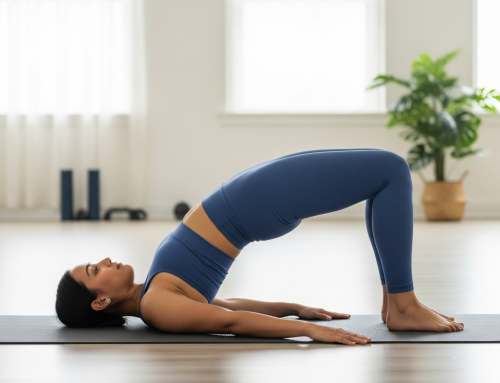
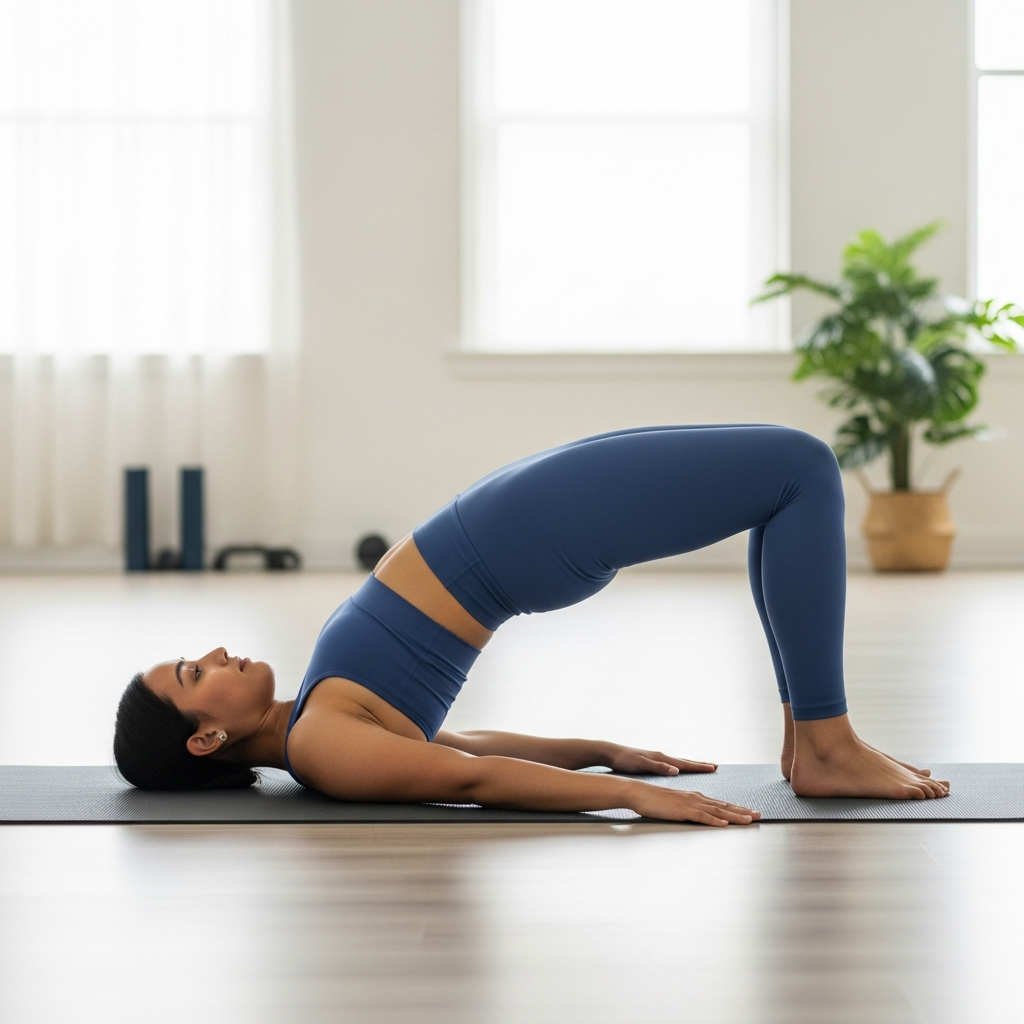
Mat Pilates is exactly what it sounds like – you’re working on a mat, using your own bodyweight as resistance. It’s accessible, requires zero equipment, and is legitimately challenging in its own right. Don’t let anyone tell you mat work is “beginner Pilates.” Joseph Pilates himself considered mat work the purest form of his method.
Reformer Pilates uses that intimidating spring-resistance machine. The springs actually assist movement in some cases and resist it in others – which is counterintuitive, right? A machine can make things easier *and* harder depending on the spring setting and the exercise. This adaptability is exactly what makes the reformer so useful for such a wide range of bodies and fitness levels.
Most memberships will specify how many classes of each type you get, and the split matters more than you’d think. Reformer classes are typically smaller (those machines take up space) and more expensive to run, which is why they’re often tiered separately in membership pricing.
Why Studios Structure Memberships the Way They Do
Think of a Pilates membership like a cell phone plan – stay with me here. You’ve got your basic plan, your mid-tier plan, and your “unlimited everything” plan. Studios in Fort Worth generally follow this model because it serves genuinely different types of people.
Someone rehabbing a knee injury might need two focused reformer sessions per week and nothing else. An athlete cross-training might want unlimited mat classes with reformer sessions sprinkled in. A busy professional just starting out might do best with a flexible, lower-commitment option before deciding how often they’ll realistically show up. (And look, we all have grand intentions that sometimes meet the reality of a long Wednesday.)
The class formats you’ll typically find bundled into memberships include
– Group reformer classes – usually 4 to 10 people, instructor-led, set choreography – Group mat classes – often larger, sometimes used for foundational instruction – Tower/Cadillac classes – uses a vertical frame attached to a reformer, less common but incredibly effective – Private sessions – one-on-one with an instructor, usually add-on or premium tier
The Instructor Certification Question
This one matters, and not everyone thinks to ask about it. Pilates instructors aren’t all certified through the same organization, and the training hours required can vary wildly – from a weekend workshop to 450+ hours of comprehensive training. The Pilates Method Alliance and BASI Pilates are among the more rigorous certifying bodies.
Why does this affect your membership value? Because the quality of instruction directly determines your results – and honestly, your safety. A well-trained instructor will modify exercises for your body in real time, catch movement compensations you don’t even know you’re making, and progress you appropriately. That expertise is a big part of what you’re paying for when you sign up.
A reputable Fort Worth studio will be upfront about their instructors’ credentials. If they’re not displayed somewhere visible, it’s completely reasonable – and smart – to ask.
Ask About the “Soft” Benefits Before You Sign Anything
Here’s something most people skip entirely when they’re standing at the front desk, membership agreement in hand: the unofficial perks. Every studio has them – the things that aren’t printed on the brochure but absolutely affect your experience. Ask specifically whether your membership includes guest passes (and how many per month), whether you can freeze your account if you travel for work, and what happens if you need to cancel. Fort Worth studios vary *wildly* on cancellation policies. Some require 30 days written notice. Others? 60 days. Finding that out on month seven feels very different than finding it out on day one.
Also ask if they offer make-up classes when the studio cancels a session. It happens more than you’d think – instructor illness, weather, scheduling conflicts – and some memberships credit you automatically while others just… don’t.
Figure Out Your Actual Usage Before Committing to a Tier
Most Fort Worth Pilates studios offer tiered memberships – something like 4 classes per month, 8 classes, or unlimited. The unlimited option *sounds* like the obvious winner, but be honest with yourself. If you’re realistically going to make it twice a week, you don’t need unlimited access, and you’d be paying for sessions you’ll never use.
Do the math with a specific number in mind. If unlimited costs $180/month but the 8-class tier is $130, and you know you’ll probably hit 6-8 sessions… that math isn’t hard. Save the $50. (And if you genuinely do go more often, you can upgrade – it’s not a lifetime decision.)
Actually, that reminds me – ask whether unused classes roll over. Some memberships let you bank sessions month to month, up to a certain cap. That’s genuinely valuable if your schedule is unpredictable.
Equipment Access Is Not Always What It Seems
This is the one that catches people off guard. A membership that includes “equipment classes” sounds comprehensive, right? But there’s often a distinction between reformer classes, open studio time on reformers, and private equipment sessions – and they’re priced completely differently. Don’t assume open studio time is included just because reformer group classes are.
If you’re coming from a physical therapy background or you’re recovering from an injury – which honestly is a huge reason people find their way to Pilates in the first place – you’ll probably want some one-on-one reformer time. Confirm upfront whether that’s bundled in or whether it’s add-on pricing.
New Member Introductory Deals Are Real Leverage
Almost every Fort Worth studio runs some version of a new client special – maybe $99 for your first month, or a discounted introductory package. Use it. But here’s the thing most people don’t know: you can often negotiate the transition into a regular membership if you loved your intro experience. Come in having done your research on competitor pricing in the area, and just have the conversation. Worst they say is no.
Some studios will also let you apply intro package sessions toward a membership upgrade if you haven’t used all of them. Worth asking directly rather than assuming it works one way or another.
The Studio Schedule Is Part of Your Membership Too
This sounds obvious but people overlook it completely. A membership with 8 classes per month is effectively worthless if the classes you want are always booked or scheduled at times you can’t make. Before you commit, open the booking app – most studios use Mindbody or something similar – and actually look at class availability for the next two weeks. Are the 6am reformer sessions full three days out? Is there a waitlist culture?
Some Fort Worth studios let members book further in advance than drop-in clients, which is genuinely useful. That’s a question worth asking directly.
Track Your First 60 Days Intentionally
Once you’re in, give yourself a real trial period. Keep a loose log – nothing fancy, even just a note in your phone – of which classes you attended, which instructor clicked for you, and whether you’re actually using what your membership covers. By day 60, you’ll have real data instead of gut feelings, and you’ll know exactly whether to stay, switch tiers, or try a different studio altogether.
That information is worth more than any sales pitch.
When Real Life Gets in the Way of Your Best Intentions
Let’s be honest for a second. You signed up with genuine excitement – maybe you’d been thinking about it for months – and then somewhere around week three, things got complicated. Work got crazy. The kids had a schedule conflict. You skipped one class, then another, and suddenly you’re doing that mental math where you calculate how much money you’ve spent versus how many times you’ve actually shown up.
This happens to almost everyone. Not because you’re lazy or uncommitted, but because life is genuinely relentless sometimes.
The good news? The challenges that trip people up are pretty predictable. Which means the solutions are too.
The “I Can’t Find a Class Time That Works” Problem
This one’s sneaky because it feels like a scheduling problem, but it’s usually a prioritization problem in disguise. (I say that with zero judgment, by the way – it took me years to understand the difference.)
Most Fort Worth studios offer classes across a wide time window, but if you’re only considering the 9am slot because that’s when you vaguely thought you’d come… you might be setting yourself up to struggle. Look at your actual week – not your ideal week – and find two or three realistic time slots. Put them in your calendar like they’re medical appointments. Because honestly? They kind of are.
If your schedule is genuinely unpredictable, ask the studio about open gym access or reformer reservation options. Many memberships include these, and they’re underused by people who don’t realize they can just come in and work independently when a class doesn’t fit.
Hitting a Plateau and Losing Steam
You felt incredible for the first six weeks. Then progress slowed. This is where a lot of people quietly start skipping more and eventually ghost the studio entirely – which is a shame, because plateaus are actually normal physiological territory, not a sign that something’s wrong.
Pilates works in layers. The first gains come quickly. After that, the improvements are subtler but arguably more significant – better neuromuscular coordination, deeper core engagement, posture changes that happen so gradually you don’t notice until someone else does. The problem is that subtlety doesn’t feel like progress when you’re used to dramatic results.
The solution here is honestly just information. Talk to your instructor. Tell them you feel stuck. A good studio will reassess where you are and introduce new challenges – different equipment, different progressions, maybe mixing in some private sessions if your membership allows it. Don’t suffer in silence and then cancel.
The Intimidation Factor (More Common Than Anyone Admits)
Group classes can feel… exposing. Especially if you’re newer to movement or dealing with body image stuff, which – let’s not pretend – a lot of us are. Watching someone next to you flow through a hundred effortlessly while you’re still figuring out which way your pelvis is supposed to tilt? Demoralizing.
Here’s what actually helps: introduce yourself to the instructor before class starts. Not to announce your limitations, but just to make a human connection. Instructors notice the people who’ve said hello, and they’ll naturally keep an eye on you during class without making it weird. Also – and this sounds simple but really works – arrive five minutes early instead of rushing in at the last second. Starting class already stressed makes everything harder.
When You’re Traveling or Traveling for Work Constantly
This is a real membership killer for people in certain careers. You miss two weeks, you lose your rhythm, it feels impossible to restart.
Some Fort Worth studios have reciprocal agreements with other Pilates studios nationally, or they offer virtual class options as part of membership. Ask about this before you need it. Also worth knowing: even one session a week maintains far more than zero. If travel has you down to once a week for a month, that’s not failure – that’s maintenance, and maintenance counts.
The Mental Weight of “I Should Be Further Along”
This one doesn’t have a scheduling fix or a class swap solution. It just requires reframing. Wherever you are right now is exactly where six months of showing up – imperfectly, inconsistently, but genuinely – got you. And that’s further than you’d be if you’d never started.
The people who get the most out of their memberships aren’t the most athletic or the most flexible. They’re the ones who keep coming back after the hard weeks. That’s genuinely the whole secret.
What to Expect When You’re Just Starting Out
Let’s be honest with you for a second – because we’d rather set realistic expectations now than have you feeling frustrated three weeks in wondering why you don’t look like the instructor yet.
Pilates works. It genuinely does. But it works on its own timeline, and that timeline is slower than most of us would like. The first few sessions? You’ll probably feel a little lost, maybe slightly humbled, and almost certainly sore in places you forgot existed. Your core will remind you it’s there. So will your hip flexors.
That’s completely normal. That’s actually the whole point.
The Realistic Timeline (Please Read This Part)
Here’s what most people actually experience, broken down honestly
Weeks 1-3 are mostly about learning. You’re figuring out the equipment, understanding cues like “neutral spine” and “imprint,” and building a foundation. Don’t expect dramatic physical changes yet – your nervous system is just getting acquainted with these movements. Think of it like learning a new language. You’re not fluent after three lessons.
Around weeks 4-8, something starts to click. Your posture might improve noticeably. You’ll stand a little taller without thinking about it. People sometimes mention that their lower back feels better, or that they feel more “put together” somehow – even if the scale hasn’t budged.
By months 3-6, that’s when the real changes tend to become visible. Strength, muscle definition, improved movement patterns. This is when members often tell us it’s becoming genuinely addictive – in the best possible way.
Weight loss, specifically, depends on so many factors beyond your studio time – what you’re eating, your sleep, your stress levels, any medications you’re taking. Pilates is an incredible complement to a comprehensive weight management plan, but it’s not a standalone fix, and we’d be doing you a disservice to pretend otherwise.
How Often Should You Actually Come?
Two to three sessions per week is the sweet spot for most people – enough to build momentum without burning out or breaking your budget. One session a week is better than nothing, honestly, but you’ll progress more slowly. It’s like watering a plant once a month and wondering why it’s not thriving.
Your membership gives you flexibility here, so use it strategically. Some weeks you’ll make it three times. Some weeks life happens and you get there once. That’s fine. Consistency over time matters far more than perfection in any given week.
Making the Most of Your Membership
A few things that genuinely make a difference – and these come from watching hundreds of members over the years
Tell your instructors what’s going on with your body. That shoulder thing you’ve been ignoring? Mention it. The knee that’s been weird since your hiking trip? Say something. Good instructors modify in real time, but only if they know what to work around.
Don’t skip the intro sessions or orientation if your membership includes them. We know it’s tempting to jump straight into a group class, but understanding the fundamentals first means you’ll get dramatically more out of every session after that.
And – this might sound obvious but it’s worth saying – actually use the resources included in your membership. Whether that’s nutritional guidance, accountability check-ins, or complementary services offered through the clinic, those aren’t just perks. They’re often what separates members who see real results from members who plateau.
When to Reassess
Give yourself at least 90 days before making any major judgments about whether this is working. That’s not a sales pitch to keep your money – that’s just physiology. Your body needs time to adapt, and two months genuinely isn’t enough data.
That said, if something feels off – if you’re in pain (not soreness, actual pain), if classes consistently feel misaligned with your goals, or if you’re not connecting with the instructors – talk to someone at the front desk sooner rather than later. Most studios, including ours, would rather adjust your plan than lose you entirely.
The goal here isn’t to sell you on Pilates as some magical answer. It’s to help you find something sustainable – something that fits into your real life, supports your health goals, and maybe even becomes something you actually look forward to. That takes a little time to build. Most things worth having do.
So here’s the thing about Pilates memberships – they can look a little overwhelming at first glance. All those tier options, class types, reformer schedules, and add-ons… it’s a lot to sort through when you’re just trying to figure out if it’s worth it for *you*.
But honestly? Most people who walk through the door of a Fort Worth Pilates studio wondering if they’re making the right call end up wishing they’d started sooner. Not because it’s some magical fix – nothing is – but because they finally found something that actually fits into their real life. Their real body. Their real schedule.
The best memberships aren’t just about how many classes you can cram into a month. They’re about access to instructors who actually notice when your form is off, communities that don’t make you feel like you wandered into the wrong room, and enough flexibility that life’s inevitable chaos doesn’t derail everything you’ve worked for. A good membership should feel like a resource, not a contract you’re white-knuckling your way through.
What It Really Comes Down To
When you’re weighing your options, think less about the price per class and more about what you’ll actually *use*. An unlimited membership sounds incredible – and it can be – but if you’re realistically getting there twice a week, a different tier might serve you better. And that’s okay. There’s no shame in being honest with yourself about your schedule. The studios that genuinely want to help you will tell you the same thing.
It’s also worth remembering that the extras matter more than they seem upfront. Workshops, nutritional support, progress check-ins, open reformer time… these are the things that quietly make the difference between plateauing and actually feeling progress. Don’t overlook them when you’re comparing what’s included.
You Don’t Have to Figure This Out Alone
If you’re still feeling a little fuzzy on which membership level makes sense, or you have questions that this article didn’t quite answer – maybe something specific to your health history, your goals, or what our clinic’s programs look like alongside a Pilates practice – please just reach out. Seriously. That’s what we’re here for.
You can call us, shoot us a message, or stop by to chat. No pressure, no sales script. Just a real conversation about where you are and what might actually help. Our team works with people at every starting point – whether you’ve been doing Pilates for years or you’re not entirely sure what a reformer even is (it’s not as intimidating as it looks, promise).
The goal is always to make sure you feel *confident* in whatever step you take next. Not rushed. Not overwhelmed. Just supported.
So if something in this article sparked a question, or if you’ve been sitting on the fence for a while wondering whether to make a move… maybe this is the nudge. You can always learn more before committing to anything. But you deserve to have someone help you think it through – and we’d genuinely love to be that for you.